Check out this FREE Trial Lesson on Addition & Subtraction for age 3-8!

X

Favorites
With answer key
Interactive
  • 3-8
  • Understanding fractions
  • Addition & Subtraction
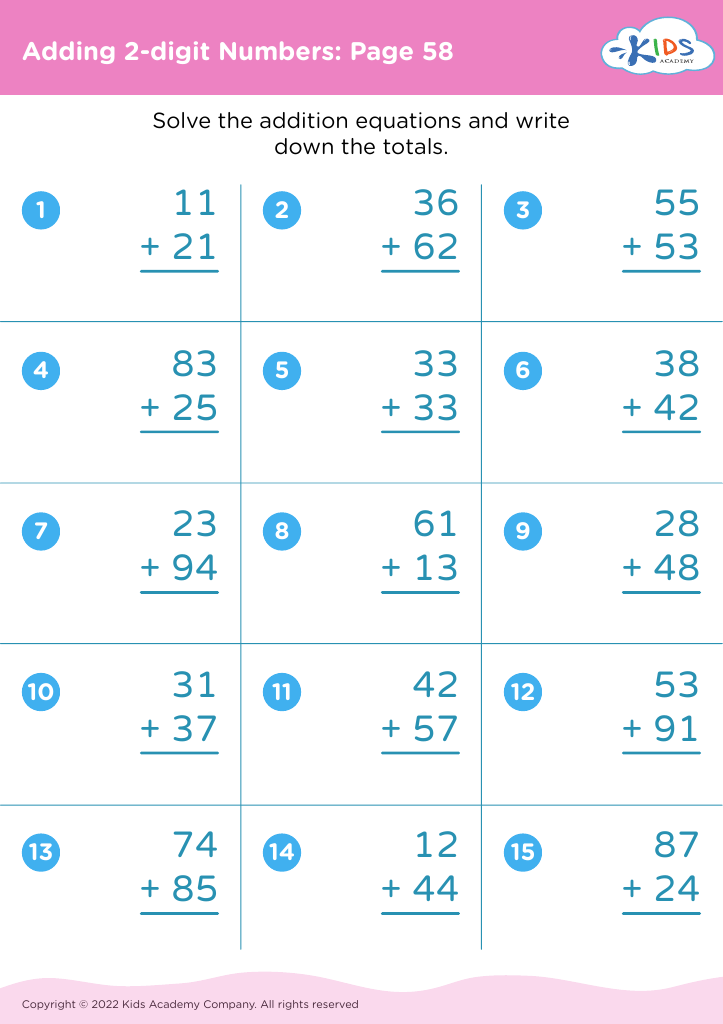
Adding 2-digit Numbers: Page 58

Adding 2-digit Numbers: Page 58

Adding 2-digit Numbers: Page 58
Worksheet
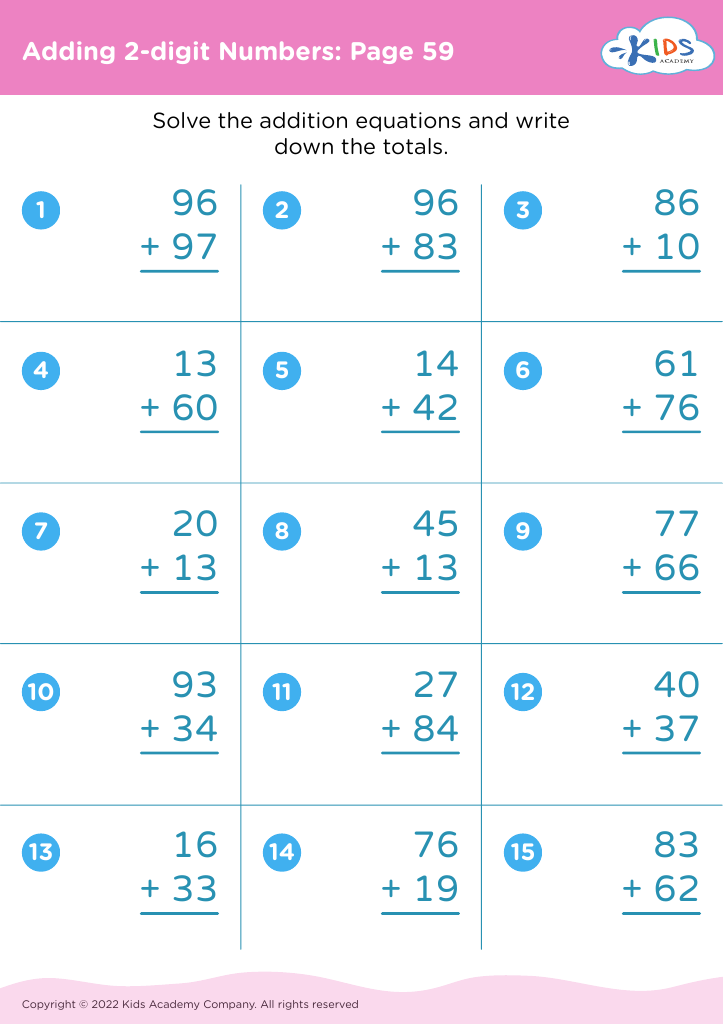
Adding 2-digit Numbers: Page 59

Adding 2-digit Numbers: Page 59

Adding 2-digit Numbers: Page 59
Worksheet
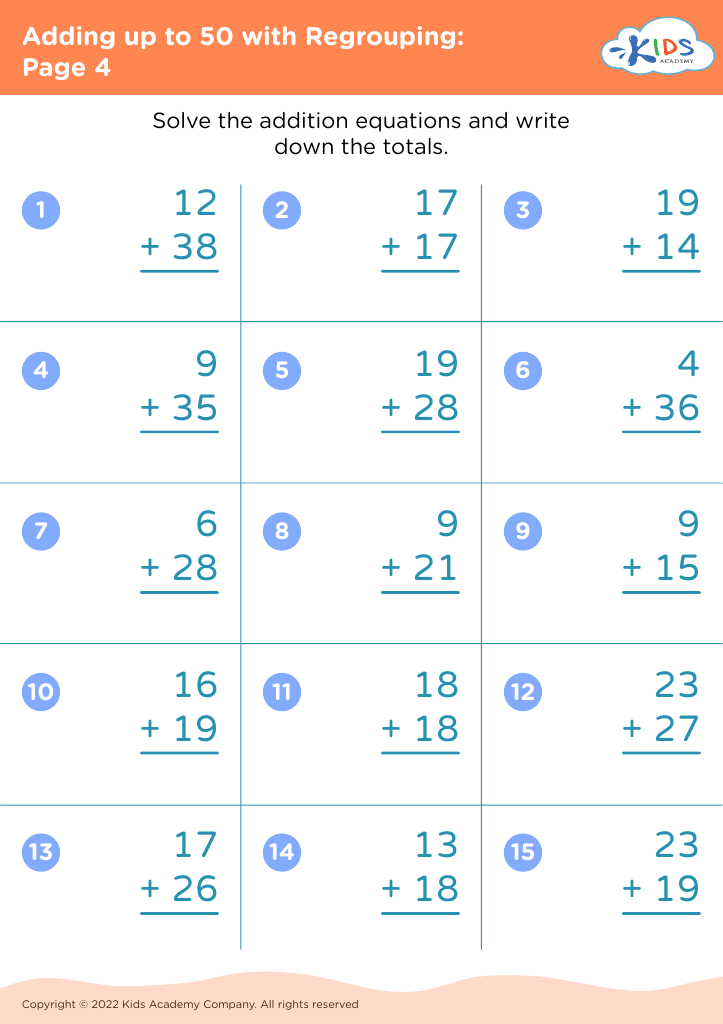
Adding up to 50 with Regrouping: Page 4
Worksheet
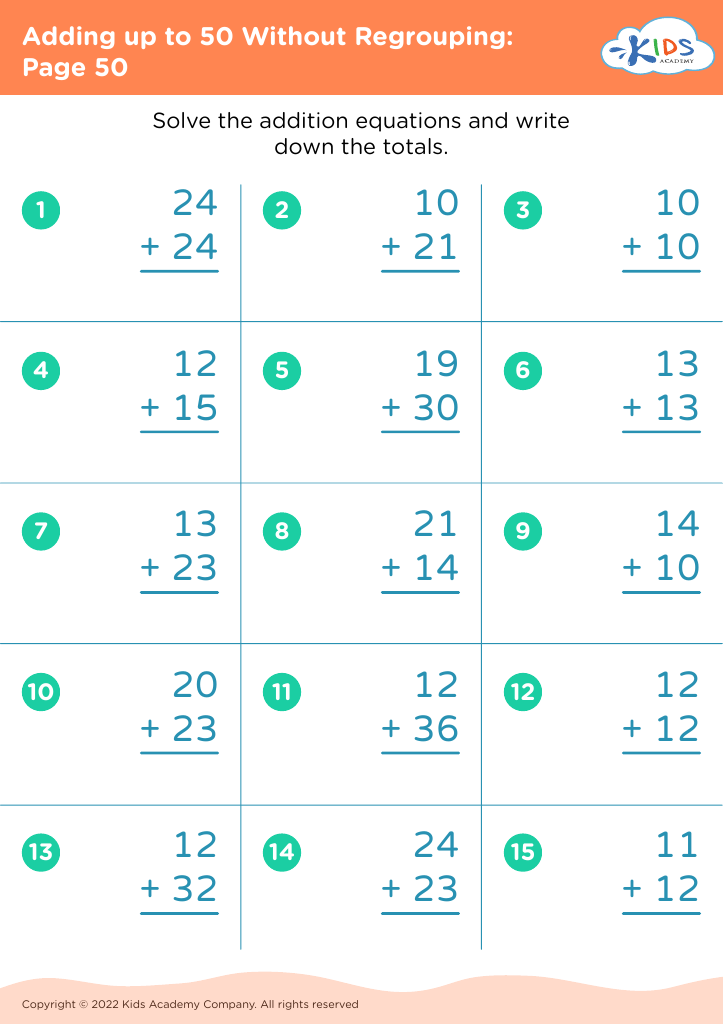
Adding up to 50 Without Regrouping: Page 50
Worksheet
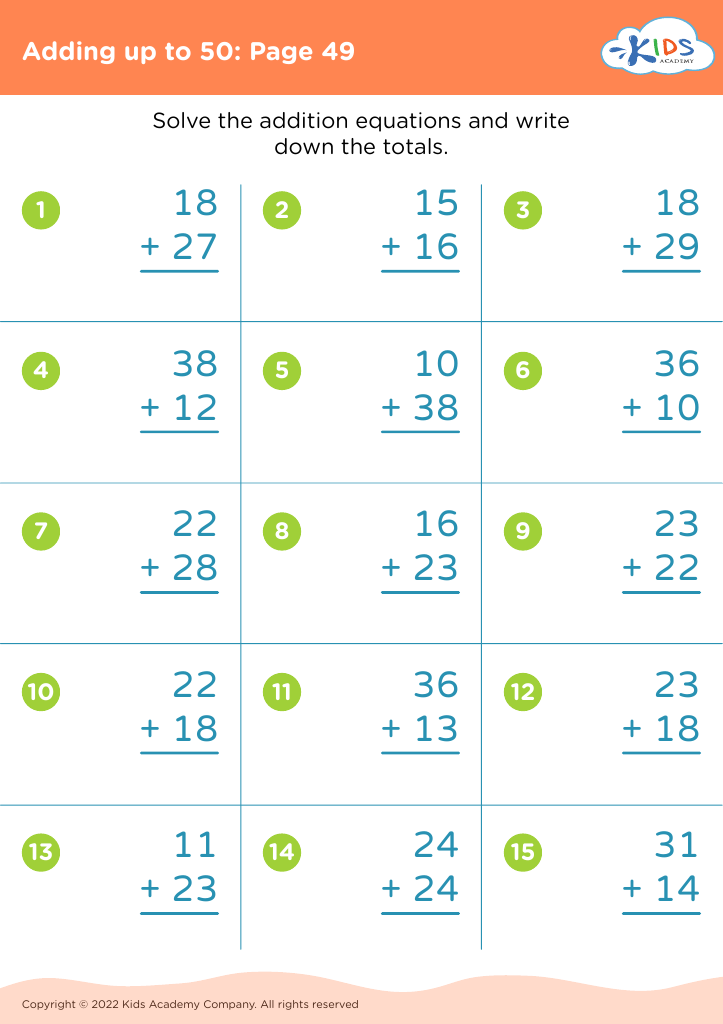
Adding up to 50: Page 49

Adding up to 50: Page 49

Adding up to 50: Page 49
Worksheet
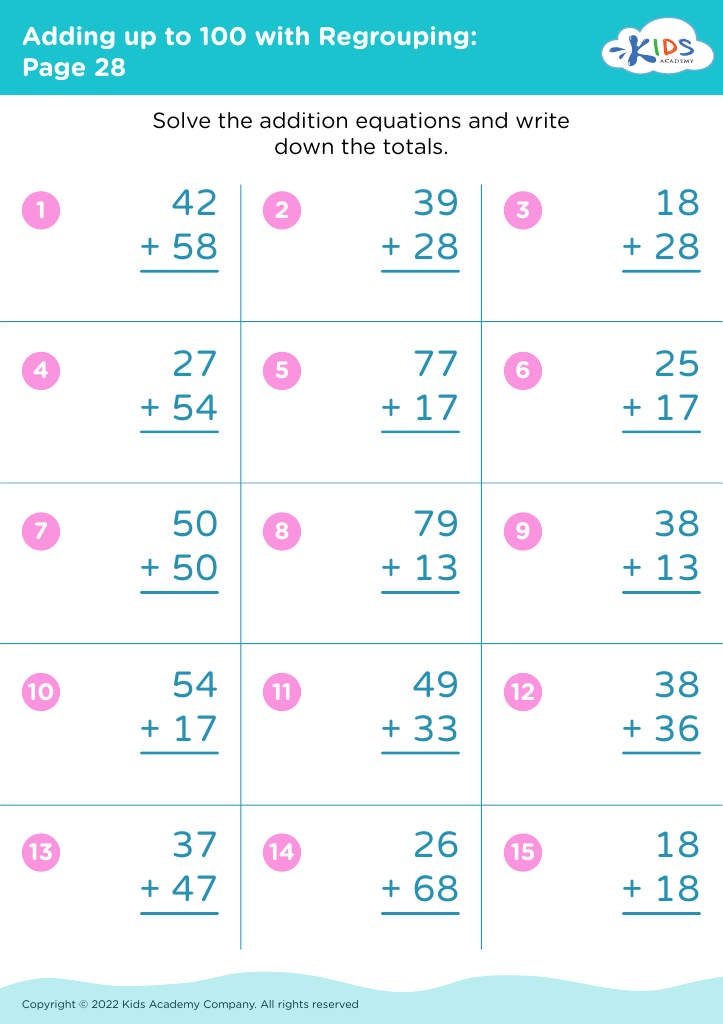
Adding up to 100 with Regrouping: Page 28
Worksheet
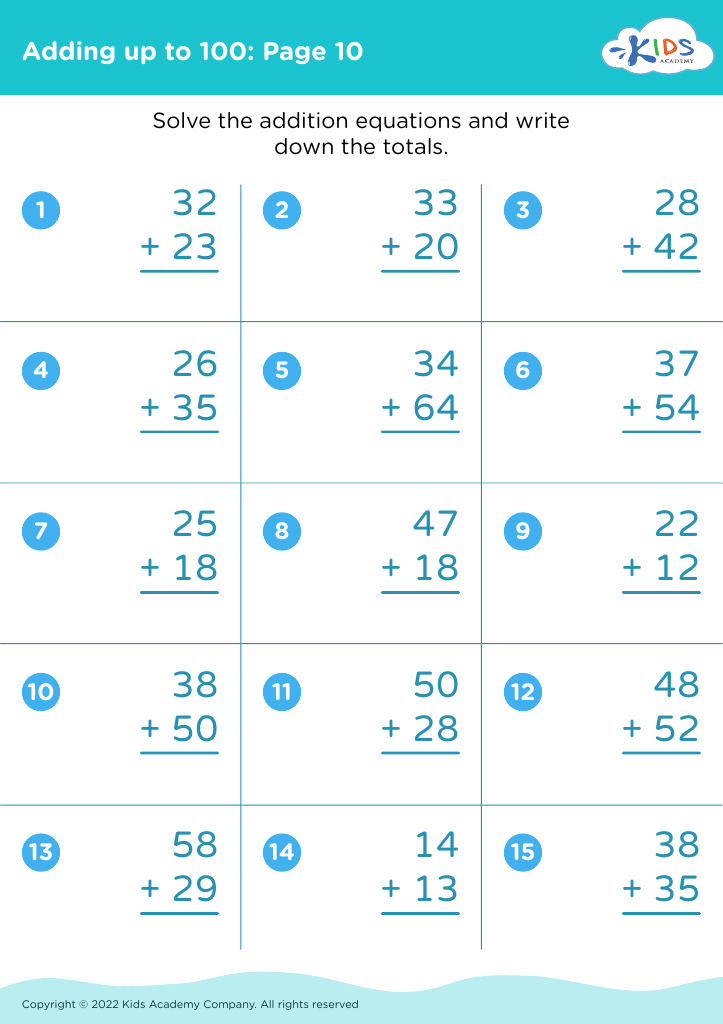
Adding up to 100: Page 10

Adding up to 100: Page 10

Adding up to 100: Page 10
Worksheet
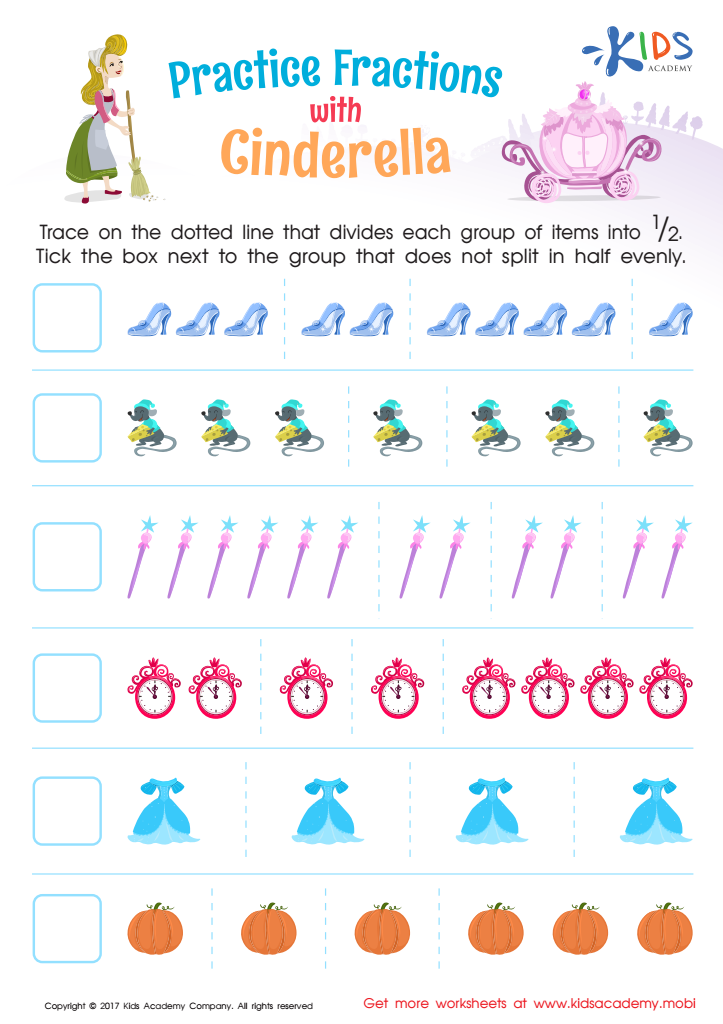
Cinderella Fraction Practice

Fractions: Cinderella Printable

Cinderella and ½ are the perfect pair to excite your child about learning fractions.
Fractions: Cinderella Printable
Worksheet
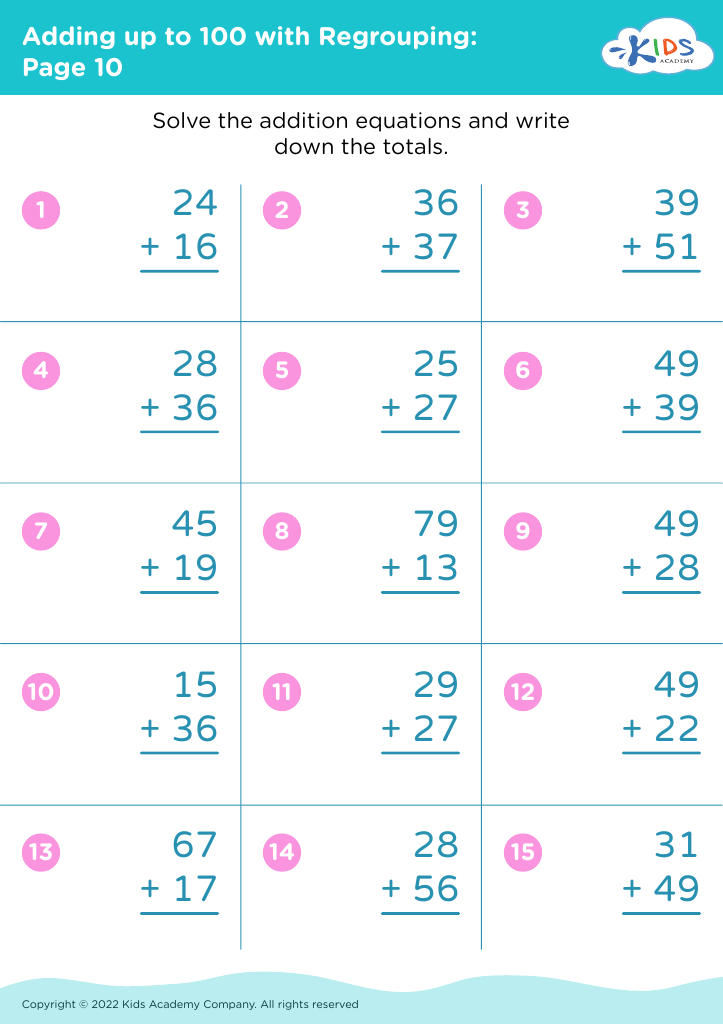
Adding up to 100 with Regrouping: Page 10
Worksheet
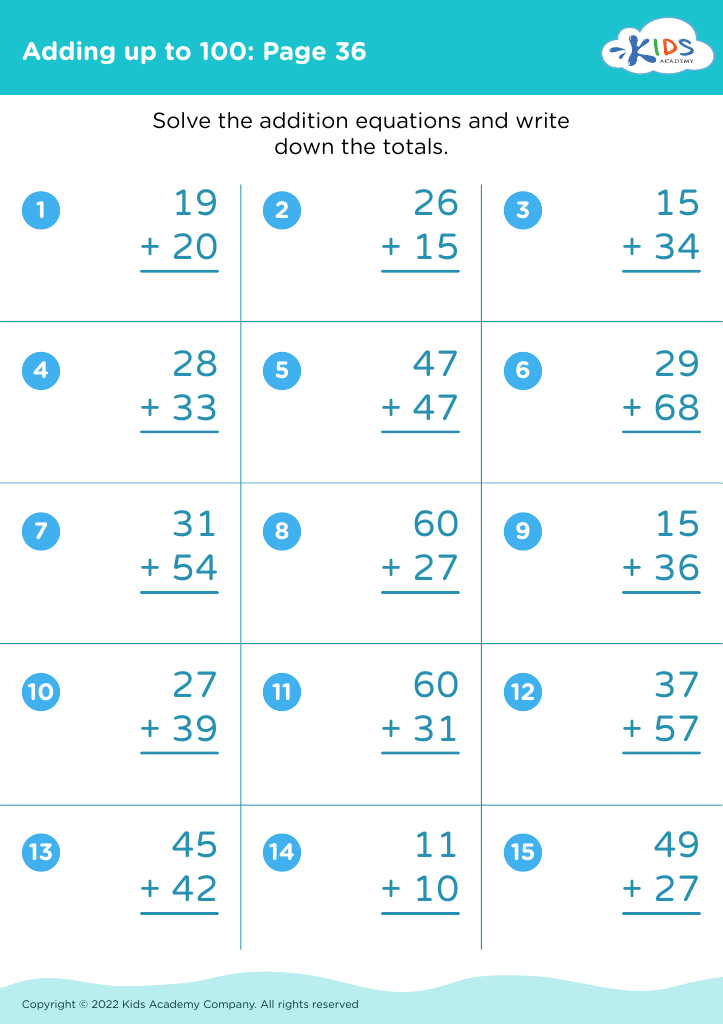
Adding up to 100: Page 36

Adding up to 100: Page 36

Adding up to 100: Page 36
Worksheet
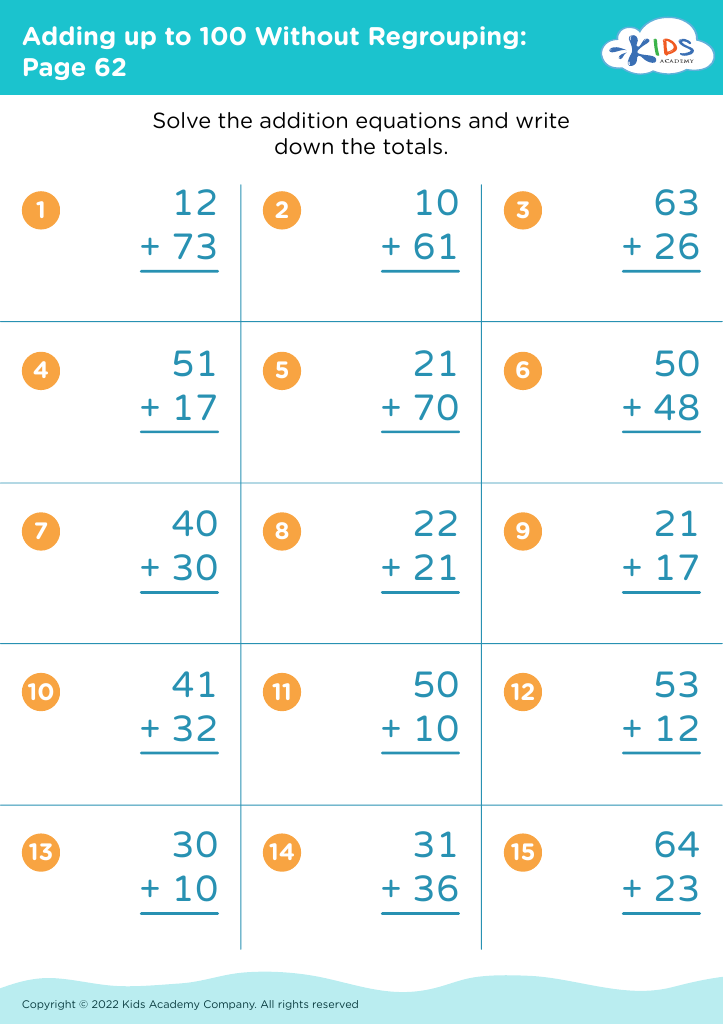
Adding up to 100 Without Regrouping: Page 62
Worksheet
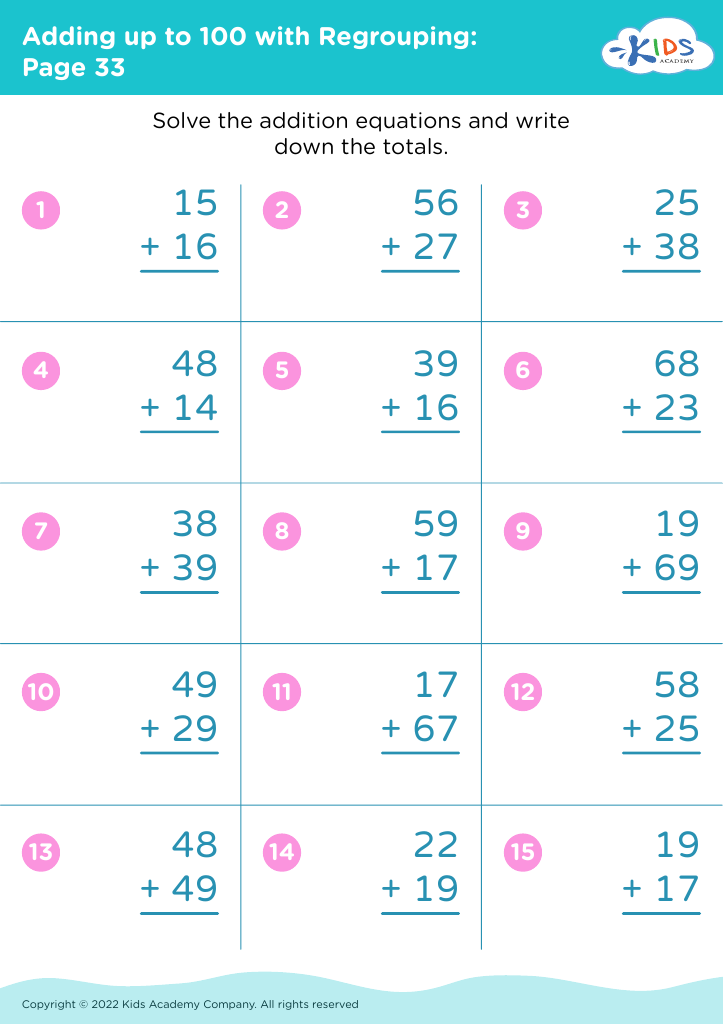
Adding up to 100 with Regrouping: Page 33
Worksheet
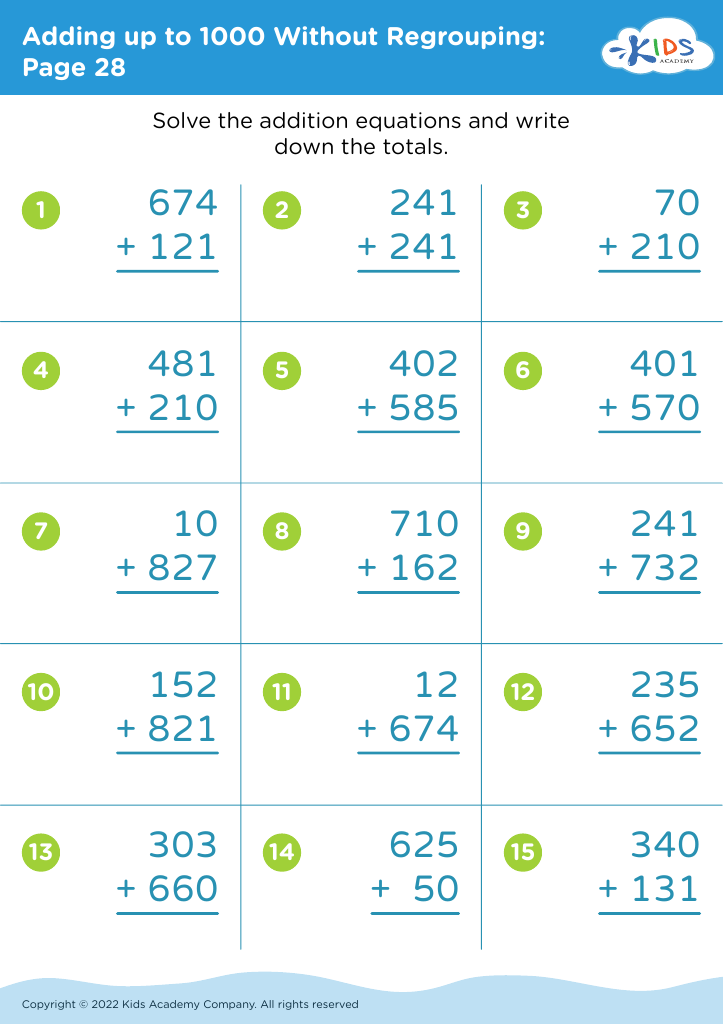
Adding up to 1000 Without Regrouping: Page 28
Worksheet
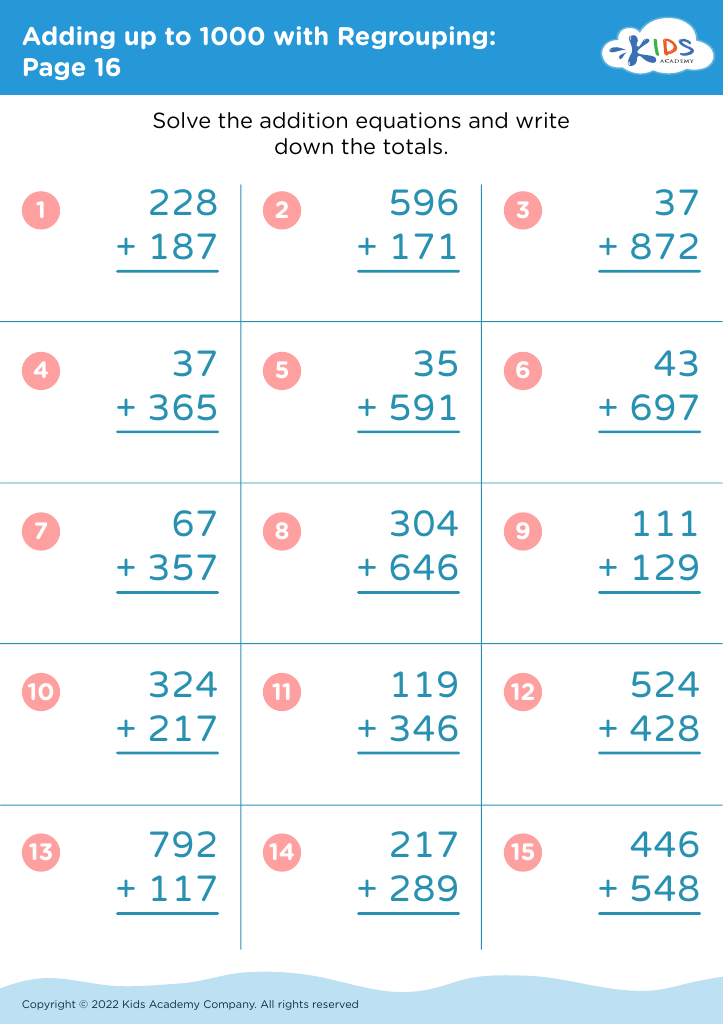
Adding up to 1000 with Regrouping: Page 16
Worksheet
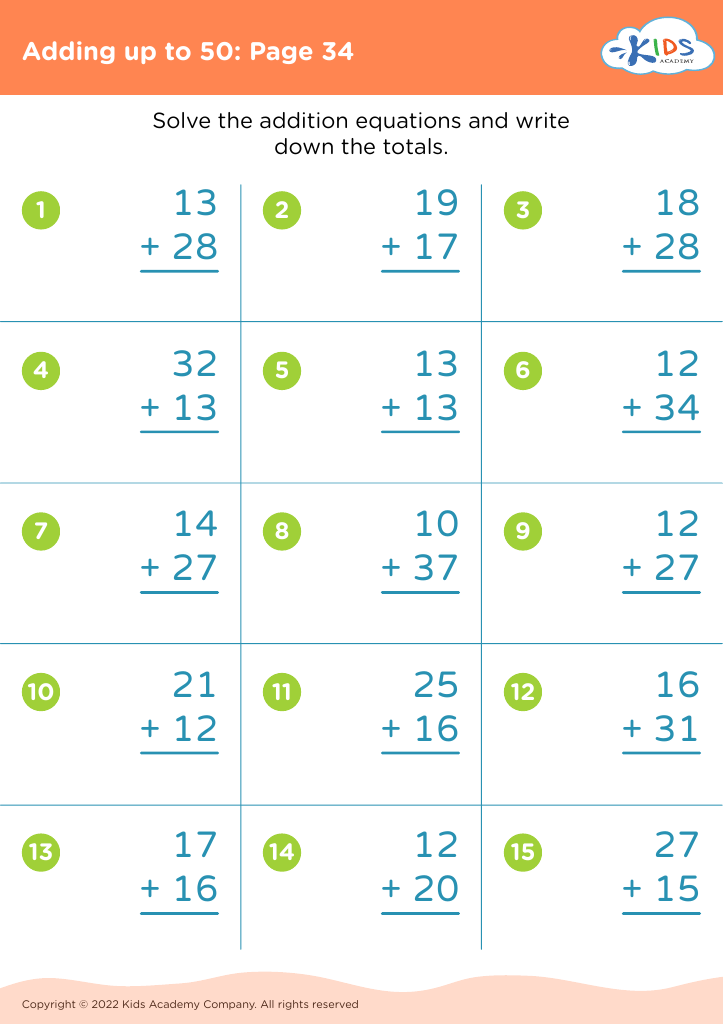
Adding up to 50: Page 34

Adding up to 50: Page 34

Adding up to 50: Page 34
Worksheet
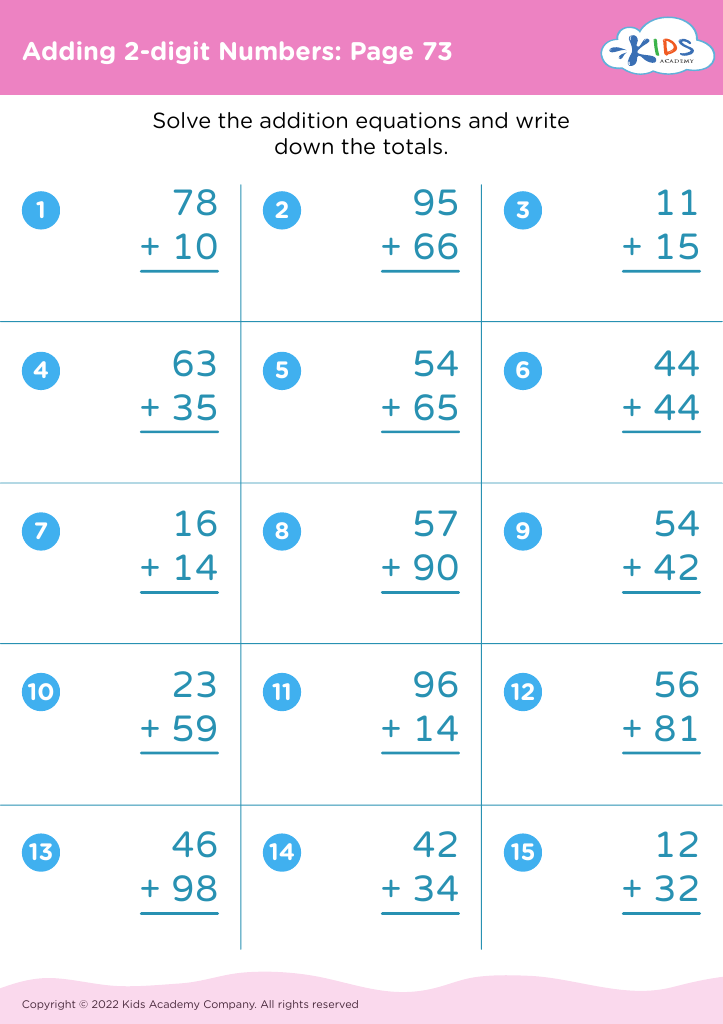
Adding 2-digit Numbers: Page 73

Adding 2-digit Numbers: Page 73

Adding 2-digit Numbers: Page 73
Worksheet
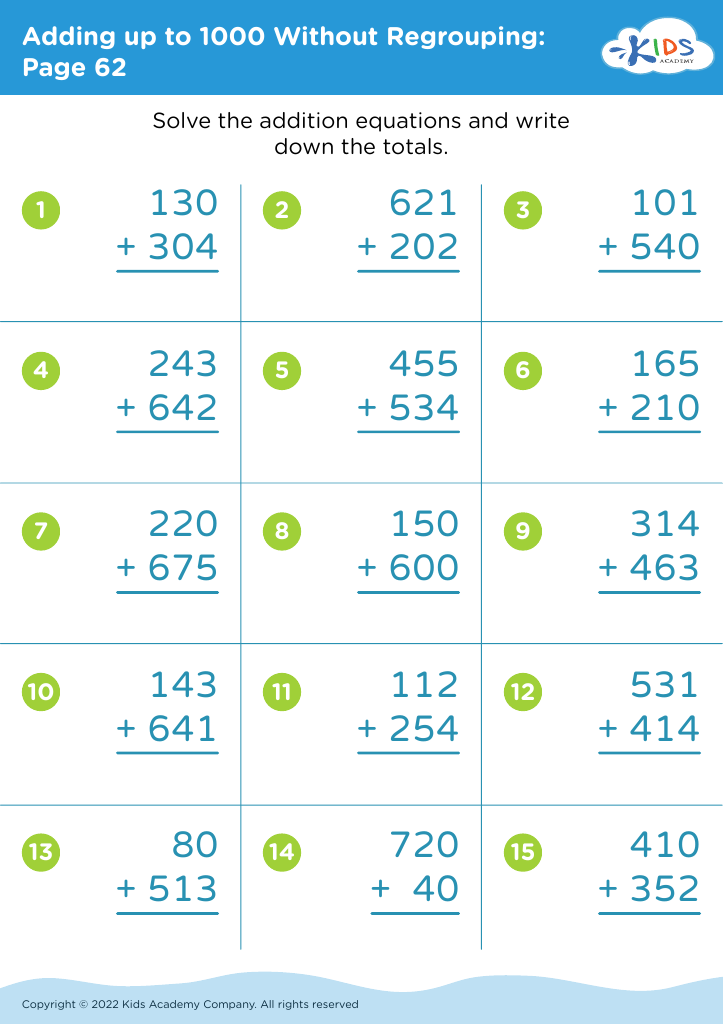
Adding up to 1000 Without Regrouping: Page 62
Worksheet
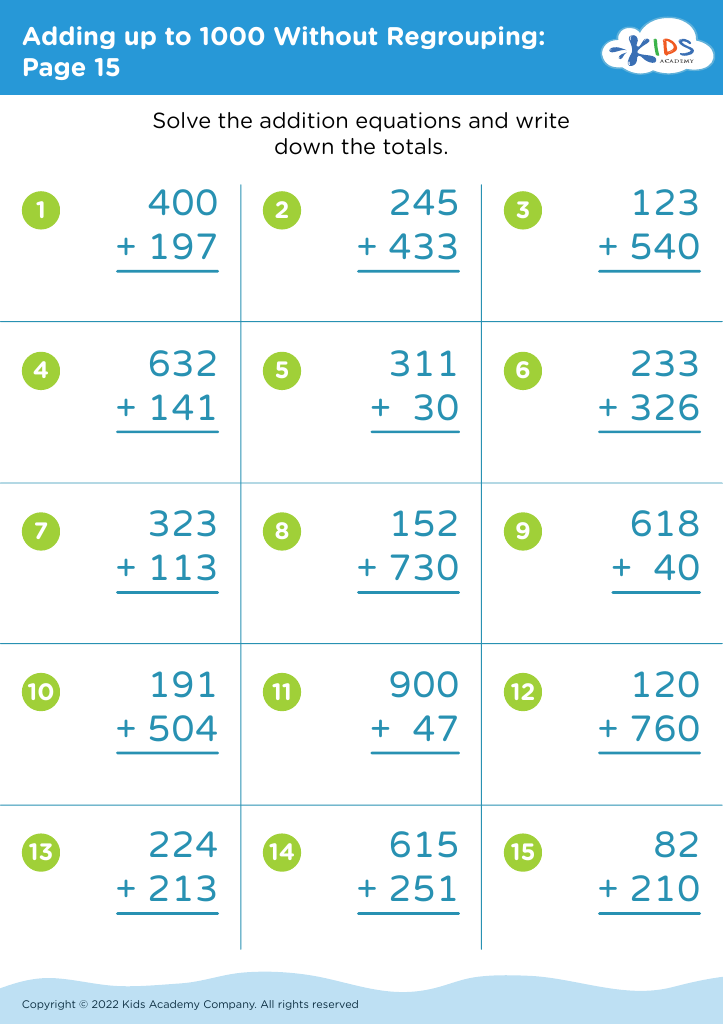
Adding up to 1000 Without Regrouping: Page 15
Worksheet
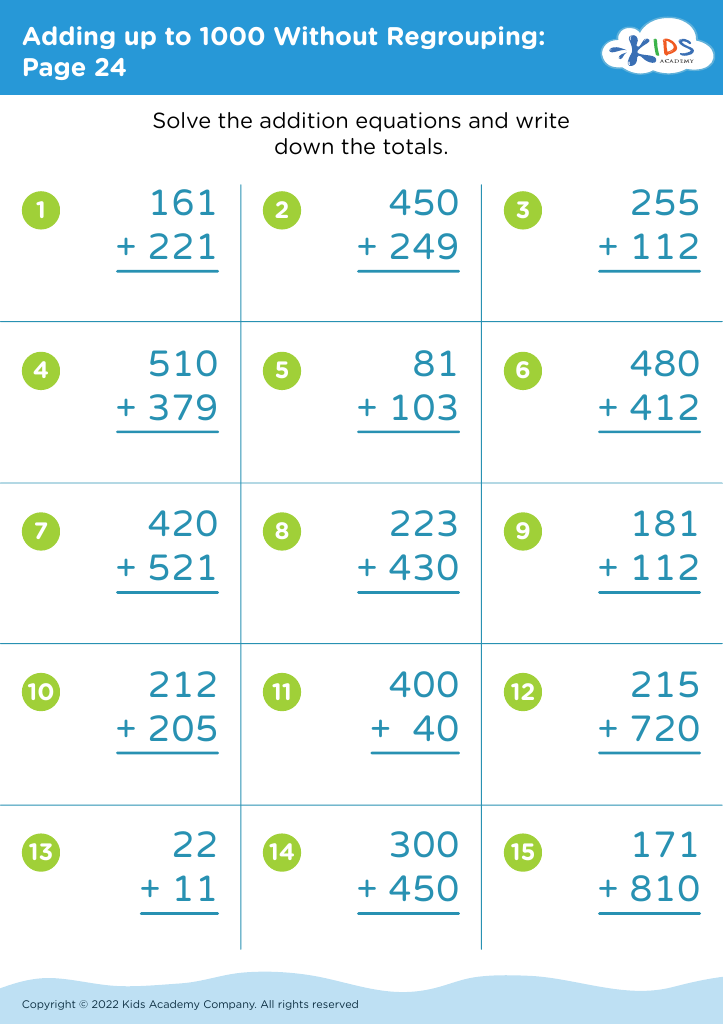
Adding up to 1000 Without Regrouping: Page 24
Worksheet


... 6 7

Understanding fractions, particularly addition and subtraction, is pivotal for children aged 3-8 as it lays the groundwork for their mathematical skills. At this early age, children are developing their foundational numeracy skills, and grasping fractions promotes their ability to comprehend whole numbers, measurements, and volume. Engaging with fractions boosts critical thinking and problem-solving skills, which are essential not just in math but across various subjects.

Furthermore, learning about fractions at a young age enhances children’s ability to see the relationship between parts and wholes, aiding in understanding more complex concepts later on. Teachers and parents play a crucial role in creating engaging and relatable learning experiences. By incorporating everyday activities—like cooking, sharing food, or crafting—they can make fractions tangible and relevant. This real-life application not only makes learning enjoyable but also reinforces essential life skills such as sharing and collaboration.

Ultimately, fostering an understanding of fractions equips children with the confidence and literacy that will benefit them in their educational journey and beyond. Cultivating these mathematical skills during early childhood ensures a seamless transitions into more advanced concepts as they progress in school. Therefore, both parents and teachers should prioritize introducing and supporting fractional concepts early on.