Basic Math Skills Addition Worksheets for Ages 3-8 - Page 3
75 filtered results
-
From - To
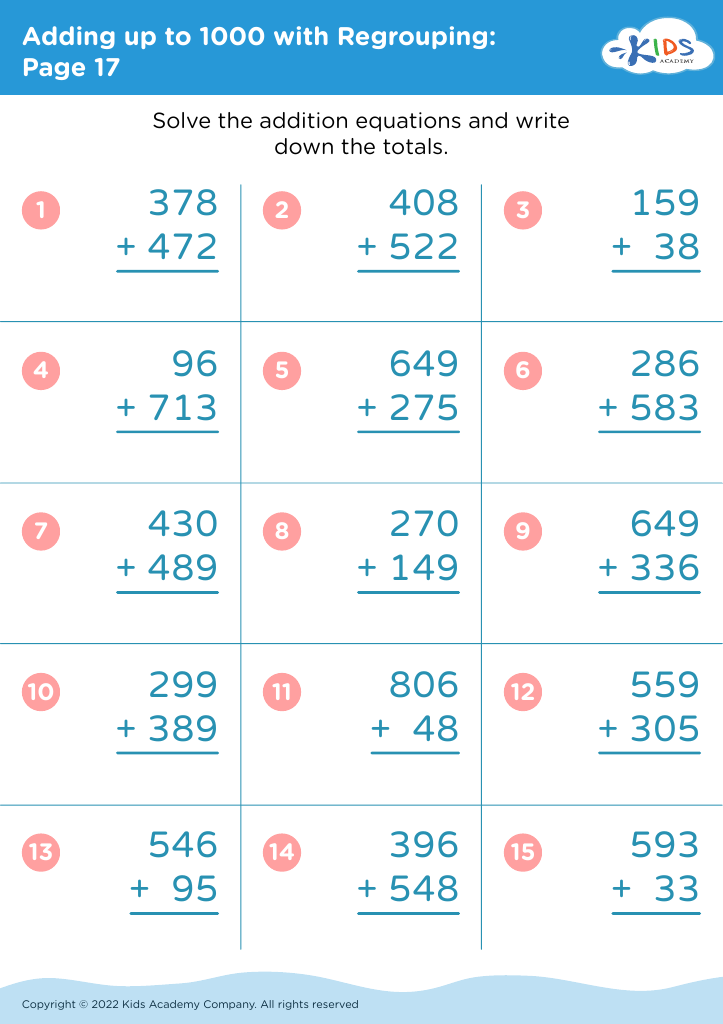
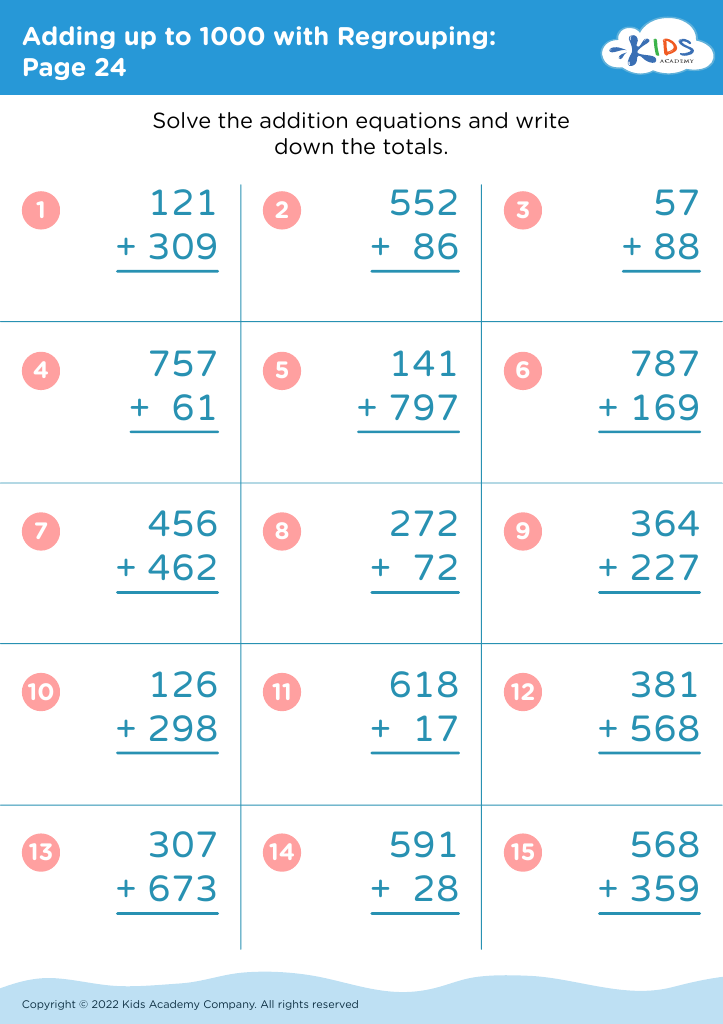
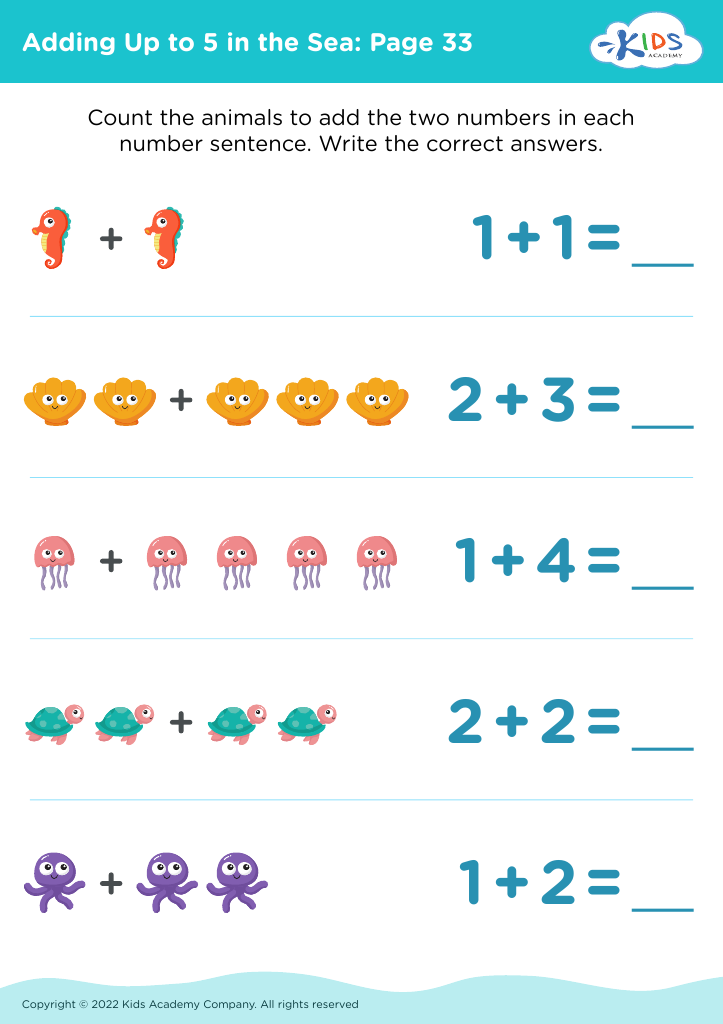
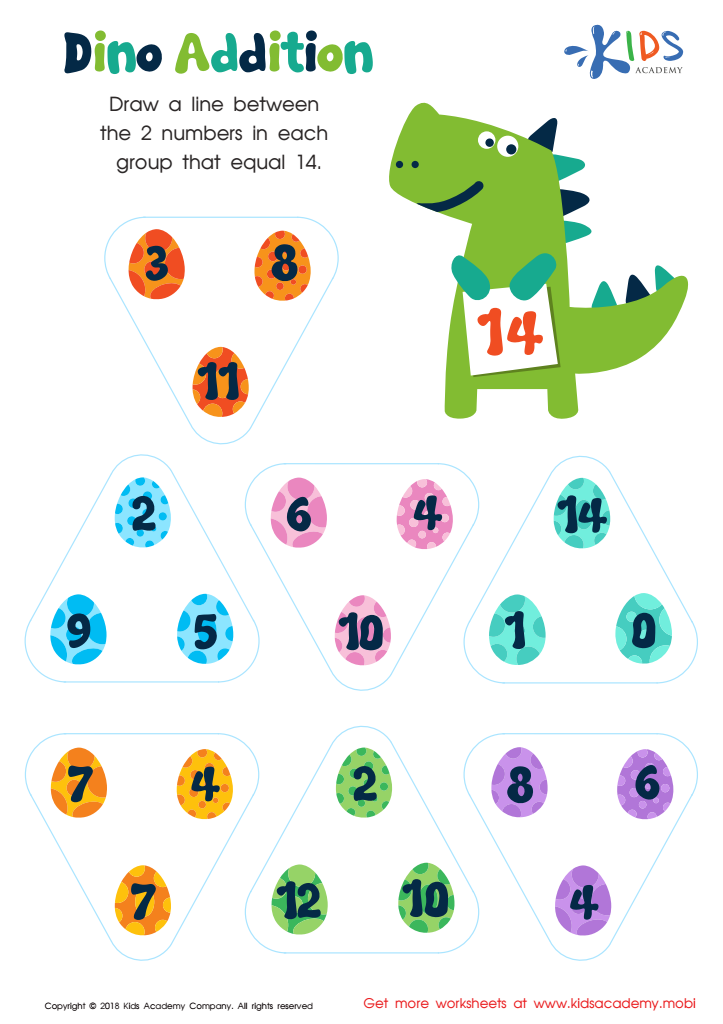
Dino Addition Worksheet
 Assign to My Students
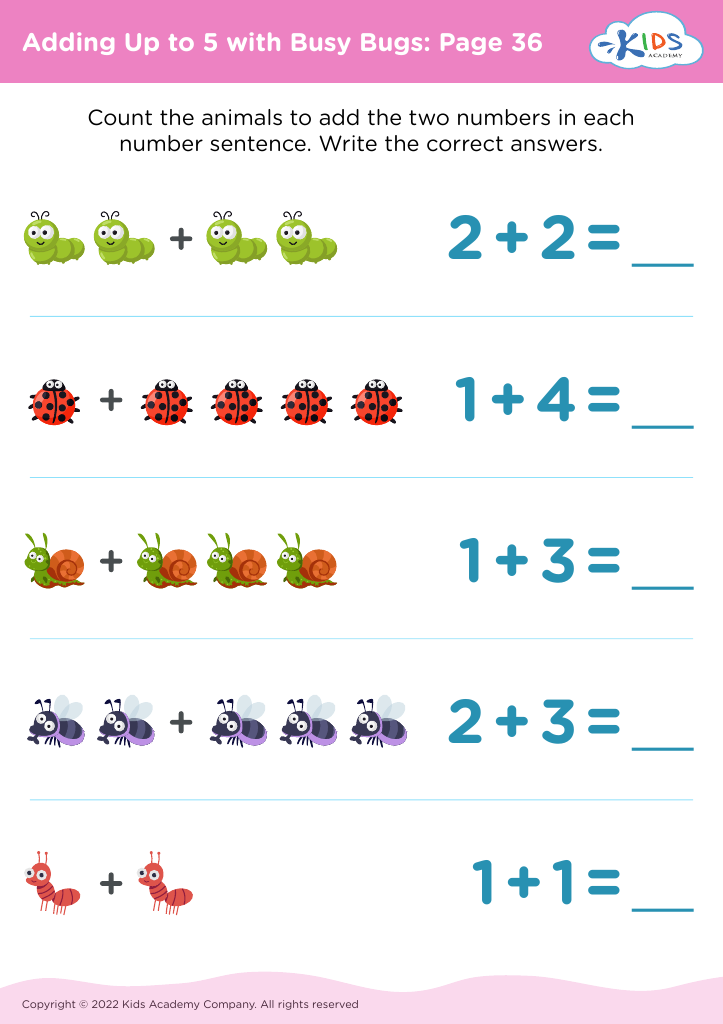
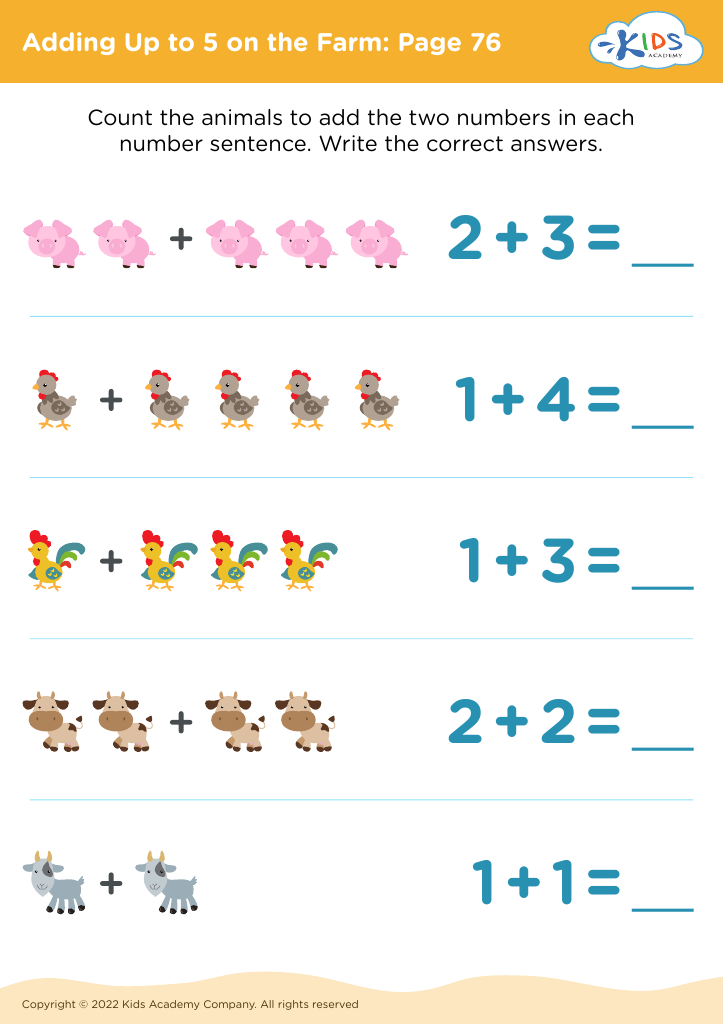
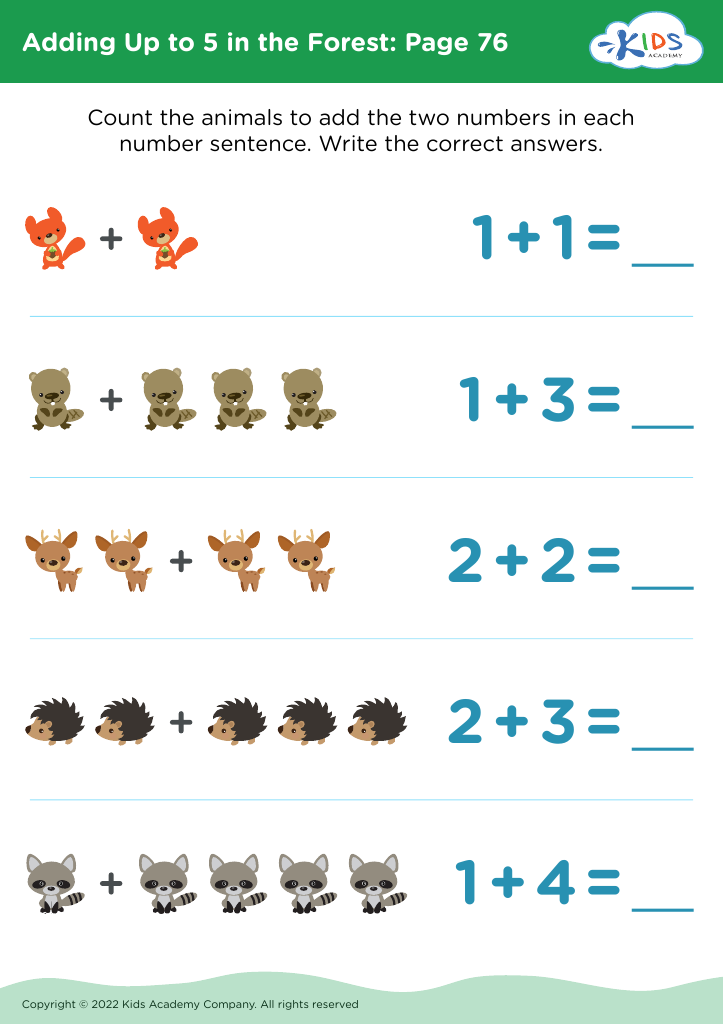
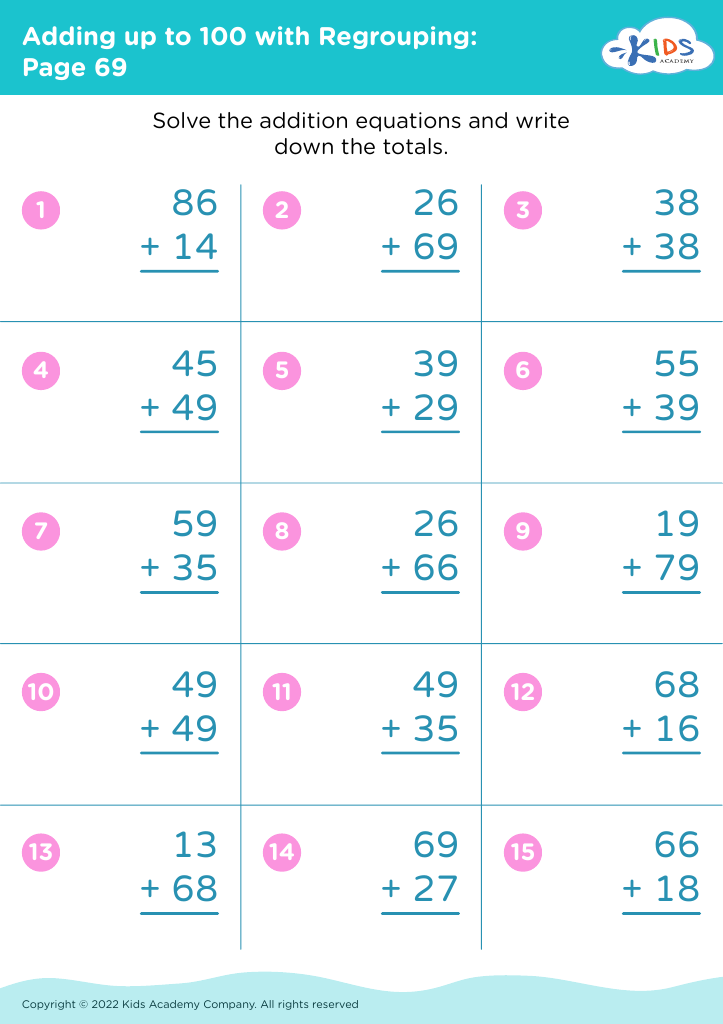
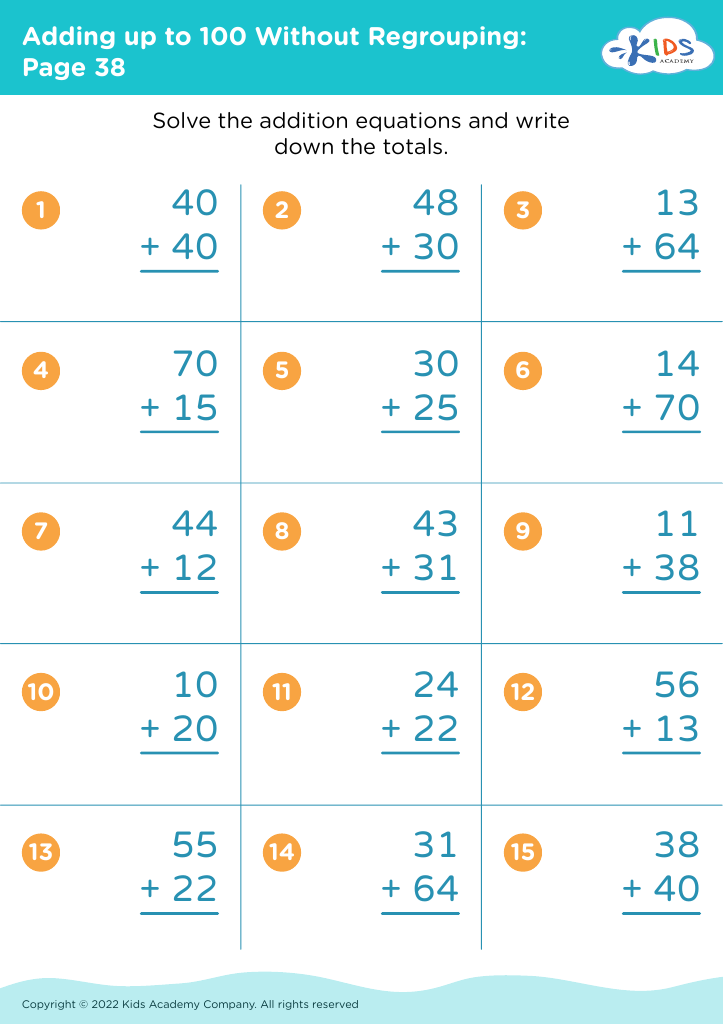
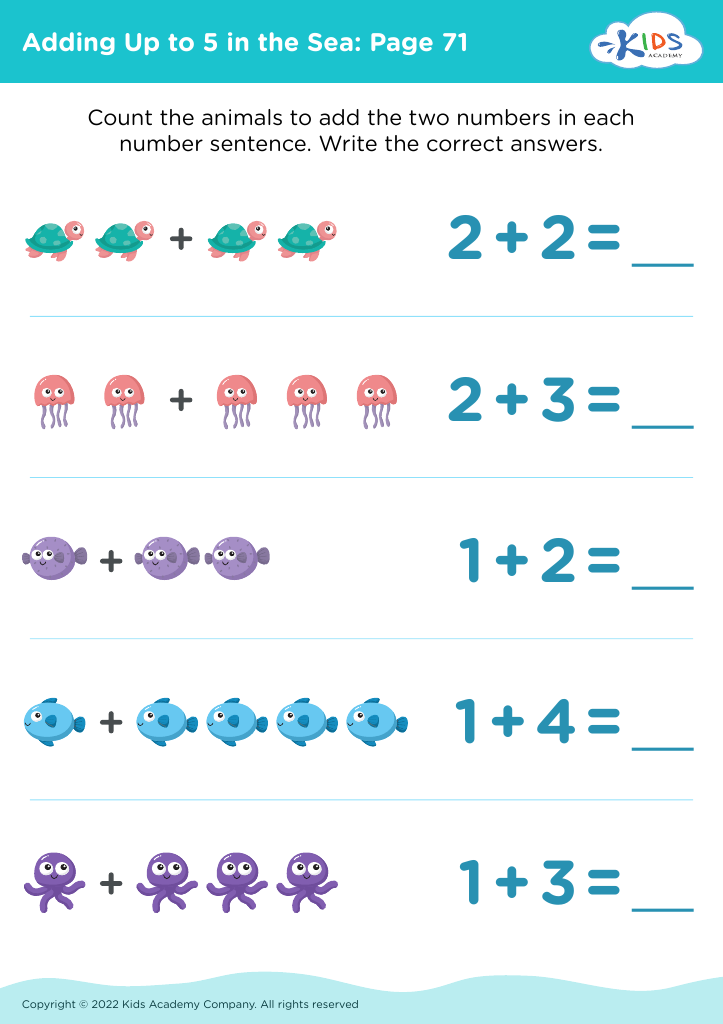
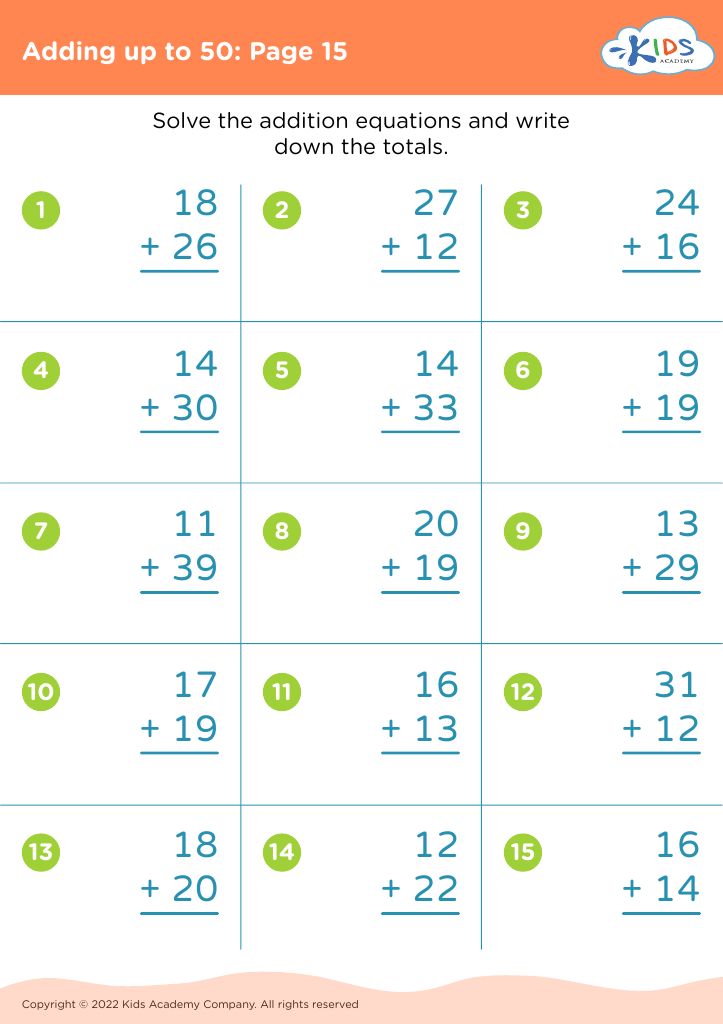
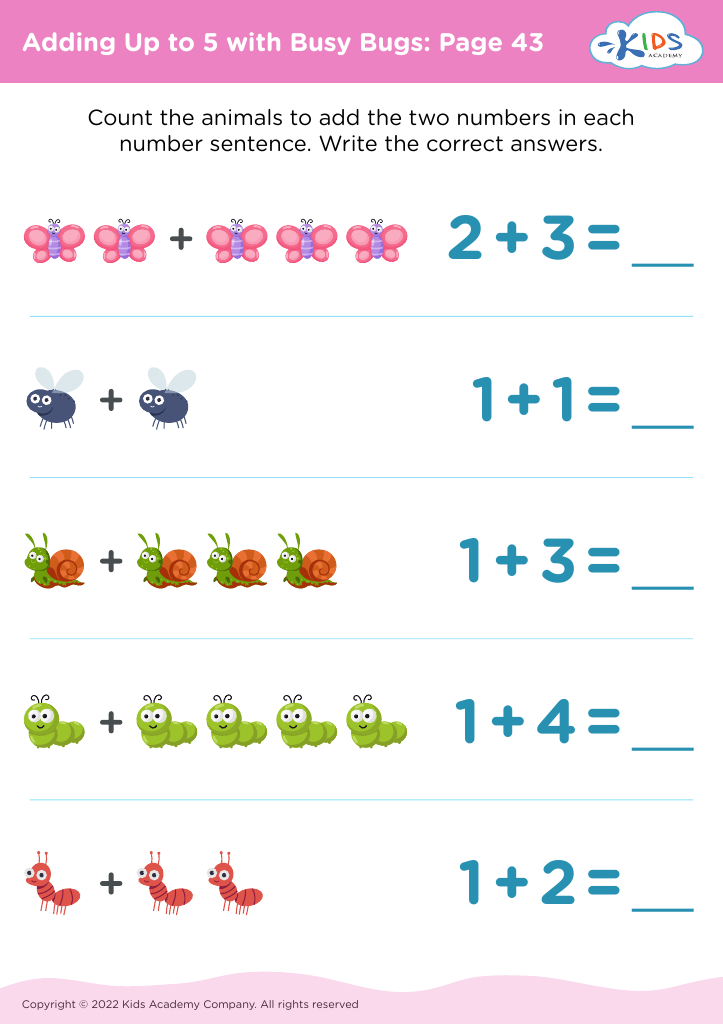
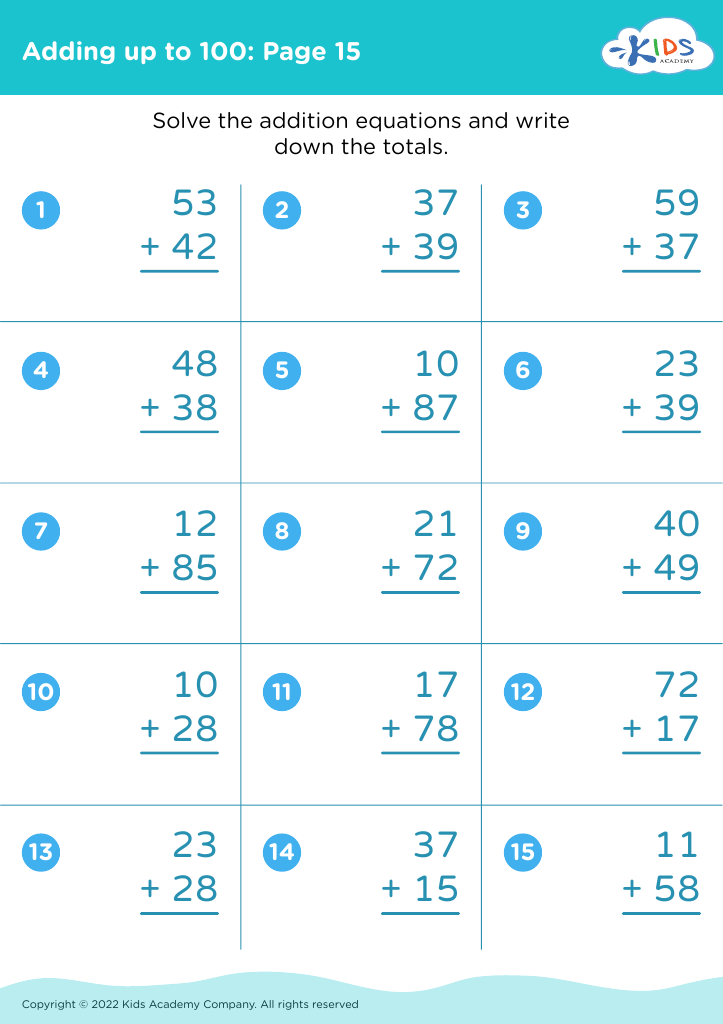
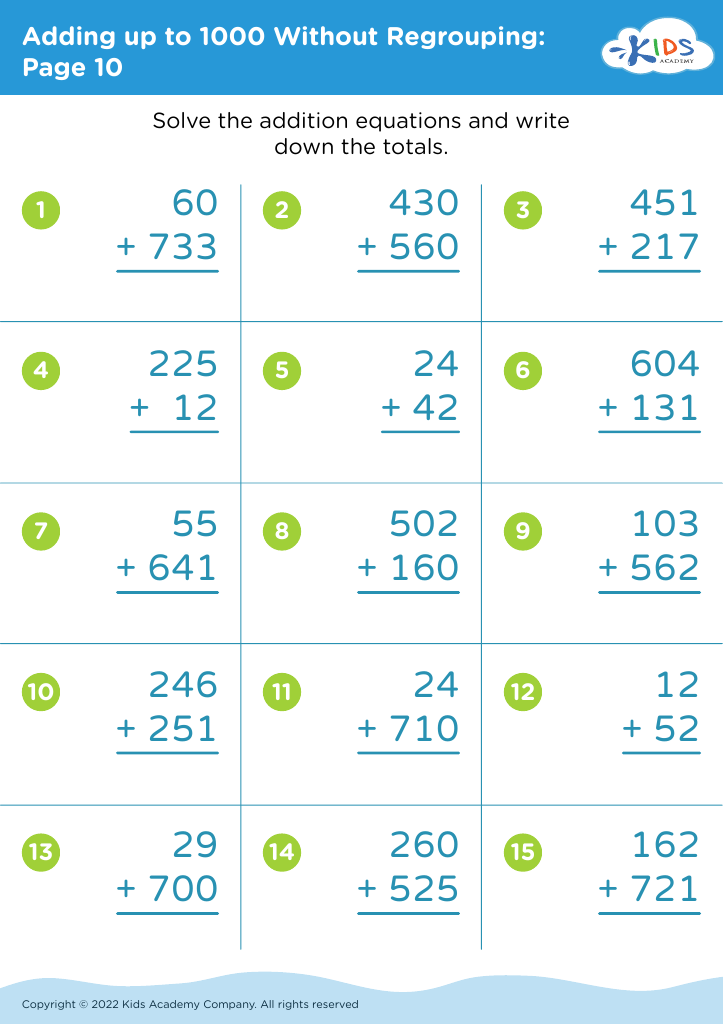
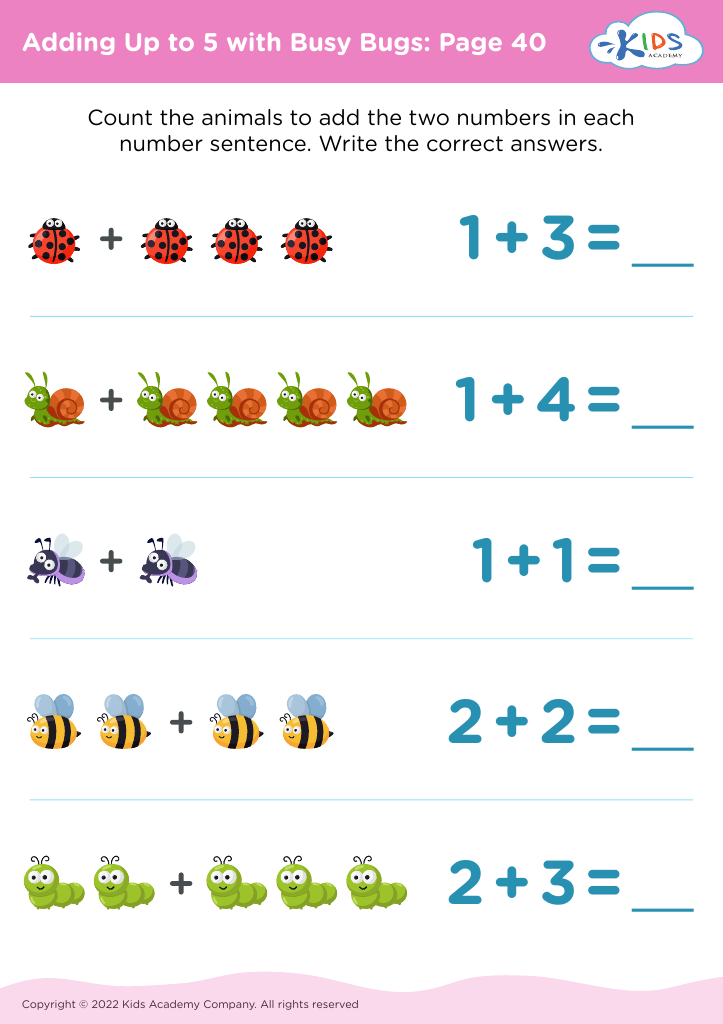
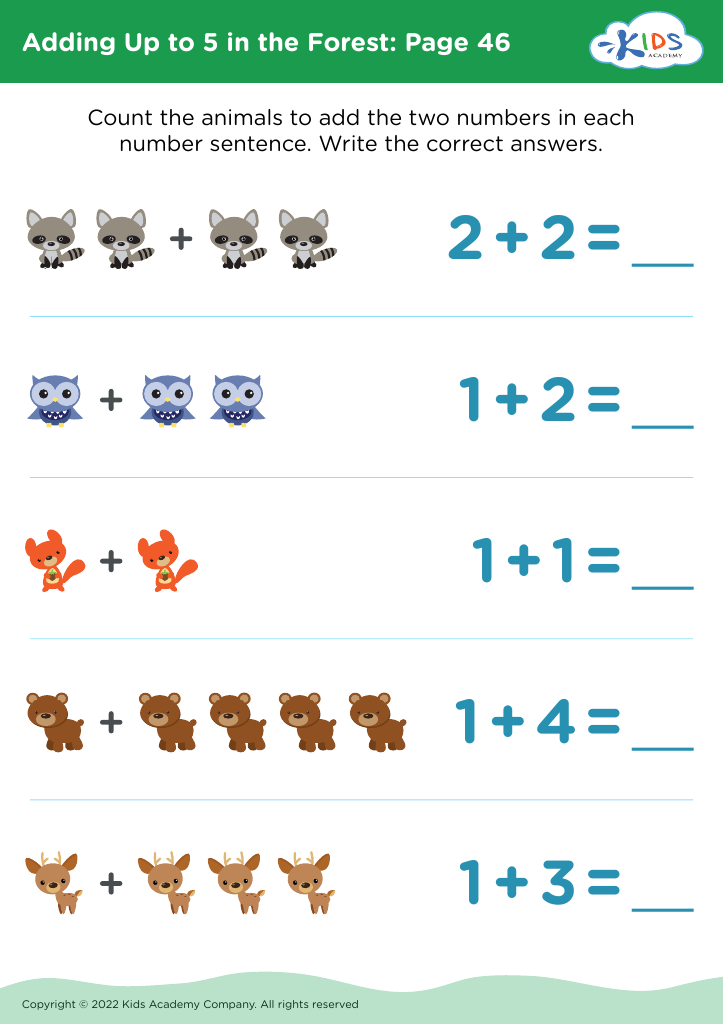
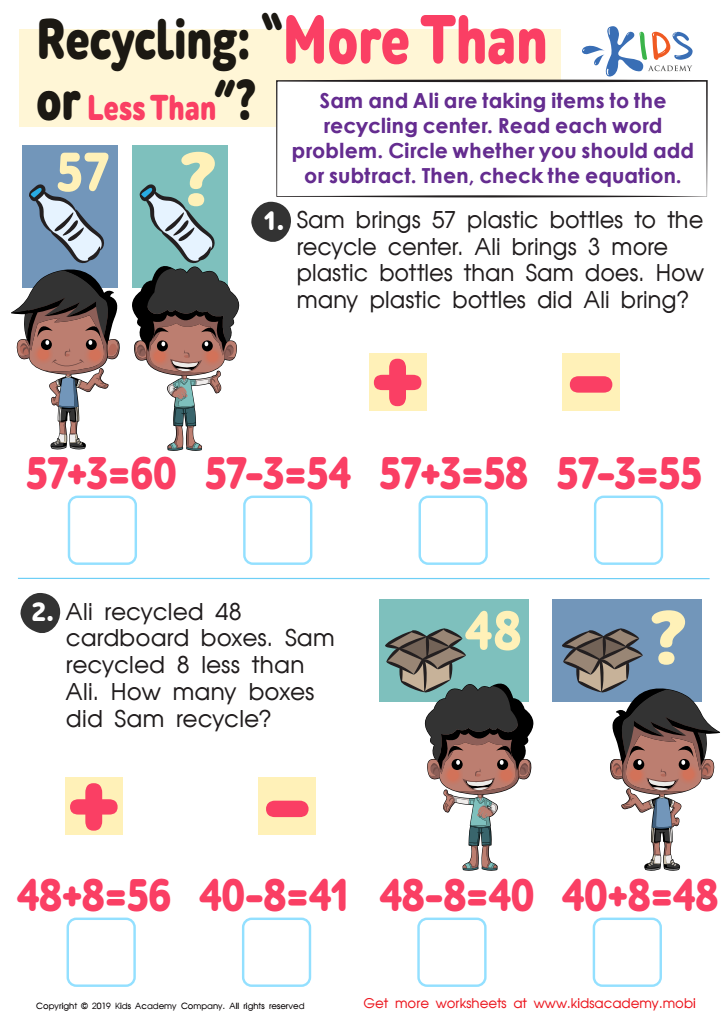
Recycling - More or Less Worksheet
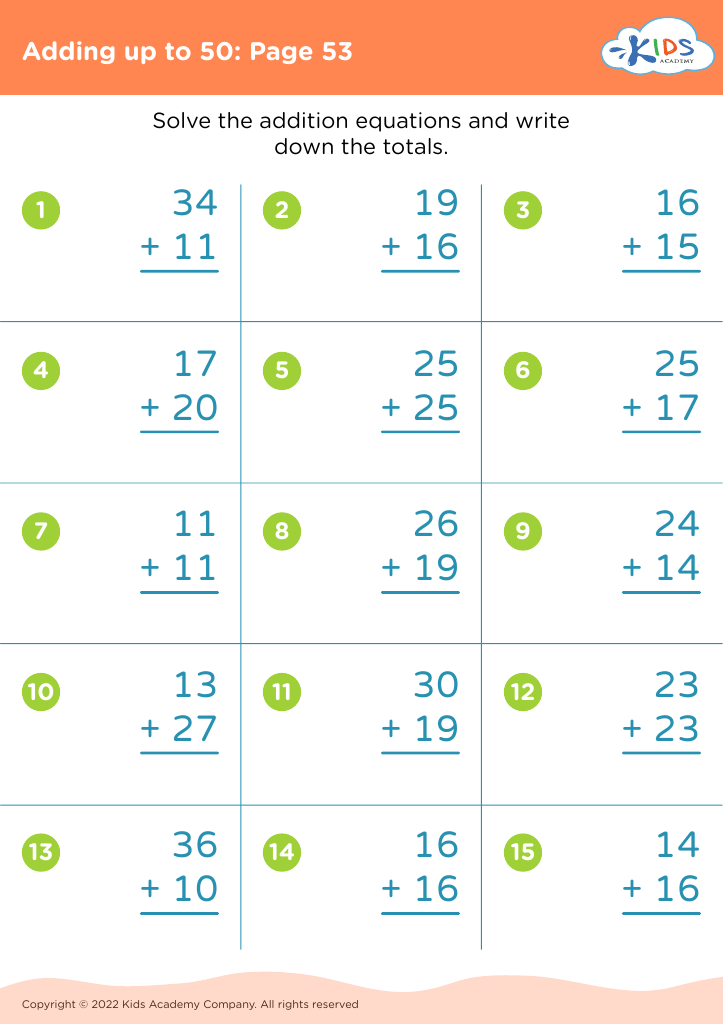
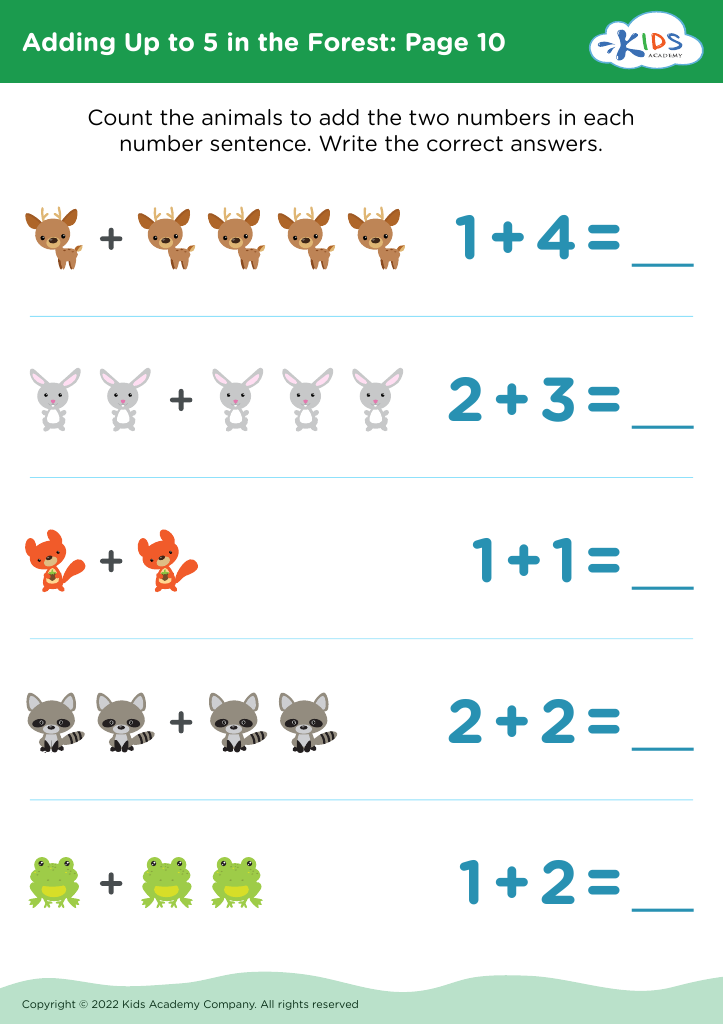
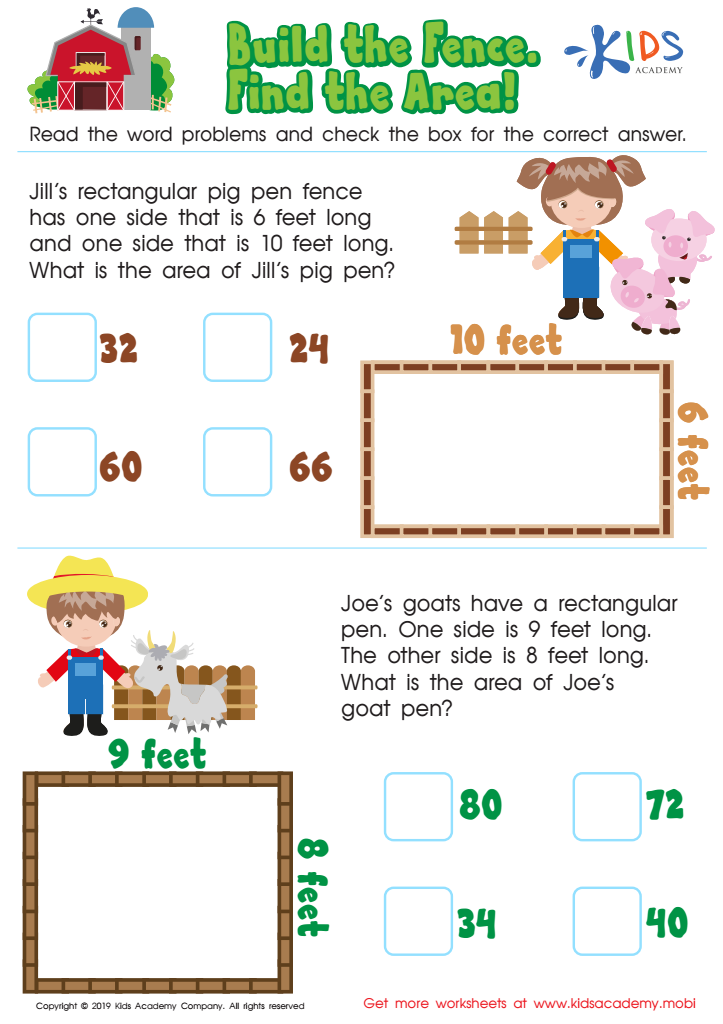
Build the Fence, Find the Area Worksheet




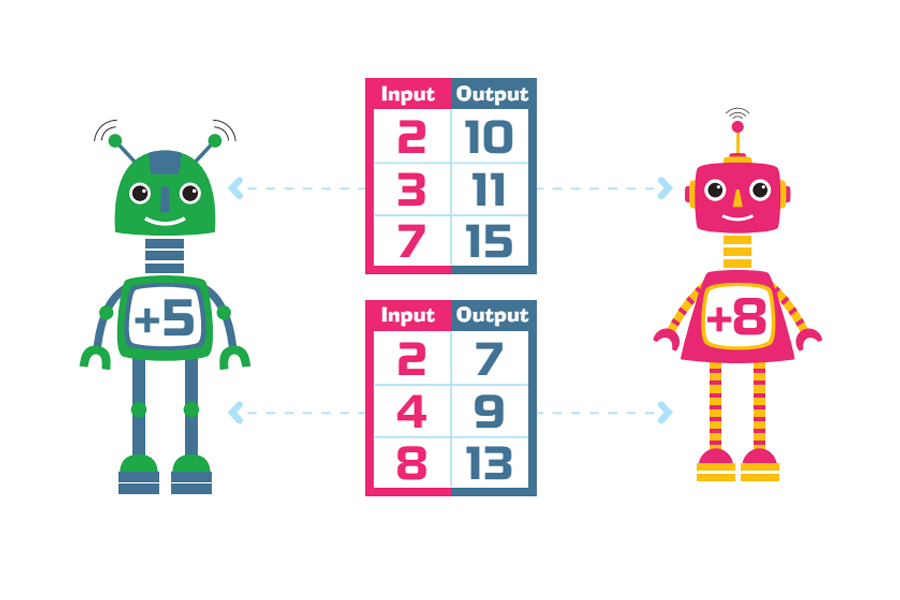



Basic math skills, particularly addition, are foundational for children aged 3-8 and are crucial for various reasons. First and foremost, early math skills serve as a building block for cognitive development. Learning to add develops critical thinking and problem-solving abilities, empowering children to tackle more complex concepts later on.
Moreover, engaging with addition can enhance a child’s confidence. Mastery of basic math fosters a sense of achievement, encouraging a positive attitude towards learning. This is important because attitudes formed in early education can influence children's future interest in STEM (Science, Technology, Engineering, and Mathematics) subjects.
Additionally, numeracy skills are essential for everyday life. From managing allowance to understanding time, basic addition skills help children navigate the world around them. Equipping children with these skills helps foster independence and promotes better decision-making.
Furthermore, involving parents and teachers in this process fosters a supportive learning environment. Collaborative learning experiences, such as games or practical applications, encourage social interaction, making math enjoyable. In summary, parents and teachers should prioritize basic math skills in young children to lay a solid foundation for lifelong learning and adaptability in a numerically driven world.








