Filters

292 filtered results

Clear all filters
Favorites
With answer key
Interactive

292 filtered results

Difficulty Level

Grade


Check out this FREE Trial Lesson on Addition for age 3-8!

Making 18

Favorites
With answer key
Interactive
  • 3-8
  • Counting practice
  • Addition
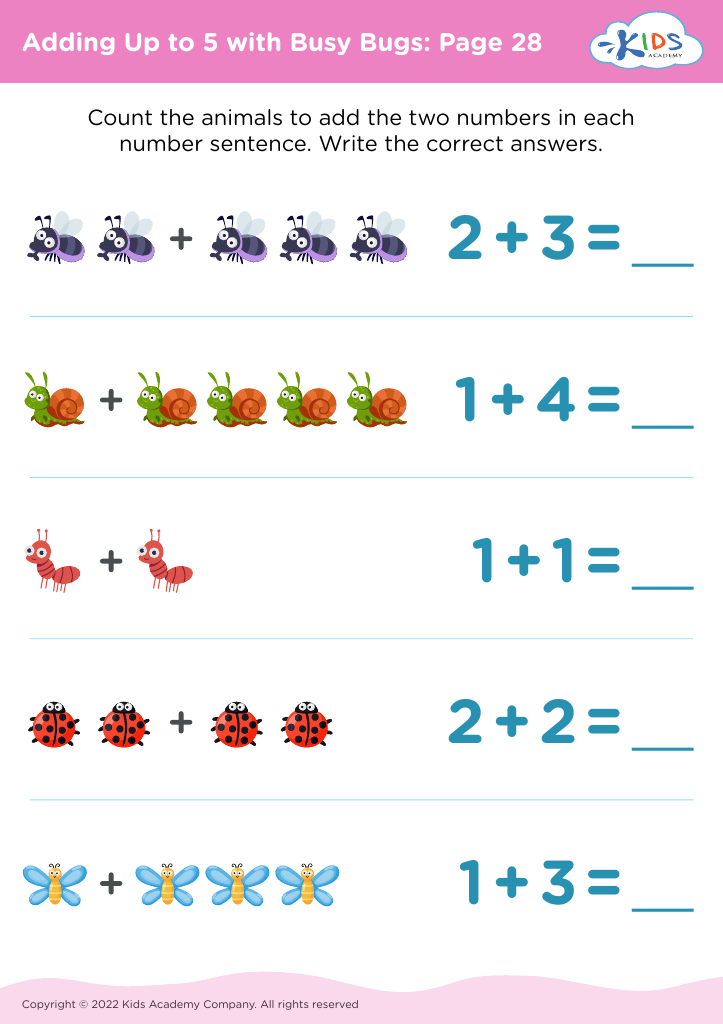
Adding Up to 5 with Busy Bugs: Page 28
Worksheet
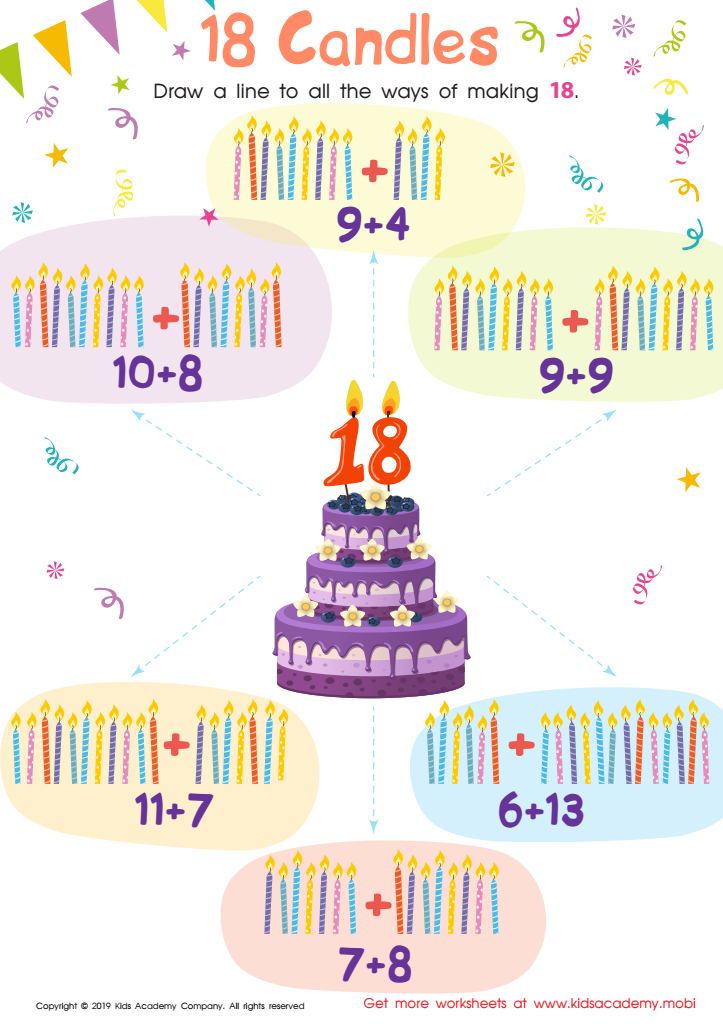
18 Candles Worksheet

18 Candles Worksheet

This worksheet is great for introducing your students to addition and subtraction. Help your kids solve the simple equations on it and draw a line from the birthday cake with 18 on it to all the solutions. Practice like this will prepare them to tackle more complex math problems.
18 Candles Worksheet
Worksheet
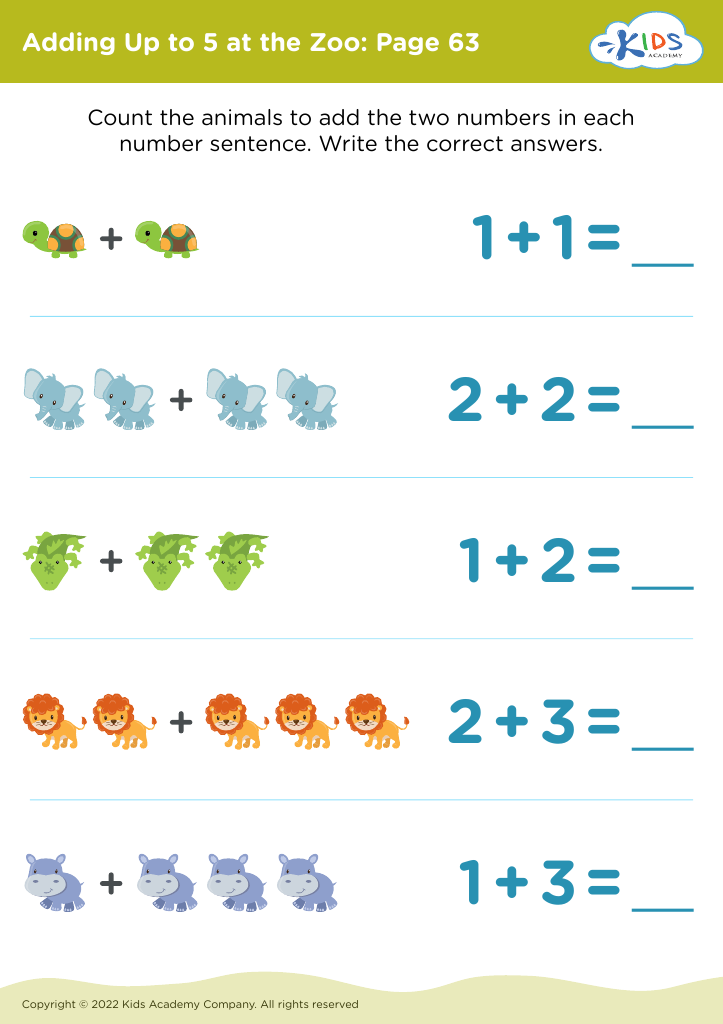
Adding Up to 5 at the Zoo: Page 63
Worksheet
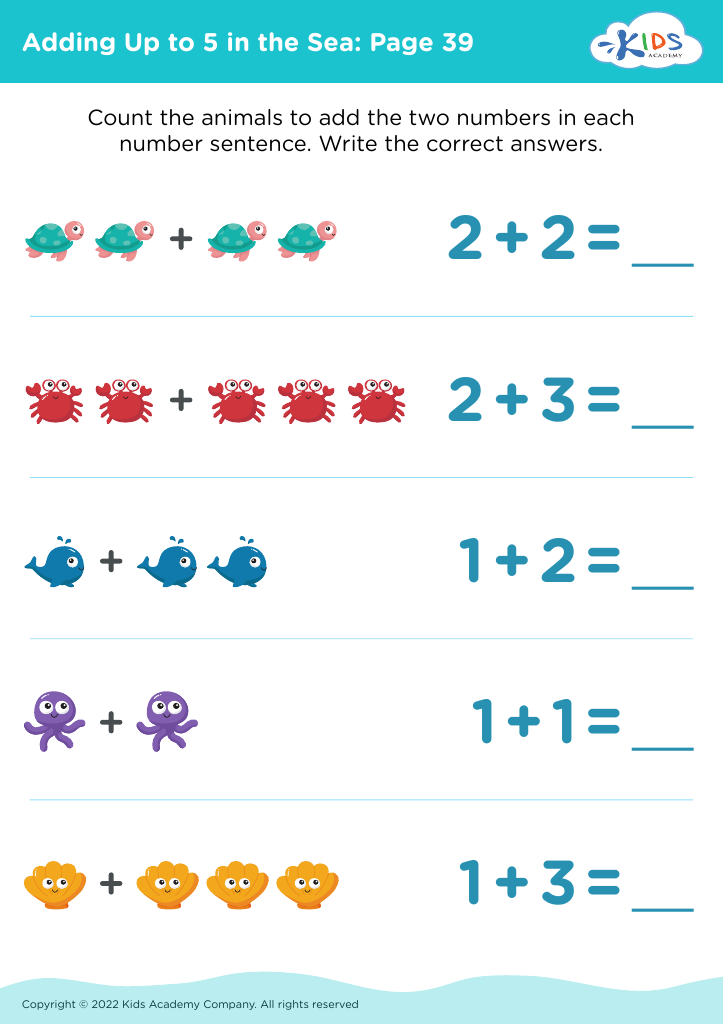
Adding Up to 5 in the Sea: Page 39
Worksheet
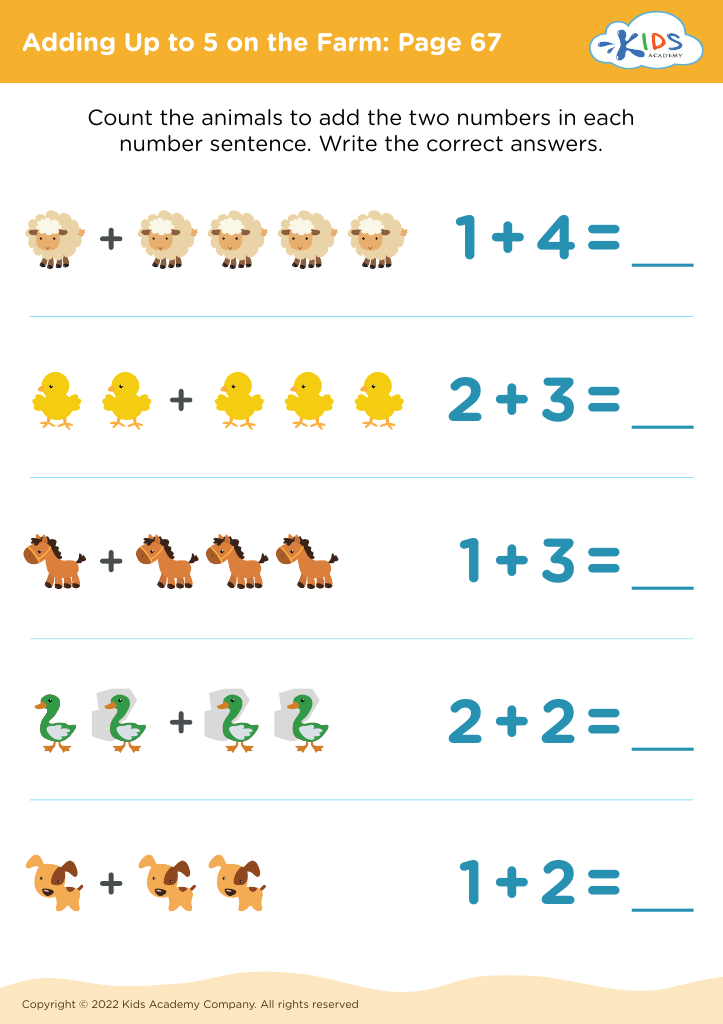
Adding Up to 5 on the Farm: Page 67
Worksheet
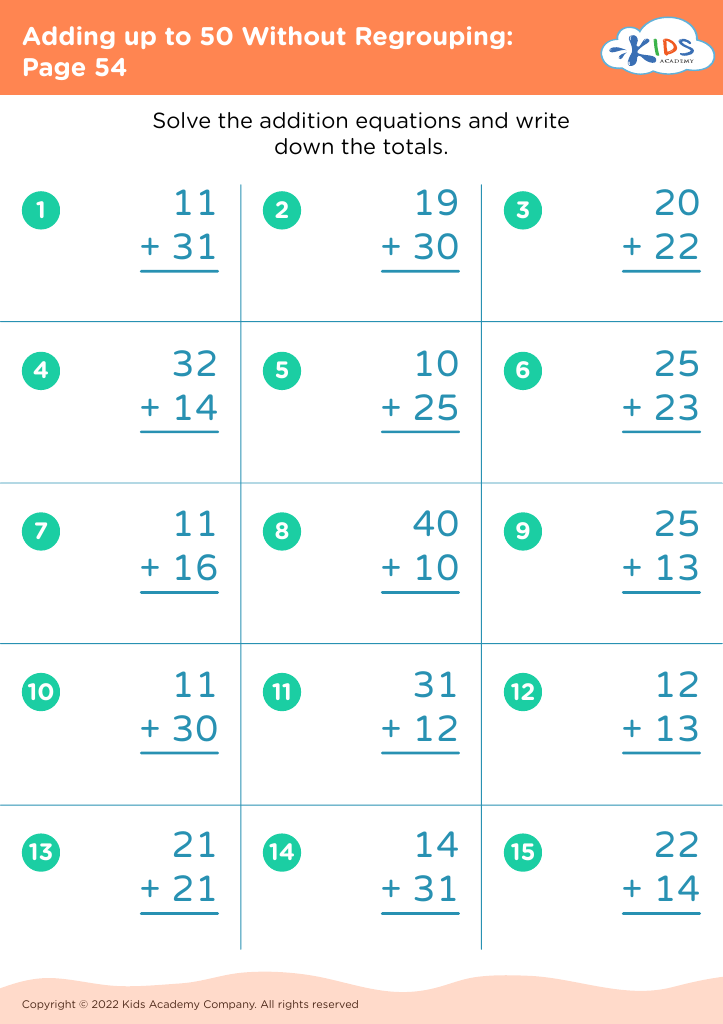
Adding up to 50 Without Regrouping: Page 54
Worksheet
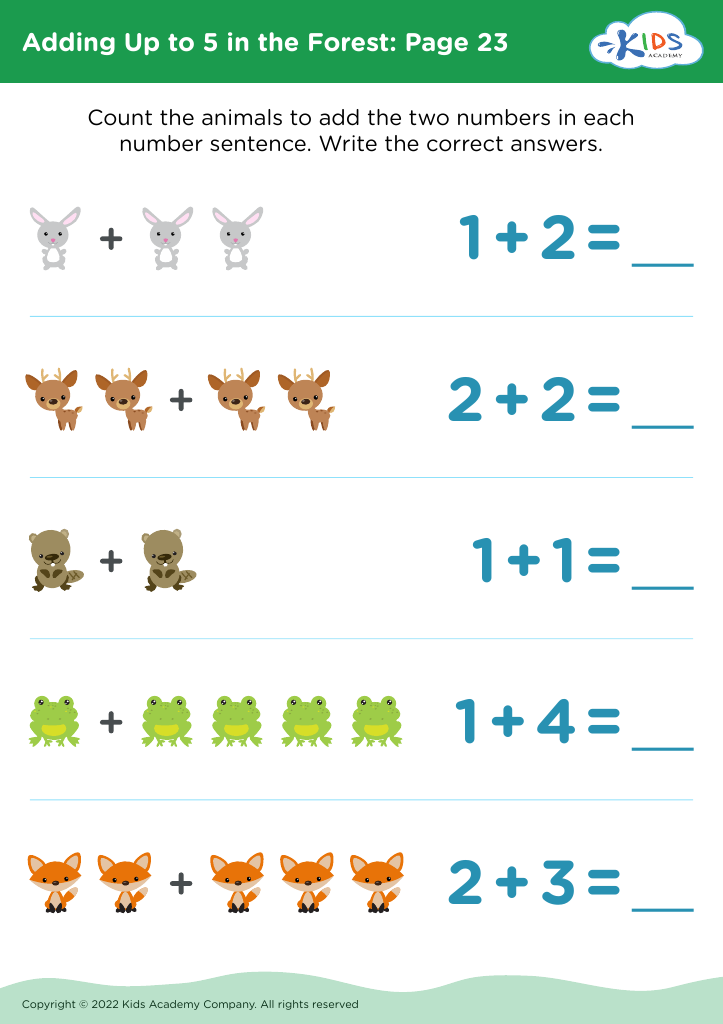
Adding Up to 5 in the Forest: Page 23
Worksheet
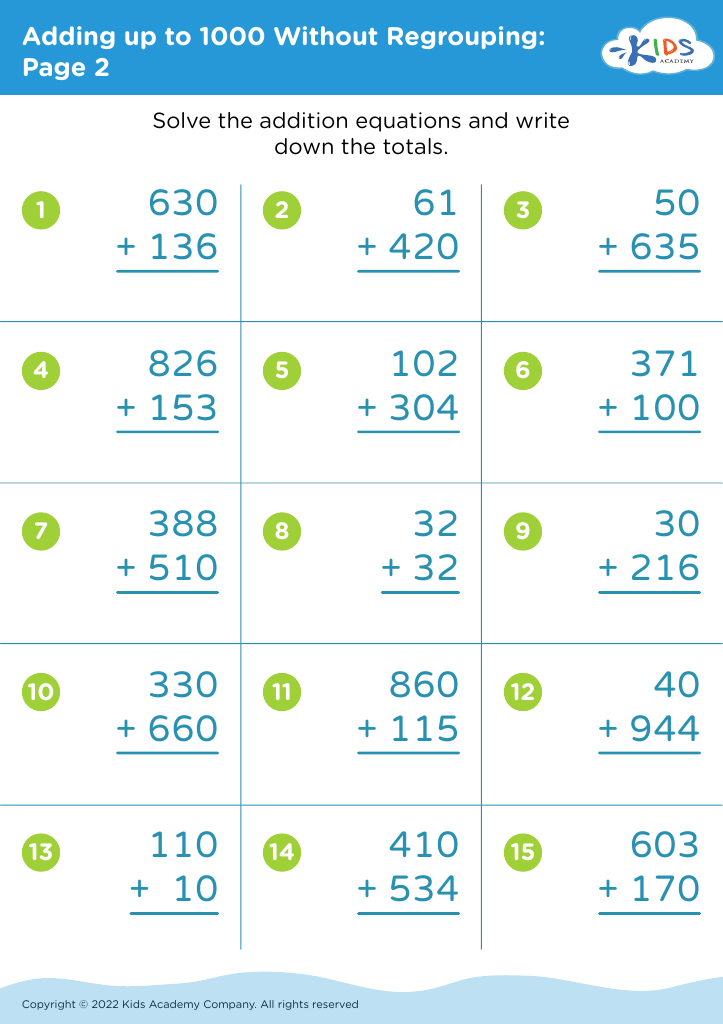
Adding up to 1000 Without Regrouping: Page 2
Worksheet
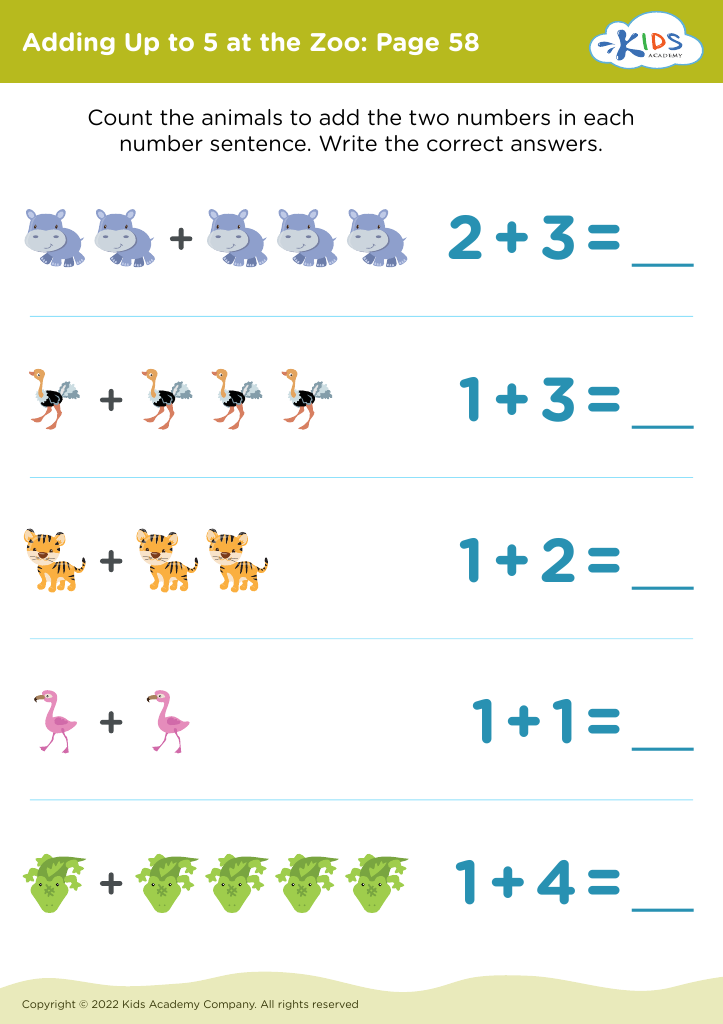
Adding Up to 5 at the Zoo: Page 58
Worksheet
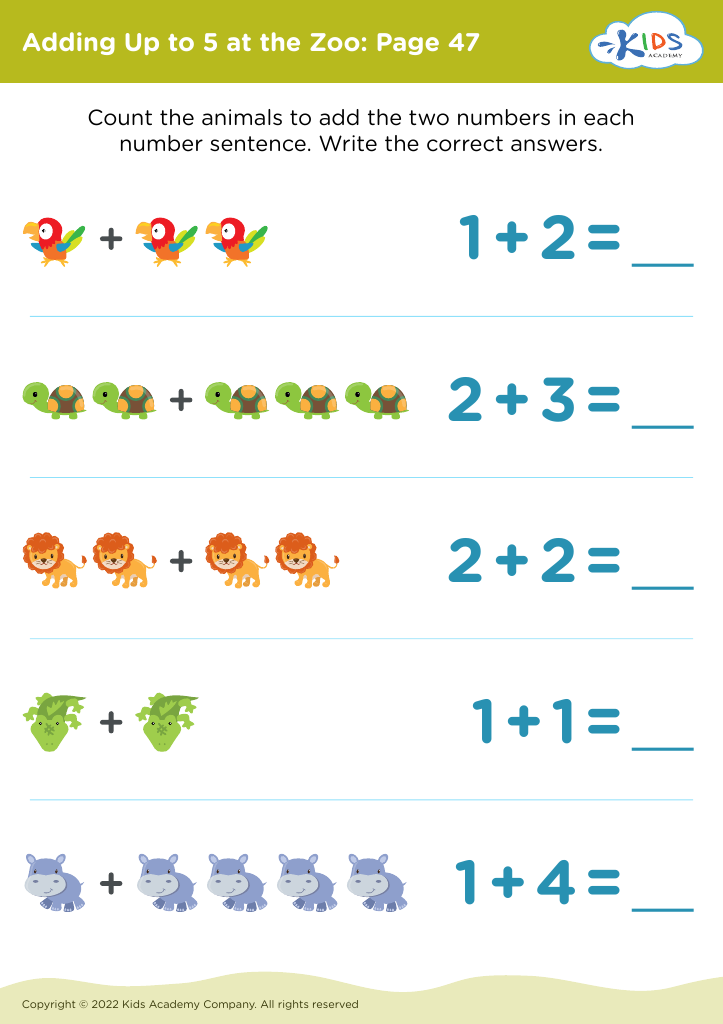
Adding Up to 5 at the Zoo: Page 47
Worksheet
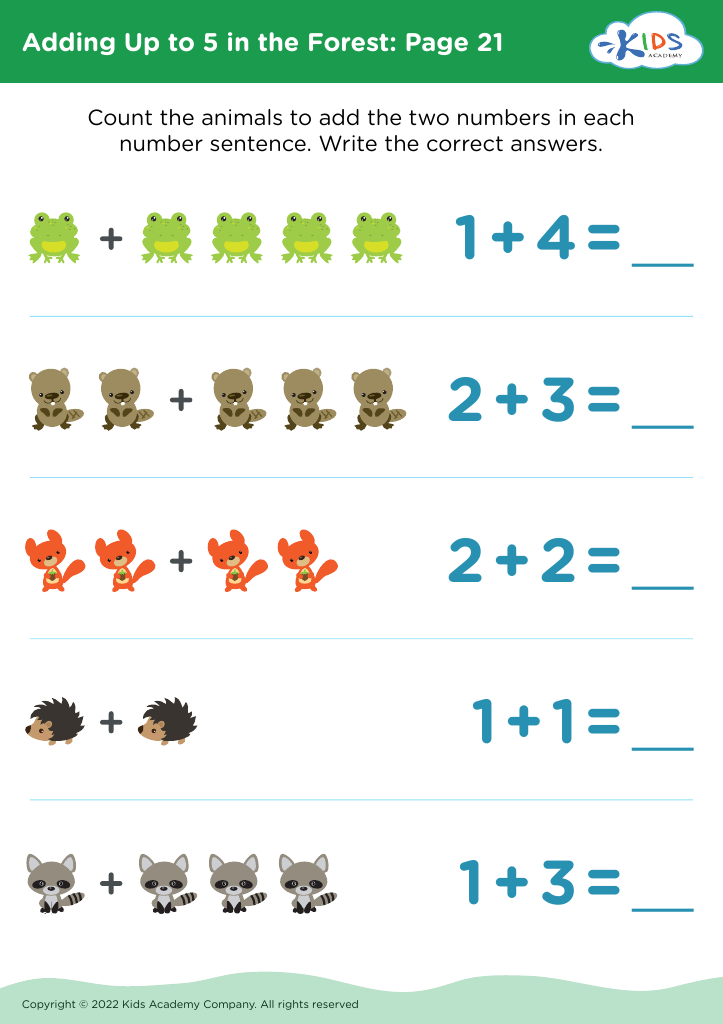
Adding Up to 5 in the Forest: Page 21
Worksheet
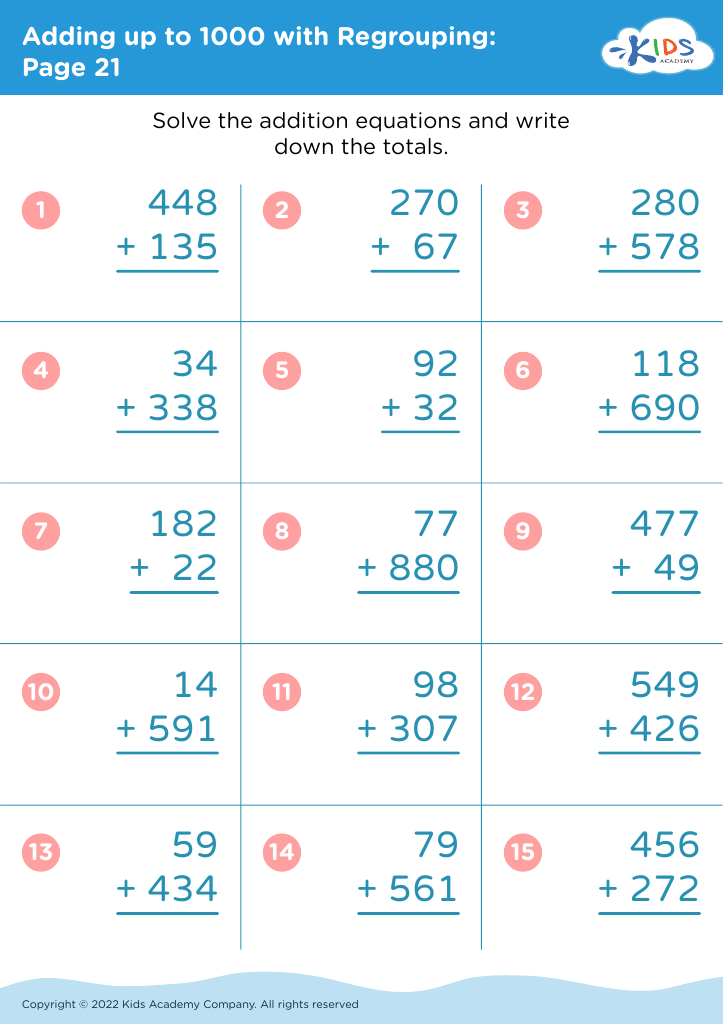
Adding up to 1000 with Regrouping: Page 21
Worksheet
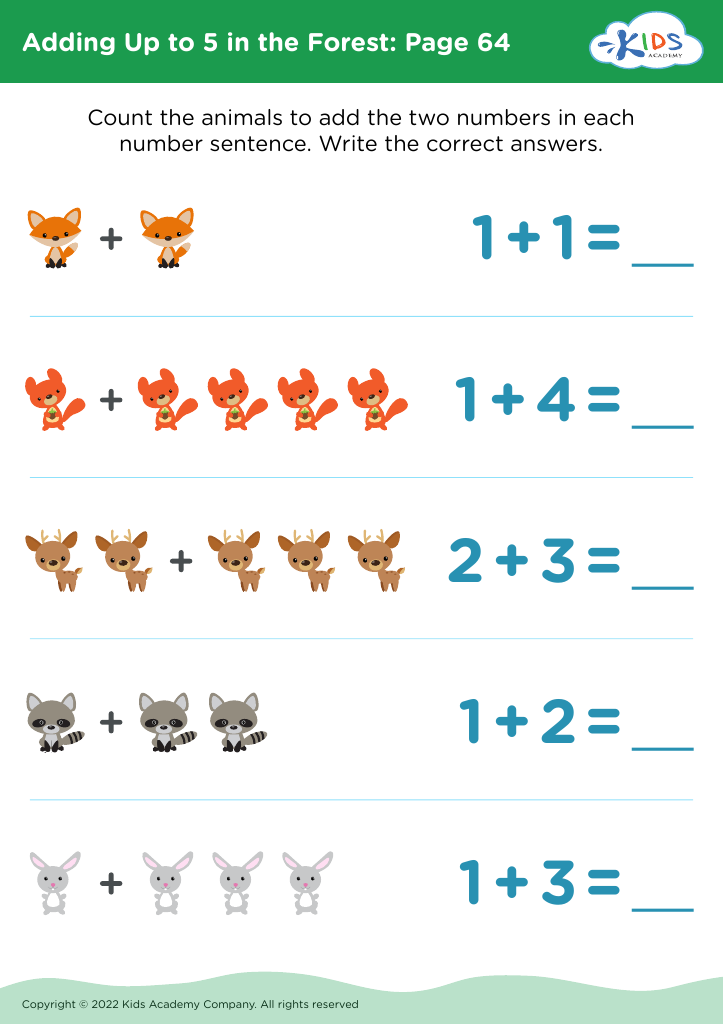
Adding Up to 5 in the Forest: Page 64
Worksheet
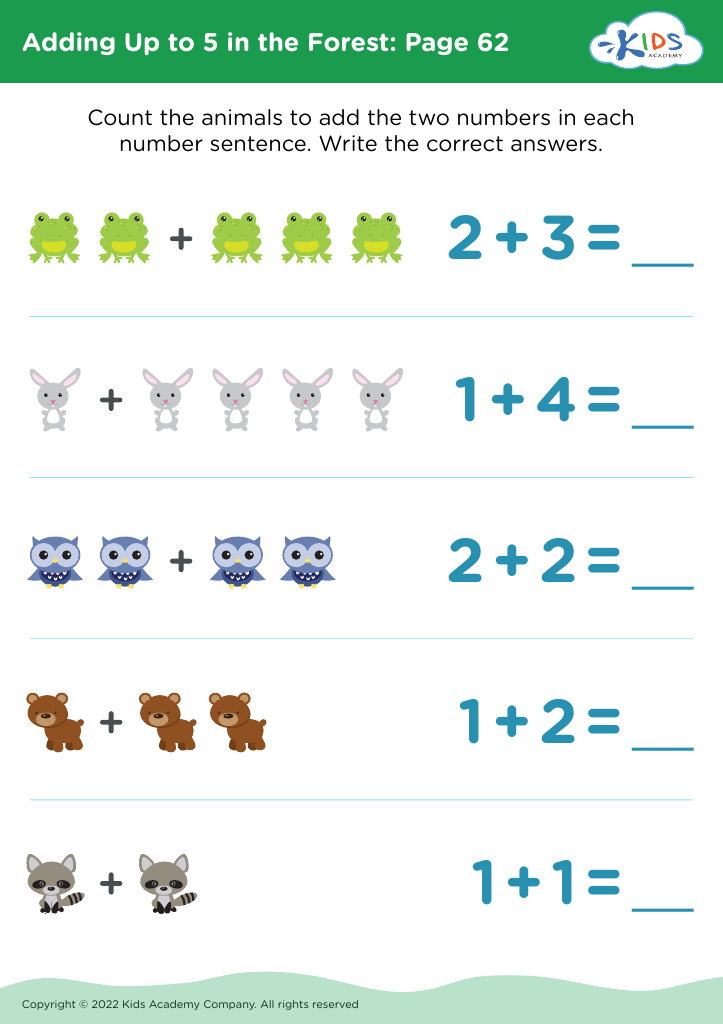
Adding Up to 5 in the Forest: Page 62
Worksheet
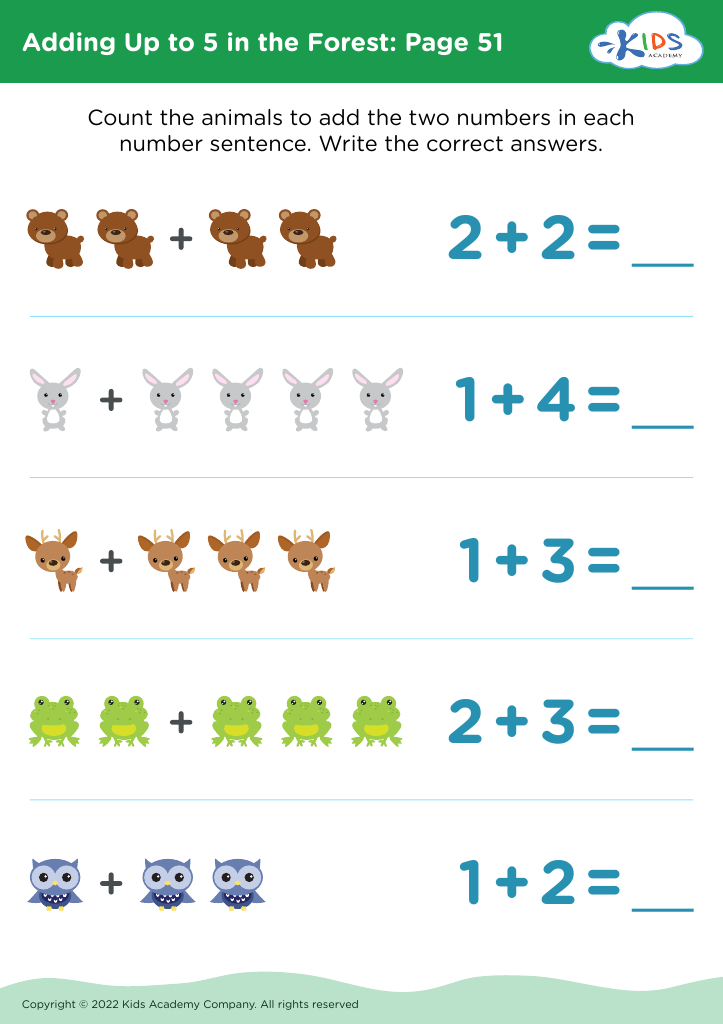
Adding Up to 5 in the Forest: Page 51
Worksheet
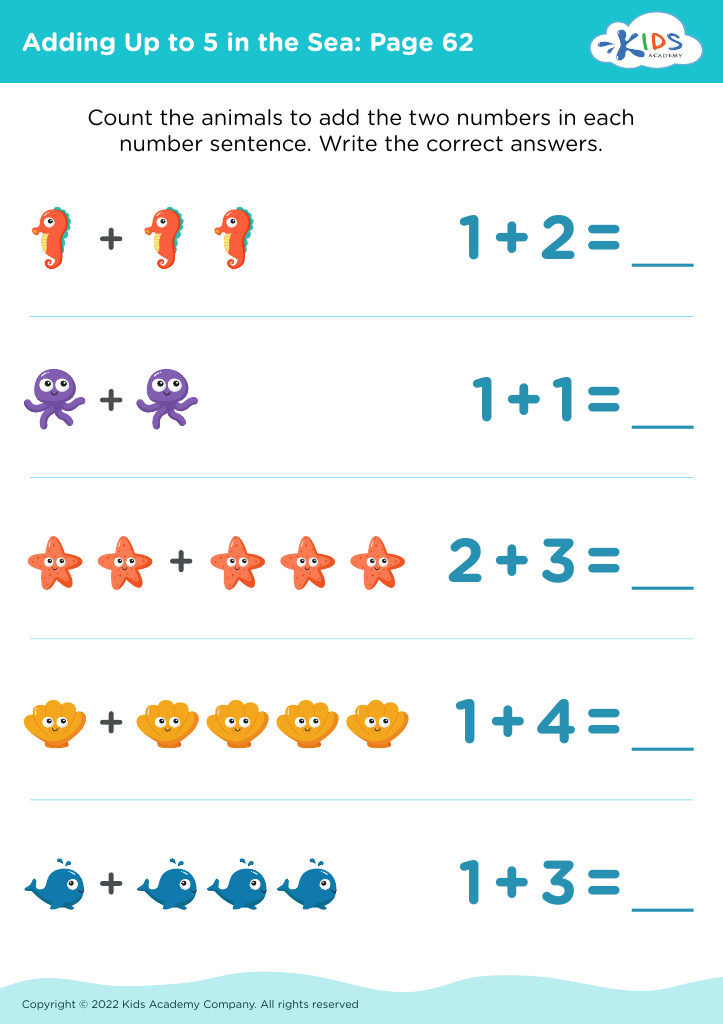
Adding Up to 5 in the Sea: Page 62
Worksheet
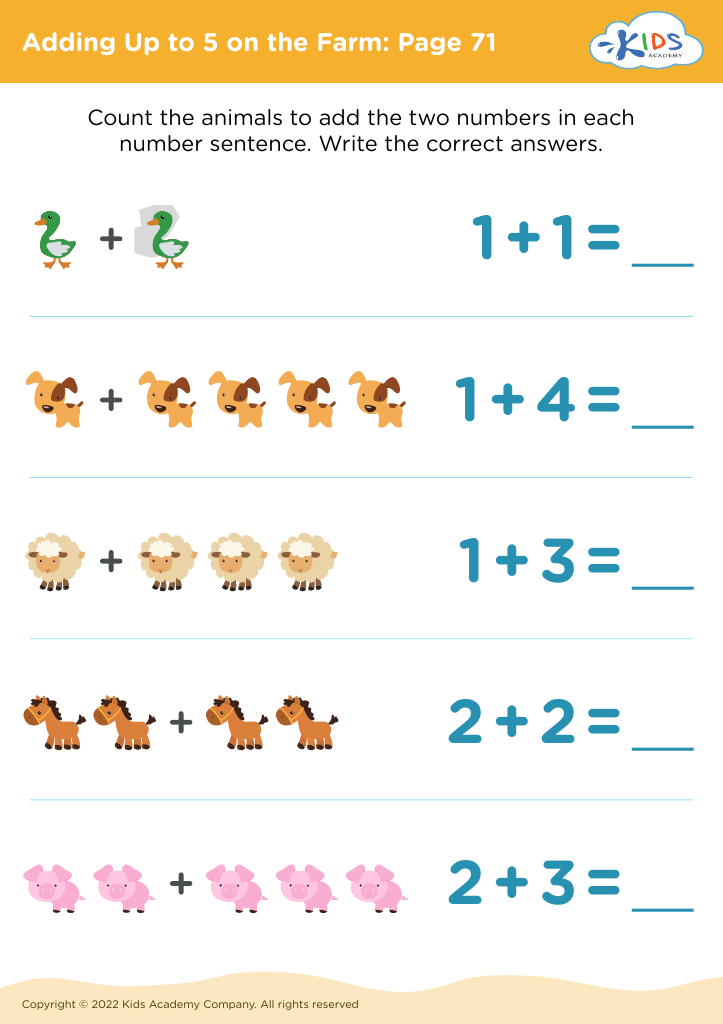
Adding Up to 5 on the Farm: Page 71
Worksheet
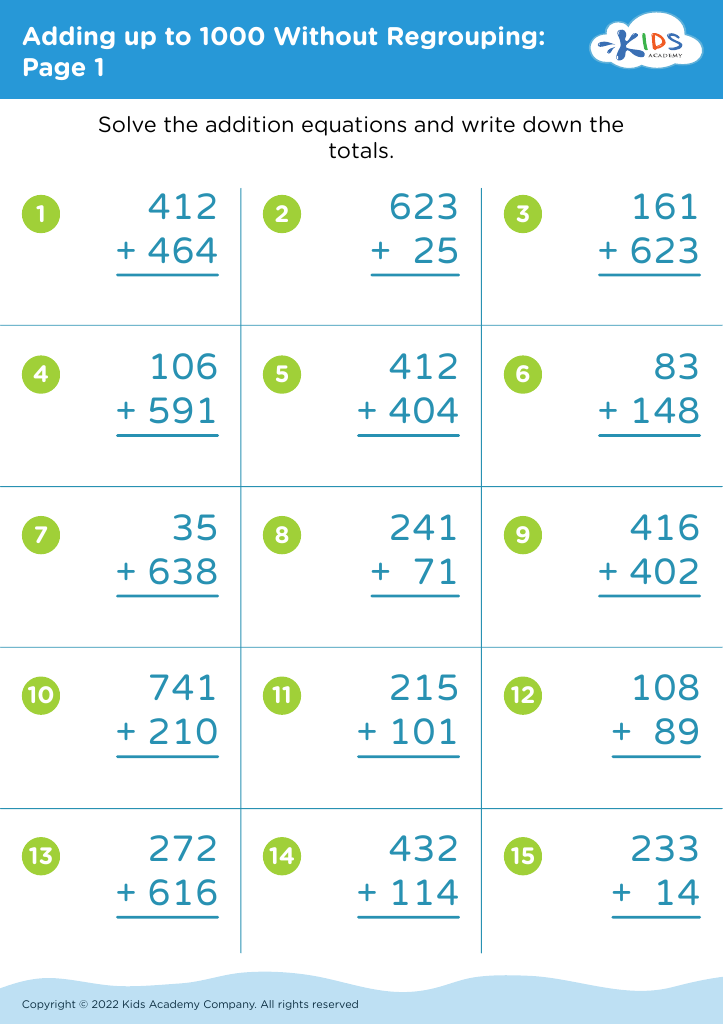
Adding up to 1000 Without Regrouping: Page 1
Worksheet
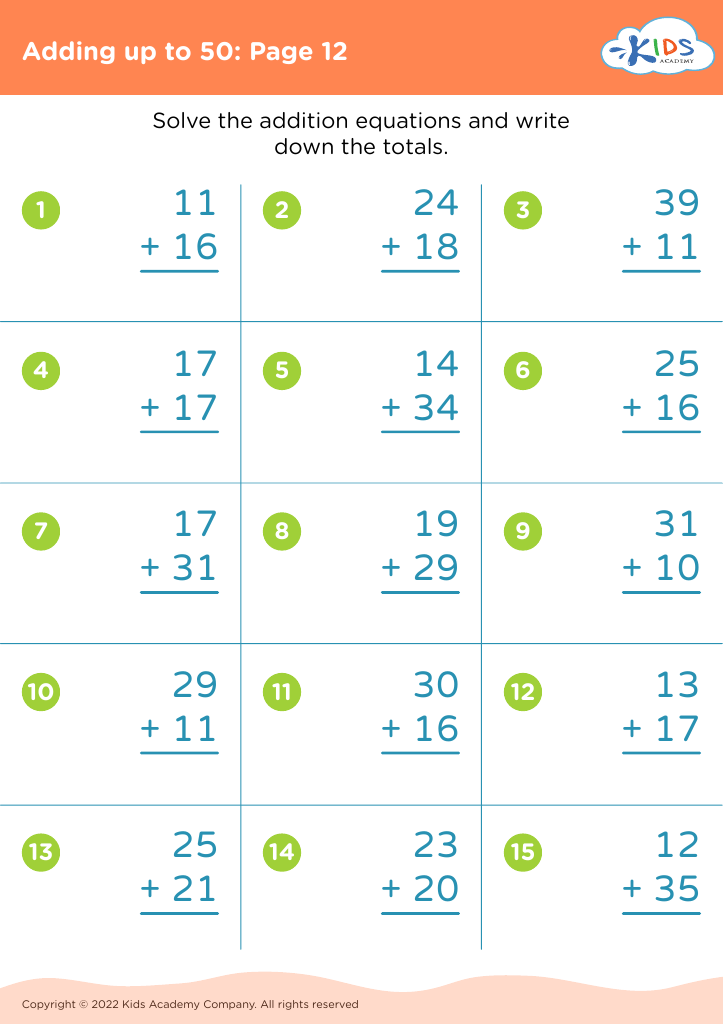
Adding up to 50: Page 12

Adding up to 50: Page 12

Adding up to 50: Page 12
Worksheet
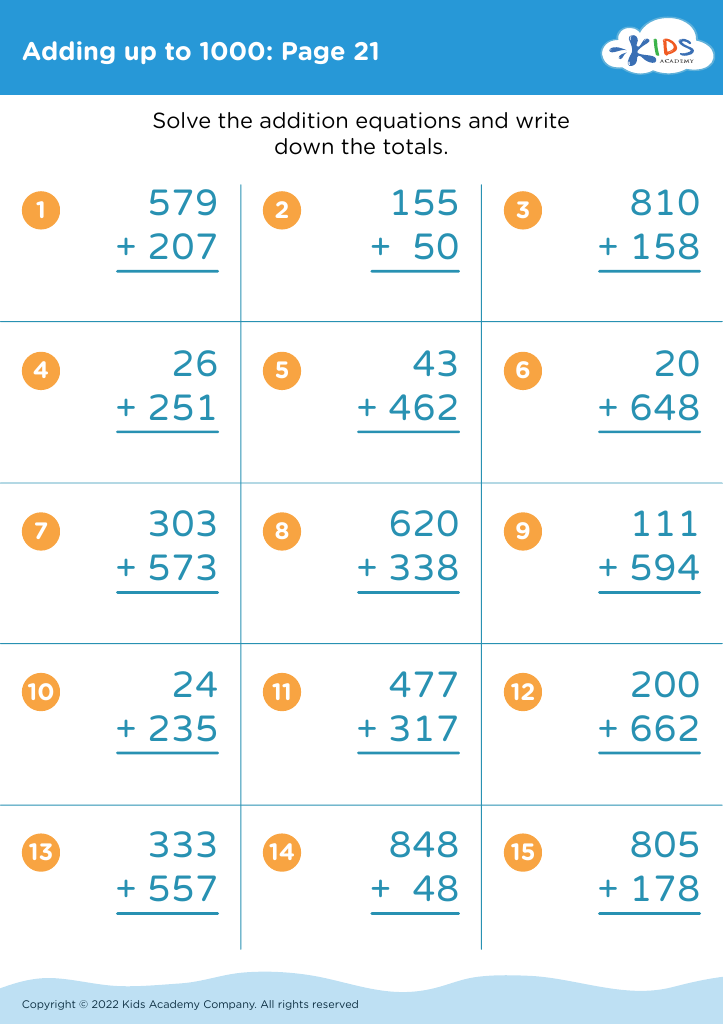
Adding up to 1000: Page 21

Adding up to 1000: Page 21

Adding up to 1000: Page 21
Worksheet
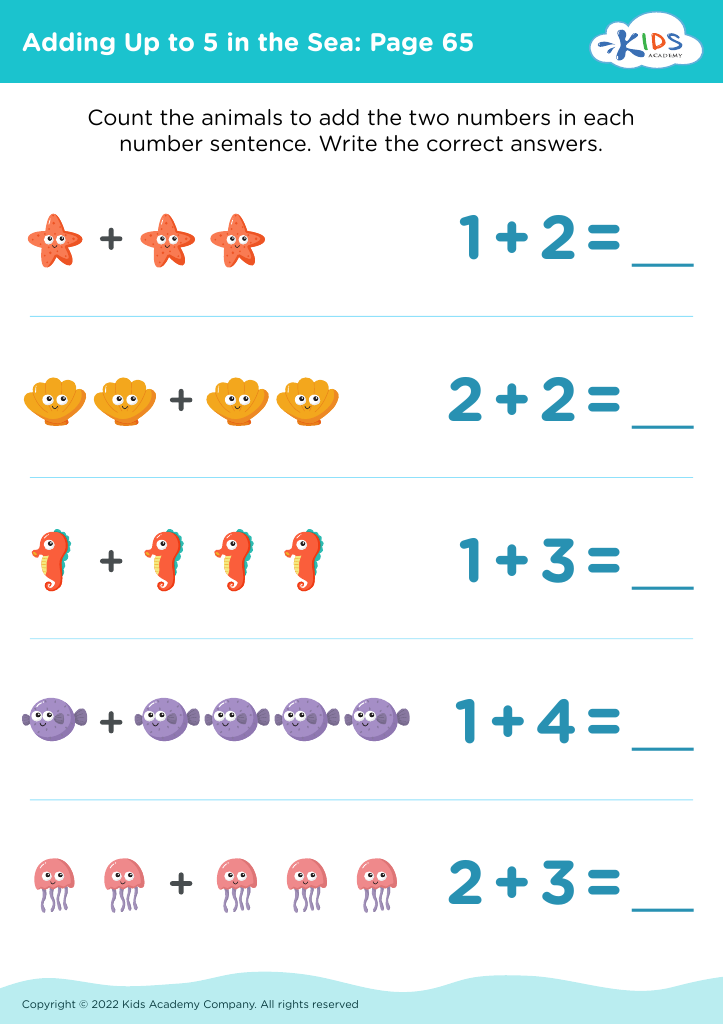
Adding Up to 5 in the Sea: Page 65
Worksheet
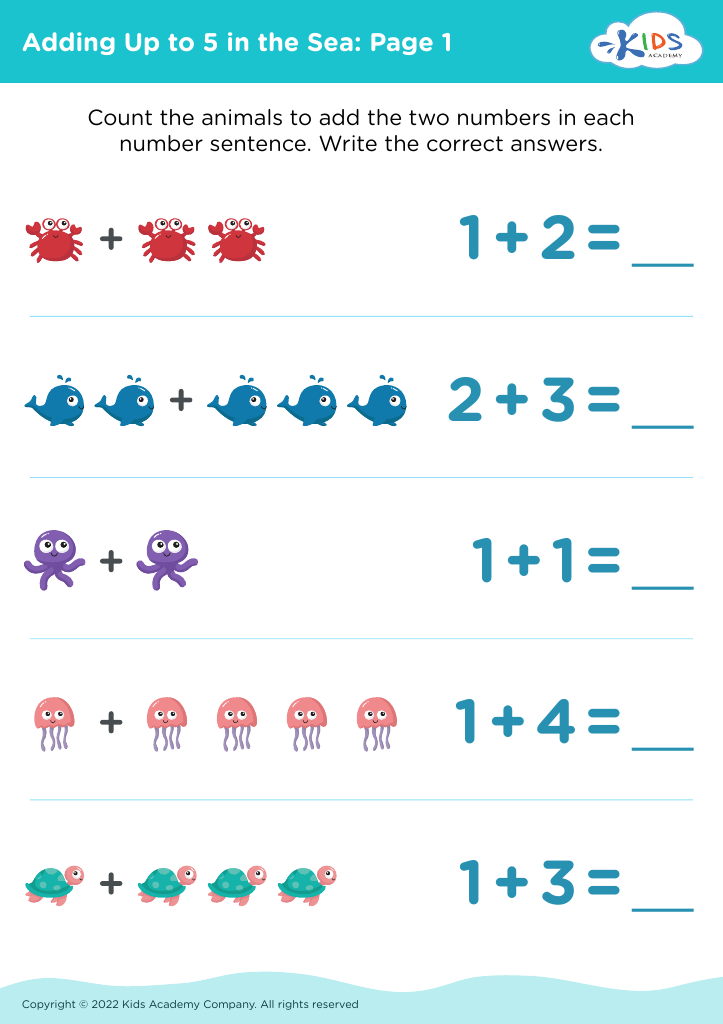
Adding Up to 5 in the Sea: Page 1

Adding Up to 5 in the Sea: Page 1

Adding Up to 5 in the Sea: Page 1
Worksheet
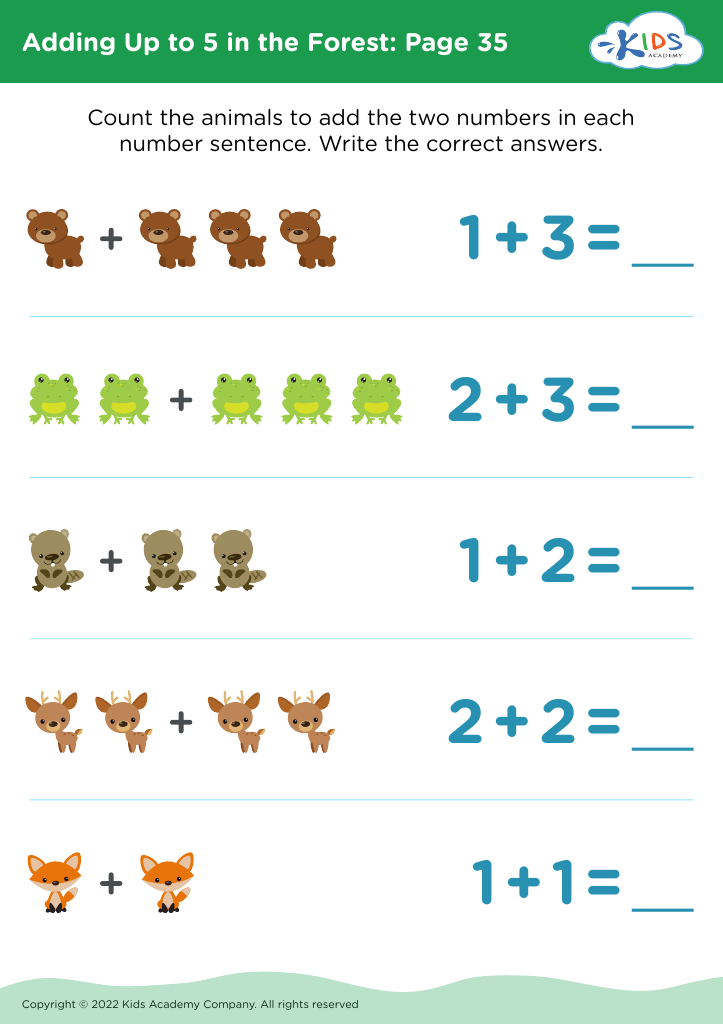
Adding Up to 5 in the Forest: Page 35
Worksheet
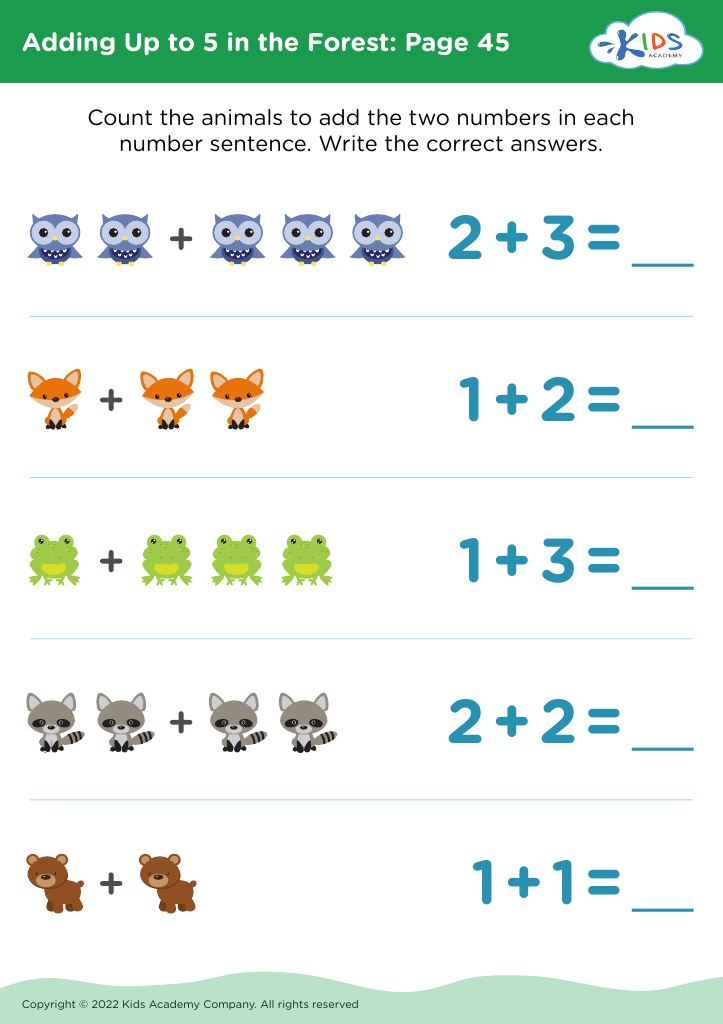
Adding Up to 5 in the Forest: Page 45
Worksheet


Counting practice and addition skills are foundational concepts for children aged 3-8, crucial for their mathematical development and overall learning. At this age, children's brains are highly adaptable, making it the perfect time to foster these essential skills. Engaging in counting activities helps young learners develop number sense, which is the ability to understand and work with numbers effectively.

For parents and teachers, prioritizing counting and addition practice can significantly enhance a child's cognitive growth. Early exposure to numerical concepts not only lays the groundwork for future math skills but also aids in problem-solving and critical thinking. Counting is often intertwined with everyday activities, such as counting toys or food items, making learning enjoyable and relatable.

Moreover, mastering counting and addition can boost a child's confidence, encouraging them to participate actively in activities both in school and at home. It promotes teamwork during games and strengthens social skills through collaborative play.

By supporting counting and addition from an early age, parents and teachers are not just teaching math—they are empowering children with the tools needed for academic success and lifelong learning. These skills will serve as building blocks, paving the way for more complex mathematical concepts in the future.