Recognizing numbers Addition Worksheets for Ages 3-8
4 filtered results
-
From - To
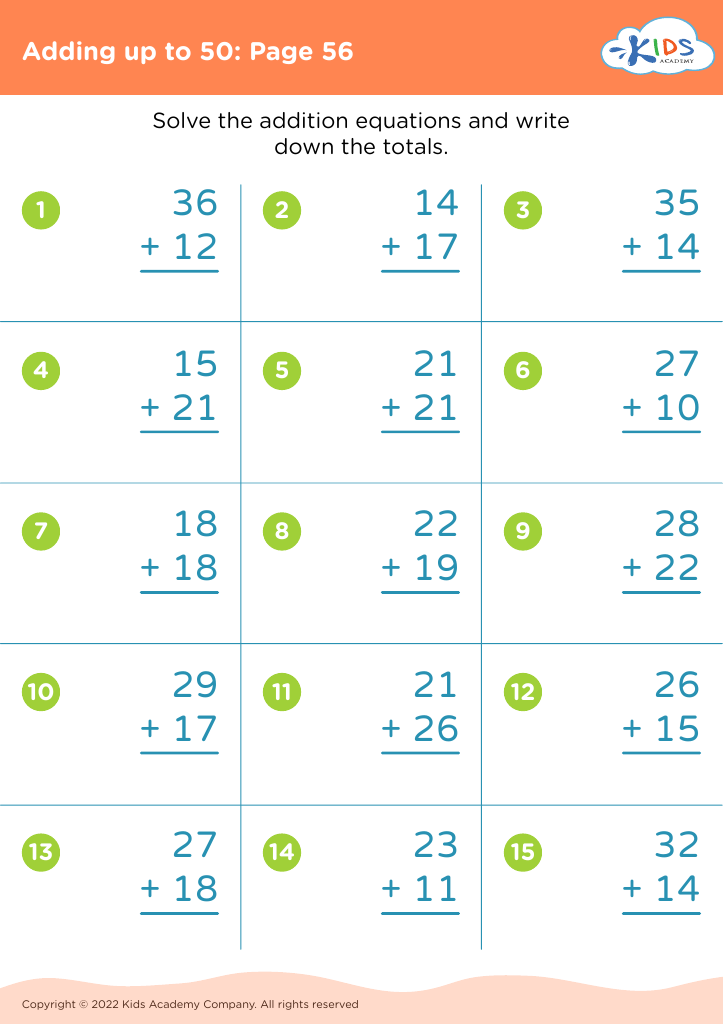
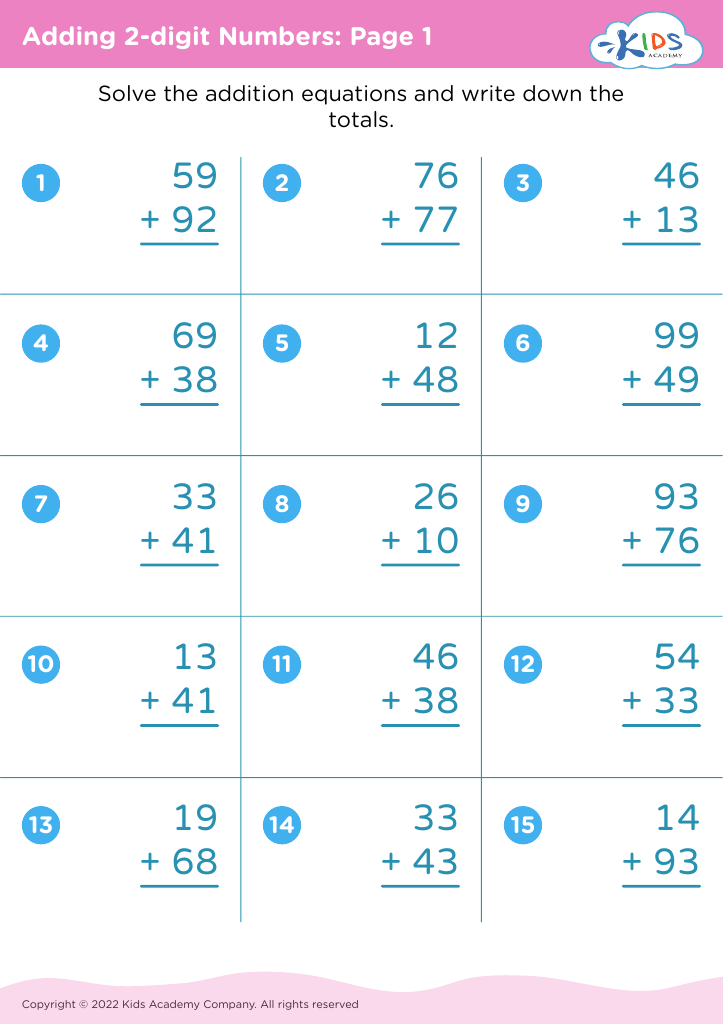
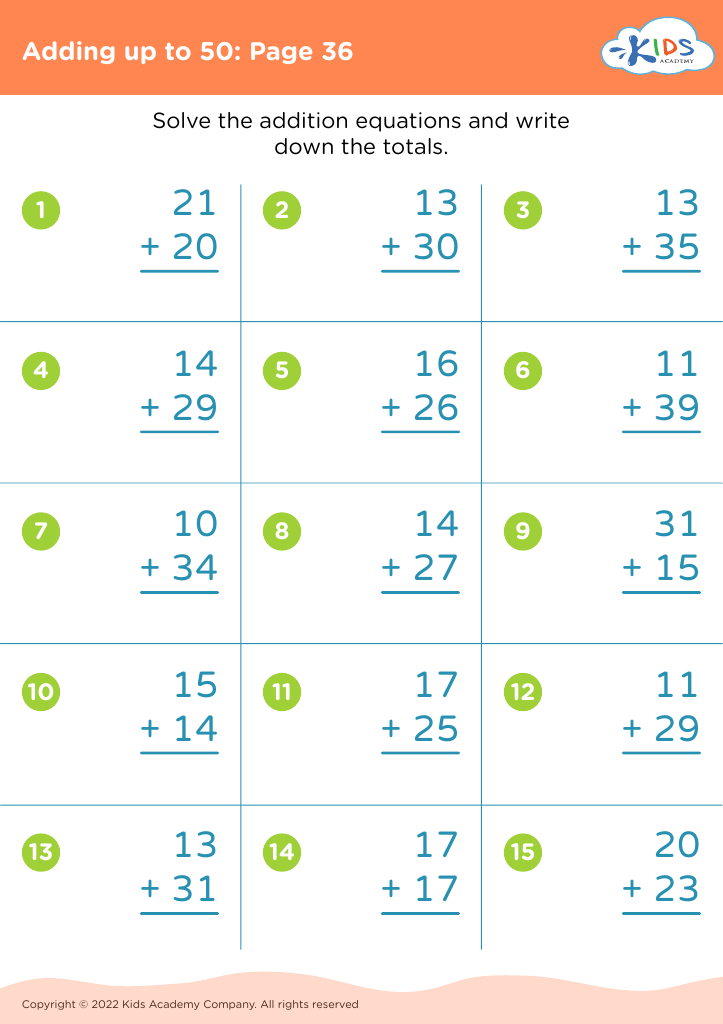
Welcome to our Recognizing Numbers Addition Worksheets, designed for children ages 3-8! These engaging worksheets help young learners build a strong foundation in math by focusing on number recognition and basic addition skills. Children will enjoy colorful visuals and interactive activities that promote learning through play. As they progress, they will develop confidence in identifying numbers and mastering simple addition problems. Our carefully crafted resources aim to make math enjoyable, fostering a love for numbers early on. Perfect for classrooms or at-home practice, these worksheets are an excellent tool for helping your child succeed in their mathematical journey!
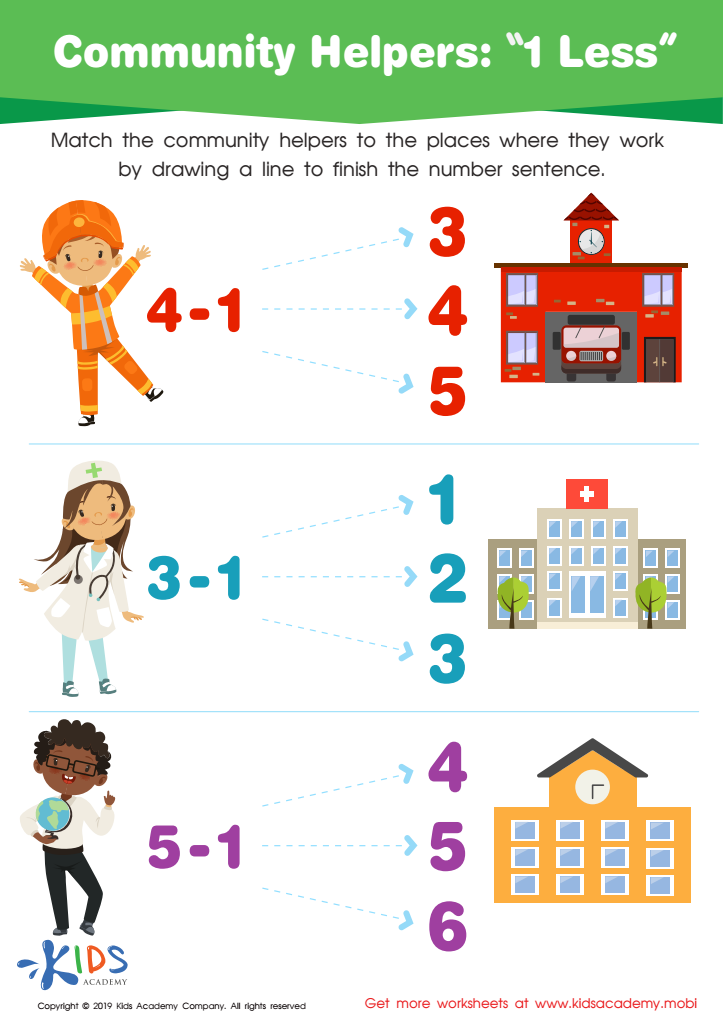
Community Helpers: 1 less Worksheet
 Assign to My Students



.jpg)




Recognizing numbers and understanding basic addition are foundational skills for young children aged 3-8. Parents and teachers should prioritize these areas because they play a crucial role in cognitive development and everyday problem-solving. Early exposure to numbers helps children develop mathematical language, boosting their confidence and interest in math subjects as they grow.
By recognizing numbers, children begin to discern patterns and relationships that encourage logical thinking. This sets the stage for more complex mathematical concepts later in their education. Addition introduces the idea of combining groups, enabling children to grasp the concept of quantity and value. This foundational skill supports skills required in everyday life—whether counting items, splitting snacks, or understanding age differences.
Moreover, integrating number recognition and addition into playful activities fosters engagement and makes learning enjoyable. When children feel supported and challenged in a fun way, they are more likely to develop a positive attitude towards math. This early positive experience can combat math anxiety in later years, making them open to tackling more complex concepts. Ultimately, by nurturing these skills early on, parents and teachers contribute to a child’s holistic development and pave the way for academic success across multiple disciplines.








