Simplifying Fractions Addition Worksheets for Ages 3-8
18 filtered results
-
From - To
Welcome to our collection of "Simplifying Fractions Addition Worksheets" designed specifically for children aged 3-8! These engaging worksheets provide young learners with the essential skills to simplify and add fractions. Through colorful illustrations and interactive exercises, children will develop a strong foundation in basic math concepts. Perfect for both classroom and home use, these resources encourage hands-on learning while making fractions fun and accessible. As students progress, they’ll gain confidence in their mathematical abilities. Explore our worksheets today to enhance your child's learning experience and set them on the path to math mastery!
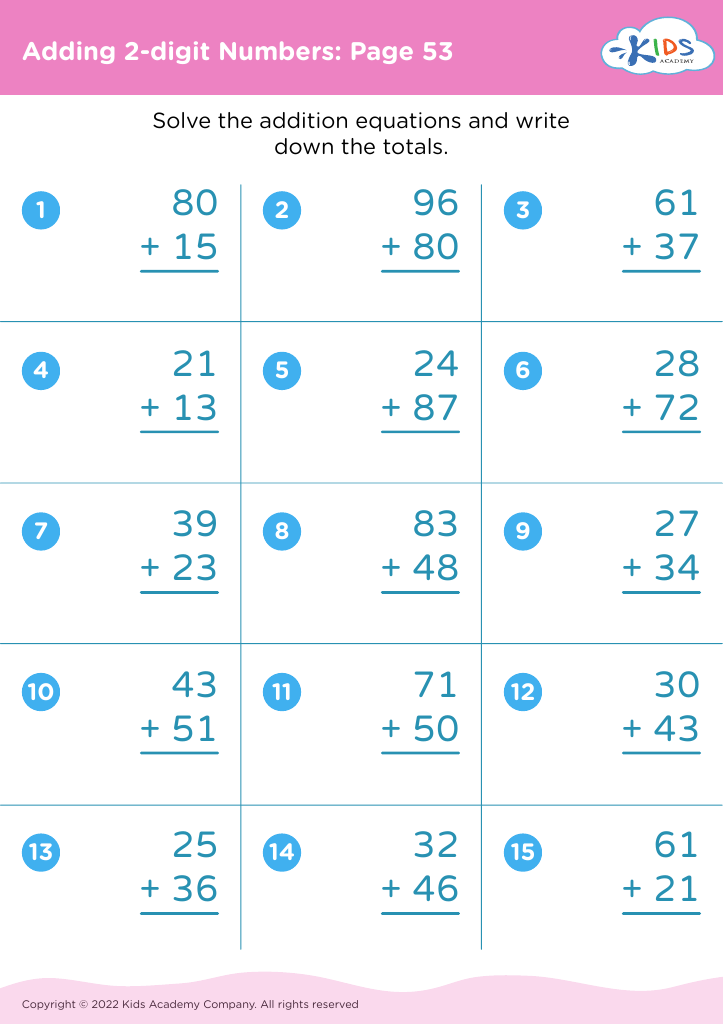
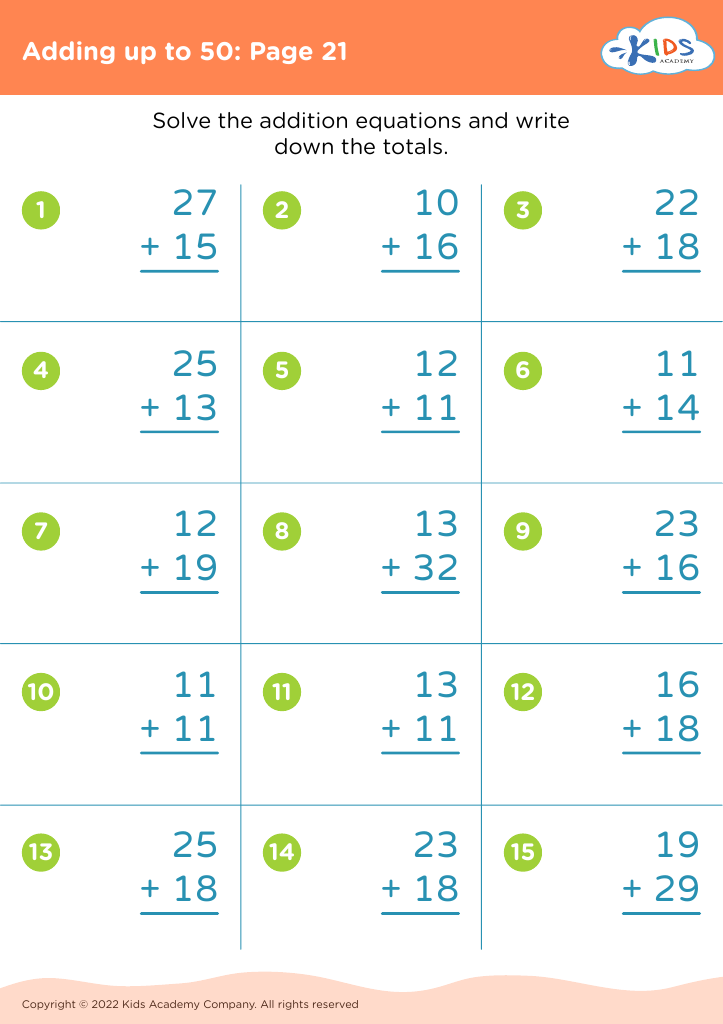
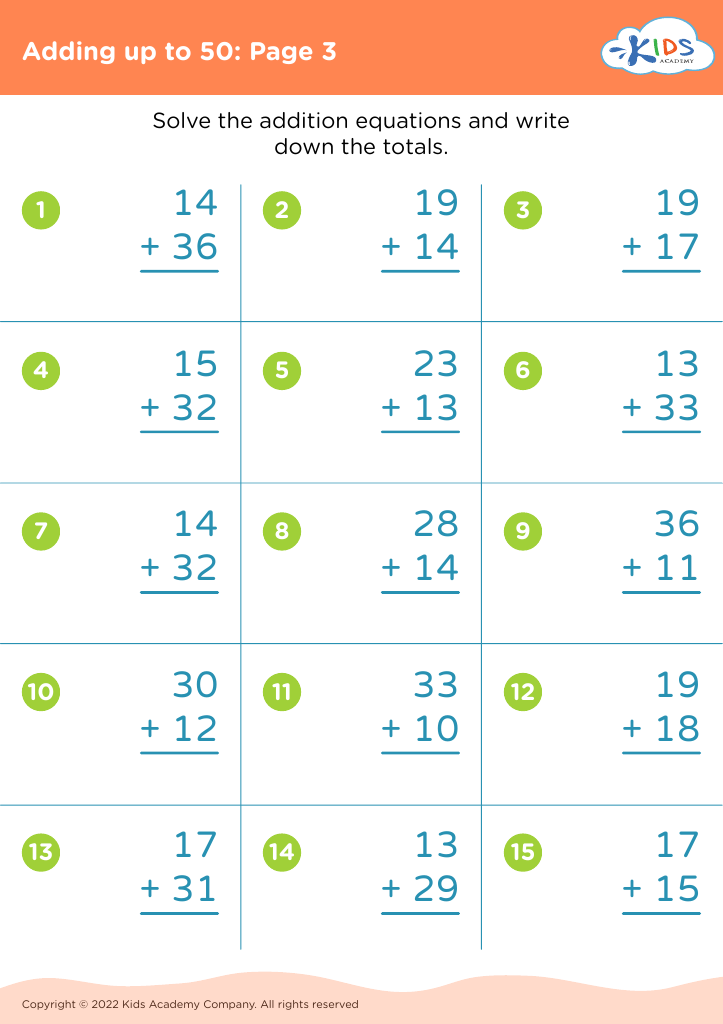
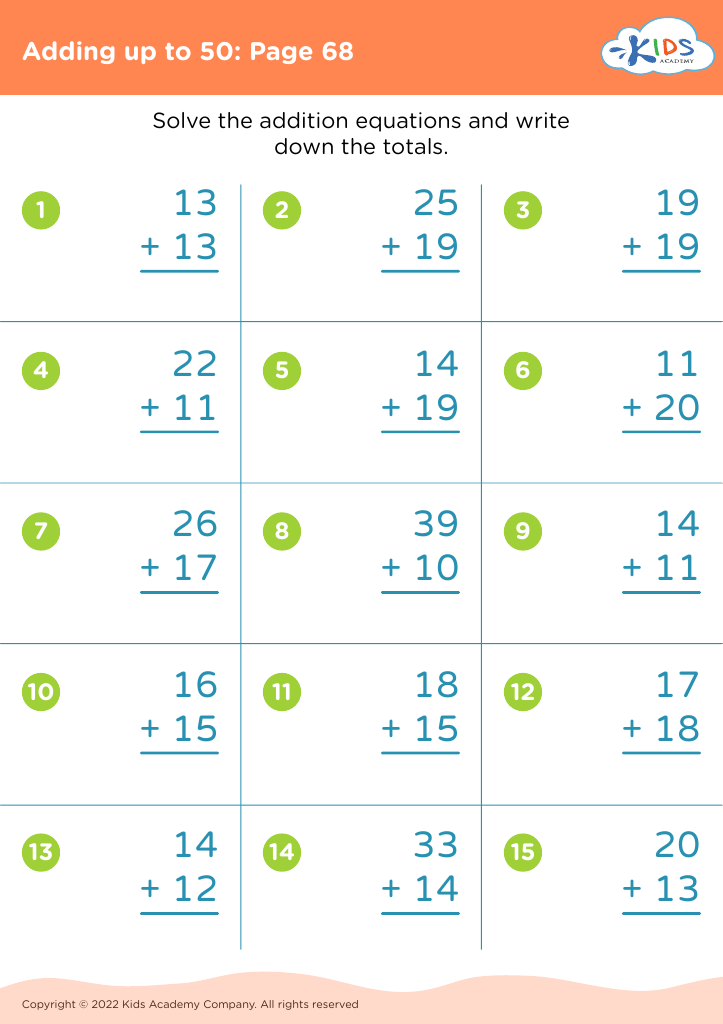
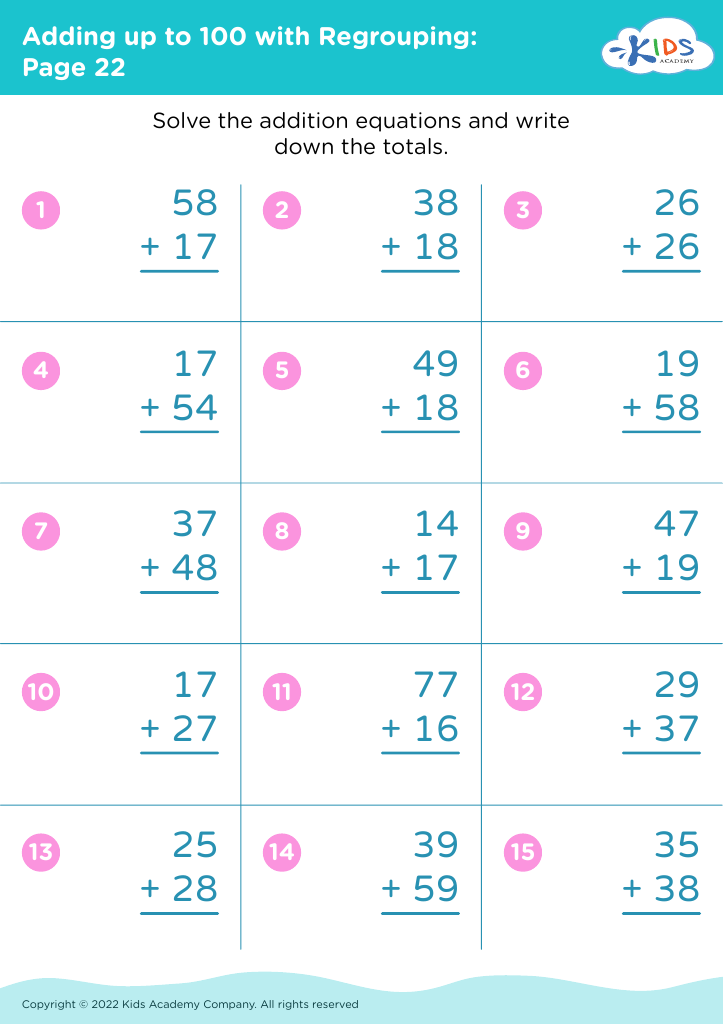
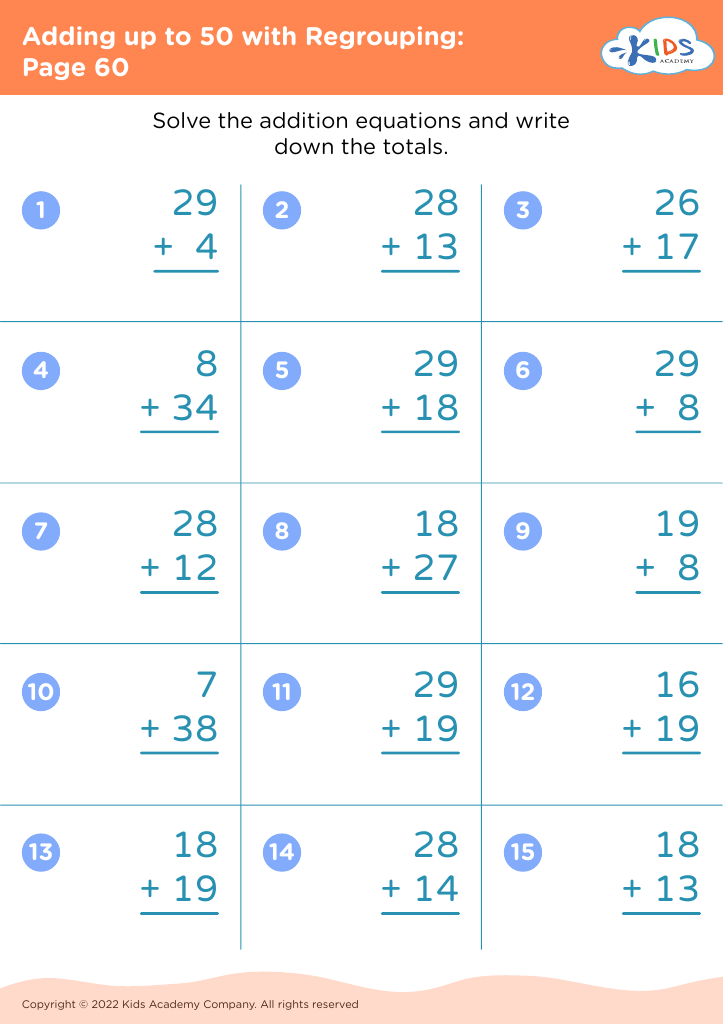
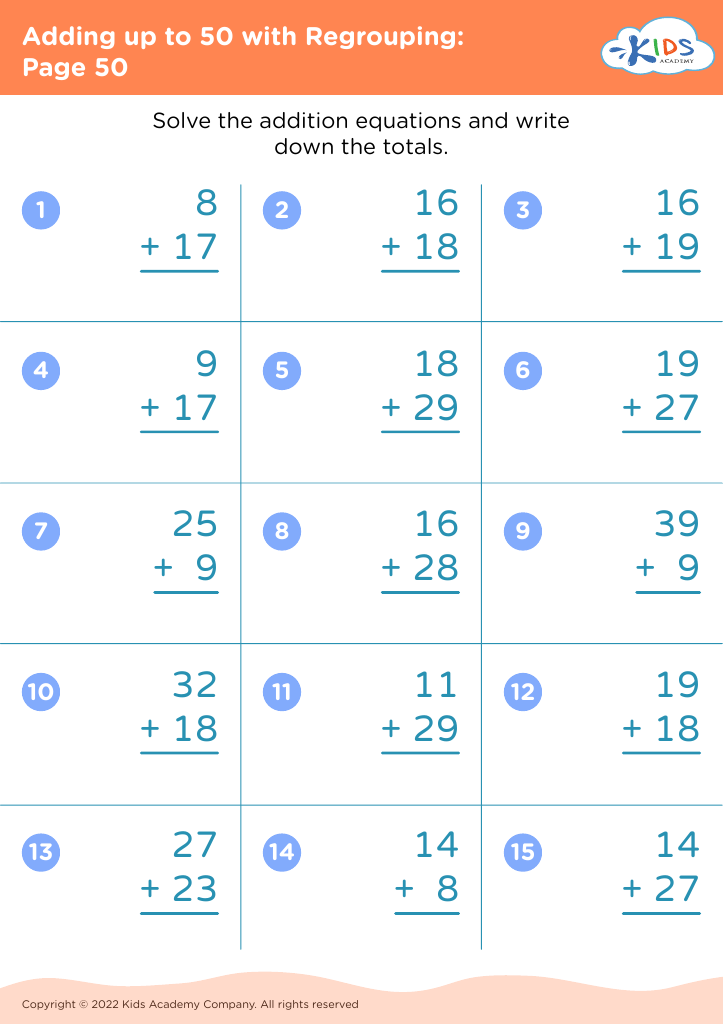
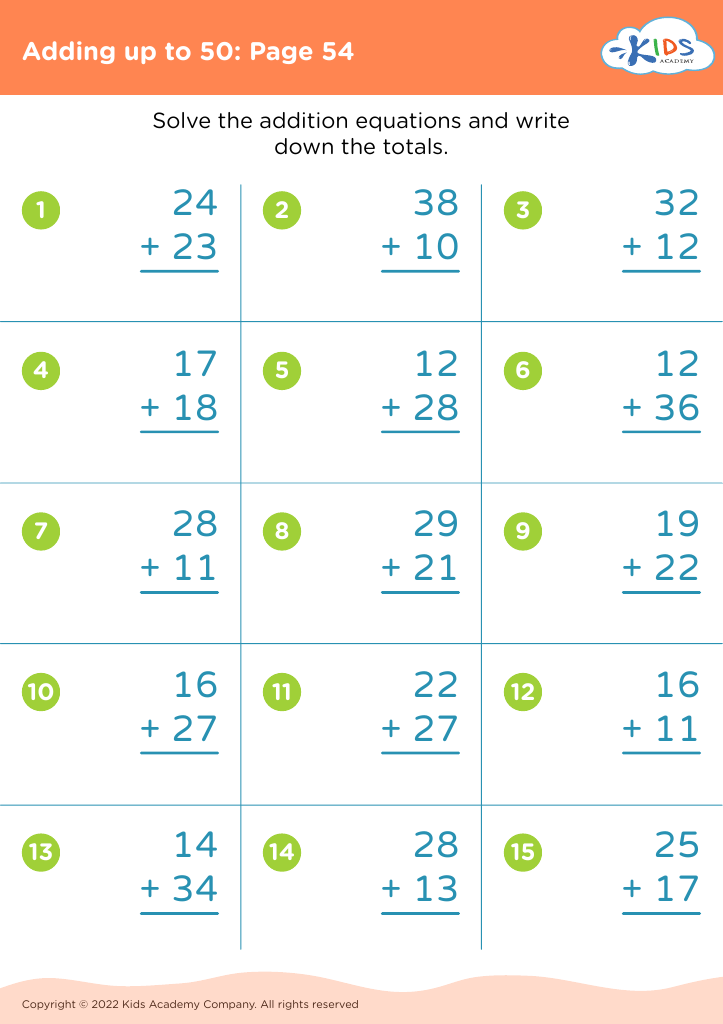
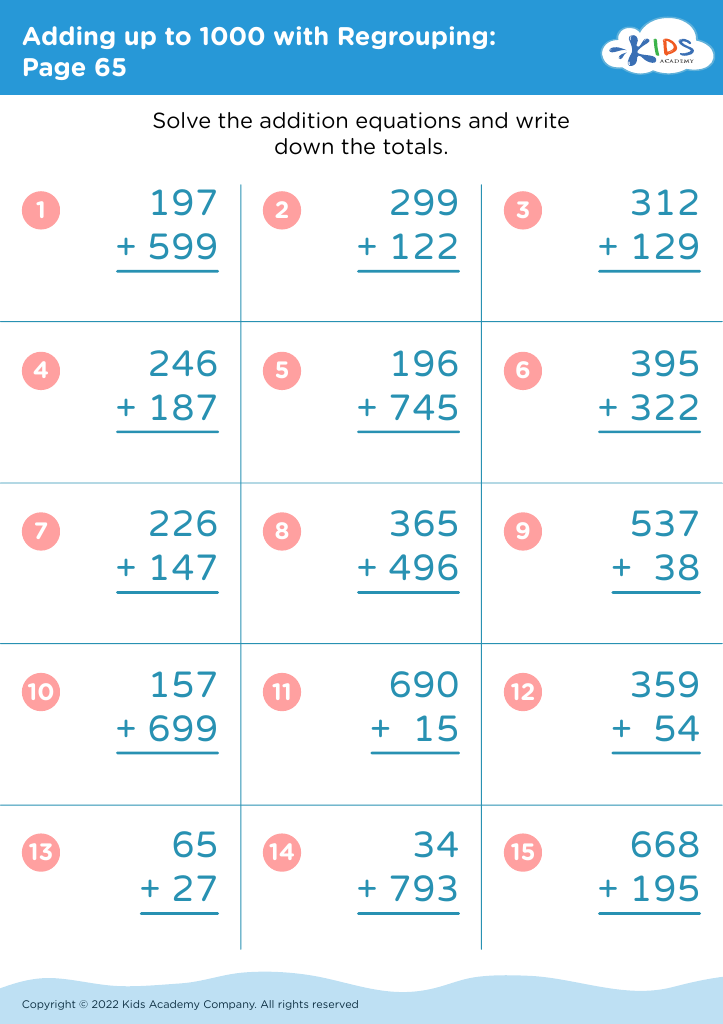
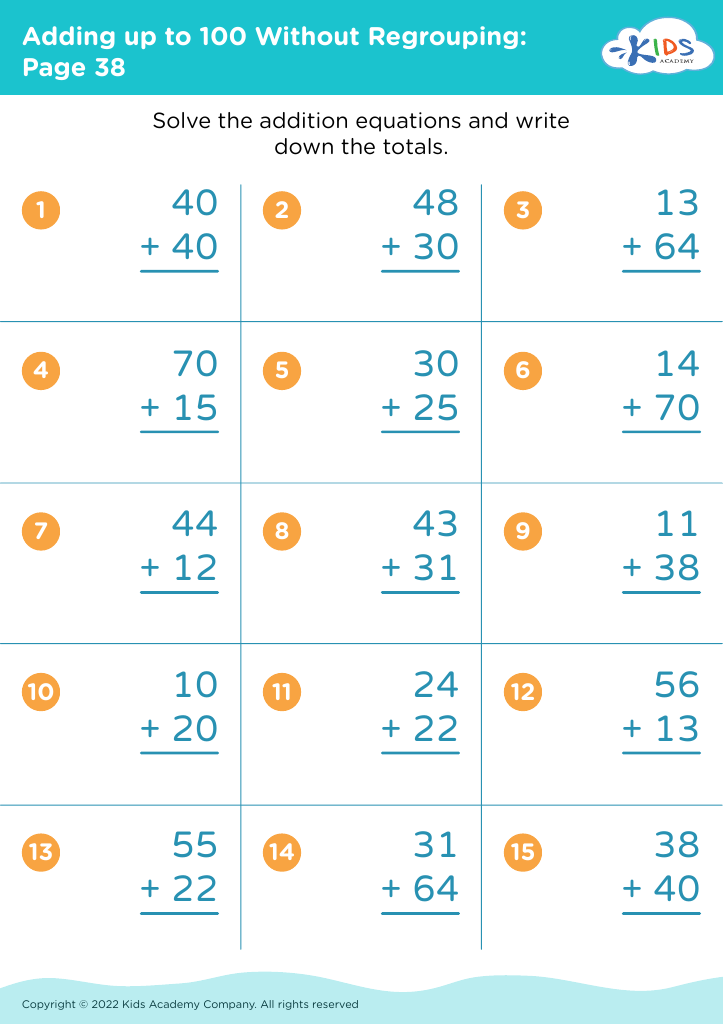
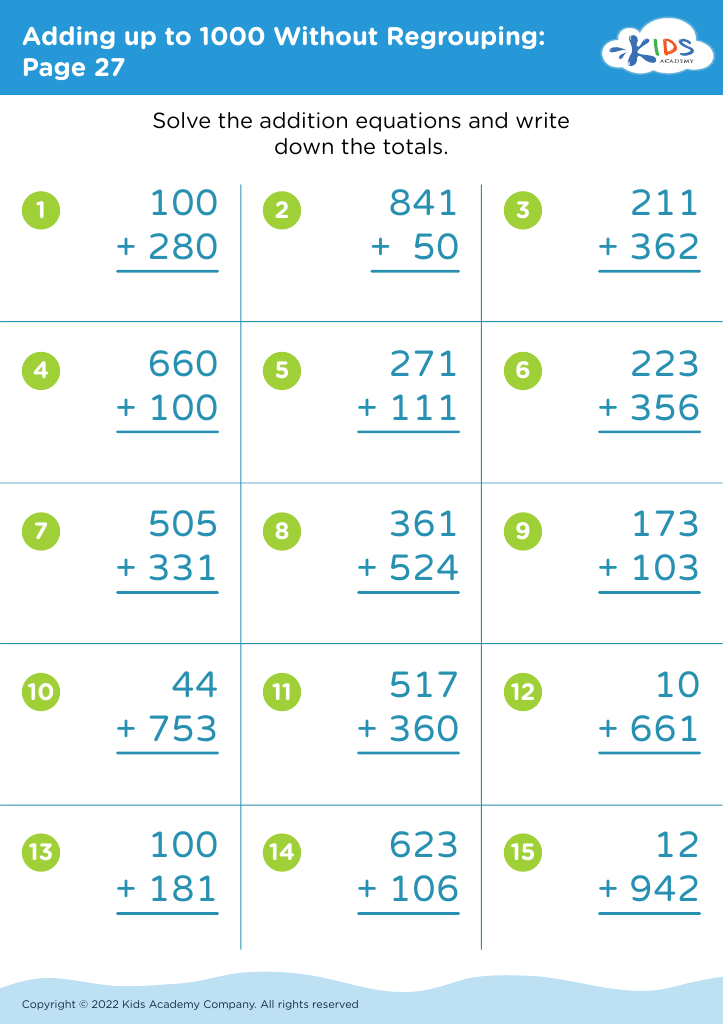
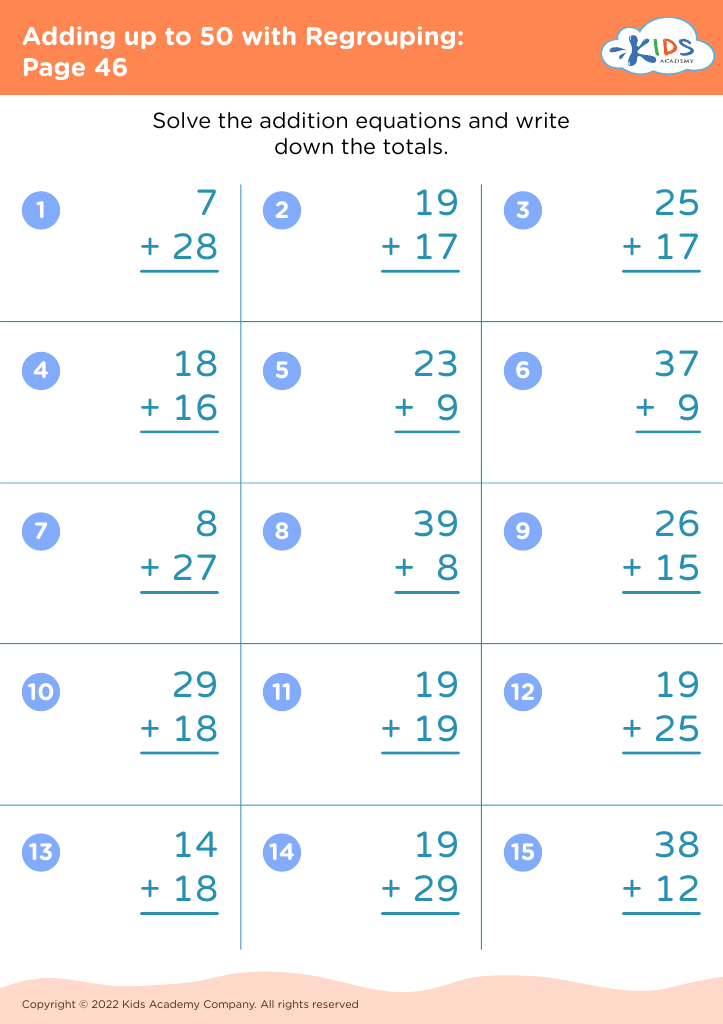
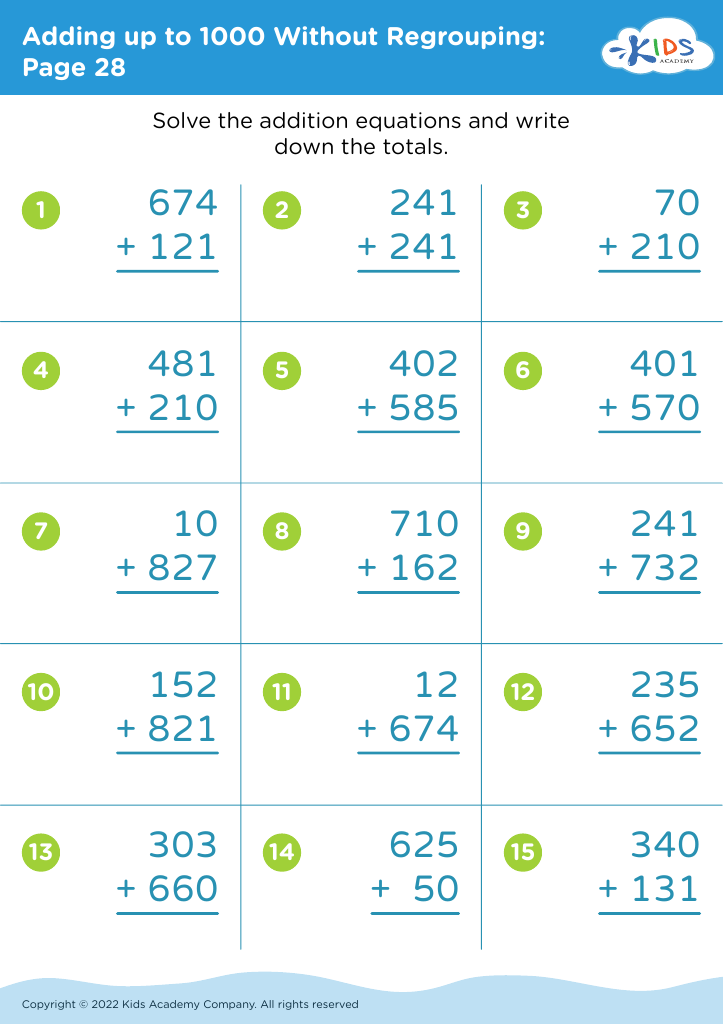
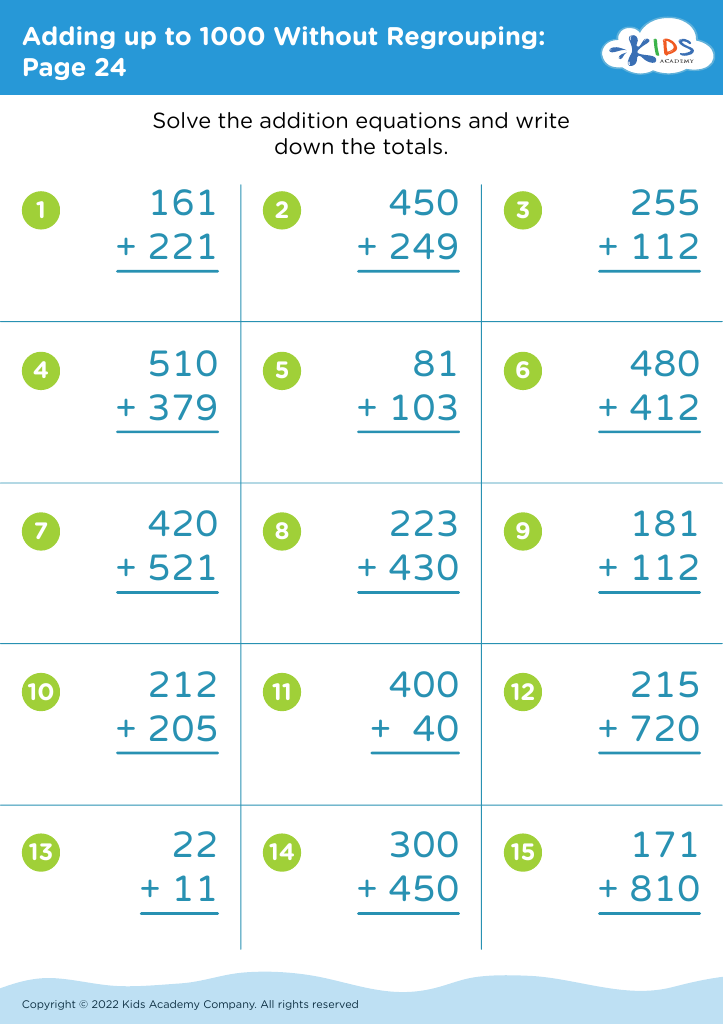








Simplifying fractions and their addition is a crucial foundational skill for young learners aged 3-8. At this age, children are developing their understanding of numbers and mathematical concepts, and introducing fractional concepts can extend their numerical literacy. Simplifying fractions effectively makes these concepts more digestible, promoting a positive attitude towards math.
For parents and teachers, focusing on simplified fractions offers several benefits. First, it allows children to grasp the concept of part-whole relationships, which is vital for understanding more complex math operations later on. Simplifying these concepts helps prevent confusion, laying a strong groundwork for future mathematical success.
Moreover, using tangible examples, like sharing pizzas or measuring ingredients, relates fractions to everyday life, making learning meaningful and engaging. This context increases their enthusiasm for math and enhances retention.
In addition to aiding comprehension, simplifying fractions encourages critical thinking and problem-solving skills as students learn to manipulate numbers and understand equivalency. When parents and teachers emphasize this approach early on, they support a joyful, constructive learning experience. Ultimately, fostering these skills early can instill confidence, preparing children for more advanced mathematical challenges as they grow.








