Understanding skip-counting Counting Worksheets for Ages 3-8
3 filtered results
-
From - To
Discover our engaging skip-counting worksheets designed for children aged 3-8, aimed at enhancing their math skills in a fun and interactive way. These resources help young learners grasp the concept of skip-counting through colorful visuals and various exercises, making math both enjoyable and educational. Perfect for parents and educators, our worksheets foster foundational skills crucial for success in later math concepts, which create a strong base for learning. Encourage your child's confidence and proficiency in counting by integrating skip-counting activities into their routine. Explore our collection and watch them thrive as they master this essential mathematical skill!
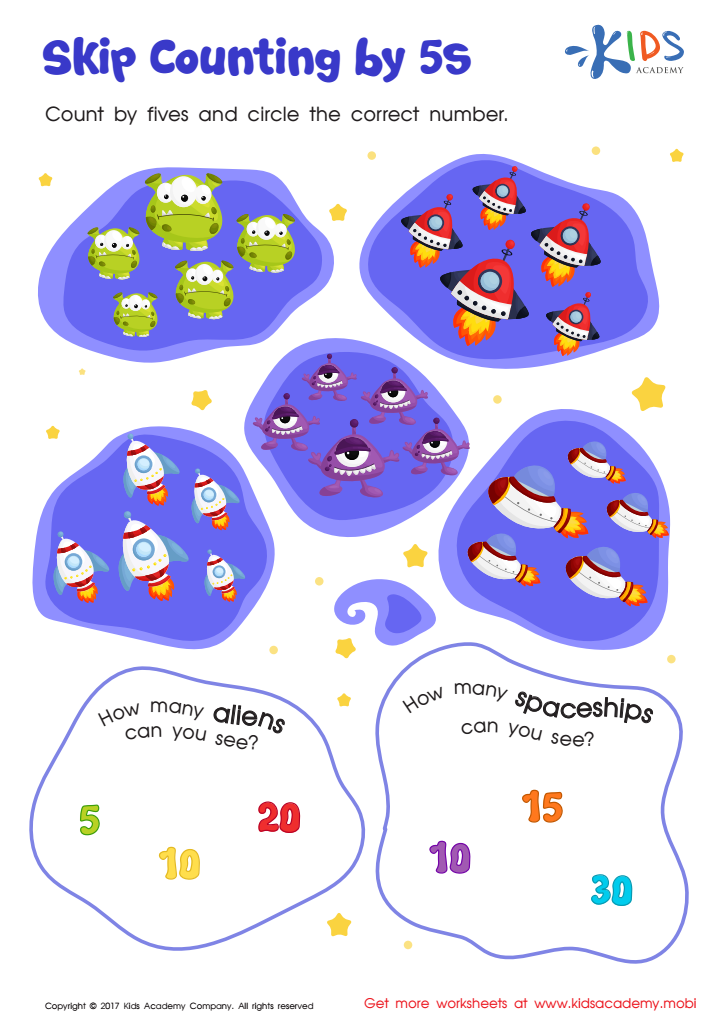
Skip Counting by 5s: Aliens and Spaceships Printable
 Assign to My Students


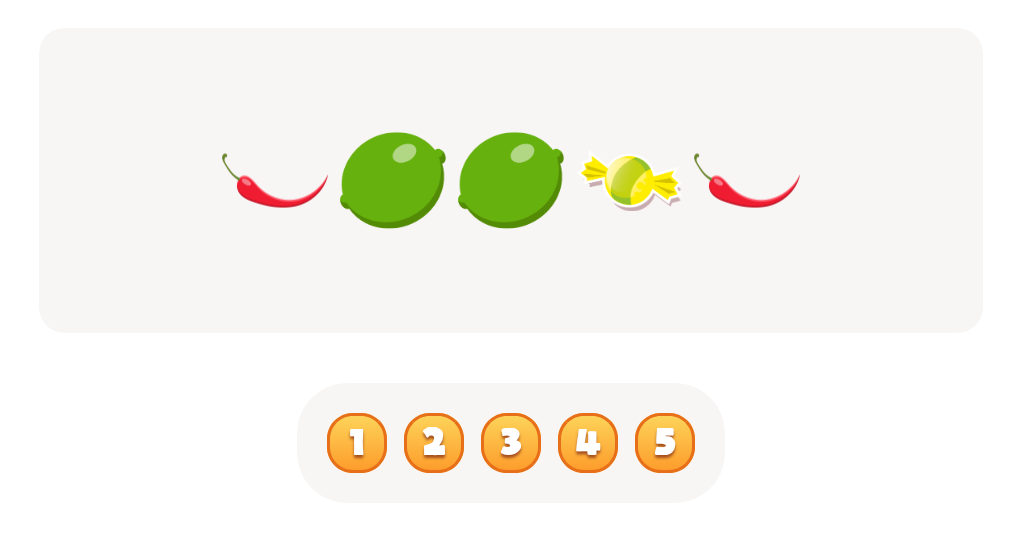
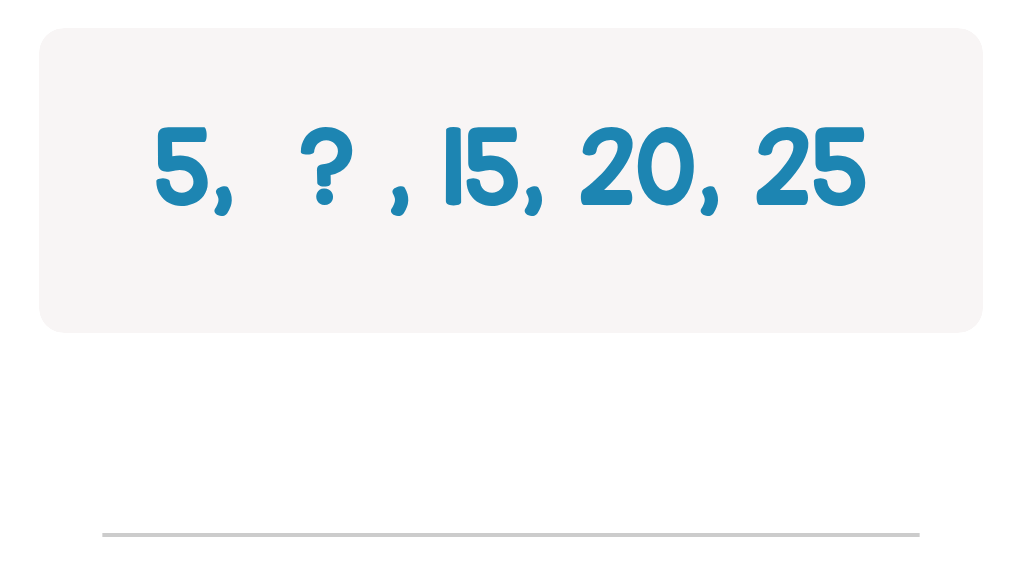
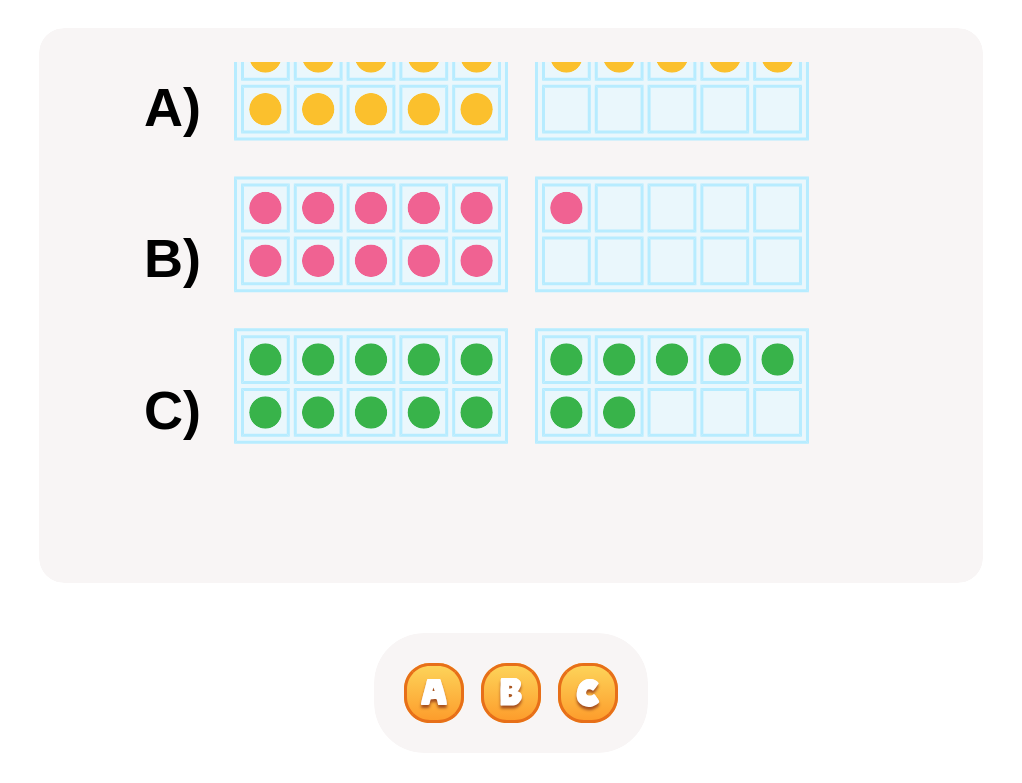
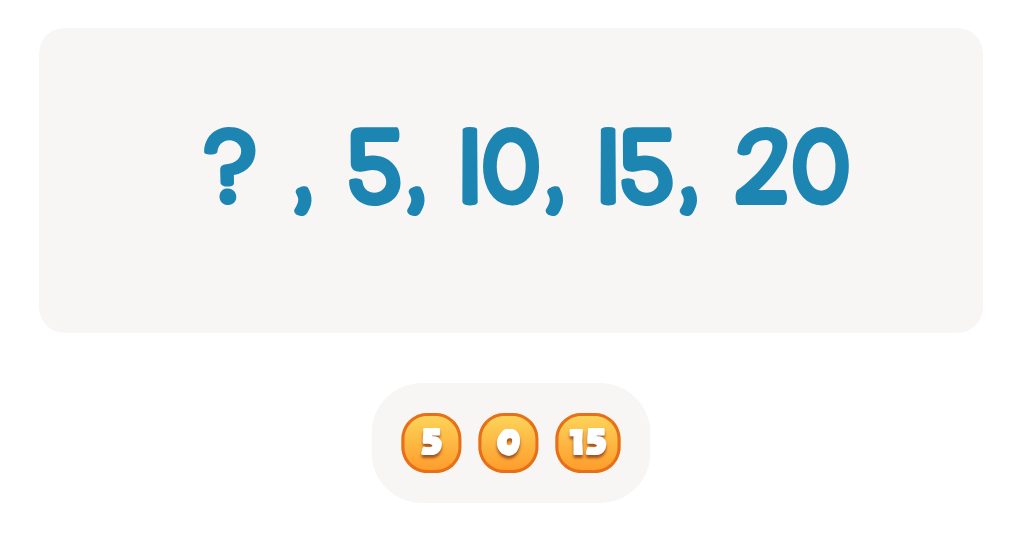
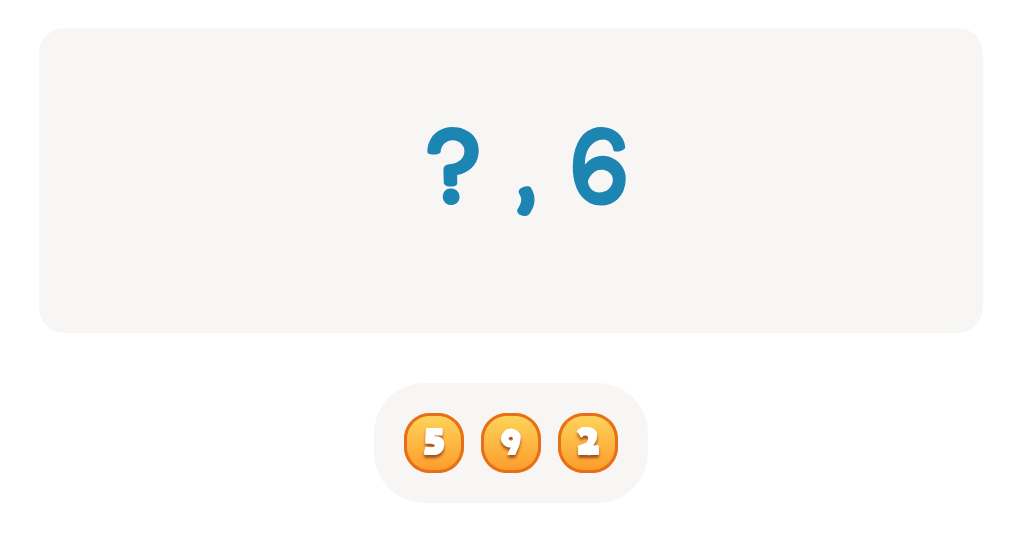
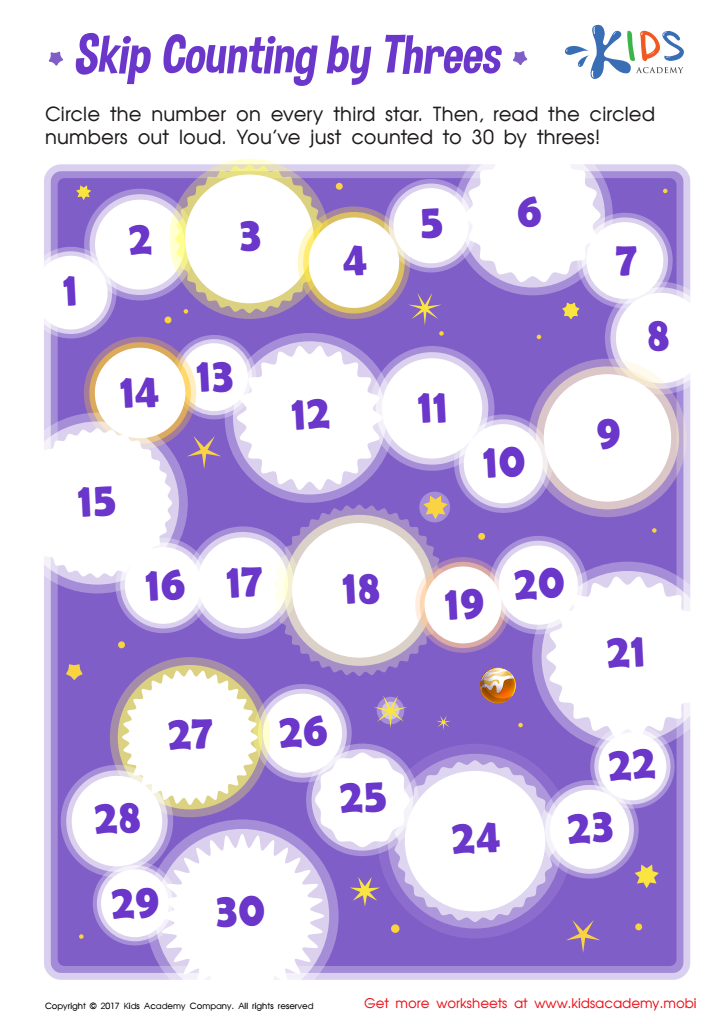
Skip Counting By Three Printable
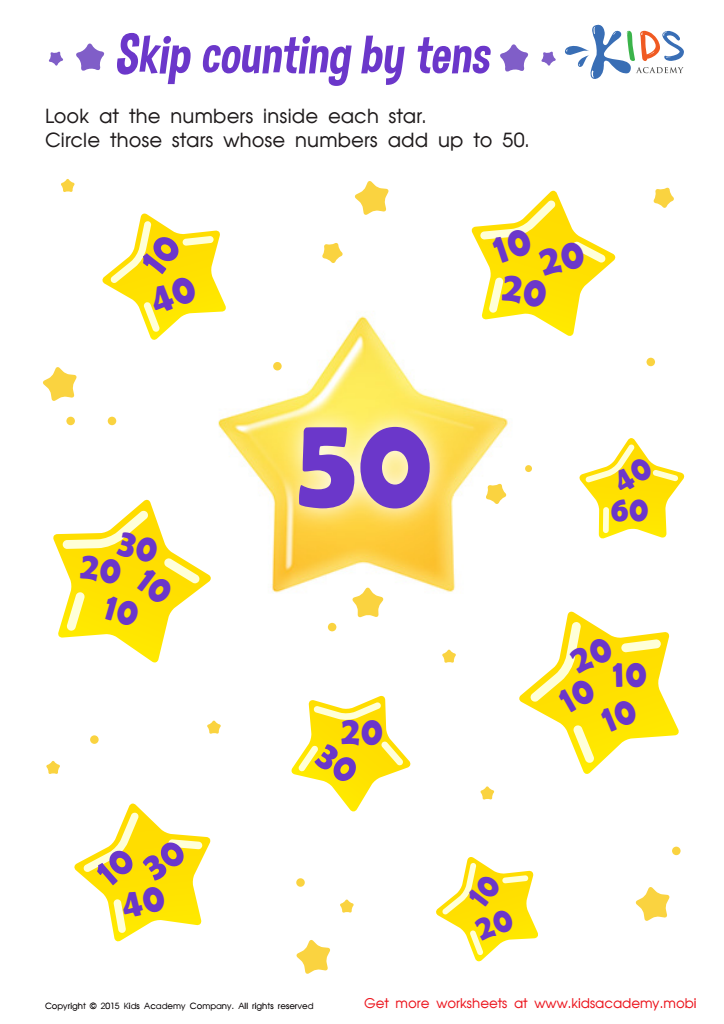
Learn Dozens: Skip Counting by Tens Printable








Skip counting is a foundational math skill that involves counting by quantities other than one, such as twos, fives, or tens. For children aged 3-8, mastering the concept of skip counting lays the groundwork for more advanced mathematical operations, like addition, subtraction, multiplication, and division.
Parents and teachers should prioritize understanding skip counting because it enhances number sense—a child's intuitive grasp of how numbers relate to each other. This skill enables children to recognize patterns, see the relationship between numbers, and ultimately develop critical problem-solving abilities. For instance, when children skip count by fives, they can quickly solve addition problems related to groups of objects, aiding in more efficient calculations.
Moreover, skip counting encourages enjoyment in learning math, stimulating interest through engaging activities like songs, games, and visual aids. By introducing skip counting early, parents and teachers foster a positive attitude toward math and build children's confidence, crucial for their educational journey. Additionally, fluency in skip counting helps streamline other learning areas, including time telling and money management. Ultimately, a strong understanding of skip counting equips children with vital skills that will serve them throughout their academic and everyday lives.








