Fine Motor Skills Geometry Worksheets for Ages 3-8 - Page 2
29 filtered results
-
From - To
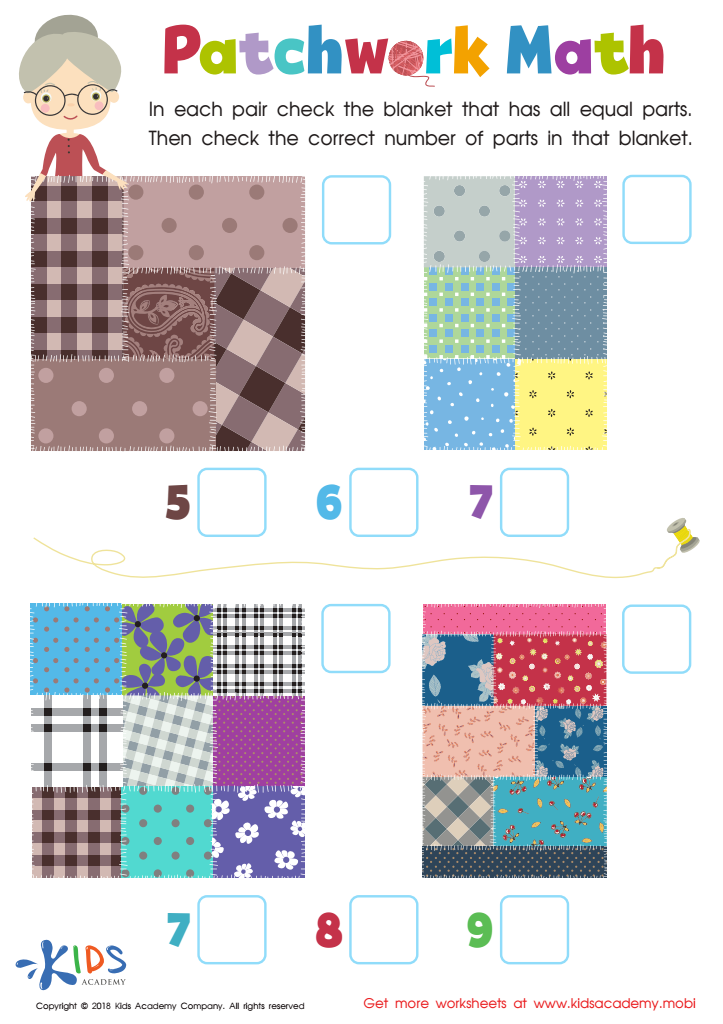
Patchwork Math Worksheet
 Assign to My Students











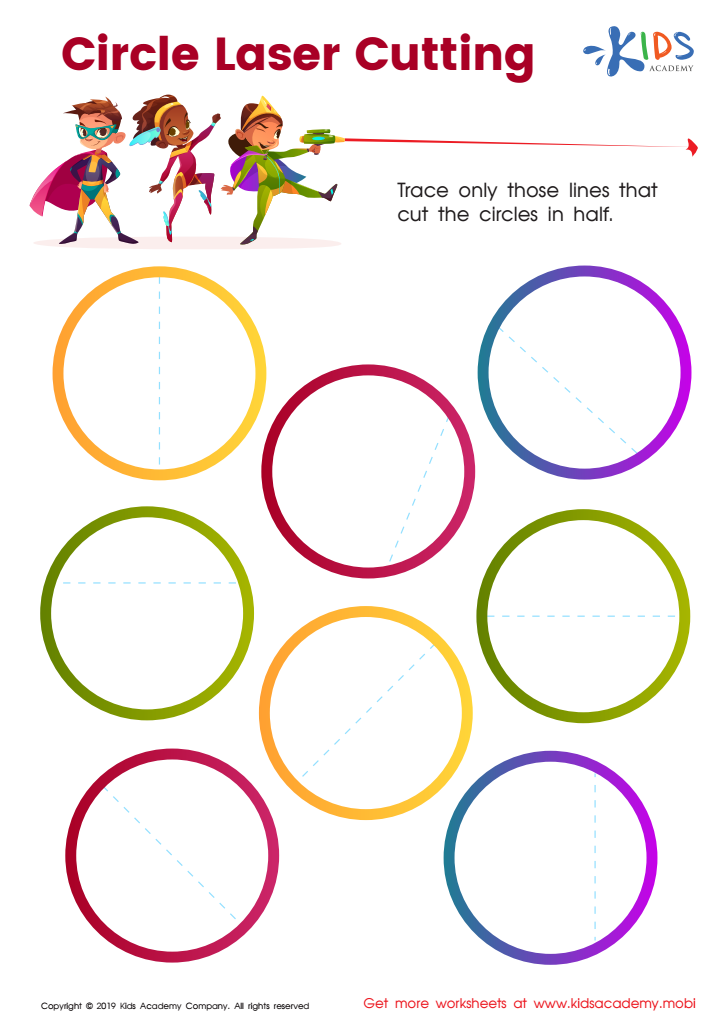
Circle Laser Cutting Worksheet
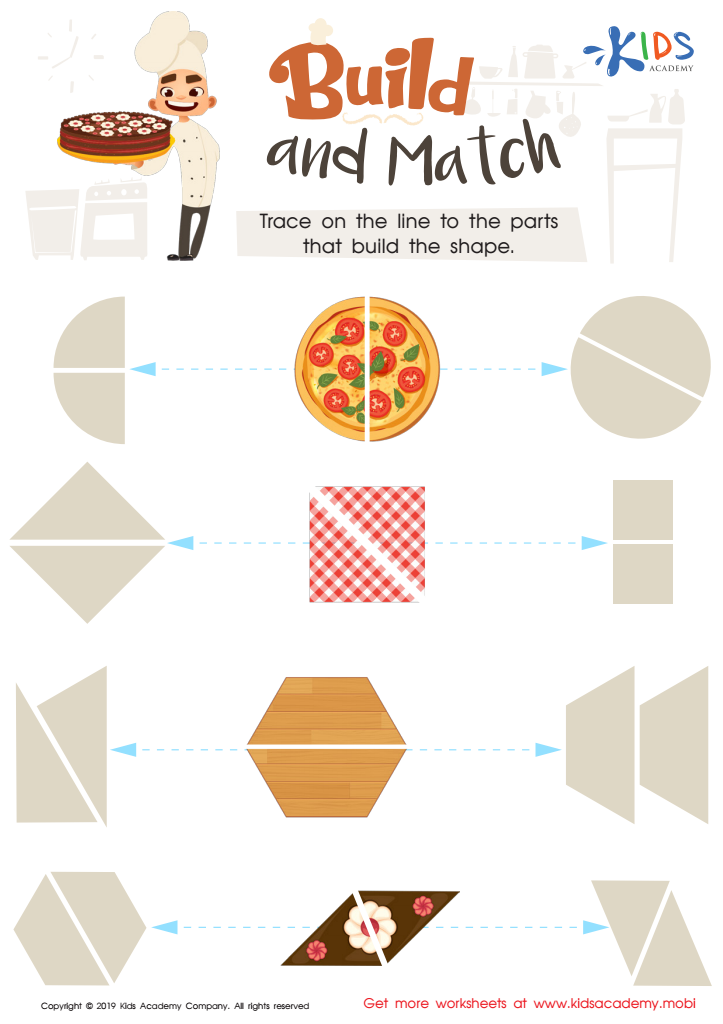
Build and Match Worksheet
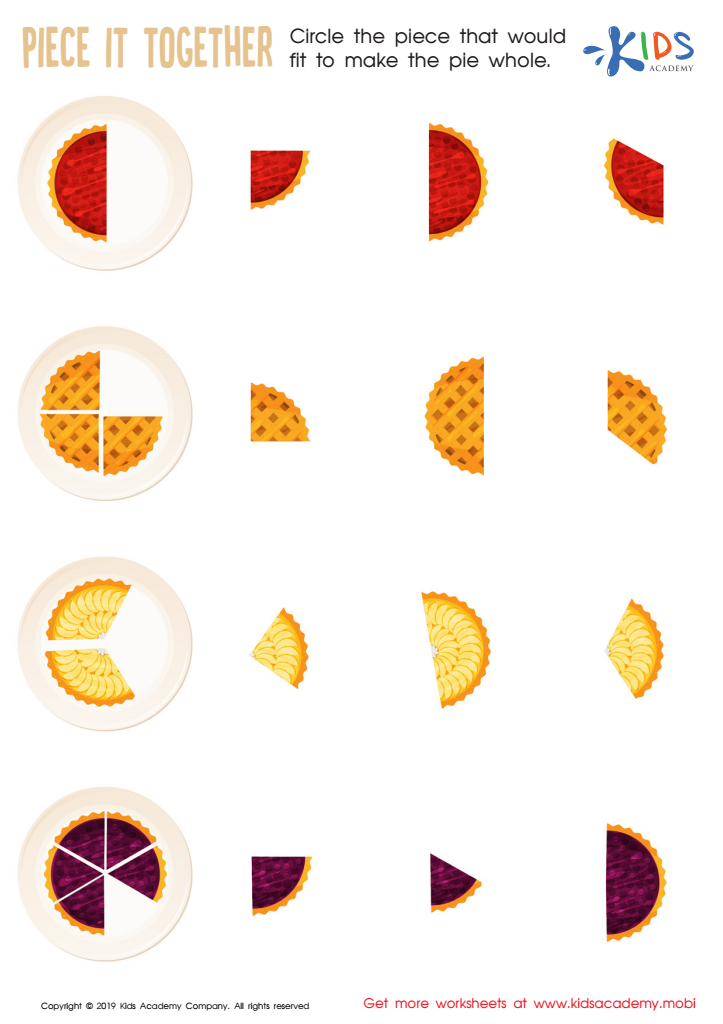
Piece it together Worksheet
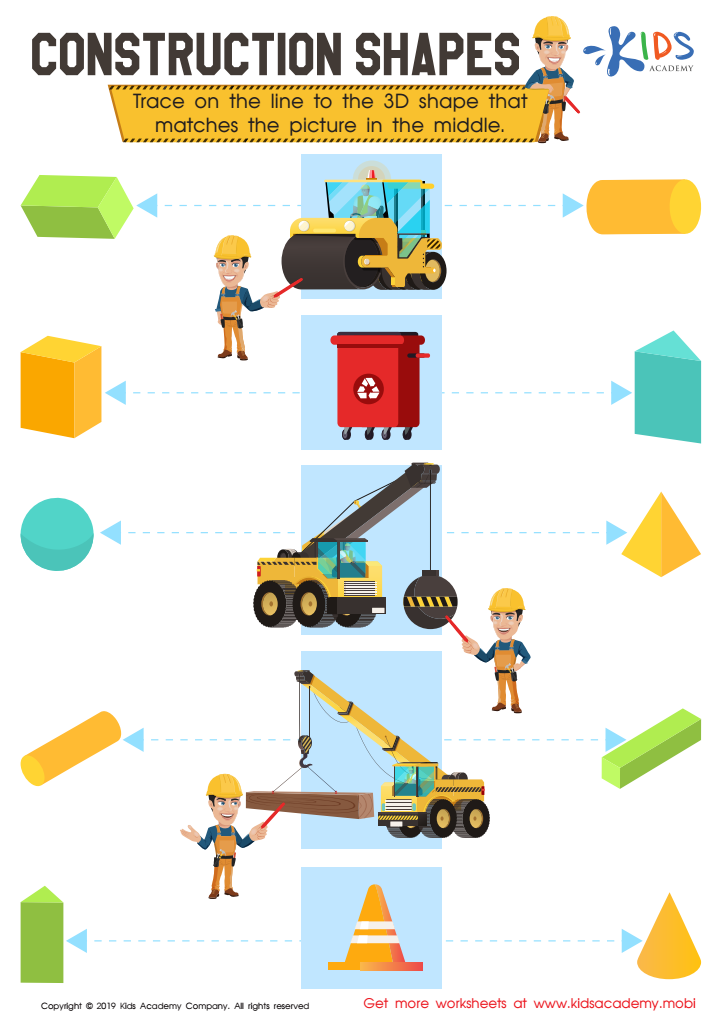
Construction Shapes Worksheet








Fine motor skills are crucial for children's overall development, particularly between the ages of 3-8. During this critical period, children are developing essential skills like coordination, dexterity, and hand-eye coordination, which are foundational for various activities, including writing, drawing, and using tools. Geometry, which involves recognizing shapes, understanding spatial relationships, and exploring patterns, closely ties to fine motor skills, as many geometric concepts require precise hand movements and manipulation of objects.
Parents and teachers should care about fostering fine motor skills through geometry because these skills enhance children's problem-solving abilities and critical thinking. Engaging children in hands-on activities such as cutting shapes, building with blocks, and drawing geometric figures not only refines their fine motor skills but also deepens their understanding of mathematical concepts. Moreover, strong fine motor skills contribute to greater independence in daily tasks, boosting children's confidence and encouraging a love for learning.
Investing time and resources in developing fine motor skills within geometric contexts will ultimately facilitate children's future academic success, equipping them with tools necessary for STEM fields and creative pursuits. By recognizing this interconnectedness, parents and teachers can prioritize activities that build these vital skills in children from an early age.








