Basic Addition Numbers Worksheets for Ages 3-8 - Page 2
41 filtered results
-
From - To
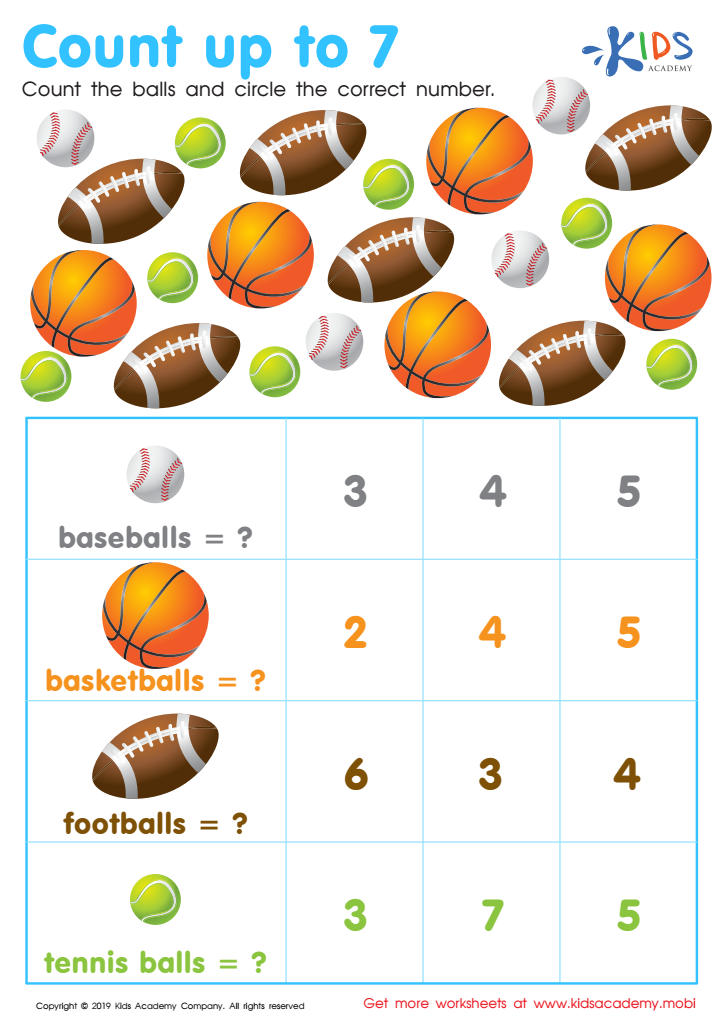
Count up to 7 Worksheet
 Assign to My Students
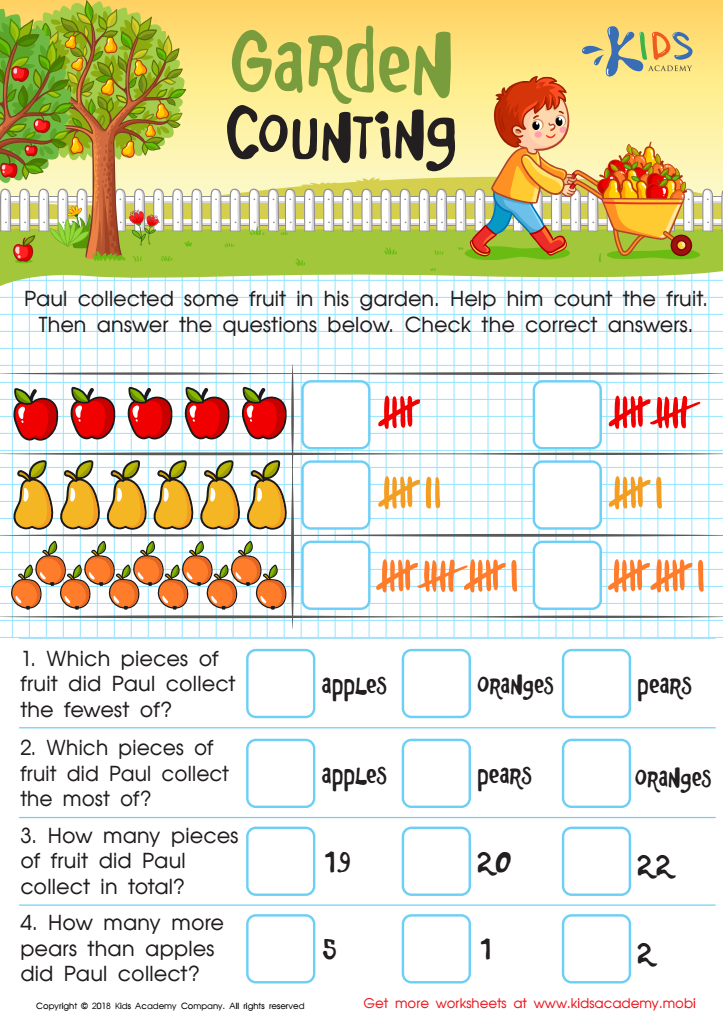
Garden Counting Worksheet
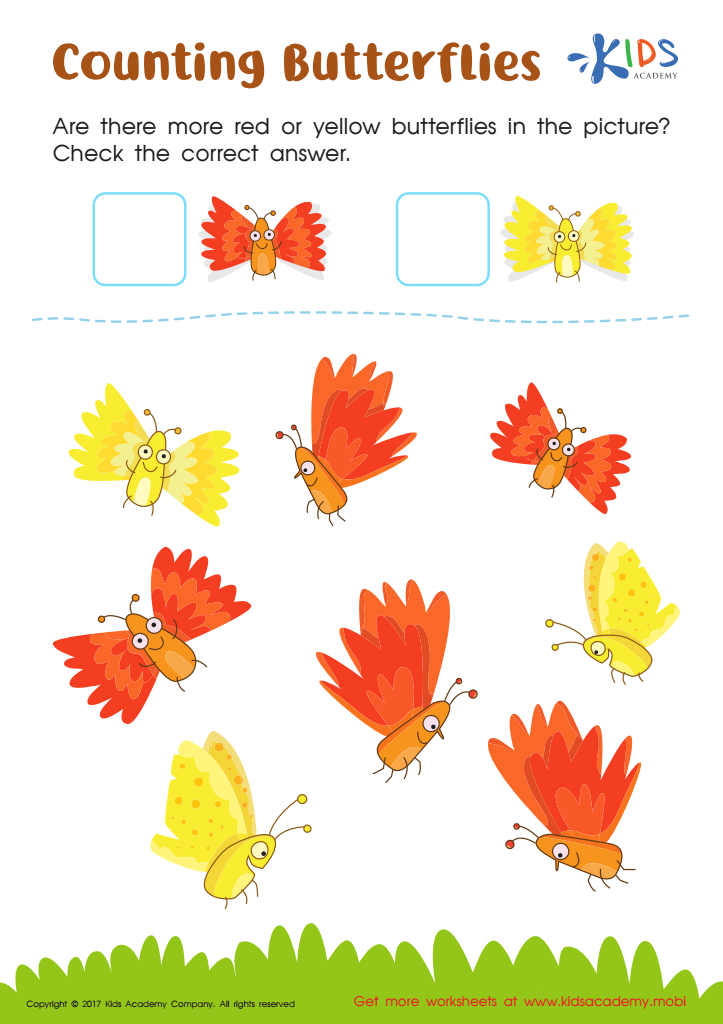
Counting Butterflies Worksheet
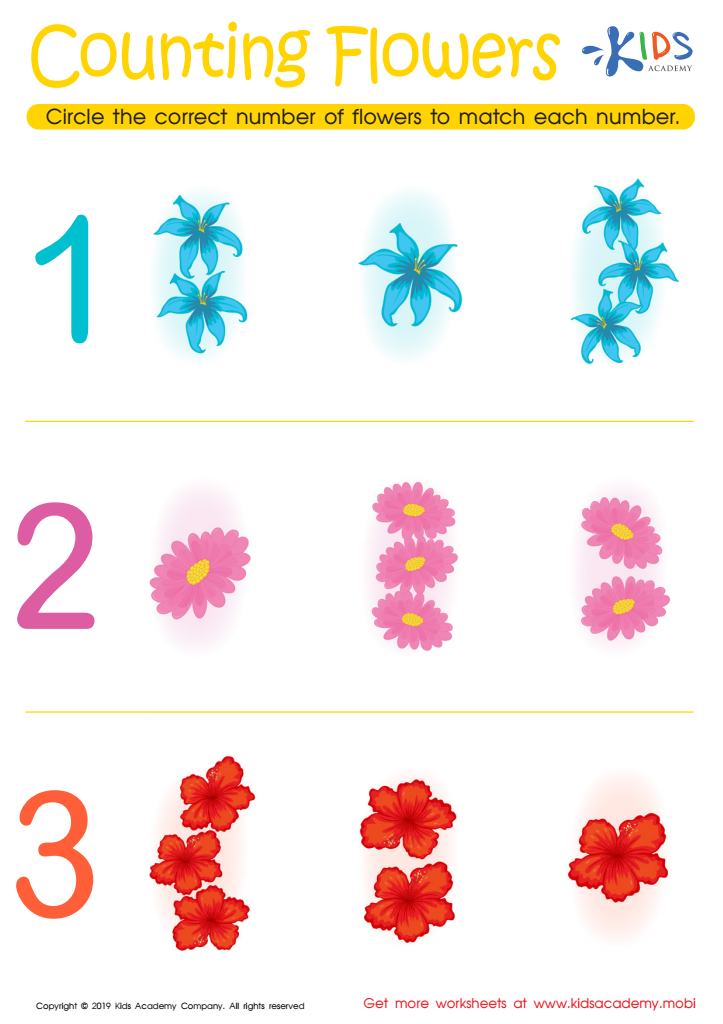
Counting Flowers Worksheet
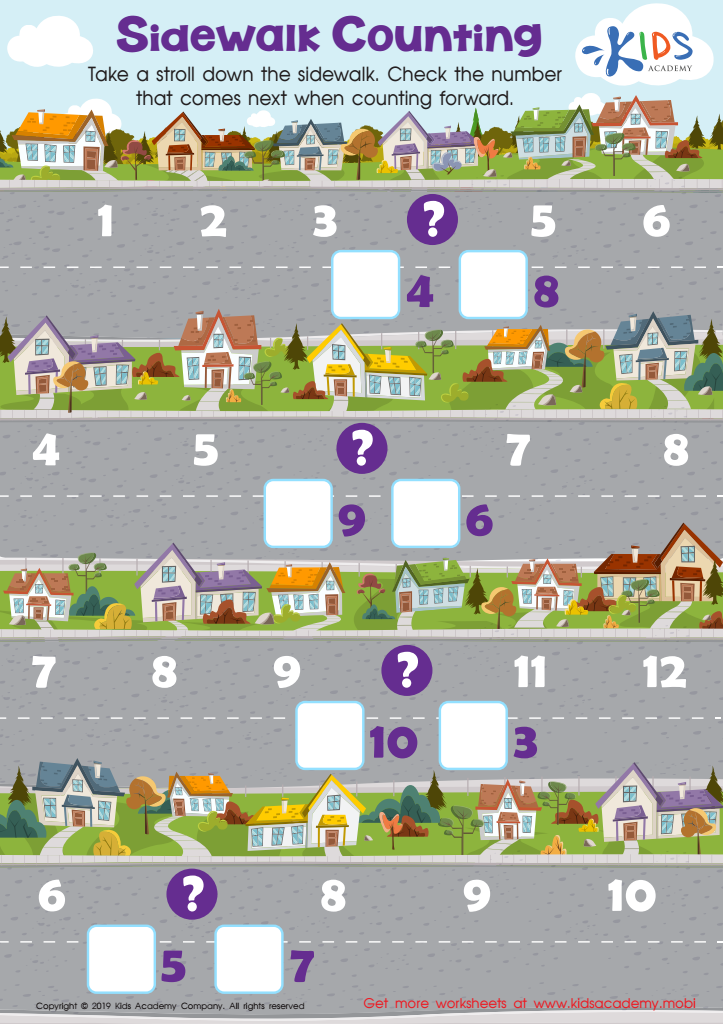
Sidewalk Counting Worksheet
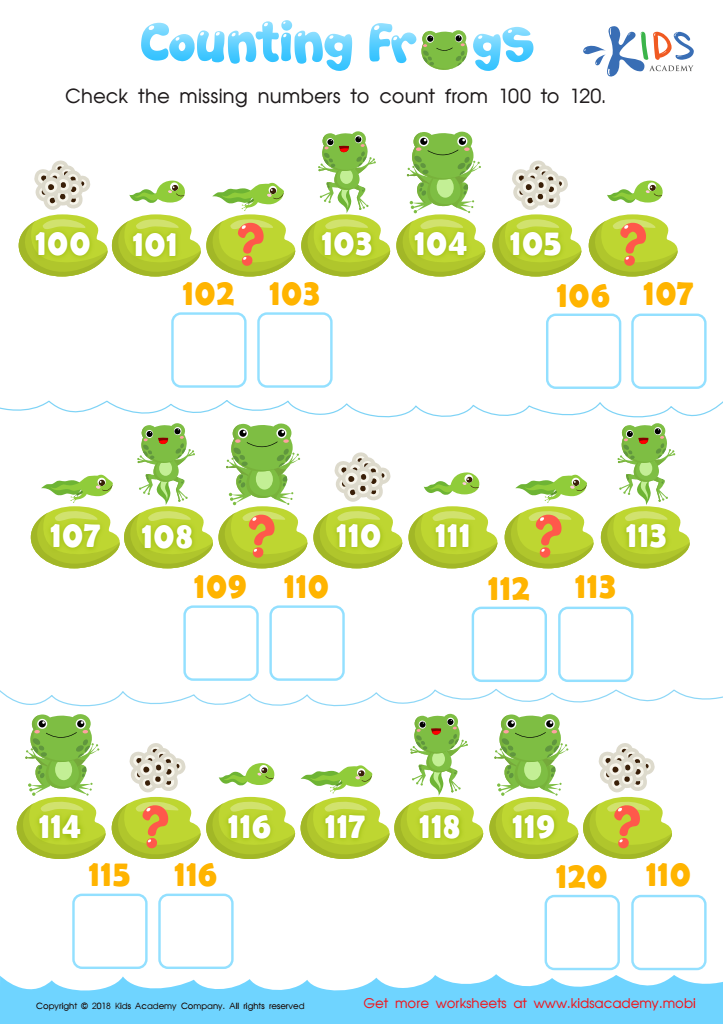
Counting Frogs Worksheet
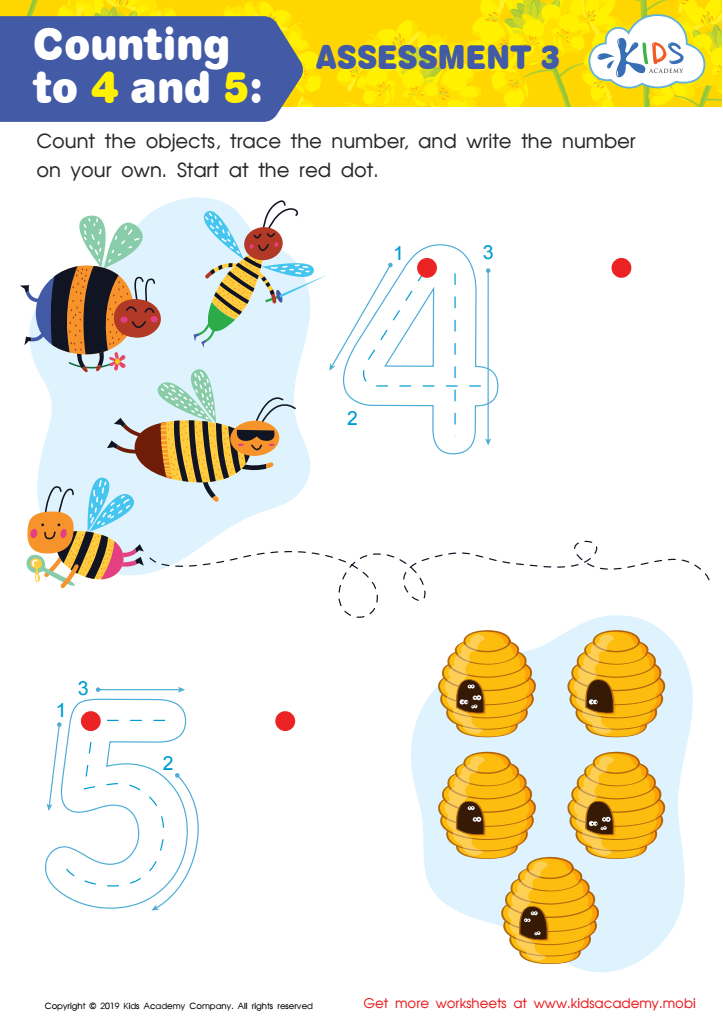
Counting to 4 and 5: Assessment 3 Worksheet
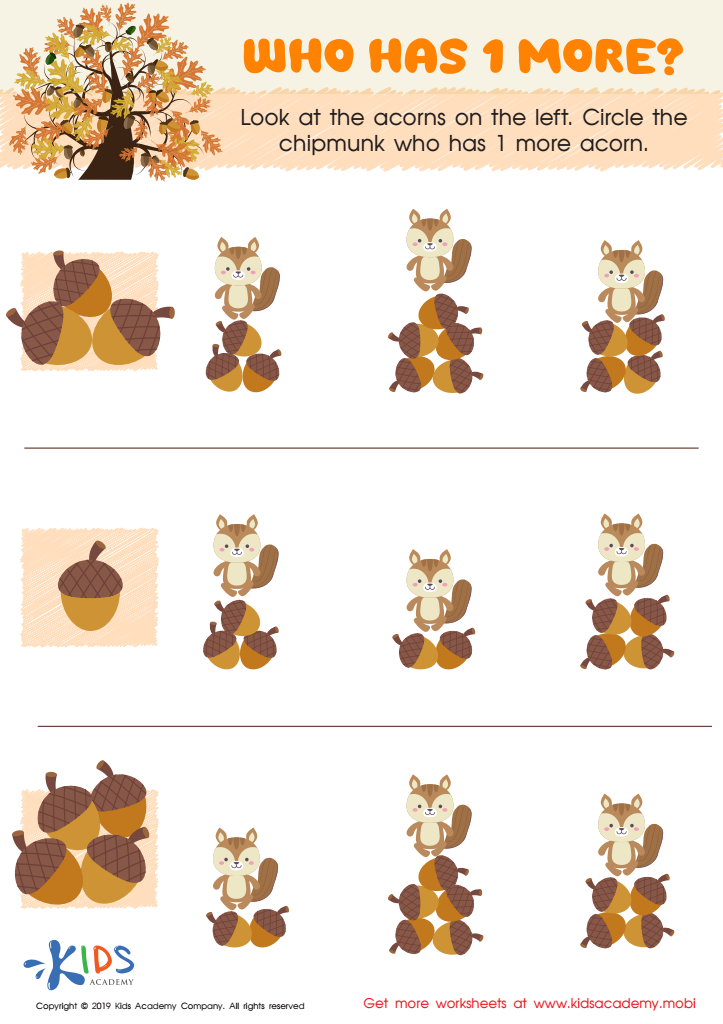
Who Has 1 More? Worksheet
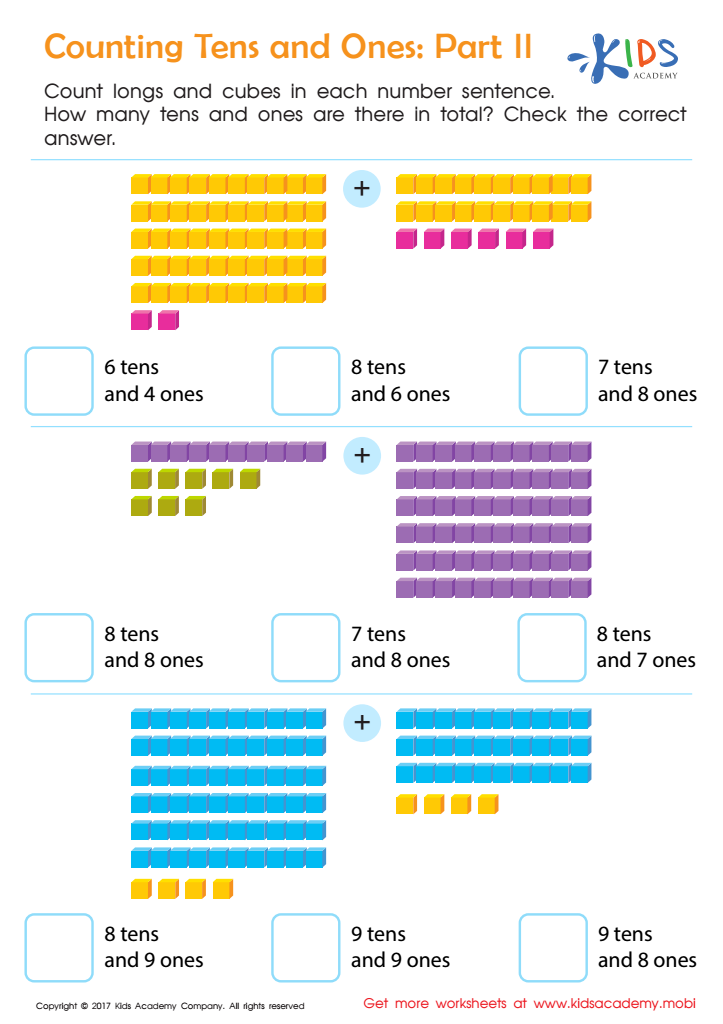
Counting Tens and Ones: Part 2 Worksheet
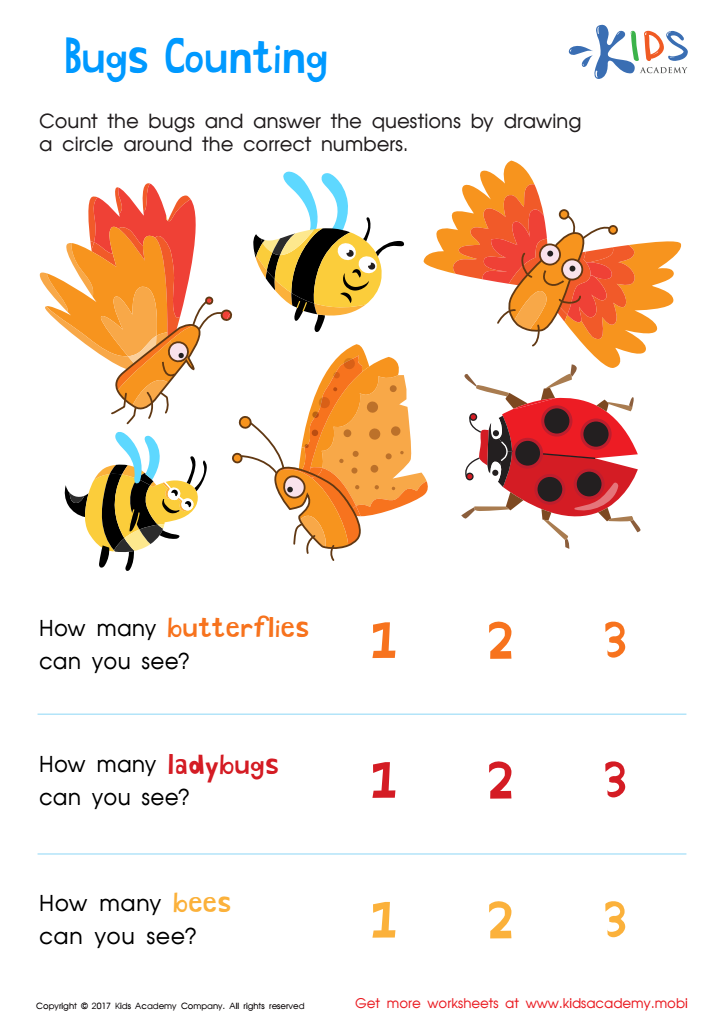
Bugs Counting Worksheet
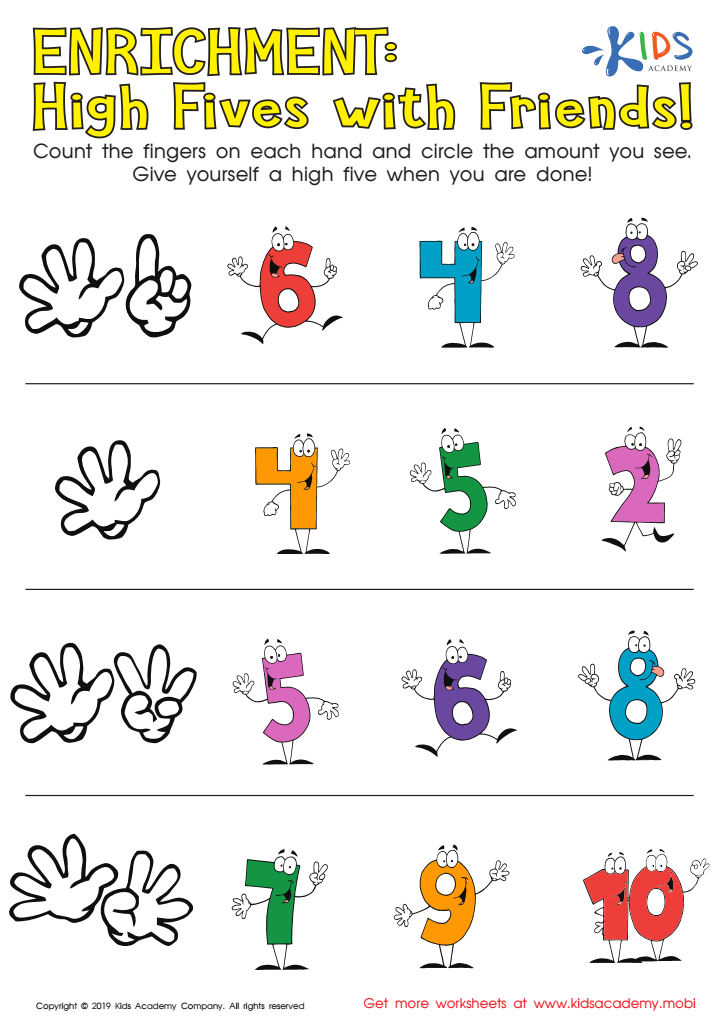
Enrichment: High Fives with Friends! Worksheet
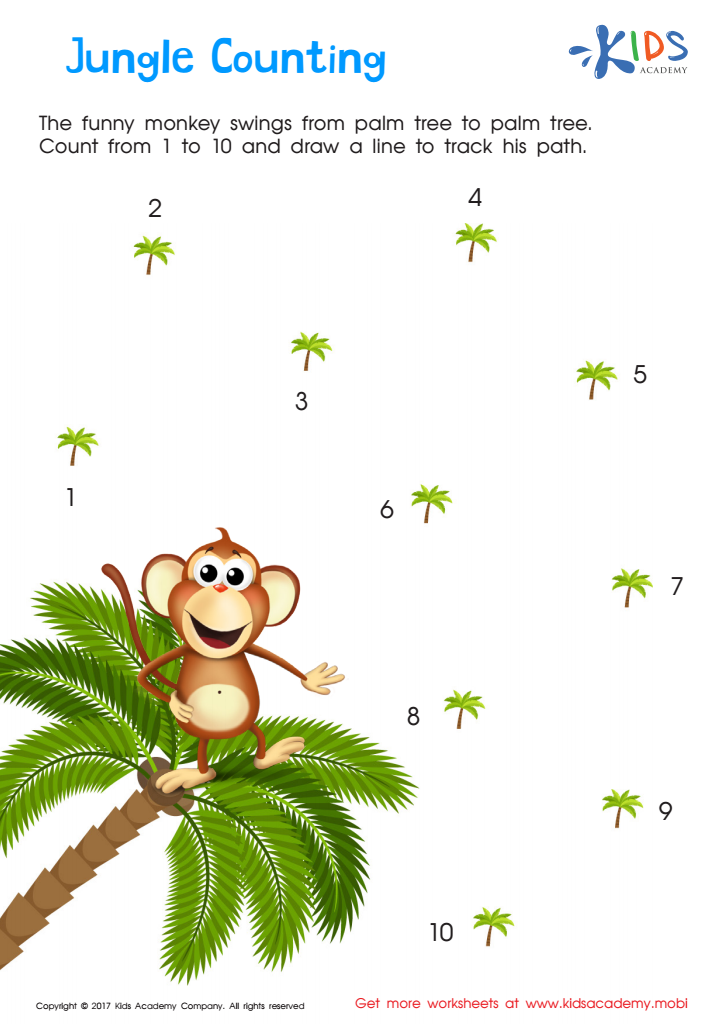
Jungle Counting Connect Dots Worksheet
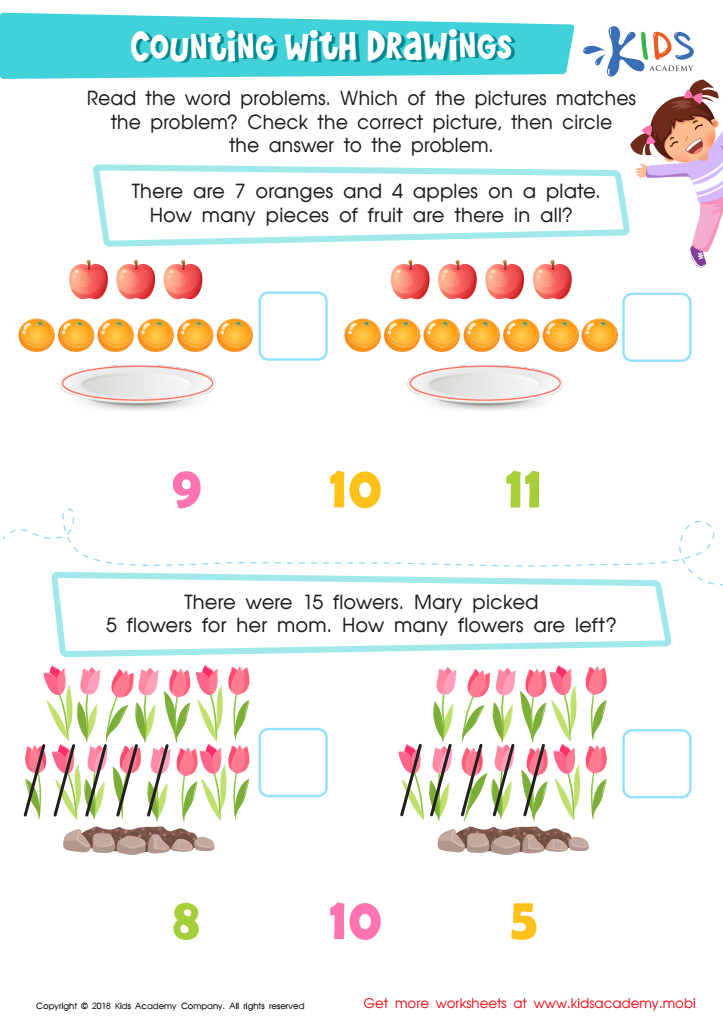
Counting with Drawings:Fruits & Flowers Worksheet
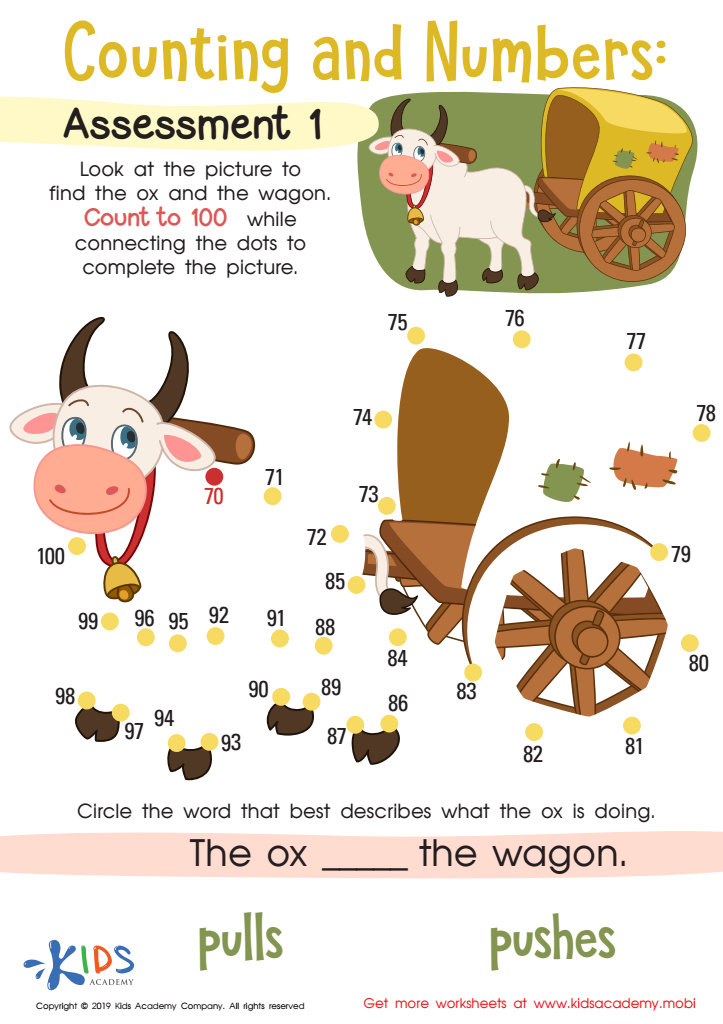
Counting and Numbers: Assessment 1 Worksheet
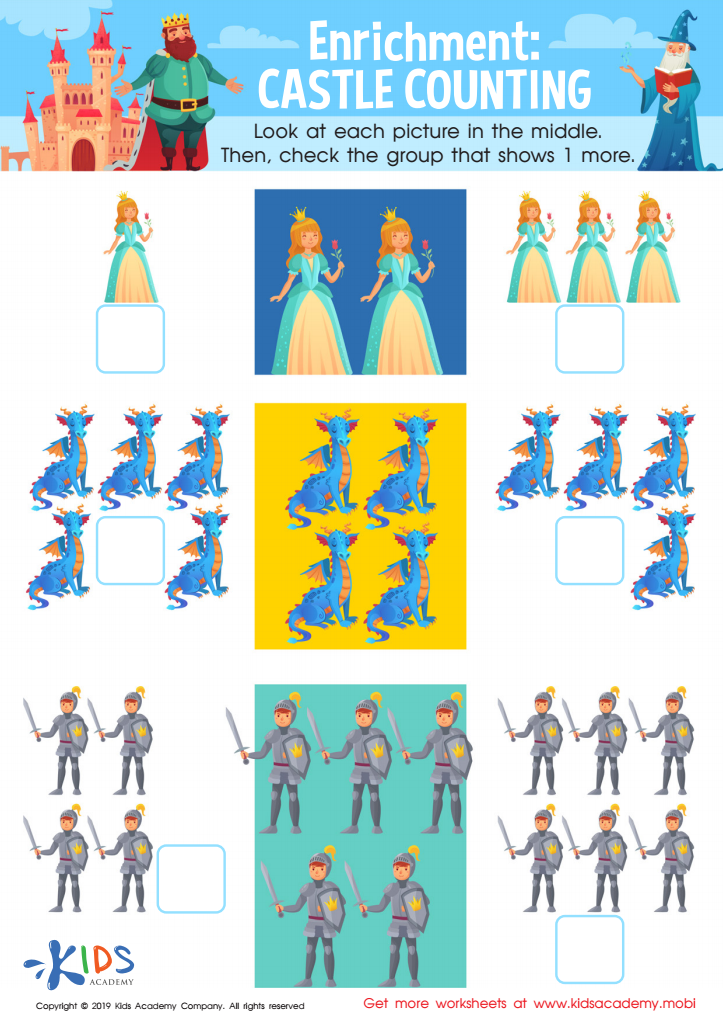
Enrichment: Castle Counting Worksheet
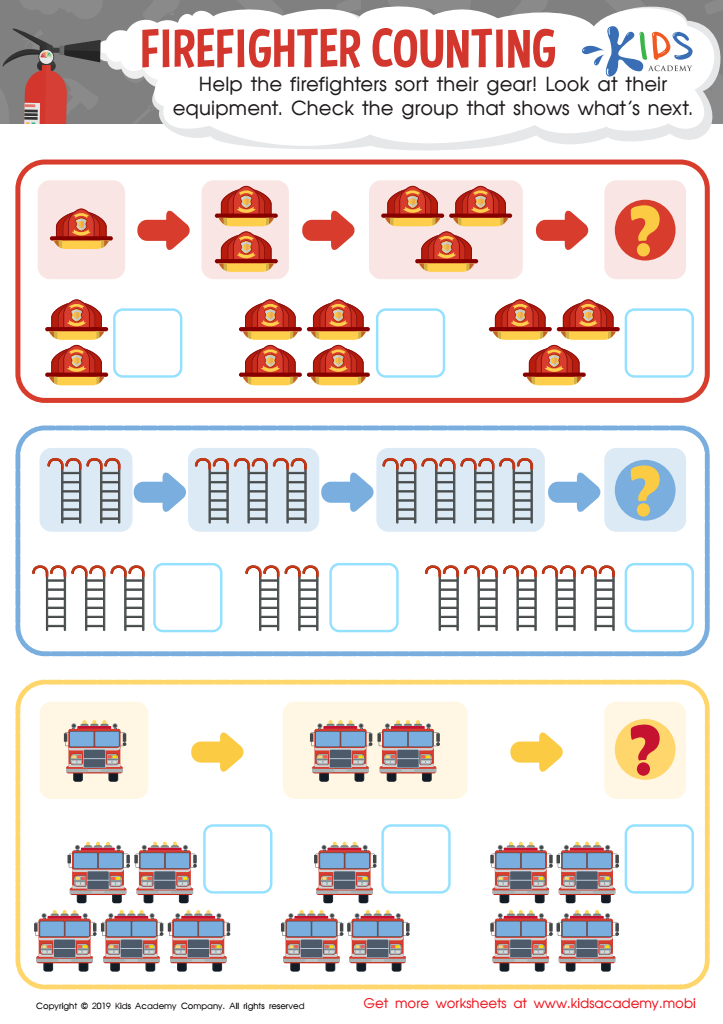
Firefighter Counting Worksheet
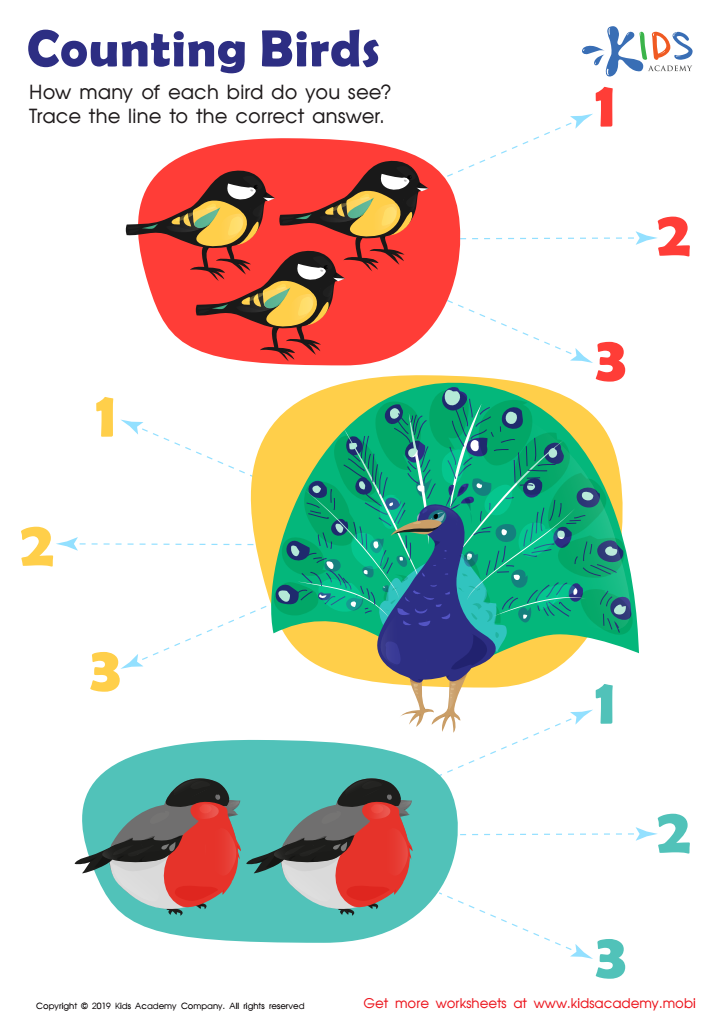
Counting Birds Worksheet




%20(1).jpg)



Basic addition numbers form the foundation for a child's math skills, and caring about them between the ages of 3-8 is crucial. During these formative years, children develop cognitive abilities that influences their future mathematical understanding. Introducing basic addition helps foster critical thinking, problem-solving skills, and numerical comprehension. It also promotes confidence in handling more complex math concepts later in school.
At this age, children's brains are highly receptive to learning and establishing these foundational skills equips them for academic success. Furthermore, engaging in basic addition activities enhances attention to detail, pattern recognition, and logical reasoning, which are essential aspects of other academic disciplines and everyday life problem-solving.
For parents, encouraging basic addition provides a bonding experience and paves the way for a positive attitude towards learning and school from an early age. For teachers, it ensures students are mathematically literate and prepared to tackle advanced topics at higher grade levels. Creating a strong mathematical foundation helps prevent future struggles in math and overall education, making basic addition not just a subject to be learned but a crucial developmental milestone.








