Categorization skills Numbers Worksheets for Ages 3-8
5 filtered results
-
From - To
Discover our engaging Categorization Skills Numbers Worksheets designed for children ages 3-8. These thoughtfully curated resources help young learners strengthen their number recognition and categorization abilities through fun and interactive activities. From sorting objects by quantity to grouping items based on numerical values, these worksheets encourage critical thinking and enhance problem-solving skills. Ideal for home or classroom use, they facilitate hands-on learning and promote cognitive development in early math concepts. With vibrant visuals and age-appropriate challenges, our categorization skills worksheets make learning numbers exciting and enjoyable. Get started today and watch your child's confidence in mathematics grow!
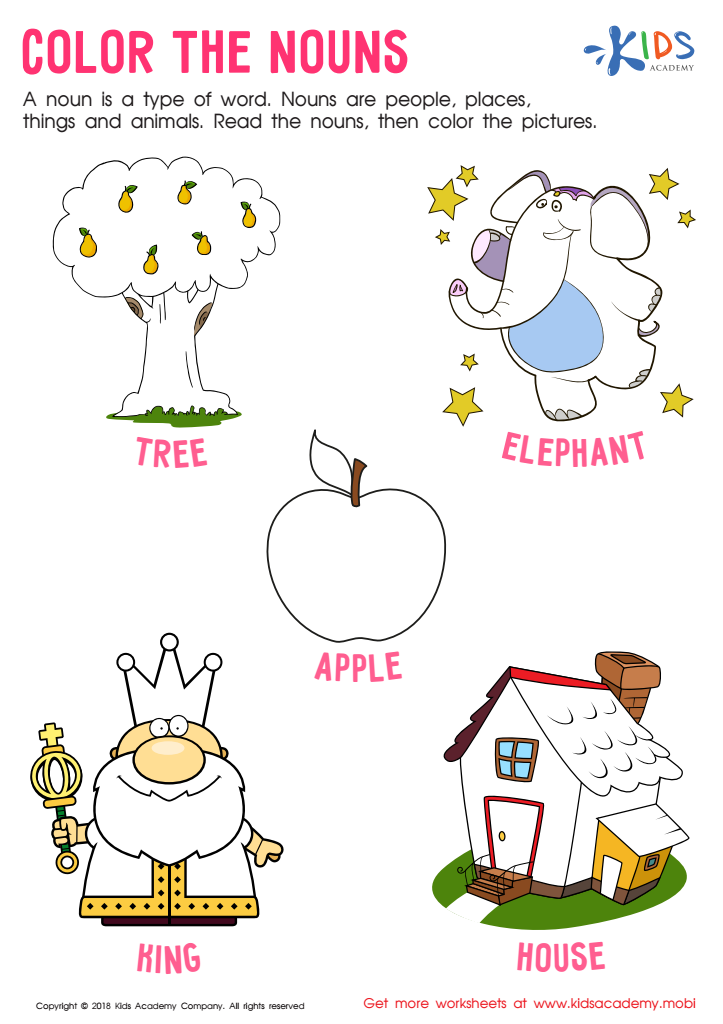
Color the Nouns Worksheet
 Assign to My Students
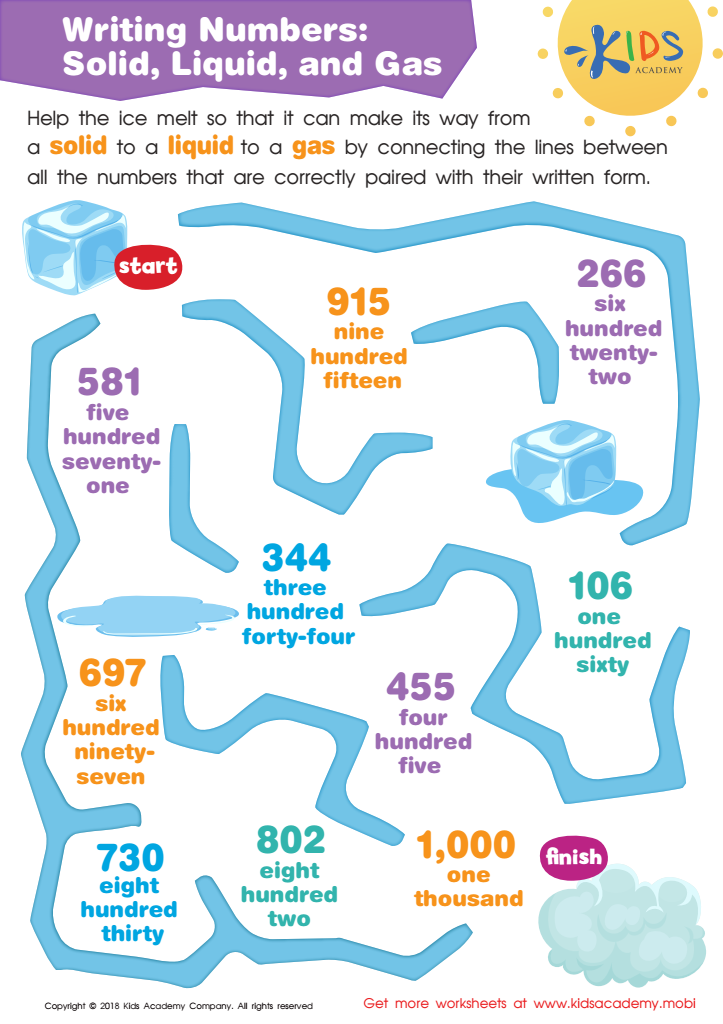
Solid, Liquid, and Gas Writing Numbers Worksheet
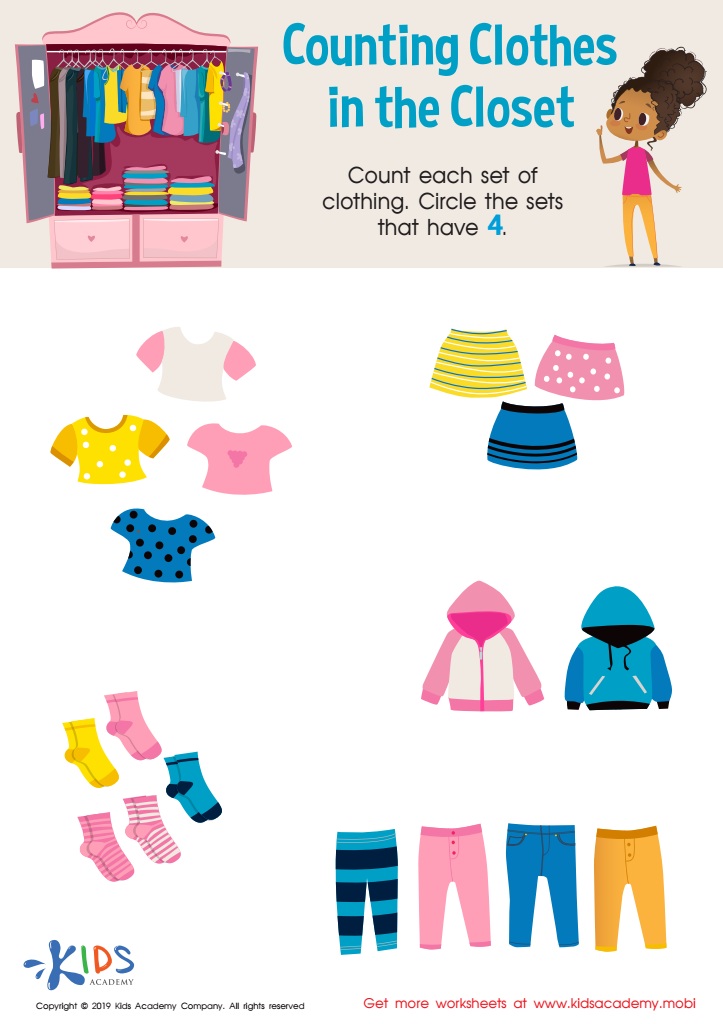
Counting Clothes Worksheet
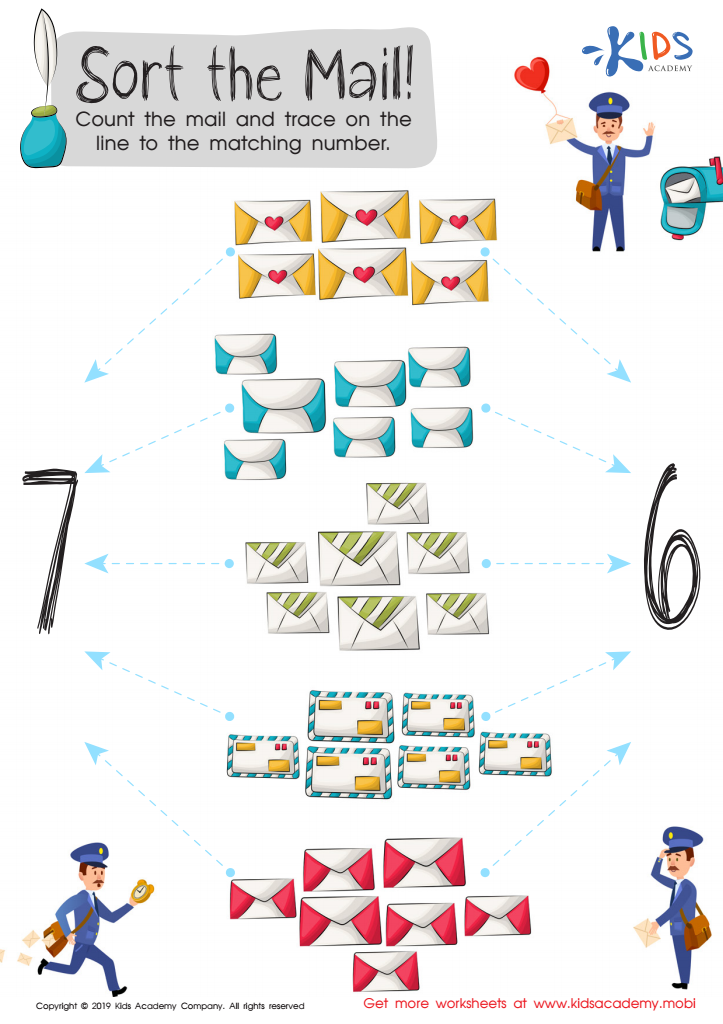
Sort the Mail Worksheet
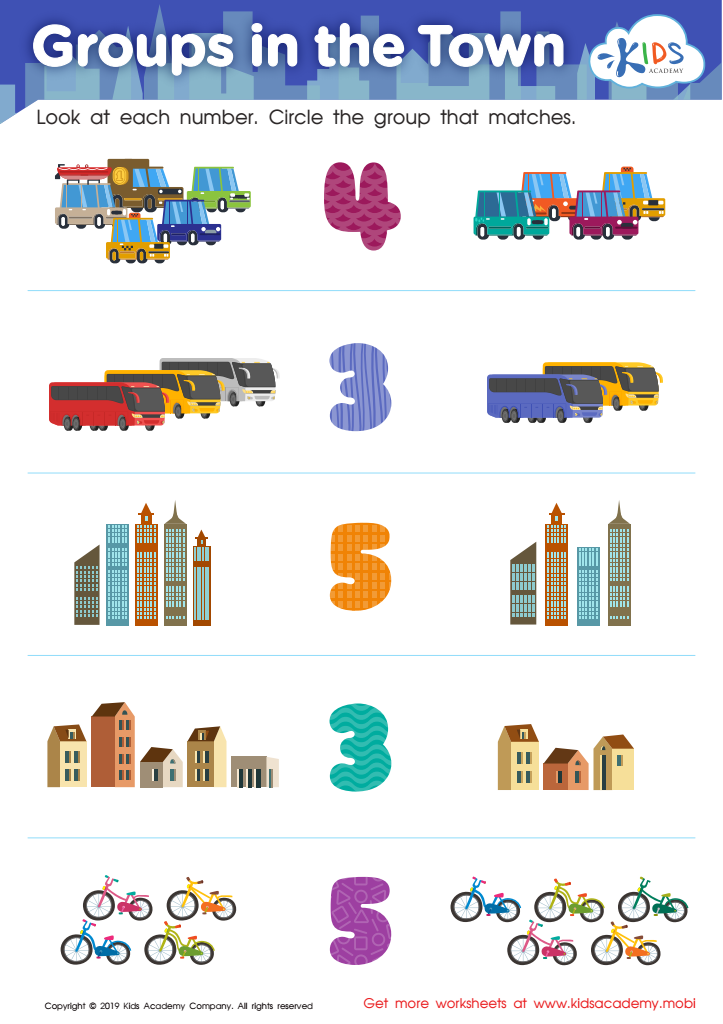
Groups in the Town Worksheet








Categorization skills are vital for children ages 3-8 as they form the foundation for critical thinking and problem-solving abilities. These skills allow children to make sense of the world around them by grouping objects, ideas, or problems based on shared characteristics. For parents and teachers, fostering these cognitive skills can significantly enhance a child’s cognitive, language, and social development.
At this formative age, children begin to identify patterns and relationships between different concepts, which is essential not only for math and science but also for literacy and comprehension. By encouraging categorization, adults help children improve their memory and organizational skills, as they learn to sort and classify information. This practice prepares them for more advanced tasks in school, such as mathematics, where they’ll classify numbers or shapes.
Moreover, categorization skills can aid in emotional development—children learn to recognize differences and similarities in social situations, which promotes empathy and understanding. Activities that support these skills, such as sorting games or themed group activities, provide engaging ways for children to explore their environment. Consequently, supporting categorization not only enhances academic readiness but also nurtures essential life skills critical for interpersonal relationships and personal growth.








