Concentration improvement Numbers Worksheets for Ages 3-8
3 filtered results
-
From - To
Boost your child's focus and number skills with our "Concentration Improvement Numbers Worksheets" for ages 3-8. These engaging, age-appropriate activities are thoughtfully designed to help young learners enhance their concentration while mastering numbers. Our fun worksheets feature a variety of exercises, from number tracing and matching to counting games and puzzles. They not only promote attention but also build a solid foundation in numeracy. Tailored to keep kids captivated and challenged, these sheets are perfect for use at home or in the classroom. Support your child's development and make learning numbers an enjoyable adventure!

Find 7 Eggs Worksheet
 Assign to My Students
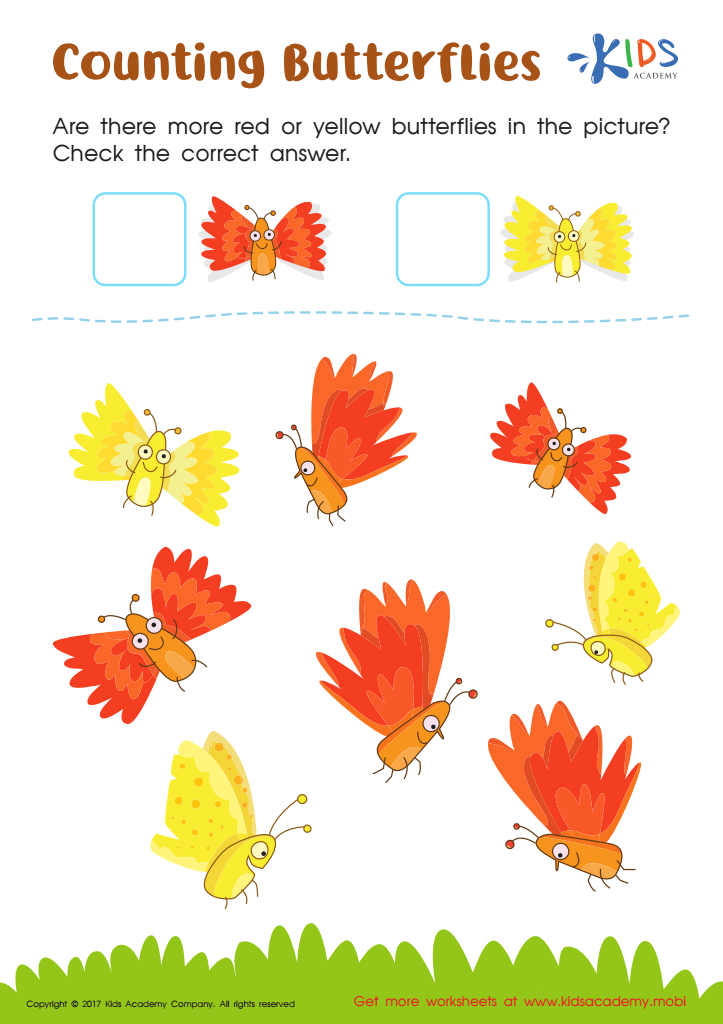
Counting Butterflies Worksheet
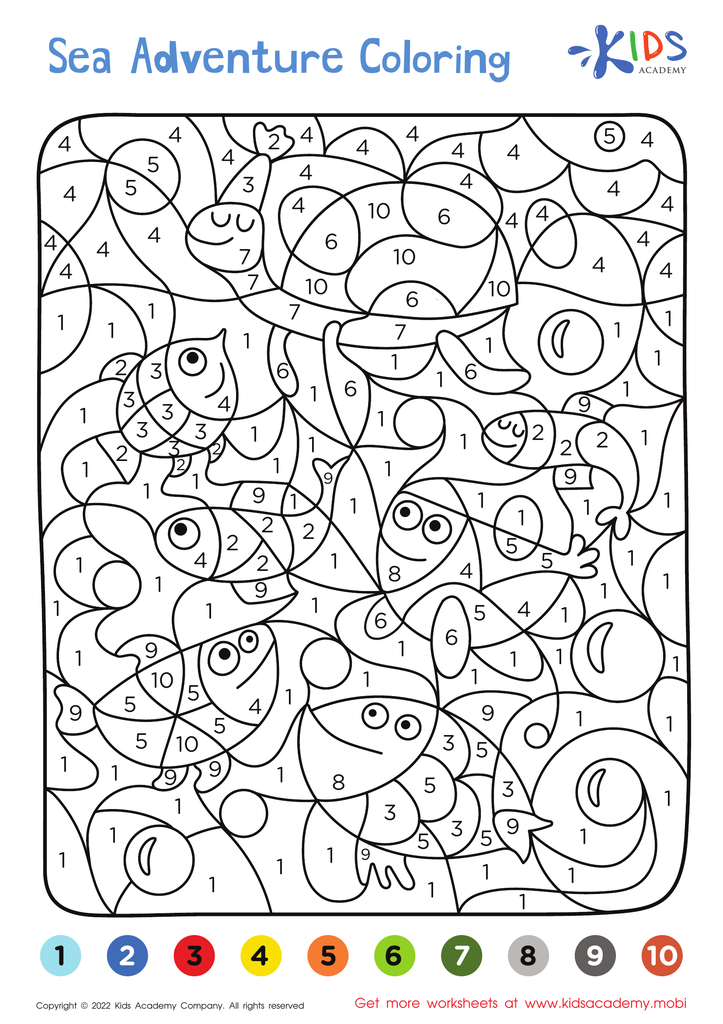
Sea Adventure – Coloring by Numbers








Concentration improvement numbers, specifically designed for children ages 3-8, are critical because they lay the groundwork for future academic success and personal development. During these formative years, children are rapidly developing cognitive, social, and emotional skills. Improved concentration enables them to better diagnose problems, follow instructions, and complete activities, all of which are vital in a classroom setting.
From an educational perspective, the ability to concentrate directly affects learning outcomes. Children with better concentration can absorb and retain new concepts more efficiently, leading to a deeper understanding of various subjects. Concentration aids in the development of essential academic skills such as reading, writing, and basic arithmetic, which are fundamental for higher education.
For parents, boosting their child's concentration can also ease potential behavioral issues. Children who can focus well are often less disruptive and more engaged, making parenting less stressful and more rewarding. Additionally, strong concentration skills encourage a sense of independence and confidence as children tackle tasks successfully on their own.
In sum, improving concentration numbers for young children is crucial for setting a strong foundation for lifelong learning, positive behavior, and overall mental development. By giving attention to this aspect, parents and teachers help ensure that children have the skills necessary to thrive both inside and outside the classroom.








