Fine motor skills (drawing lines) Numbers Worksheets for Ages 3-8
4 filtered results
-
From - To
Enhance your child's fine motor skills with our Numbers Worksheets designed for ages 3-8. These engaging resources from Kids Academy help young learners practice drawing lines while reinforcing their number recognition. Each worksheet provides a fun and educational experience, promoting hand-eye coordination and muscle control essential for writing. Kids will enjoy tracing numbers, connecting dots, and completing line drawings, turning learning into a playful activity. Perfect for home or classroom use, our worksheets support early math skills development and build a strong foundation for future learning. Download and print today to boost your child's confidence and abilities!

Count and Match Vegetables 1 – 7 Math Worksheet
 Assign to My Students
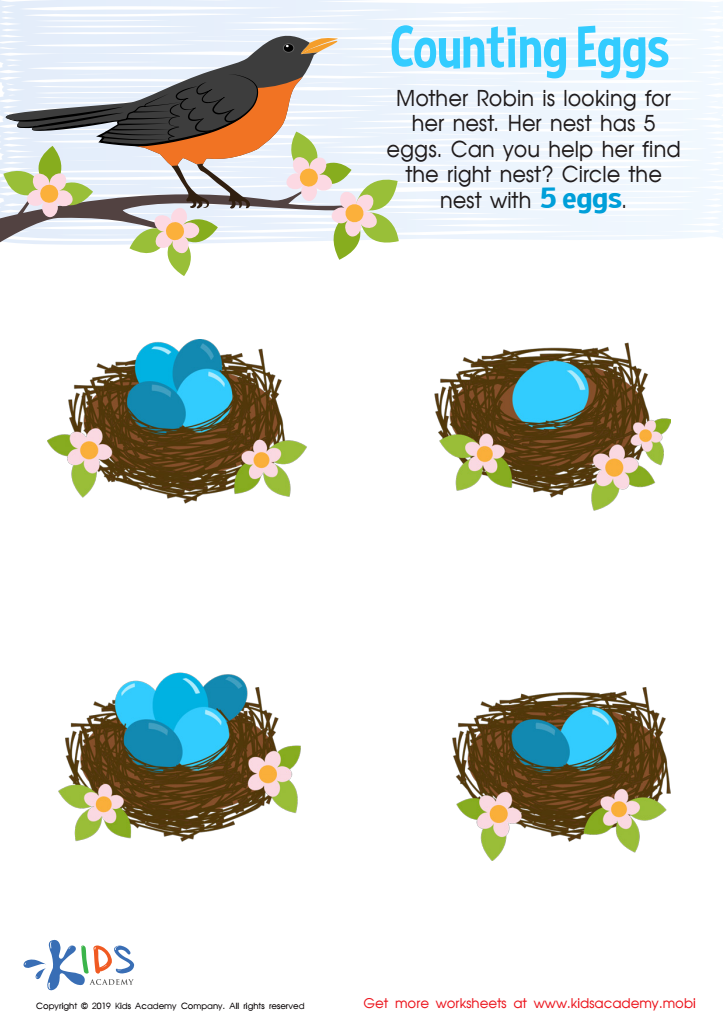
Counting Eggs Worksheet
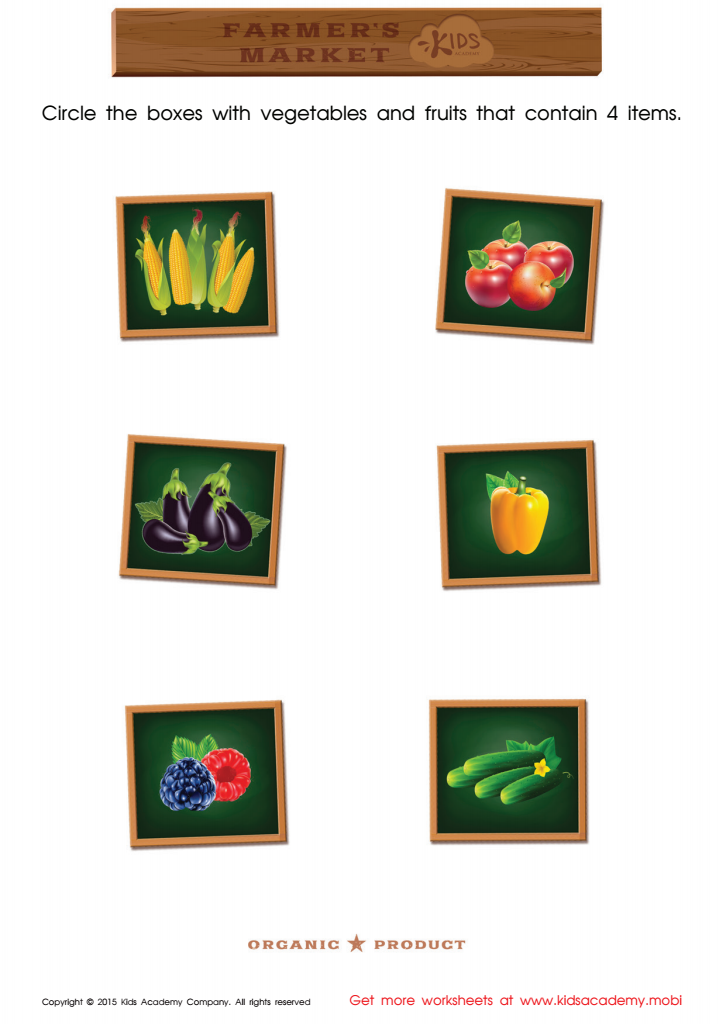
Count and Match Vegetables 2 – 8 Math Worksheet
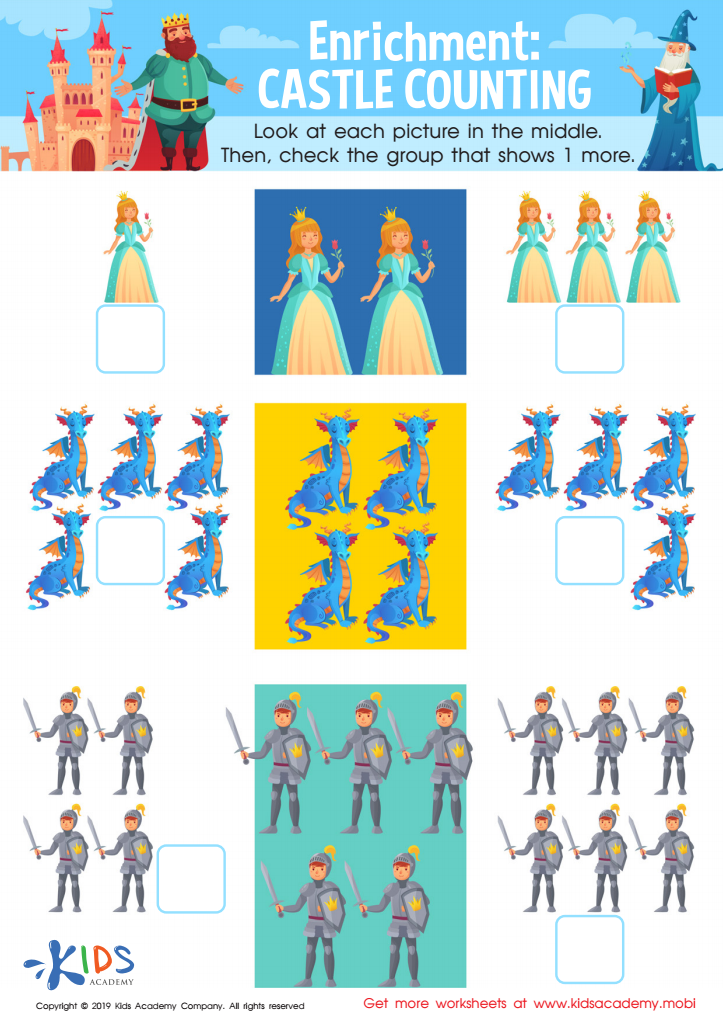
Enrichment: Castle Counting Worksheet








Fine motor skills, such as the ability to draw lines and numbers, are incredibly significant for children aged 3-8 and should be a priority for parents and teachers. These skills involve the coordination of small muscles, particularly in the hands and fingers, essential for a child's development. Drawing lines and numbers not only enhances muscle control and dexterity but also plays a key role in numerous academic and everyday activities.
First and foremost, fine motor skills are foundational for writing. Children who can skillfully manipulate a pencil are better prepared to learn handwriting, form letters, and eventually construct words and sentences. This ability directly correlates with academic success, as writing is central to most subjects.
These skills also promote cognitive development, encouraging children to recognize shapes, patterns, and spatial concepts, all of which are critical for mathematics and problem-solving. When children draw numbers, they are not just practicing numerical literacy; they also learn to understand quantities and sequences.
Moreover, refined motor skills foster independence and confidence. Simple tasks like buttoning a shirt or tying shoelaces become more manageable, leading to improved self-esteem and a sense of accomplishment.
Teachers and parents who focus on developing fine motor skills through activities like drawing contribute significantly to a child's holistic growth, setting them up for lifelong learning and daily functional success.








