Following instructions Numbers Worksheets for Ages 3-8
18 filtered results
-
From - To
Introducing our "Following Instructions Numbers Worksheets for Ages 3-8," designed to enhance your child's numerical skills while promoting critical listening and comprehension. These engaging worksheets feature fun activities that guide young learners in following simple directions while working with numbers. Ideal for preschool and early elementary students, our resources help reinforce essential math concepts through playful interactions. Each worksheet presents a variety of tasks to strengthen problem-solving abilities and boost confidence as kids navigate through numerical challenges. Perfect for home or classroom use, these worksheets provide valuable opportunities for kids to learn while enjoying the process. Start your child's math journey today!
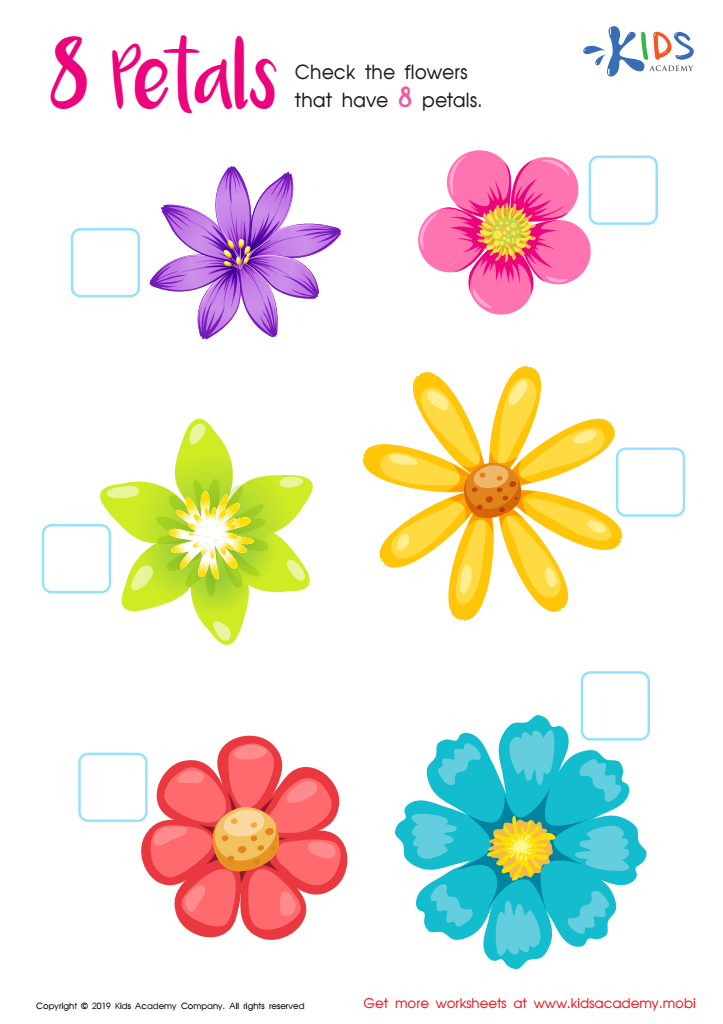
8 Petals Worksheet
 Assign to My Students
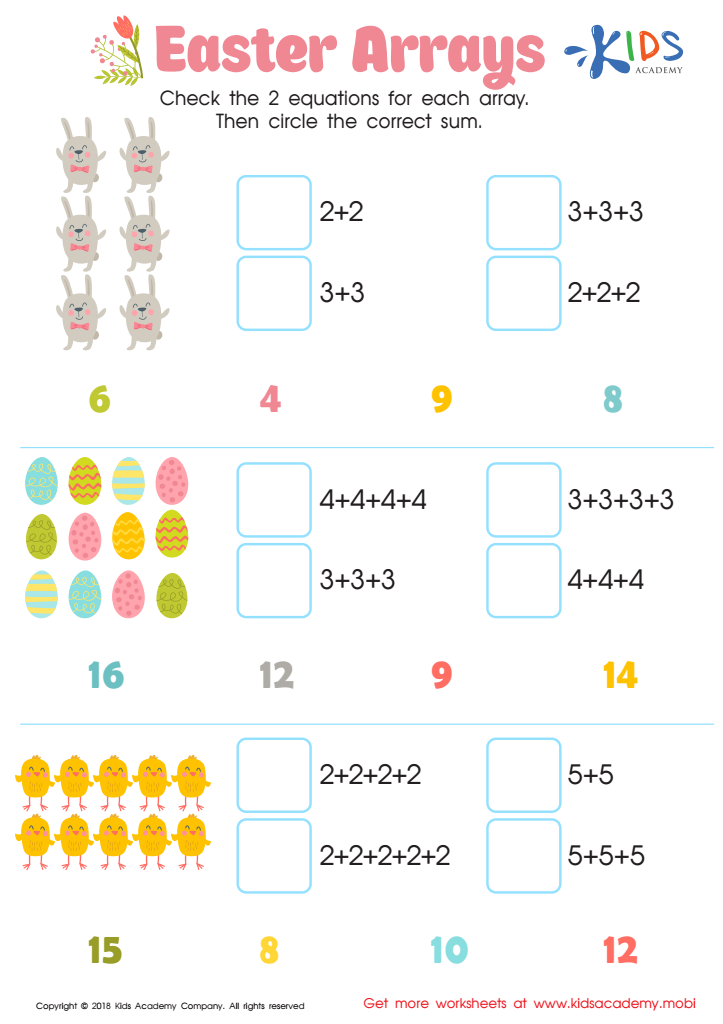
Easter Arrays Worksheet
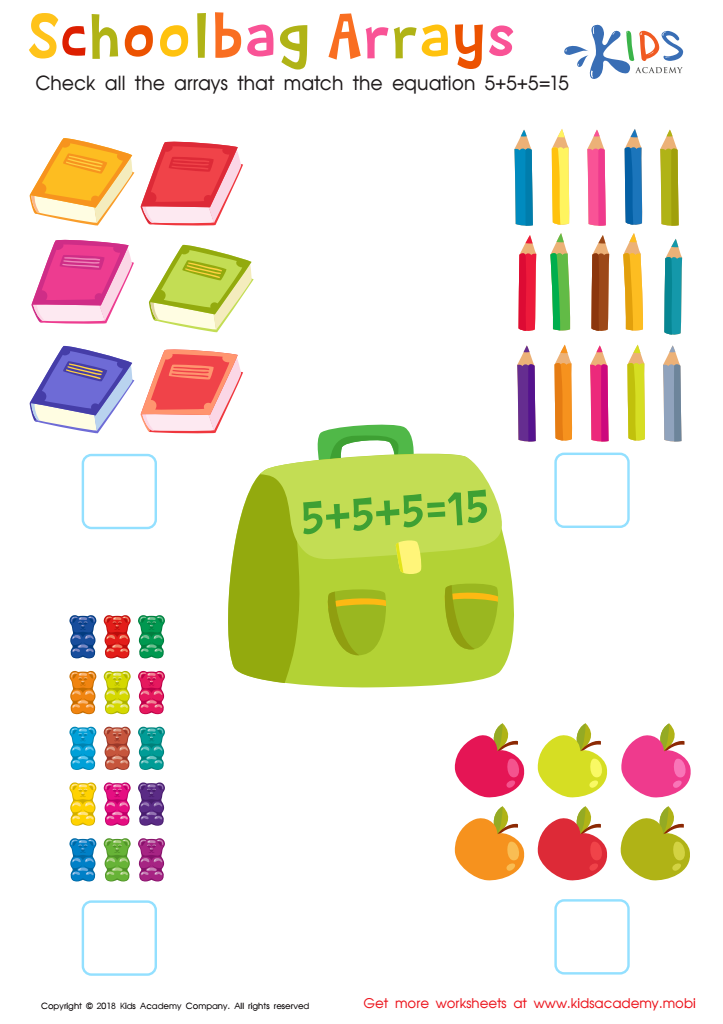
Schoolbag Arrays Worksheet
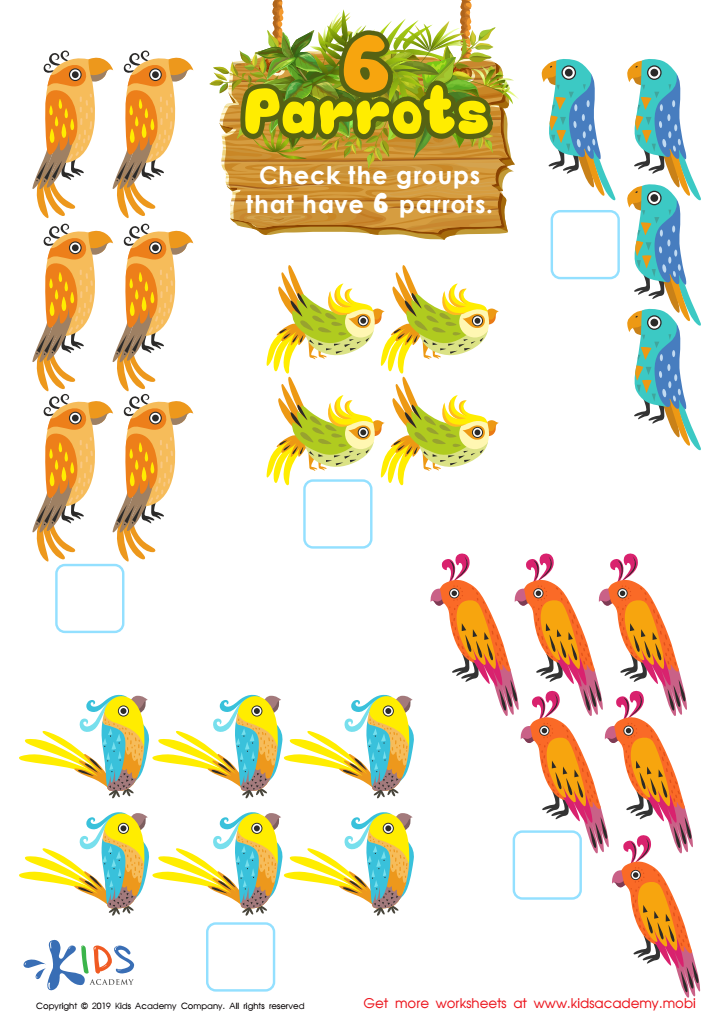
6 Parrots Worksheet
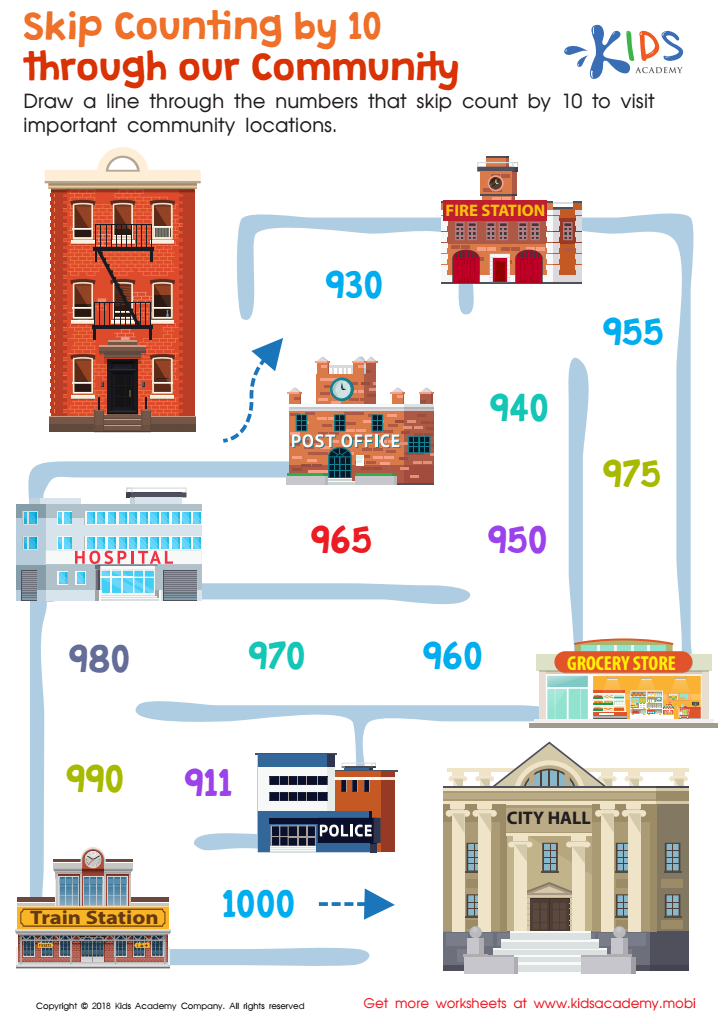
Skip Counting by 10 Through Our Community Worksheet
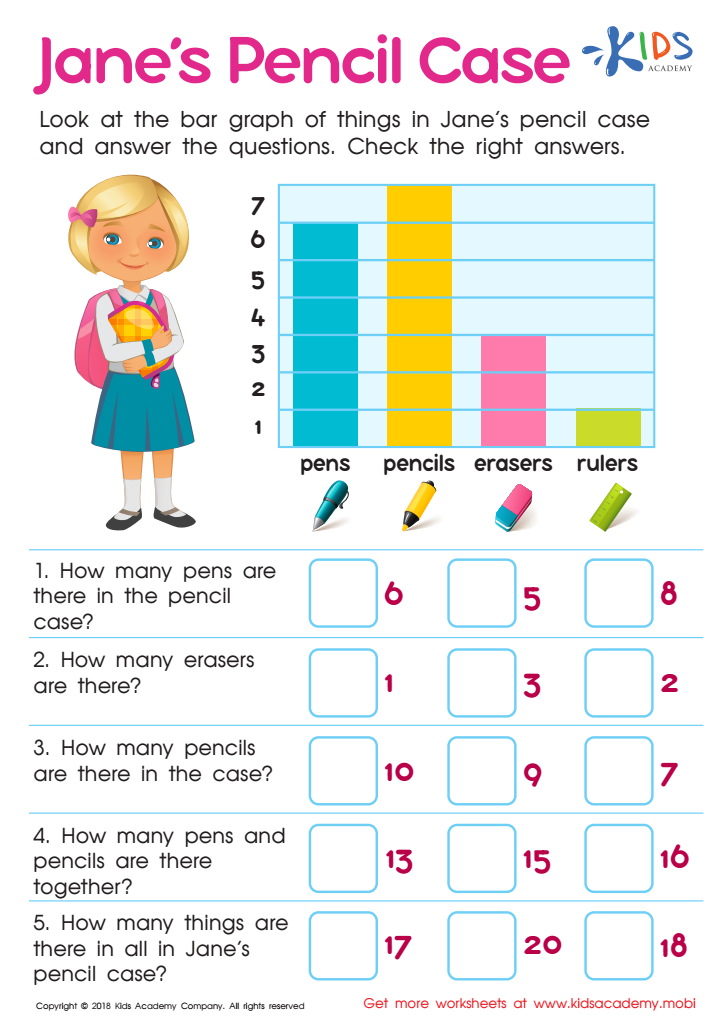
Jane's Pencil Case Worksheet
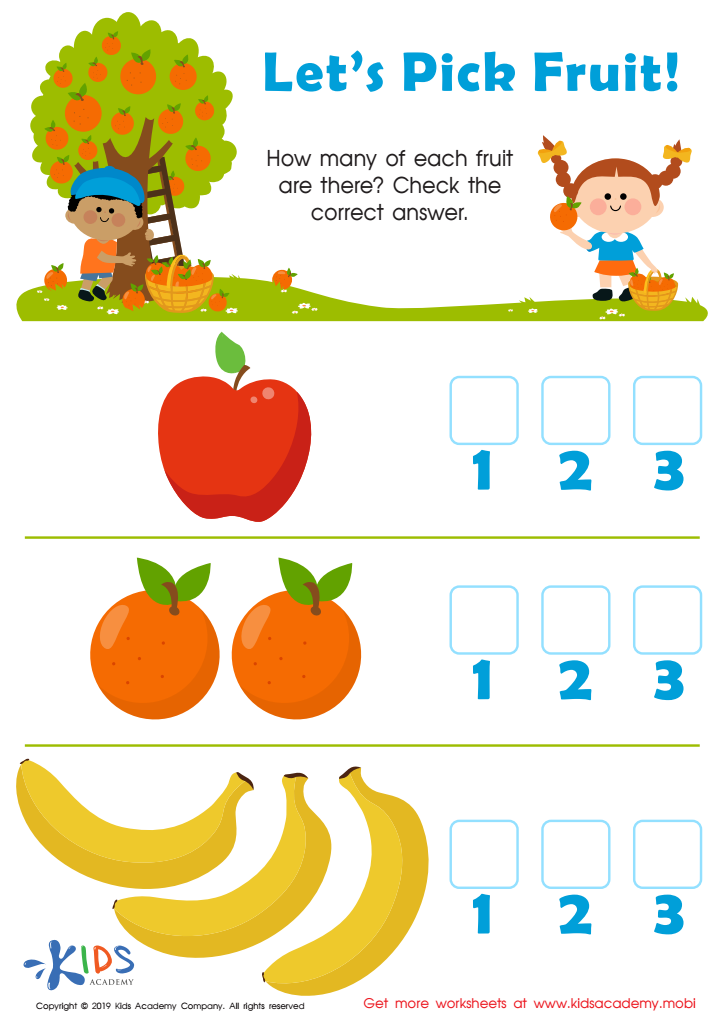
Let's Pick Fruit Worksheet
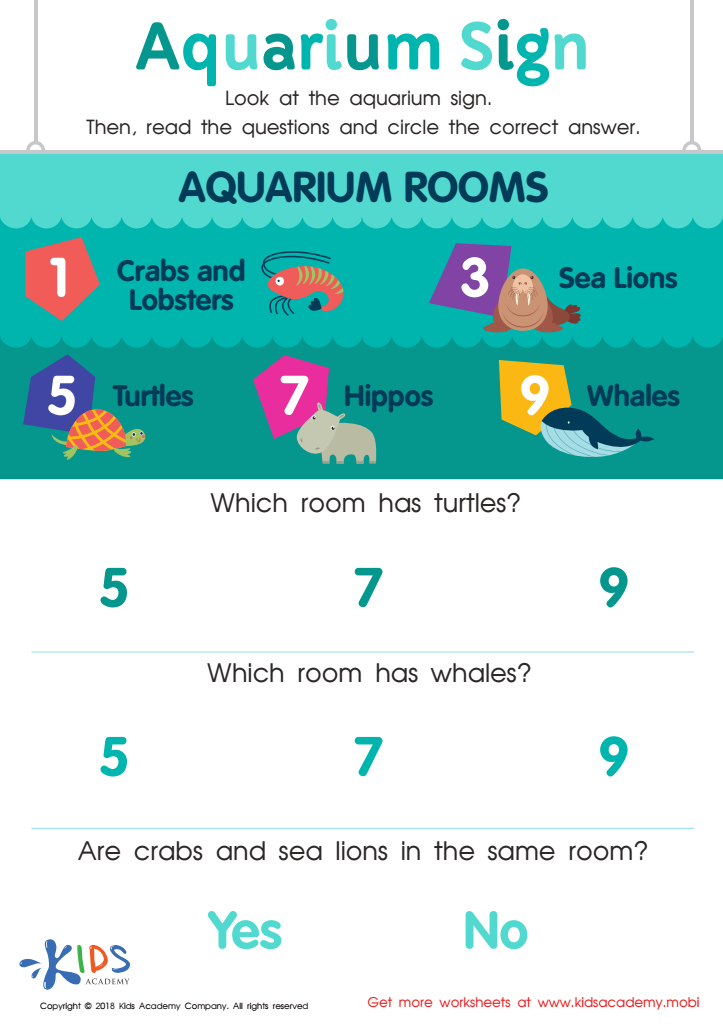
Assessment: Aquarium Sign Worksheet
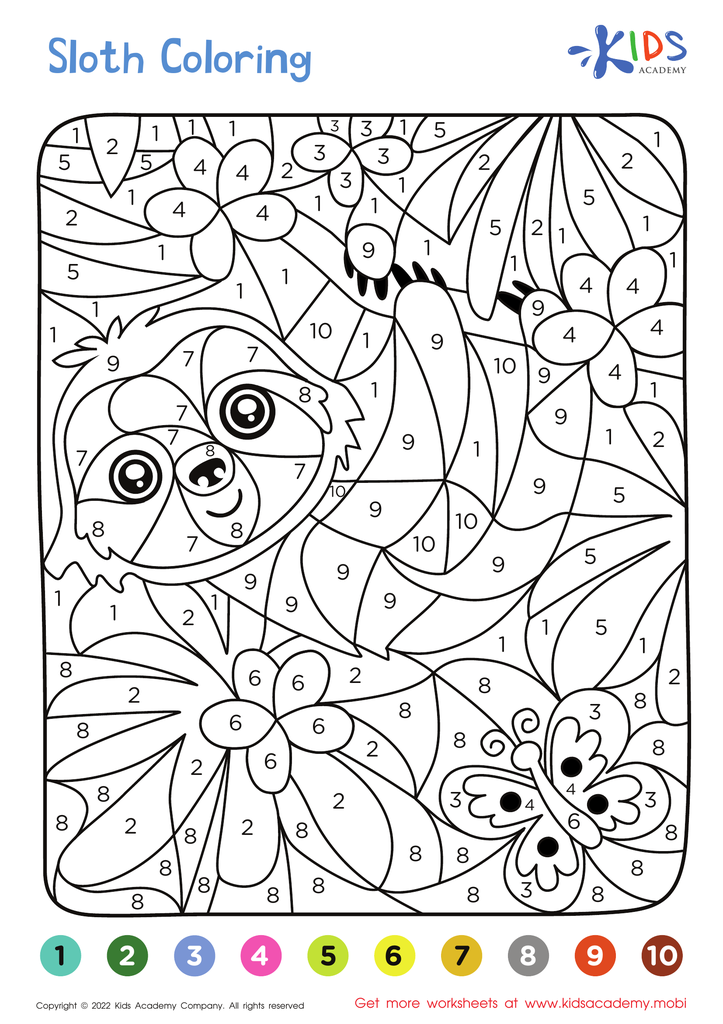
Sloth – Coloring by Numbers
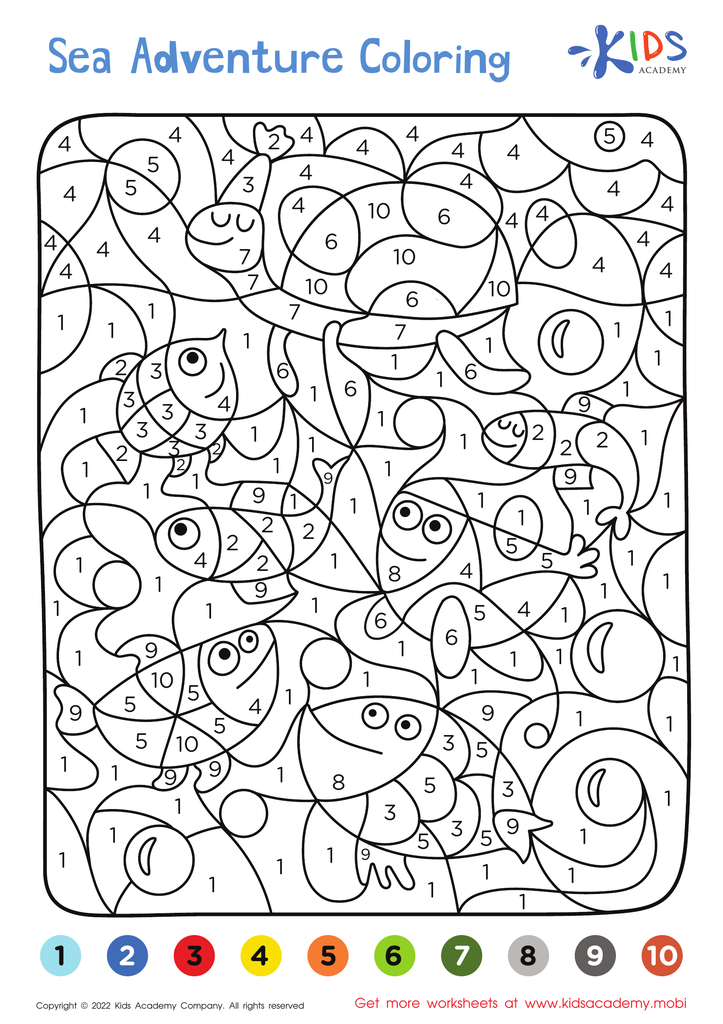
Sea Adventure – Coloring by Numbers
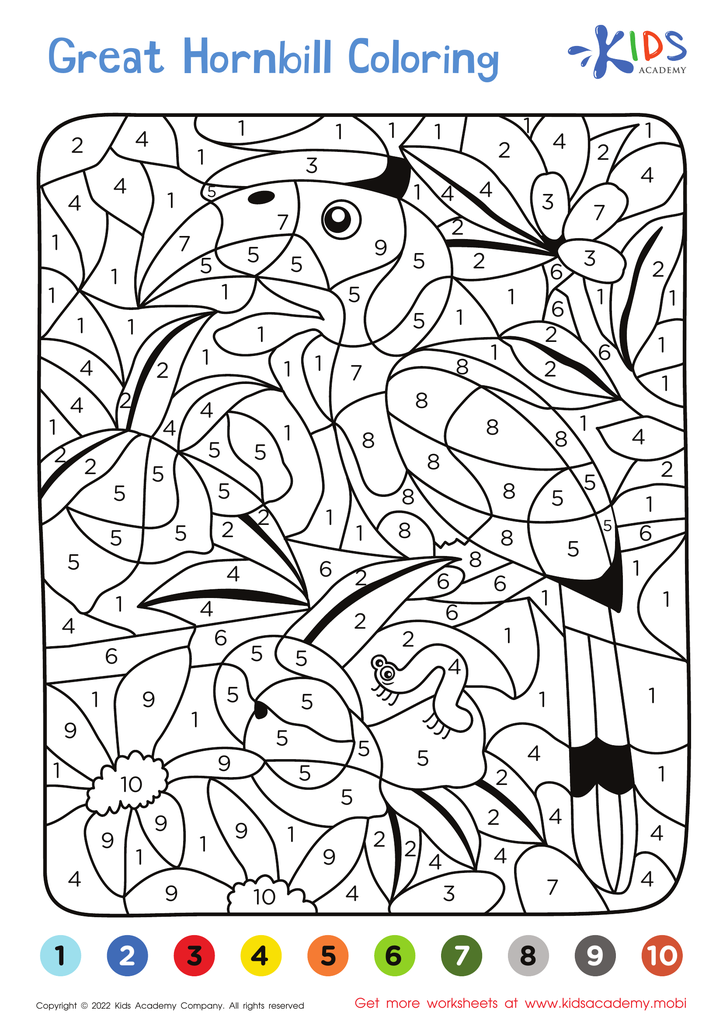
Great Hornbill – Coloring by Numbers
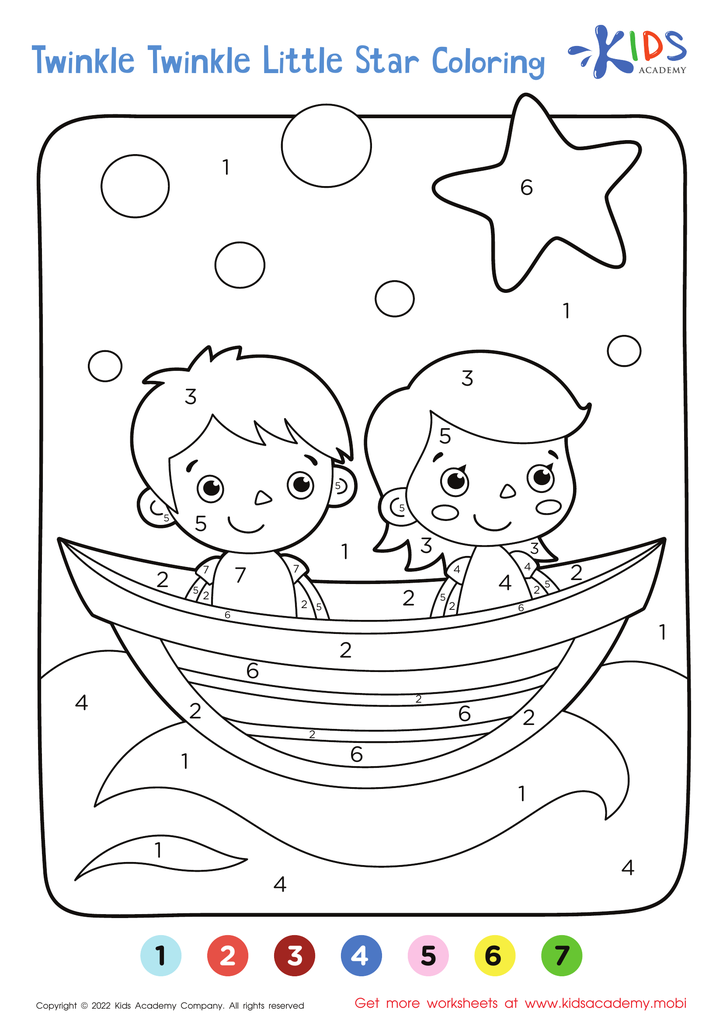
Twinkle, Twinkle, Little Star – Coloring by Numbers
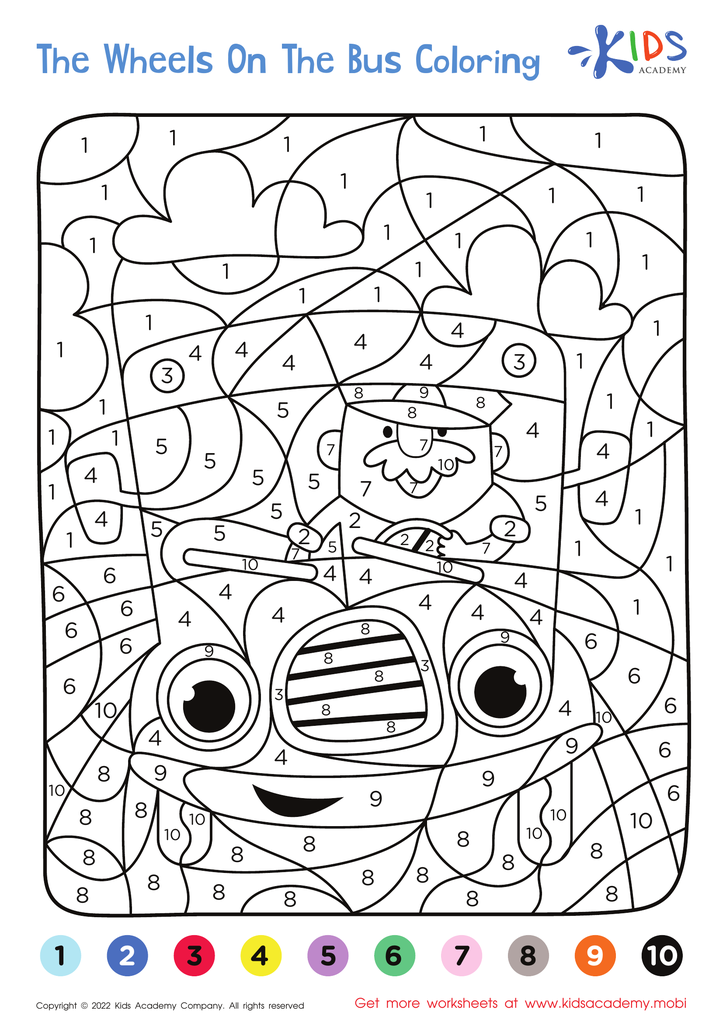
Wheels on the Bus – Coloring by Numbers
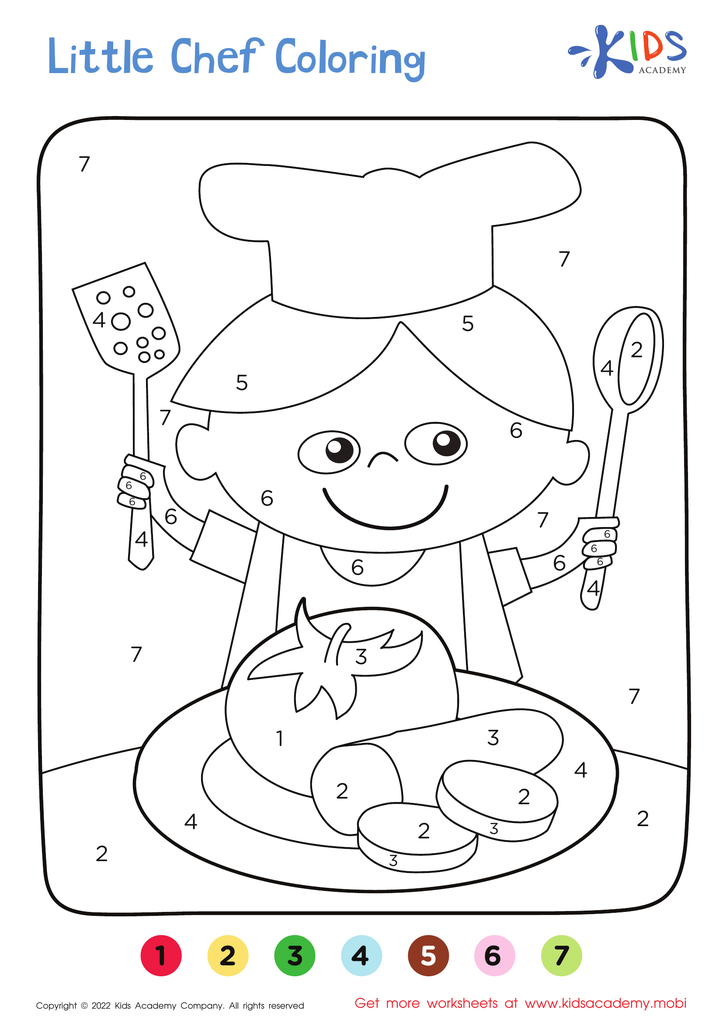
Little Chef – Coloring by Numbers
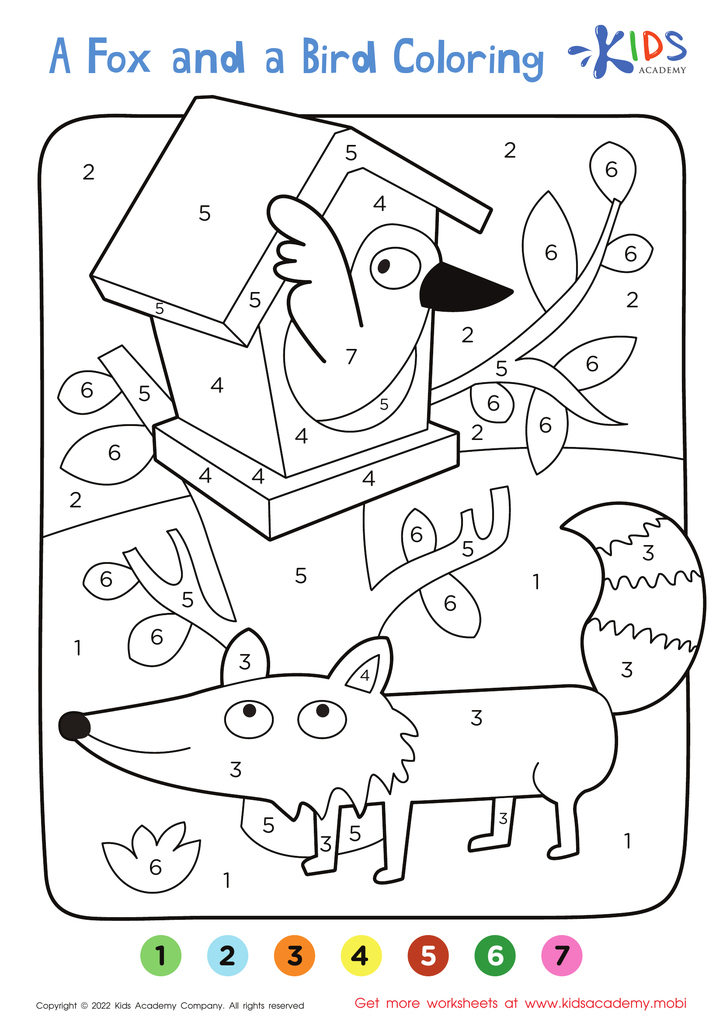
A Fox and a Bird – Coloring by Numbers
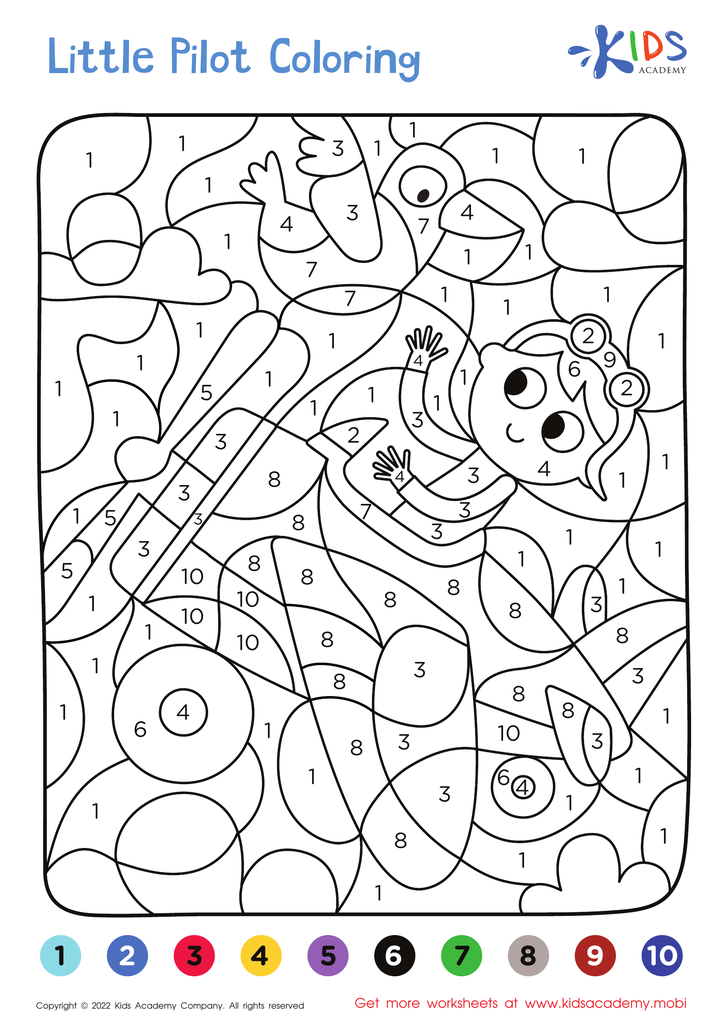
Little Pilot – Coloring by Numbers
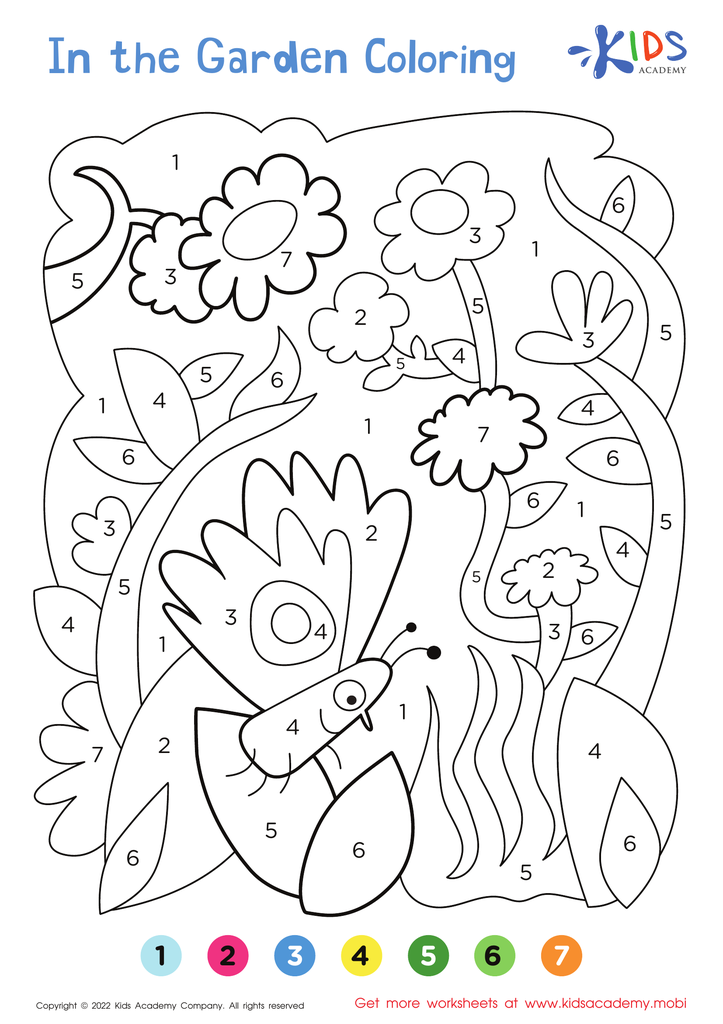
In the Garden – Coloring by Numbers
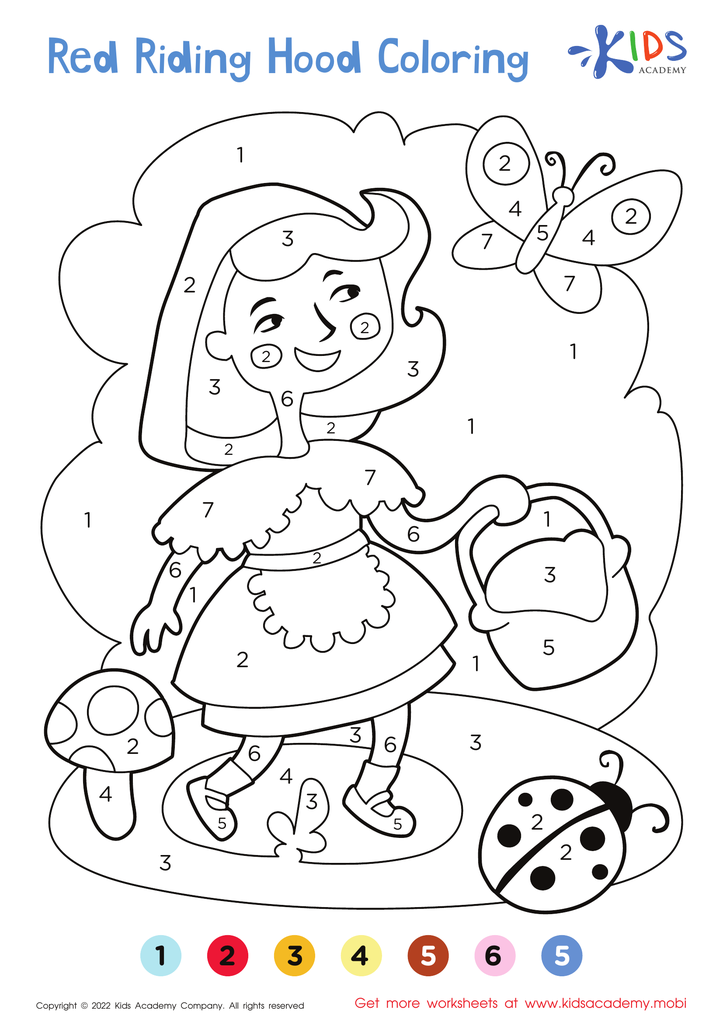
Little Red Riding Hood – Coloring by Numbers








Following instructions is a crucial skill for children aged 3 to 8, as it lays the foundation for effective learning and social interaction. For parents and teachers, fostering this ability is essential for several reasons.
Firstly, understanding and following instructions boosts cognitive development. As children learn to process verbal and non-verbal directions, they enhance their listening skills and comprehension, which are vital for academic success. This age is a pivotal time for brain development, making instilling these skills particularly effective.
Secondly, following instructions promotes independence and responsibility. When children learn to complete tasks or follow routines based on directions, they gain confidence and a sense of accomplishment. This autonomy is crucial as they prepare for more complex challenges in school and beyond.
Additionally, working in cooperative settings builds social skills. Kids who successfully follow directions often find it easier to collaborate with peers, fostering teamwork and communication skills necessary for future endeavors.
In conclusion, by prioritizing the ability to follow instructions, parents and teachers not only enhance children's academic experiences but also nurture important life skills that will serve them well into adulthood. Encouraging this practice leads to improved behavior, increased motivation, and enriched learning environments.








