Logical Reasoning Numbers Worksheets for Ages 3-8
5 filtered results
-
From - To
Explore our engaging Logical Reasoning Numbers Worksheets, specially designed for children aged 3-8! These worksheets help young learners develop essential critical thinking and problem-solving skills through fun number-focused activities. With a variety of exercises that promote number recognition, sequencing, and comparison, children can enhance their logical reasoning abilities while enjoying the learning process. Perfect for parents and educators, these worksheets are an excellent resource to support early mathematical understanding and foster confidence in young minds. Discover a world of fun learning where kids can enjoy numbers and sharpen their reasoning skills at the same time!
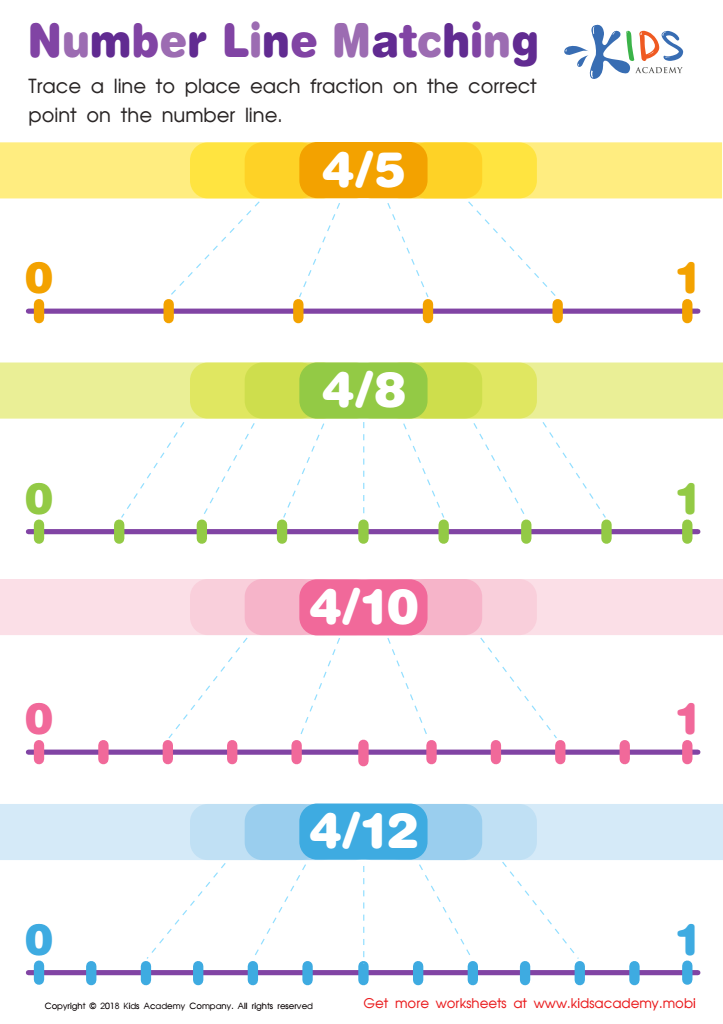
Number Line Matching Worksheet
 Assign to My Students
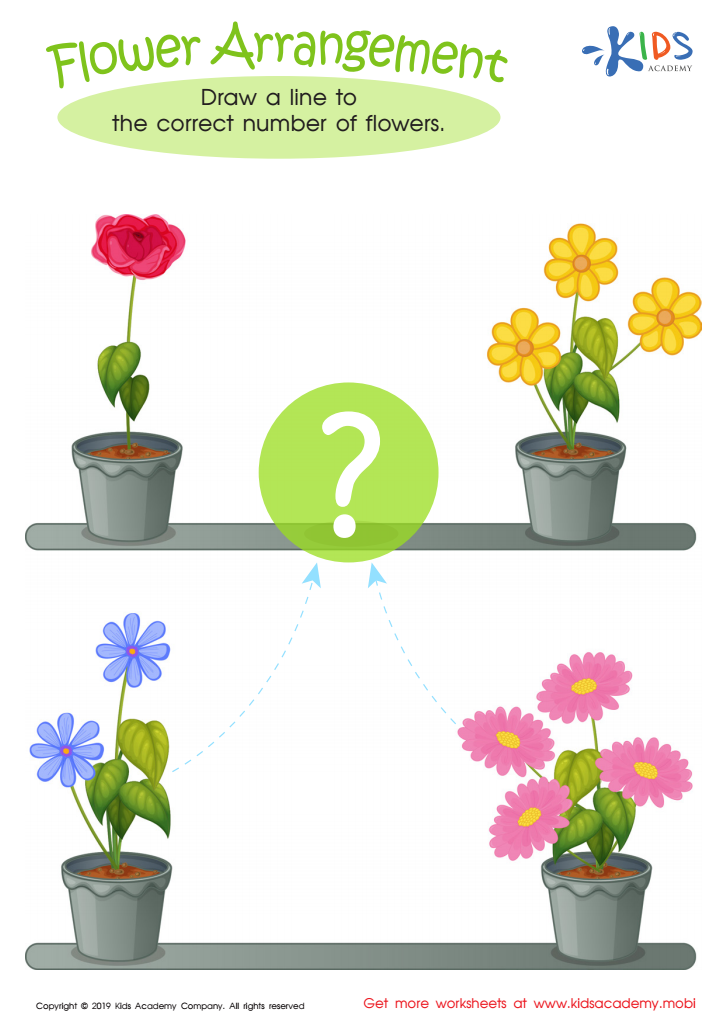
Flower Arrangement Worksheet
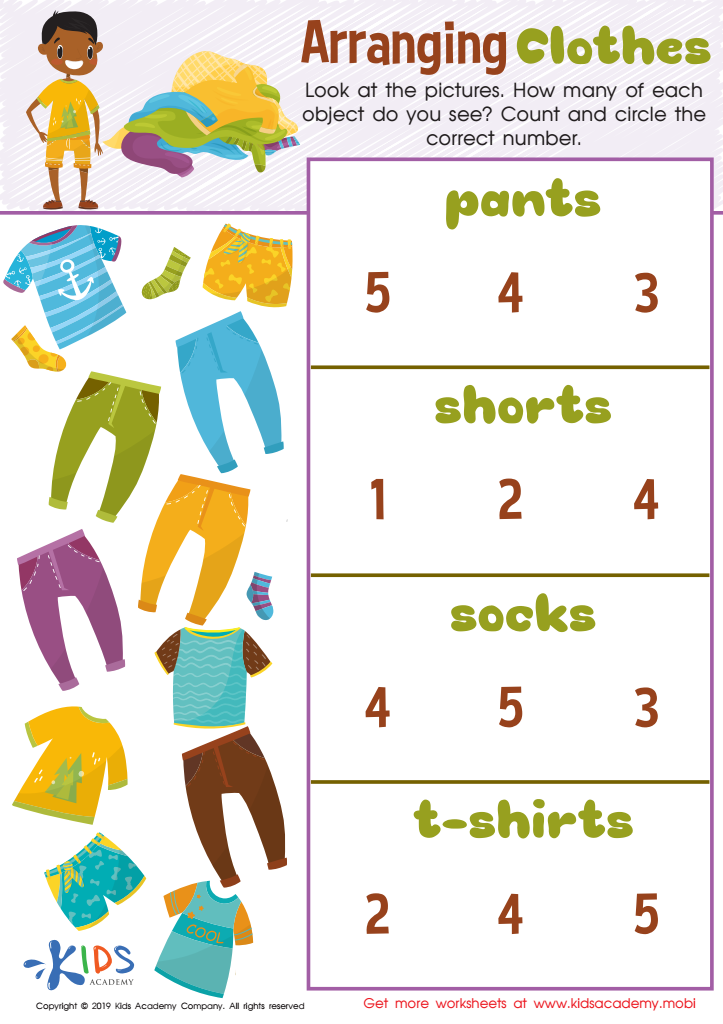
Arranging Clothes Worksheet
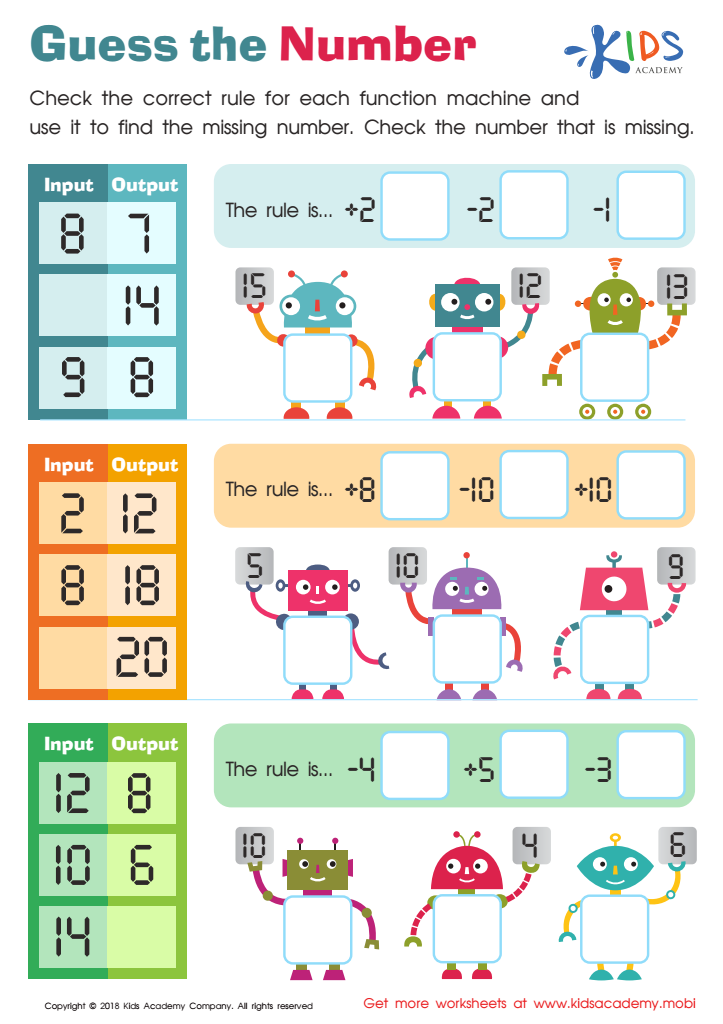
Guess the Number Worksheet
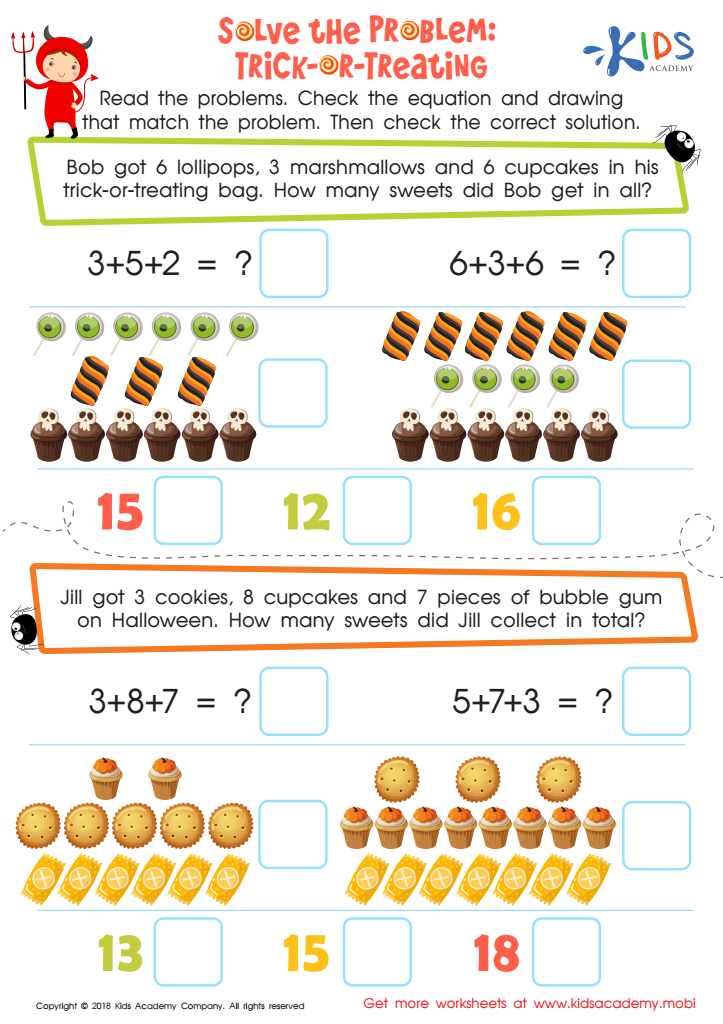
Solve the Problem: Trick–or–treating Worksheet




.jpg)


Logical reasoning and numeracy skills are foundational for children ages 3-8, forming the basis for their future academic success. Parents and teachers should care about these skills for several reasons. Firstly, early exposure to logical reasoning enhances problem-solving abilities. This cognitive development helps children analyze situations, draw conclusions, and make informed decisions, skills essential in everyday life and future academic settings.
Moreover, understanding numbers fosters mathematical thinking. When children engage with logical puzzles and numeric games, they begin to recognize patterns, relationships, and sequences, which are crucial for grasping more complex math concepts later on. Engaging in activities that combine logical reasoning with numbers helps solidify these foundational skills, making mathematics less intimidating as they progress through school.
Additionally, these skills bolster self-esteem and confidence. Mastering logical reasoning tasks and number-related challenges empowers children to tackle new problems independently, fostering a growth mindset. Finally, instilling an early love for logic and math can lead to greater interest in STEM fields as they grow, opening up future educational and career opportunities. By prioritizing logical reasoning and numeracy, parents and educators are setting children on a path toward lifelong learning and success.








