Pattern recognition Numbers Worksheets for Ages 3-8
5 filtered results
-
From - To
Unlock your child's potential with our engaging Pattern Recognition Numbers Worksheets, designed for ages 3-8! These worksheets provide a fun and interactive way to enhance your little one’s understanding of numbers through pattern recognition. By identifying and completing various patterns, children will develop critical thinking and analytical skills essential for early math success. Our user-friendly design makes learning enjoyable, while vibrant illustrations capture children's attention. These resources not only promote number recognition but also lay a solid foundation for future math concepts. Help your child master essential skills today with our comprehensive and playful worksheets tailored for early learners!
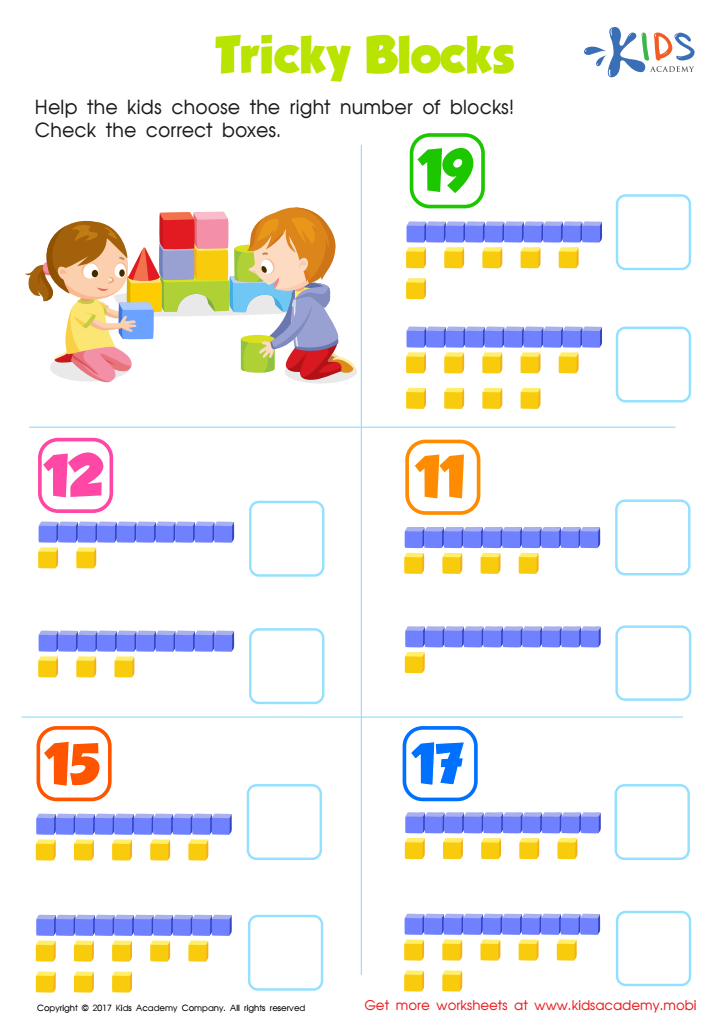
Tricky Blocks Worksheet
 Assign to My Students
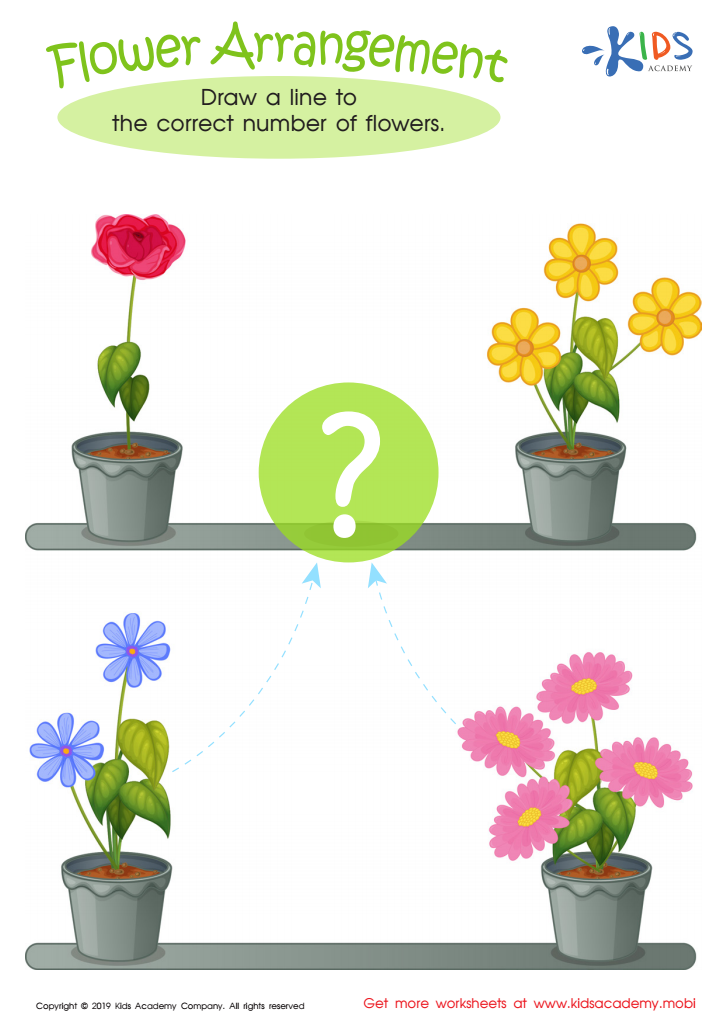
Flower Arrangement Worksheet
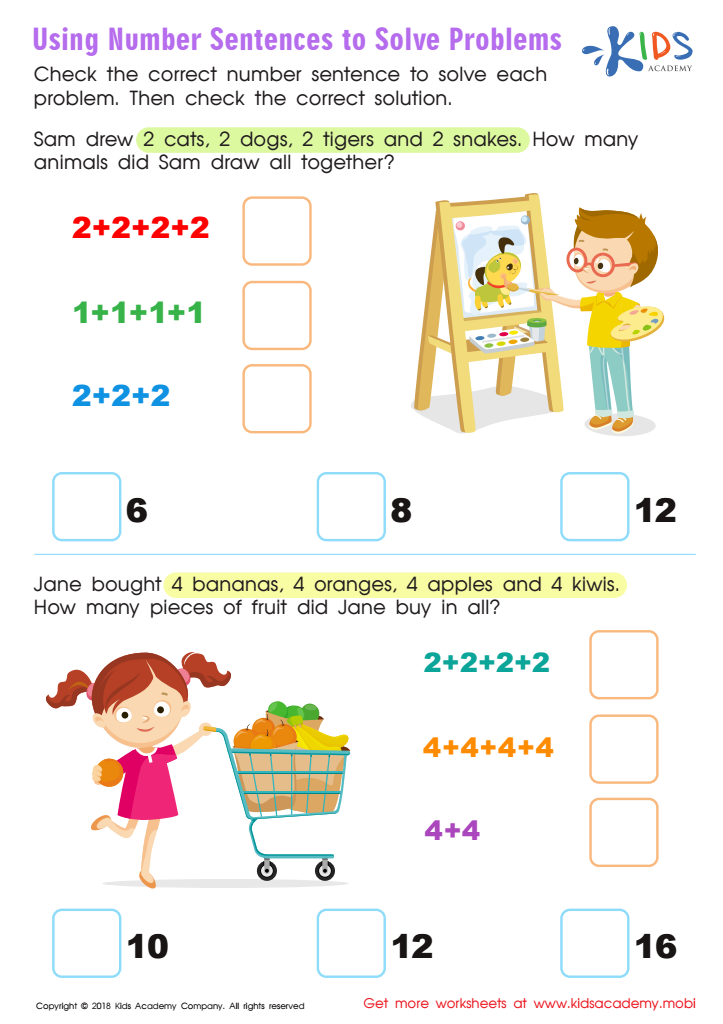
Using Number Sentences to Solve Problems Worksheet
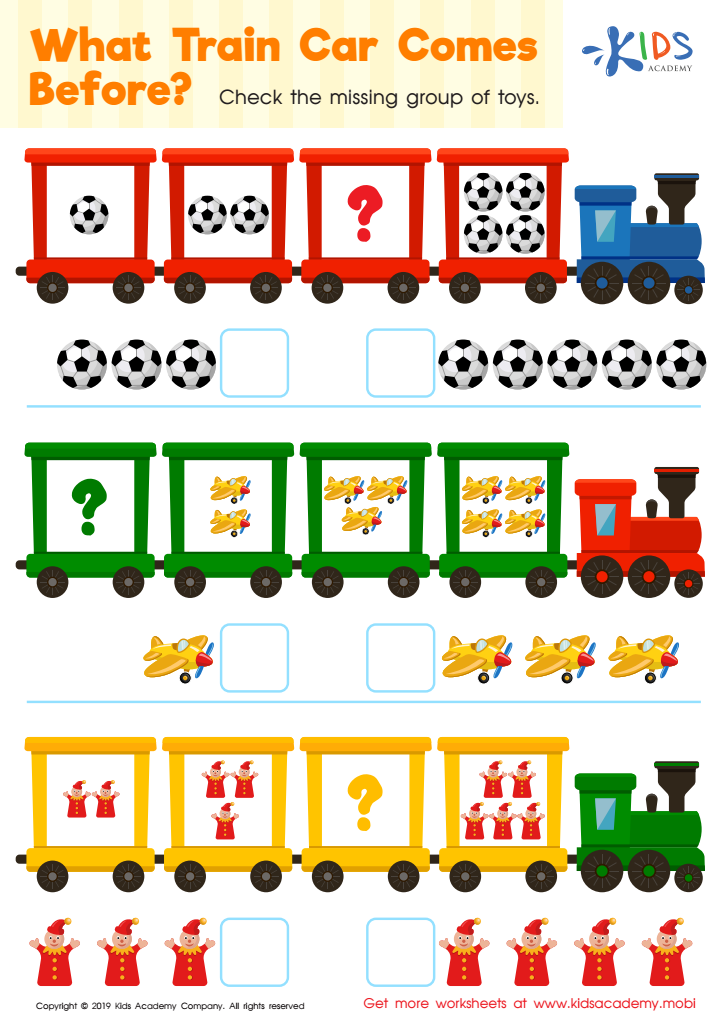
What Train Car Comes Before? Worksheet
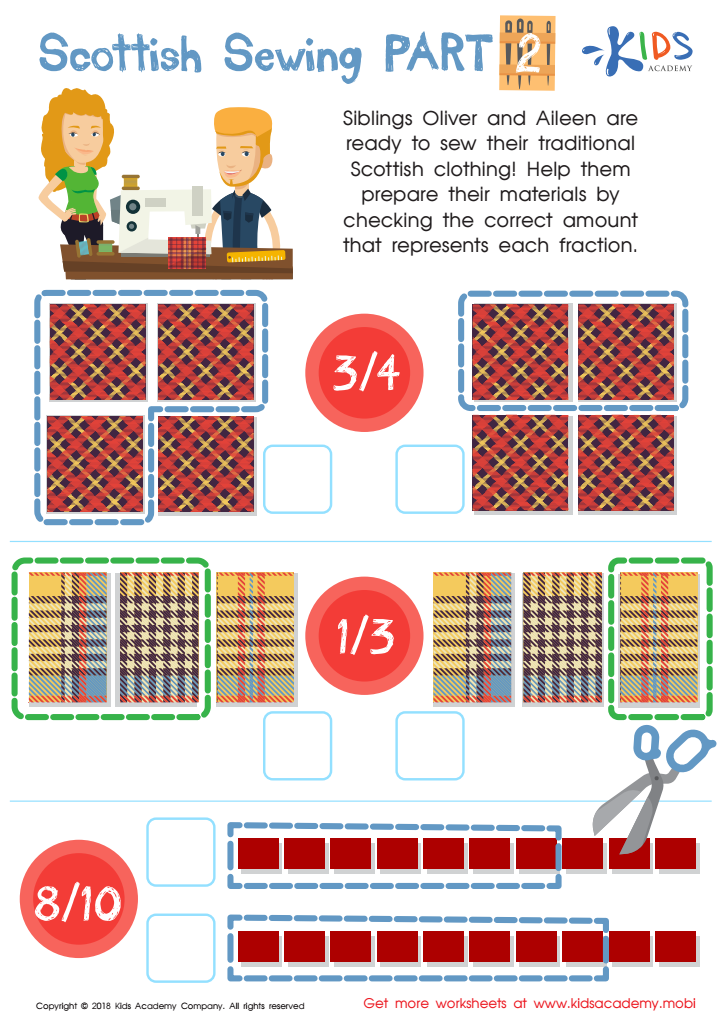
Scottish Sewing Part 2 Worksheet






%20(1).jpg)

Pattern recognition is a foundational skill in early childhood development, particularly for children ages 3 to 8. This skill involves identifying, understanding, and predicting sequences in various forms, including numbers. Parents and teachers should prioritize pattern recognition because it lays the groundwork for mathematical understanding, enhances critical thinking, and fosters problem-solving abilities.
At this age, children are naturally curious and love to explore relationships within their environments. Engaging them in pattern recognition activities, such as sorting objects, recognizing numerical sequences, or observing shapes, helps them develop a sense of order and predictability. These activities stimulate cognitive development and enhance memory skills, enabling children to make connections across different subjects, such as math and science.
Moreover, pattern recognition plays a crucial role in later academic success. It forms the basis for more complex mathematical concepts, such as addition, subtraction, and even algebra. Encouraging this skill allows kids to transfer their understanding of patterns into real-life scenarios, facilitating better decision-making and organization.
When parents and teachers actively support the development of pattern recognition in young children, they equip them with essential tools for academic achievement and lifelong learning. Ultimately, nurturing these skills fosters a confident, curious learner ready to tackle future challenges.








