Analytical skills Math Worksheets for Ages 3-8
5 filtered results
-
From - To
Unlock your child's potential with our engaging Analytical Skills Math Worksheets, designed for ages 3-8! These worksheets promote critical thinking and problem-solving skills through fun math activities that captivate young minds. Covering various topics, from number recognition to simple equations, our materials encourage children to analyze, compare, and synthesize information. Perfect for home or classroom use, these worksheets foster a love for learning while reinforcing essential math concepts. With colorful illustrations and interactive exercises, your little one will enjoy developing their analytical skills in a playful, supportive environment. Start their journey toward math mastery today!

Animal Features Worksheet
 Assign to My Students
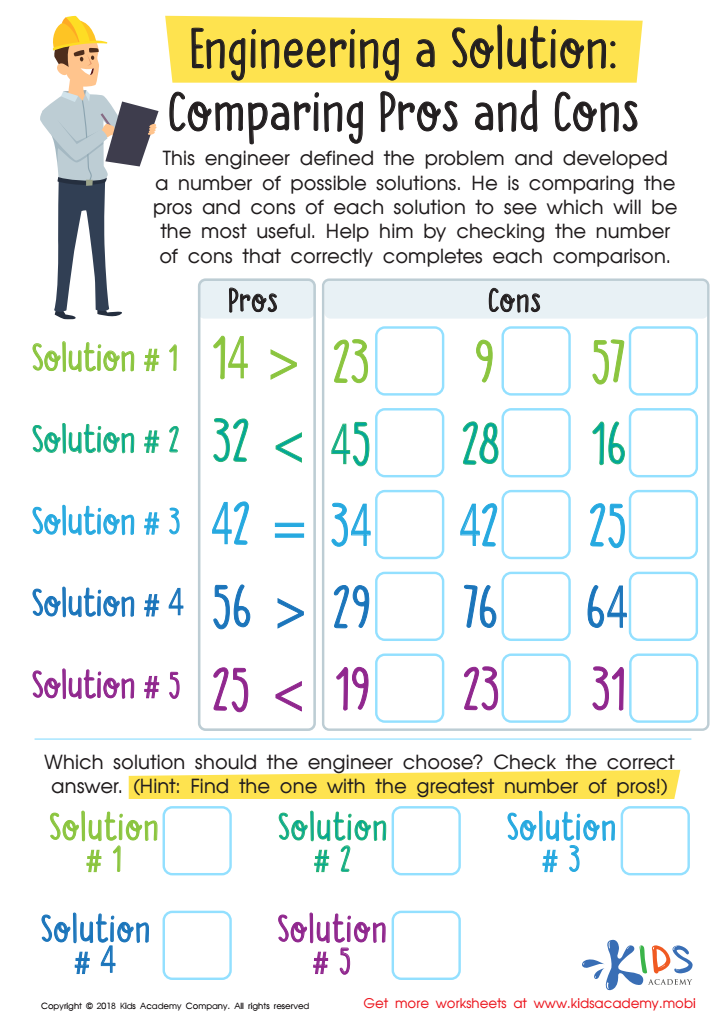
Engineering a Solution: Comparing Pros and Cons Worksheet
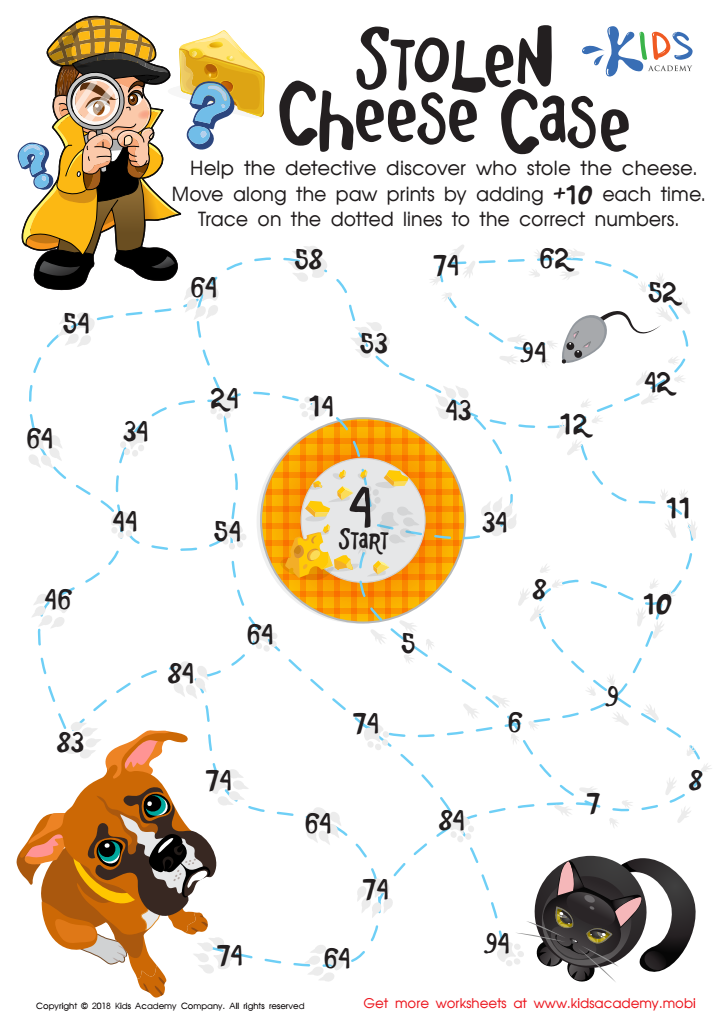
Stolen Cheese Case Maze Worksheet
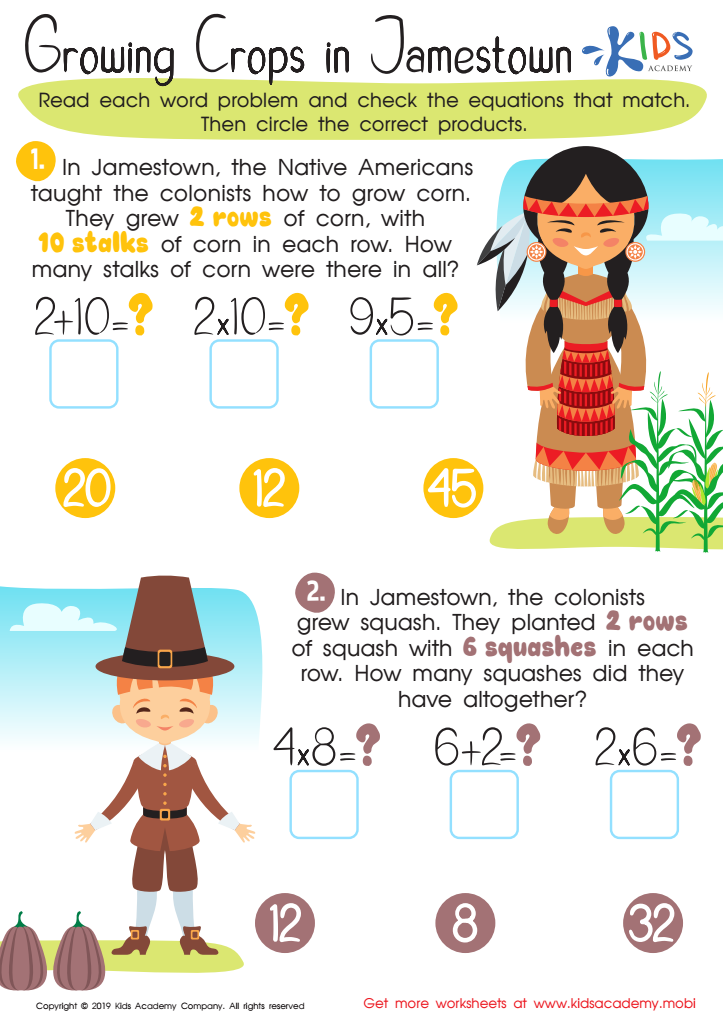
Growing Jamestown Worksheet
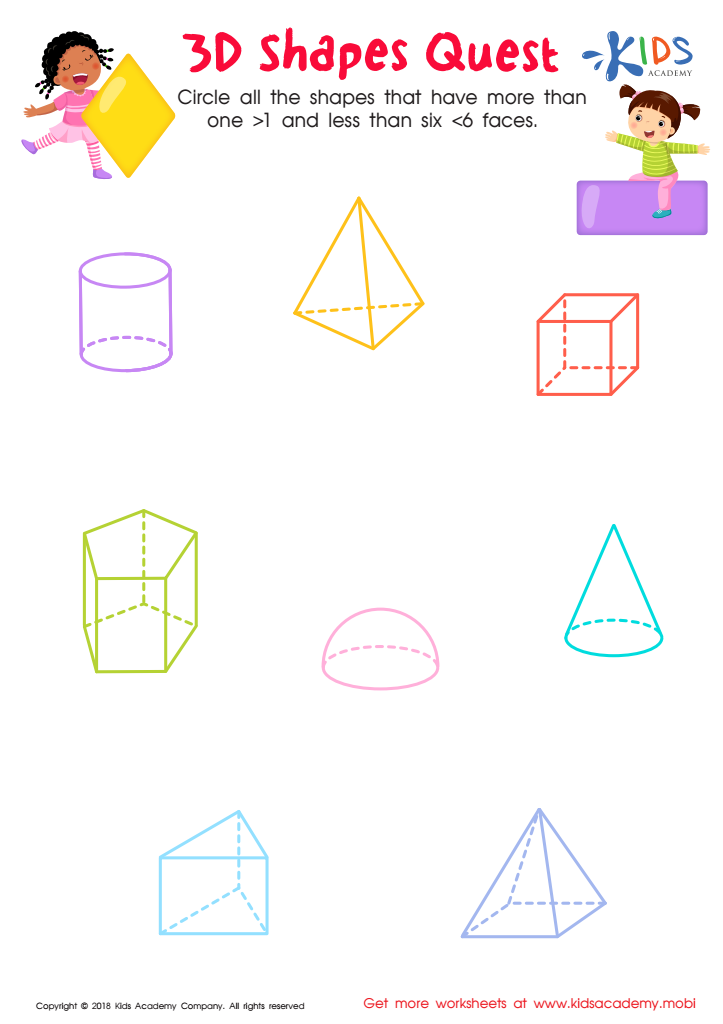
3D Shapes Quest Worksheet








Analytical skills in math are crucial for children aged 3-8 as they lay a strong foundation for overall cognitive development. At this early stage, children are naturally curious, and nurturing their analytical abilities can enhance critical thinking, problem-solving, and logical reasoning. Engaging young learners in math activities helps them recognize patterns, understand relationships, and make connections between numbers and the world around them.
These skills not only prepare children for advanced mathematics in later years but also strengthen their ability to approach challenges systematically. For parents and teachers, fostering these skills can lead to increased confidence in children, making math a subject they enjoy and excel in rather than fear. Activities like sorting, classifying, and counting promote hands-on learning and ignite curiosity, integrating math into everyday experiences.
Moreover, analytical math skills are transferable; they support other subject areas, including science and reading, as children learn to analyze information and draw conclusions. Early emphasis on these skills empowers children to navigate life situations with greater competence, leading to academic success and personal growth. Ultimately, parents and teachers who prioritize analytical skills in mathematics contribute to building resilient, adaptable learners who are prepared for future challenges.








