Basic Addition Math Worksheets for Ages 3-8 - Page 3
71 filtered results
-
From - To
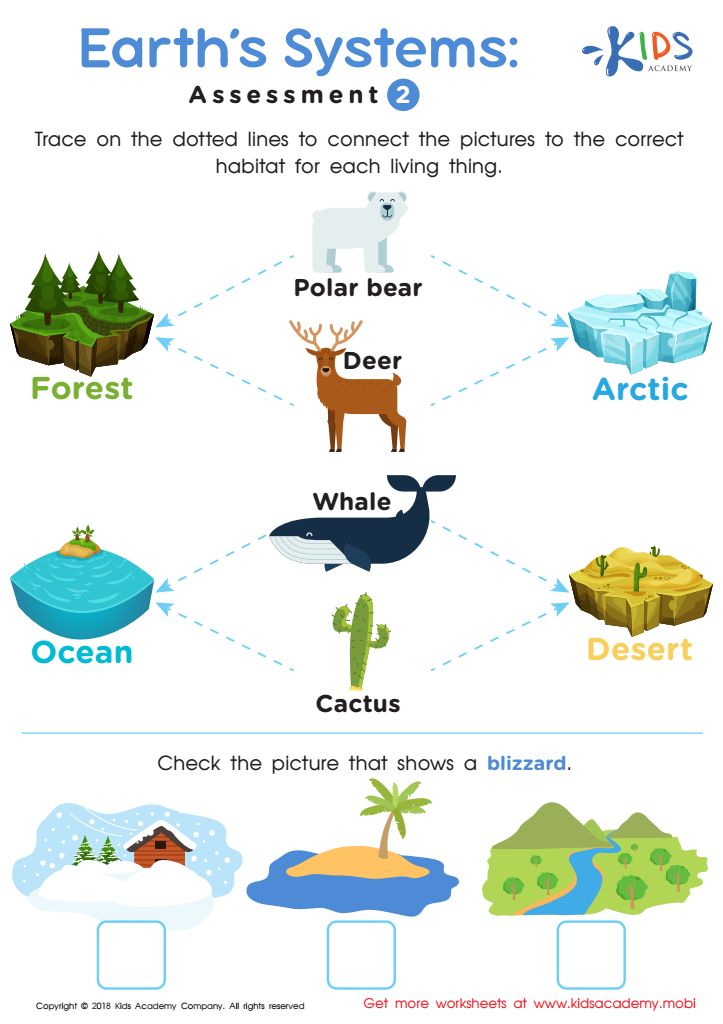
Earth's Systems: Assessment 2
 Assign to My Students
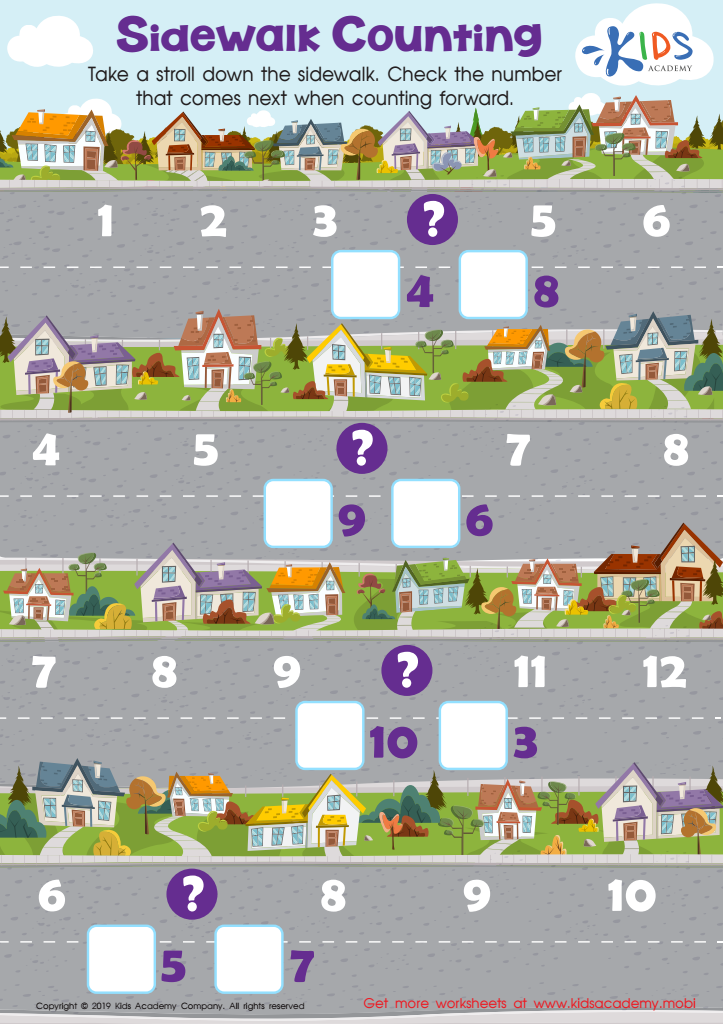
Sidewalk Counting Worksheet
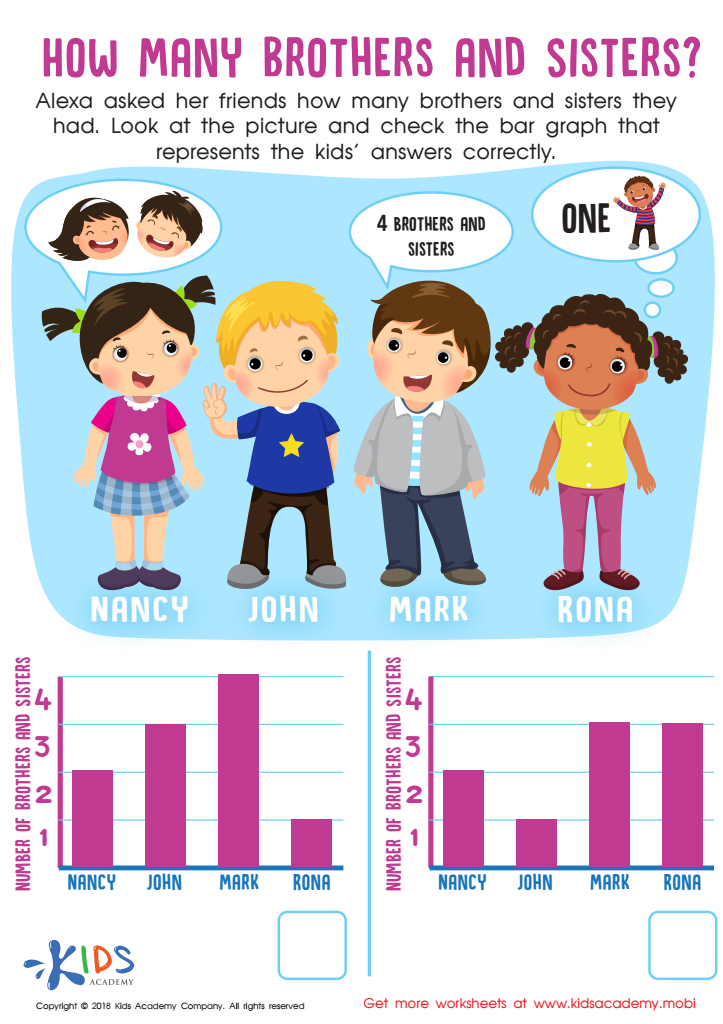
How Many Brothers and Sisters? Worksheet
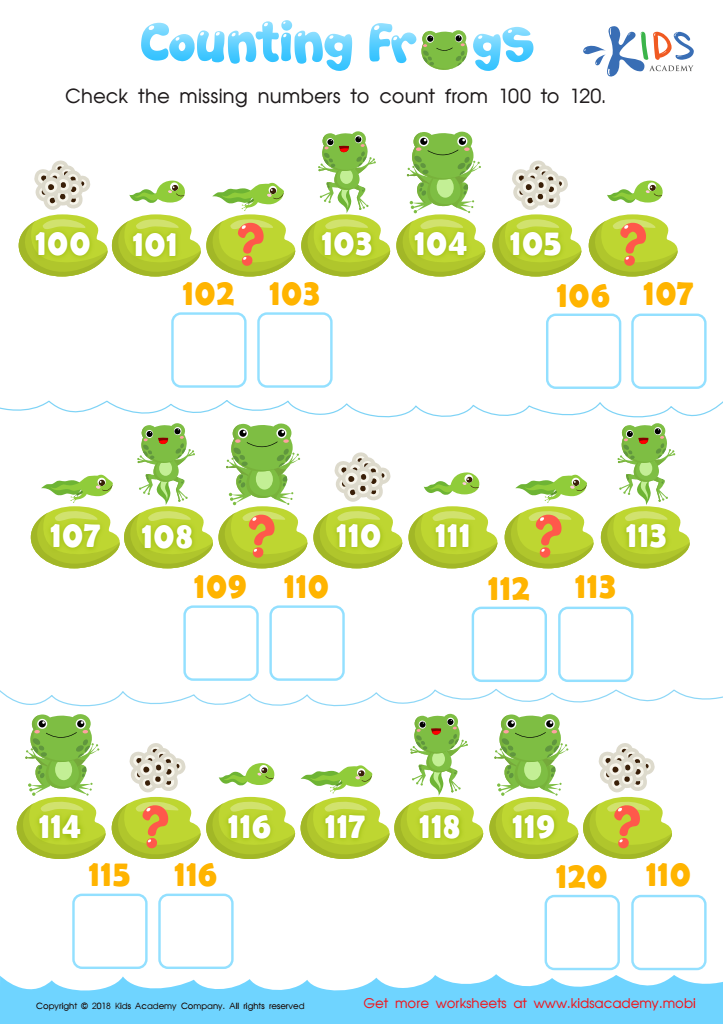
Counting Frogs Worksheet
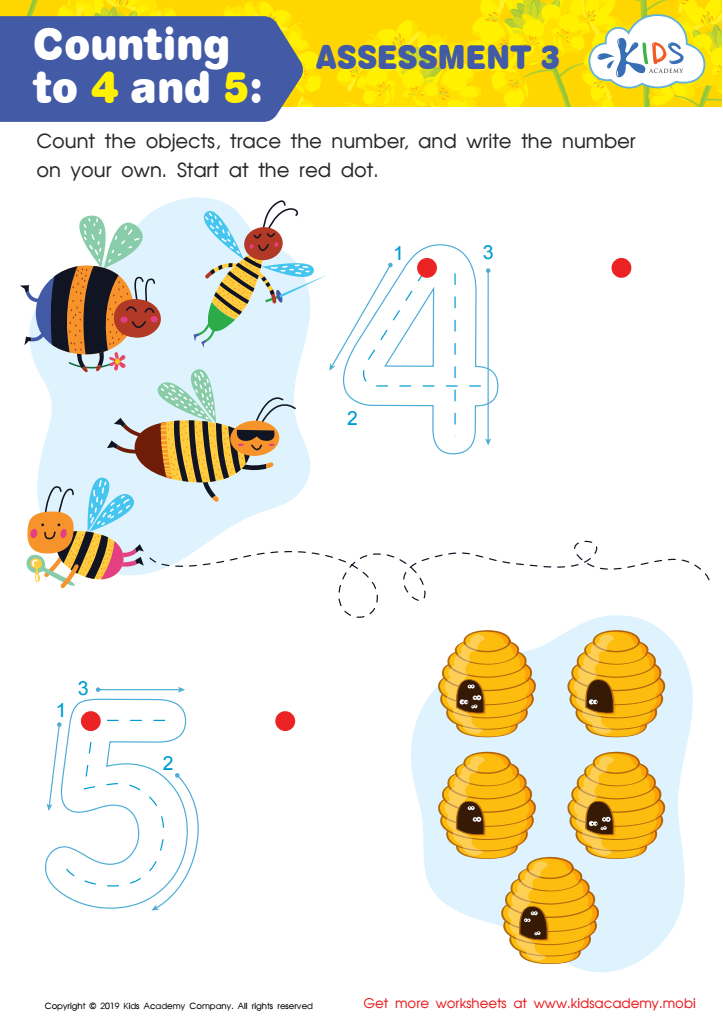
Counting to 4 and 5: Assessment 3 Worksheet
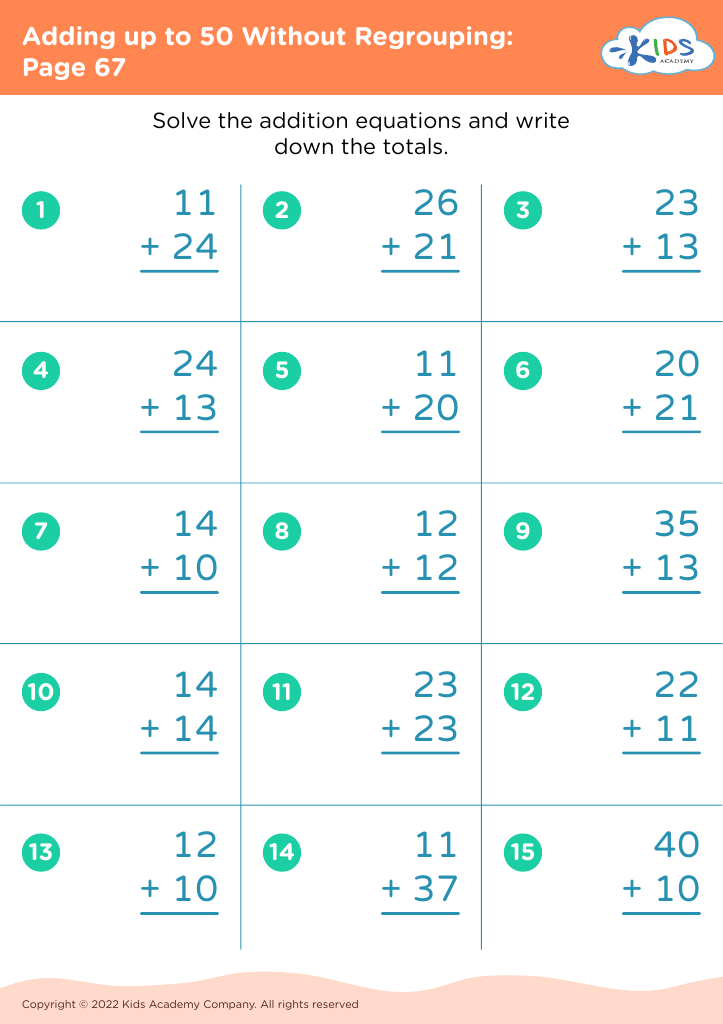
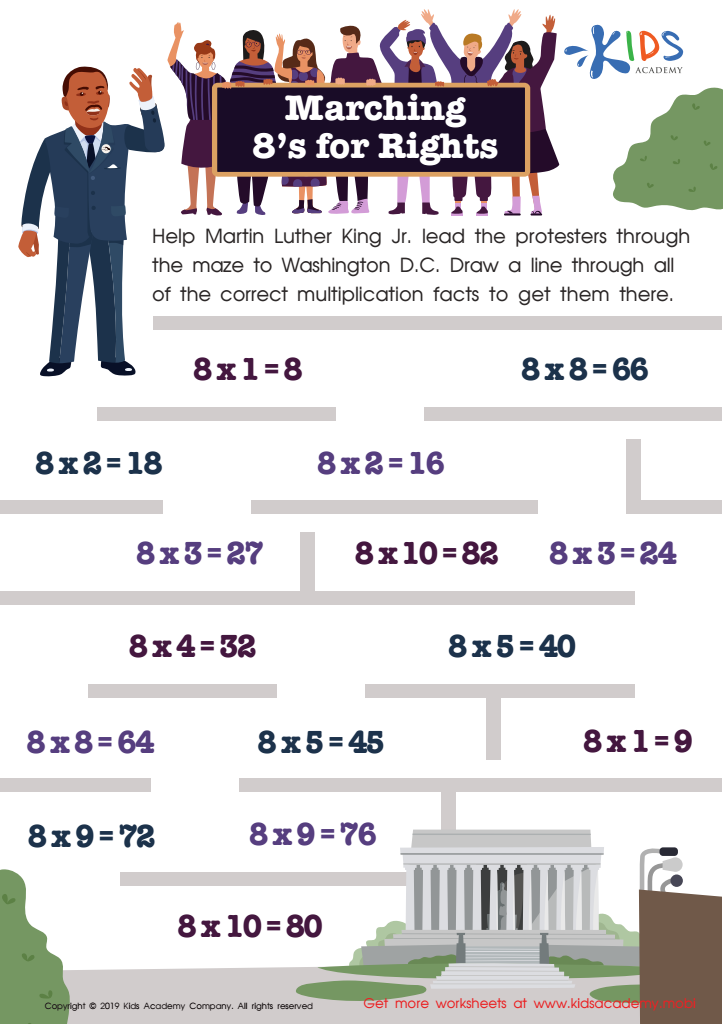
Marching 8’s for Rights Worksheet
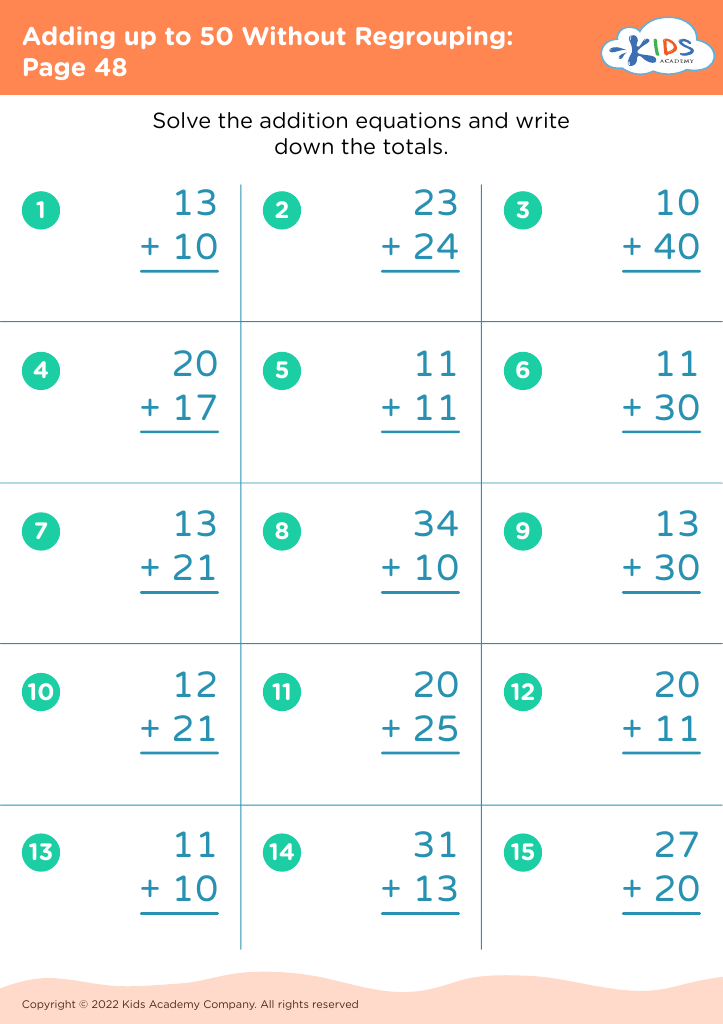
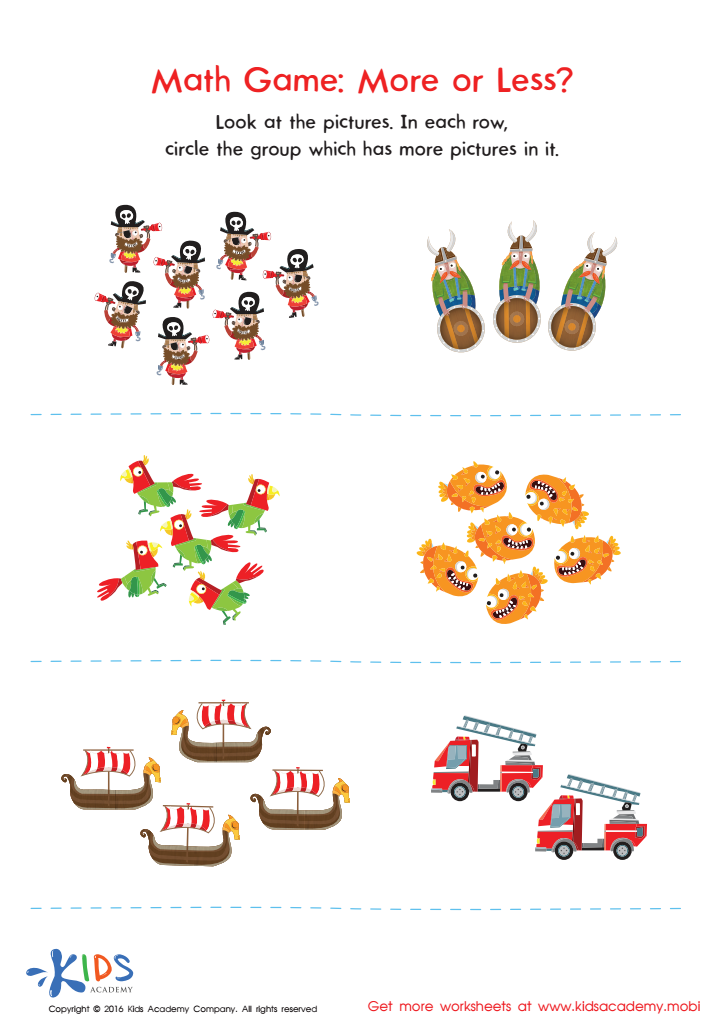
More or Less Worksheet
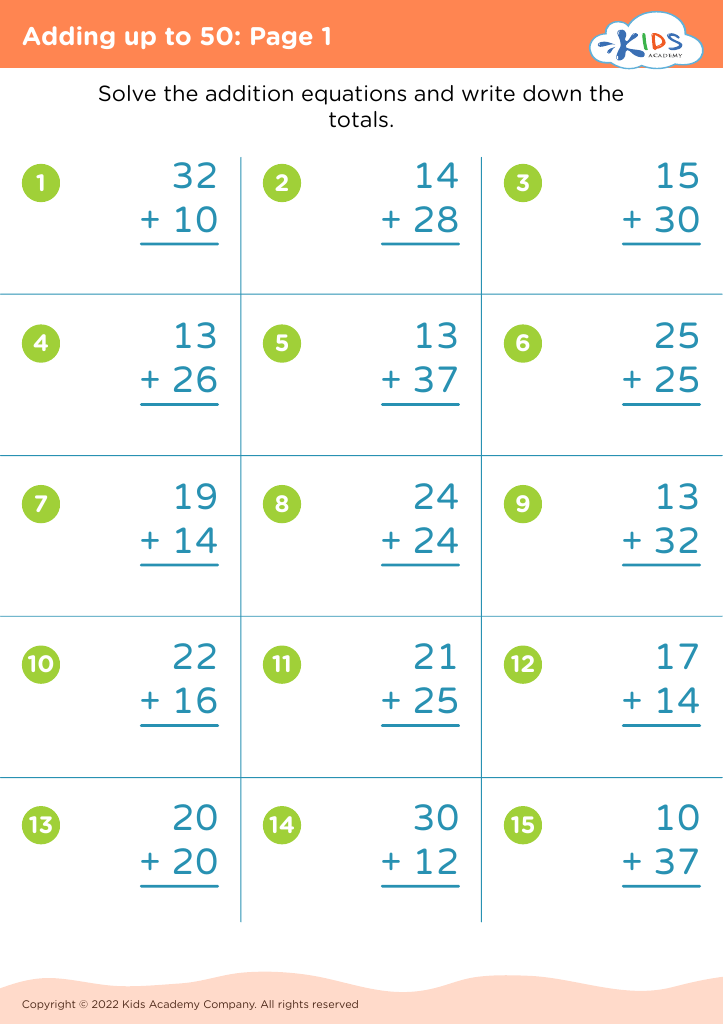
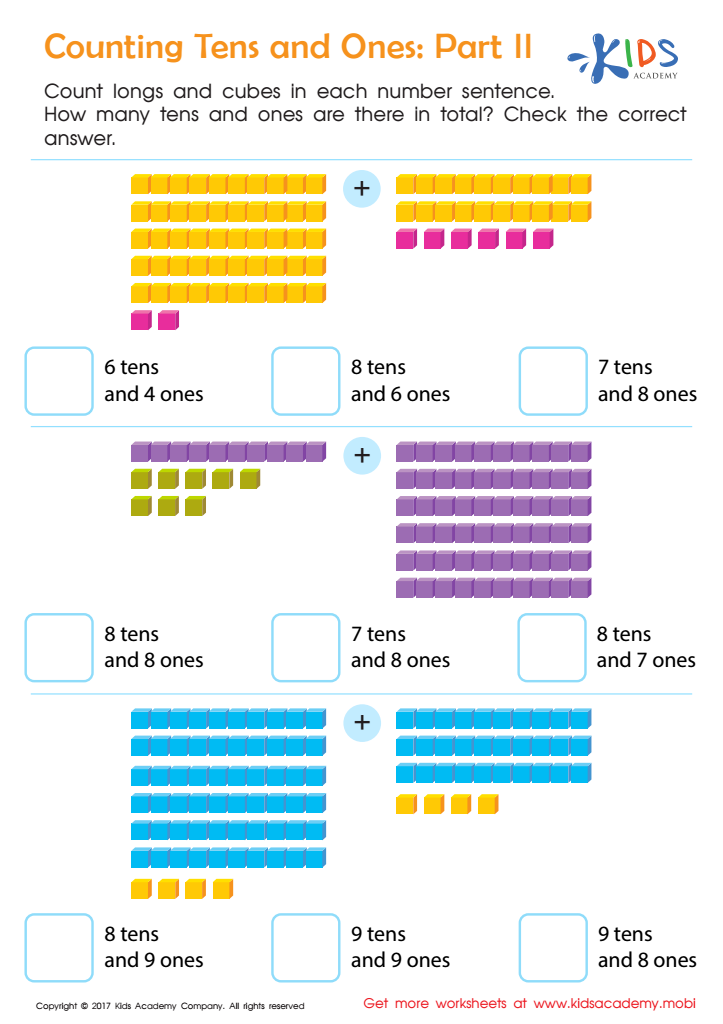
Counting Tens and Ones: Part 2 Worksheet
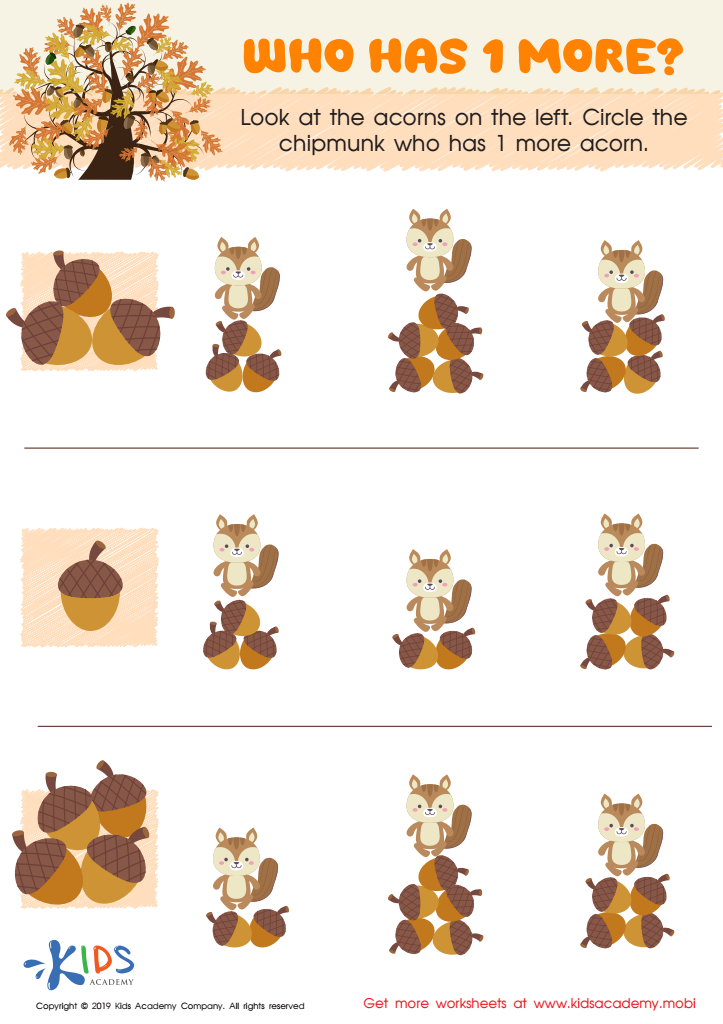
Who Has 1 More? Worksheet
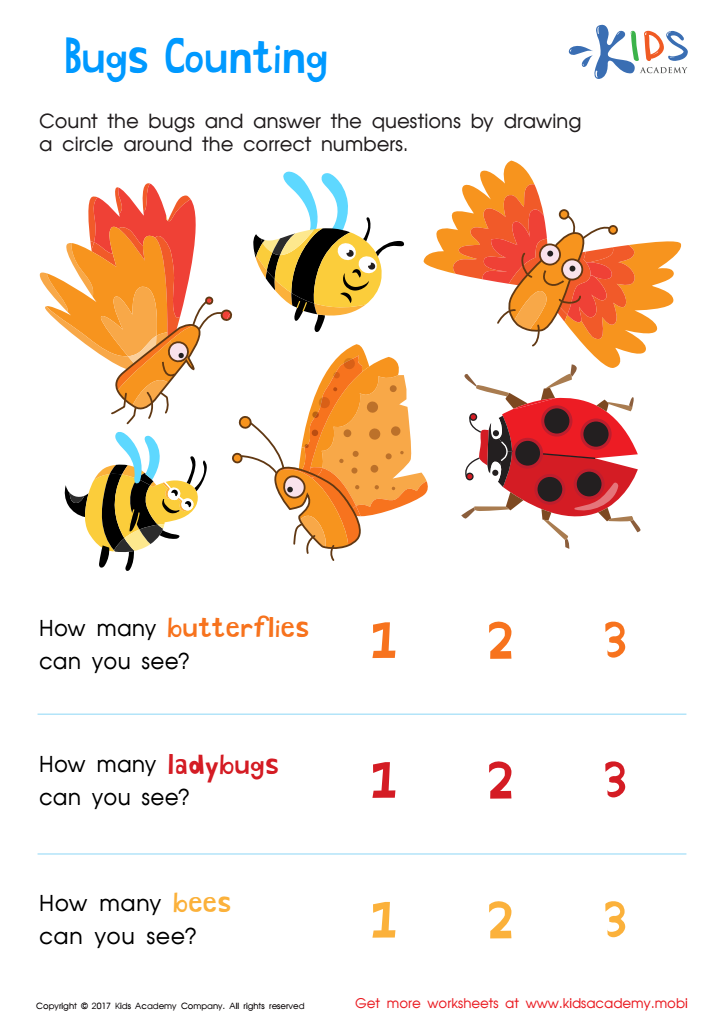
Bugs Counting Worksheet
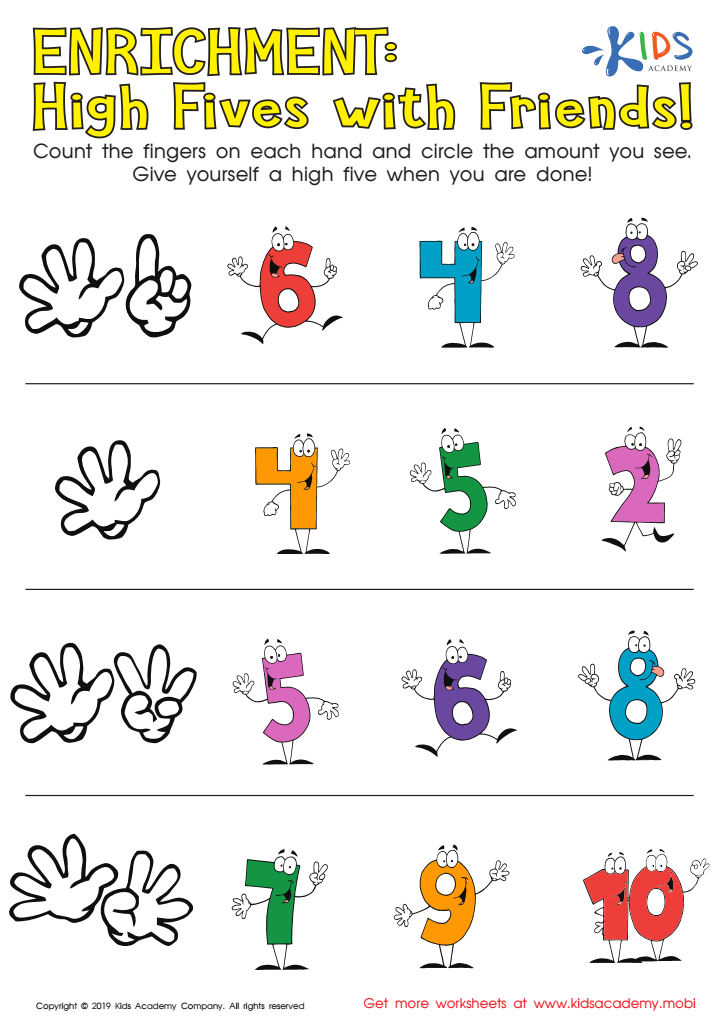
Enrichment: High Fives with Friends! Worksheet
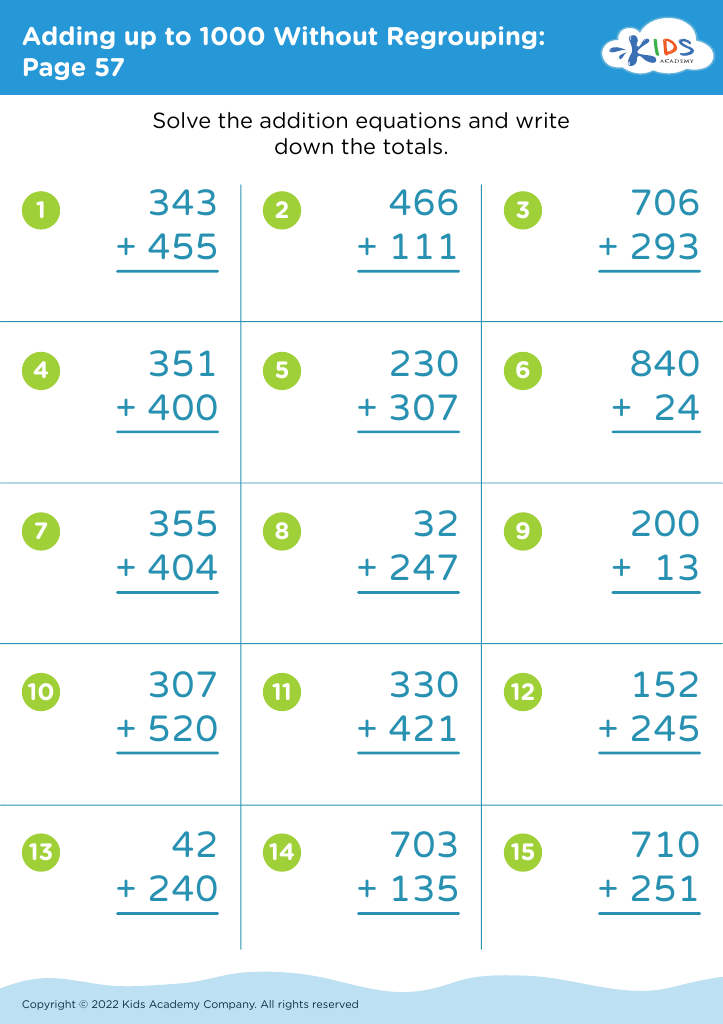
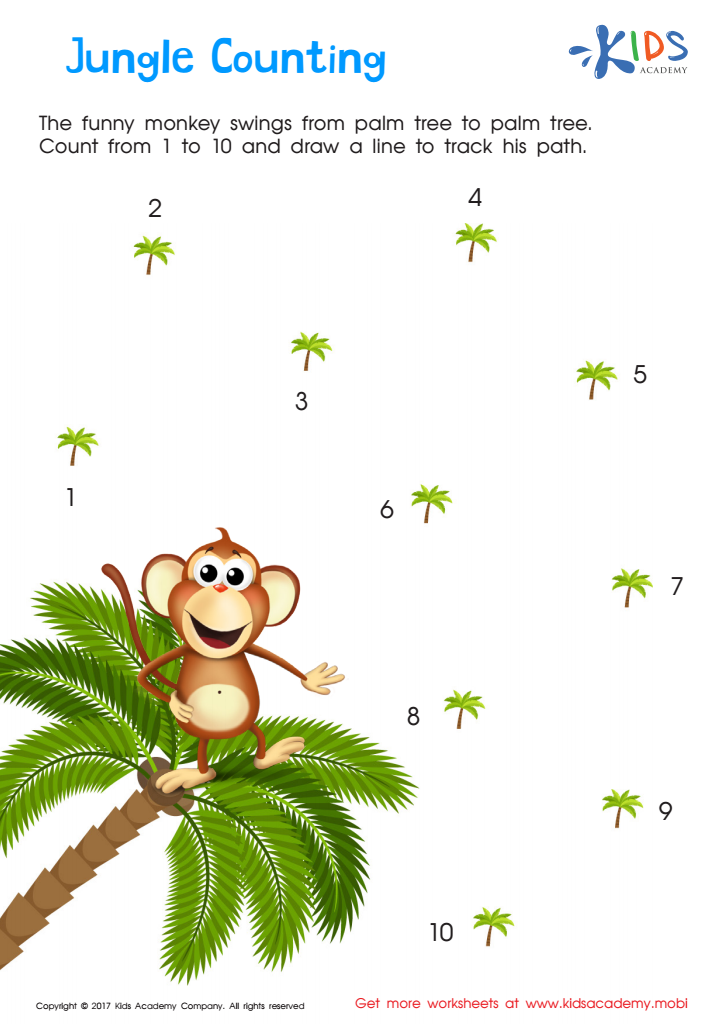
Jungle Counting Connect Dots Worksheet
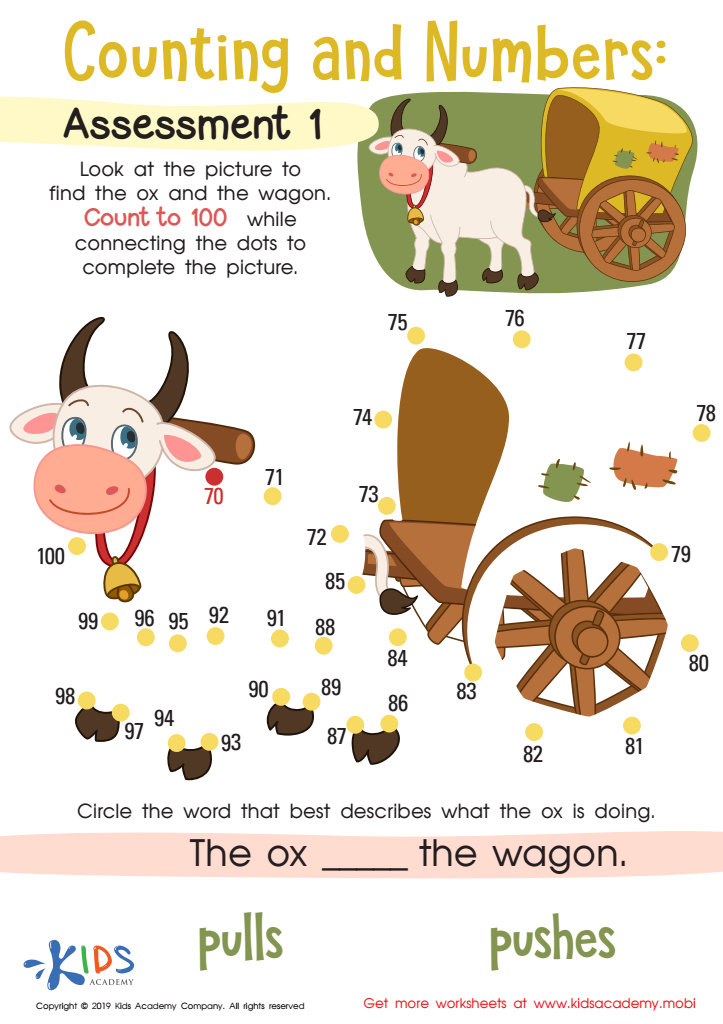
Counting and Numbers: Assessment 1 Worksheet
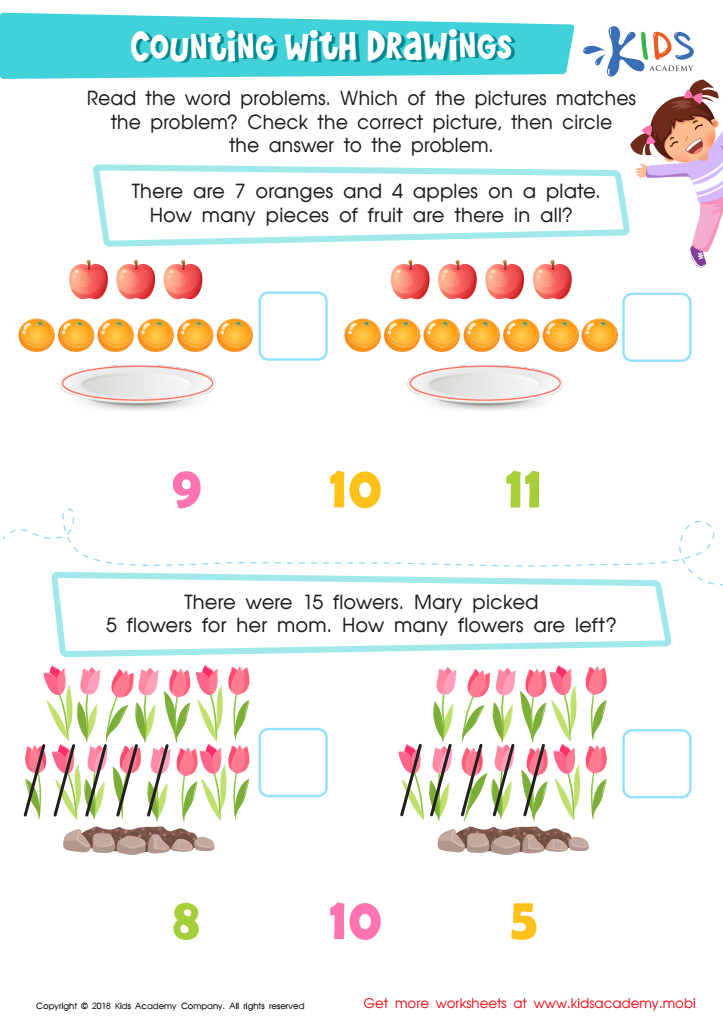
Counting with Drawings:Fruits & Flowers Worksheet
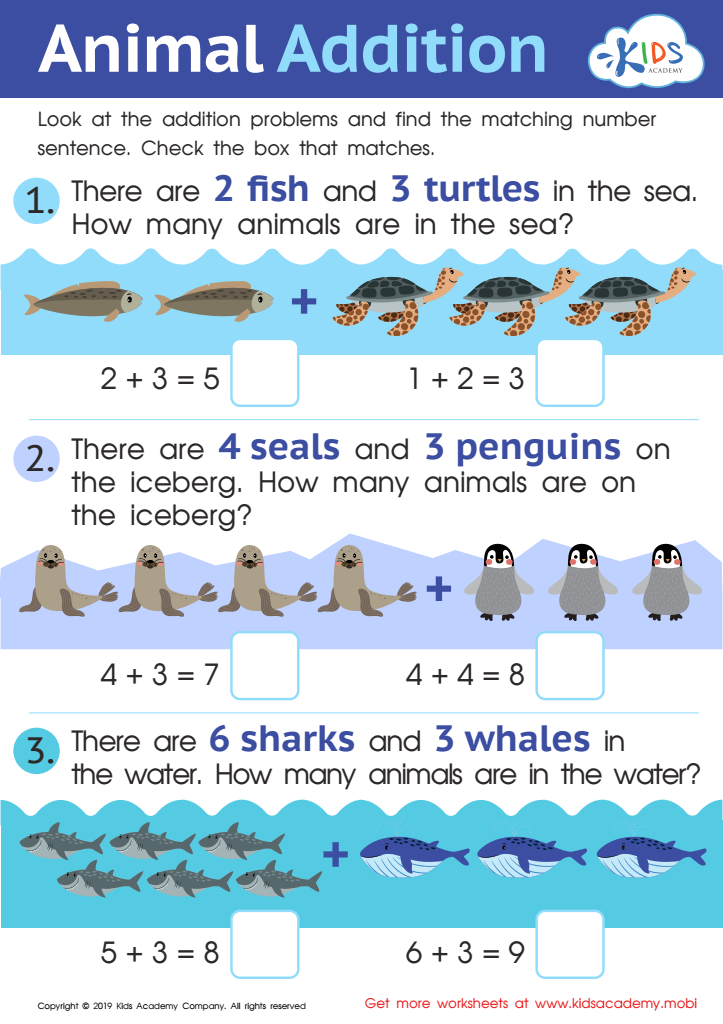
Animal Addition Worksheet
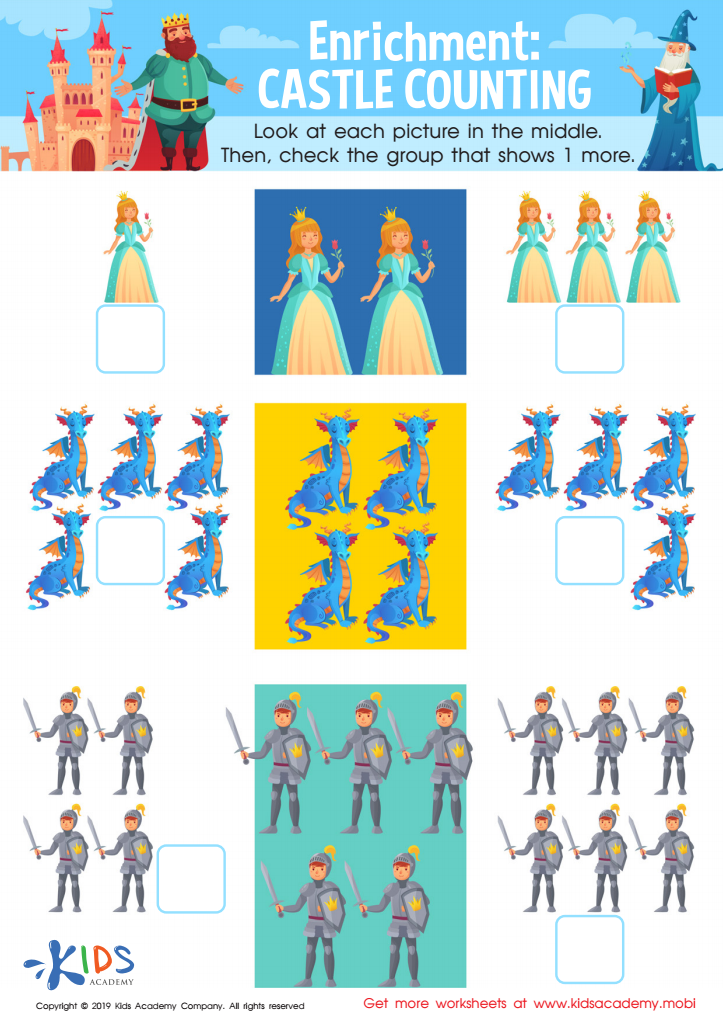
Enrichment: Castle Counting Worksheet
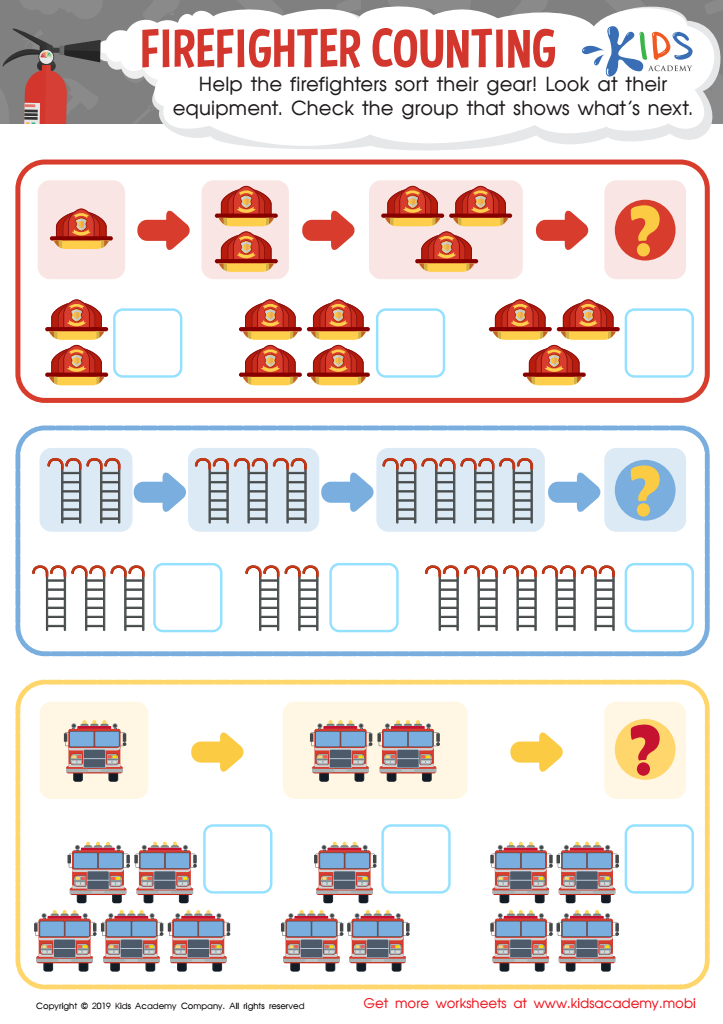
Firefighter Counting Worksheet
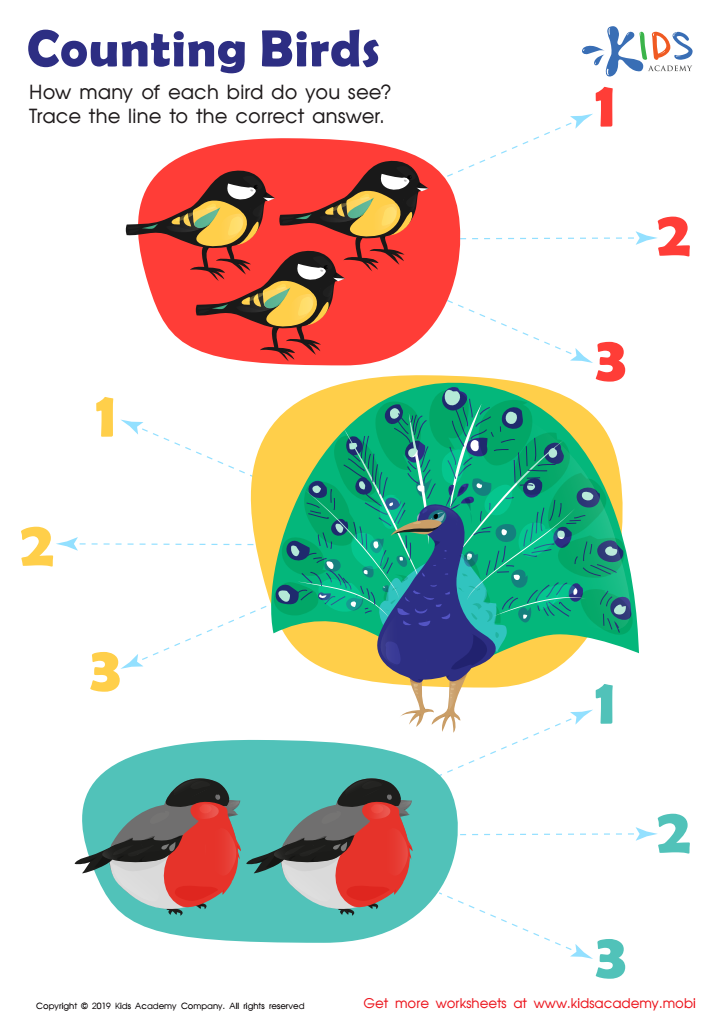
Counting Birds Worksheet




.jpg)


Basic addition skills are crucial for children aged 3-8, as they lay the foundation for future academic success and life skills. At this young age, children are naturally curious and developing cognitive abilities at a rapid pace. Introducing addition in a playful and engaging manner can foster a love for math and encourage problem-solving skills, which are essential in everyday decision-making.
Furthermore, basic addition enhances critical thinking and logical reasoning. Children learn to recognize patterns and develop strategies for solving problems, which is a skill applicable across various subjects and real-world scenarios. Mastery of addition also supports other areas of learning, such as subtraction, multiplication, and eventually more complex mathematics, ensuring a smoother transition as they progress in their education.
Engaging with basic addition also promotes social skills. Whether working in groups or playing addition-based games, children learn the value of collaboration, patience, and communication. For parents and teachers, supporting early math development can reinforce a positive learning environment and boost children's confidence, nurturing their self-esteem. As these early mathematical experiences shape young learners' perceptions about math, making it fun and interactive today can cultivate lifelong skills and a positive attitude toward learning in general.








