Cognitive Development Math Worksheets for Ages 3-8 - Page 2
186 filtered results
-
From - To
 Assign to My Students
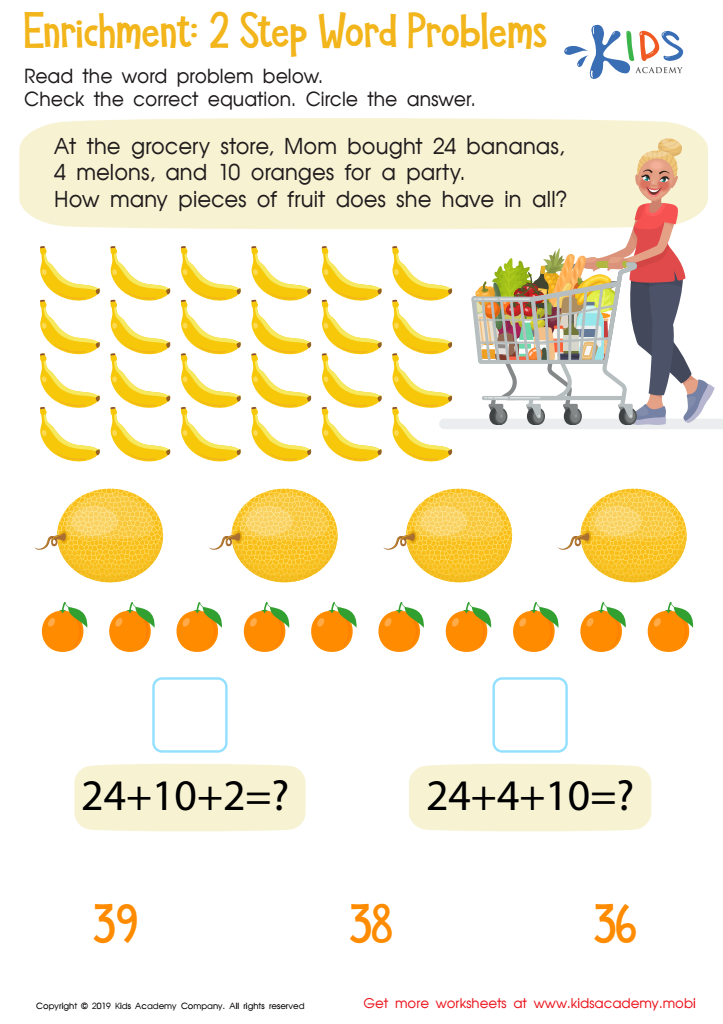
Enrichment -2 Step Word Problems Worksheet
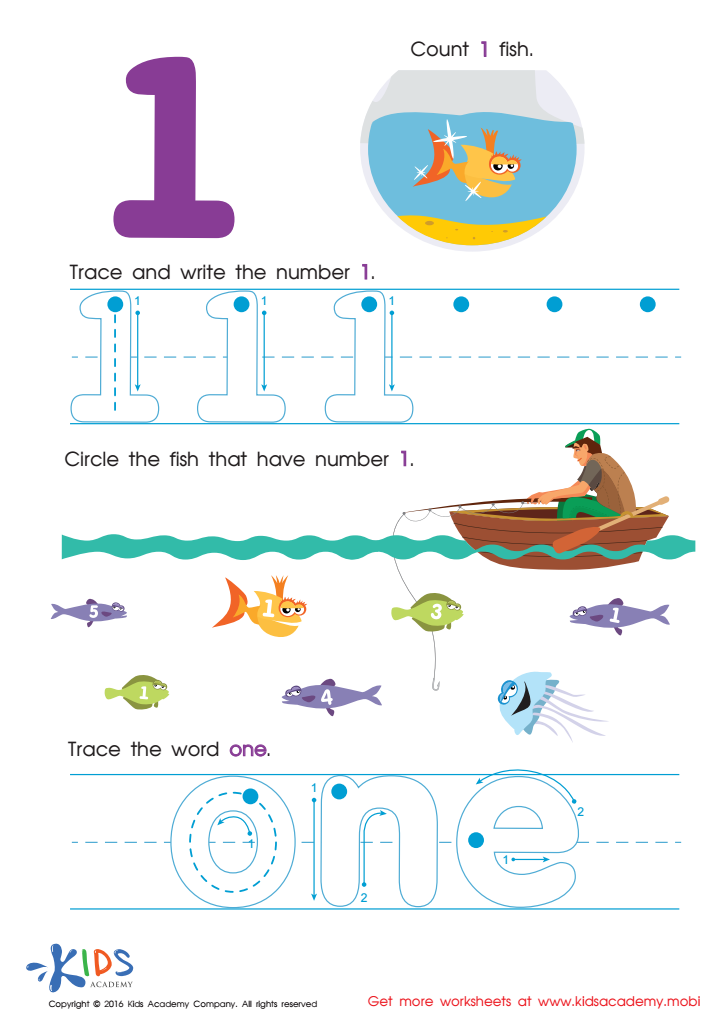
Learning to Write 1 Worksheet
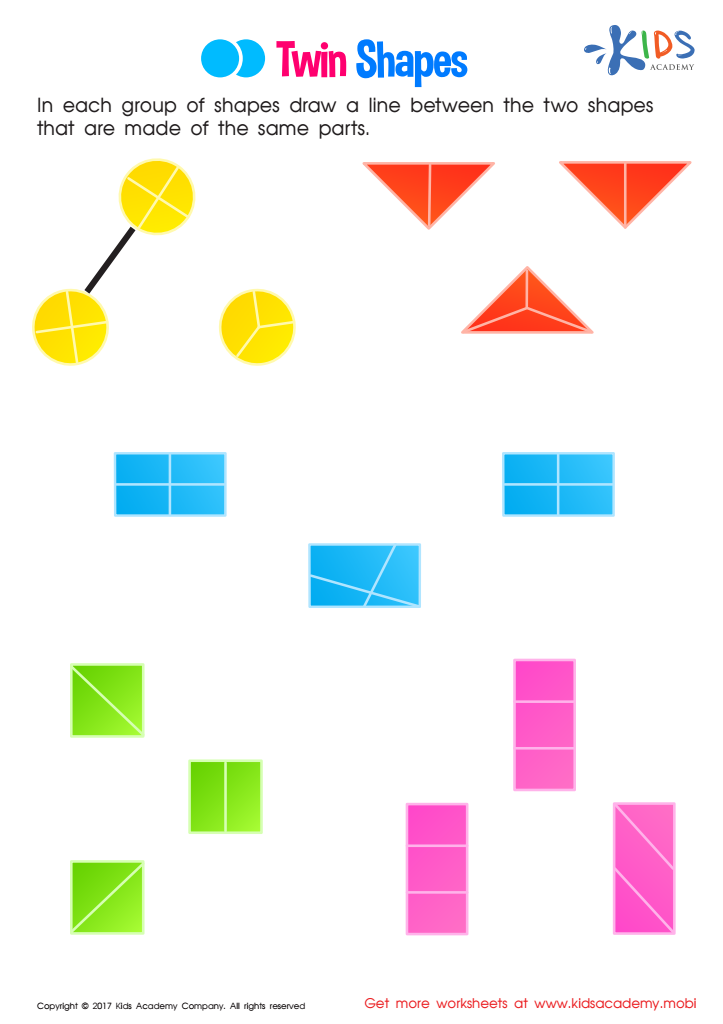
Twin Shapes Worksheet
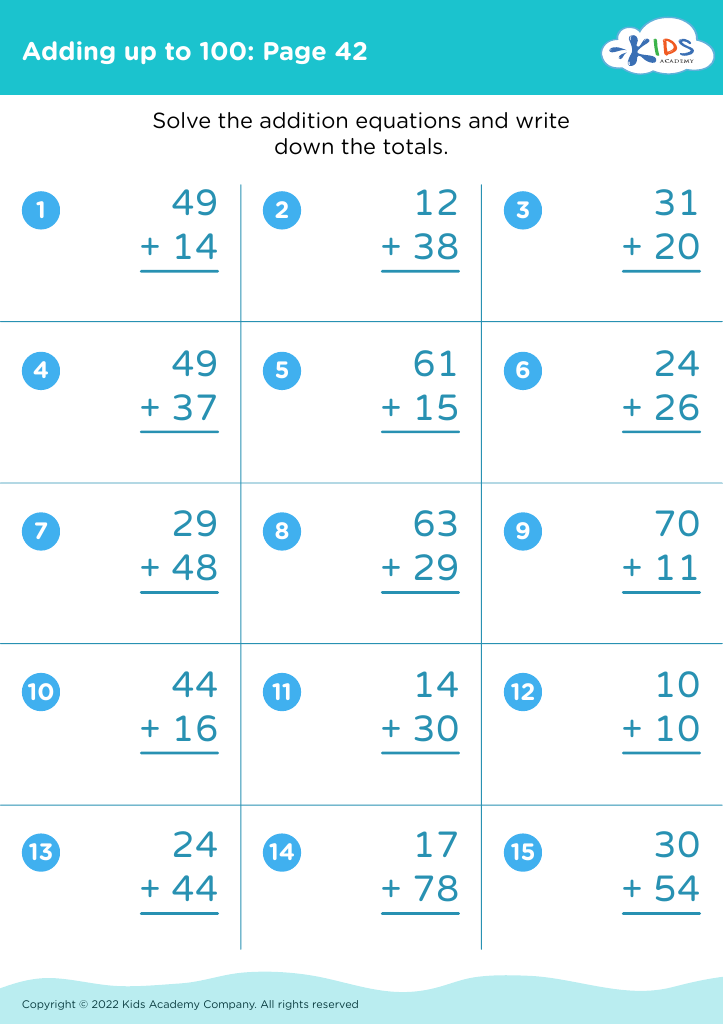
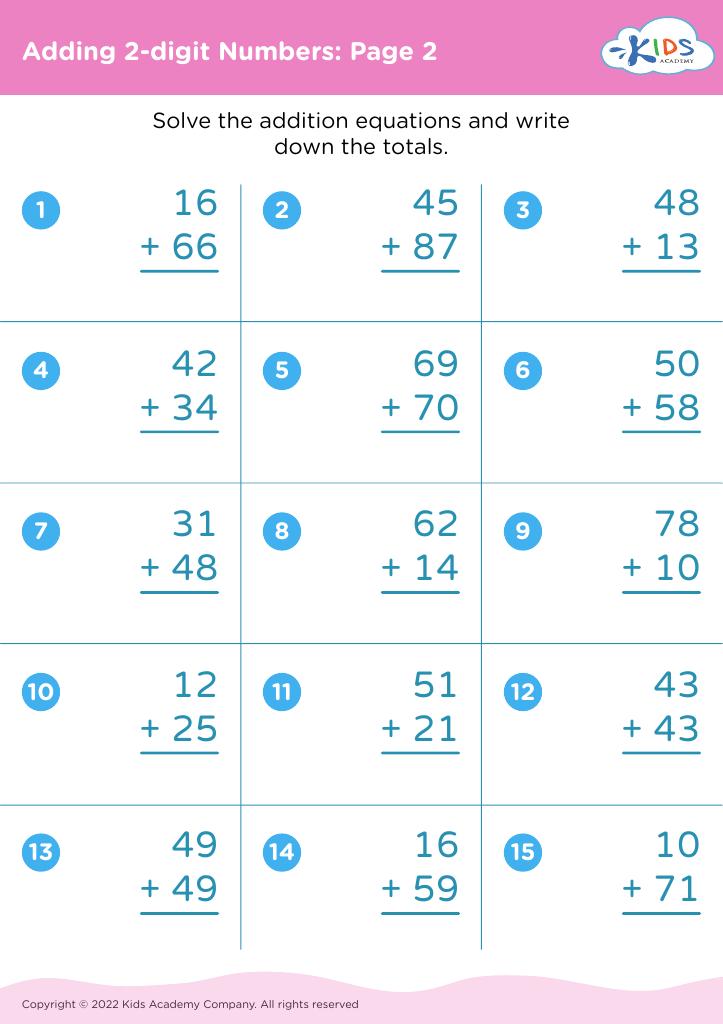
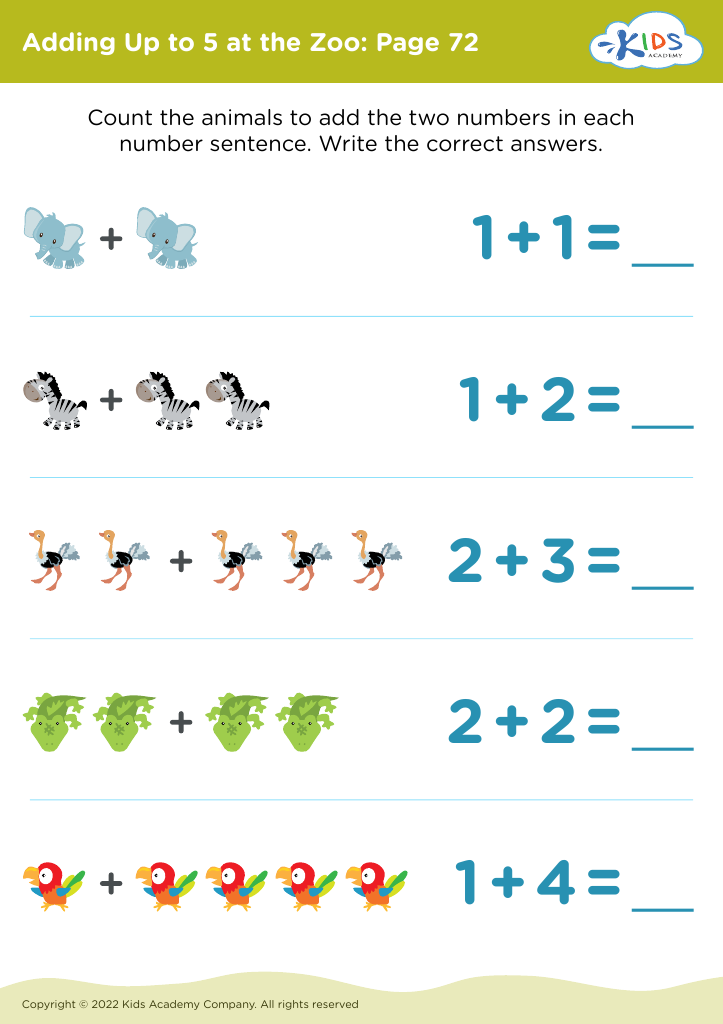
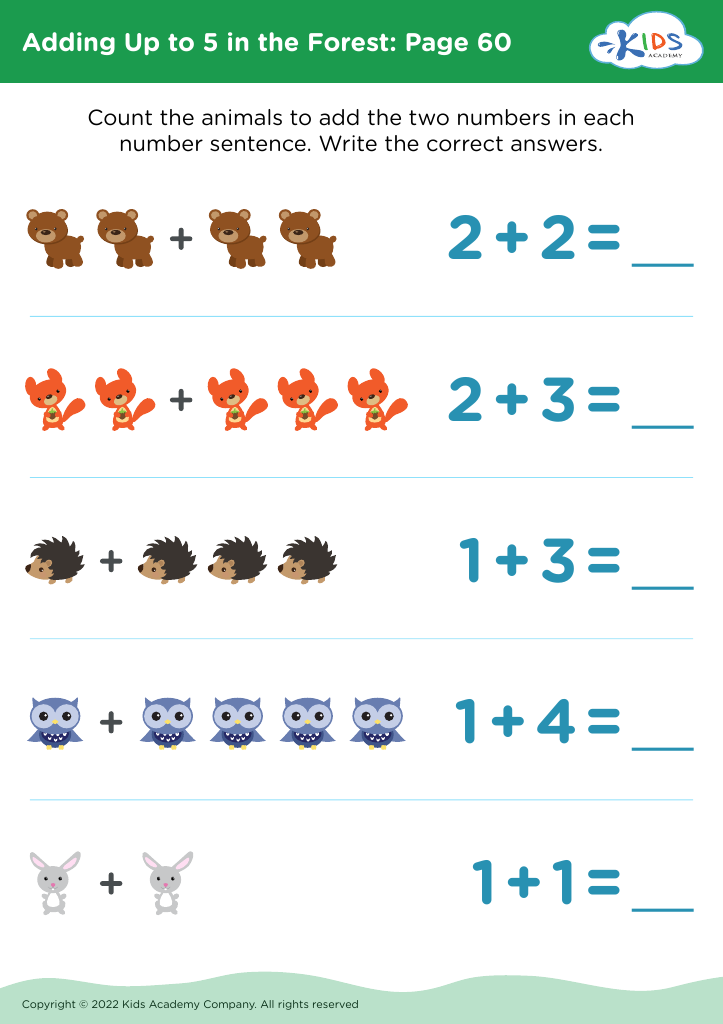
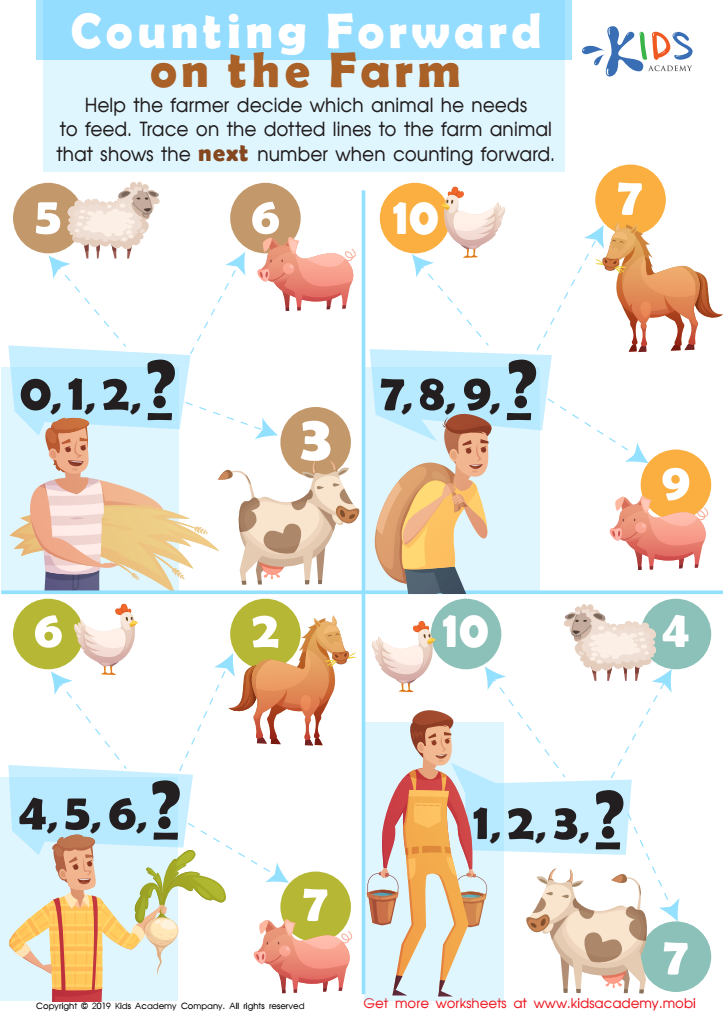
Counting Forward On the Farm Worksheet
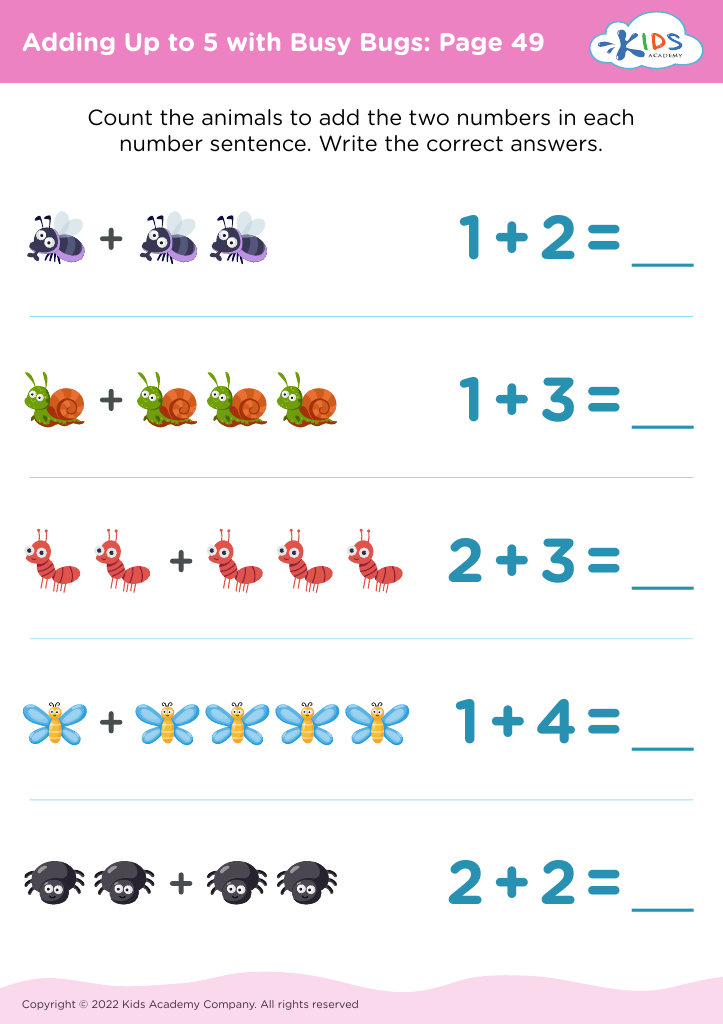
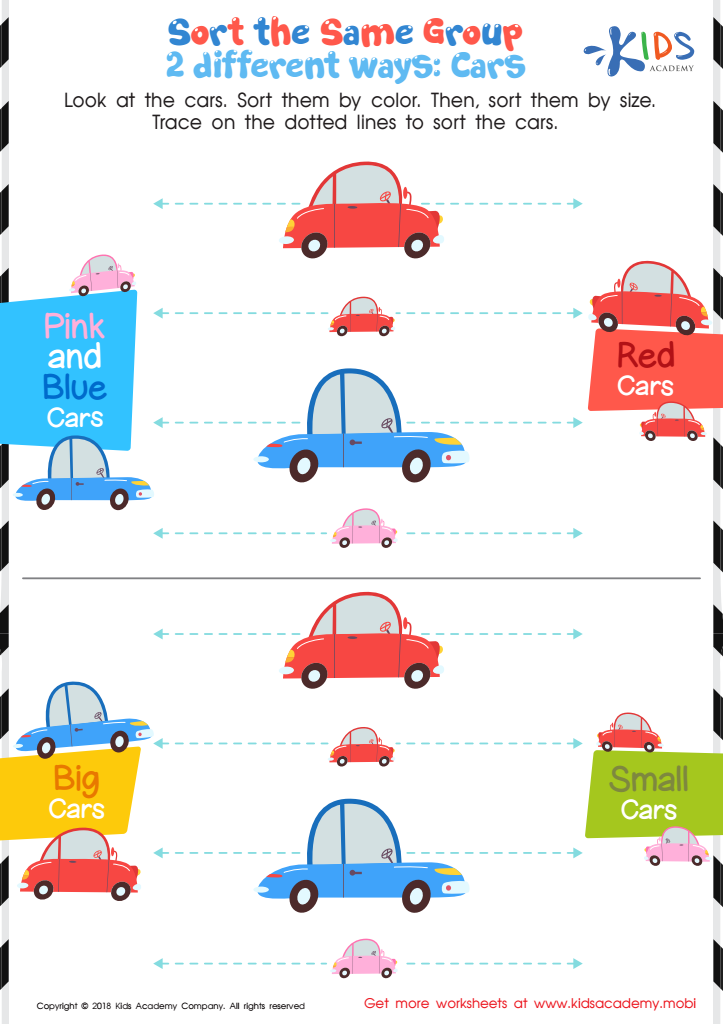
Sort the Same Group 2 Different Ways: Cars Worksheet
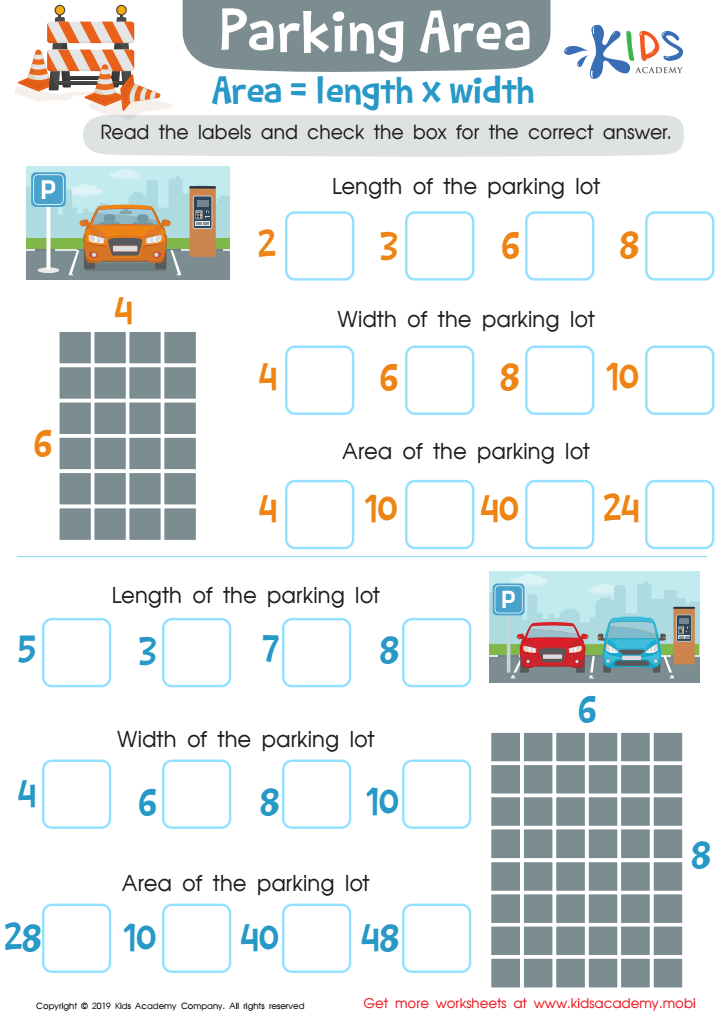
Parking Area Worksheet
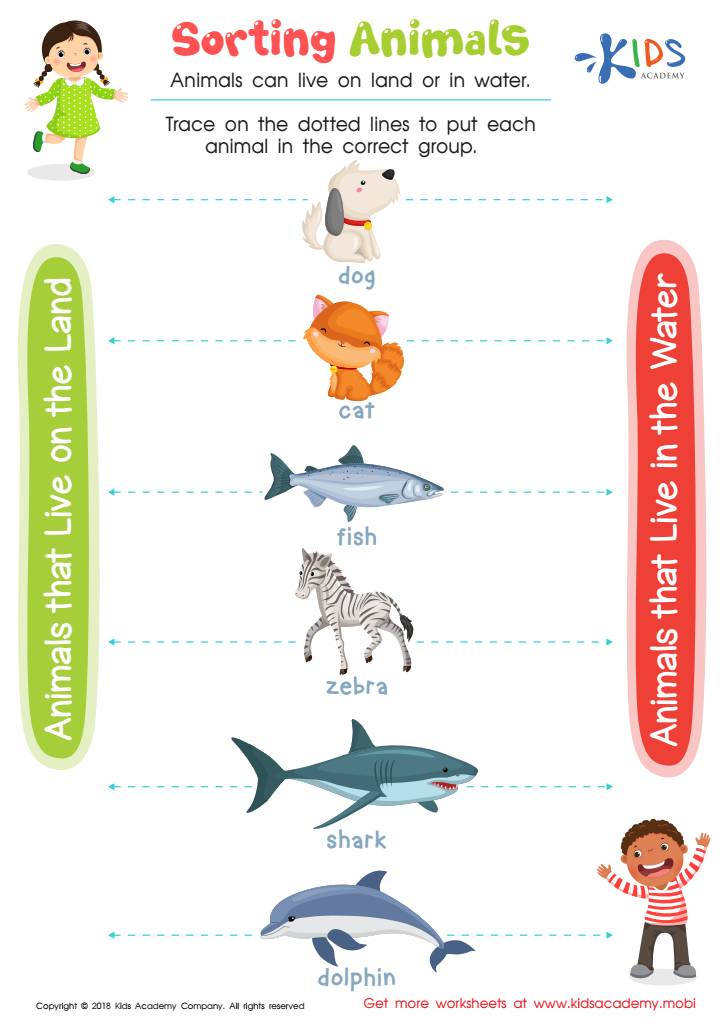
Sorting Animals Worksheet
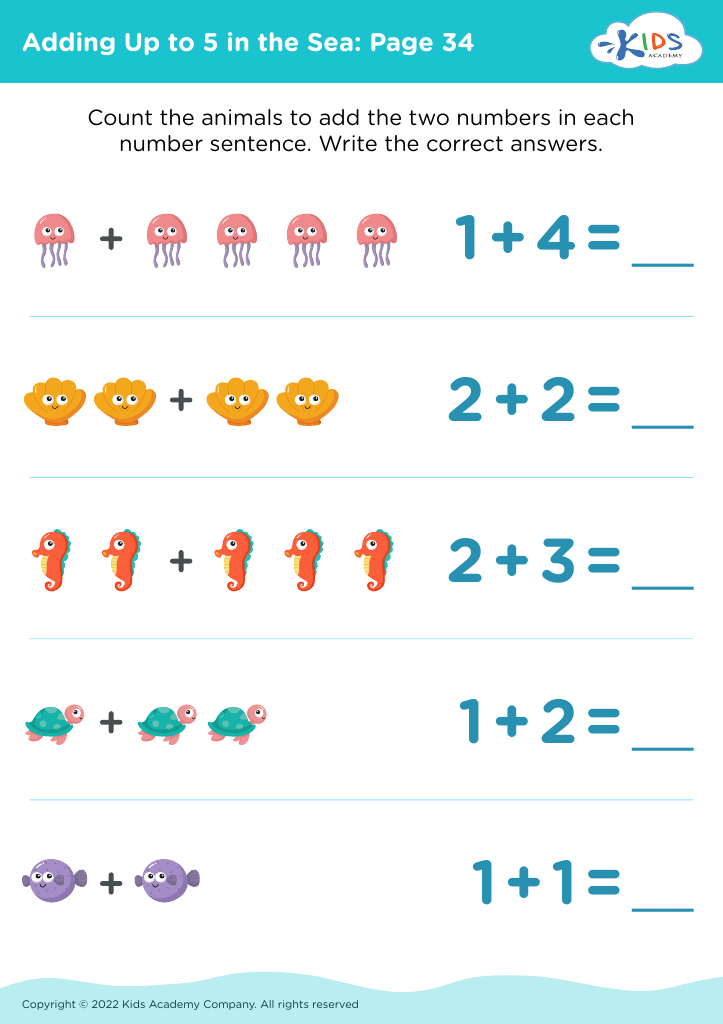
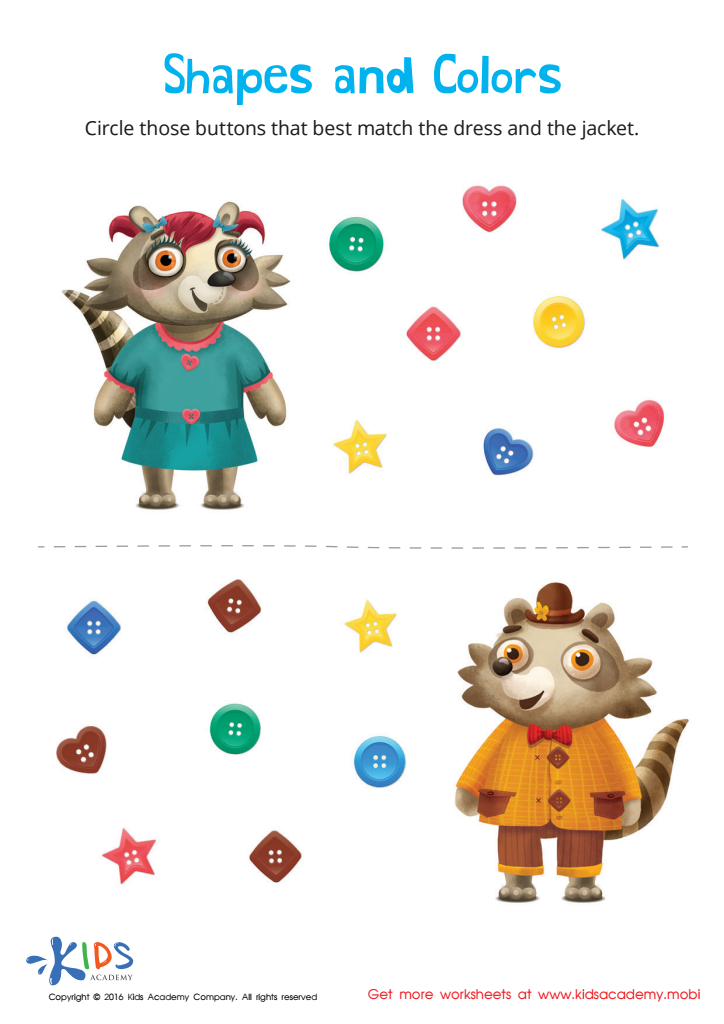
Matching: Shapes and Colors Worksheet
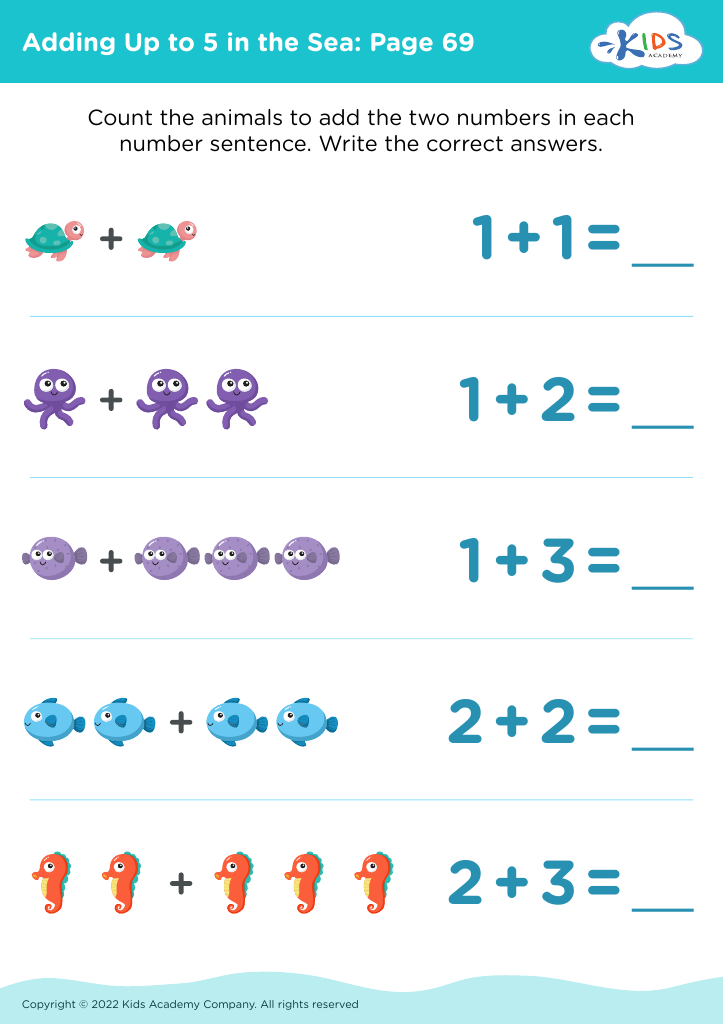
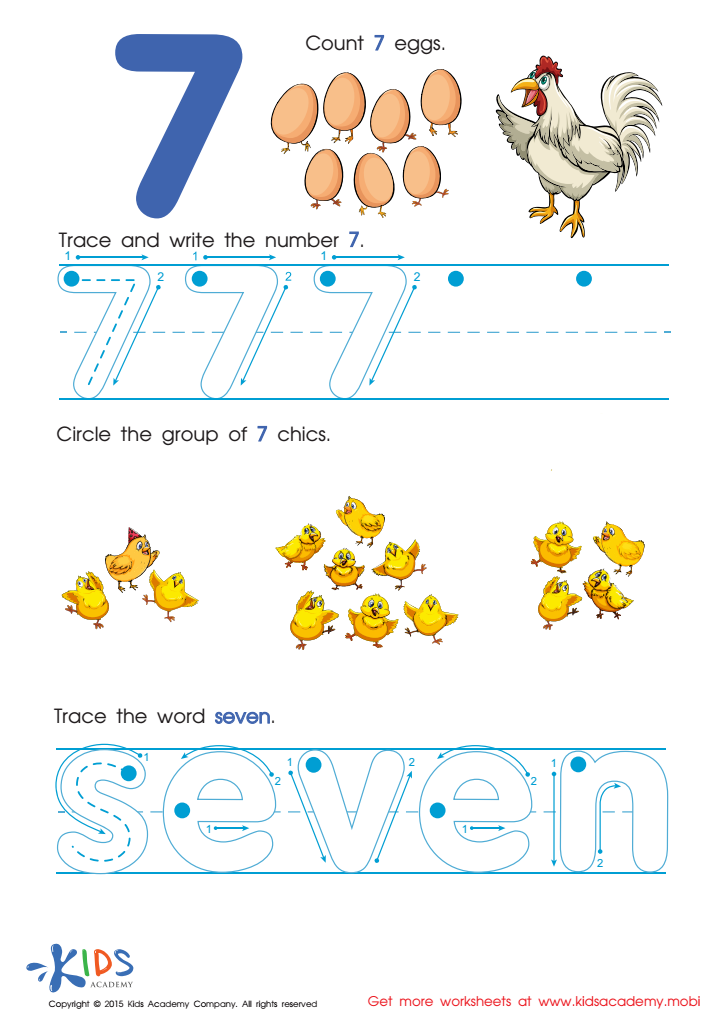
Trace And Write Number 7 with Fun Worksheet
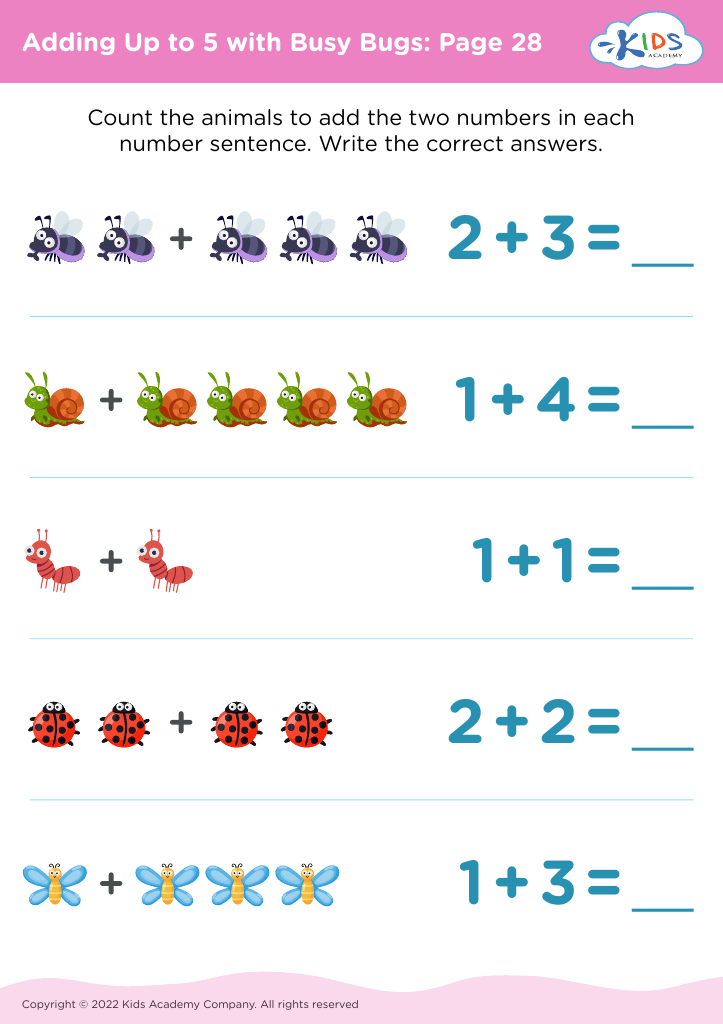
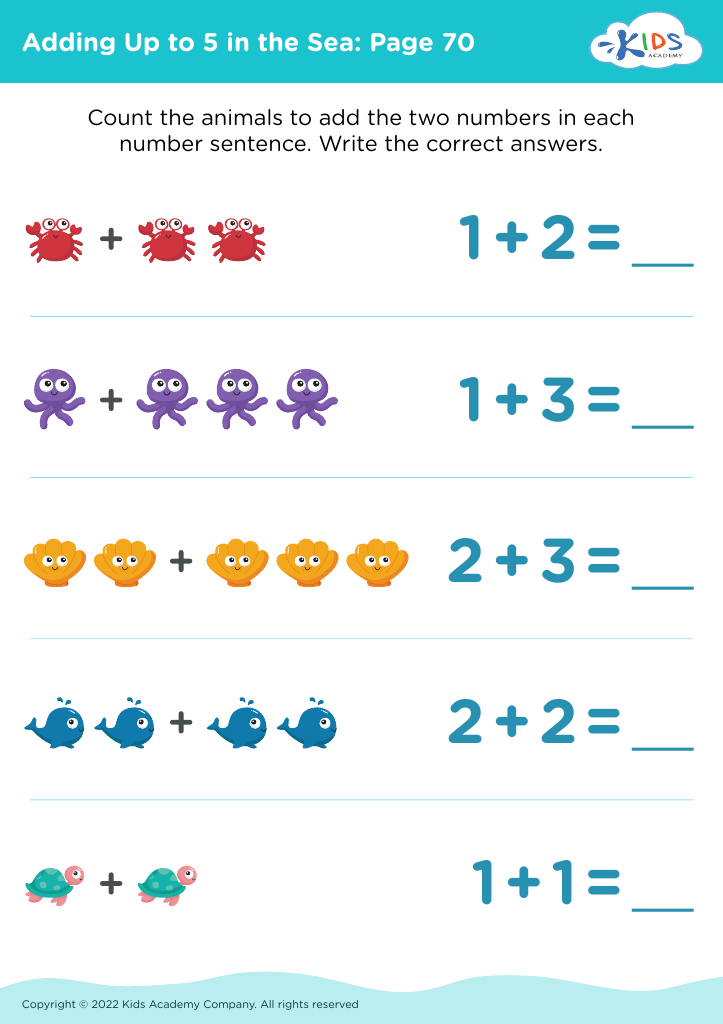
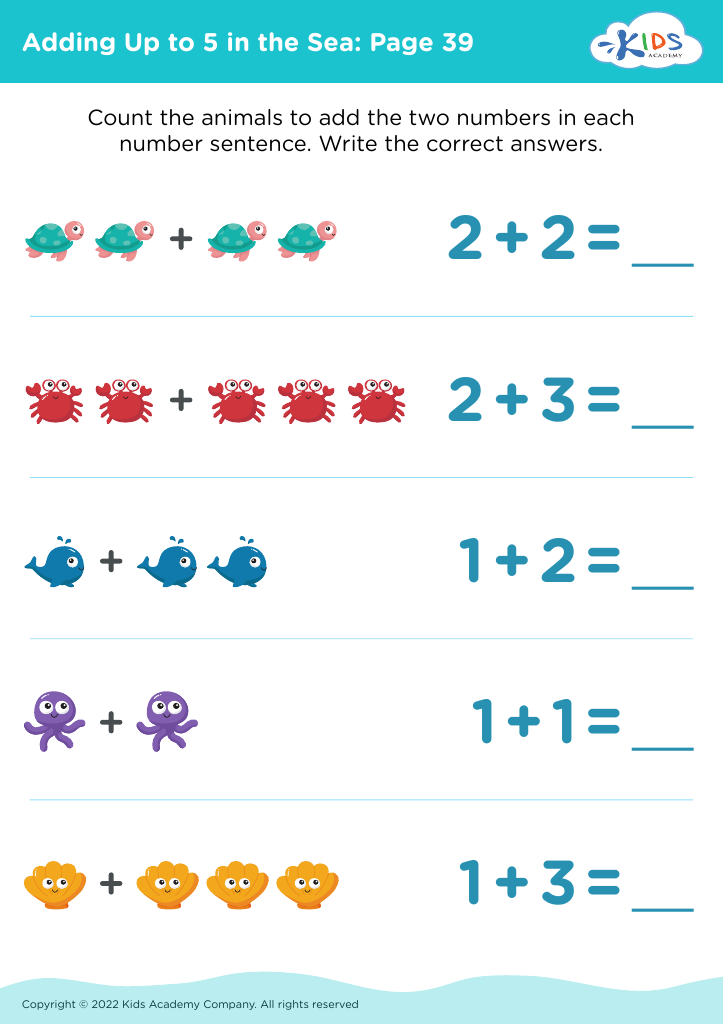








Cognitive development in mathematics for children ages 3-8 is immensely important, setting the foundation for future academic and life skills. During these critical early years, children's brains are exceptionally receptive to new information. Introducing mathematical concepts such as number sense, patterns, measurement, and basic arithmetic helps strengthen their problem-solving abilities and critical thinking skills.
Play-based learning activities, like counting objects, sorting shapes, and exploring spatial relationships, engage young minds in ways that are both enjoyable and educational. These activities develop children's ability to understand and manipulate numbers and patterns, which are essential skills not just for mathematics, but for science, technology, and everyday life.
Moreover, early math skills have been shown to be strong predictors of later academic success. Children who enter school with a solid understanding of basic math concepts tend to perform better not just in mathematics, but also in reading and overall school readiness assessments.
Parents and teachers play pivotal roles in nurturing this cognitive development. By providing age-appropriate challenges, encouraging curiosity, and praising effort, they can create a supportive learning environment where children build confidence and a positive attitude towards math learning. Investing time and resources in early math education pays off, setting a sturdy foundation for a child's future academic and personal achievements.








