
Comparing shapes Math Worksheets for Ages 3-8
6 filtered results
Difficulty Level
Grade
Age
-
From - To
Subject
Activity
Standards
Unlock your child's potential with our "Comparing Shapes Math Worksheets for Ages 3-8"! Designed to enhance early math skills, these fun and engaging worksheets help young learners differentiate, identify, and compare various shapes. Packed with colorful exercises, they make learning shapes an enjoyable adventure, promoting critical thinking and visual discrimination. Ideal for preschoolers and early-grade students, each worksheet lays a strong foundation for future math success. Created by education experts, these resources are perfect for classroom use or home study. Download today from Kids Academy and watch your child's confidence and competence in math soar!
Favorites
With answer key
Interactive
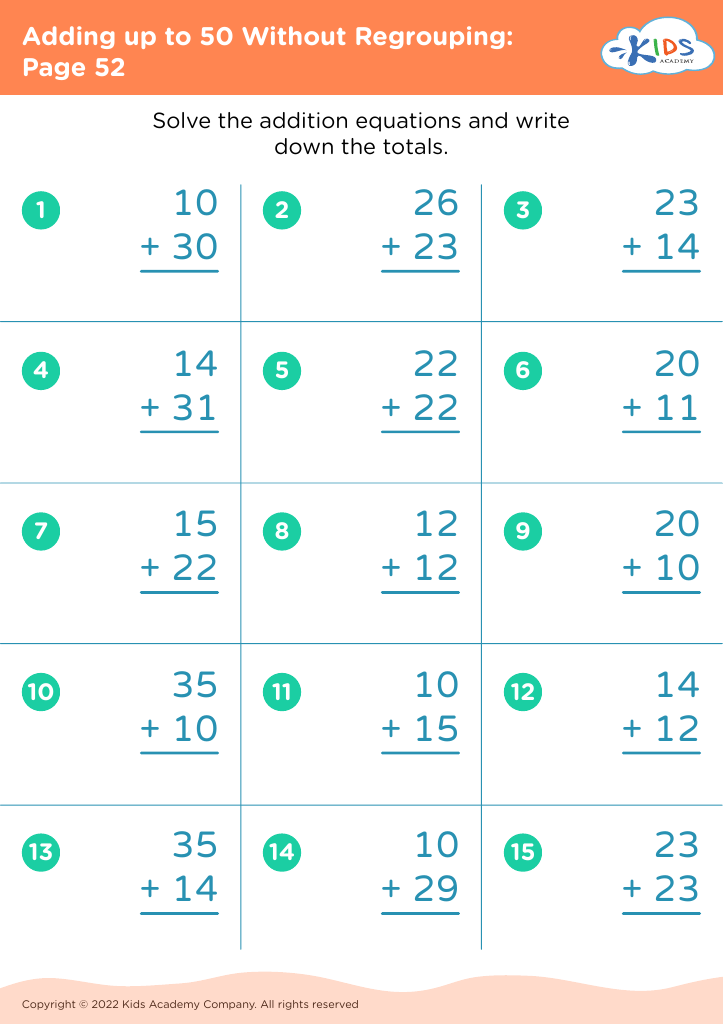
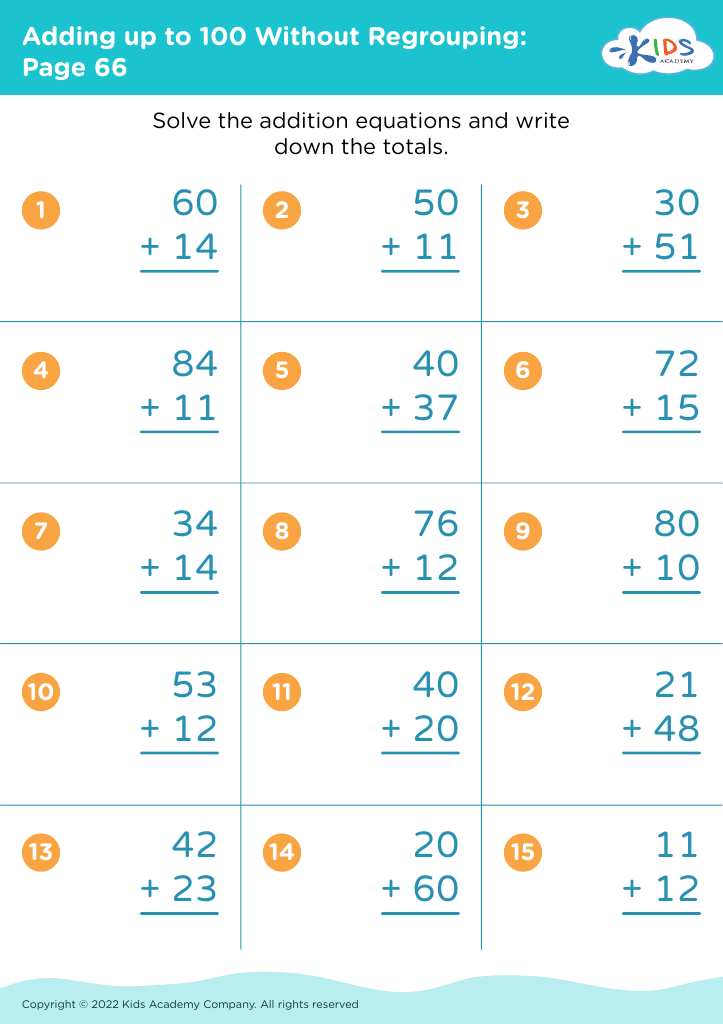
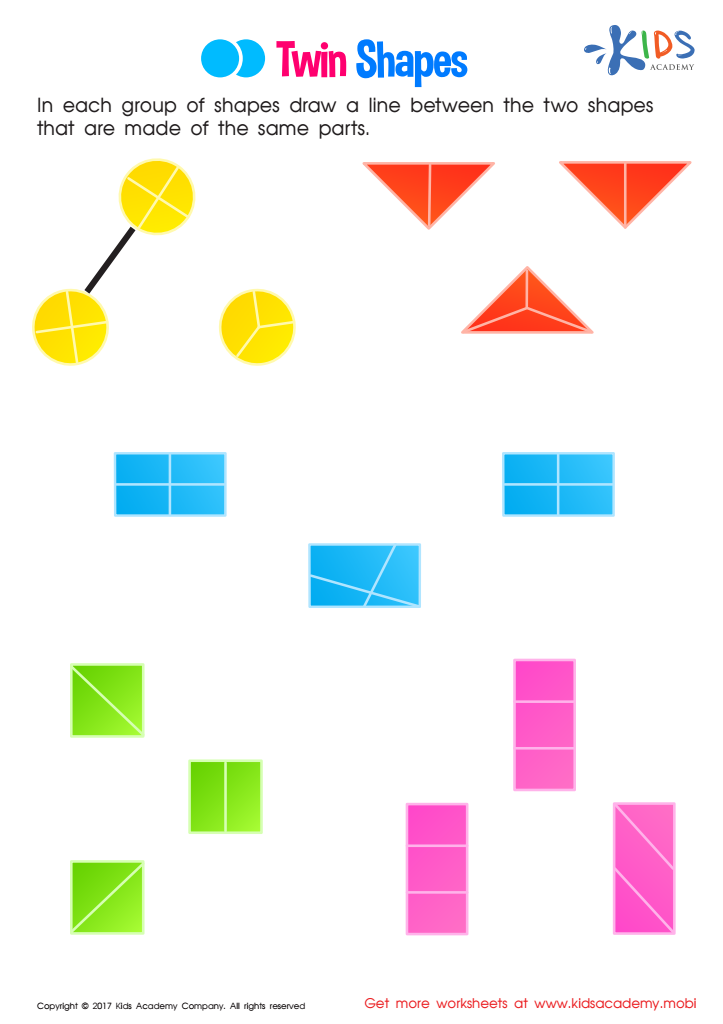
Twin Shapes Worksheet
Your students' goal in this worksheet is to find the twin shapes: drawing a line between two shapes made of the same parts. Likely, the first shapes encountered were circles, triangles, rectangles and squares - examples of which are seen frequently in everyday life. Encourage them to apply what they know and work out which is the twin shape!
 Assign to My Students
Twin Shapes Worksheet
Worksheet
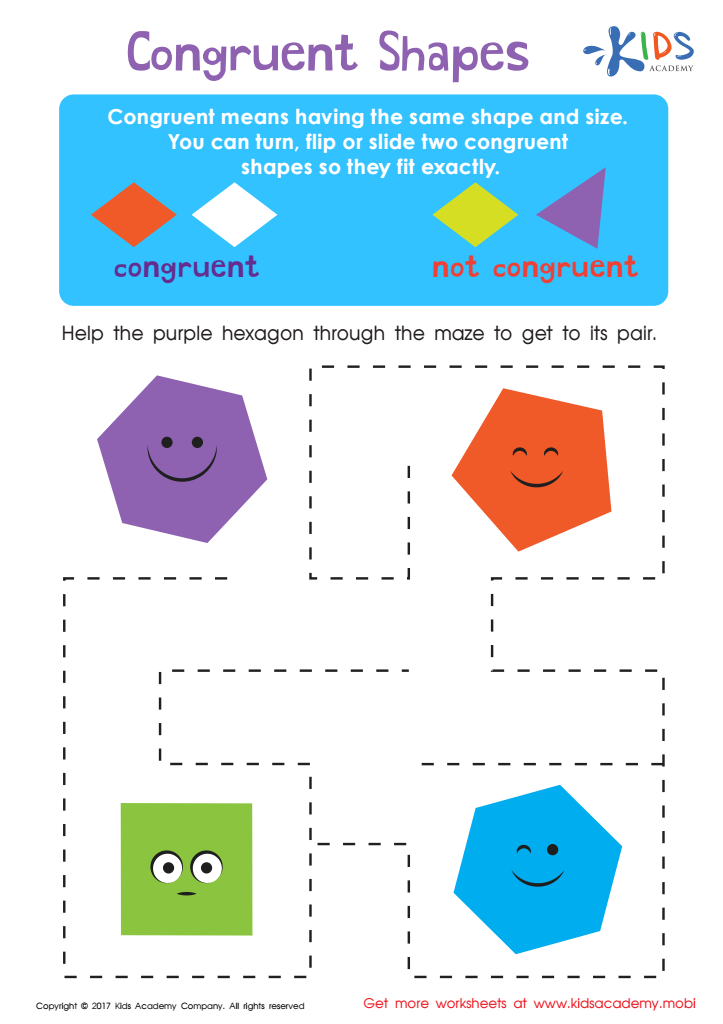
Congruent Shapes Worksheet
Help your child find the twin of the purple hexagon! This congruent shapes worksheet is great for increasing vocabulary while challenging mental rotation skills.
Congruent Shapes Worksheet
Worksheet
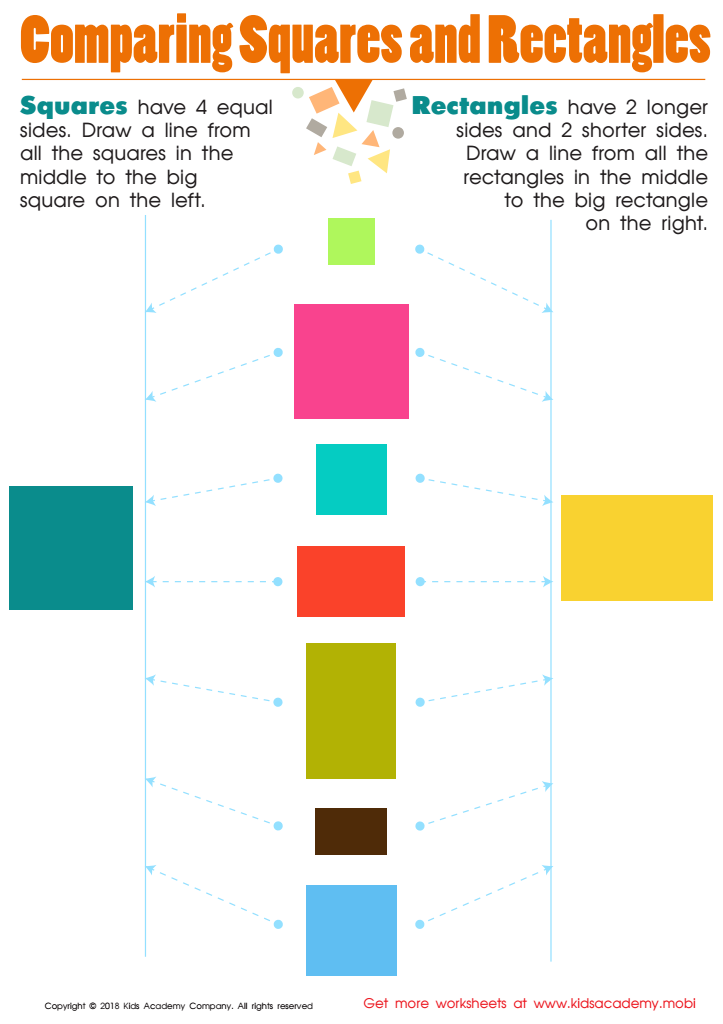
Comparing Squares Rectangles Worksheet
Help your little learner distinguish rectangles from squares with this fun geometry worksheet from Kids Academy! Read the definitions at the top, use the shapes on either side as a guide, then trace over the dotted line to match the rectangles and squares!
Comparing Squares Rectangles Worksheet
Worksheet
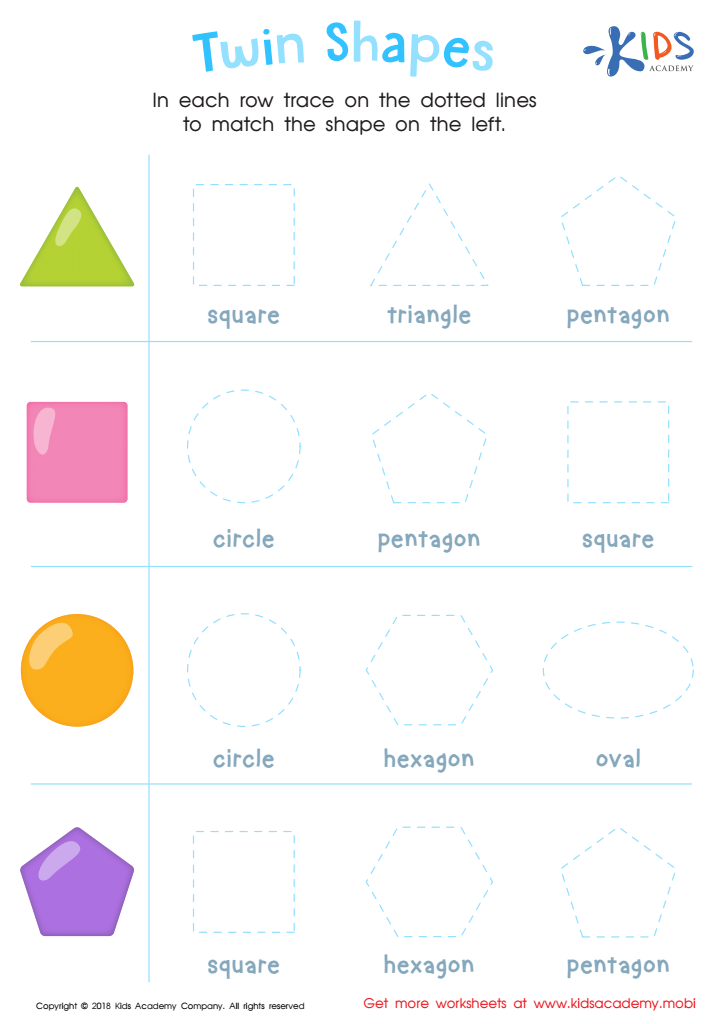
Twin Shapes Dot-to-Dot Worksheet
Test your child's ability to copy with this worksheet. Ask them to find and name the four shapes on the left. Then, they must match each with the dotted lines on the right. Help your child with all four shapes in this fun exercise.
Twin Shapes Dot-to-Dot Worksheet
Worksheet
Join Kids Academy for Free
Who is primarily going to use this learning content?








Comparing shapes is a foundational math skill that significantly benefits young children aged 3-8 in multiple developmental areas. Firstly, recognizing and matching shapes enhances spatial awareness, which is crucial for understanding the relationships between different objects and positions in the environment. This early spatial reasoning is a predictor of later success in more complex areas of math and science.
Secondly, comparing shapes helps in developing visual discrimination skills. Children learn to notice differences and similarities in the characteristics of shapes such as size, sides, and angles, which aids in problem-solving and critical thinking. This process lays the groundwork for recognizing patterns, an essential math skill.
Moreover, the language skills of children are improved through these activities as they learn terms like "bigger," "smaller," "same," and "different." This vocab-building exercise enhances their ability to communicate and understand descriptions of objects and spaces around them.
Additionally, comparing shapes aligns well with cross-curricular activities, integrating math with art and physical play, making learning engaging and holistic. Ensuring that children are adept at comparing shapes helps create a robust foundation for future mathematical concepts, ultimately contributing to their cognitive and academic growth.
In essence, focusing on comparing shapes provides young children with essential skills that are instrumental in their overall development, laying a strong foundation for academic and real-world success.








