
Fine Motor Skills (coloring) Math Worksheets for Ages 3-8
9 filtered results
Difficulty Level
Grade
Age
-
From - To
Subject
Activity
Standards
Welcome to our collection of Fine Motor Skills coloring math worksheets designed for children aged 3-8! These engaging resources blend creativity with essential math concepts, helping young learners develop their fine motor abilities while grasping foundational skills. Children will enjoy coloring fun illustrations related to numbers and shapes, fostering hand-eye coordination and dexterity. Each worksheet enhances cognitive skills and introduces basic math in a playful, interactive way. Perfect for classroom settings or home learning, our worksheets provide an excellent opportunity for early learners to stay engaged and excited about learning. Help your child discover the joy of math and creativity today!
Favorites
With answer key
Interactive
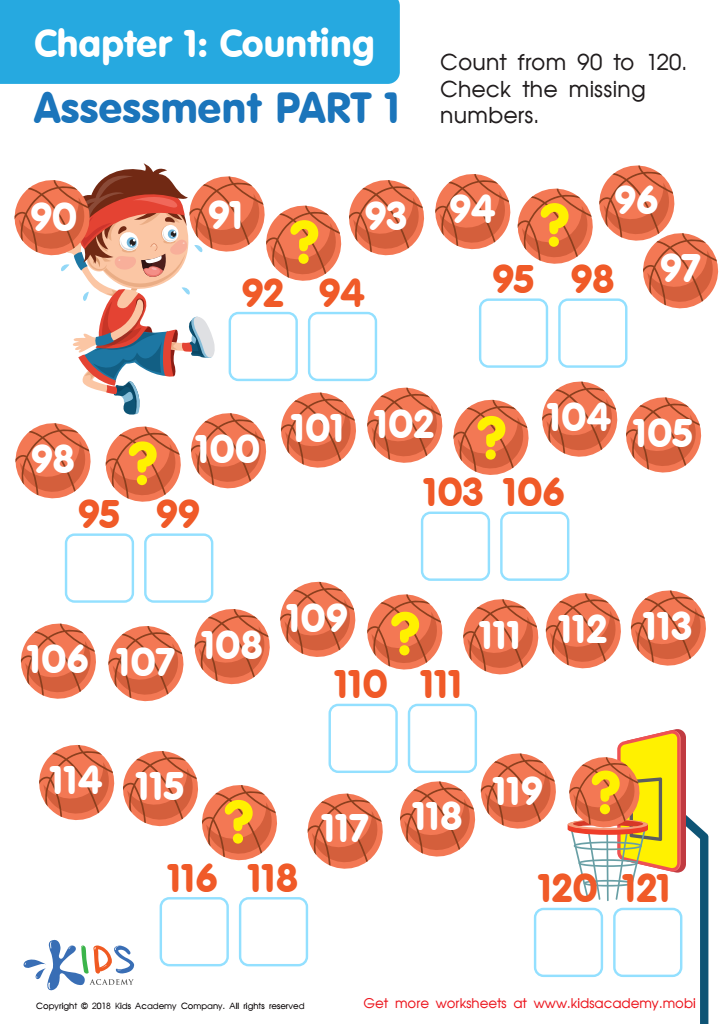
Counting Past 1: Assessment 1 Worksheet
Test your children's counting skills with this worksheet. Have them count from 90 to 120, checking for missing numbers. You'll be able to see how well they do and how far they have progressed. See how high they can count with little or no mistakes!
 Assign to My Students
Counting Past 1: Assessment 1 Worksheet
Worksheet
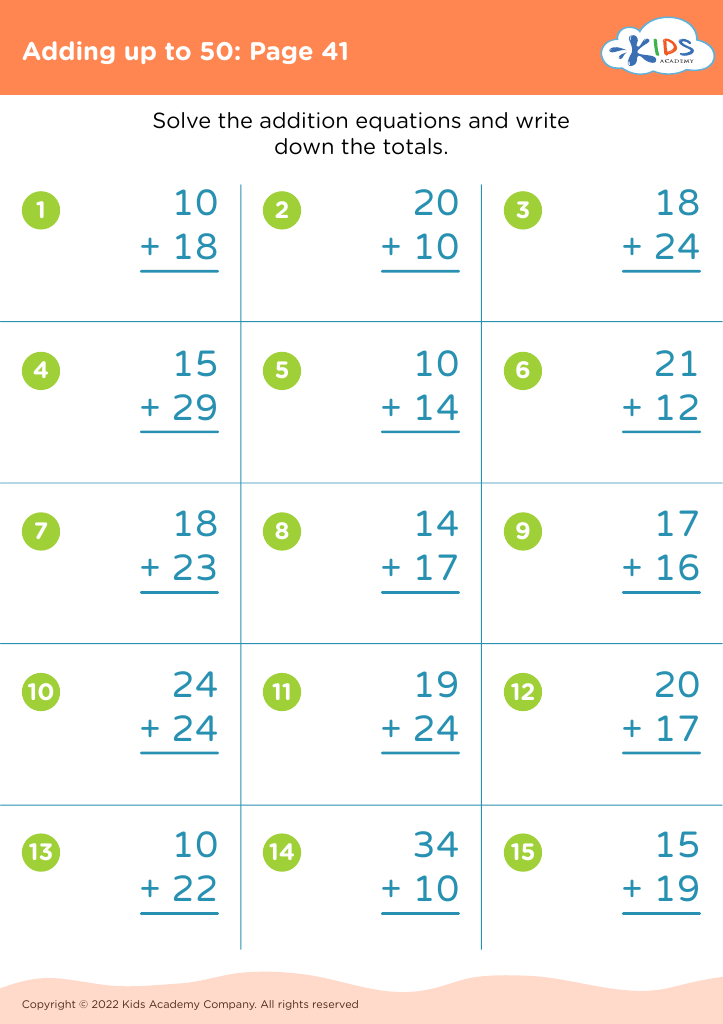
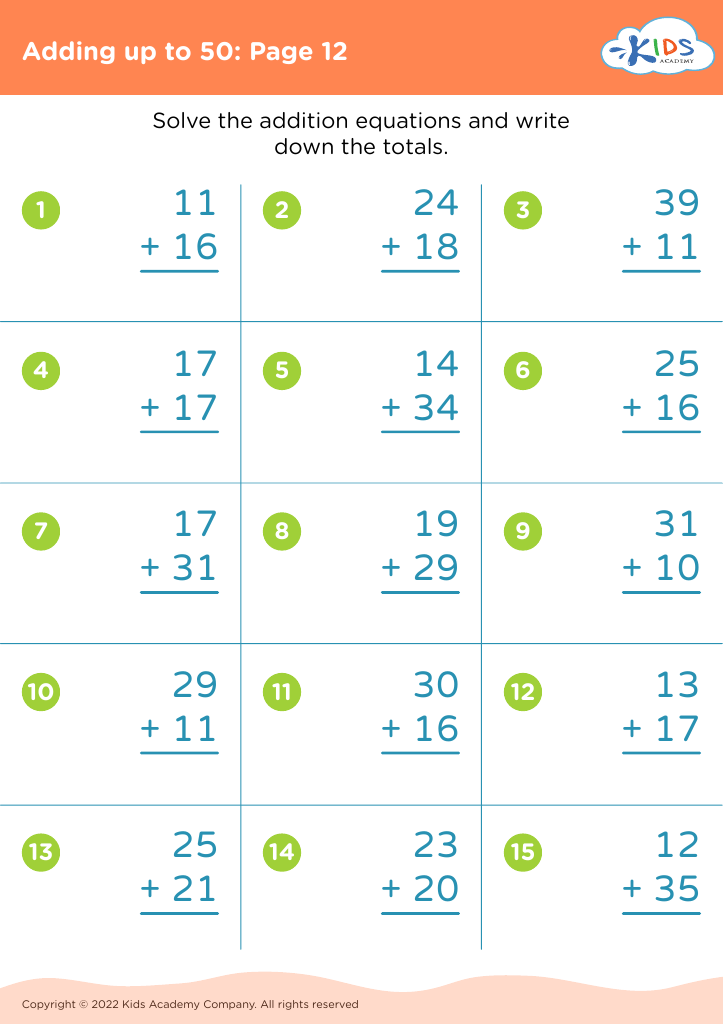
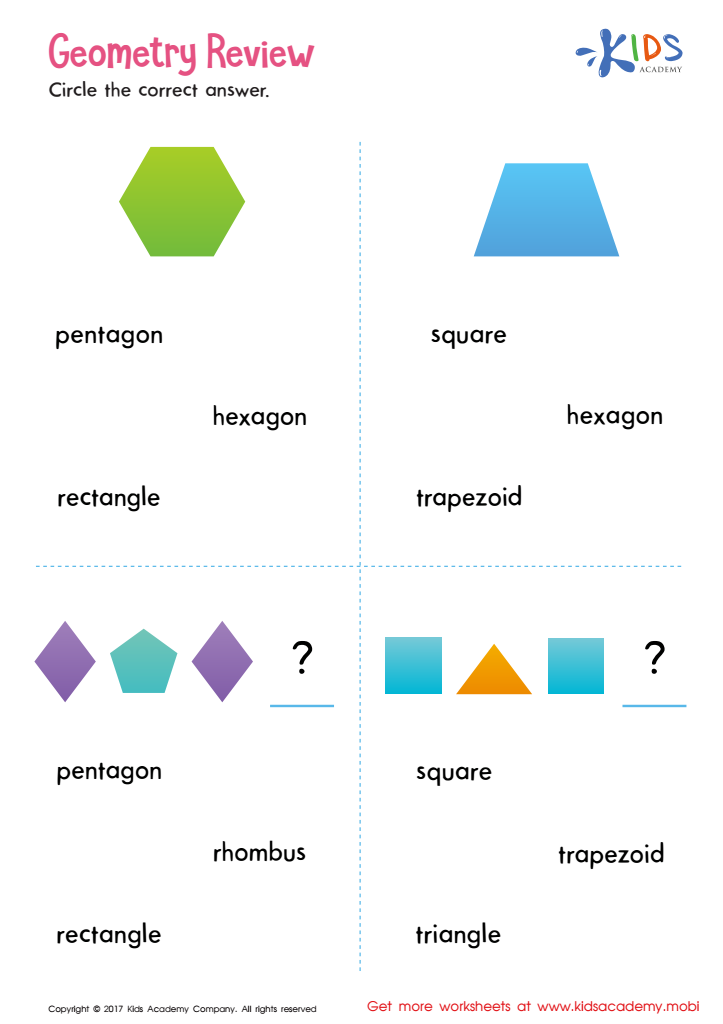
Geometry Review Printable
Repetition is key to success; give your child the practice they need with this geometry worksheet.
Geometry Review Printable
Worksheet
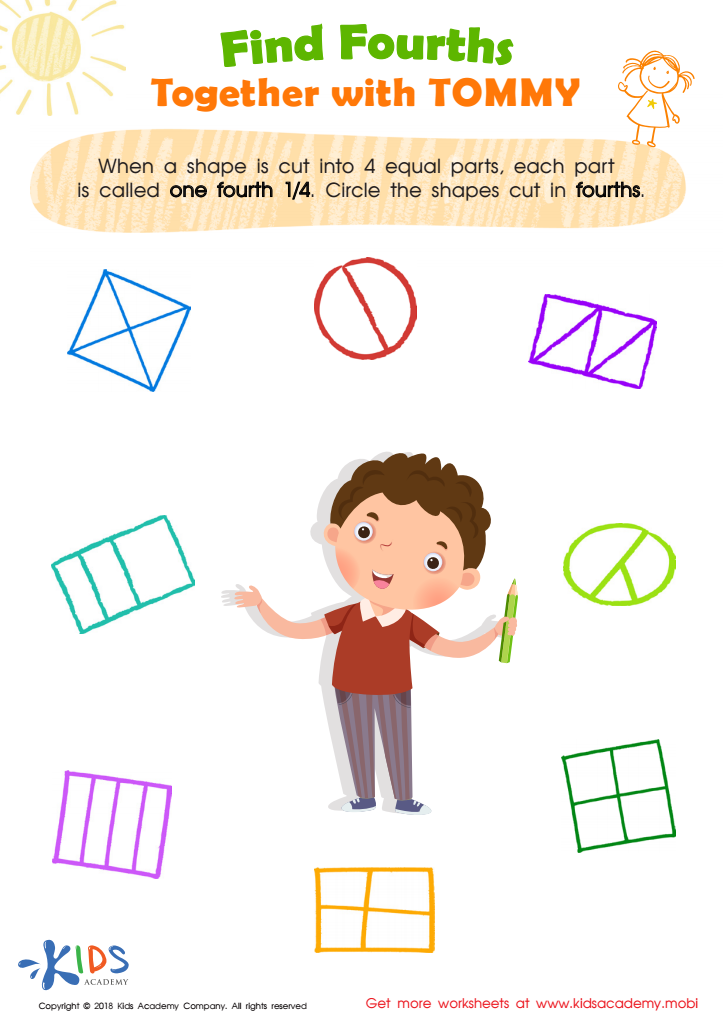
Find Fourths Together with Tommy Worksheet
Teach your kids fractions with this easy and fun worksheet! They should already know that two equal parts is a half, and three is a third. Now, help them understand one fourth (¼) by asking them to circle shapes that are divided into four parts. Make fractions learning stress-free for you and your children!
Find Fourths Together with Tommy Worksheet
Worksheet
Join Kids Academy for Free
Who is primarily going to use this learning content?



.jpg)
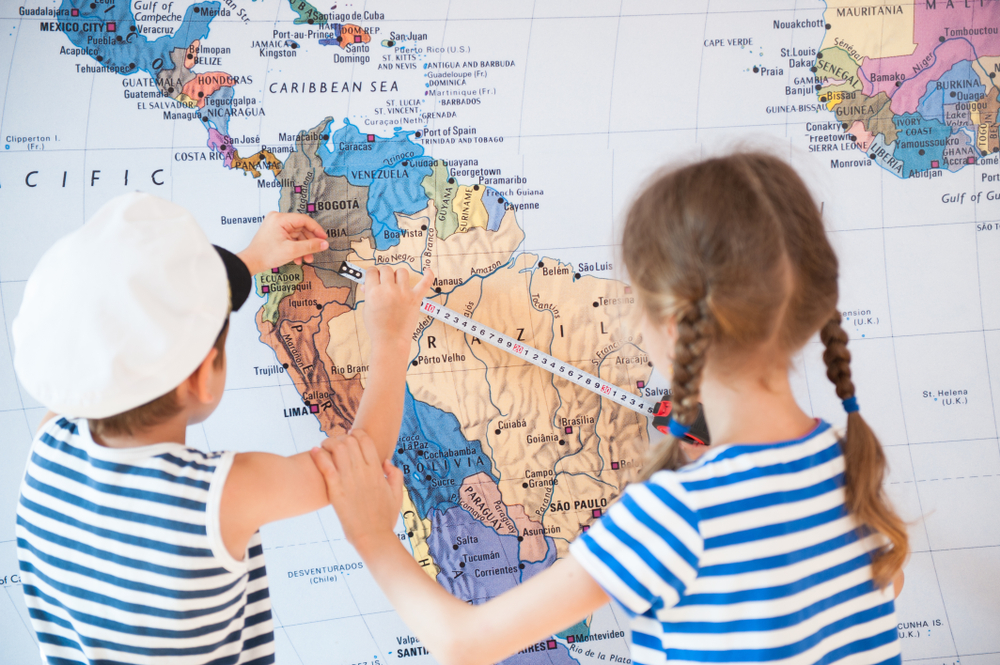



Fine motor skills are crucial for children aged 3-8 as they lay the groundwork for various academic and everyday tasks. Engaging in activities like coloring helps strengthen the small muscles in the hands and fingers, which is vital for tasks such as writing, tying shoelaces, and manipulating small objects. As children grip crayons or paintbrushes, they develop hand-eye coordination and dexterity, essential for later learning in mathematics, such as counting and recognizing shapes.
Furthermore, incorporating math concepts during coloring can enhance cognitive development. For example, coloring within lines helps children understand shapes, patterns, and sizes, while discussing colors introduces basic math vocabulary. These activities encourage spatial awareness and promote critical thinking—a foundation for future problem-solving skills in mathematics.
Teachers and parents should prioritize these skills, as they contribute significantly to a child's overall development. By fostering fine motor skills through enjoyable activities, children can gain confidence in their abilities, paving the way for a positive learning experience. As they transition into more complex tasks, a strong grasp of fine motor skills will empower them and facilitate success in school and everyday life. Investing in these early skills is an investment in a child's future.








