Fraction simplification Math Worksheets for Ages 3-8
58 filtered results
-
From - To
Discover our engaging Fraction Simplification Math Worksheets designed for children ages 3-8! Perfect for early learners, these printable worksheets introduce basic fraction concepts in a fun and interactive way. Kids will explore simplifying fractions through colorful visuals and hands-on activities, enhancing their understanding and confidence in math. Our carefully crafted exercises promote critical thinking and problem-solving skills while ensuring foundational knowledge. Ideal for teachers and parents alike, these worksheets make learning fractions enjoyable and accessible. Start your child's journey to math mastery today with our exciting fraction simplification resources! Visit us now to download your worksheets and ignite a love for learning!
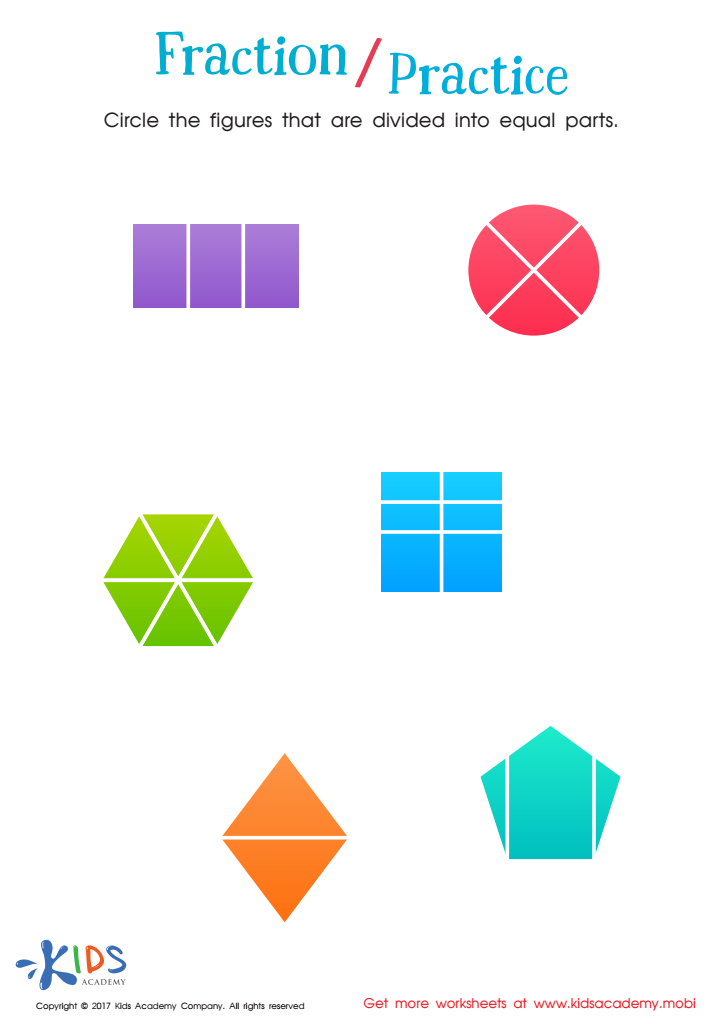
Fractions: Shapes Worksheet
 Assign to My Students
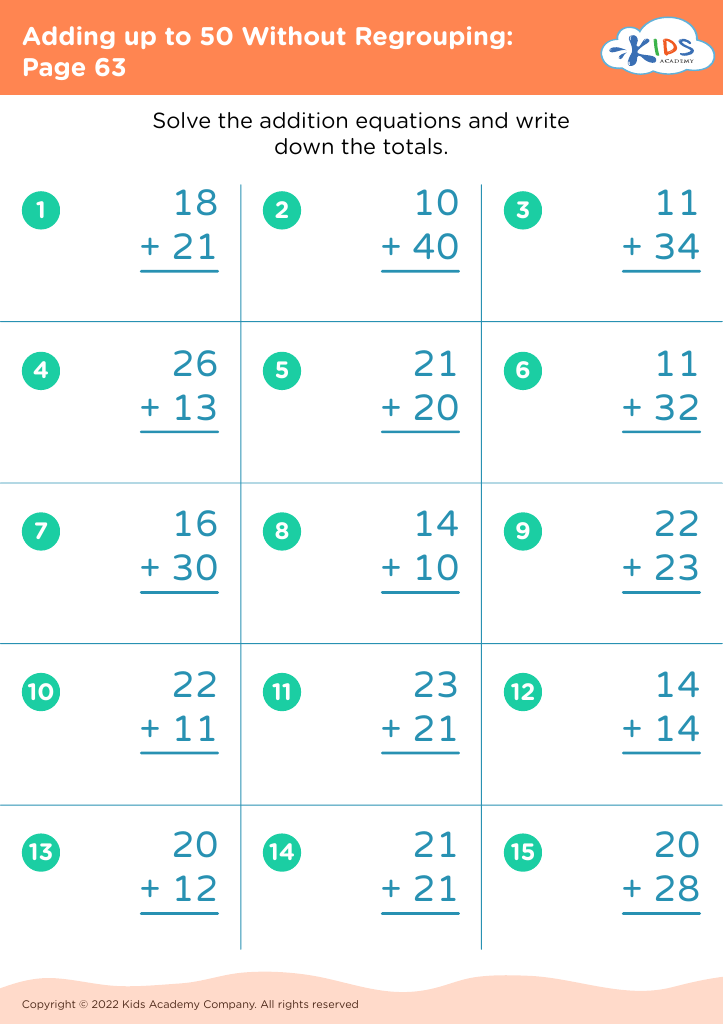
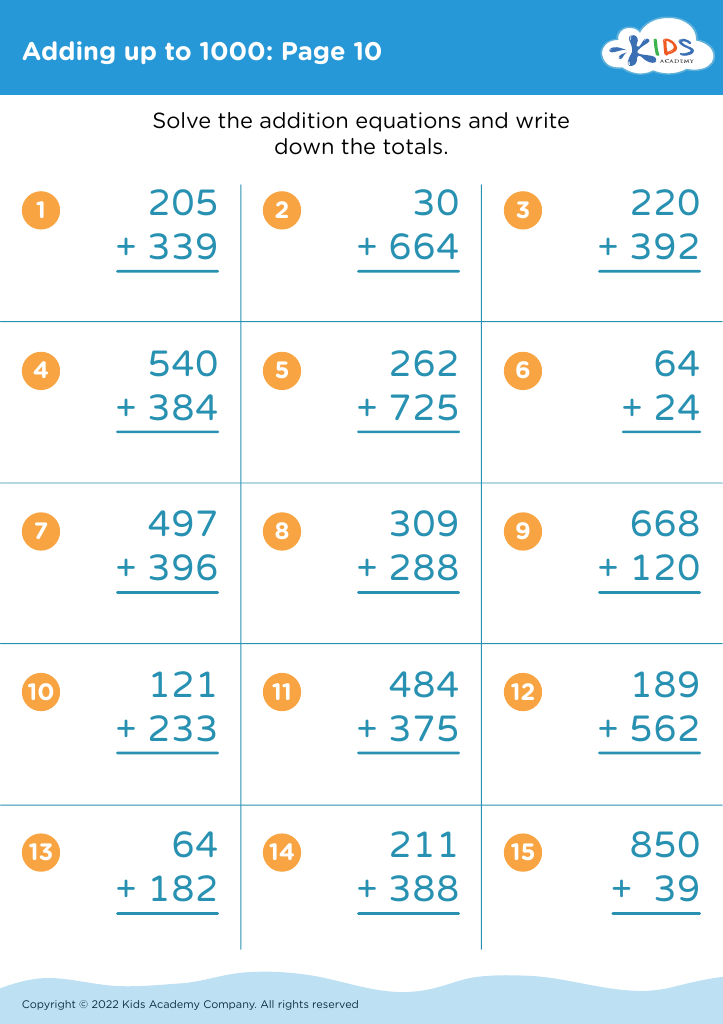
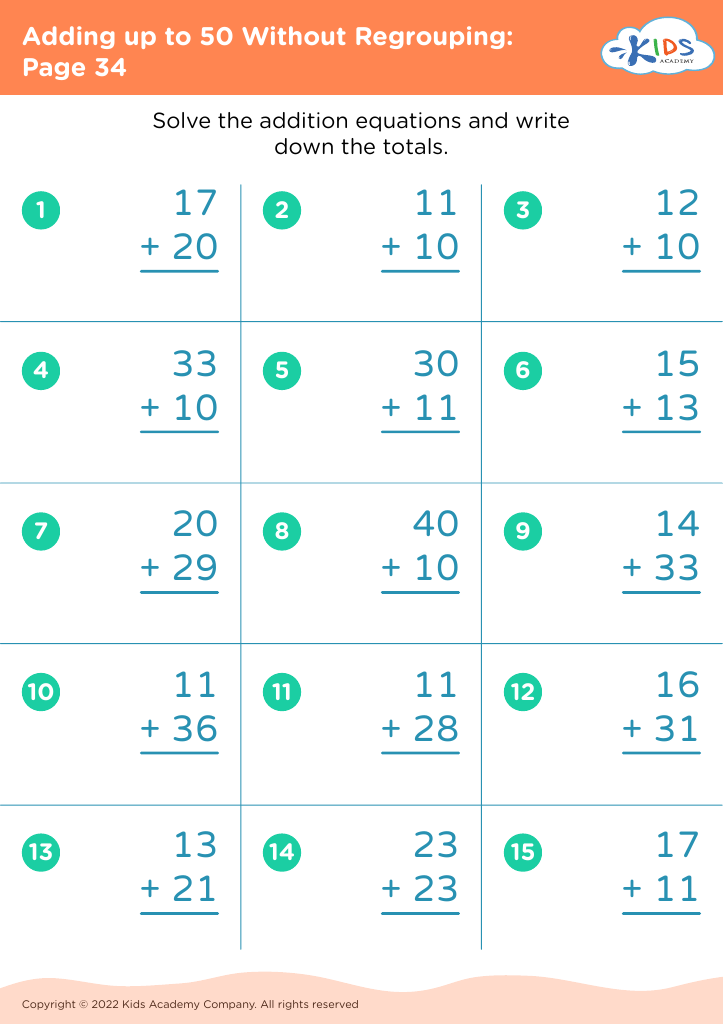
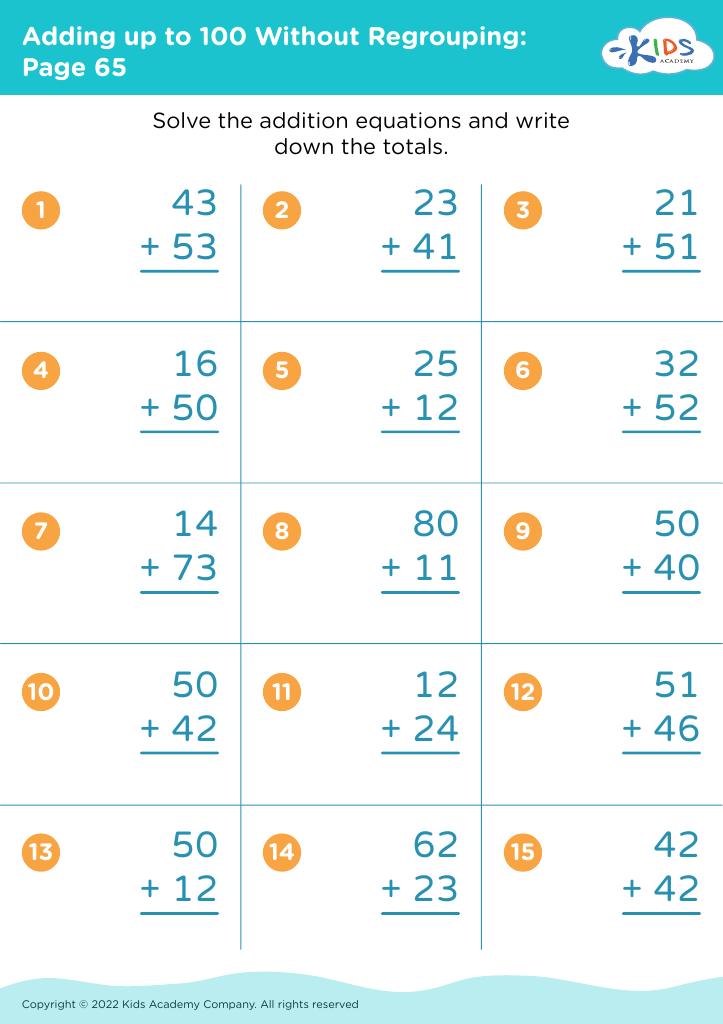
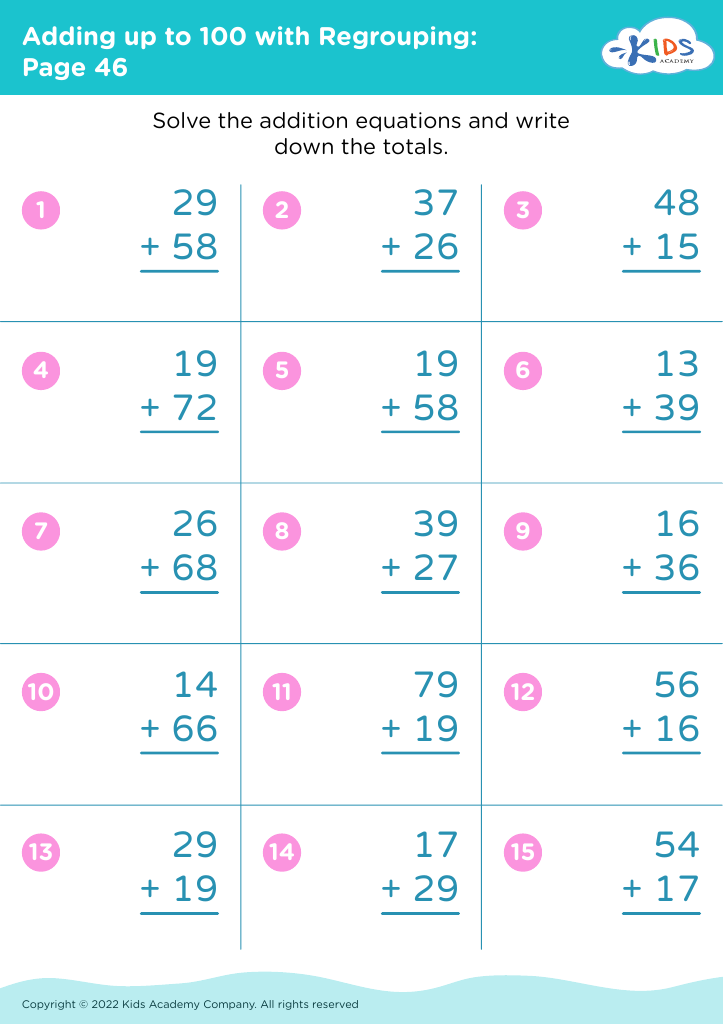
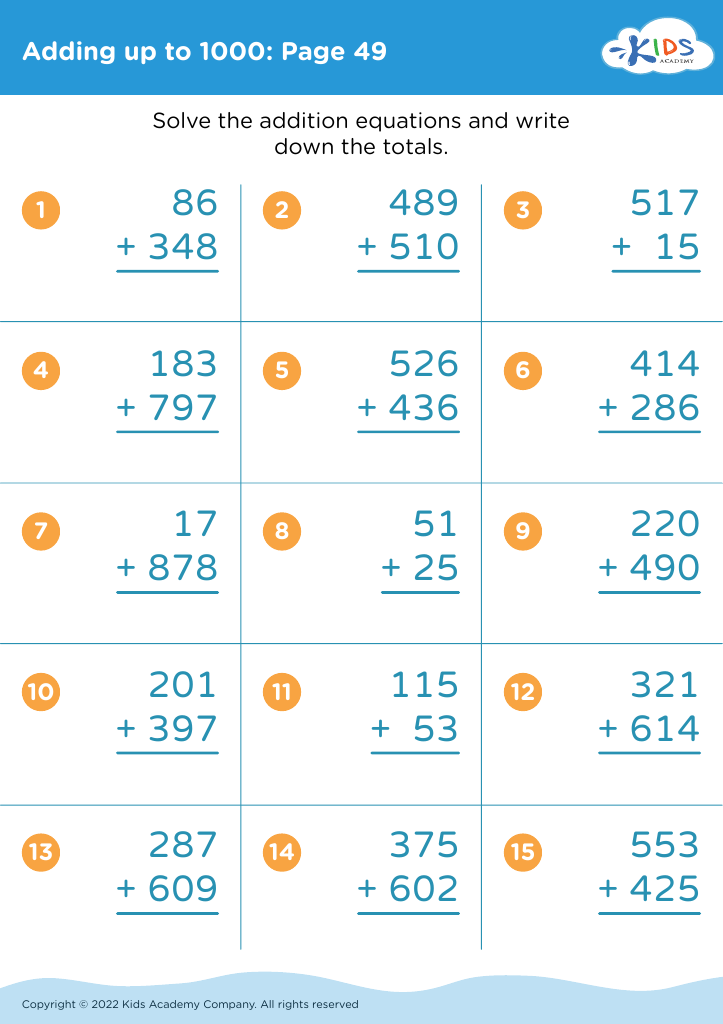
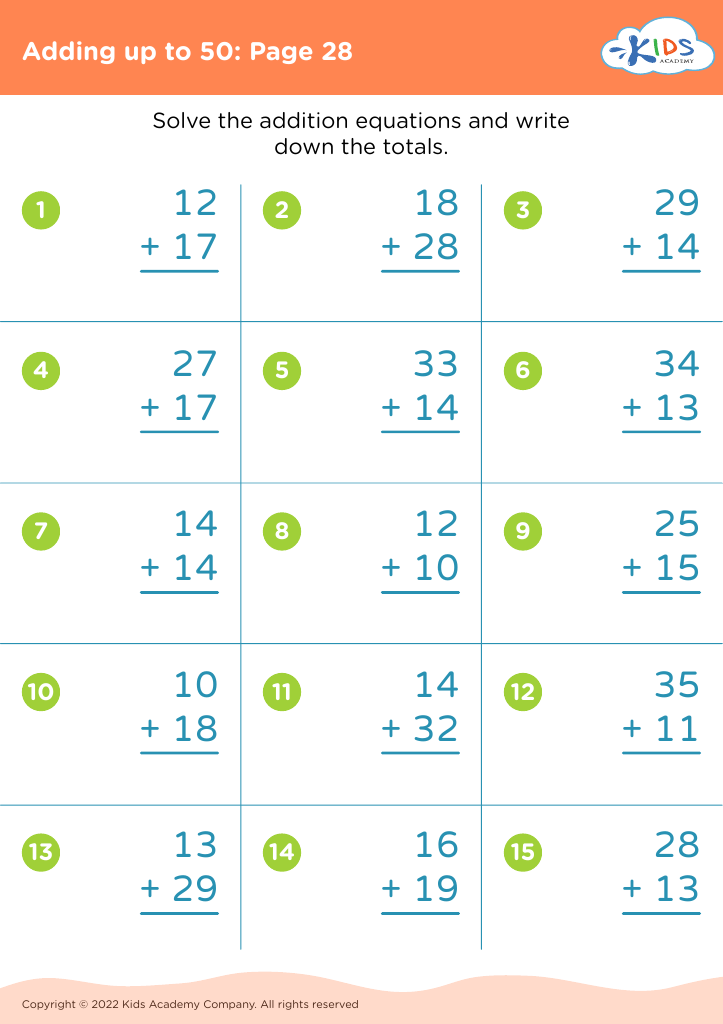
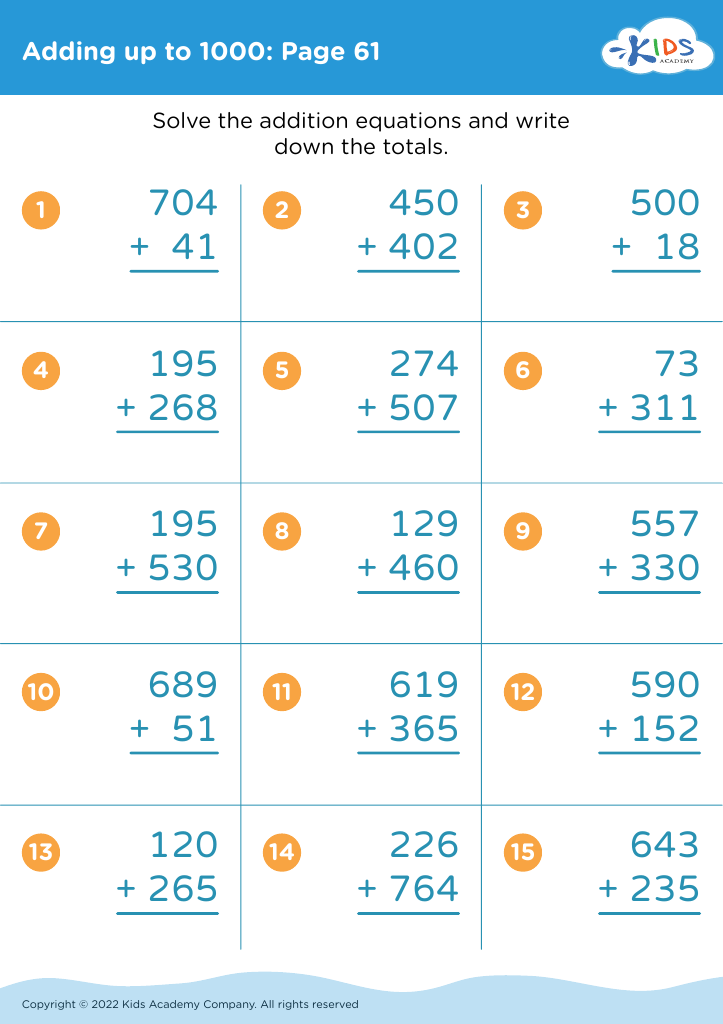
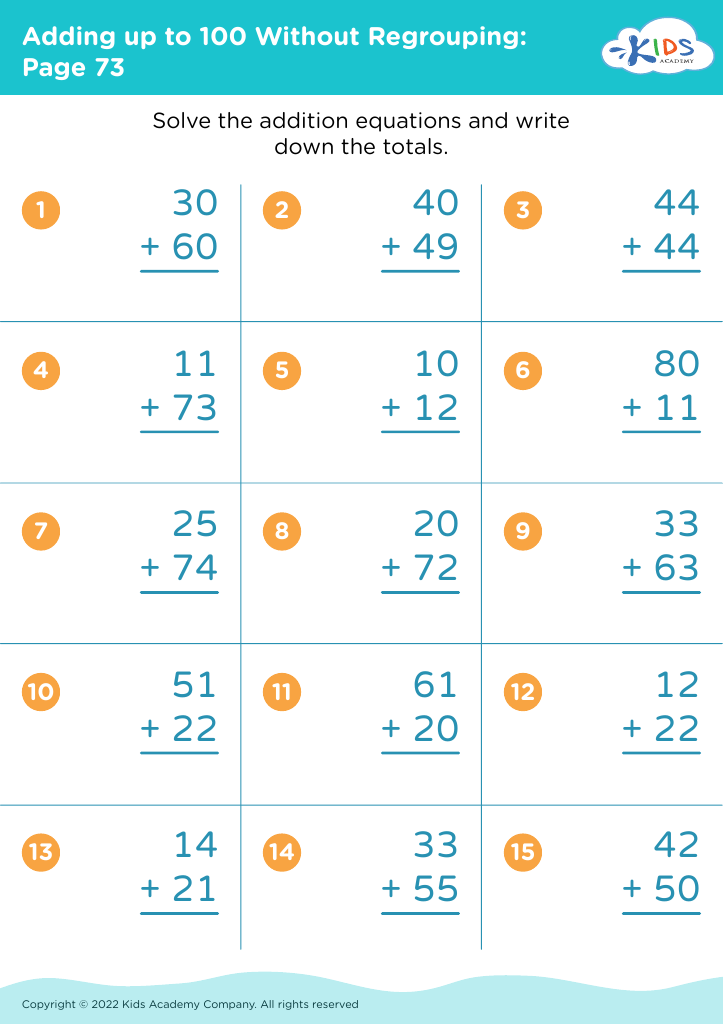
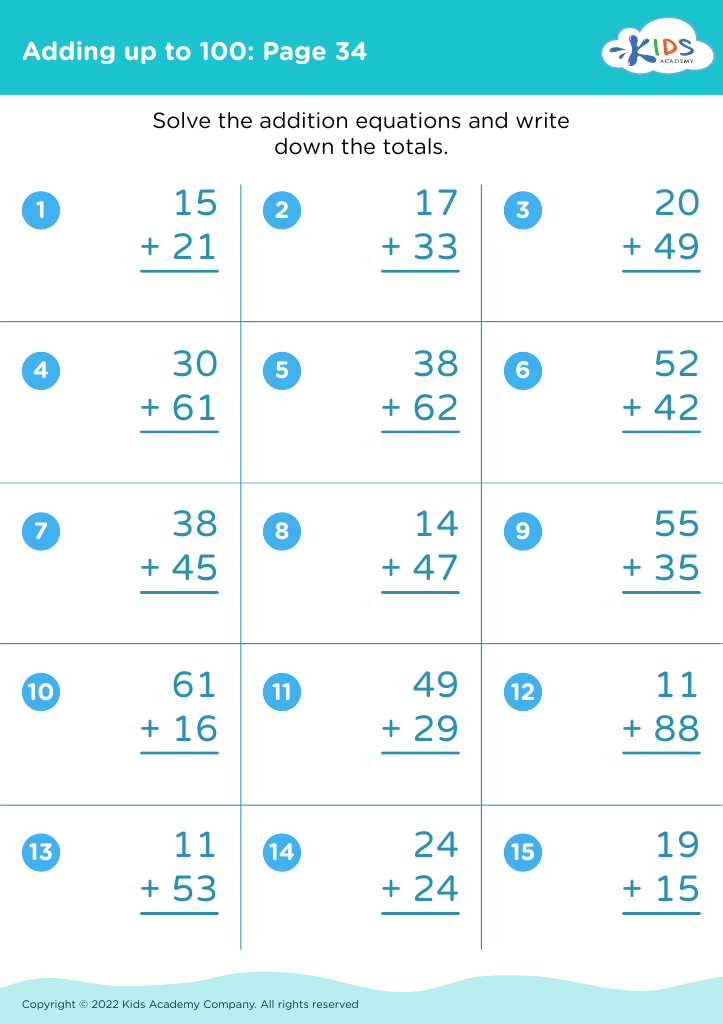
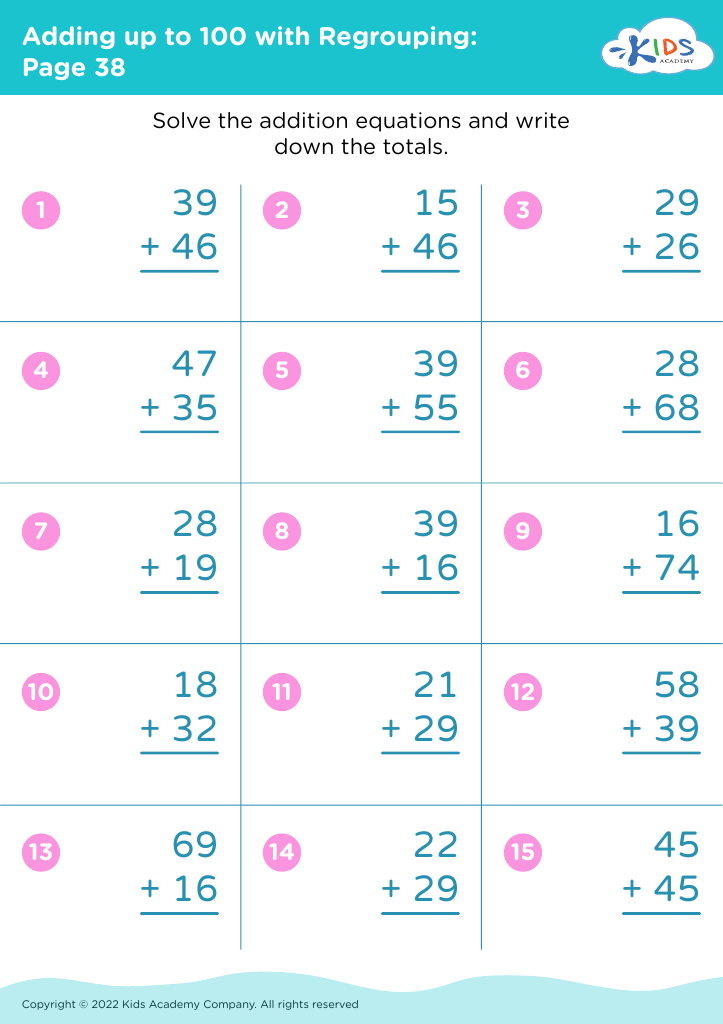
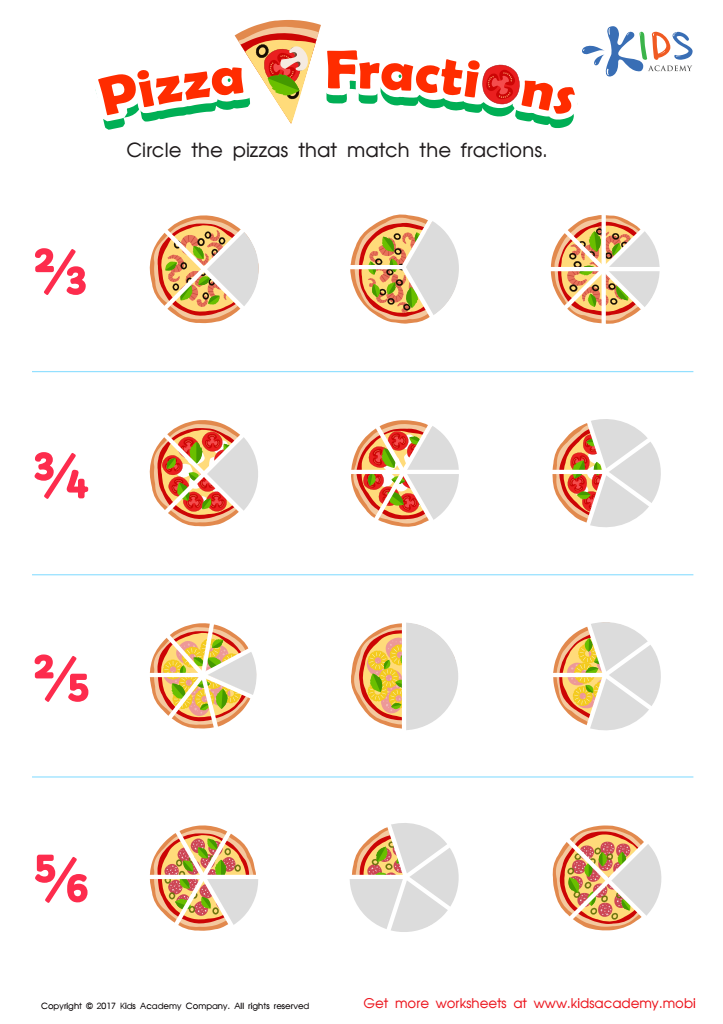
Fractions: Pizza Printable








Understanding fraction simplification at an early age lays the foundation for essential mathematical concepts crucial for children’s cognitive development. Teaching children aged 3-8 about fractions fosters number sense and encourages critical thinking. Simplifying fractions helps them grasp the idea of part-to-whole relationships, enhancing their ability to recognize and compare quantities. This skill is instrumental in everyday life, as children learn to divide, share, or measure, providing practical applications that enhance their understanding of math.
Moreover, mastering fractions promotes confidence in arithmetic, reducing anxiety around more complex mathematics later on. It prepares them for future success in subjects that build on these principles, ensuring they do not develop gaps in knowledge that could hinder their progression. For parents and teachers, engaging young learners with fun and relatable fraction activities can create a positive learning environment that nurtures a love for math.
By investing time in teaching fraction simplification, parents and teachers not only equip children with fundamental skills but also foster analytical thinking, problem-solving abilities, and an appreciation for mathematics as a tool for understanding the world. Ultimately, this early education feeds into a stronger academic foundation, paving the way for lifelong learning and success in math.








