Improve reading skills Math Worksheets for Ages 3-8 - Page 2
31 filtered results
-
From - To
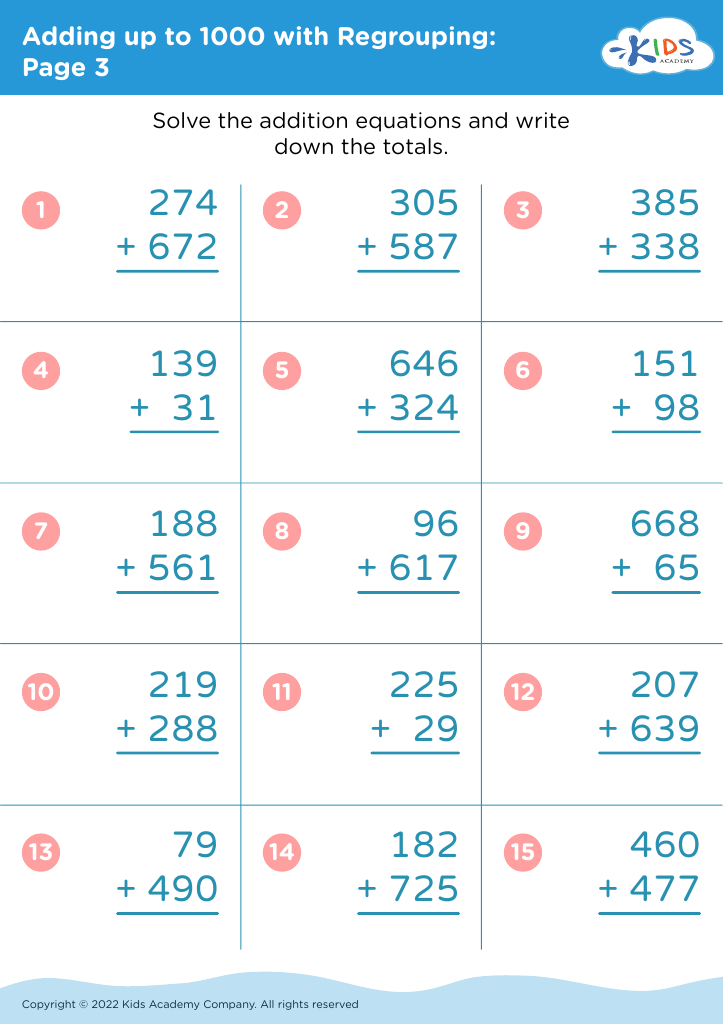
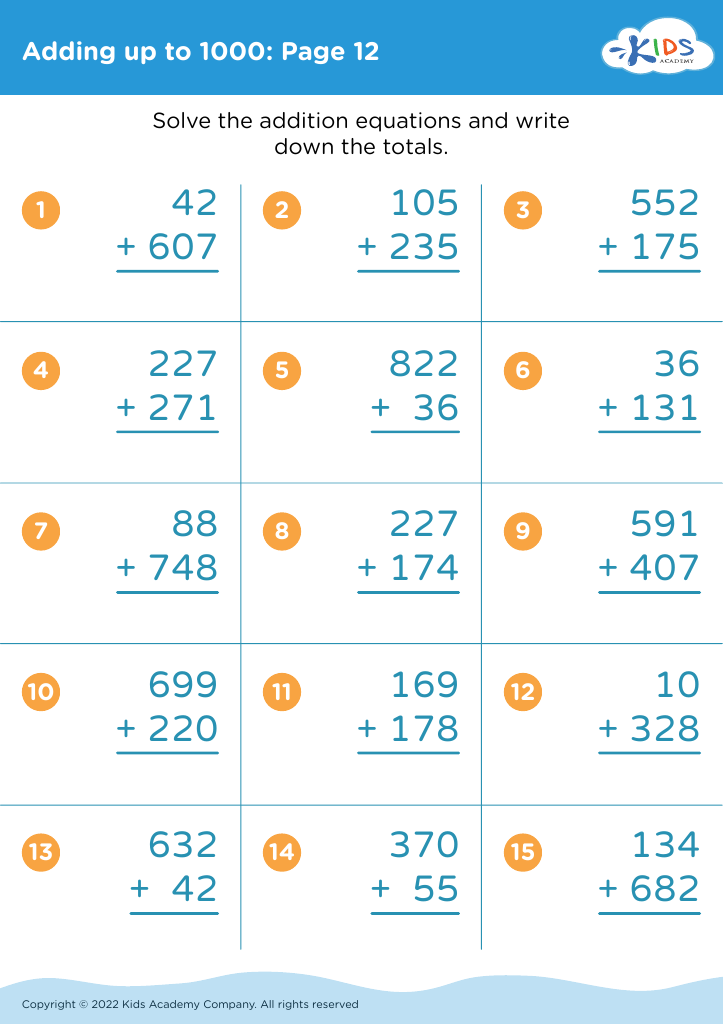
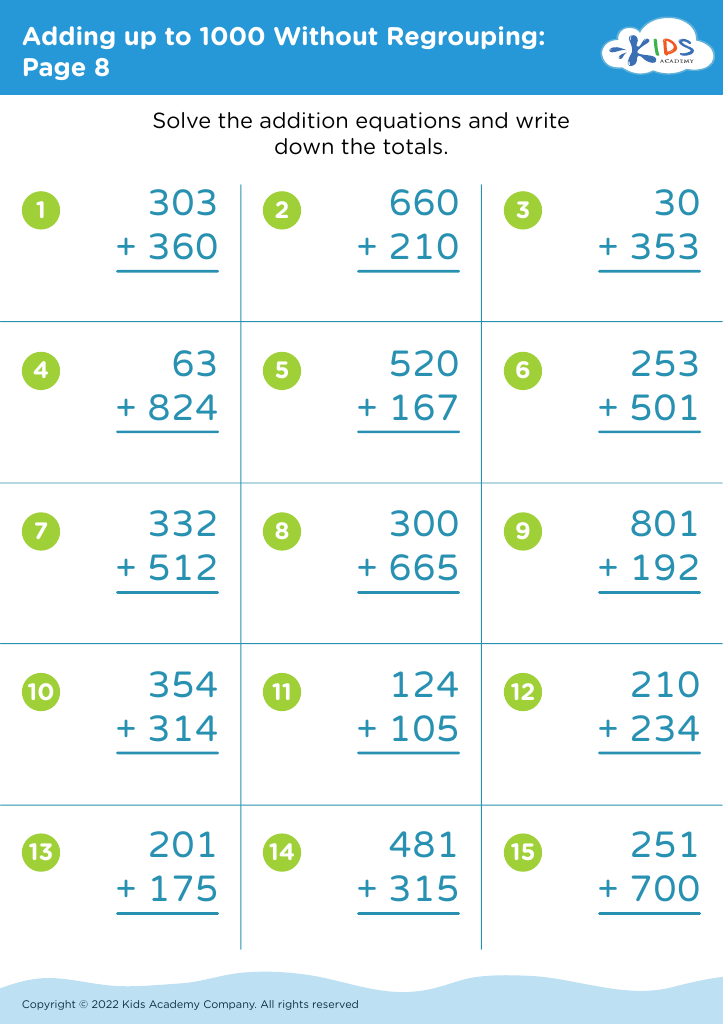
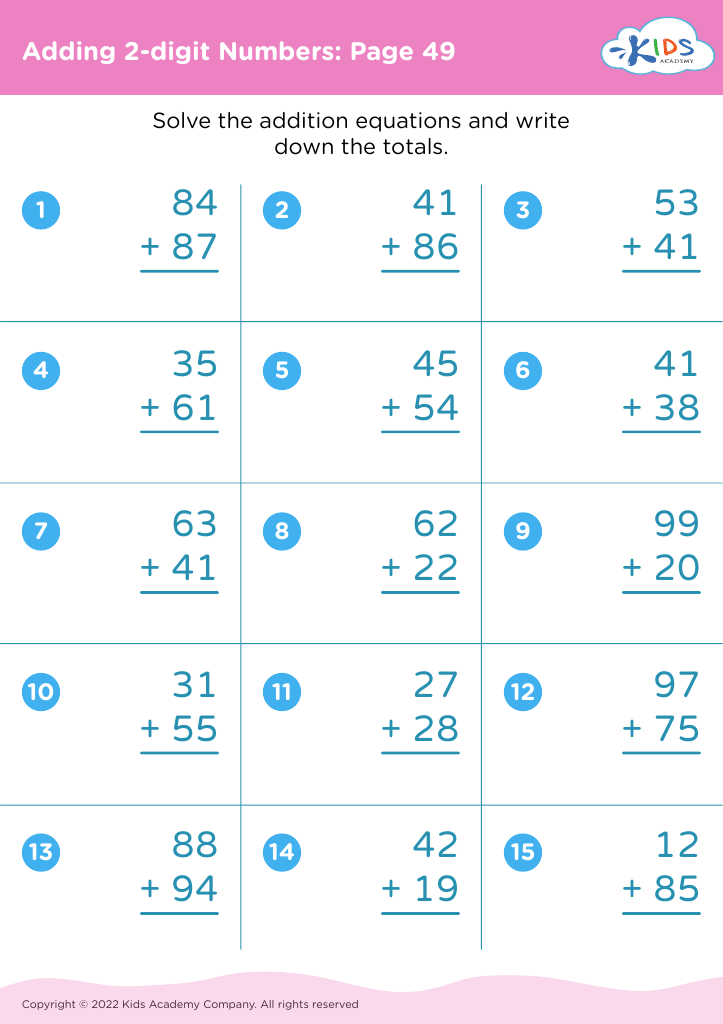
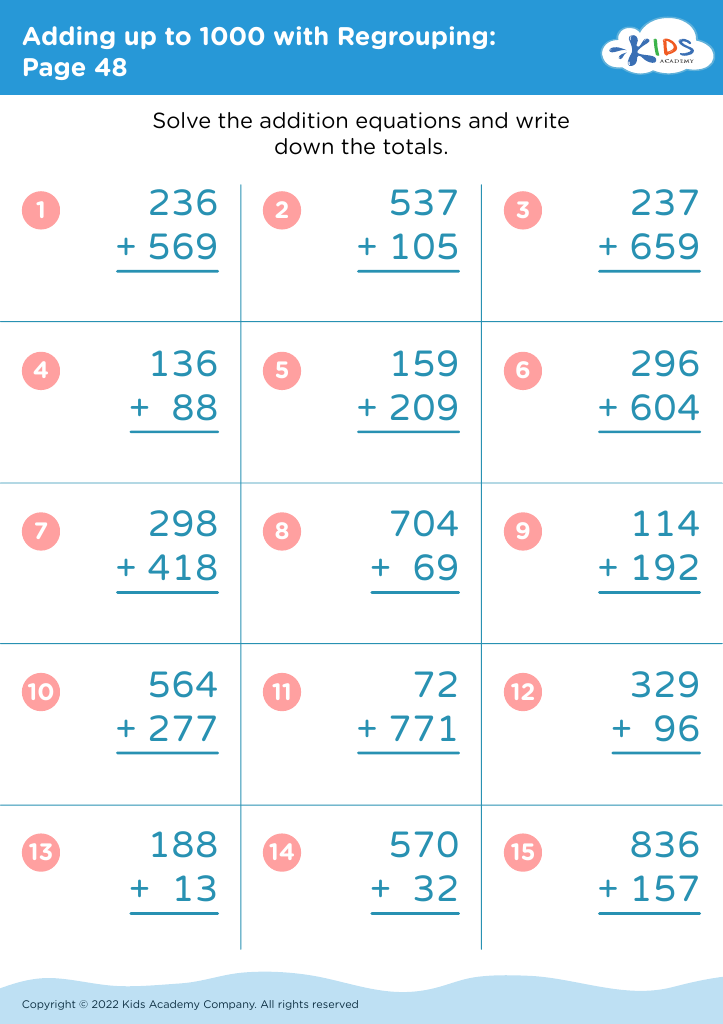
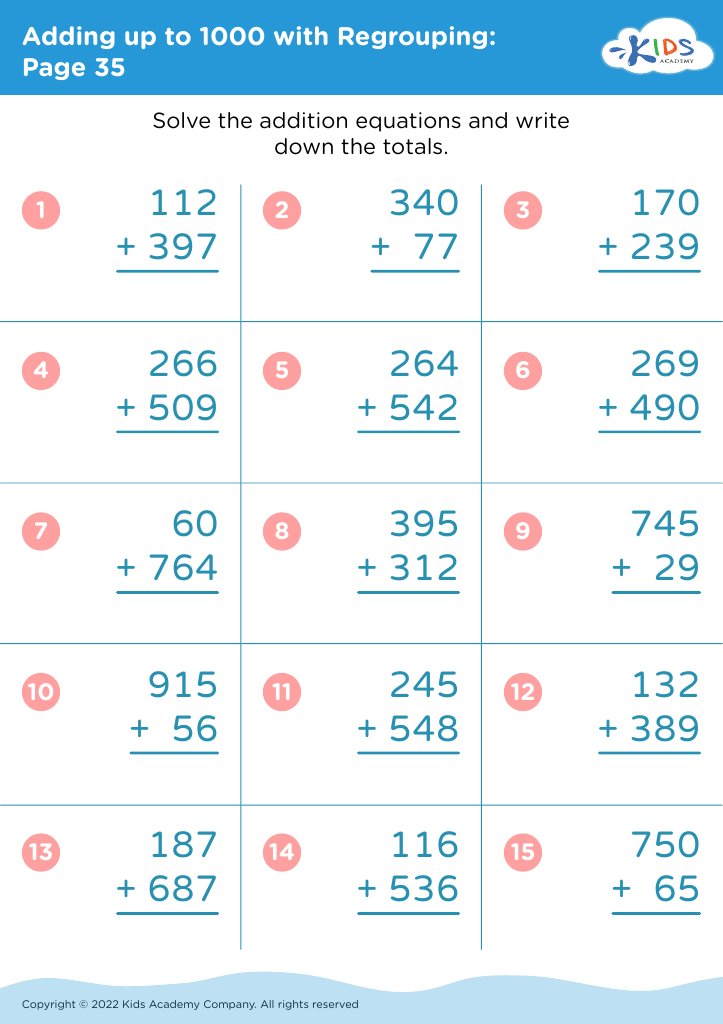
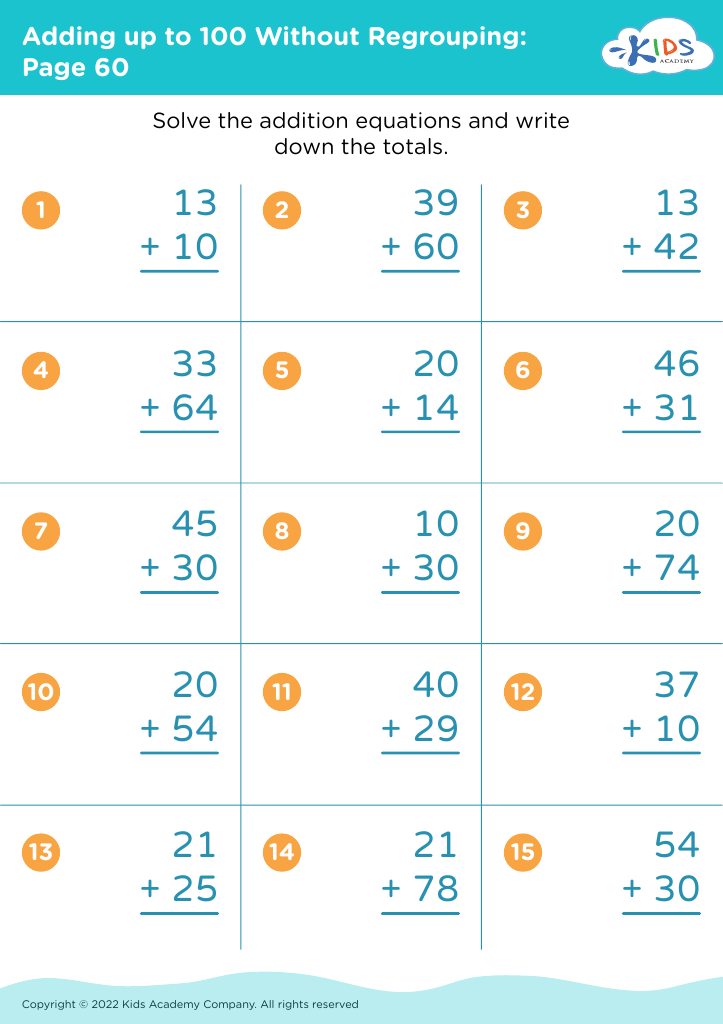







Improving reading and math skills for children aged 3-8 is crucial as these foundational competencies play a significant role in lifelong success. During this developmental stage, children are keen learners, and engaging them in literacy and numeracy not only enhances their cognitive abilities but also boosts their self-esteem. Reading skills enable children to explore stories, understand new concepts, and develop critical thinking abilities. Strong reading habits foster creativity and empathy as they connect with different characters and scenarios.
Similarly, early math skills encourage problem-solving and logical reasoning. Children learn to count, recognize patterns, and understand basic operations, which are essential for everyday tasks. A solid grasp of math concepts lays the groundwork for future subjects and enhances analytical skills necessary for various fields.
Moreover, the early years are critical for intervention; children who struggle in these areas may fall behind and face challenges in later education. Parents and teachers should prioritize engaging activities that make learning enjoyable, such as interactive books and fun counting games, to help instill a love for reading and math early on. By prioritizing these skills, we can ensure that children are more prepared for academic challenges and personal growth throughout their lives.








