Recognizing shapes Math Worksheets for Ages 3-8
35 filtered results
-
From - To
Discover our interactive "Recognizing Shapes" math worksheets designed specifically for children ages 3-8! These engaging printables help young learners develop essential shape recognition skills through fun activities and colorful illustrations. With a variety of exercises, including tracing, matching, and identifying shapes, children will enjoy exploring geometric forms while enhancing their cognitive and motor skills. Our worksheets cater to different learning levels, ensuring that every child can participate and grow. Equip your child with foundational math knowledge and confidence as they embark on their educational journey. Ideal for homeschoolers, classrooms, or extra practice at home—let’s make learning shapes enjoyable and effective!
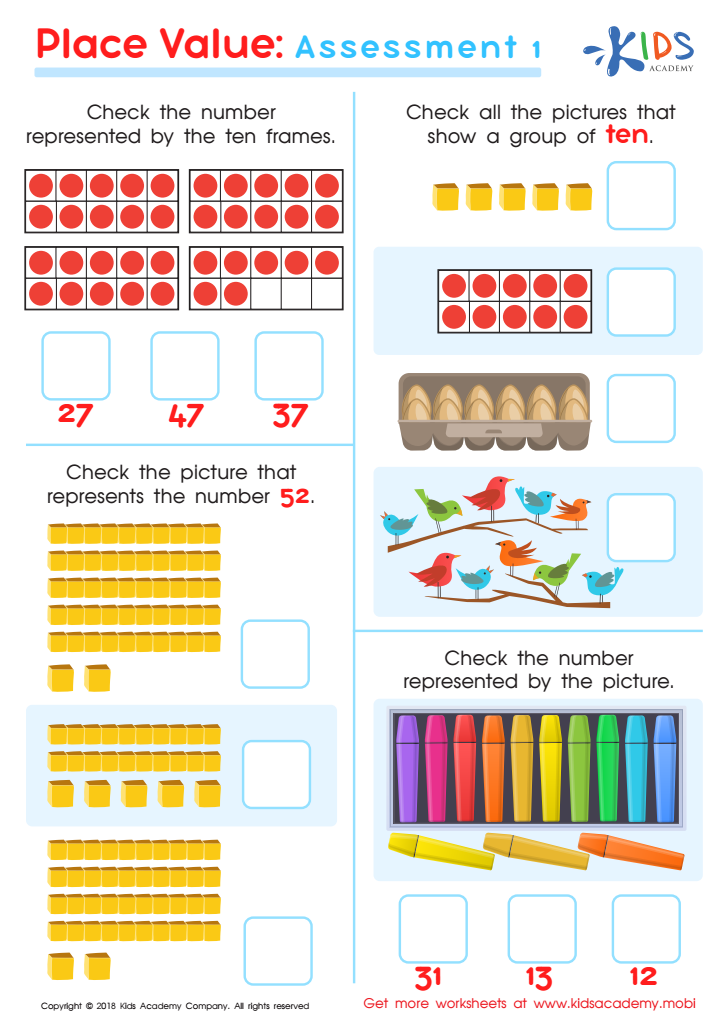
Place Value: Assessment 1 Worksheet
 Assign to My Students
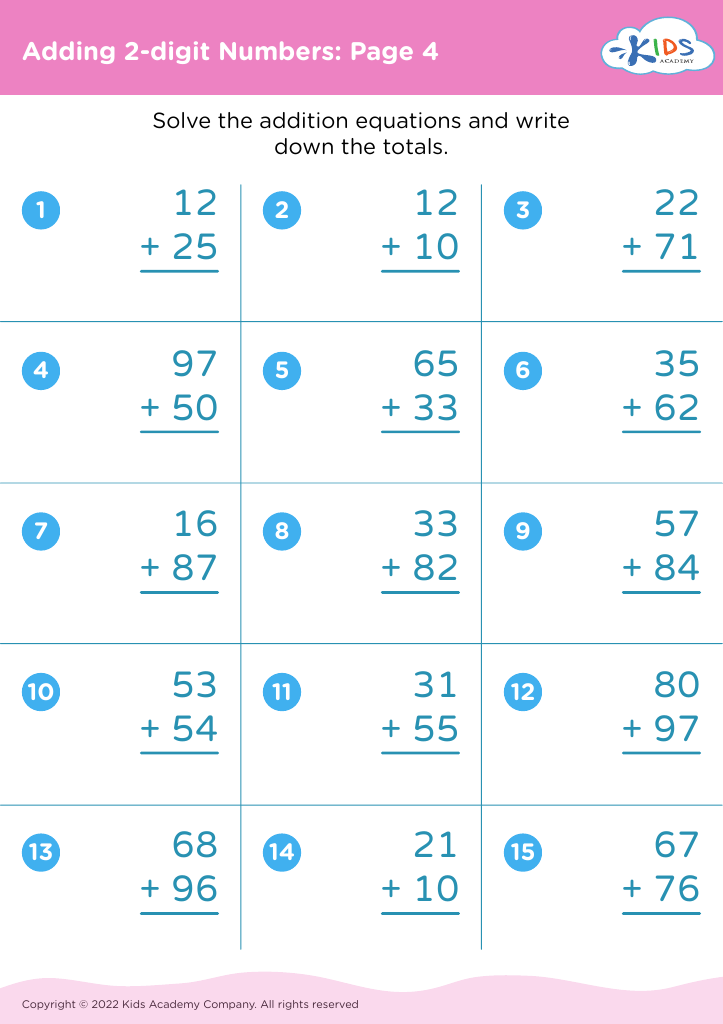
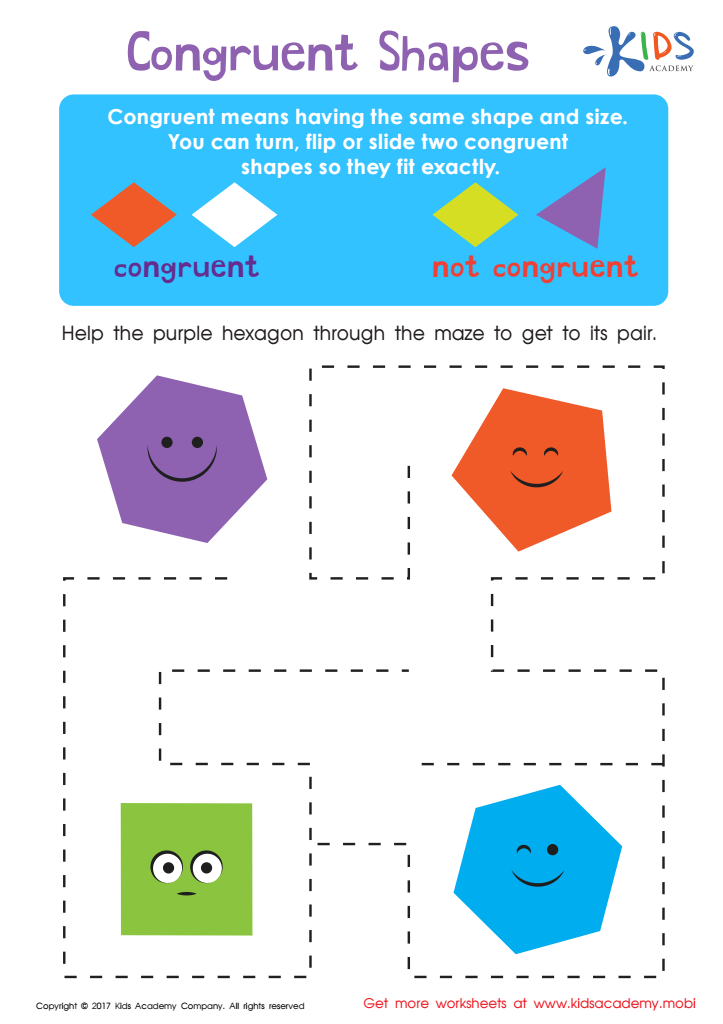
Congruent Shapes Worksheet
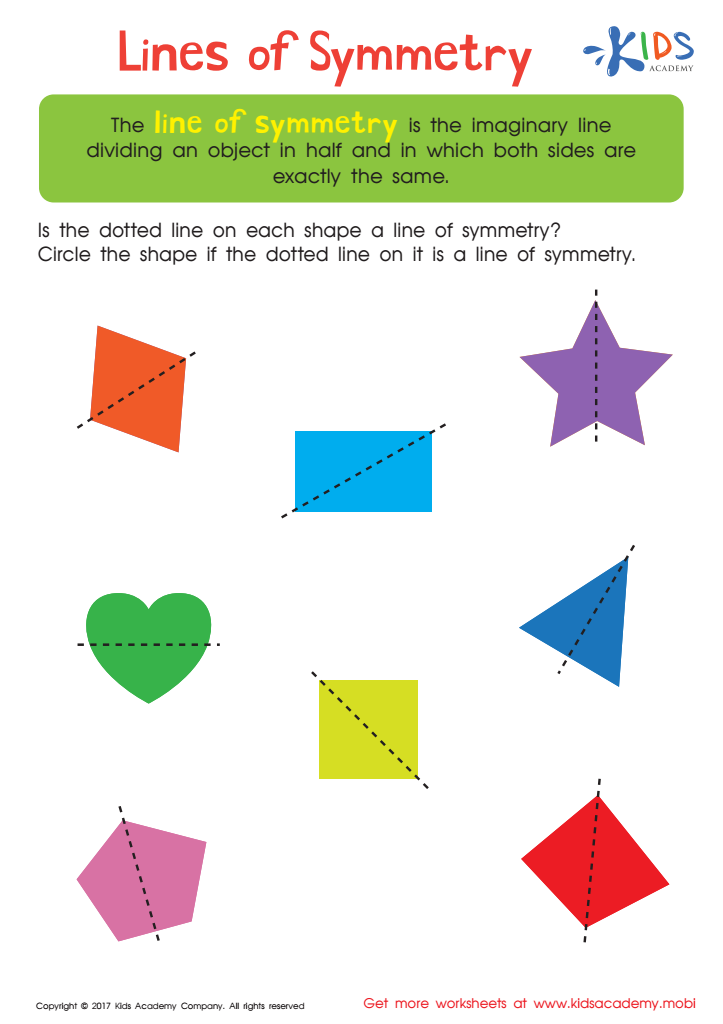
Lines of Symmetry Printable
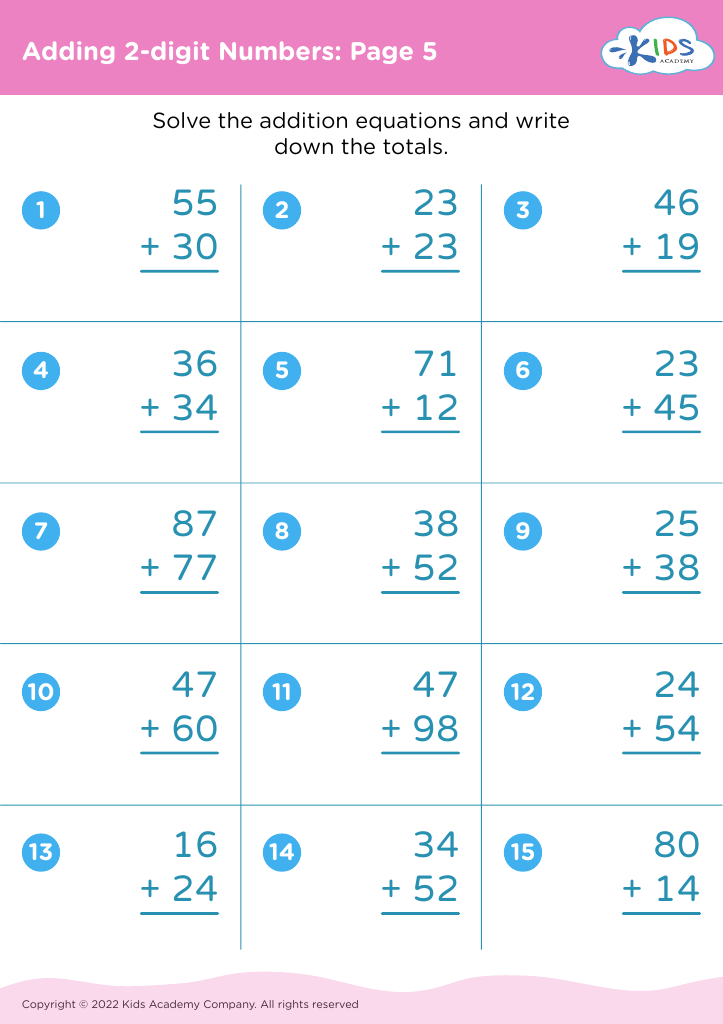
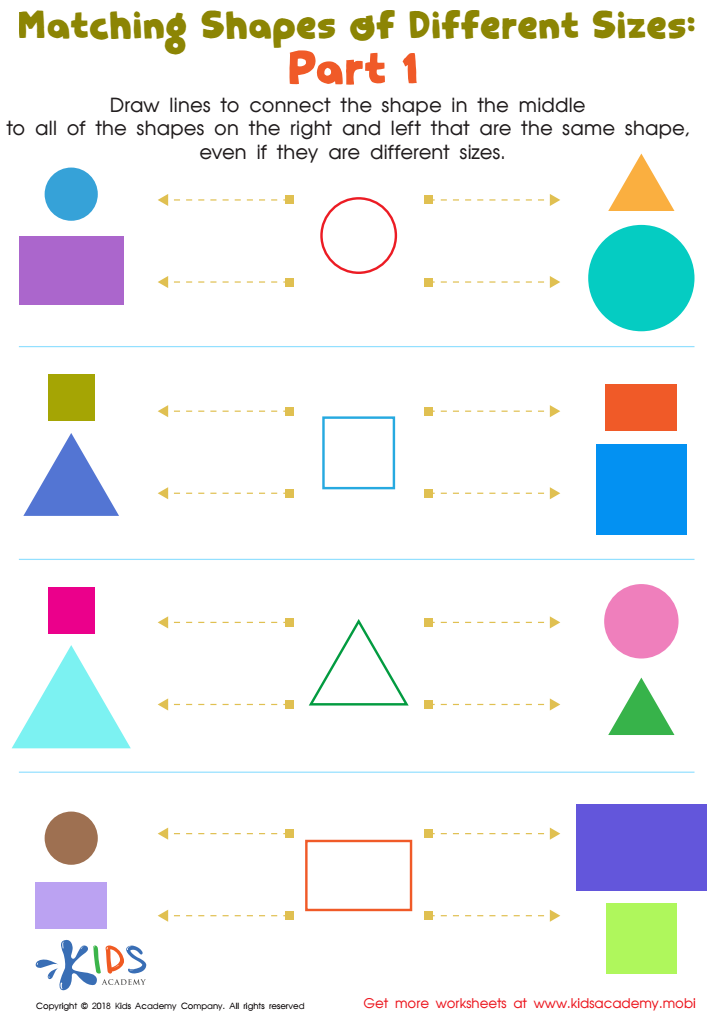
Geometry: part 1 Worksheet
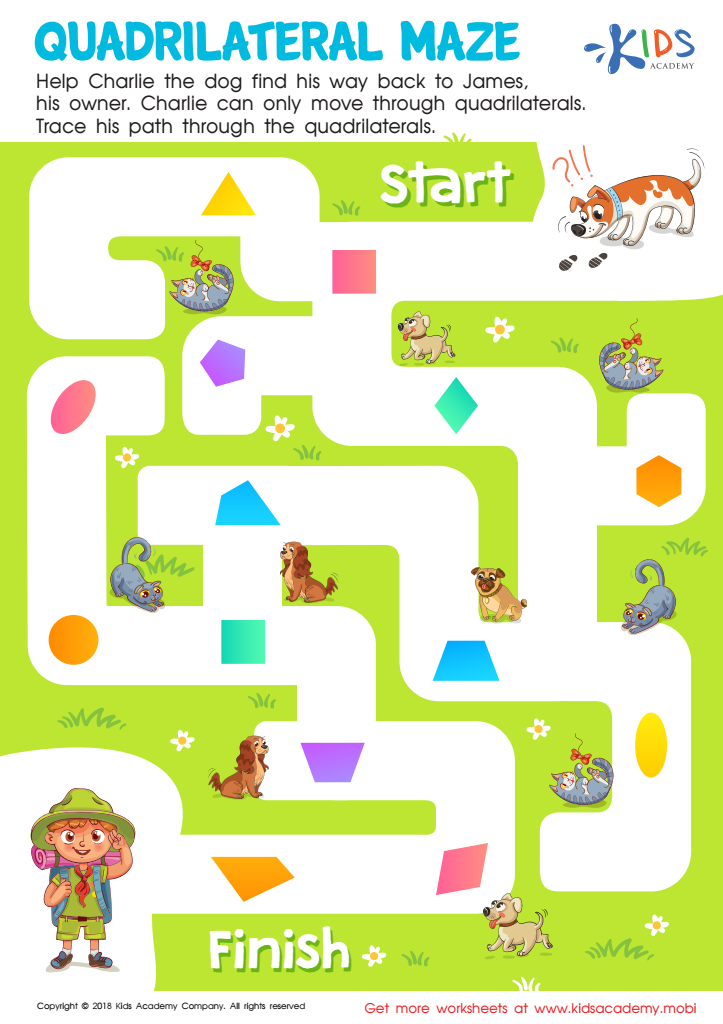
Quadrilateral Maze Worksheet








Recognizing shapes is a fundamental building block in early mathematics education for children aged 3-8. This skill not only lays the groundwork for understanding geometry but also enhances critical cognitive abilities such as spatial awareness, problem-solving, and logical thinking. Children learn to identify, compare, and manipulate shapes, which are key components in various mathematical concepts and real-life applications.
For parents and teachers, fostering shape recognition can enrich a child’s developmental journey. Engaging with shapes allows children to improve their fine motor skills through sorting, drawing, and constructing. Moreover, discussing shapes boosts language development as they learn to describe and categorize their environments. Understanding shapes also connects to creativity; children can express themselves through art and design.
In addition, recognizing shapes lays the foundation for more advanced mathematical concepts, such as symmetry, patterns, and measurements. This foundational skill helps alleviate math anxiety, creating a smoother transition as children progress through their education. Overall, nurturing shape recognition leads to improved cognitive skills, enhanced creativity, and greater confidence in math-related subjects, equipping young learners with essential tools for lifelong learning. Thus, investing in shape recognition is crucial for a child's holistic development.








