Shape identification Math Worksheets for Ages 3-8
33 filtered results
-
From - To
Discover engaging Shape Identification Math Worksheets designed for children ages 3 to 8! Our worksheets provide a fun and interactive way for young learners to explore basic shapes like circles, squares, triangles, and more. Each worksheet includes colorful illustrations and easy-to-follow activities that enhance shape recognition and promote critical thinking. Perfect for both classroom and home use, these worksheets support early math skills and foster a love for learning. Help your child build a strong foundation in geometry while enhancing their creativity and problem-solving abilities. Explore our extensive collection today and give your child the tools they need for a successful learning journey!
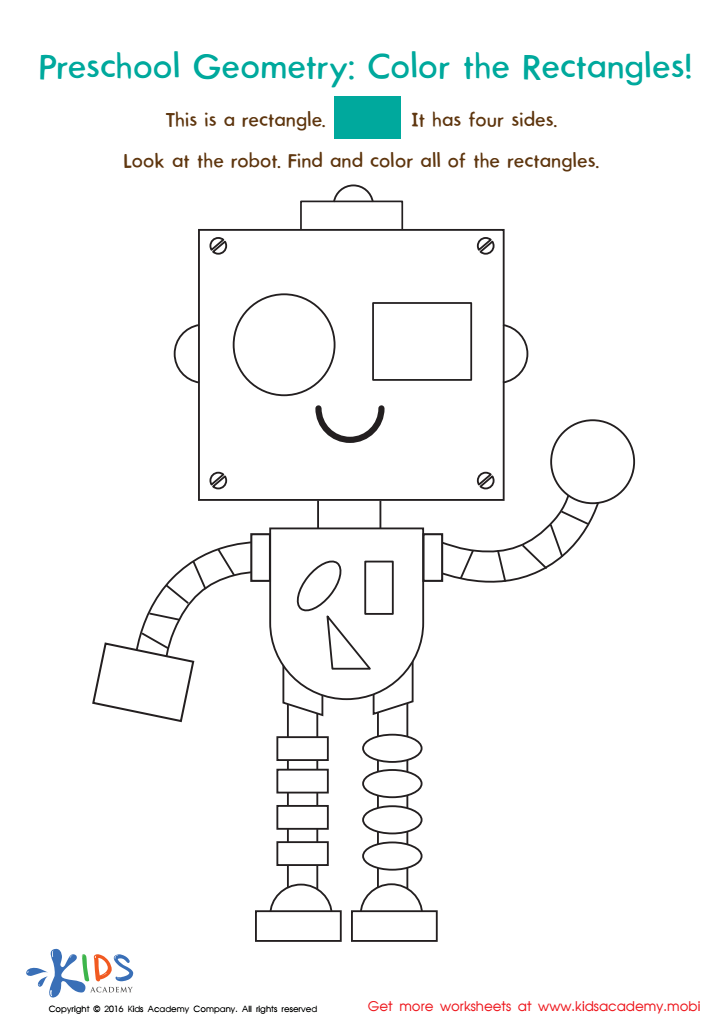
Geometry Worksheet
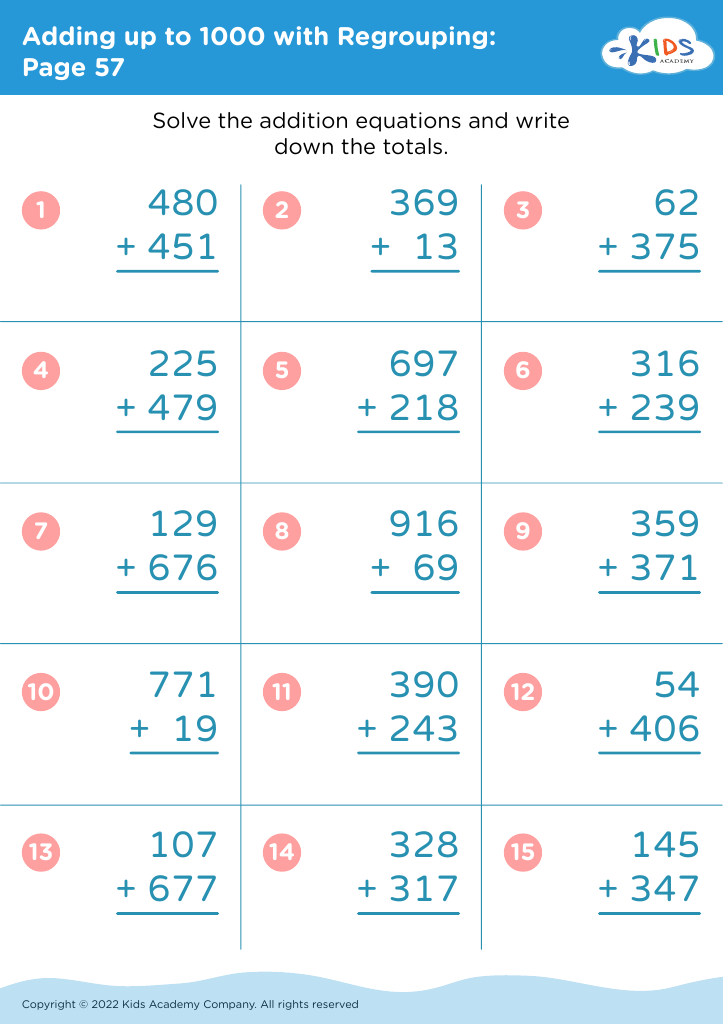
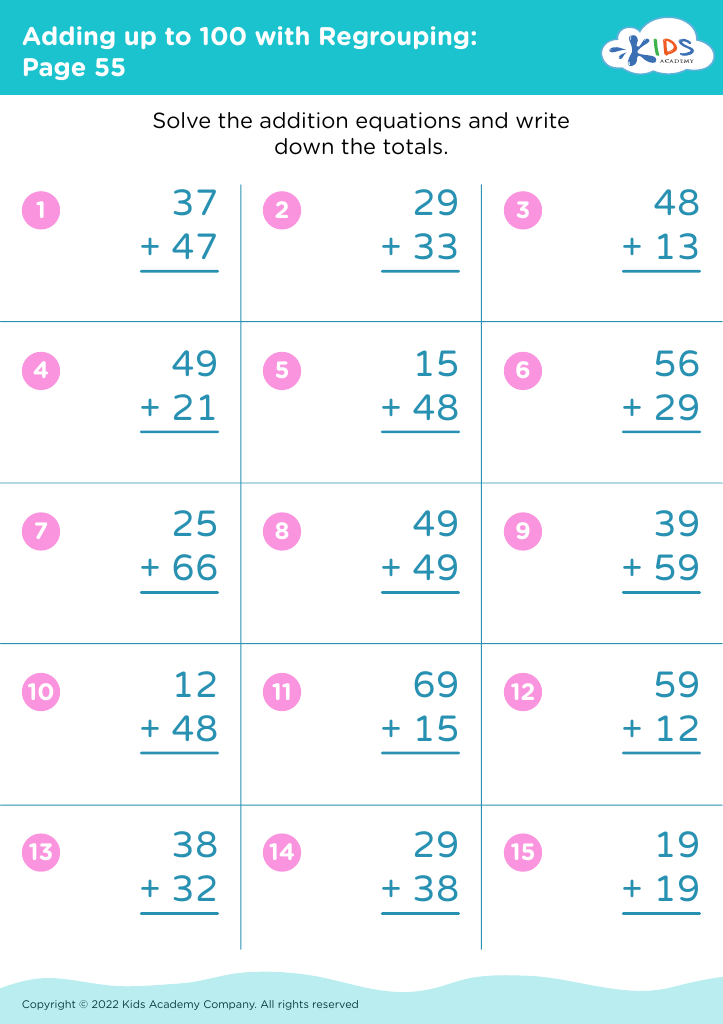
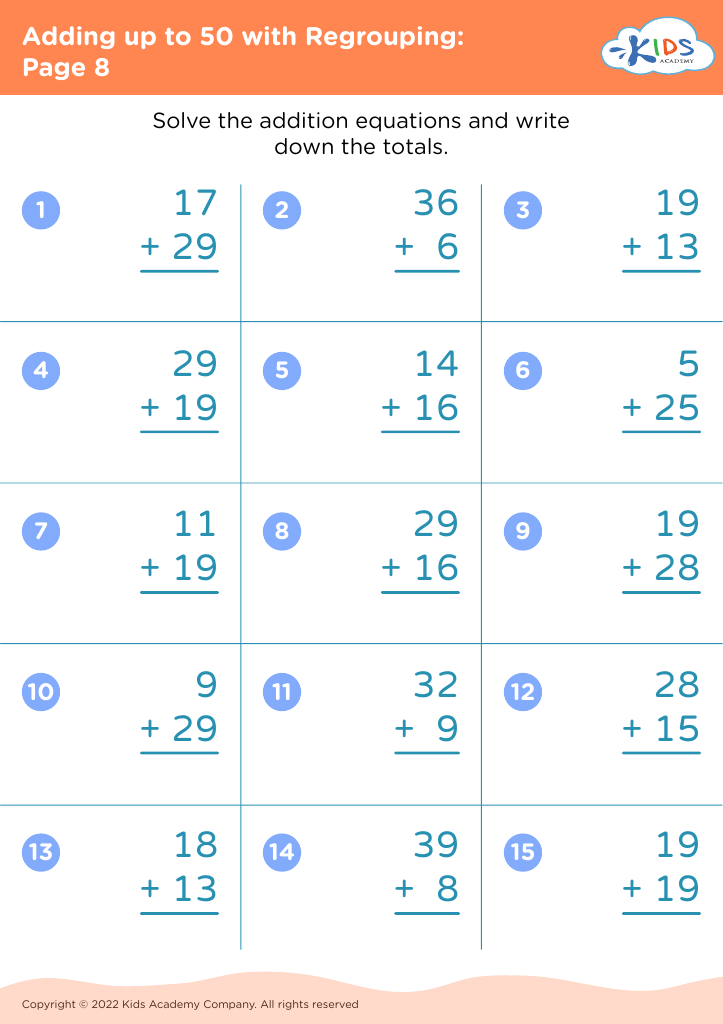
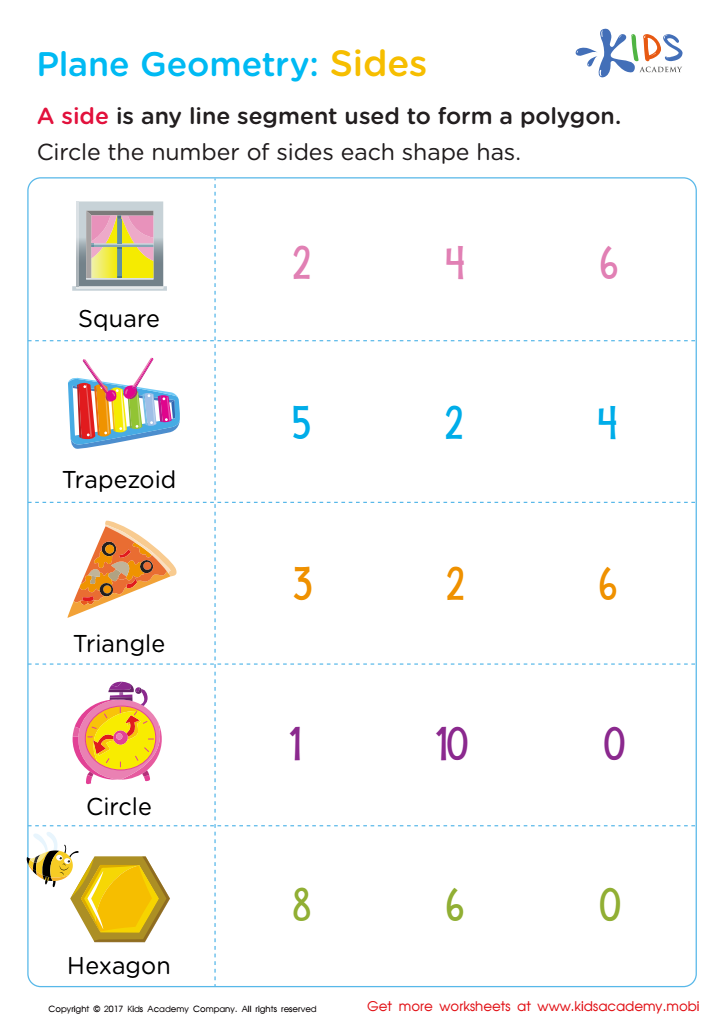
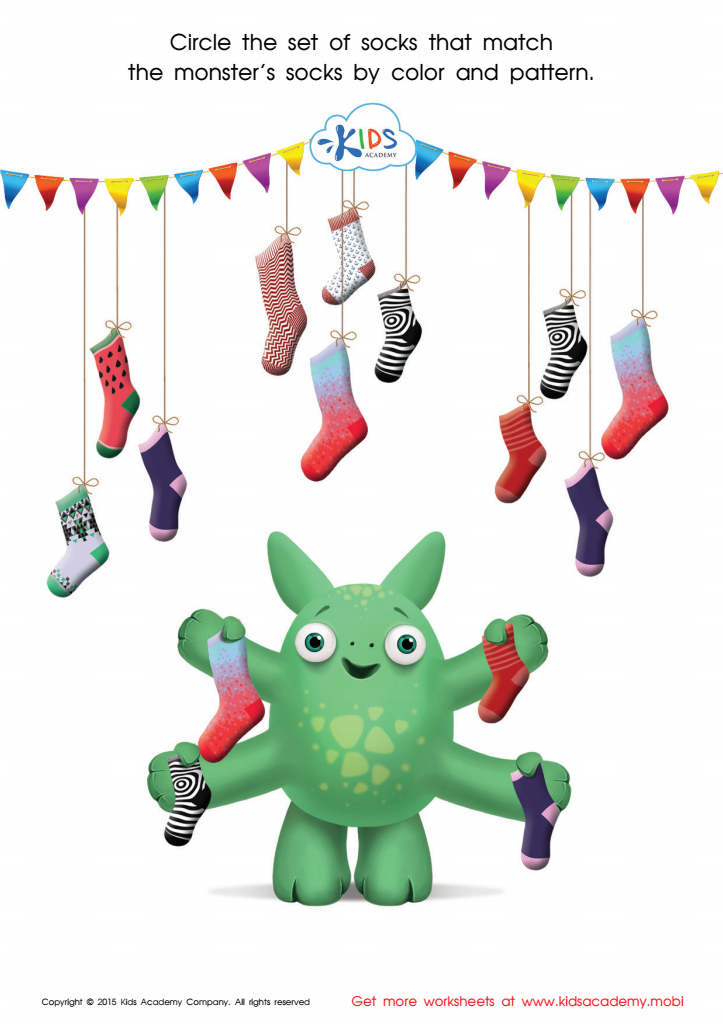
Sort the Monster's Socks Worksheet
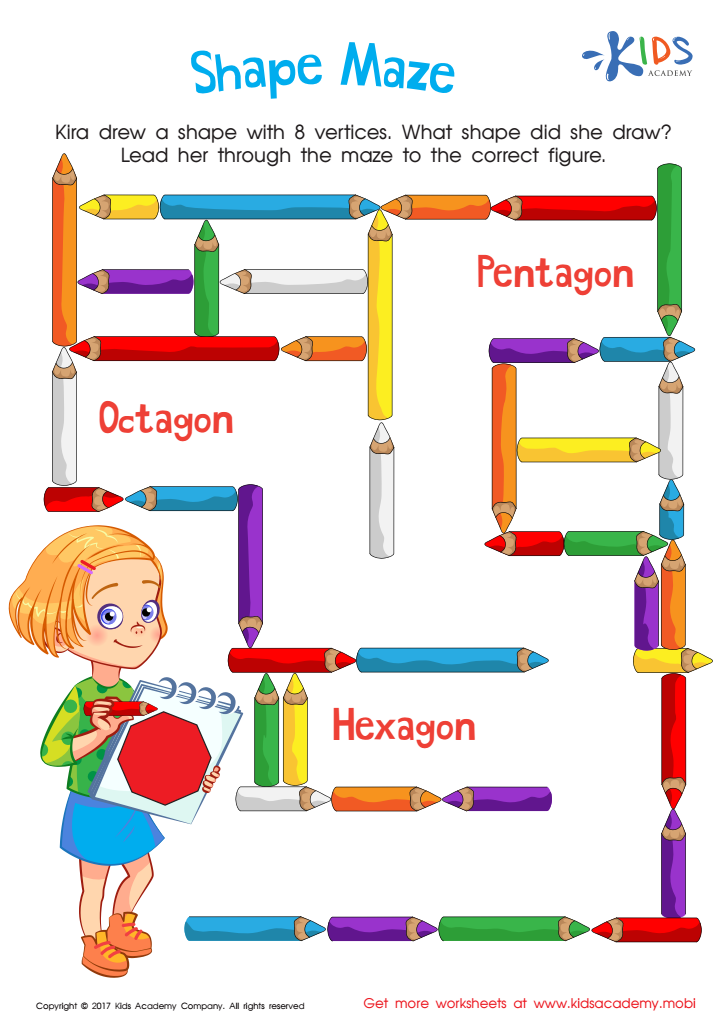
Shape Maze Worksheet
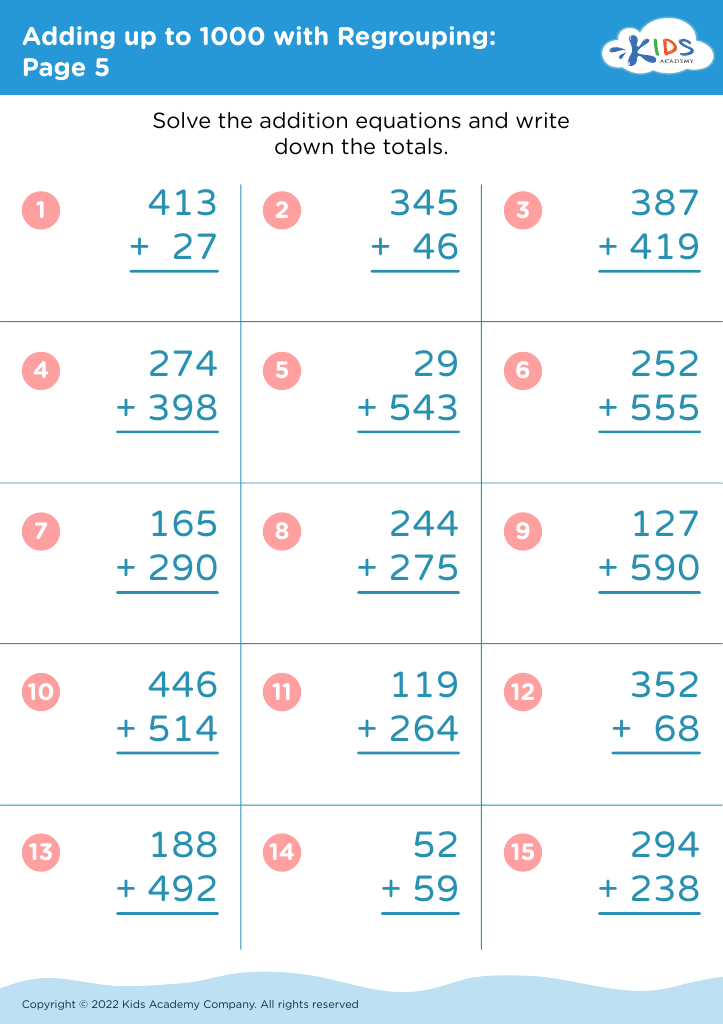
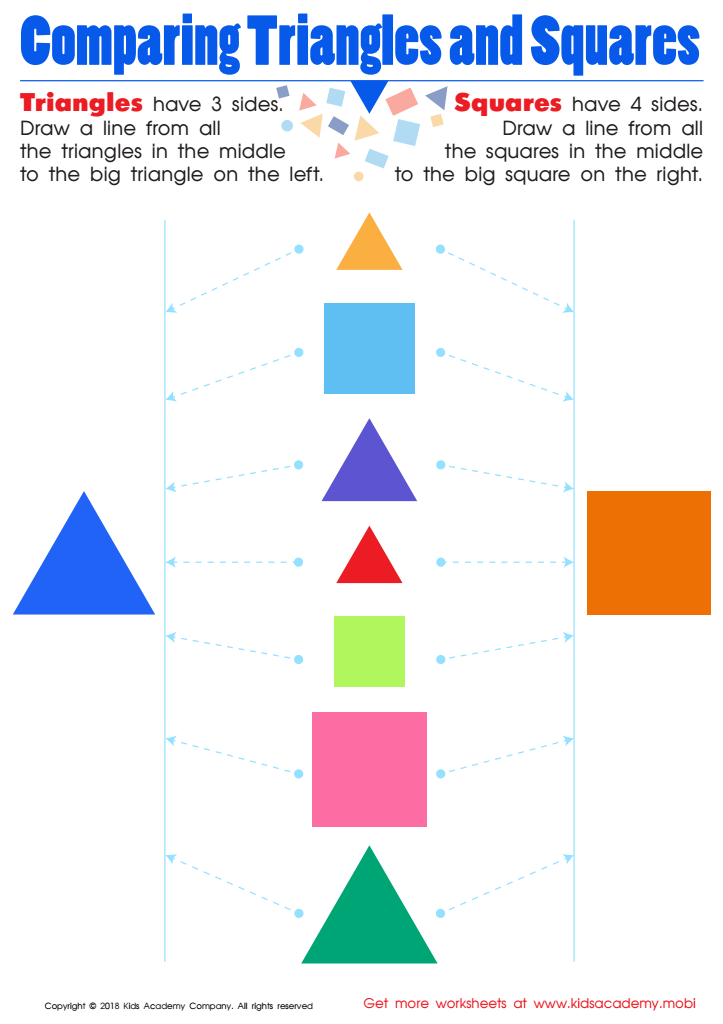
Comparing Triangles Squares Worksheet
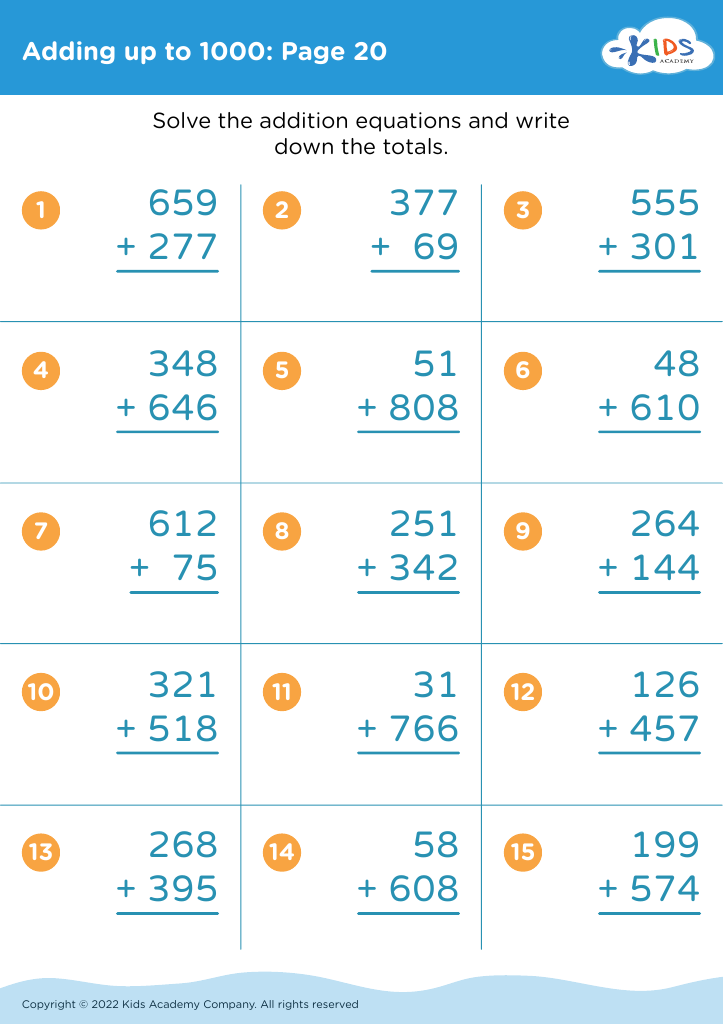
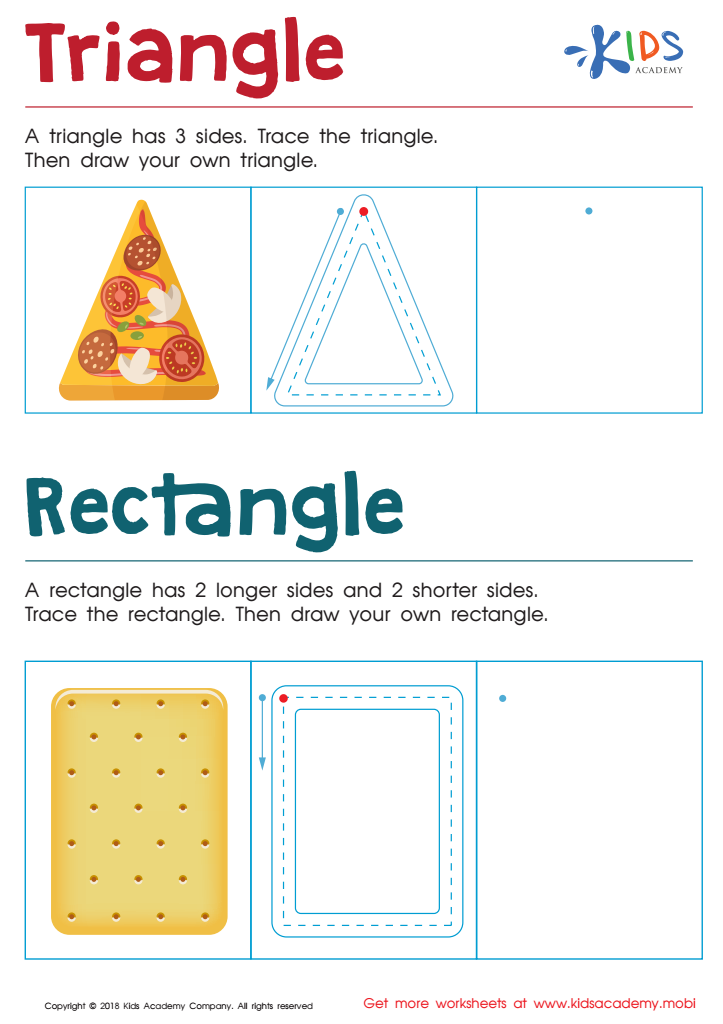
Triangle Rectangle Worksheet
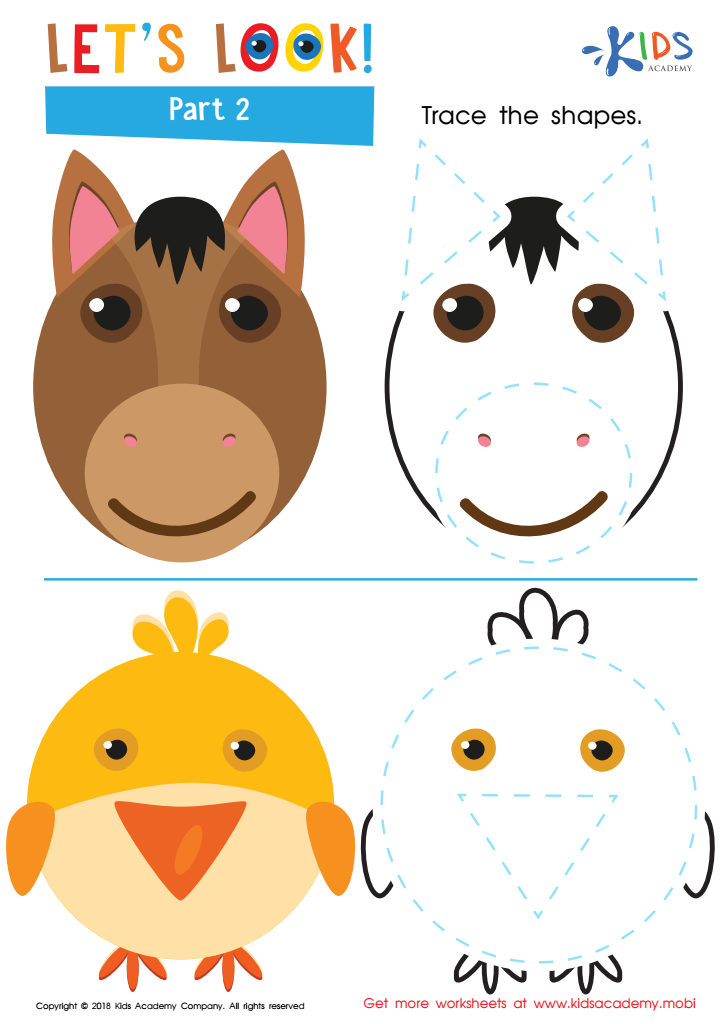
Let's Look! Part 2 Worksheet
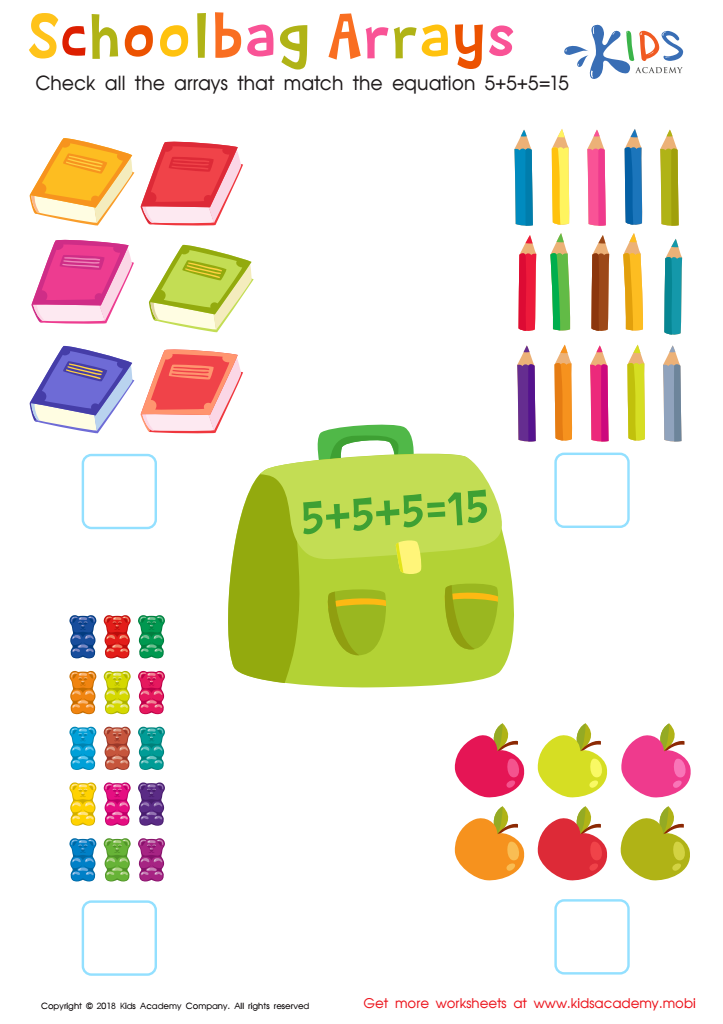
Schoolbag Arrays Worksheet
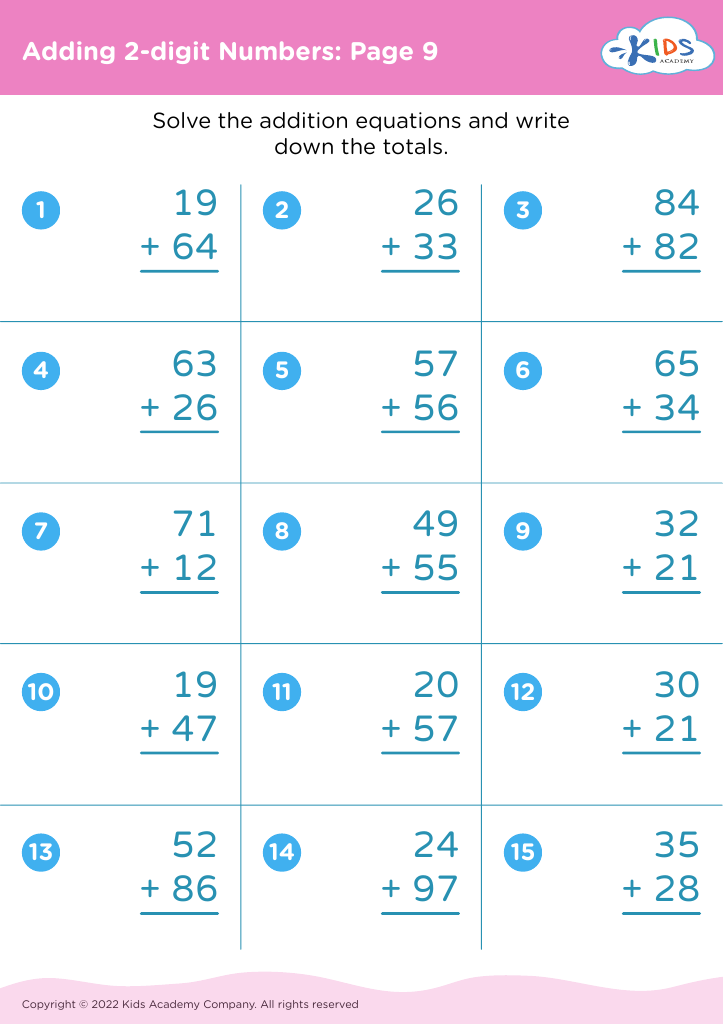
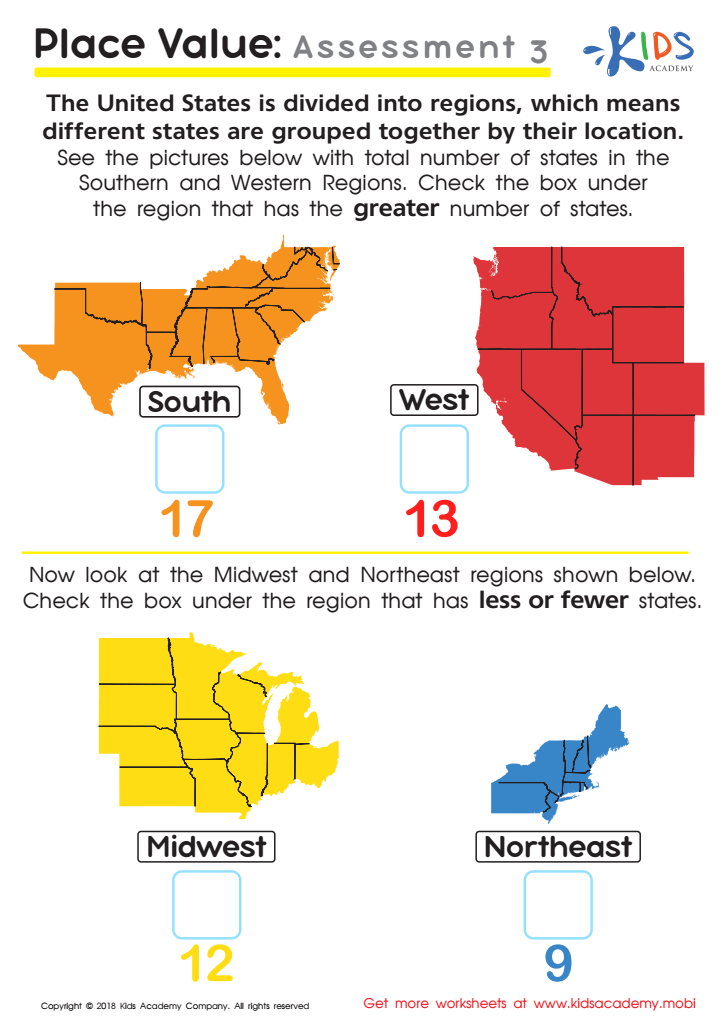
Place Value: Assessment 3 Worksheet
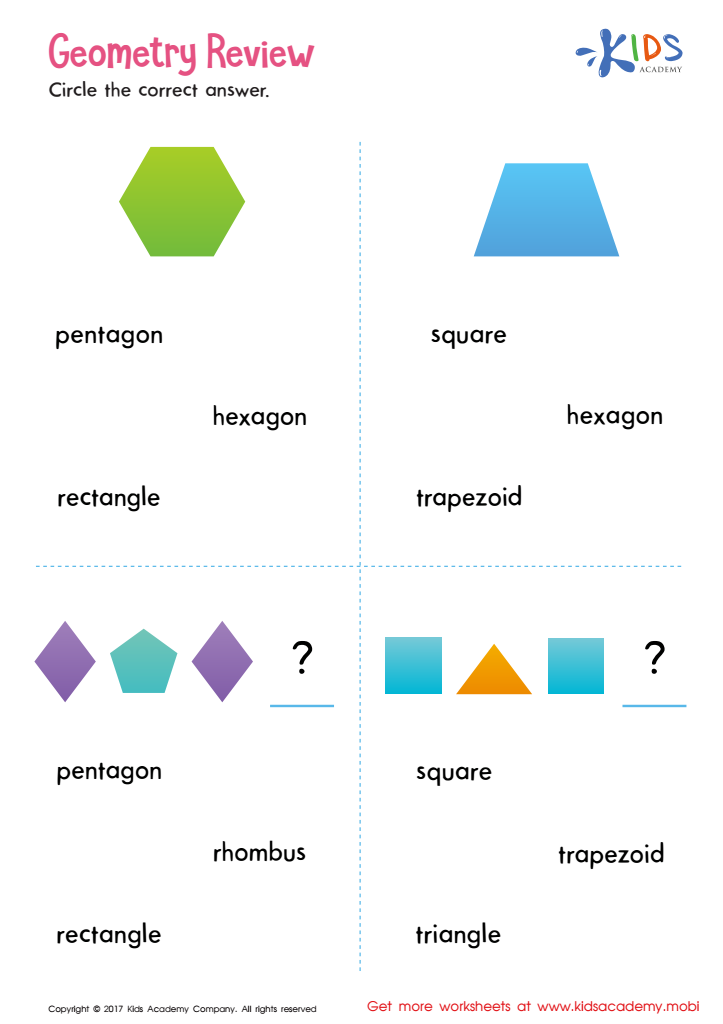
Geometry Review Printable
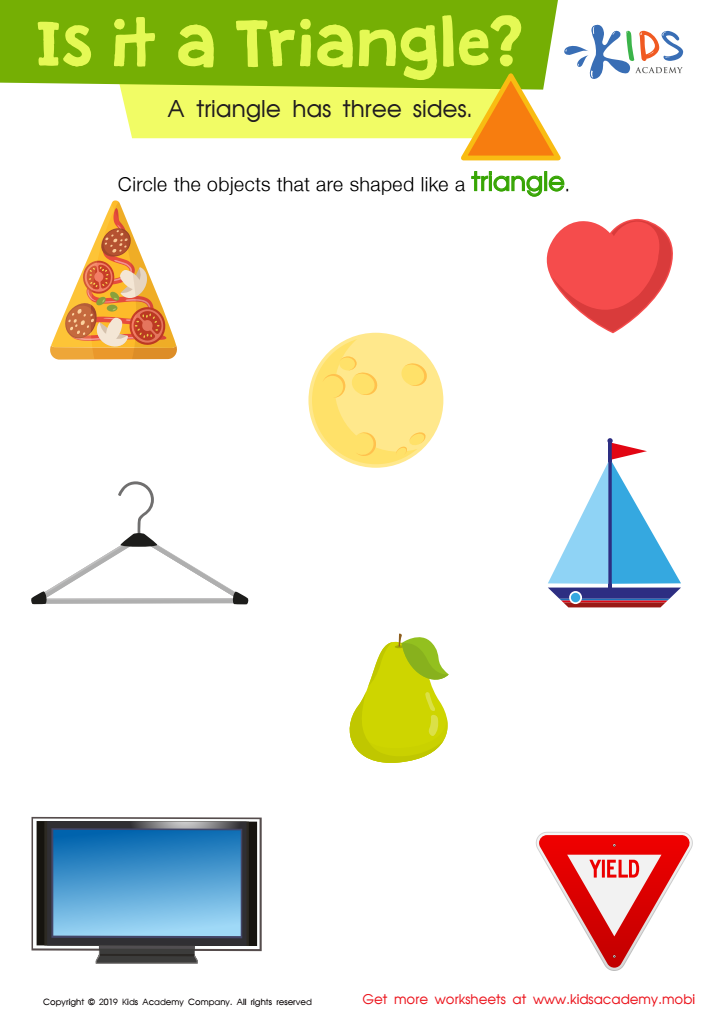
Is It a Triangle? Worksheet
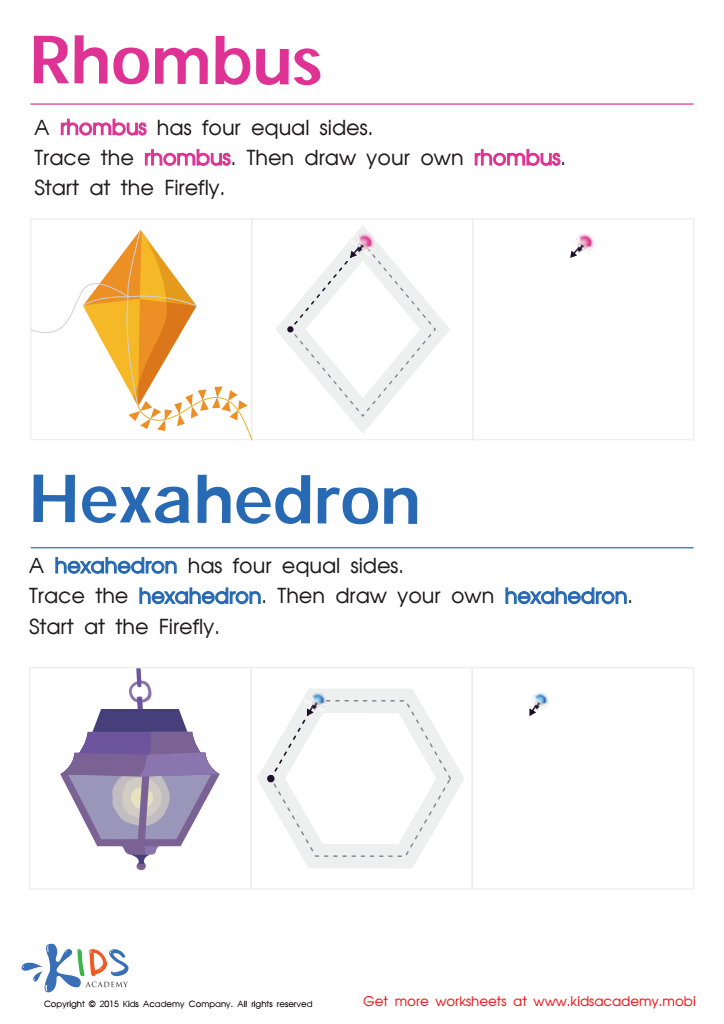
Draw a Rhombus And a Hexahedron Printable
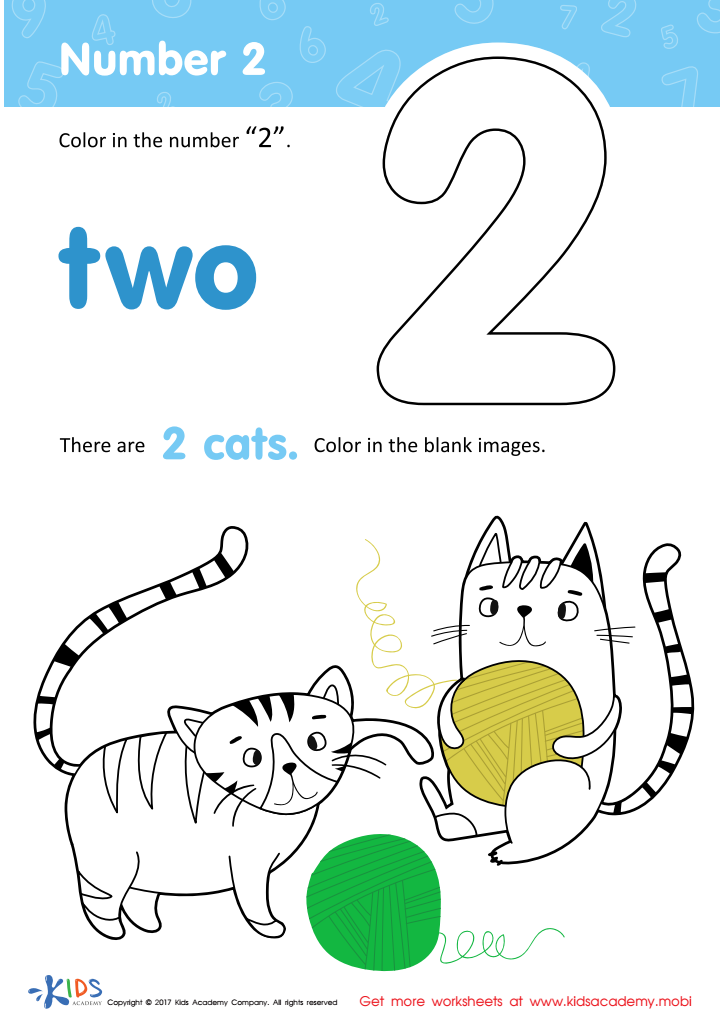
Number 2 Printable
 Assign to My Students
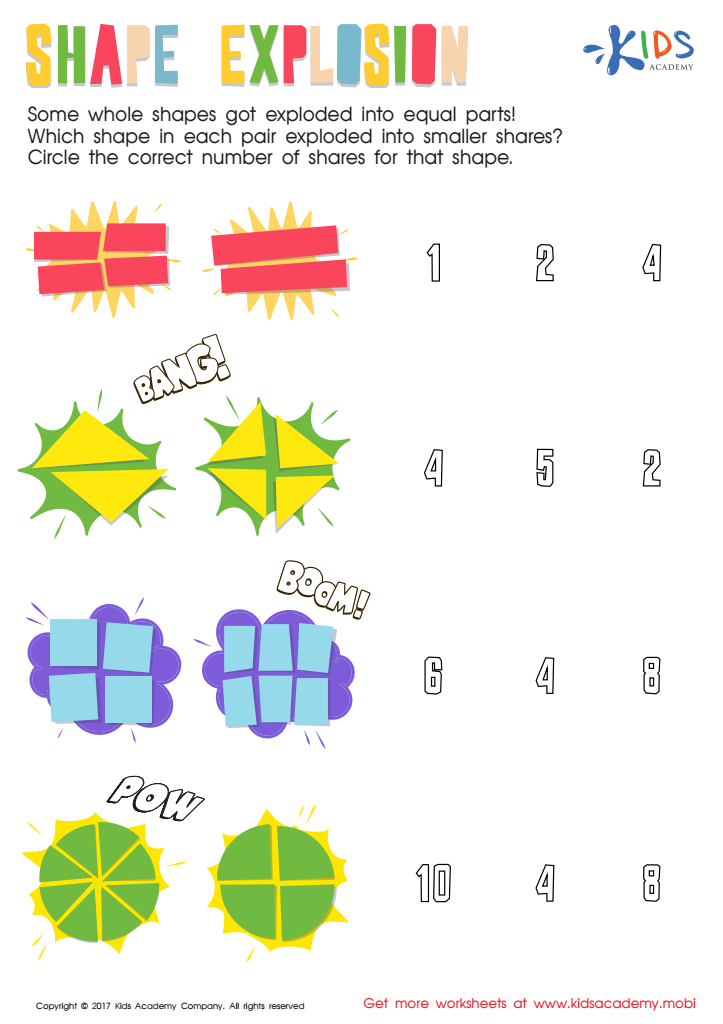
Shape Explosion Worksheet








Shape identification is a foundational skill in early childhood education, particularly for children aged 3-8. Understanding shapes is not just about recognizing circles, squares, and triangles; it lays the groundwork for critical thinking and problem-solving abilities. When children learn to identify and categorize shapes, they develop spatial awareness and visual discrimination, essential skills that are applicable across various subjects, including math, science, and art.
Parents and teachers should care about shape identification because it fosters cognitive development. Recognizing shapes helps children understand their environment, leading to greater curiosity and exploration. Additionally, learning about shapes enhances vocabulary skills as children describe their properties and relationships. Such vocabulary expansion facilitates reading and communication skills.
Shapes are also integral in developing mathematical concepts. As children progress in their learning, understanding shapes translates to grasping more complex ideas like symmetry, fractions, and geometry. Engaging in shape identification through playful activities encourages creativity and critical thinking, providing a solid foundation for more advanced concepts in future education.
Moreover, investing time in shape recognition fosters positive interactions and bonding between children and caregivers, making learning a fun and engaging experience. Overall, prioritizing shape identification is essential for holistic development in young learners.








