Visual-motor skills Math Worksheets for Ages 3-8
5 filtered results
-
From - To
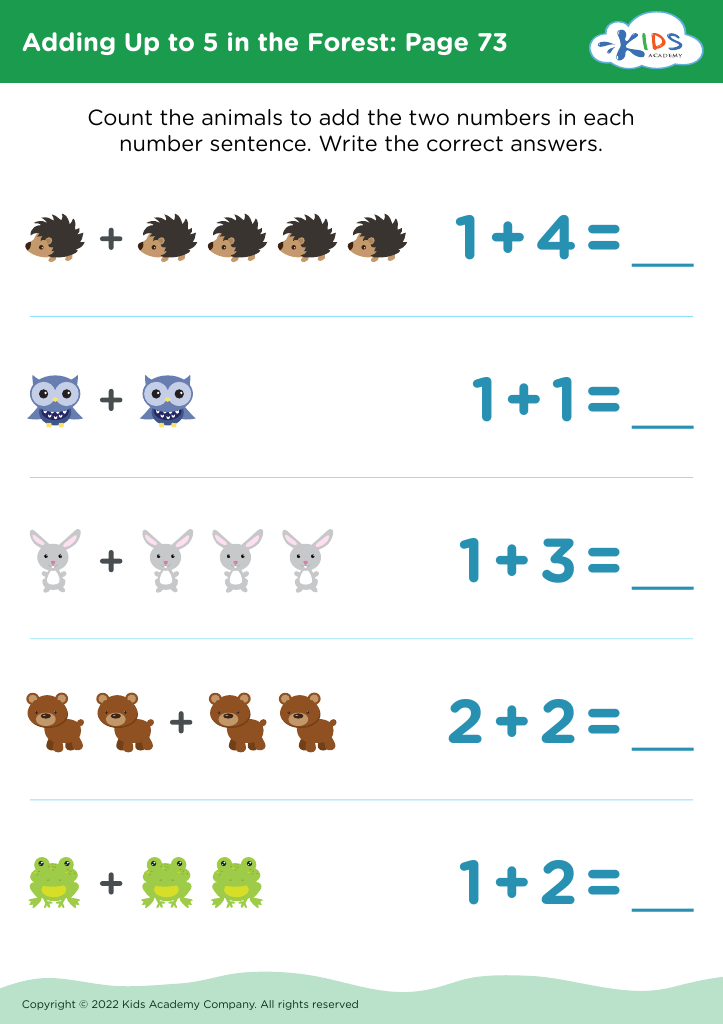
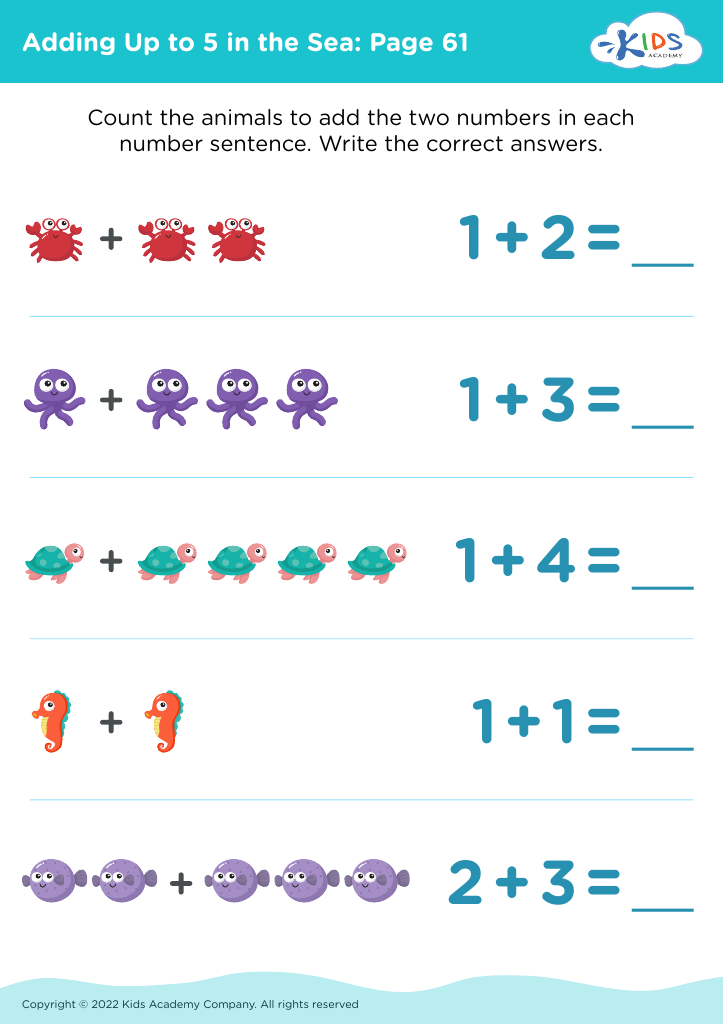
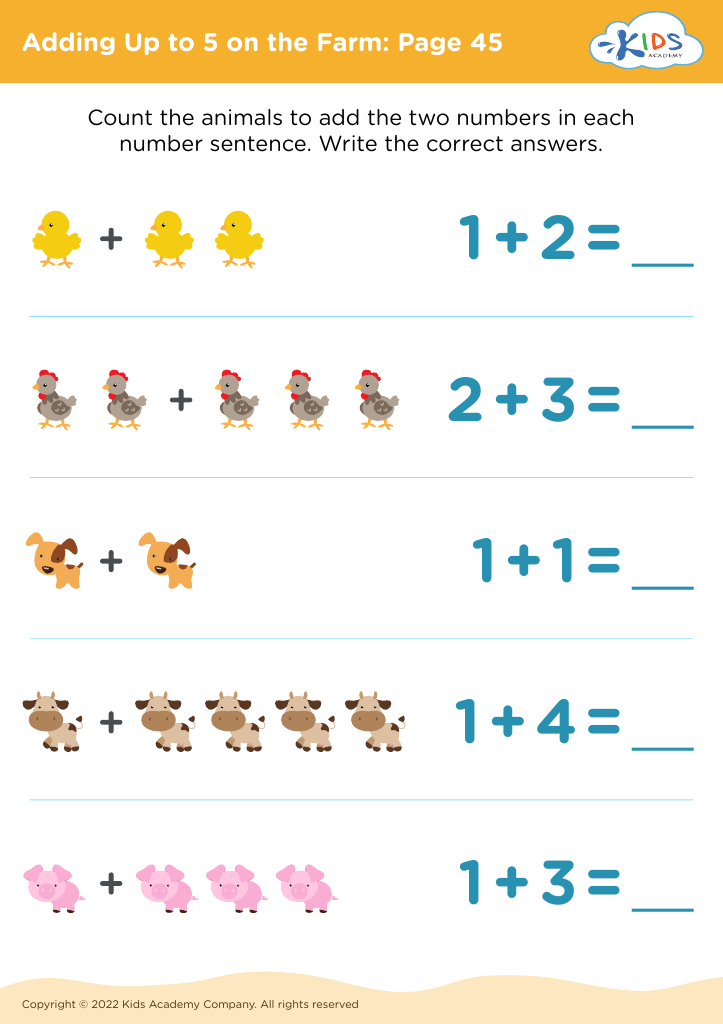
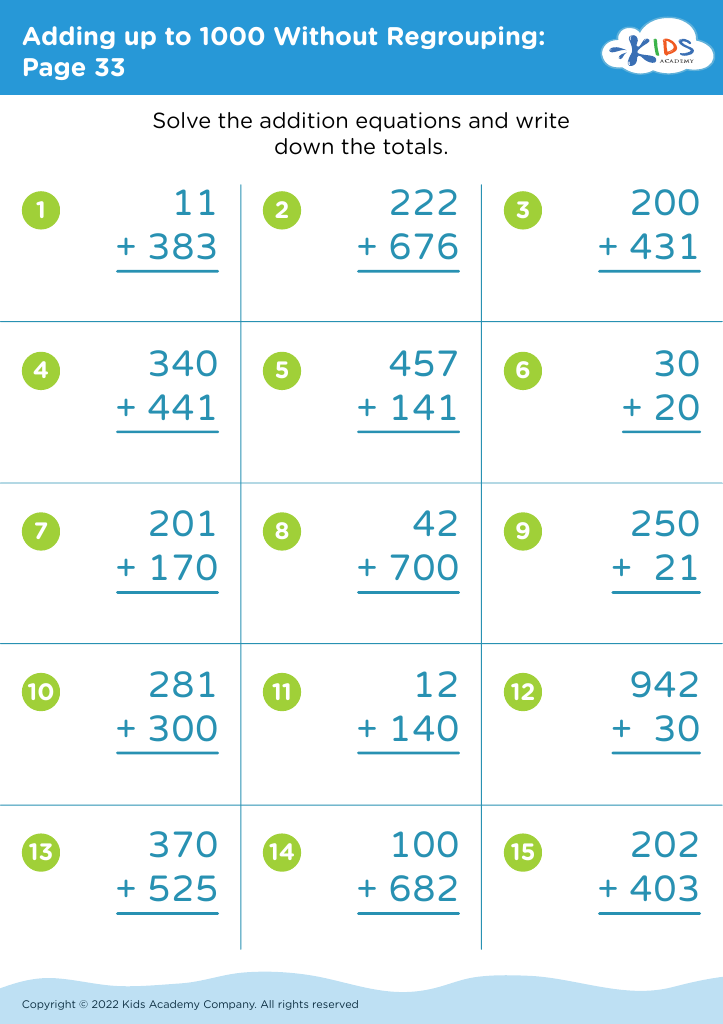
Discover our engaging Visual-Motor Skills Math Worksheets designed for children ages 3-8! These fun, interactive activities help young learners develop essential visual-motor coordination while reinforcing foundational math concepts. Each worksheet features vibrant illustrations and age-appropriate exercises, making it easy for kids to practice counting, number recognition, and basic calculations. By integrating visual-motor skills development with math learning, these worksheets encourage growth in both areas. Parents and educators will find these resources valuable for enhancing fine motor skills, precision, and focus in early learners. Foster a love for learning while building confidence—explore our collection of visual-motor skills worksheets today!
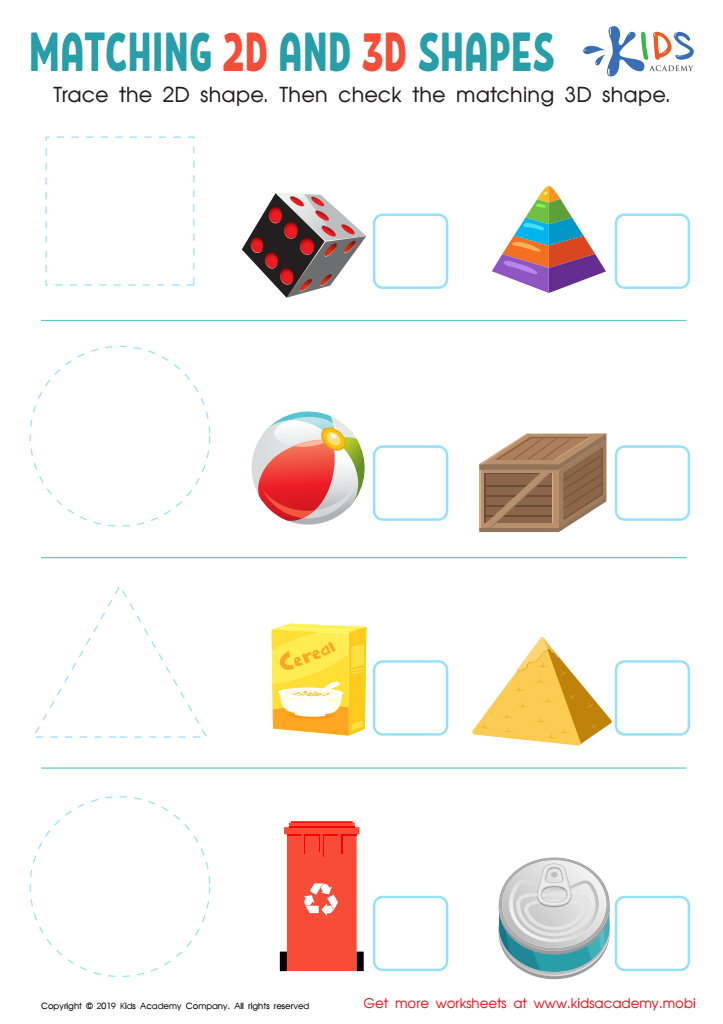
Matching 2D and 3D Shapes Worksheet
 Assign to My Students







Visual-motor skills are crucial for children aged 3-8, particularly in math, as they lay the groundwork for more complex problem-solving abilities. These skills involve the coordination of visual input with physical movements, which is vital for tasks such as writing numbers, drawing shapes, and organizing materials. Parents and teachers should care about visual-motor skills because they directly influence a child’s ability to engage with mathematical concepts.
At this age, children are just starting to understand quantity, shapes, and patterns. Strong visual-motor skills enhance their ability to manipulate objects, such as blocks or counters, which helps them internalize concepts of addition, subtraction, and spatial awareness. Children who struggle with visual-motor integration may have a harder time completing math-related tasks, leading to frustration and disengagement.
Furthermore, early intervention can foster confidence and independence in learning. By recognizing and nurturing visual-motor skills through playful activities—like drawing, crafting, or playing with puzzles—parents and teachers can create an enriching environment that supports a child’s overall educational journey. Ultimately, focusing on these skills sets a strong foundation for future learning in math and across various subjects, encouraging lifelong academic success.








