Visual Perception Skills Math Worksheets for Ages 3-8
11 filtered results
-
From - To
Our Visual Perception Skills Math Worksheets for ages 3-8 provide a fun and engaging way for young learners to develop essential math abilities. Designed to enhance their visual perception, these worksheets help children recognize patterns, shapes, and positions, which are fundamental for their cognitive development. Each activity is crafted to be age-appropriate, making complex concepts easy to grasp. Through puzzles, matching games, and sorting tasks, kids can build a strong foundation in math while honing their visual and analytical skills. Perfect for both classroom settings and at-home practice, these worksheets are a valuable resource for fostering early math proficiency.
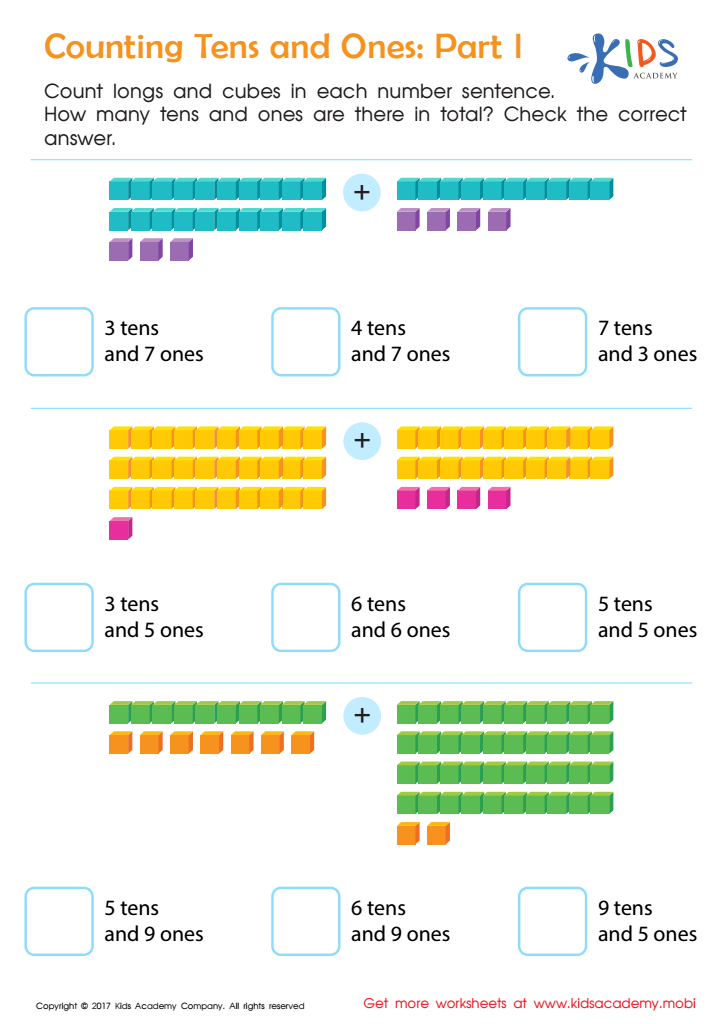
Counting Tens and Ones: Part 1 Worksheet
 Assign to My Students
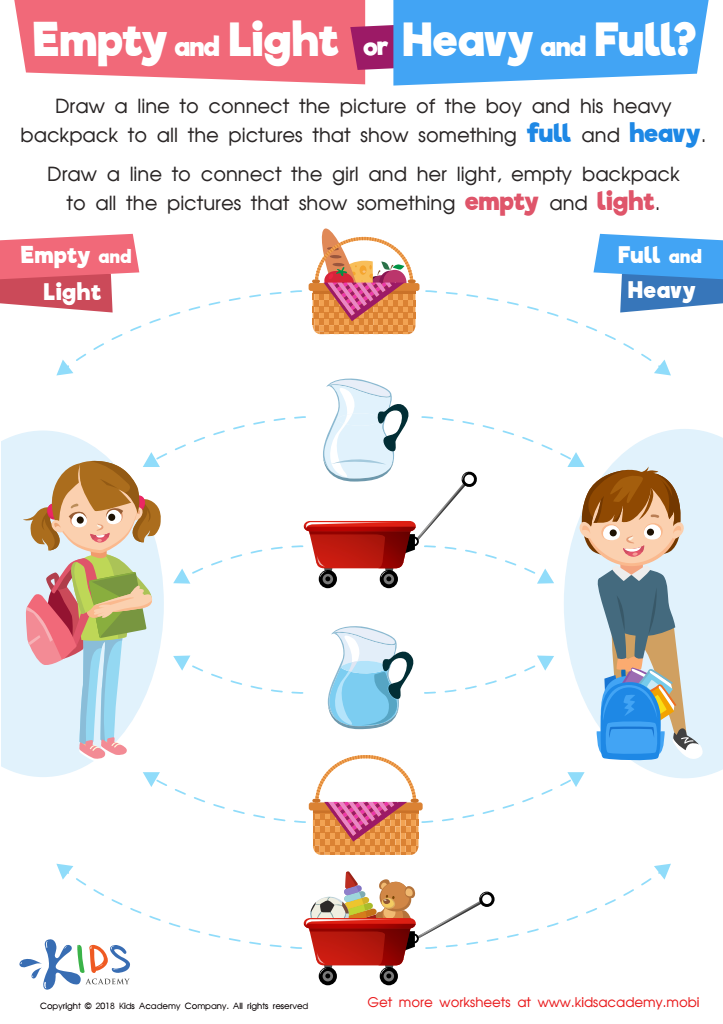
Empty and Light or Heavy and Full? Worksheet
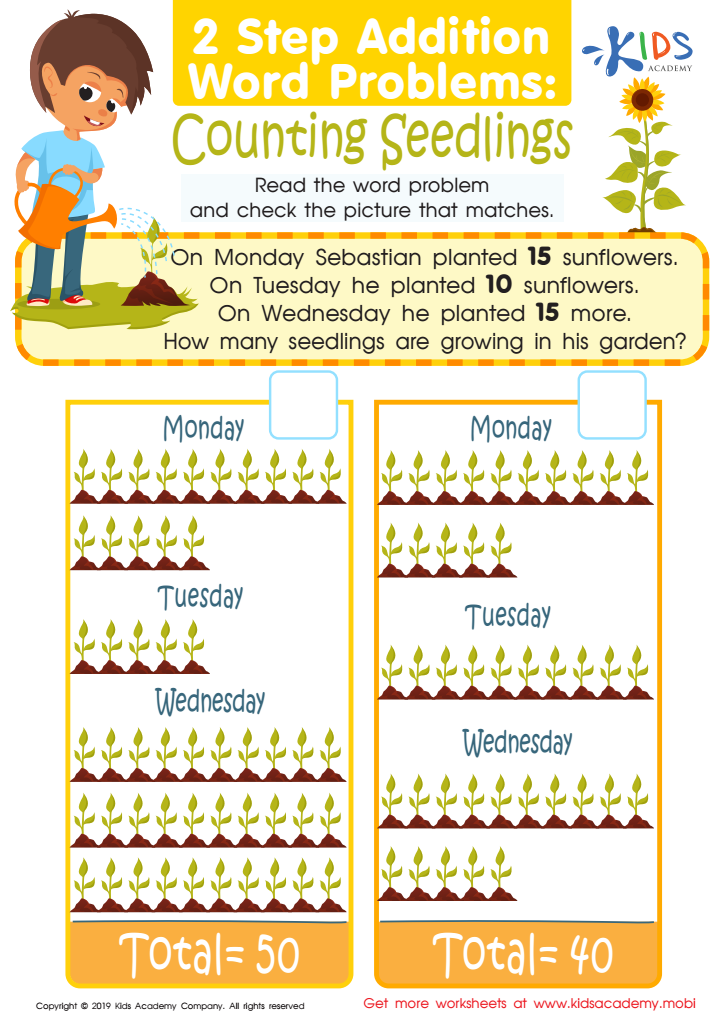
Counting Seedlings Worksheet
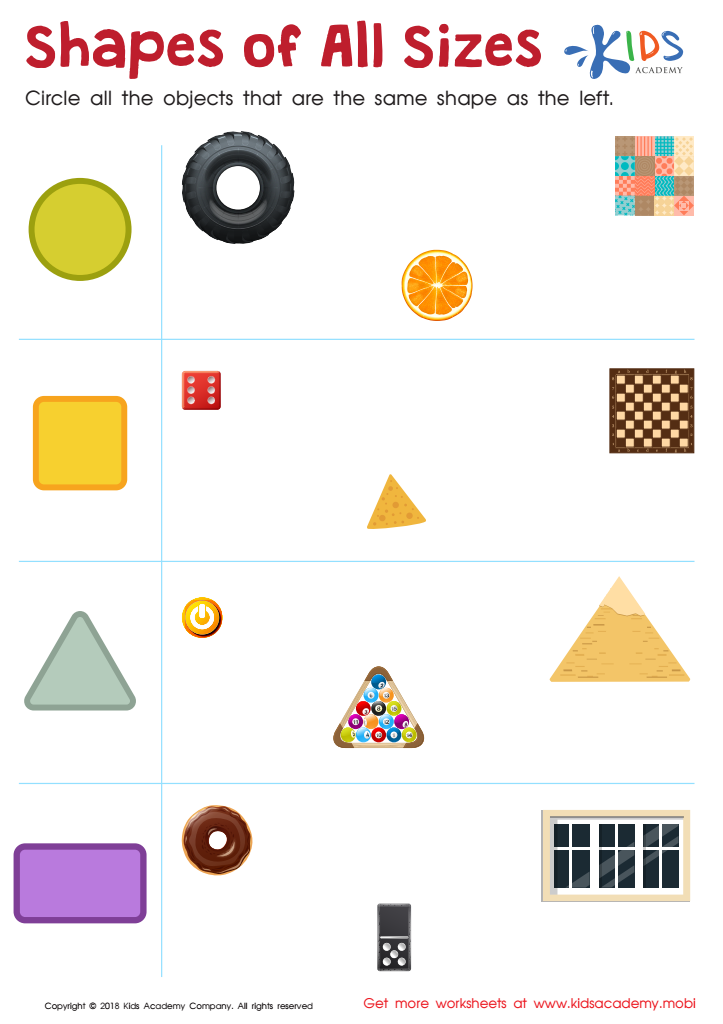
Shapes of All Sizes Worksheet
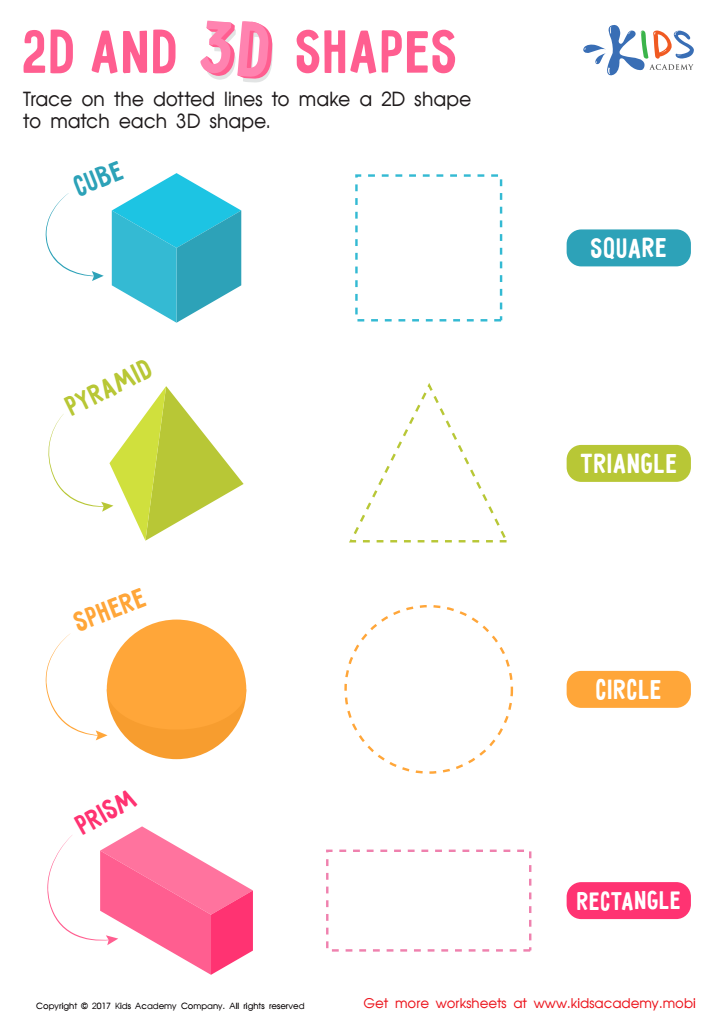
2D and 3D Shapes Worksheet
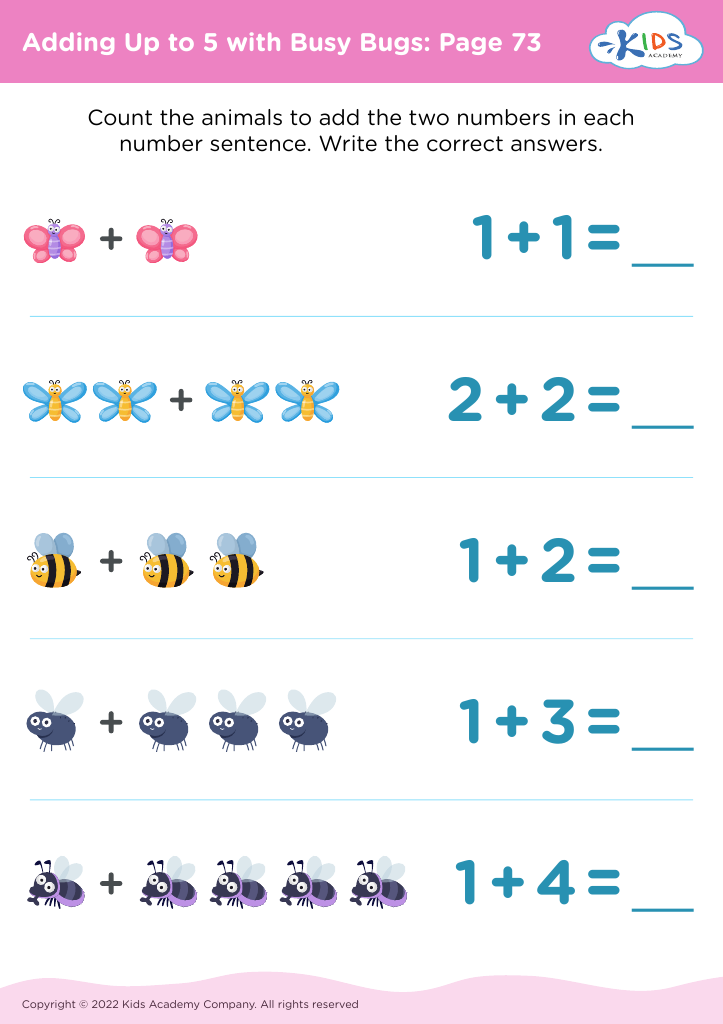
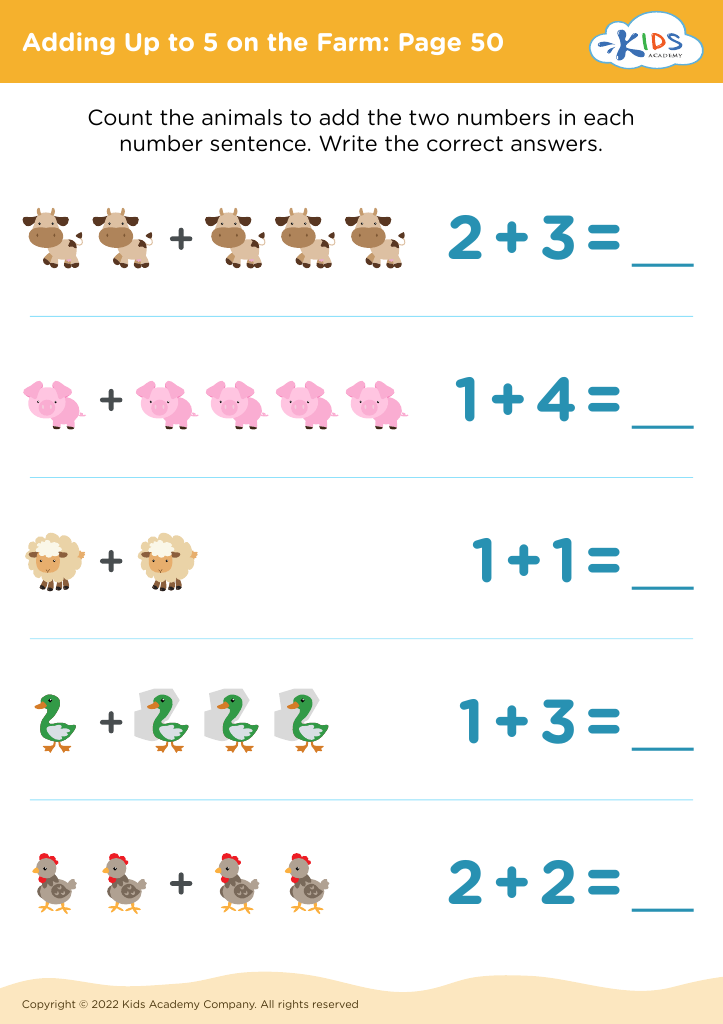
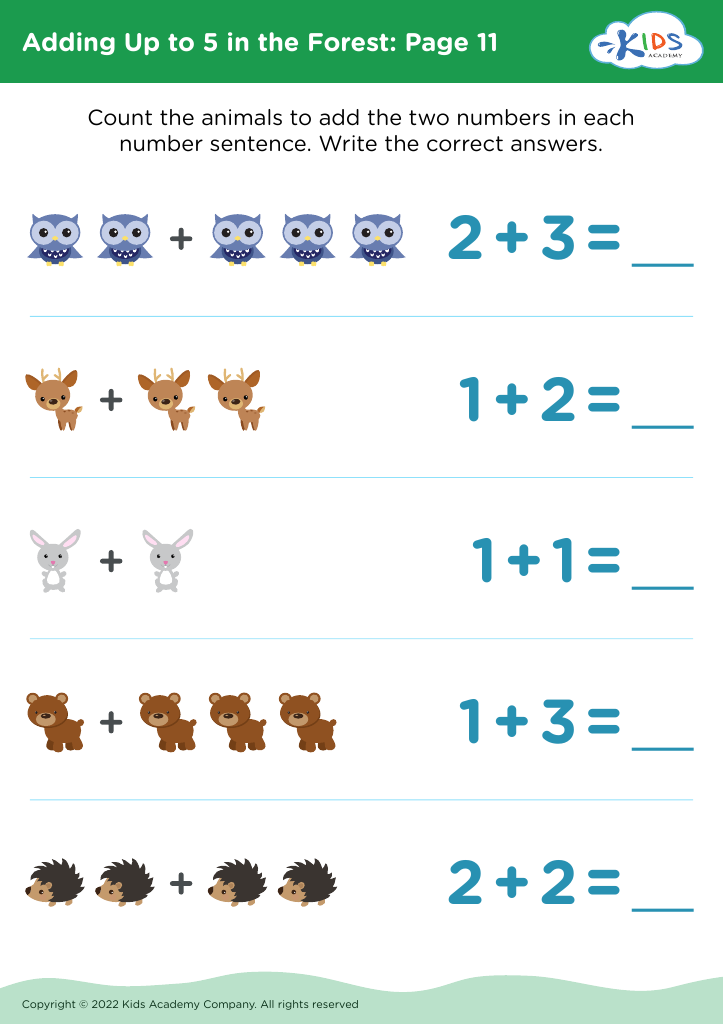
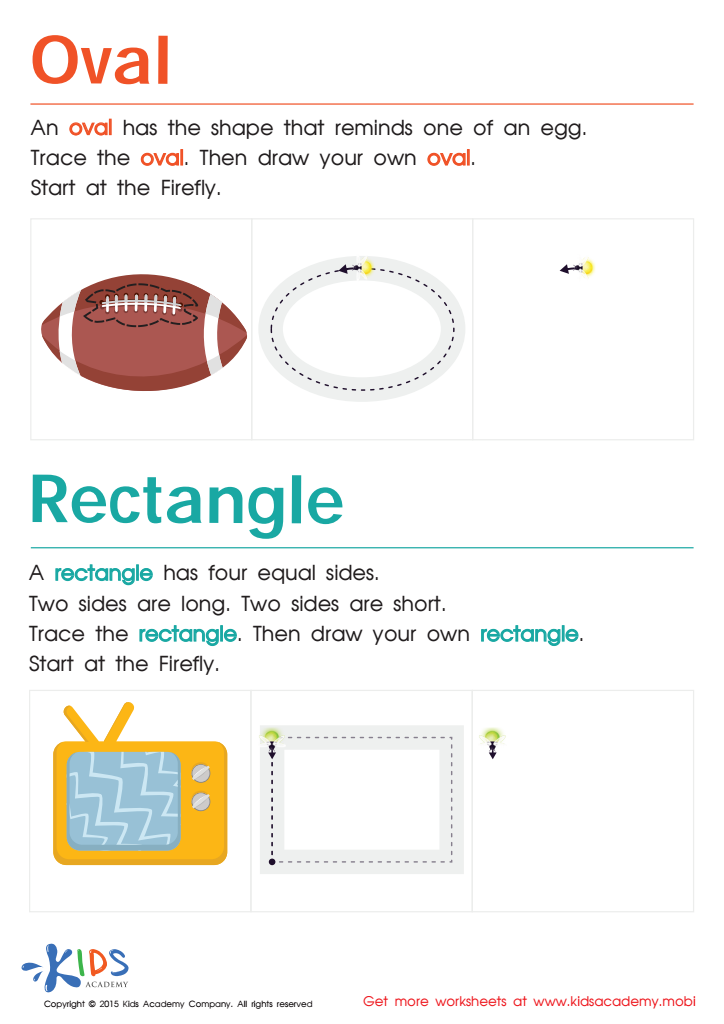
Easy Drawing of Ovals And Rectangles Worksheet
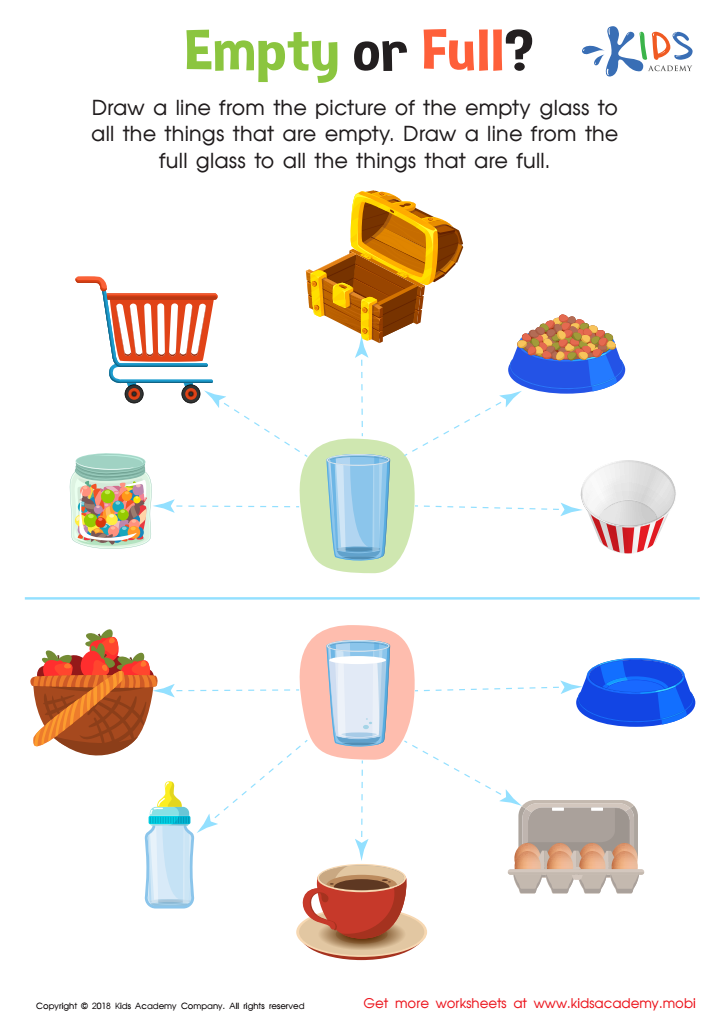
Empty or Full? Worksheet




.jpg)
.jpg)


Visual perception skills are fundamental for children aged 3-8 as they lay the foundation for effective learning and cognitive development. These skills involve the brain's ability to interpret, process, and give meaning to what the eyes see. When children can accurately perceive visual information, they are better positioned to understand and engage with their learning environment.
In math, visual perception skills are crucial for recognizing shapes, patterns, numbers, and spatial relationships. For example, a child needs to distinguish between similar-looking numbers like 6 and 9 or understand the difference between a square and a rectangle to succeed in early mathematics. These skills help children in solving puzzles, learning to count, organizing objects by size, shape, or color, and understanding the concept of quantity, all of which are foundational math skills.
Parents and teachers should prioritize the development of visual perception skills because they also foster other vital proficiencies, such as reading and writing. Encouraging activities like drawing, puzzles, and block building can aid in the development of these skills. When children struggle with visual perception, they may find these academic and non-academic tasks more challenging, potentially affecting their confidence and overall educational progress. By nurturing these skills, caregivers set their children up for success in both academic endeavors and everyday problem-solving situations.








