
Color Identification Matching Worksheets for Ages 3-8
3 filtered results
Difficulty Level
Grade
Age
-
From - To
Subject
Activity
Standards
Discover engaging Color Identification Matching Worksheets specially designed for children aged 3 to 8! These interactive resources provide a fun way for young learners to enhance their understanding of colors while improving matching skills. Our worksheets feature vibrant visuals that capture children's attention and stimulate their creativity. Easy to understand and execute, these activities promote cognitive development and fine motor skills, making learning a joyful experience. Ideal for both classroom settings and home practice, these worksheets can help your child develop a strong foundation in color recognition that supports their overall educational journey. Download now to make learning colorful and exciting!
Favorites
With answer key
Interactive
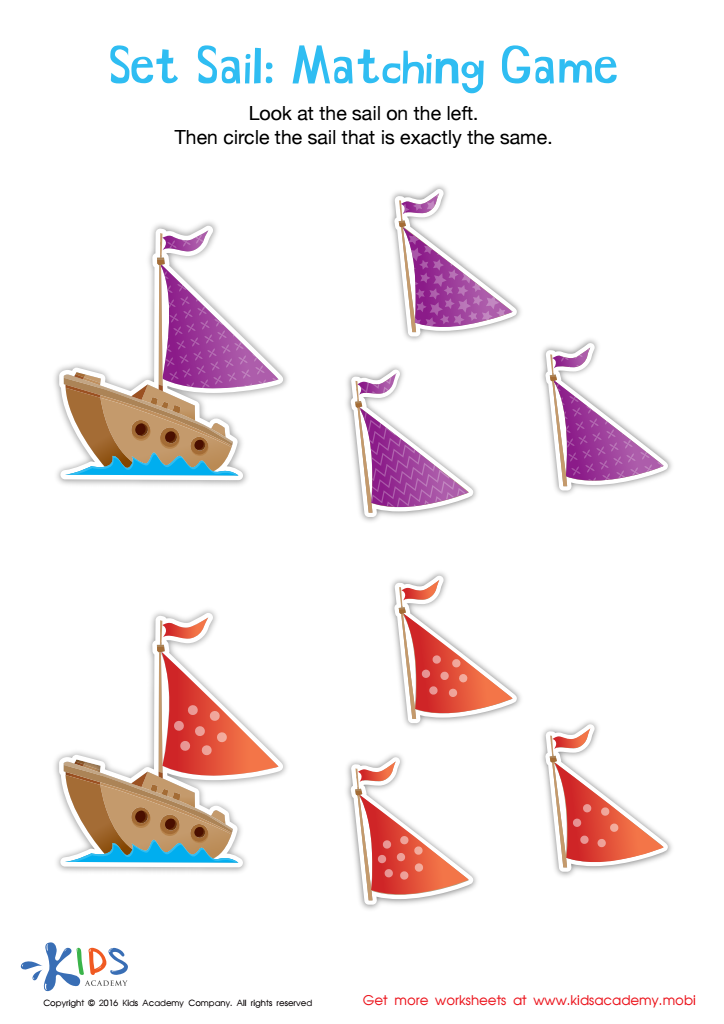
Set Sail Worksheet
Set sail with this fun matching game for toddlers! Kids will love finding the same pattern on the sails, improving their problem-solving and counting skills. Enjoy this bright and engaging worksheet!
 Assign to My Students
Set Sail Worksheet
Worksheet
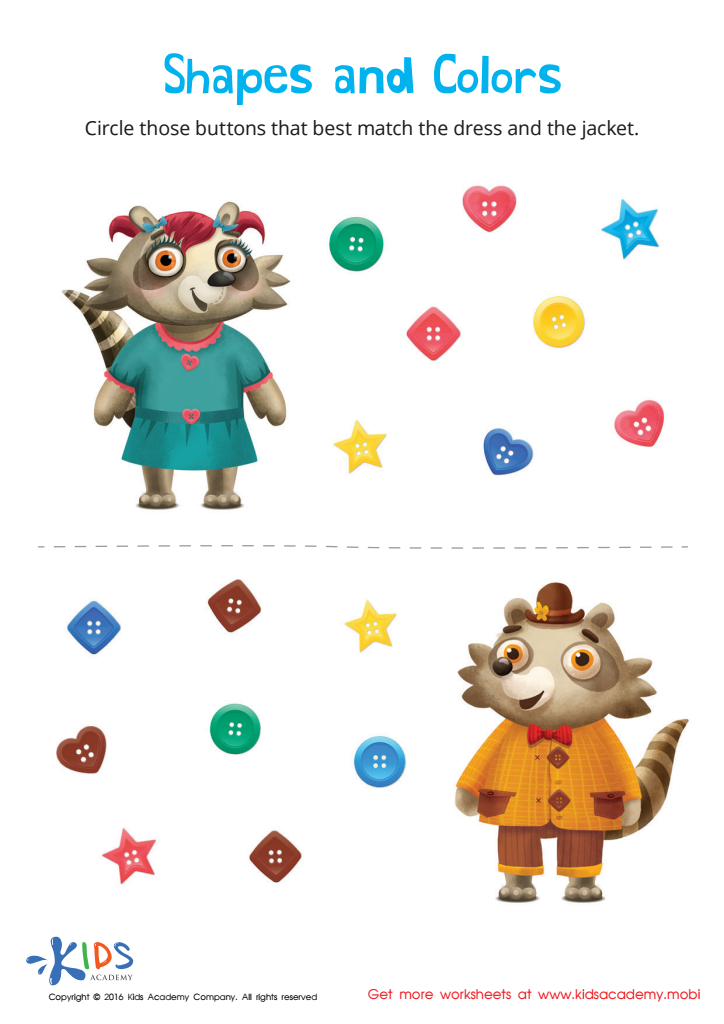
Matching: Shapes and Colors Worksheet
Help Mr. and Mrs. Raccoon find the right buttons to match their shirts! Kids will identify shapes and colors and learn to match them correctly.
Matching: Shapes and Colors Worksheet
Worksheet
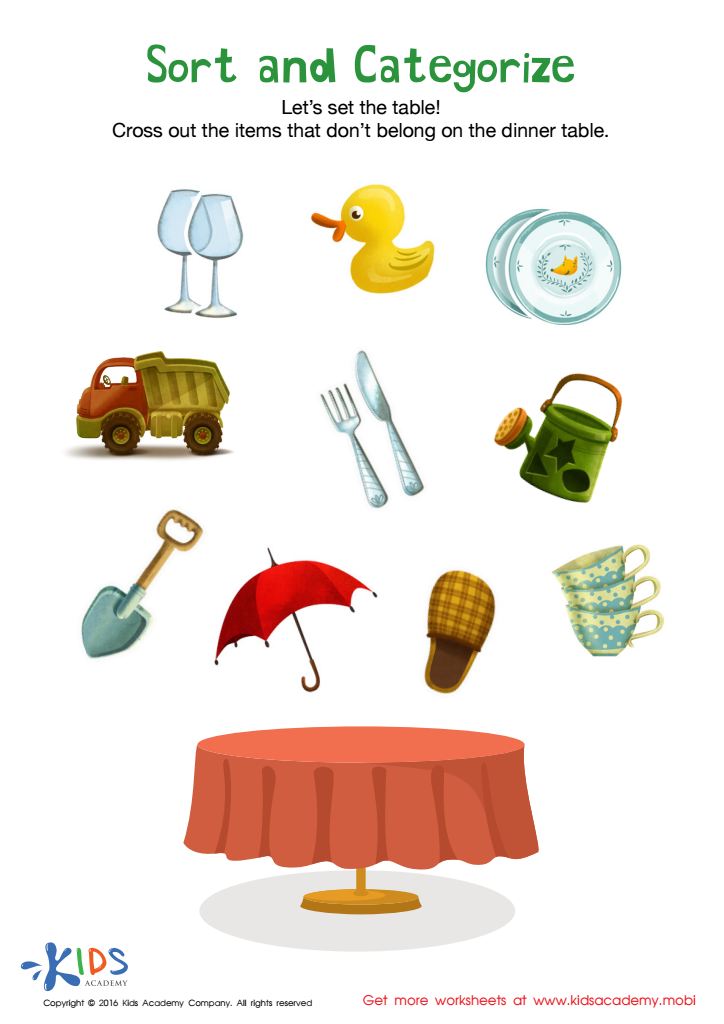
Join Kids Academy for Free
Who is primarily going to use this learning content?








Color identification is a fundamental skill for young children, typically aged 3-8, that contributes significantly to their cognitive and social development. Understanding and recognizing colors enhances children's visual perception and stimulates their curiosity about the world. When parents and teachers focus on color identification matching, they support critical thinking and problem-solving skills as students learn to connect colors to objects in their environment.
Moreover, color recognition plays a crucial role in emotional and social development. Children often associate colors with feelings; for instance, they may relate the color red to excitement or green to calmness. Through color identification, children can express themselves better and communicate their emotions.
Socially, learning colors can facilitate teamwork during group activities, whether in classroom settings or playdates, as children collaborate on projects that involve sorting or categorizing by color. This fosters communication and teamwork skills.
Finally, mastering color recognition lays a strong foundation for subsequent learning, such as art, science, and mathematics, weaving seamlessly into various educational activities. Engaging children in color identification through fun games and activities makes the learning process enjoyable, ensuring that they associate learning with positive experiences and growth. Thus, emphasizing color identification matching is vital for holistic development.








