Comparing sizes Measurement Worksheets for Ages 3-8
9 filtered results
-
From - To
Our Comparing Sizes Measurement Worksheets for ages 3-8 are the perfect tools to teach young learners essential math skills. These engaging worksheets are designed to help children understand concepts of size and measurement by comparing different objects. Filled with colorful illustrations and fun activities, our printable worksheets make learning enjoyable. Ideal for preschool through early elementary, these resources build a solid foundation in math while also enhancing critical thinking and observation skills. Whether measuring height, width, or length, kids will grasp the basics effortlessly. Start exploring our Comparing Sizes Measurement Worksheets and watch your child's confidence grow!
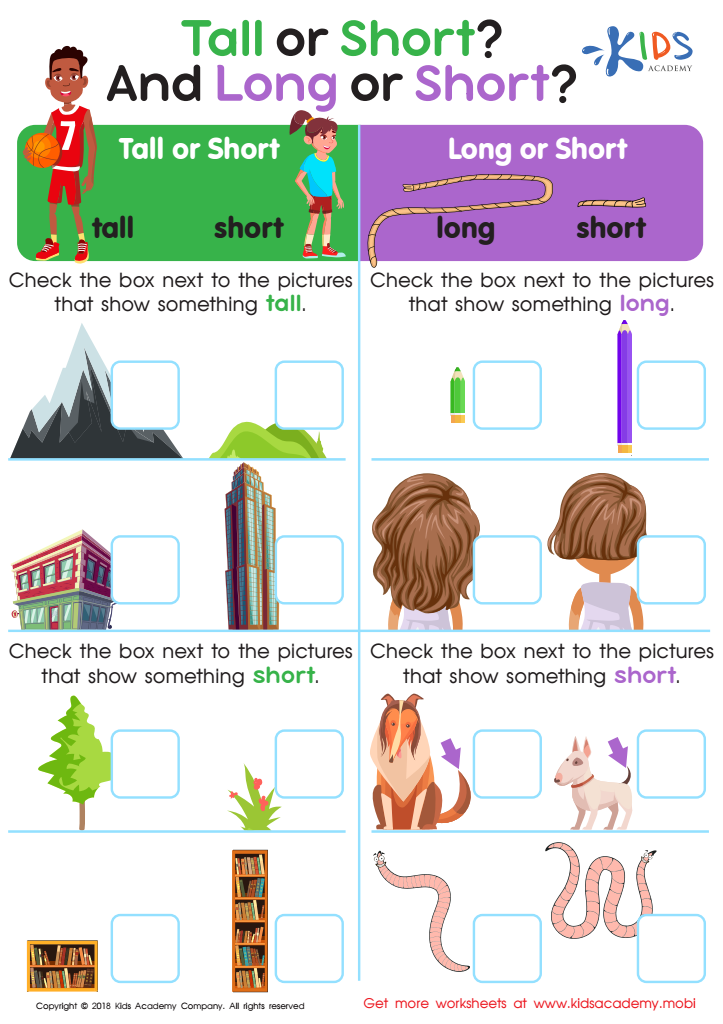
Tall or Short and Long or Short? Worksheet
 Assign to My Students
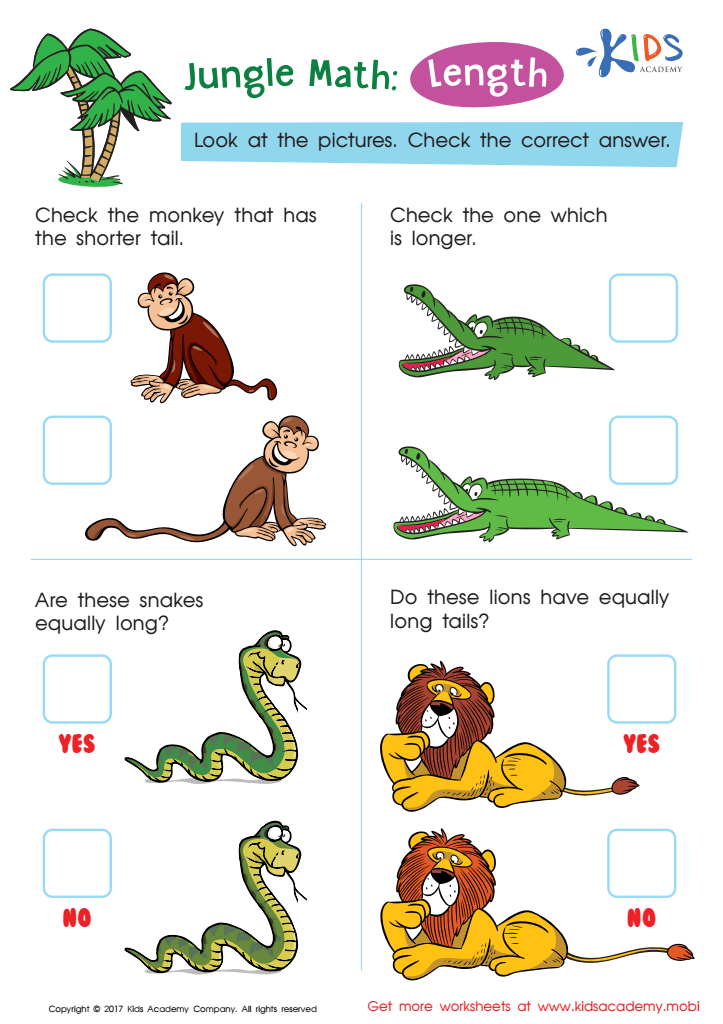
Which One Is Longer - Length Worksheet
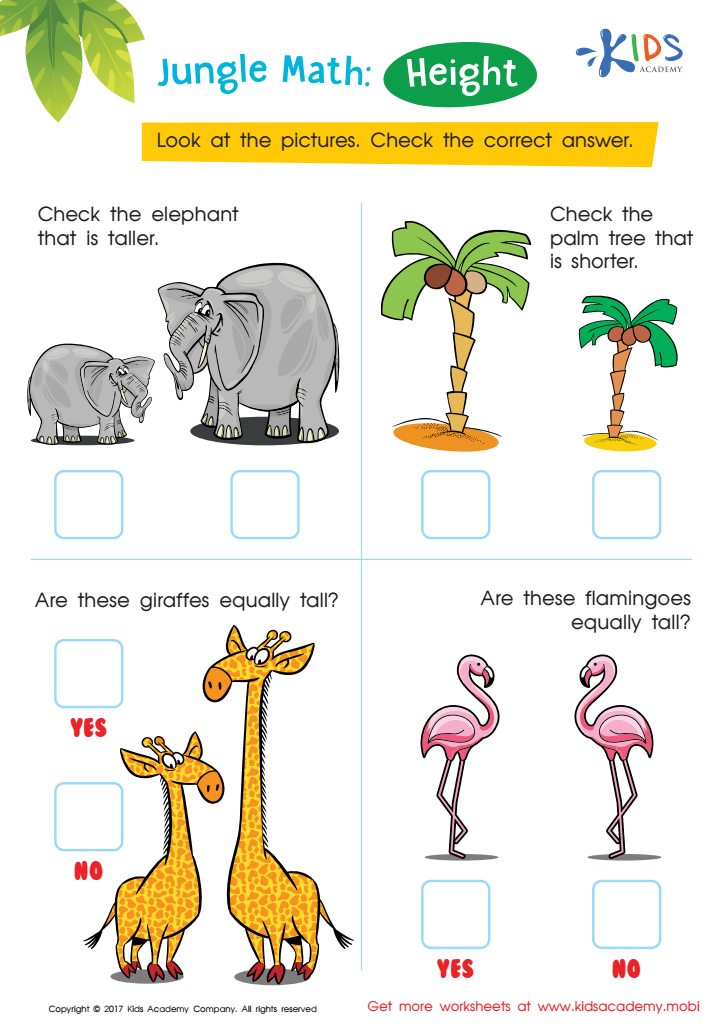
Which Is Taller Worksheet
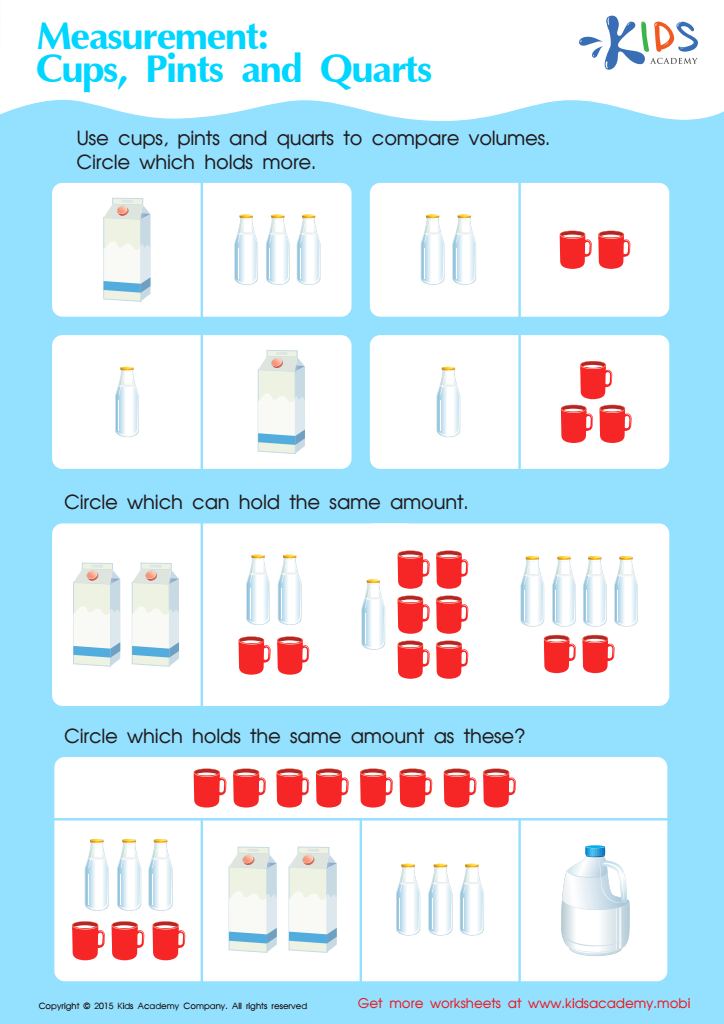
Measurement: Compare Volumes Worksheet
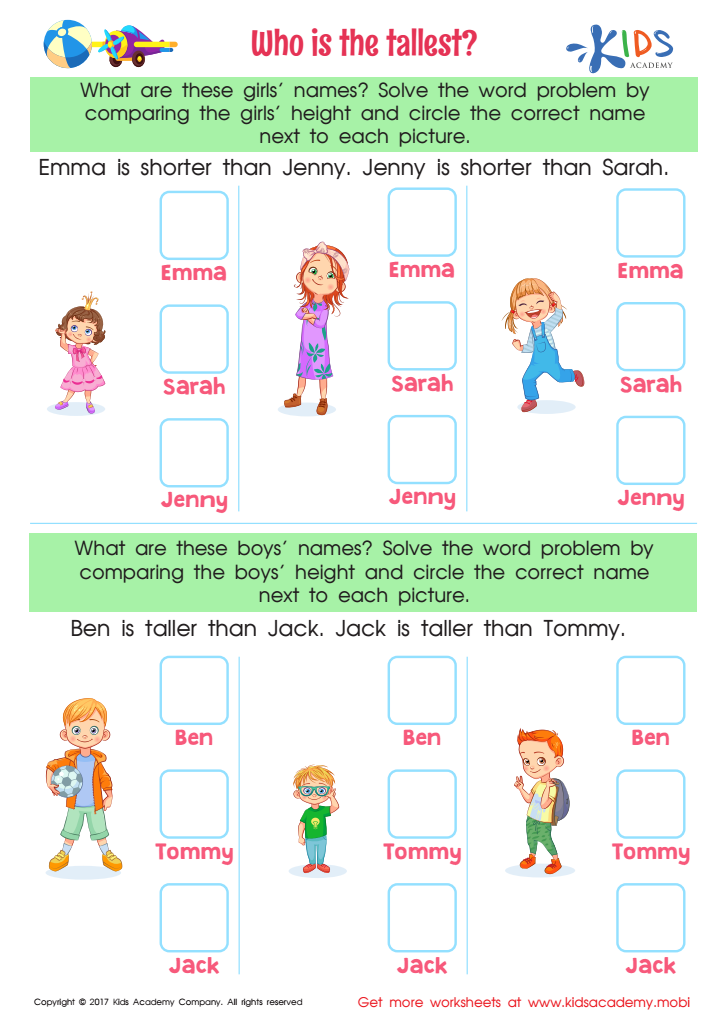
Who Tallest Printable
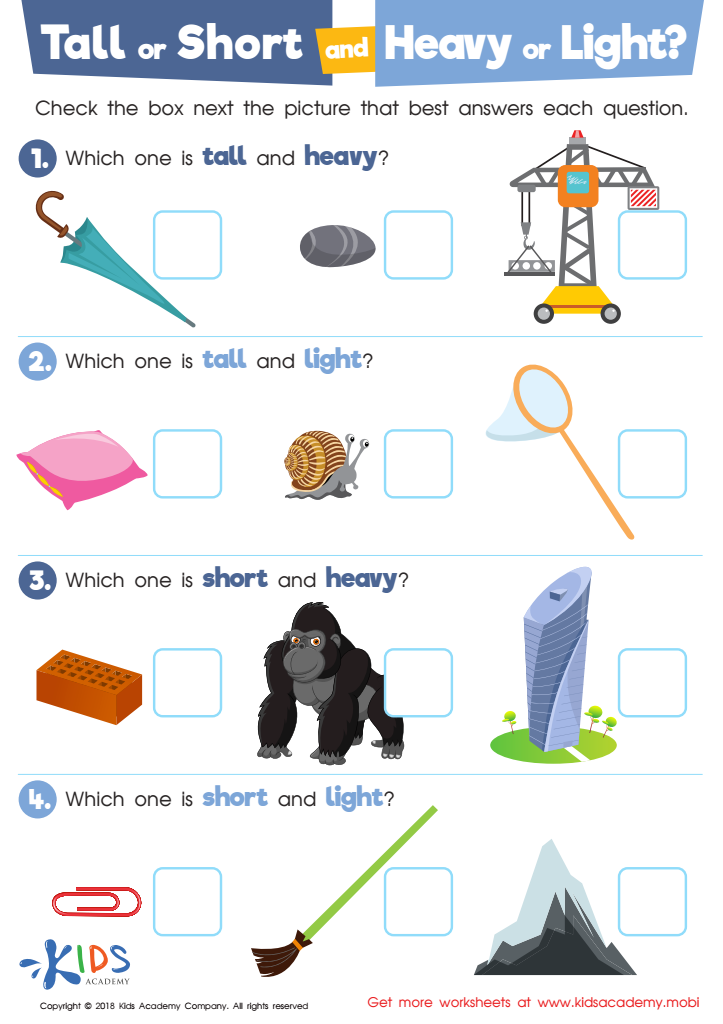
Tall or Short and Heavy or Light? Worksheet
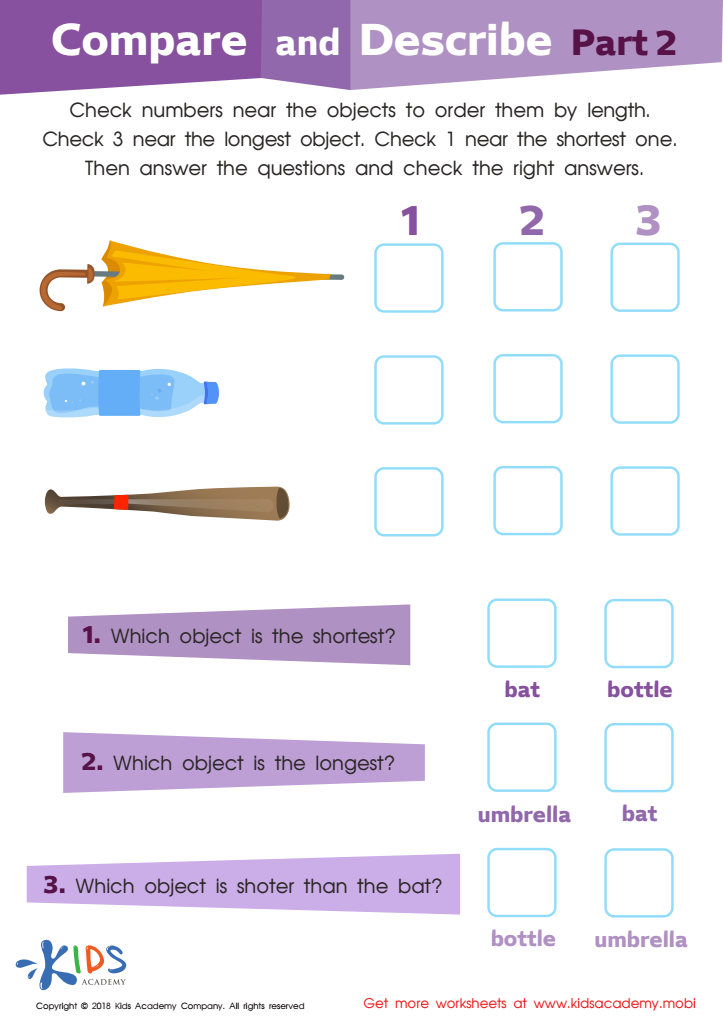
Compare and Describe: Part 2 Worksheet
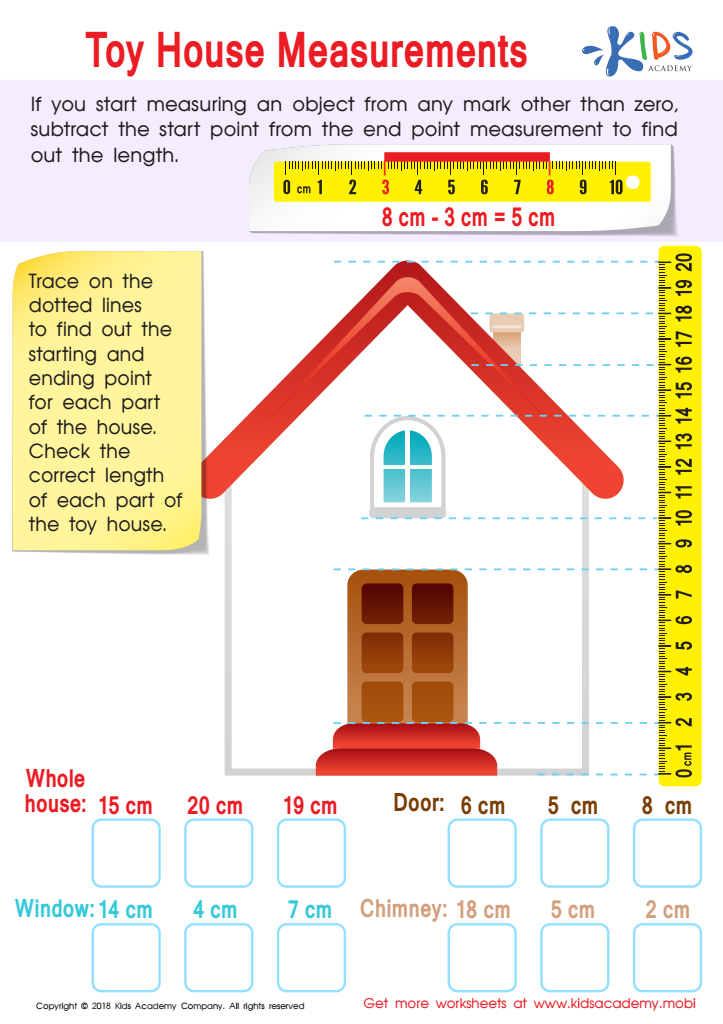
Toy House Measurements Worksheet
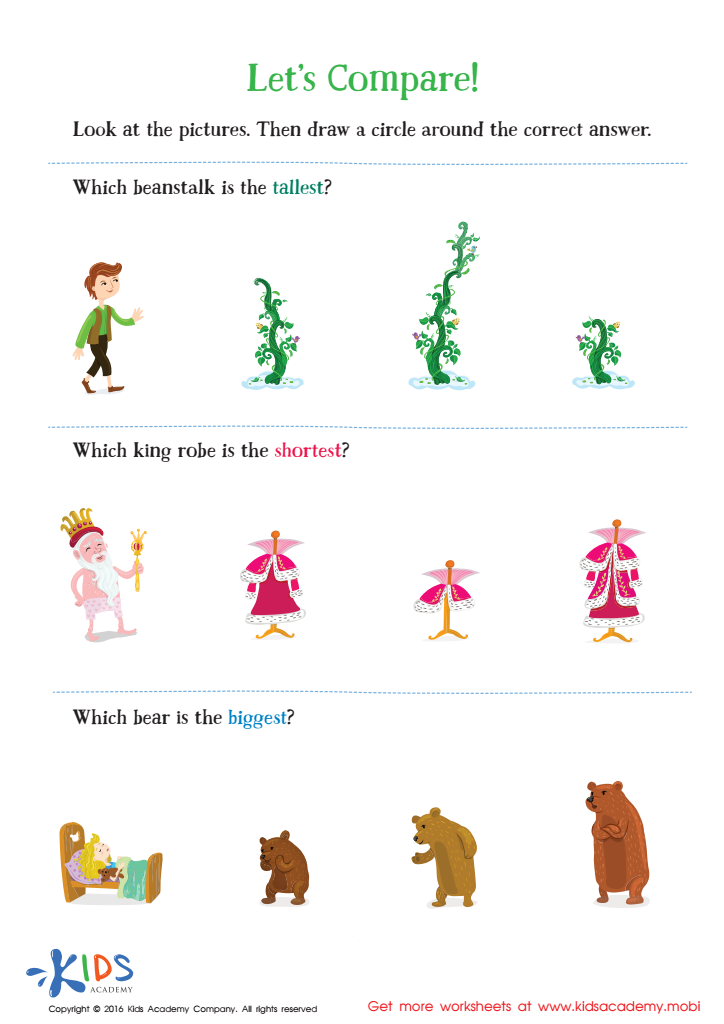
Fairy Tale Worksheet: Let's Compare








Parents and teachers should prioritize teaching children aged 3-8 about comparing sizes and measurement because these fundamental skills play a crucial role in early cognitive development. By understanding concepts like big, small, tall, short, heavy, and light, children cultivate their ability to observe and describe the world around them, leading to improved problem-solving skills.
Engaging in activities that involve measuring and comparing helps to enhance a child's fine motor skills and hand-eye coordination, which are essential for daily tasks and academic success. Moreover, it lays the groundwork for math readiness, supporting spatial awareness and numeracy skills by helping children learn about amounts, quantities, and sequential ordering.
Beyond academics, comparing sizes encourages children to develop their language skills by describing objects and expressing their observations. It also promotes social interaction and cooperative play, as children often compare items together or take turns measuring and discussing their findings.
Finally, fostering an understanding of measurement from a young age helps children gain confidence and curiosity about their environment. This intrinsic motivation to explore and learn further nurtures a lifelong love of learning and appreciation for both everyday observations and more complex scientific concepts they will encounter later.








