Vocabulary enhancement Measurement Worksheets for Ages 3-8
4 filtered results
-
From - To
Welcome to our Vocabulary Enhancement Measurement Worksheets for Ages 3-8! These carefully designed worksheets aim to boost children's vocabulary while linking words to measurement concepts. Perfect for early learners, our engaging activities promote understanding of measurement terms like length, weight, and capacity through hands-on practice. With fun visuals and straightforward exercises, children will enrich their language skills and develop confidence in using vocabulary related to measurements. Ideal for classrooms or home learning, our resources encourage exploration and interaction, making learning enjoyable and effective. Help your child build a strong language foundation with our vibrant vocabulary enhancement worksheets today!
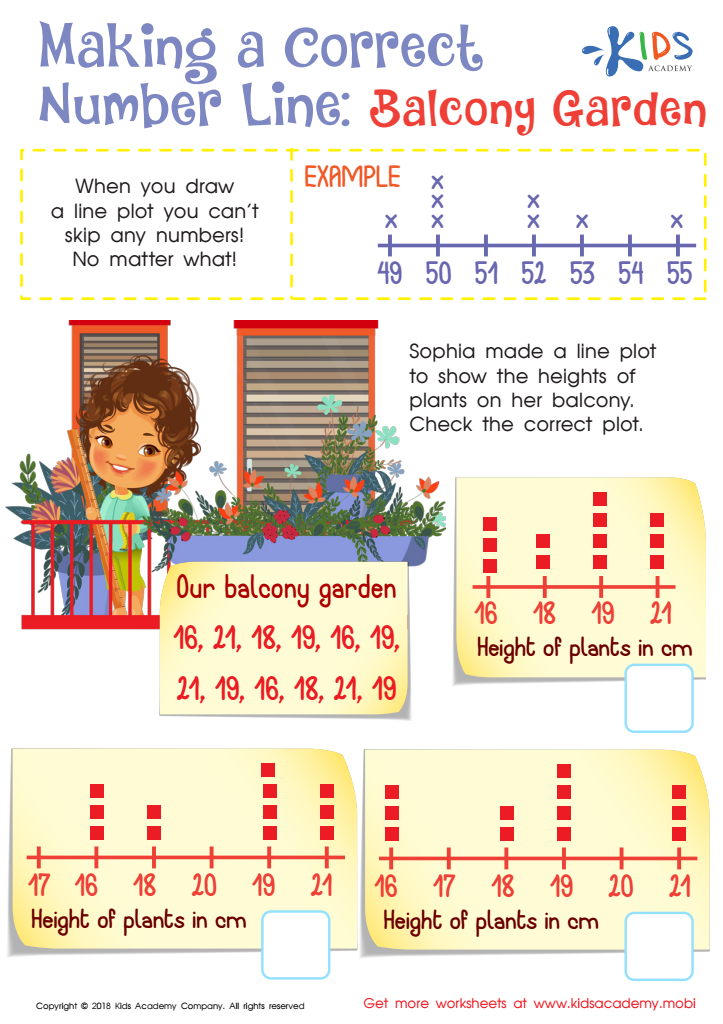
Making a Correct Number Line: Balcony Garden Worksheet
 Assign to My Students
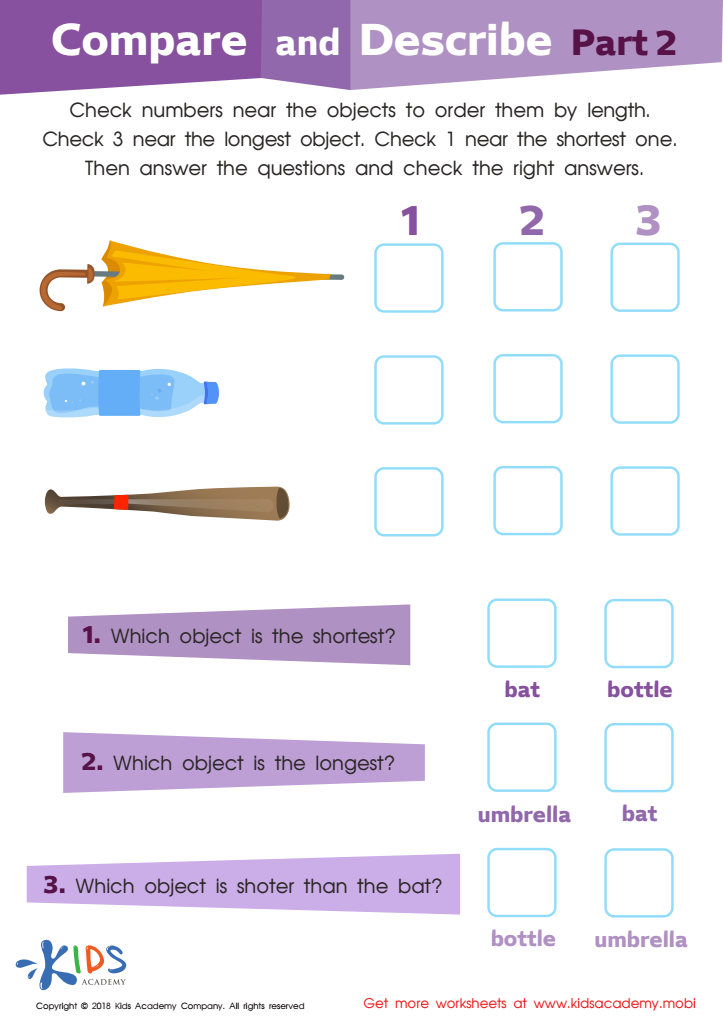
Compare and Describe: Part 2 Worksheet
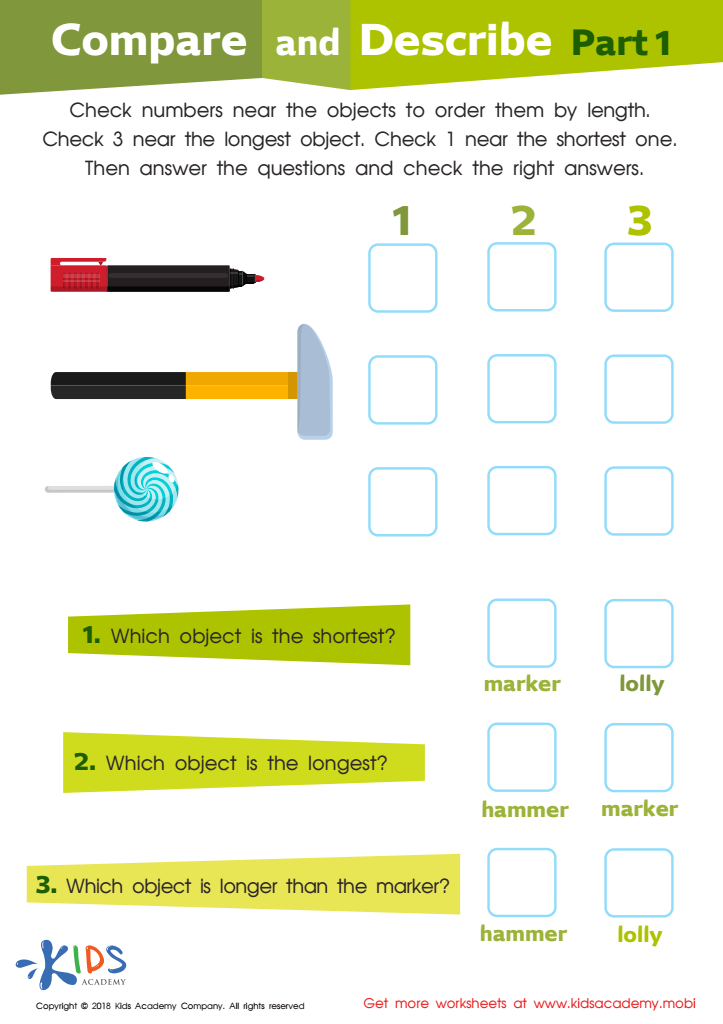
Compare and Describe: Part 1 Worksheet
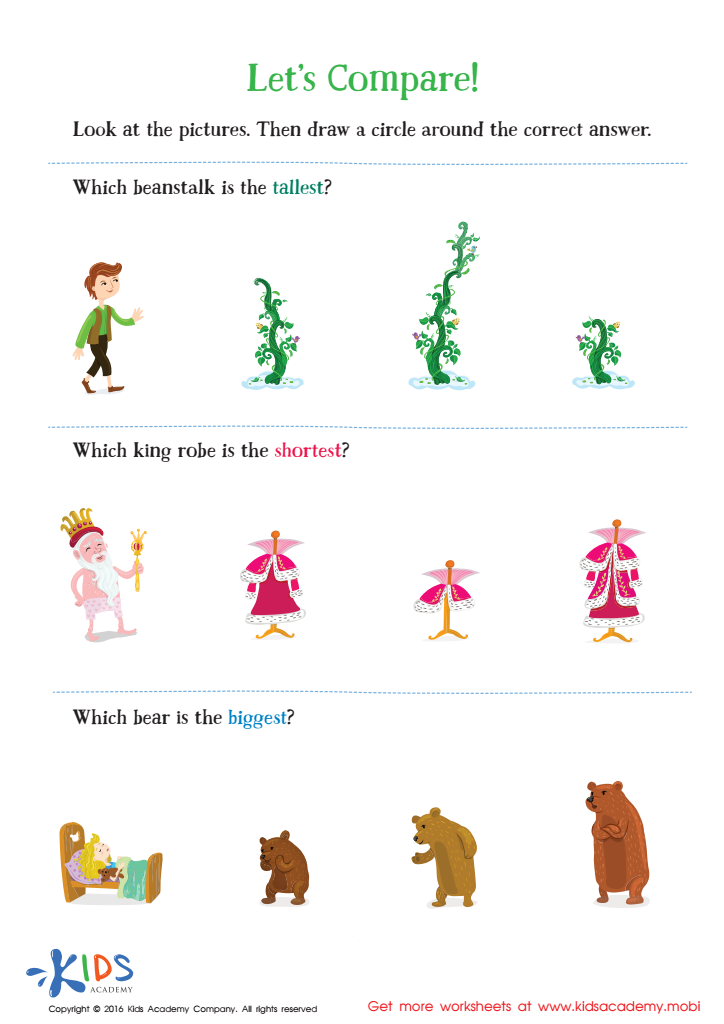
Fairy Tale Worksheet: Let's Compare








Parents and teachers should prioritize vocabulary enhancement measurement for children aged 3-8 because vocabulary is the foundation of literacy and successful communication. During these formative years, children experience rapid language development that significantly impacts their cognitive growth and academic success. A rich vocabulary enhances comprehension skills in reading and listening, enabling children to understand and express ideas more effectively.
Moreover, vocabulary measurement provides essential insights into a child’s language abilities, helping educators and parents identify both strengths and areas for improvement. Early identification of vocabulary gaps allows for targeted interventions that can prevent future learning challenges. It also promotes a richer language environment, encouraging the use of diverse words and phrases in daily interactions.
Additionally, robust vocabulary skills contribute to social and emotional development, as children learn to communicate their thoughts, feelings, and needs. This can boost their confidence and foster healthy relationships with peers and adults.
Ultimately, by actively measuring and enhancing vocabulary, parents and teachers play a crucial role in supporting children’s overall development, paving the way for lifelong learning and success. Investing in vocabulary at this stage makes a lasting difference, equipping children with essential tools for their educational journey and beyond.








