Fine Motor Skills Numbers 0–10 Worksheets for Ages 3-8 - Page 2
48 filtered results
-
From - To

Eight Geese Worksheet
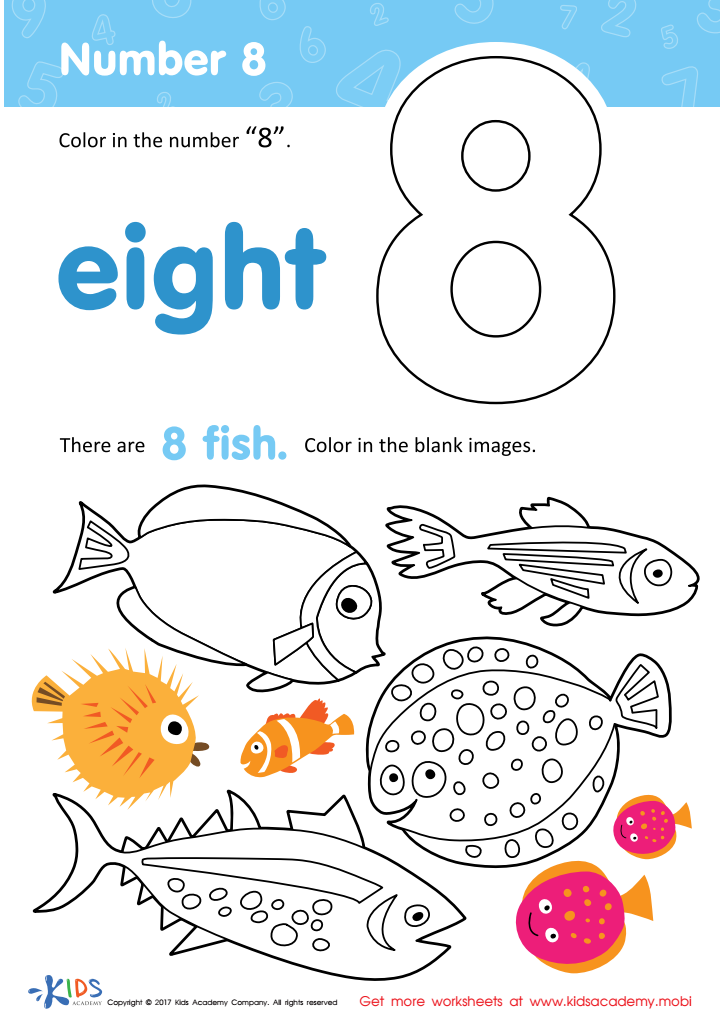
Number 8 Printable
 Assign to My Students
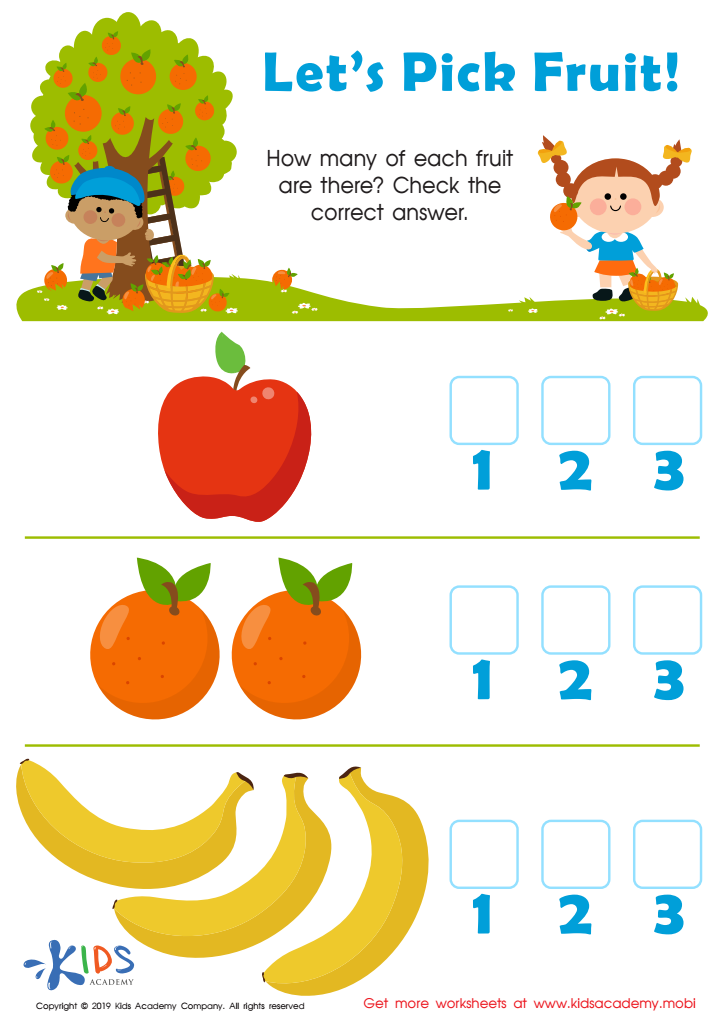
Let's Pick Fruit Worksheet
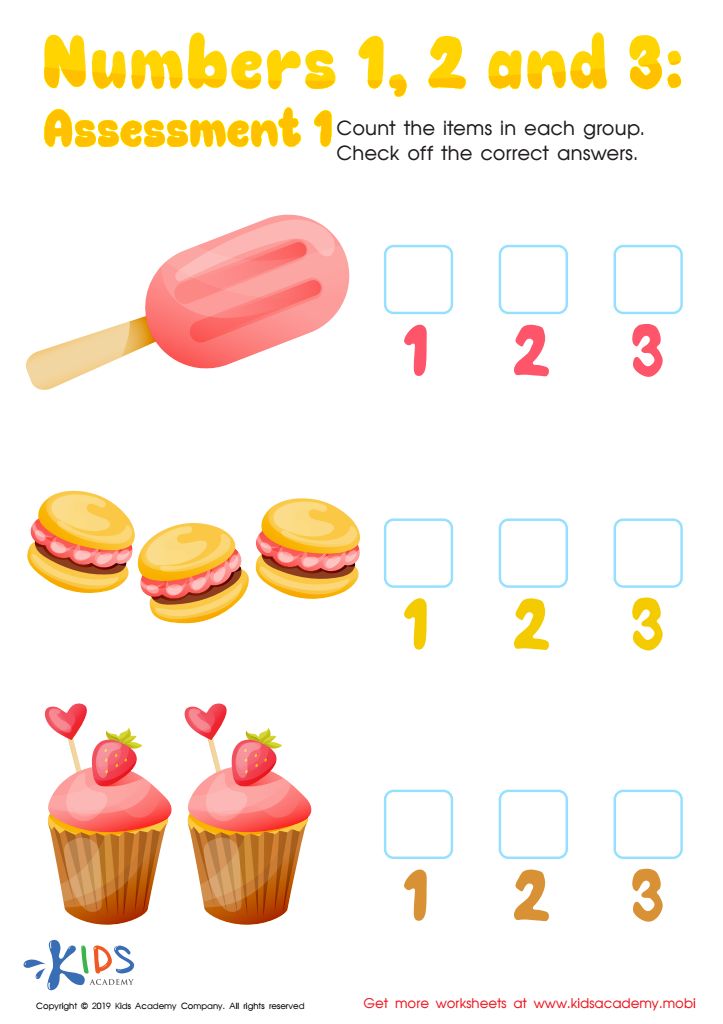
Numbers 1, 2 and 3: Assessment 1 Worksheet
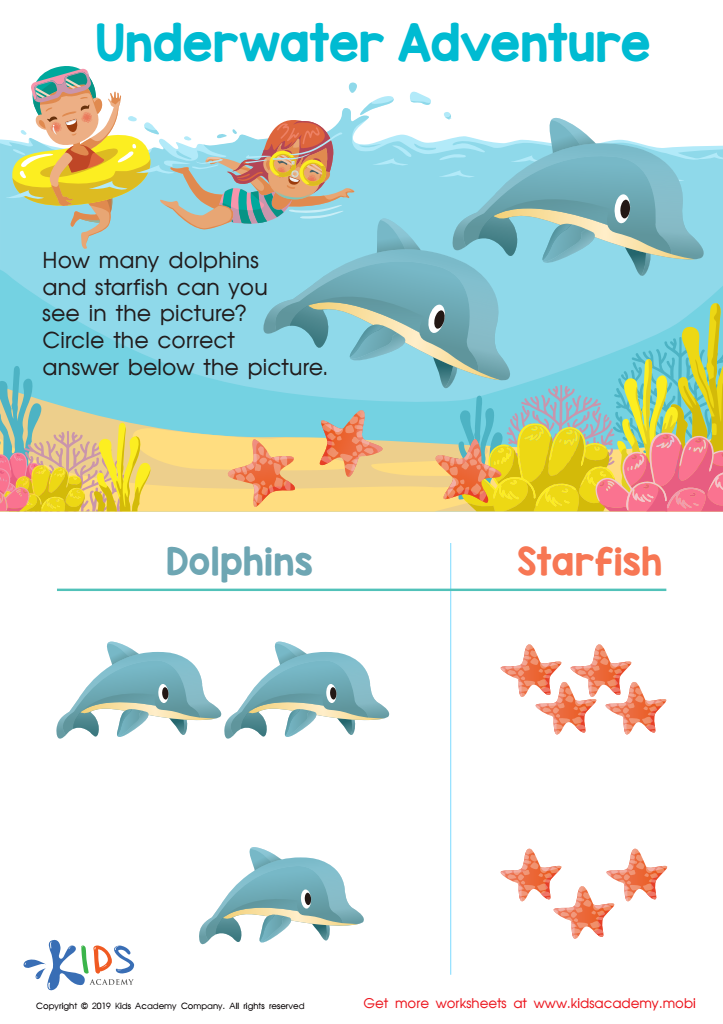
Underwater Adventure Worksheet
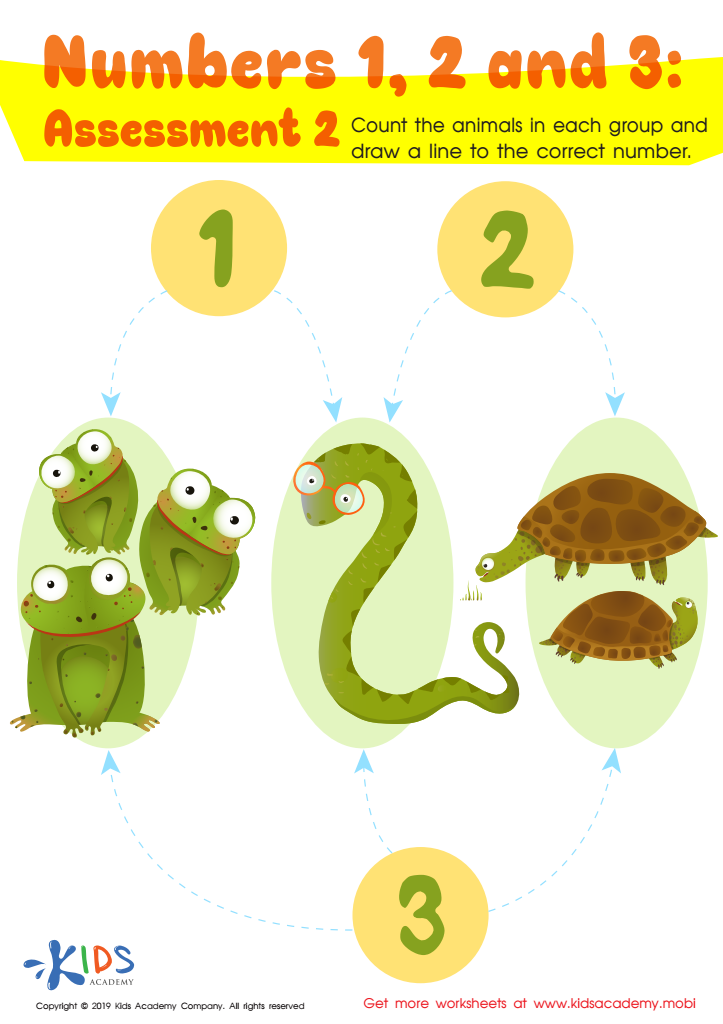
Numbers 1, 2 and 3: Assessment 2 Worksheet
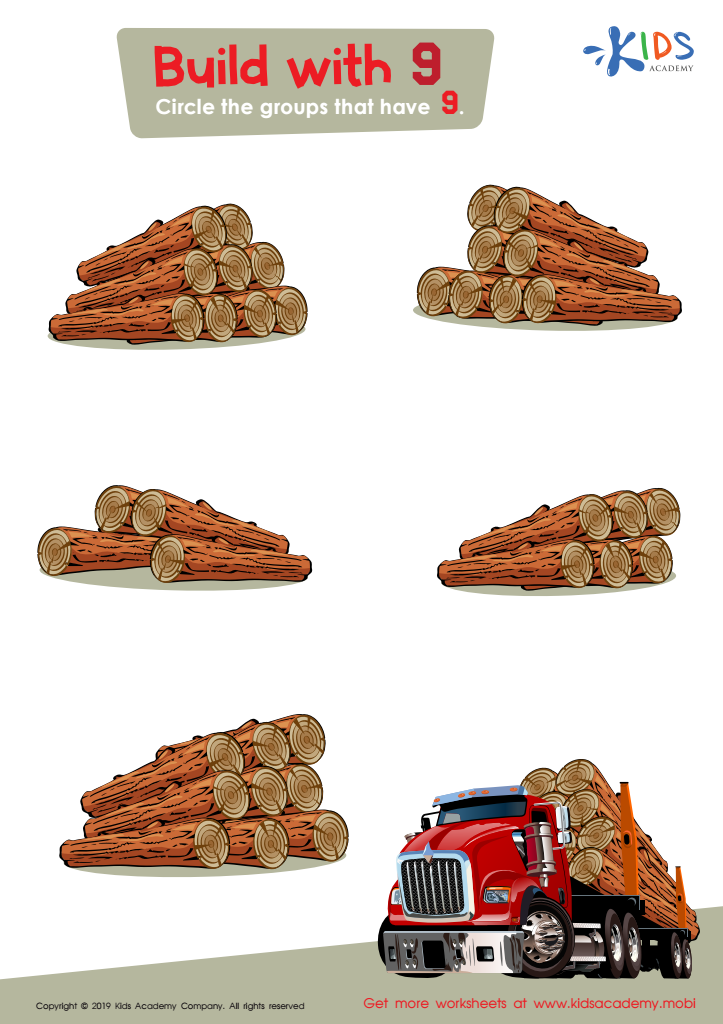
Build with 9 Worksheet
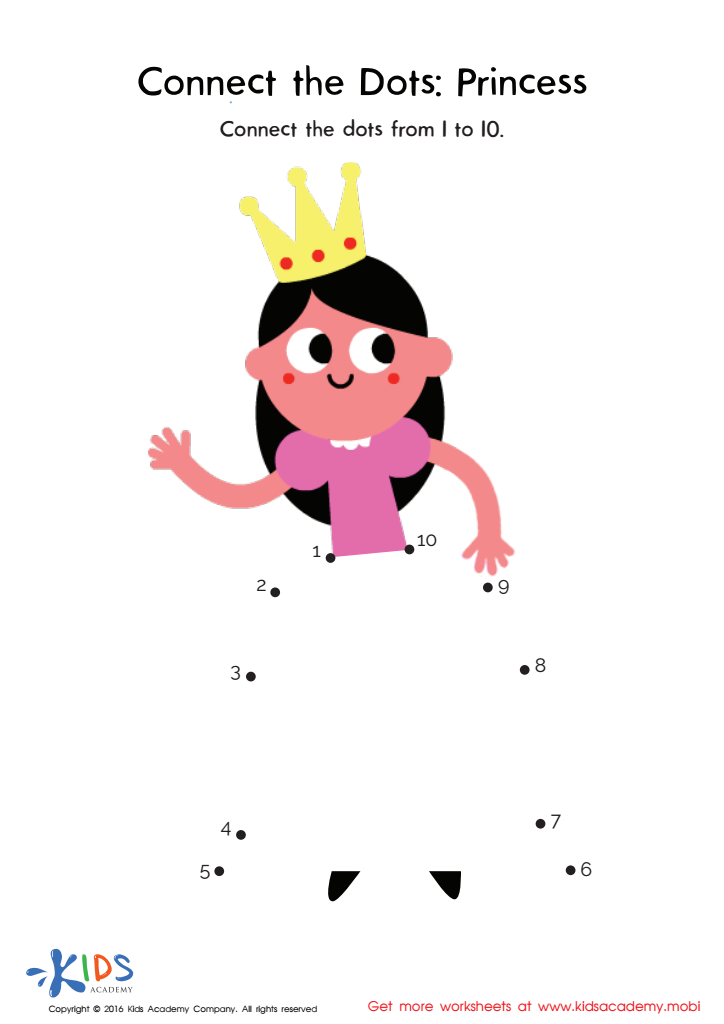
Princess Connect Dots Worksheet
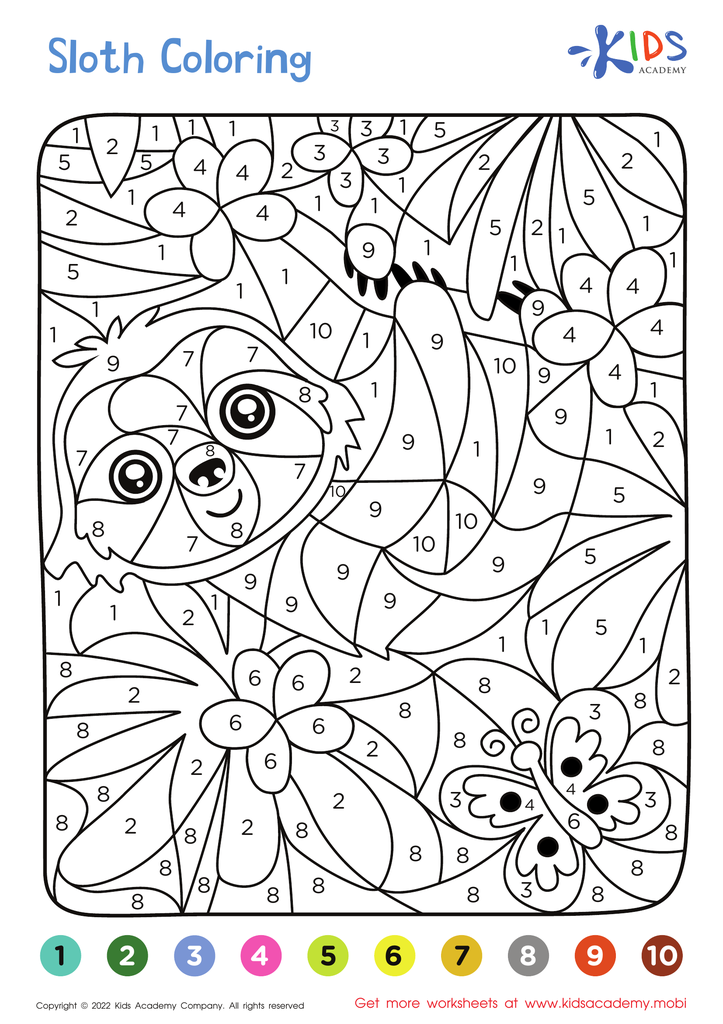
Sloth – Coloring by Numbers
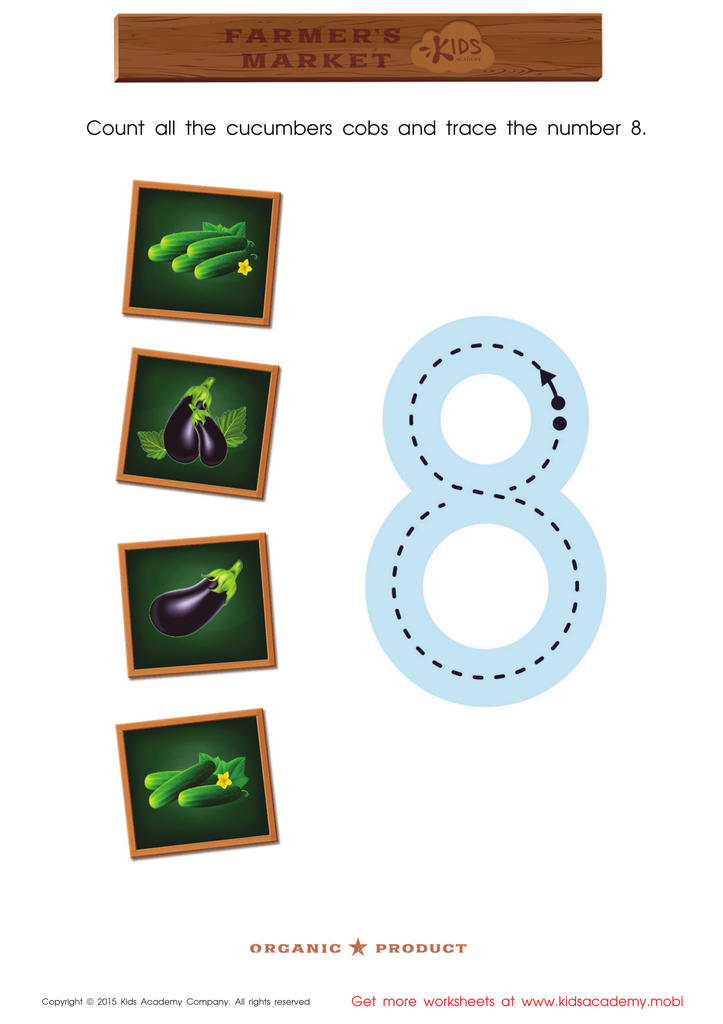
Count the Cucumbers and Trace the Number 8 Printable
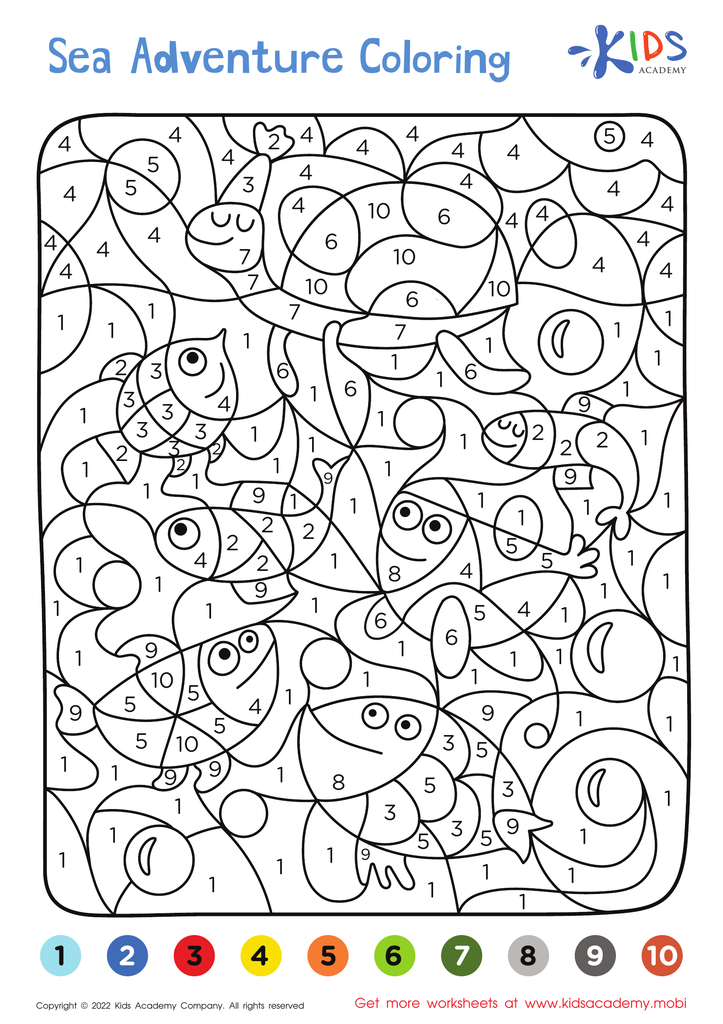
Sea Adventure – Coloring by Numbers
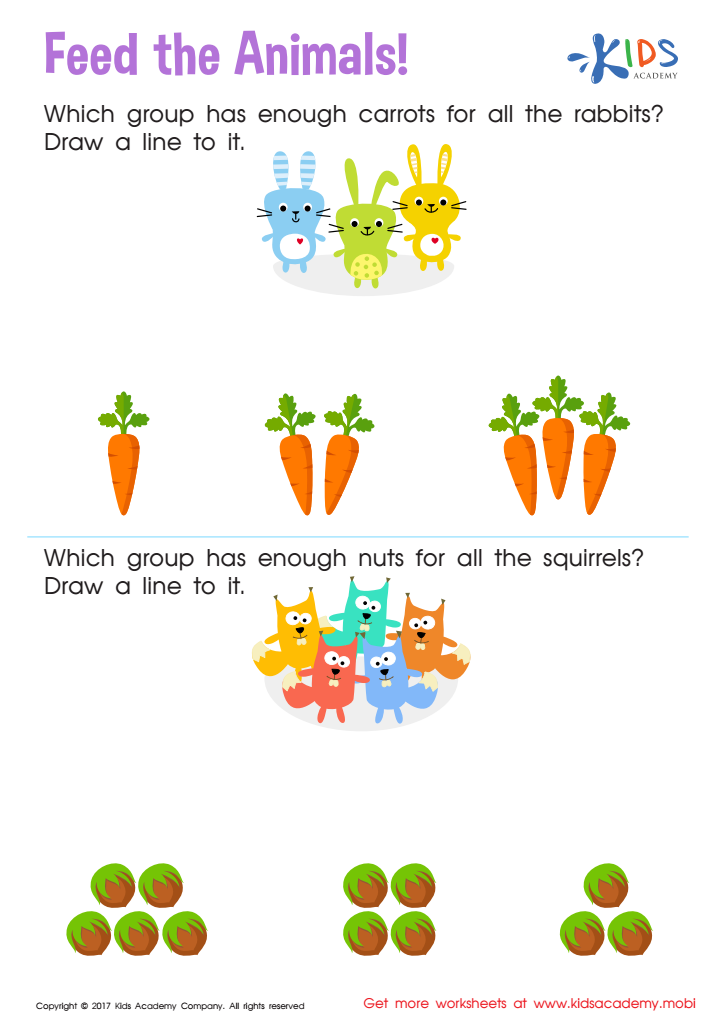
Count and Match: Feed the Animals Worksheet
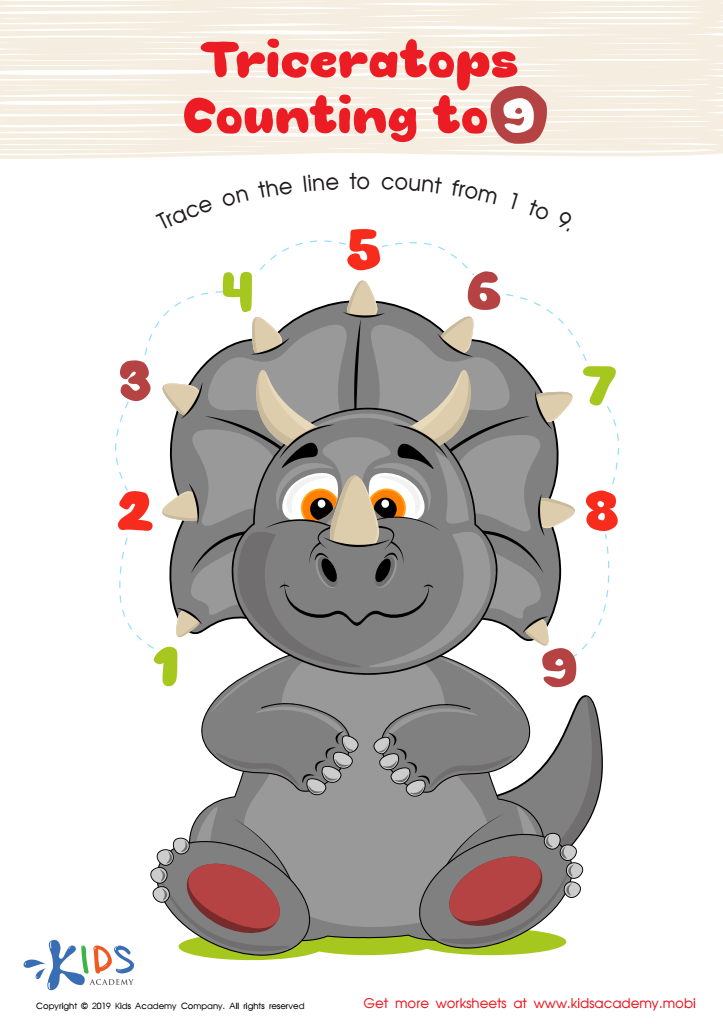
Triceratops Counting to 9 Worksheet
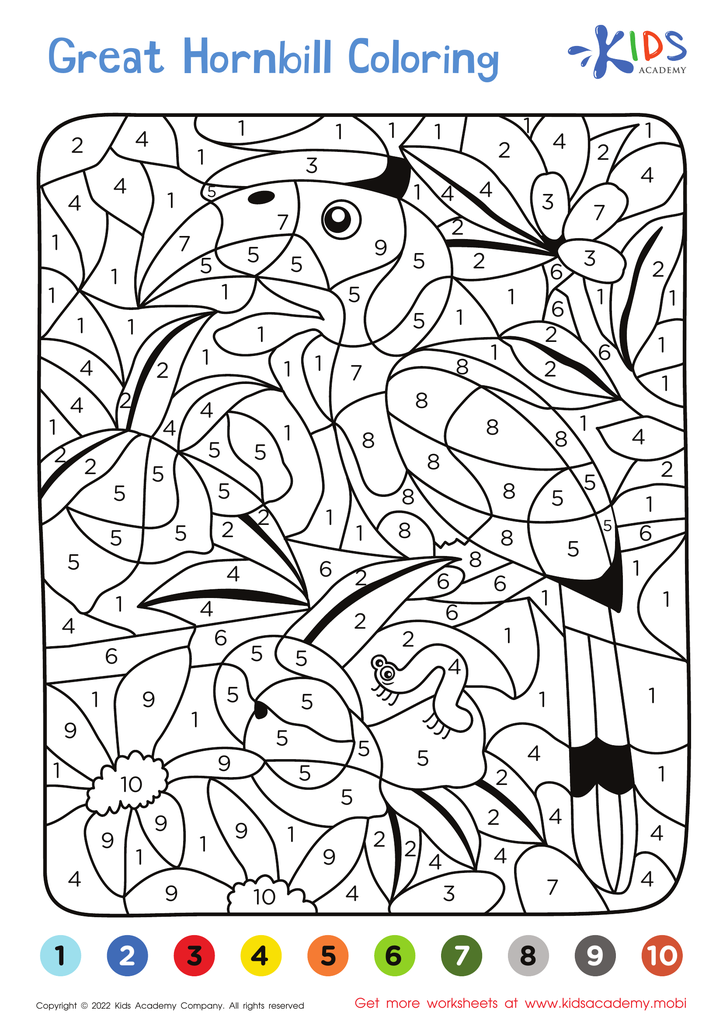
Great Hornbill – Coloring by Numbers
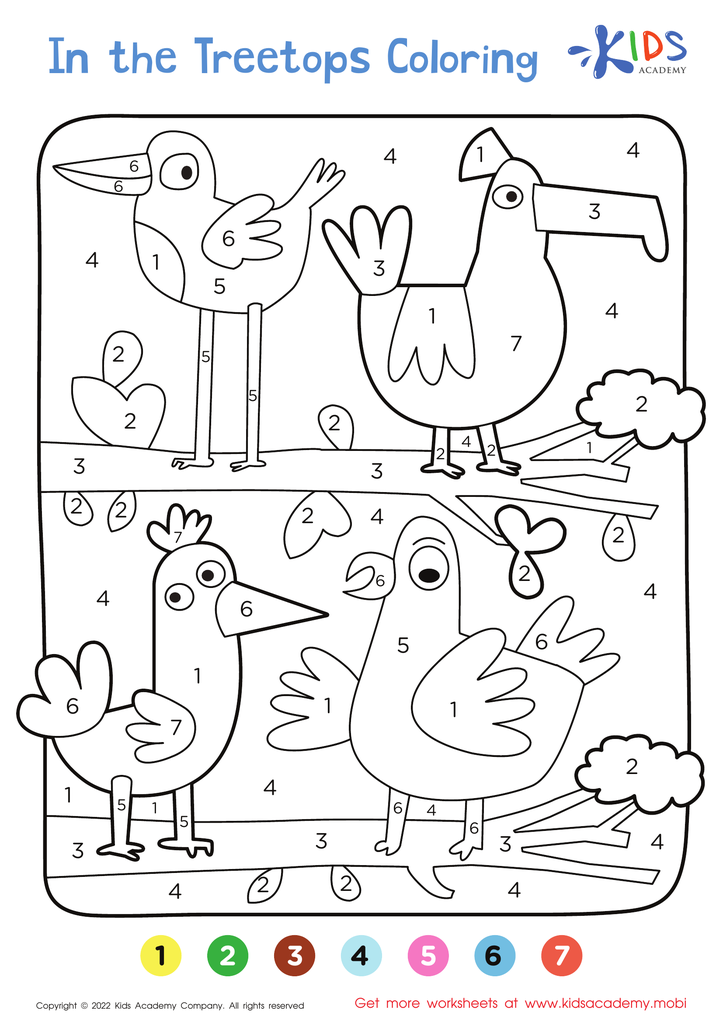
In the Treetops – Coloring Page
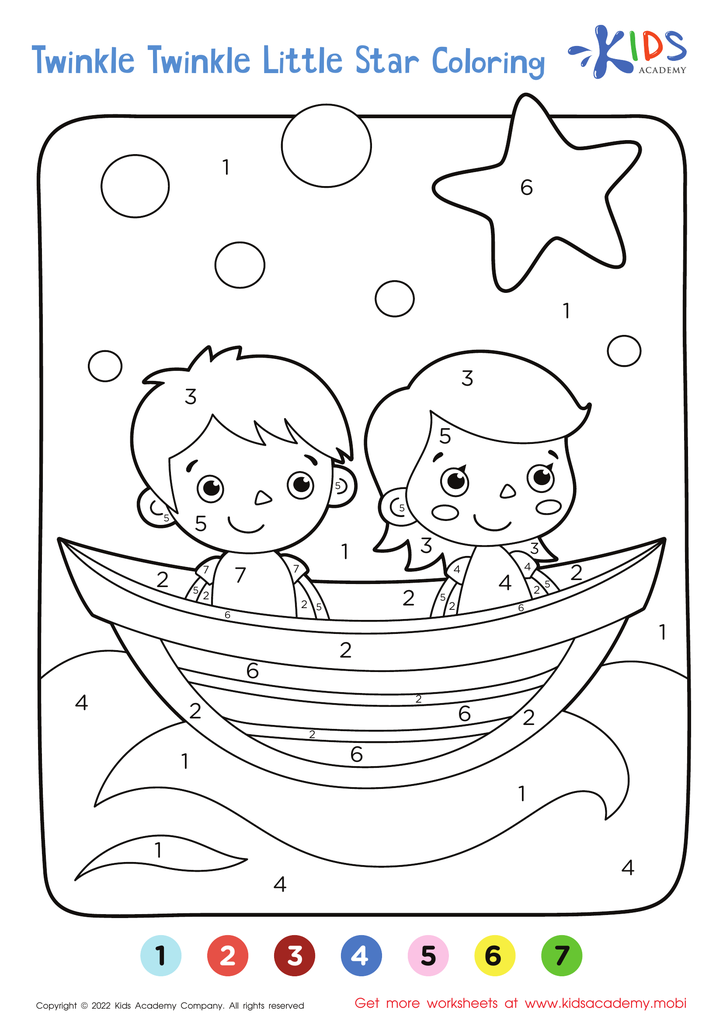
Twinkle, Twinkle, Little Star – Coloring by Numbers
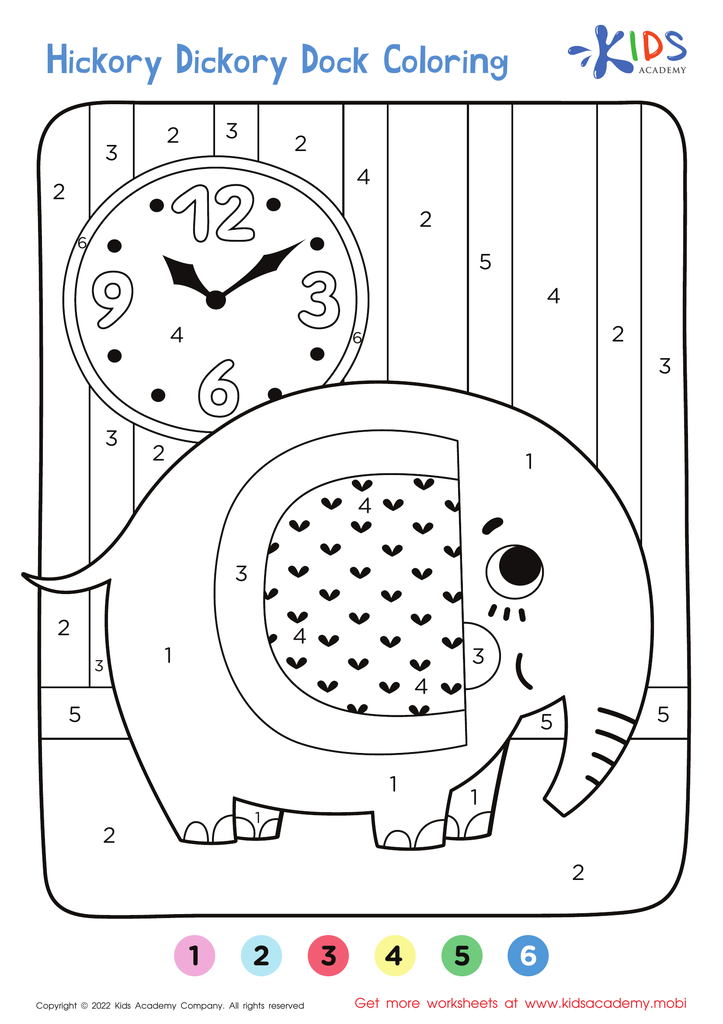
Hickory Dickory Dock – Coloring by Numbers
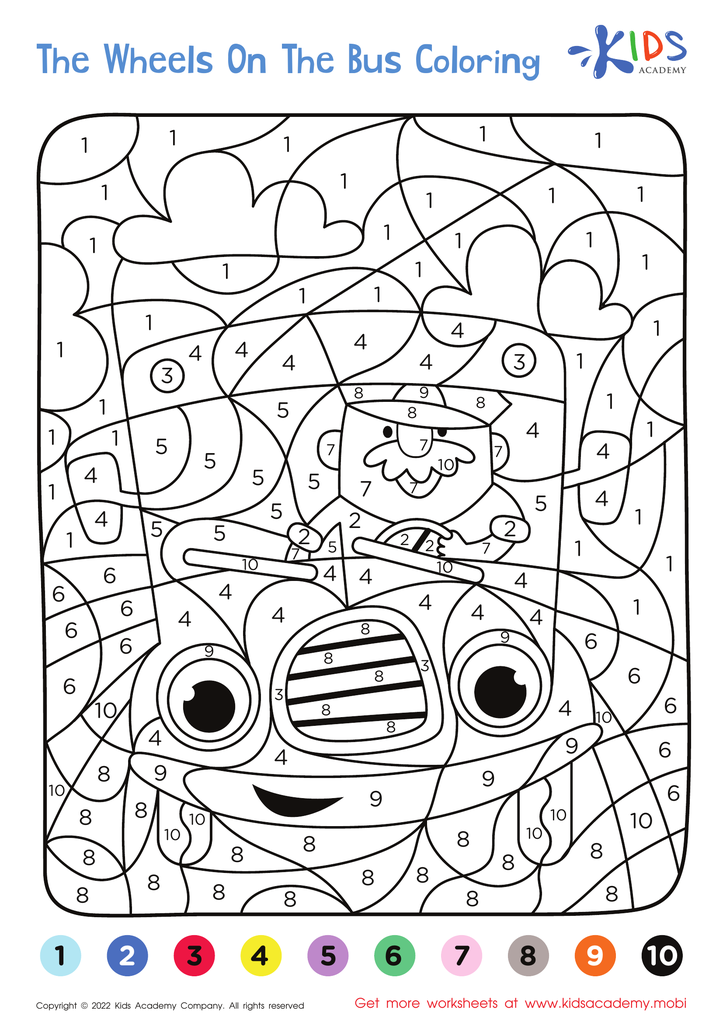
Wheels on the Bus – Coloring by Numbers

Night Sky Numbers Worksheet
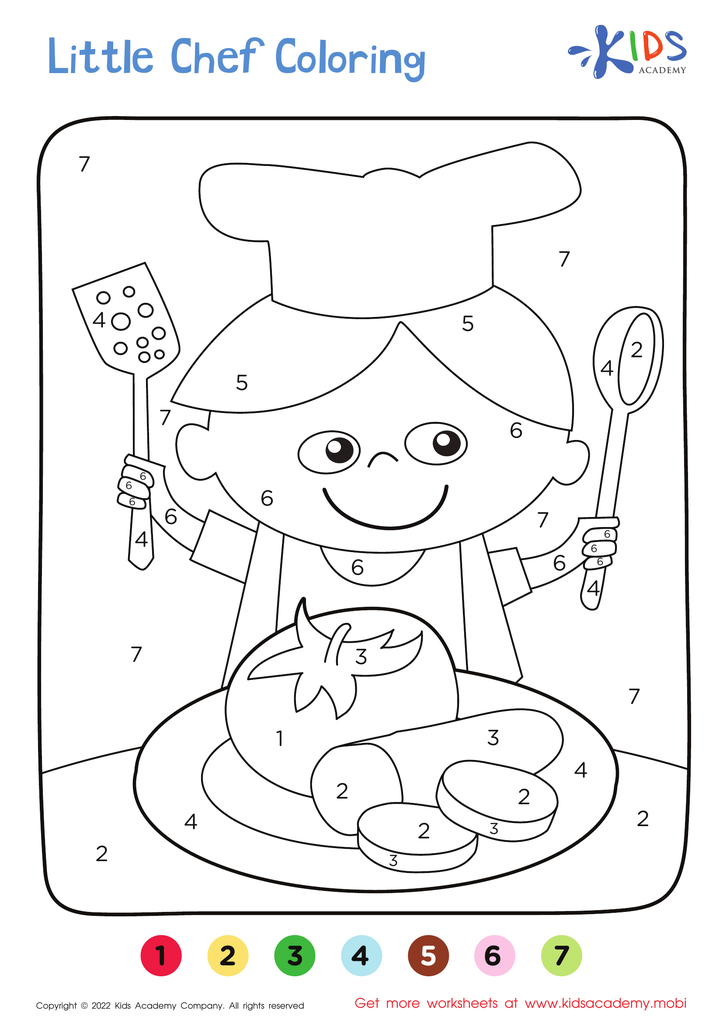
Little Chef – Coloring by Numbers
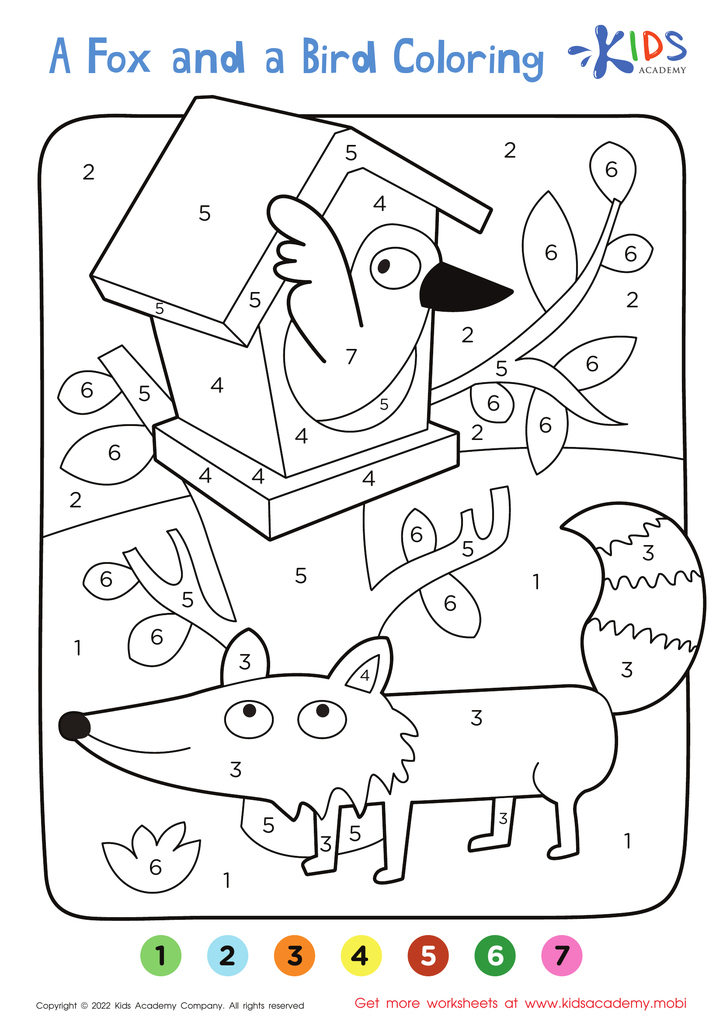
A Fox and a Bird – Coloring by Numbers
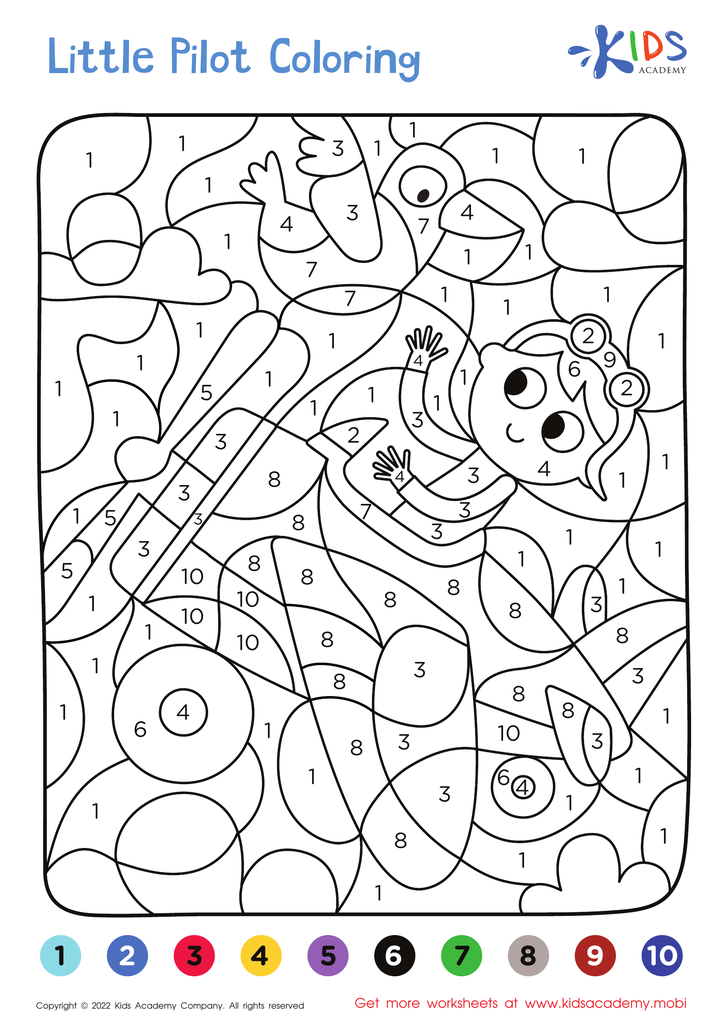
Little Pilot – Coloring by Numbers
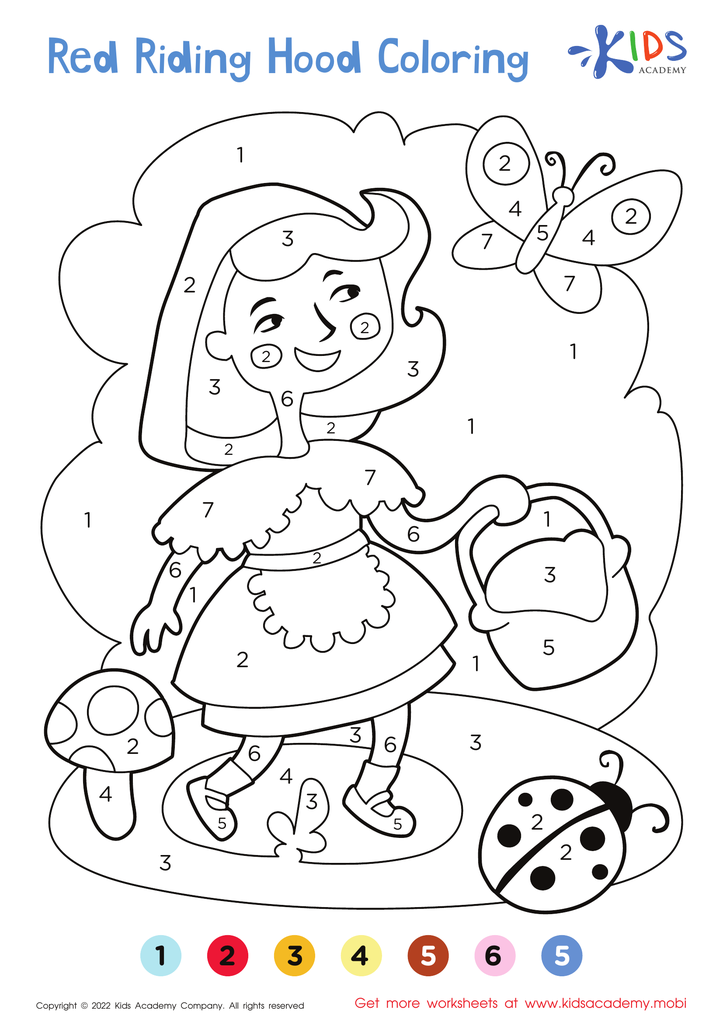
Little Red Riding Hood – Coloring by Numbers
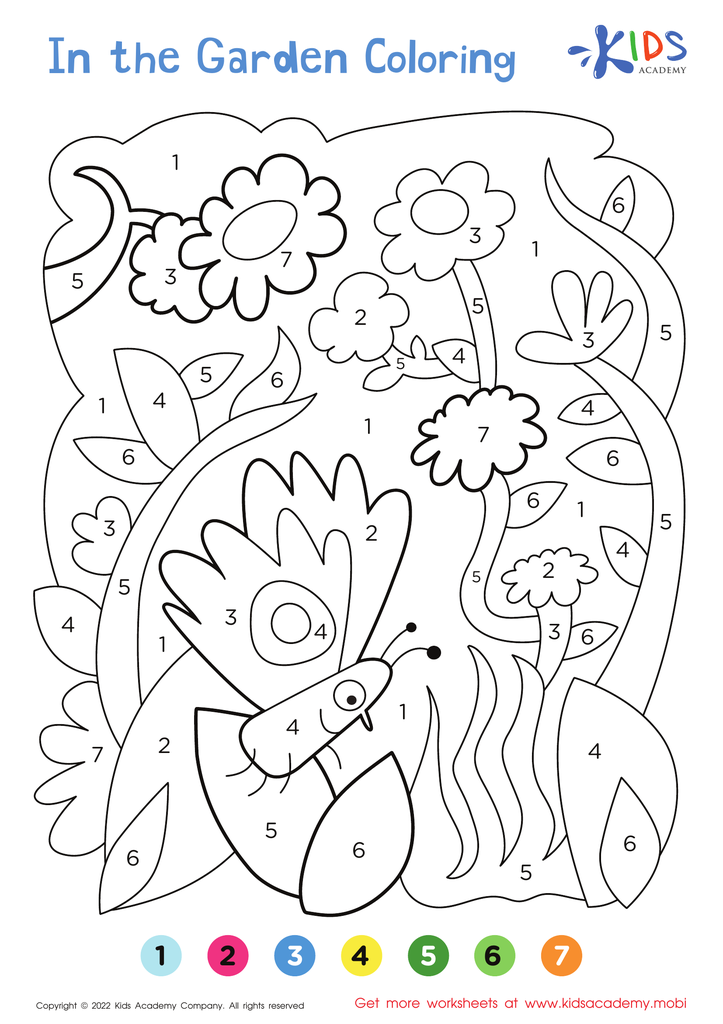
In the Garden – Coloring by Numbers








Fine motor skills are crucial for young children as they involve the small muscles in the hands and fingers. Mastering fine motor skills by practicing numbers 0–10 is especially significant for children ages 3–8 because it lays the foundation for essential academic and life tasks. Writing numbers helps children develop hand-eye coordination, control, and dexterity, which are necessary for writing letters and words.
Numeral recognition and writing also contribute to cognitive development by enhancing number sense, a key component in early math literacy. The physical act of forming numbers boosts memory retention and understanding, paving the way for success in more complex math problems later on. Additionally, skills like gripping a pencil, using scissors, or threading beads directly impact children’s ability to manage daily activities, such as dressing or feeding themselves.
Furthermore, fine motor skills activities improve concentration and persistence, fostering a sense of accomplishment and boosting self-esteem. These skills are fundamental in a child’s overall development and have lasting impacts on their educational trajectory and everyday life. Therefore, parents and teachers should prioritize fine motor skill development, using fun and engaging activities to make learning numbers an enjoyable experience.