
Phonics practice Building Vocabulary Worksheets for Ages 3-8
6 filtered results
Difficulty Level
Grade
Age
-
From - To
Subject
Activity
Standards
Unlock your child's reading potential with our comprehensive Phonics Practice Building Vocabulary Worksheets, designed specifically for ages 3-8. These engaging and interactive worksheets help young learners develop essential phonics skills, transforming letter sounds into useful vocabulary. Our materials are meticulously crafted to reinforce phonemic awareness, improve reading fluency, and expand word comprehension. With fun activities and colorful illustrations, children remain motivated while honing their skills. Perfect for educators and parents alike, these phonics worksheets promote a love for reading while laying a strong foundation for academic success. Explore our resources today and watch your child thrive!
Favorites
With answer key
Interactive
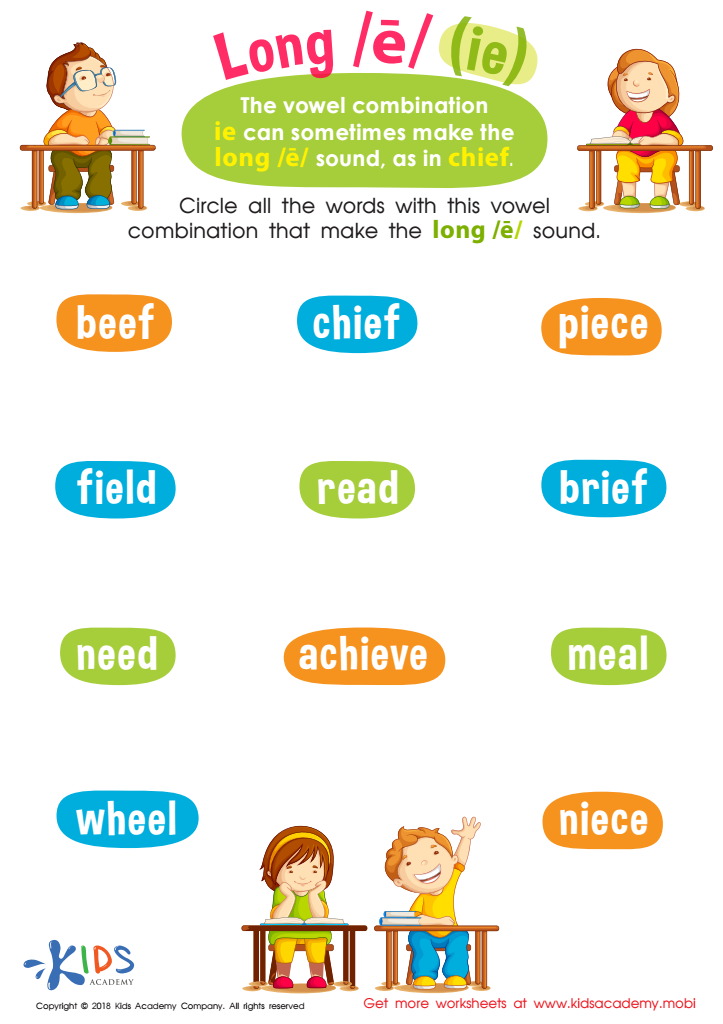
Reading: Long E and IE Worksheet
Ask your child to name some words with the long /e/ sound they hear every day. Then, read aloud all the words in the worksheet with them. Ask them to circle the words containing ie that make this sound.
 Assign to My Students
Reading: Long E and IE Worksheet
Worksheet











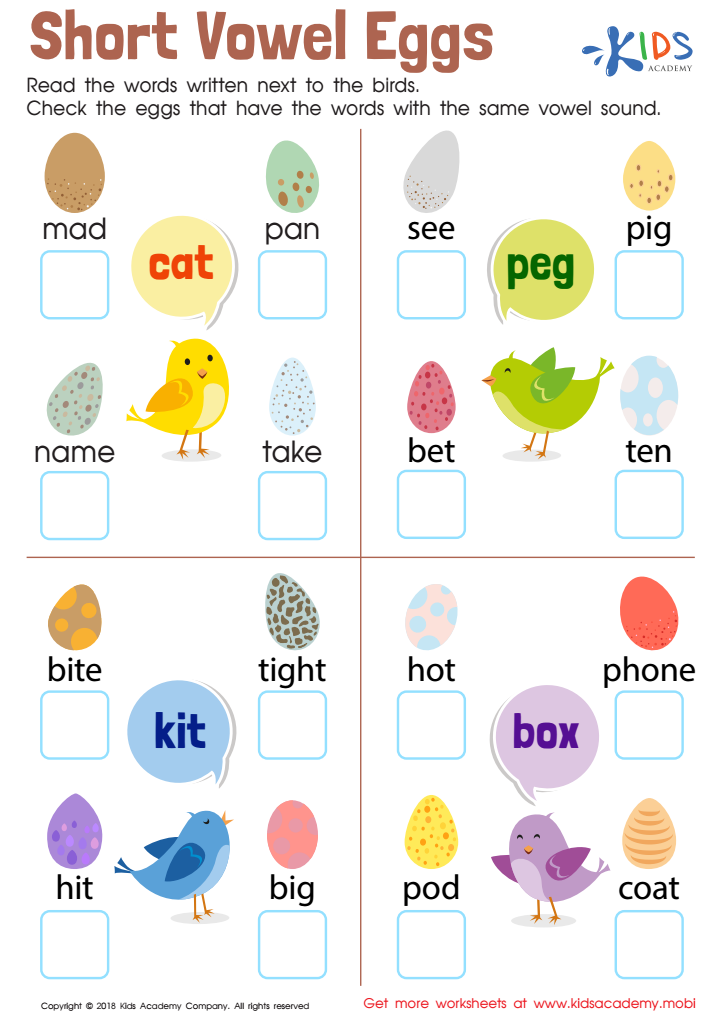
Short Vowel Eggs Worksheet
Your students will love helping these birdies pick the short vowel eggs! Have them read the words in the thought bubbles, then check off the boxes with the same short vowel sounds. The bright colors of this free Worksheet will draw them in and get them practicing their vowels!
Short Vowel Eggs Worksheet
Worksheet
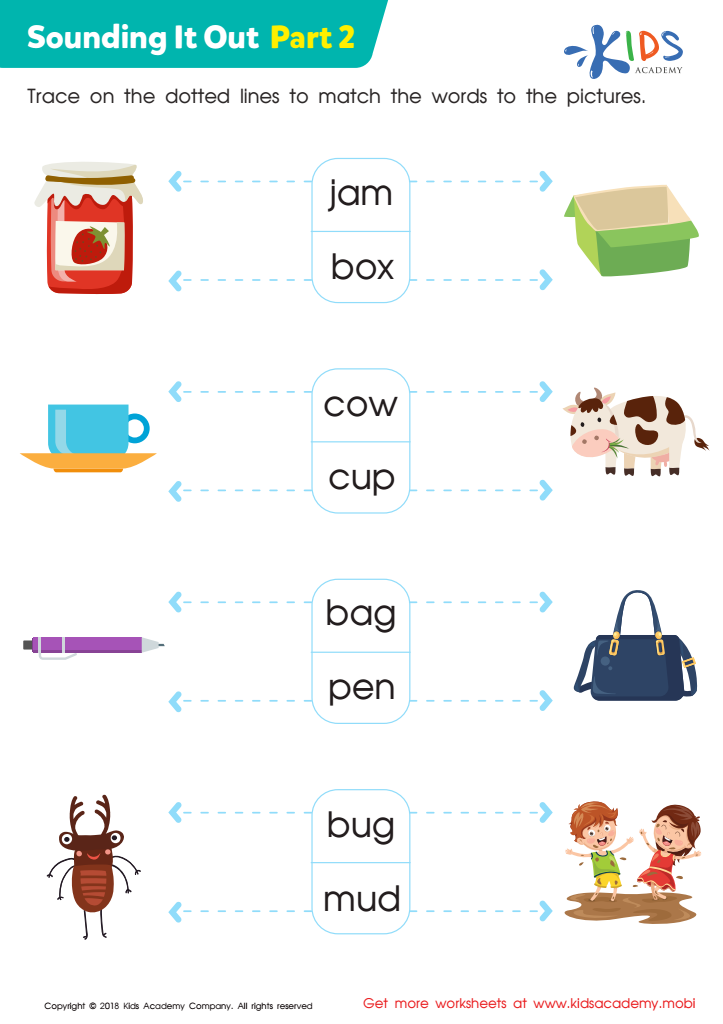
Sounding it Out: Part 2 Worksheet
Mastering phonics is key for kids to learn to read! This free worksheet uses fun pictures to help them sound out words. Ask them to name the images, then use the hints to say each word. Kids will become accomplished readers in no time!
Sounding it Out: Part 2 Worksheet
Worksheet
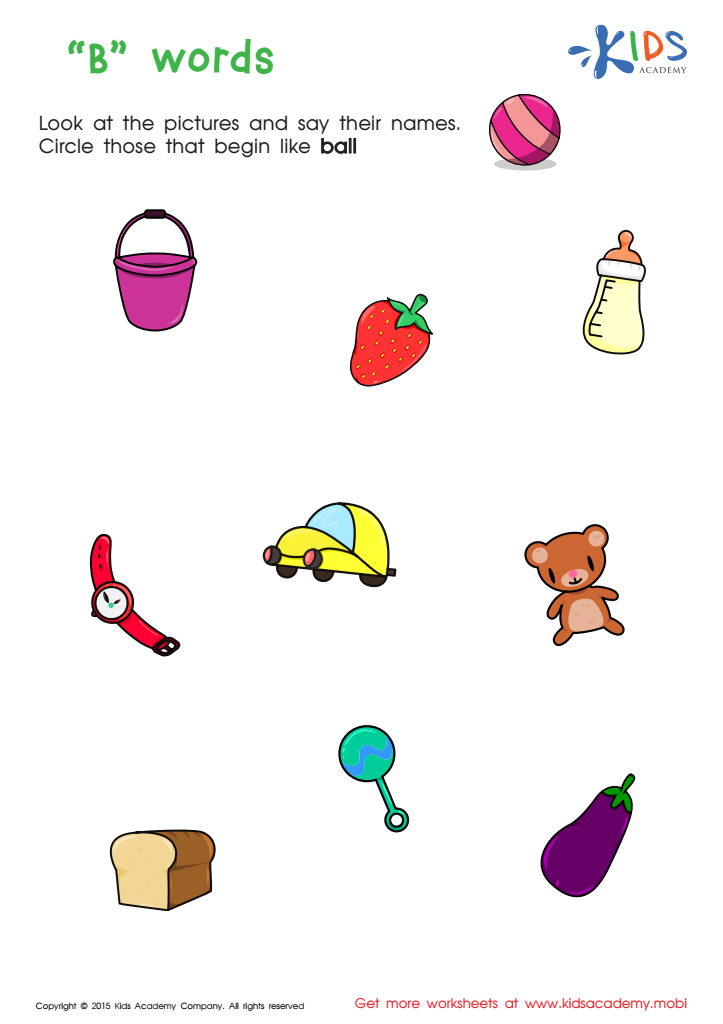
First Words Worksheet
Want to help your preschooler learn to read and write? Start with this 'B' words printable worksheet. It will help your child match pictures to the letters they know, sound out words, and build literacy. Once they understand the concept, they can start sounding out words and building reading skills.
First Words Worksheet
Worksheet
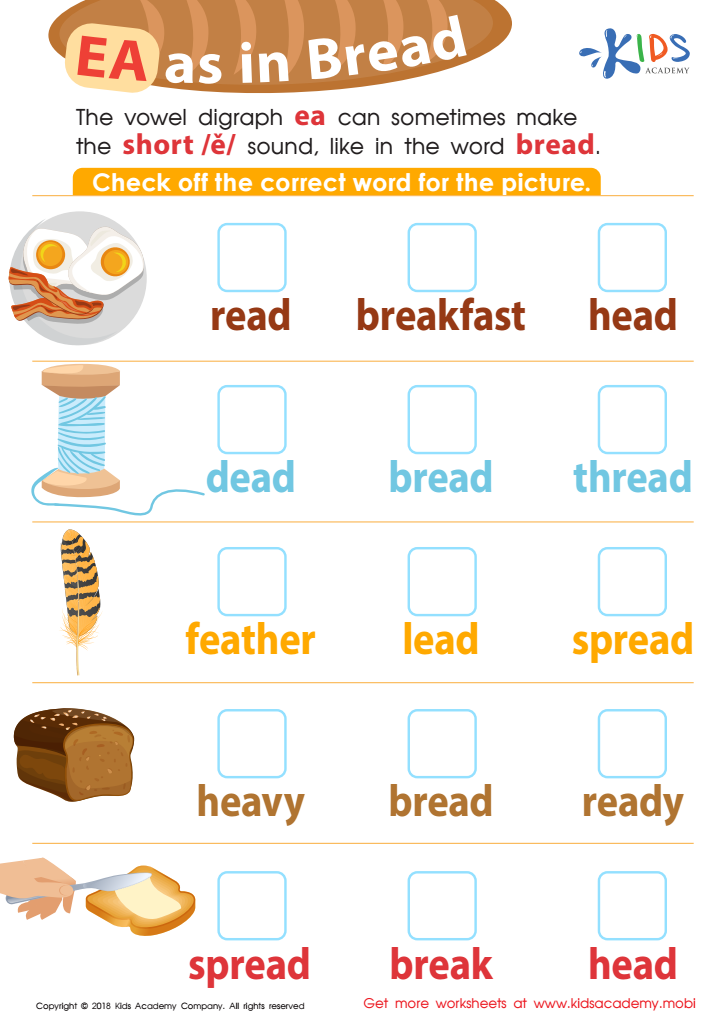
Reading: EA as in Bread Worksheet
The vowel digraph ea can be read in two ways. Examples of the long sound are "read" and "lead"; examples of the short sound are "bread" and "head". Ask your kids to give you more examples and then have them check off the correct word for the pictures on this worksheet. This will help them understand the ea sound.
Reading: EA as in Bread Worksheet
Worksheet
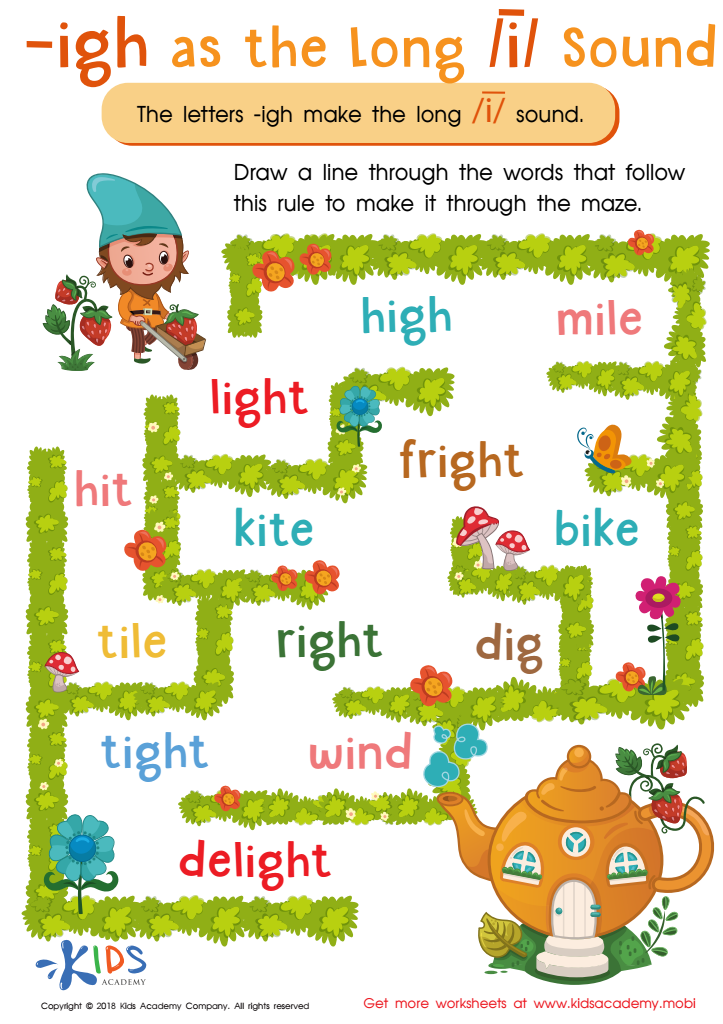
Reading: IGH as Long I Worksheet
Kids can have fun and learn with this maze! They'll look for and read words with the 'long I' sound spelled 'igh'. Most words ending with 'T' have this spelling. Decode words while learning about long vowel sounds and their spellings.
Reading: IGH as Long I Worksheet
Worksheet
Join Kids Academy for Free
Who is primarily going to use this learning content?







.jpg)
Parents and teachers should prioritize phonics practice and vocabulary building for children ages 3-8 because these skills form the foundation for effective reading and communication. Phonics, the relationship between letters and sounds, helps young learners decode words, facilitating reading fluency. As children learn to blend sounds, they not only become confident readers but also develop stronger comprehension skills.
Building vocabulary at this age is equally crucial. A rich vocabulary allows children to express their thoughts and feelings clearly, enhancing their ability to communicate with others. When children engage in phonics and vocabulary practice, they create meaningful connections between words and contexts, leading to better retention and understanding.
Moreover, these early skills are linked to long-term academic success. Research shows that children who master phonics and have an extensive vocabulary in early childhood tend to outperform their peers in various subjects as they progress through school. They become more adept learners, equipped to tackle complex concepts. Additionally, fostering a love for reading during these formative years instills a lifelong appreciation for literature, igniting curiosity and imagination. Thus, investing time in phonics and vocabulary building is essential for nurturing well-rounded, capable learners.








