Recognizing Patterns Building Vocabulary Worksheets for Ages 3-8
5 filtered results
-
From - To
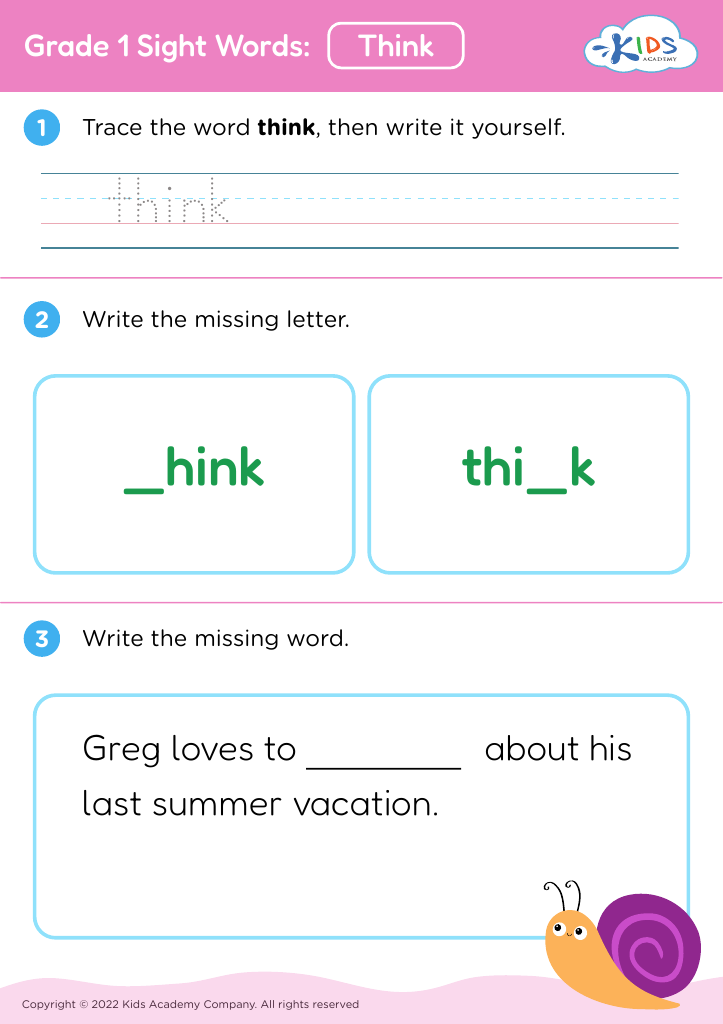
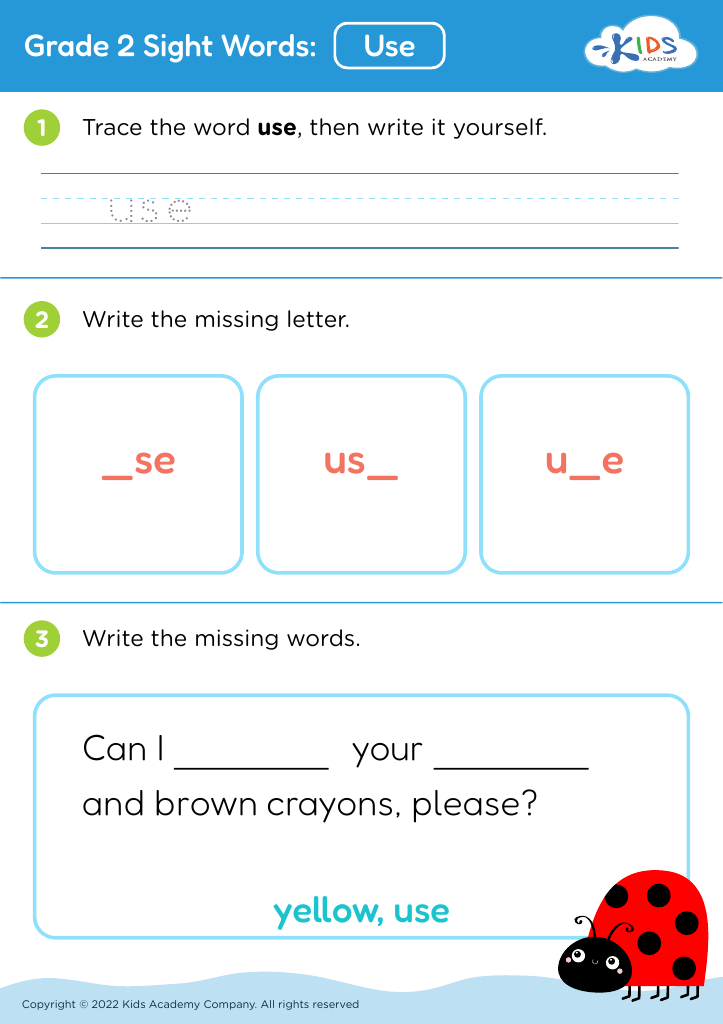
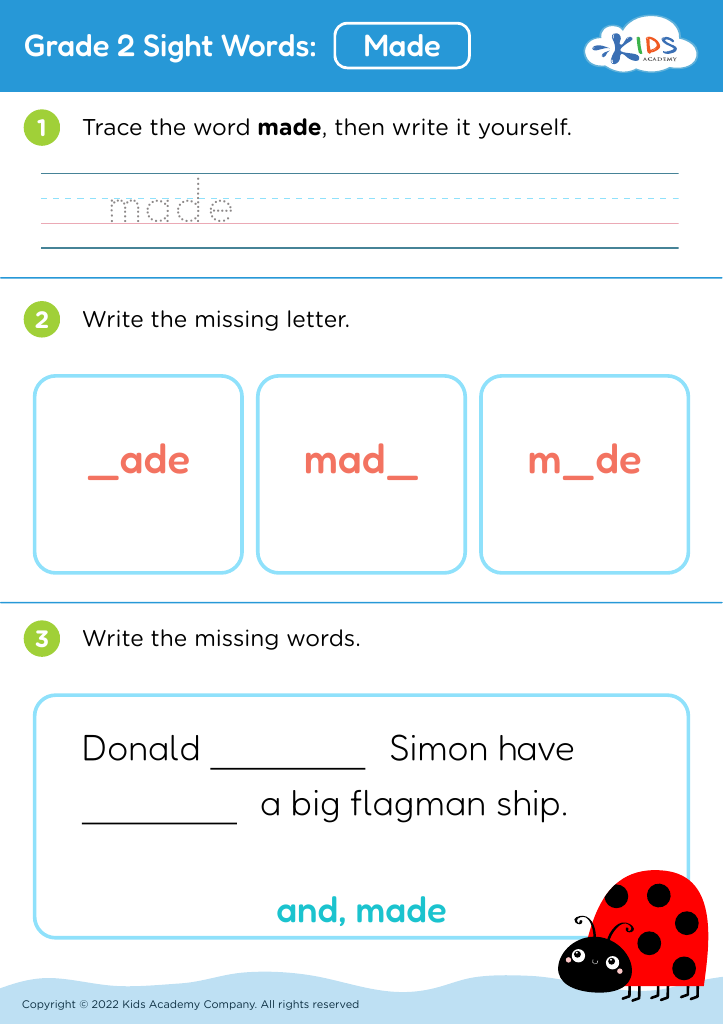
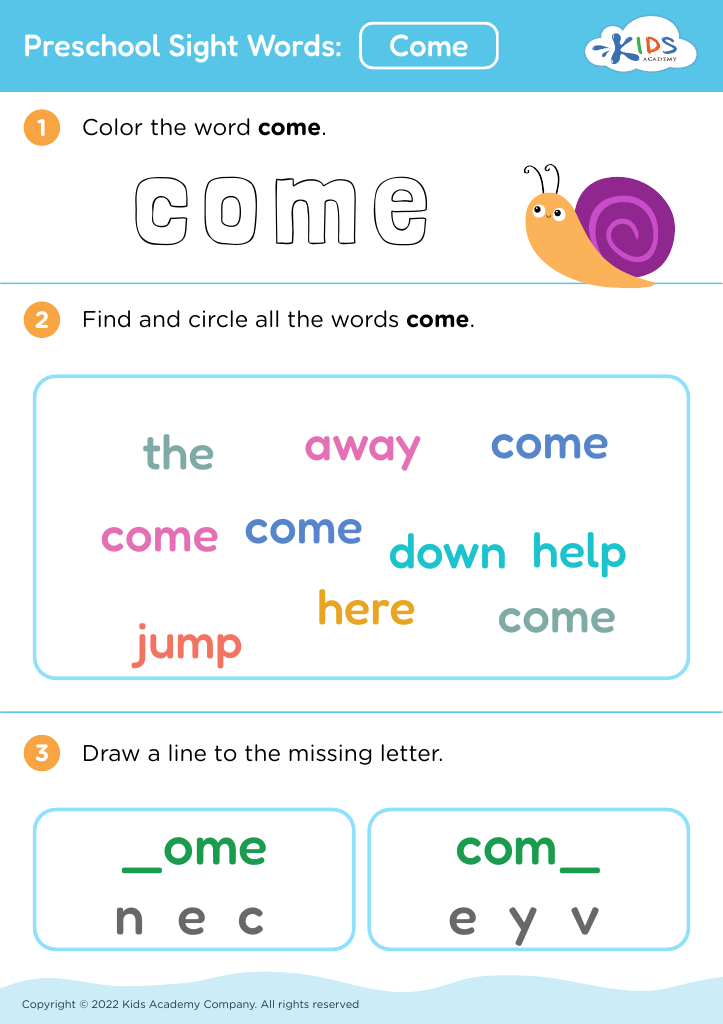
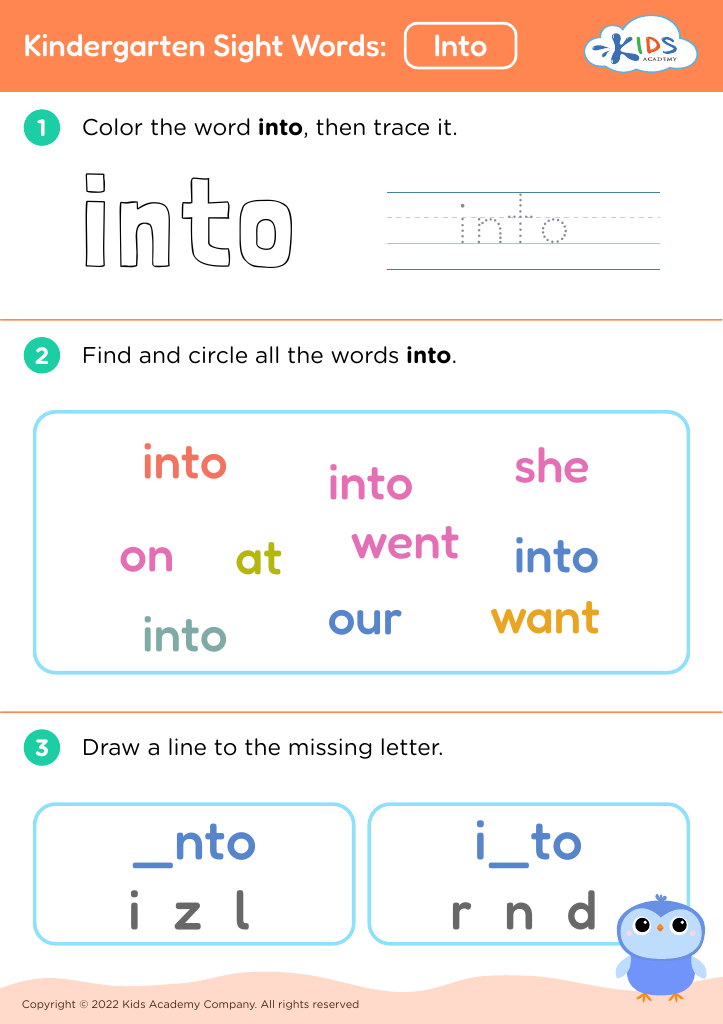
Unlock your child's linguistic potential with our "Recognizing Patterns Building Vocabulary Worksheets for Ages 3-8." Designed to engage young learners, these worksheets combine fun exercises with educational value, enhancing vocabulary through pattern recognition activities. Each worksheet features colorful, age-appropriate tasks that make learning enjoyable and effective. Perfect for both classroom and at-home use, these resources help children improve their reading and cognitive skills by identifying word patterns, sequences, and sound similarities. Give your child the tools to enhance their language abilities and kick-start their journey to becoming a confident reader and communicator. Get started today!














.jpg)




Recognizing patterns and building vocabulary are foundational skills crucial for young children's cognitive development. For parents and teachers of children aged 3-8, focusing on these areas can yield significant long-term benefits. Recognizing patterns helps children understand and predict the world around them, a key skill in mathematics, and logical thinking. Through patterns, they learn sequencing, categorization, and comparison, which are essential for problem-solving and critical thinking. This skill sets the groundwork for more complex mathematical concepts and abstract reasoning taught in later grades.
In tandem, building a robust vocabulary enriches children’s language comprehension and communication skills. A well-developed vocabulary accelerates reading skills and enhances their ability to express thoughts and emotions clearly. This not only contributes to academic success but also to social skills, enabling them to form better relationships and navigate social settings more effectively. Early vocabulary acquisition is strongly linked to reading achievement and overall academic performance.
Integrating pattern recognition and vocabulary building into early learning engages children in a fun, intuitive way, fostering a love for learning. Utilizing games, stories, songs, and hands-on activities ensures that these skills are taught in an enjoyable, memorable manner. By investing in these early educational strategies, parents and teachers provide children with tools that build confidence, curiosity, and cognitive resilience.








