Basic arithmetic practice Reading Worksheets for Ages 3-8
4 filtered results
-
From - To
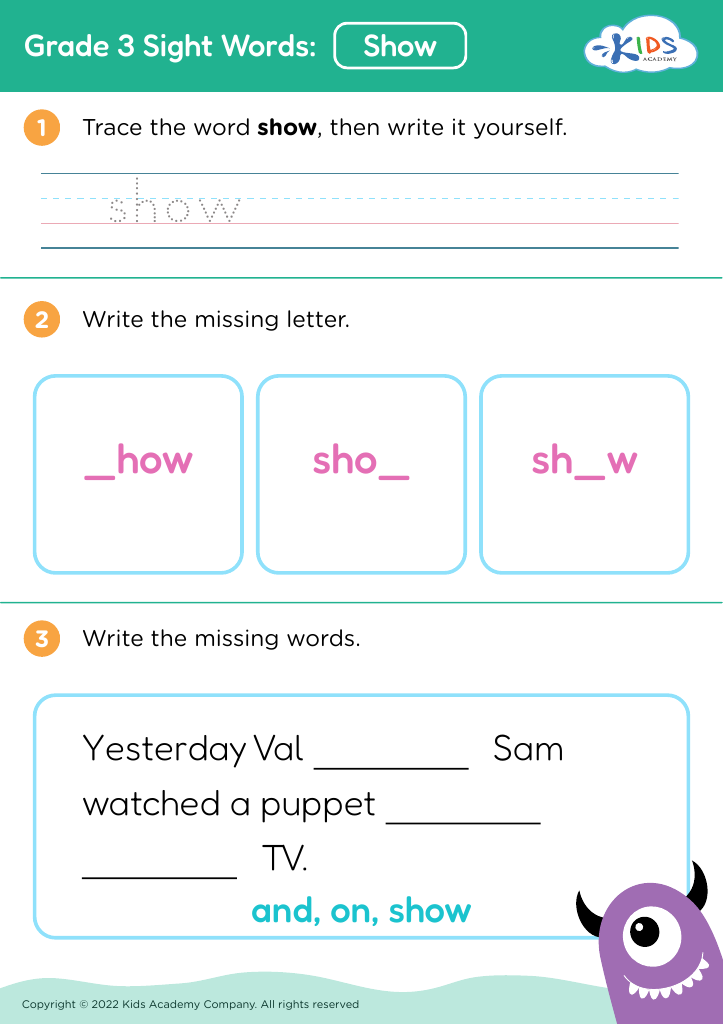
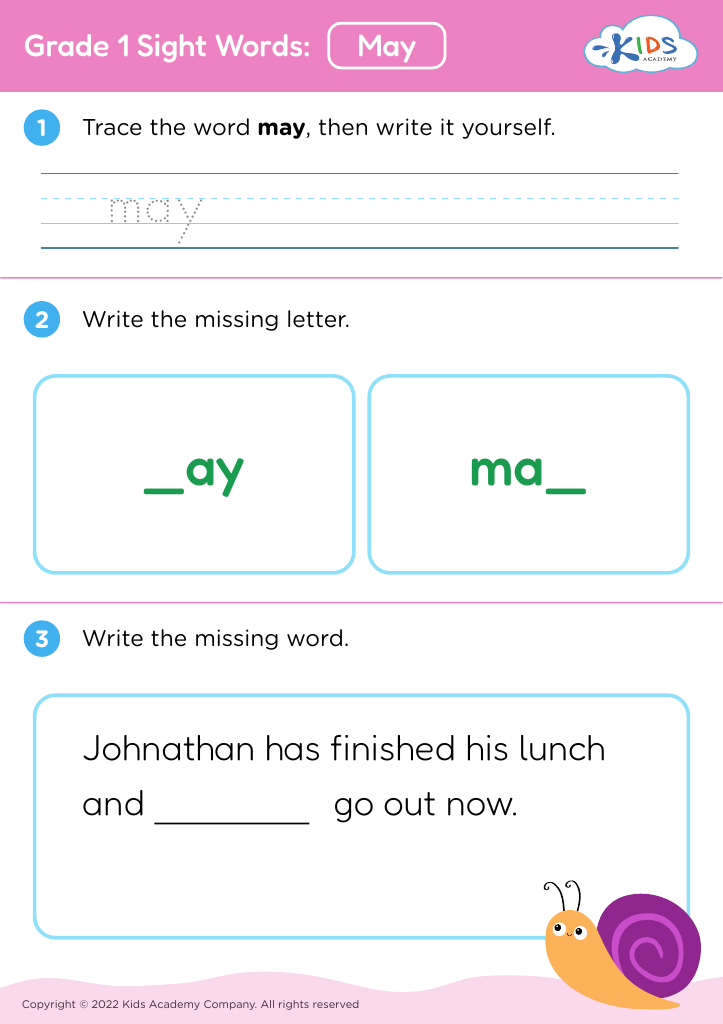
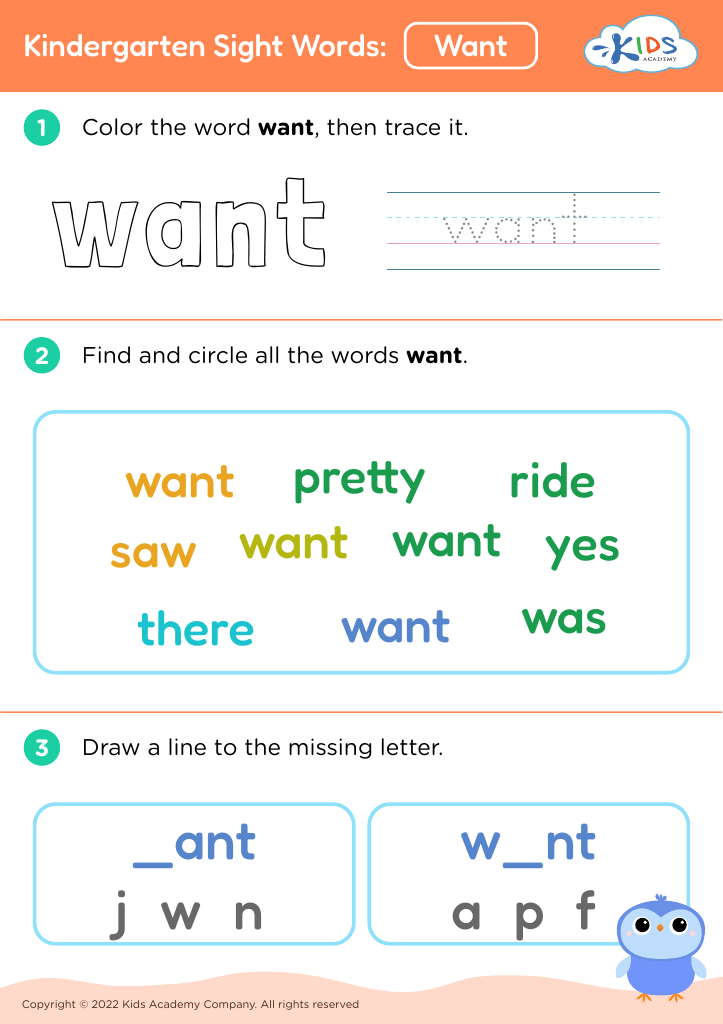
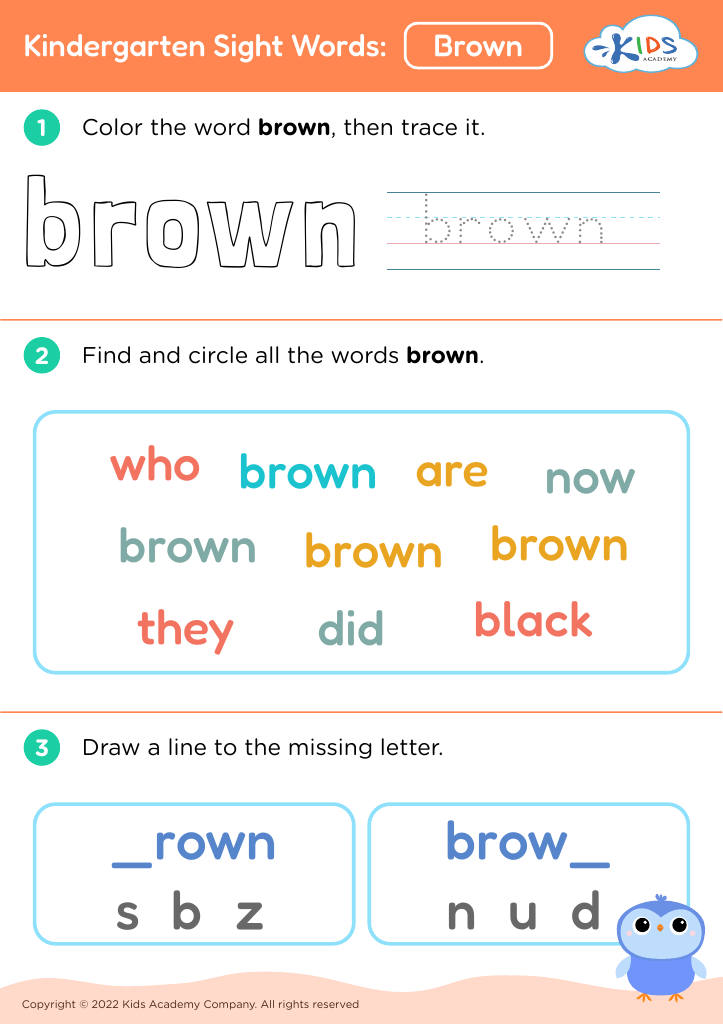
Welcome to our collection of Basic Arithmetic Practice Reading Worksheets for ages 3-8! Designed to foster young learners' numerical skills, these engaging activities help children build a strong foundation in early math while developing reading proficiency. Each worksheet features fun and interactive exercises, from counting and simple addition to identifying shapes and patterns. Our expertly crafted materials are perfect for home or classroom use, ensuring that kids develop confidence and enthusiasm for learning. Empower your child to excel in math with these delightful and educational resources, available for immediate download. Transform learning into an enjoyable adventure today!




.jpg)



Parents and teachers should recognize the importance of practicing basic arithmetic and reading skills with children aged 3-8, as it has a profound impact on their cognitive development and future academic success. During these formative years, children's brains are highly adaptable and primed for learning foundational skills that will serve as the building blocks for more complex understanding later in life.
Basic arithmetic practice, such as counting, simple addition, and understanding shapes and patterns, helps develop crucial numerical literacy. This not only makes later mathematical learning more accessible but also fosters problem-solving abilities and logical thinking. Research has shown that early math skills are a strong predictor of later academic achievement, even more so than early reading skills.
Simultaneously, early reading practice cultivates language development, phonemic awareness, and comprehension skills. Reading to children enhances their vocabulary, stimulates imagination, and supports emotional development by teaching them about different characters and scenarios. It also builds concentration, discipline, and problem-solving skills as children follow plots and uncover meanings.
By prioritizing arithmetic and reading, parents and teachers provide a robust framework for overall educational growth. Engaging in these practices also strengthens the child-adult bond, making learning a shared, enjoyable experience, and instills a lifelong love of knowledge and exploration.








