Basic counting skills Reading Worksheets for Ages 3-8
4 filtered results
-
From - To
Enhance your child's learning journey with our Basic Counting Skills Reading Worksheets designed for ages 3-8. These engaging and interactive worksheets make counting fun, helping young learners develop essential numerical skills. By incorporating vivid illustrations and relatable scenarios, children will reinforce their understanding of numbers while improving their reading abilities. Our thoughtfully crafted activities encourage hands-on practice in counting, number recognition, and basic arithmetic concepts. Perfect for parents and educators alike, our worksheets are aligned with early learning standards and are easy to integrate into everyday learning routines. Start building a strong foundation in math and reading with our dynamic resources today!
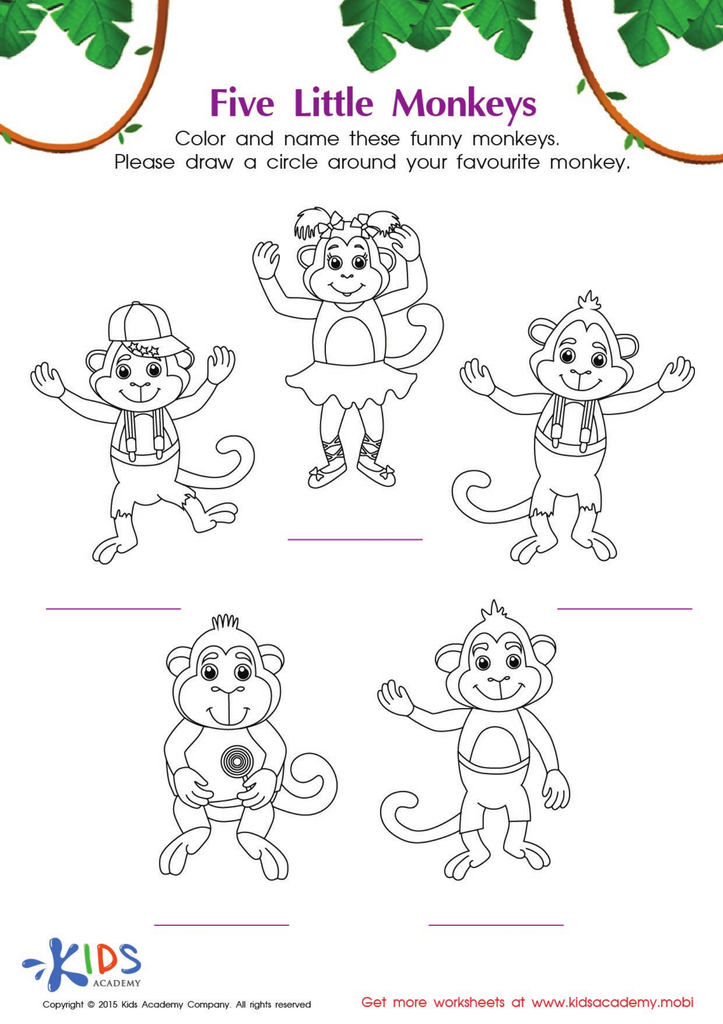
The Five Little Monkeys Coloring Worksheet
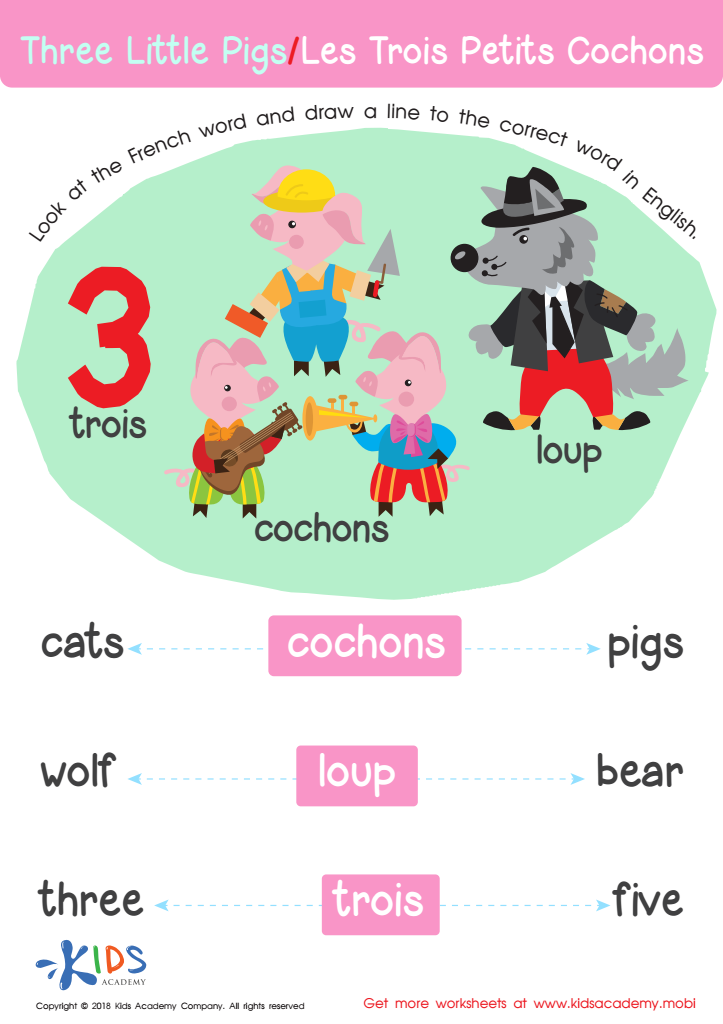
Three Little Pigs / Les Trois Petits Cochons Worksheet
 Assign to My Students
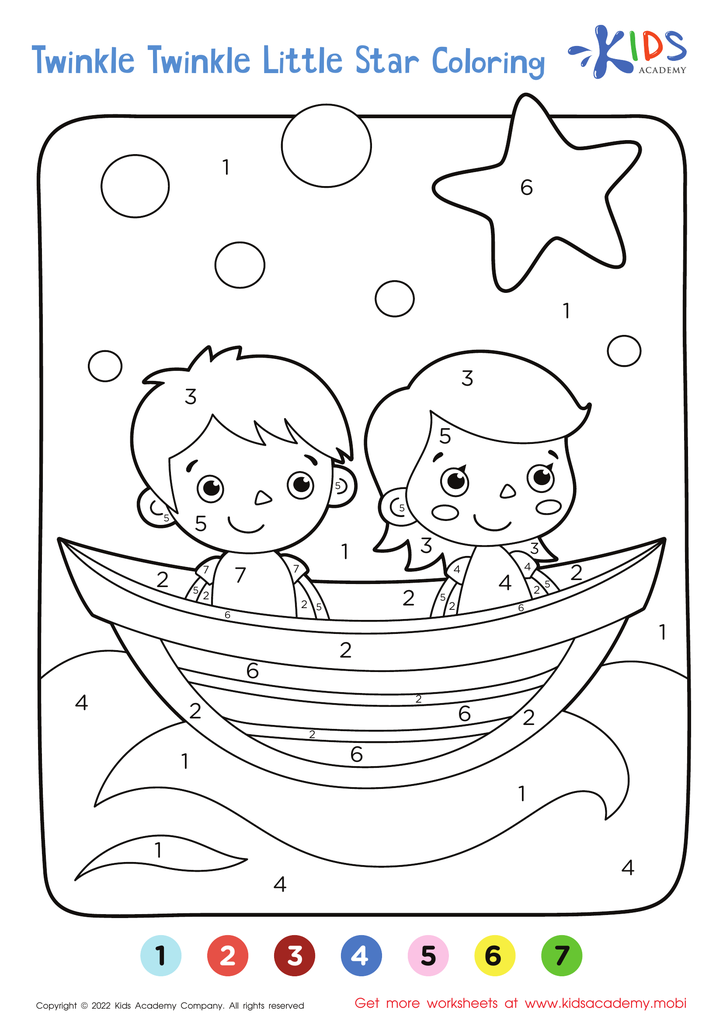
Twinkle, Twinkle, Little Star – Coloring by Numbers




.jpg)
.jpg)

Basic counting skills and early reading are foundational components of a child’s education that lay the groundwork for future academic success. For children aged 3-8, mastering these skills is essential not only for cognitive development but also for building confidence and fostering a love for learning.
Counting skills help children understand numbers, relationships, and basic math concepts. Early exposure encourages logical thinking and problem-solving abilities that benefit their overall cognitive growth. Conversely, reading skills enhance vocabulary, literacy, and comprehension, making it vital for communication. When children engage with books and storytelling, they develop critical thinking and imaginative skills which are essential for cognitive flexibility.
Parents and teachers play a pivotal role in nurturing these abilities. A solid foundation in counting and reading often reflects in a child's performance in higher educational stages. Engaging children in interactive counting games or reading activities can make learning enjoyable and effective. Moreover, these early skills significantly influence social skills, as children learn to engage with peers through collaborative activities involving numbers and stories.
Ultimately, by prioritizing basic counting and reading, adults are not just teaching facts; they are cultivating well-rounded individuals who are prepared for lifelong learning.








