Cognitive Development Reading Worksheets for Ages 3-8 - Page 2
31 filtered results
-
From - To
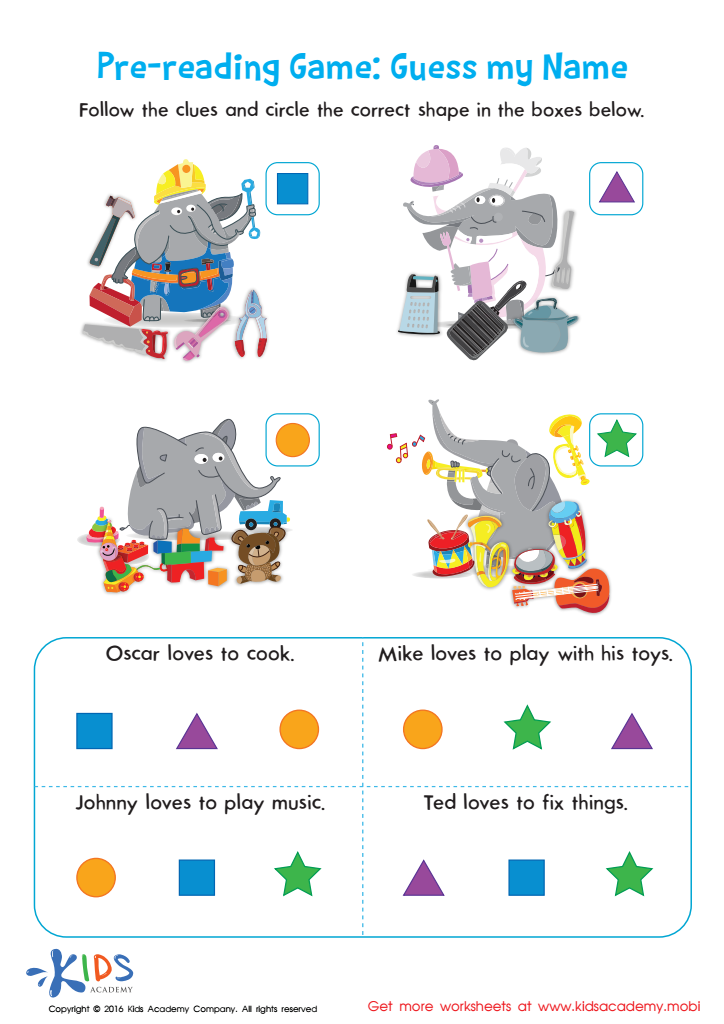
Pre Reading Worksheet Guess My Name
 Assign to My Students
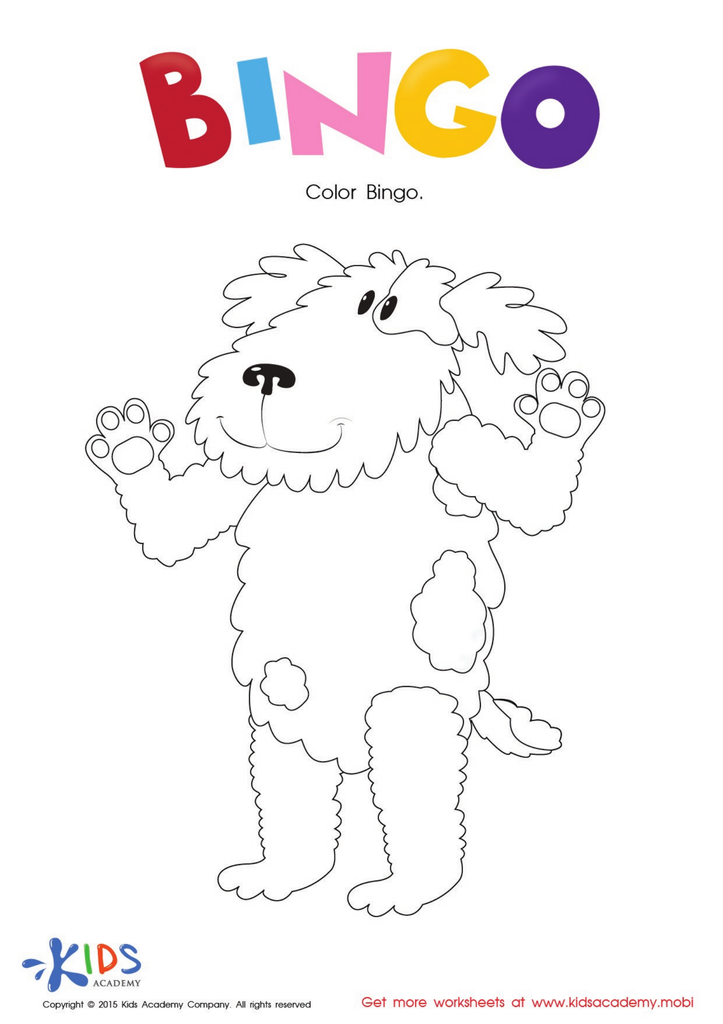
The Bingo Song: Coloring The Dog Worksheet
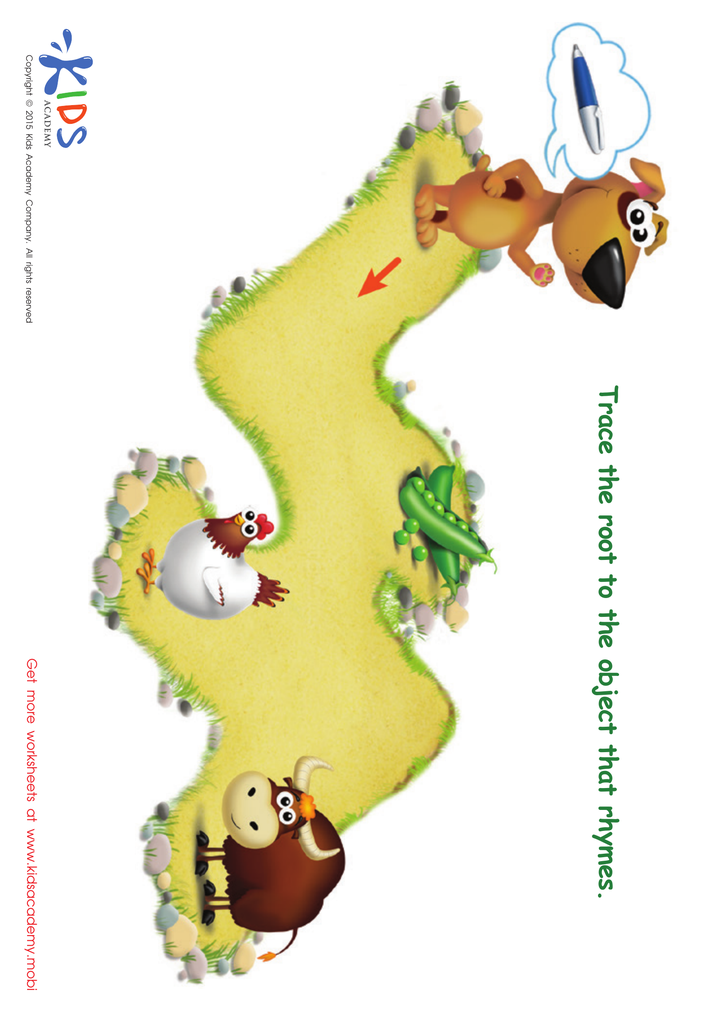
Pen Rhyming Words Worksheet
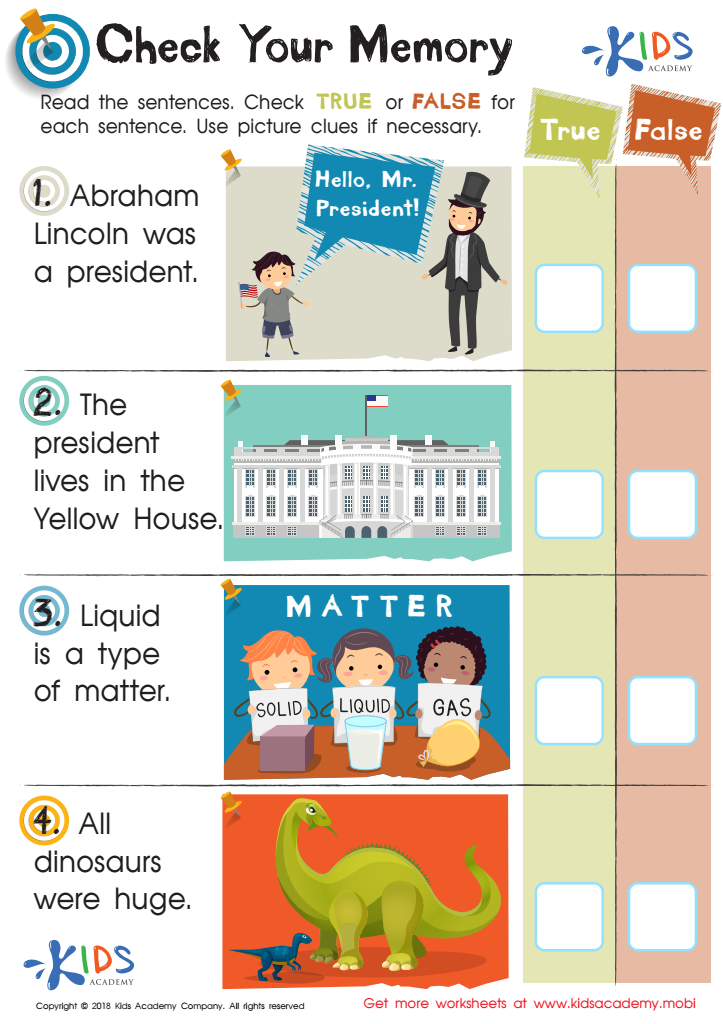
Check Memory Worksheet
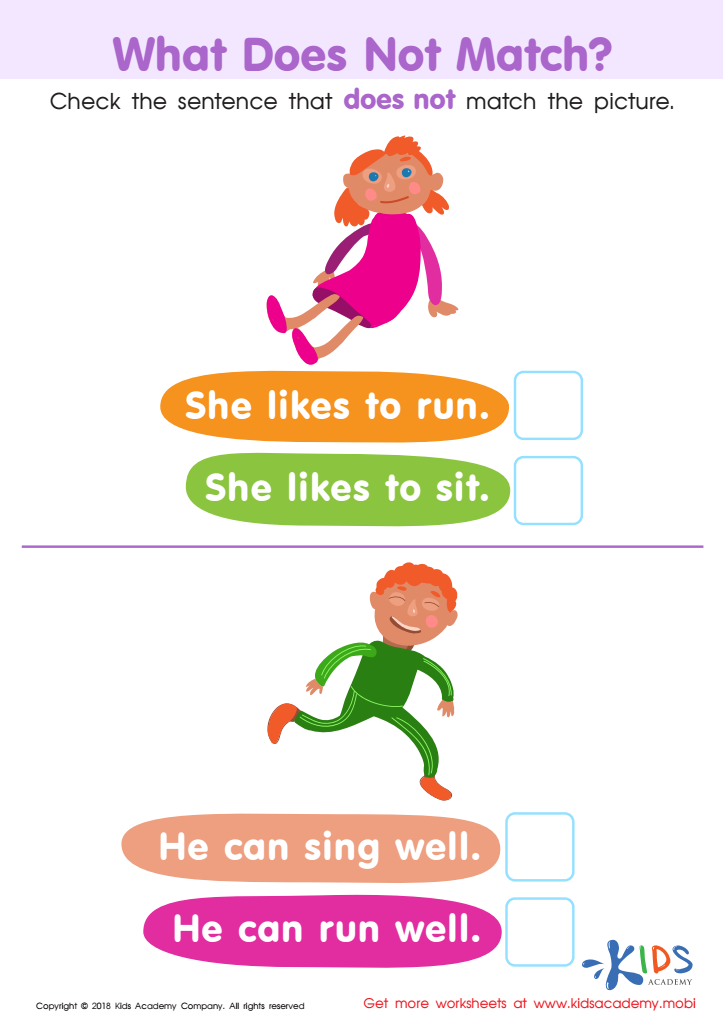
What Does Not Match? Worksheet
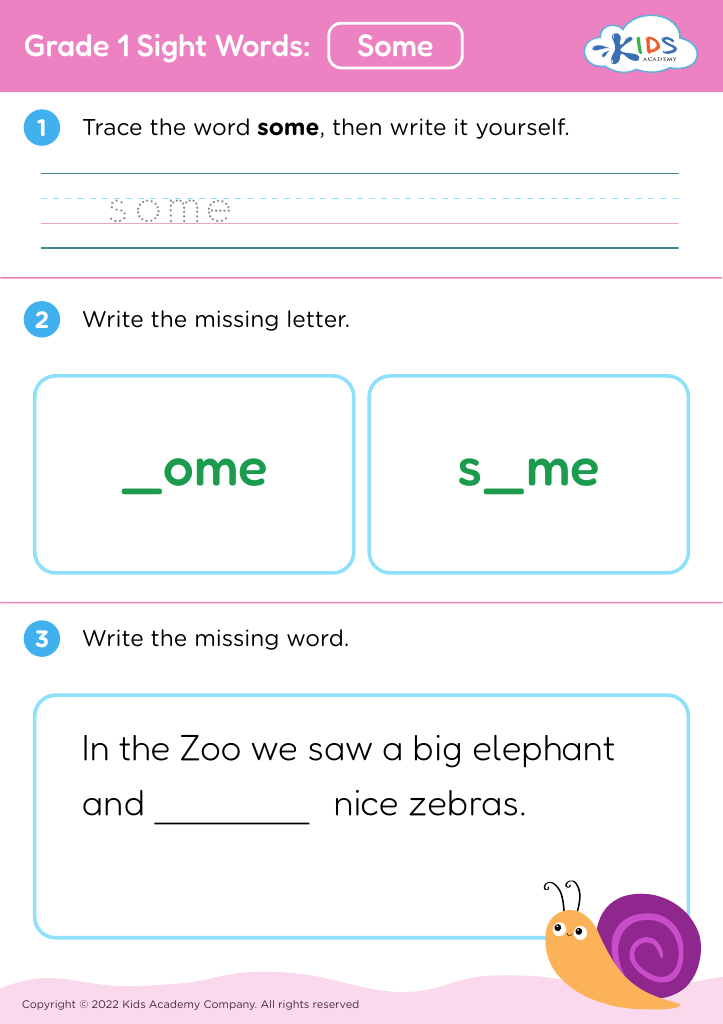
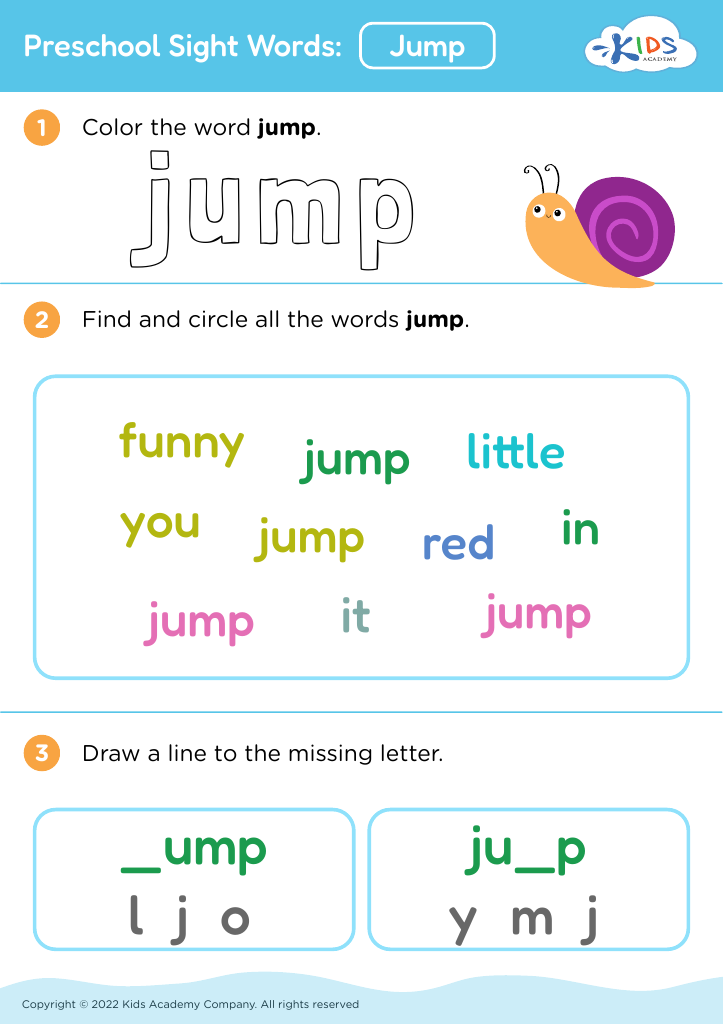





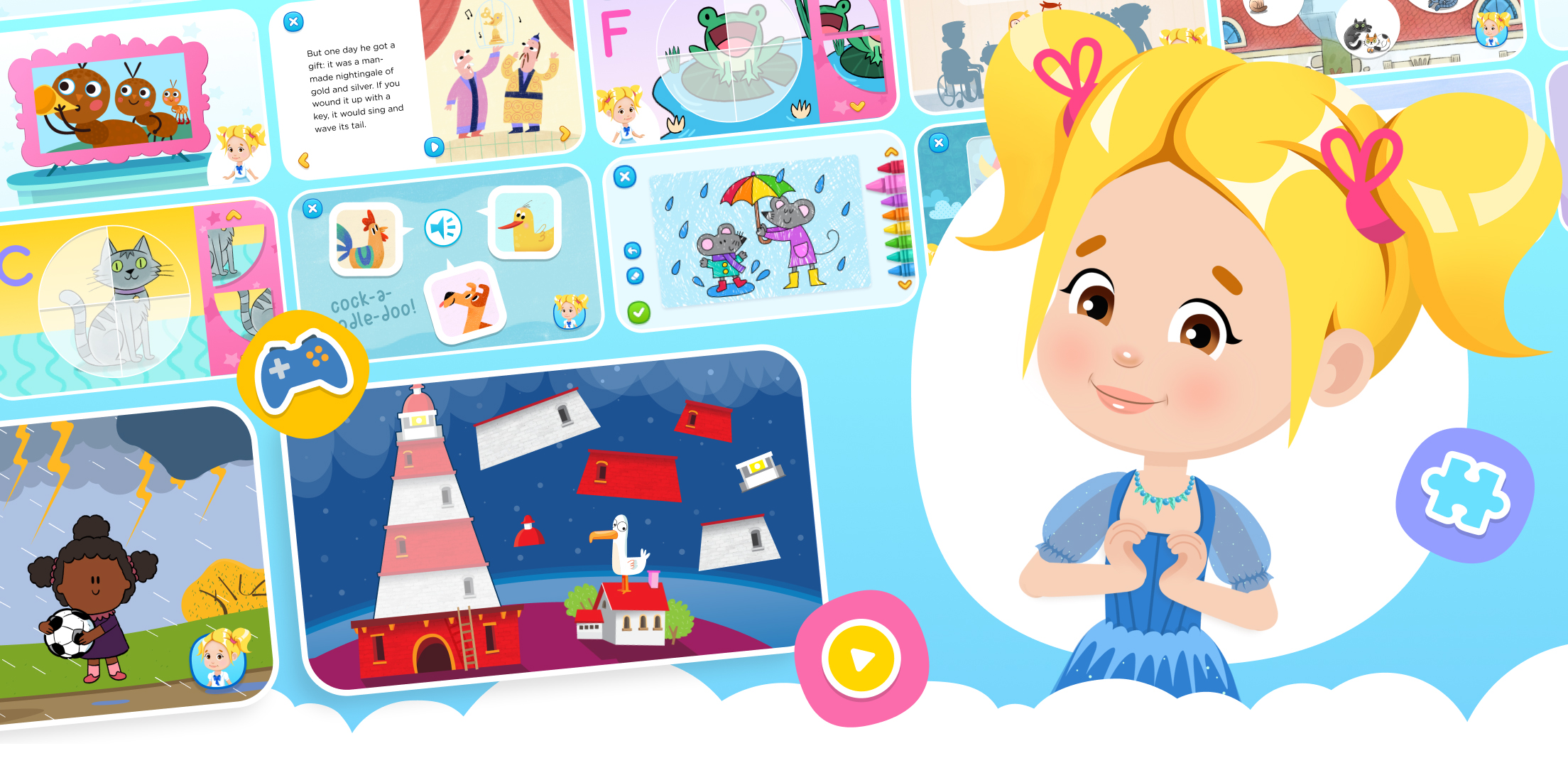

Cognitive development in early childhood is crucial for shaping a child's ability to think, learn, and communicate. For children aged 3 to 8, reading plays a transformative role in this process. Engaging with books not only bolsters language skills but also enhances memory, reasoning, and critical thinking. When parents and teachers prioritize reading during these formative years, they foster an environment where curiosity thrives.
Reading exposes children to new concepts, cultures, and vocabulary, expanding their understanding of the world. It encourages imaginative play, further contributing to their cognitive flexibility. Additionally, the routine of reading creates a nurturing bond between adults and children, providing emotional support that is vital for healthy cognitive growth.
Furthermore, strong early reading skills often correlate with later academic success. Children who develop good reading habits are better equipped to excel in school, reducing the risk of future learning difficulties. Teachers and parents who are proactive in promoting reading can cultivate lifelong learners who are not only academically successful but also equipped with essential skills for life. Therefore, prioritizing cognitive development through reading is an investment in a child’s future potential, ensuring they are well-prepared for the challenges of both school and life.








