Coloring skills Reading Worksheets for Ages 3-8
6 filtered results
-
From - To
Enhance your child's reading journey with our Coloring Skills Reading Worksheets designed for ages 3-8! Combining fun and learning, these worksheets offer engaging activities that boost reading skills while fostering creativity. Children develop fine motor skills as they color, and the exercises help improve comprehension and vocabulary. Specifically crafted for young learners, our worksheets include captivating themes and vibrant illustrations that make reading practice enjoyable. With a focus on interactive education, these printable worksheets are perfect for home or classroom use. Discover a playful approach to learning that your child will love at Kids Academy!
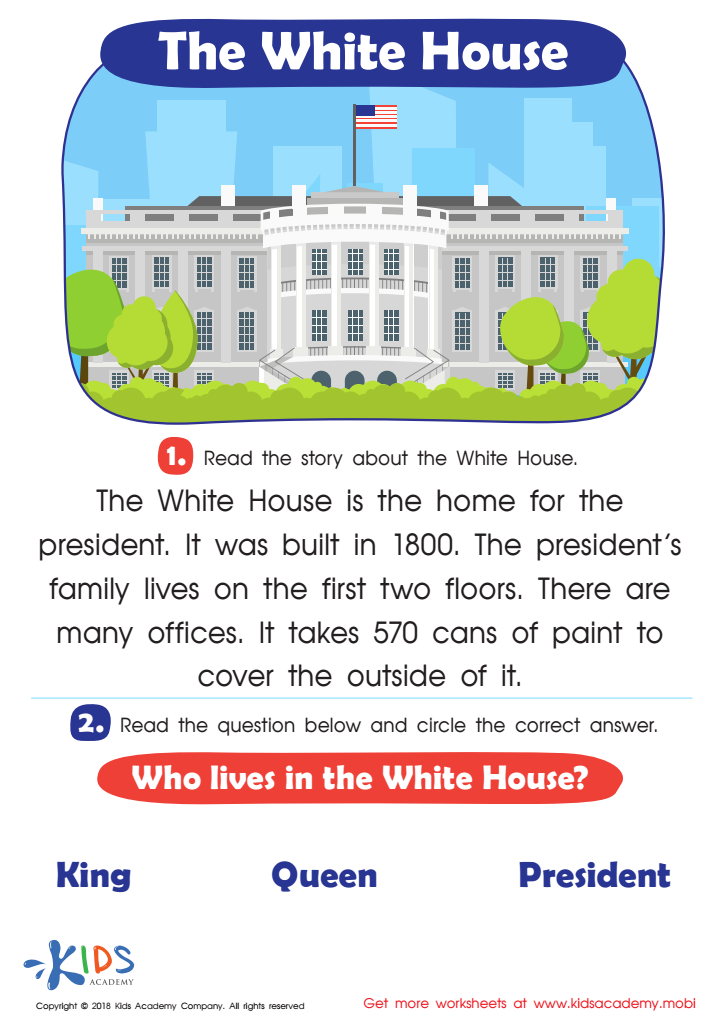
White House Worksheet
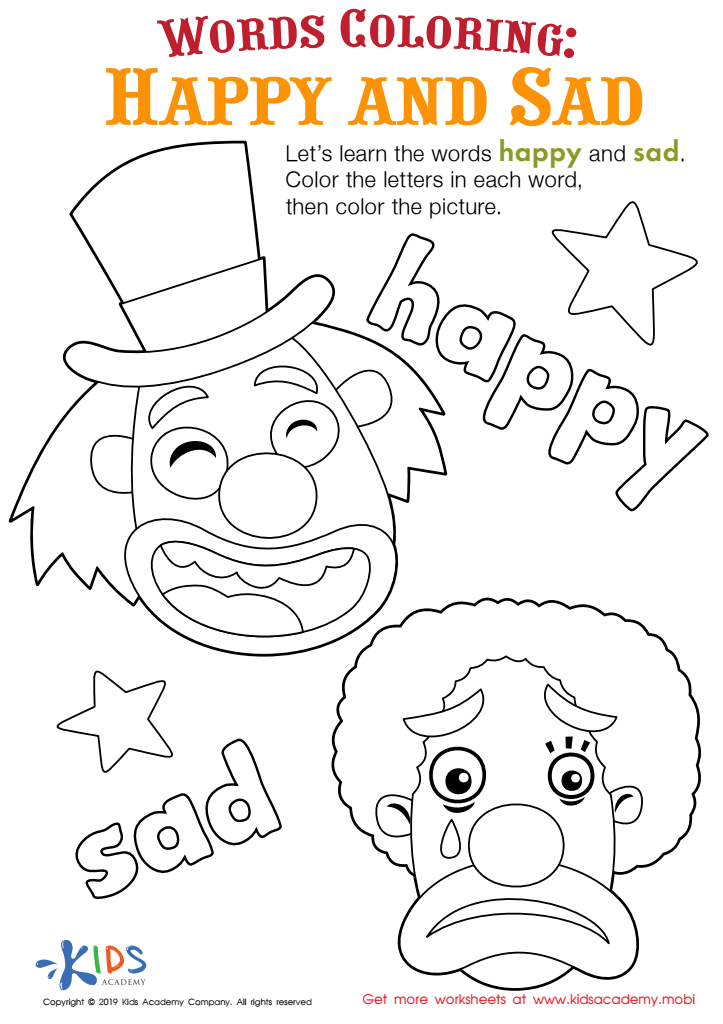
Happy and Sad Words Coloring Worksheet
 Assign to My Students
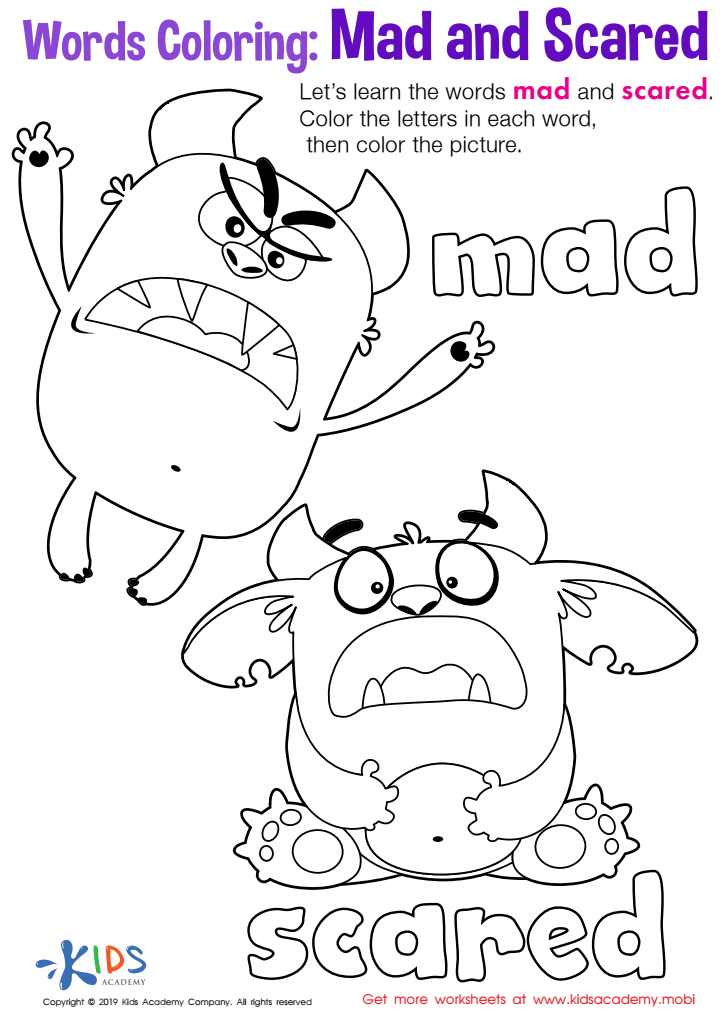
Mad and Scared Words Coloring Worksheet
Assign to My Students
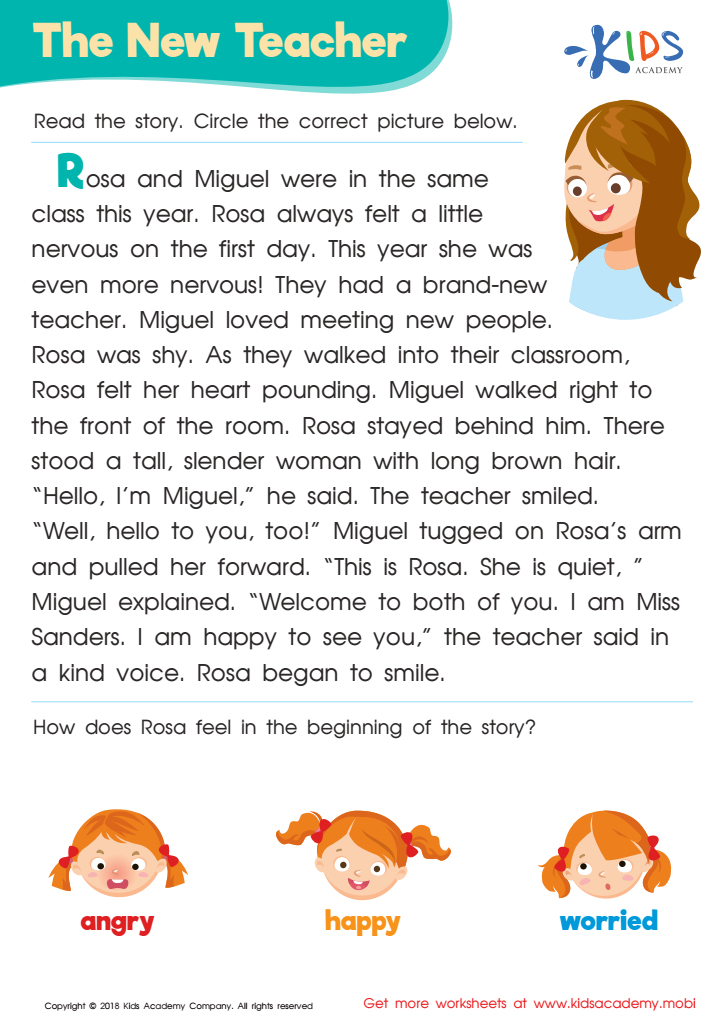
The New Teacher Worksheet
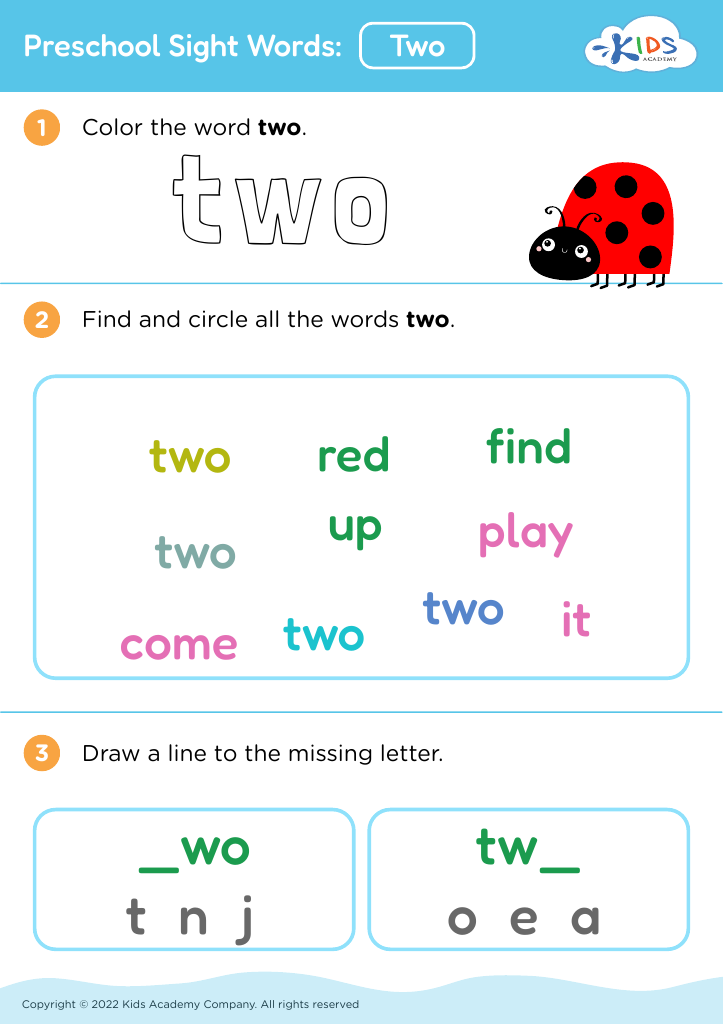
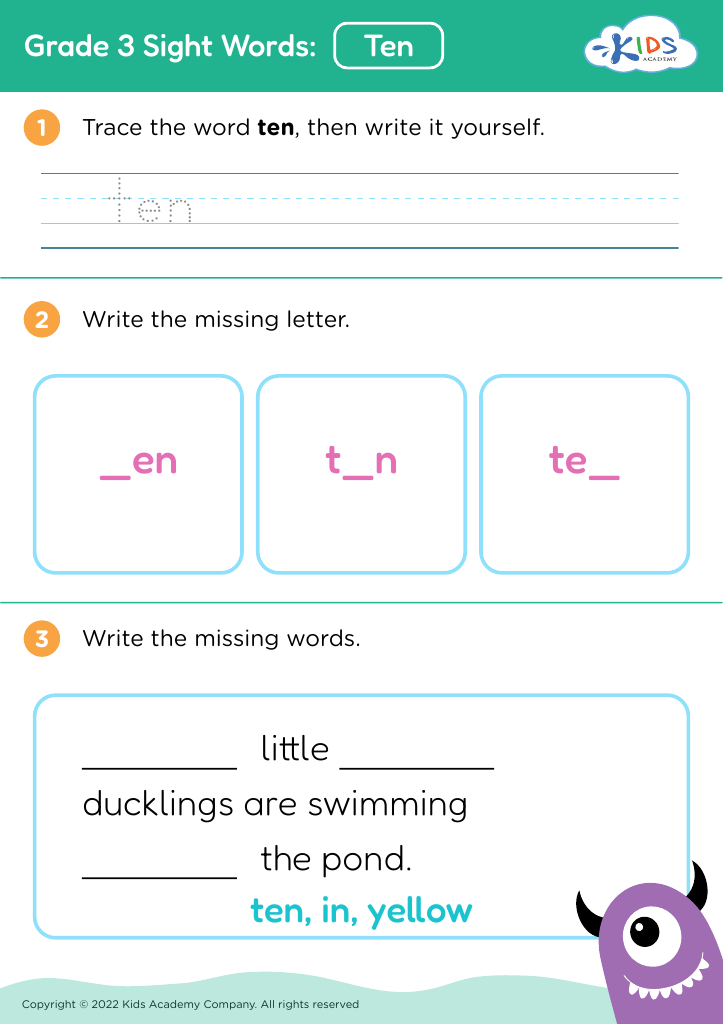








Coloring skills and early reading abilities are foundational activities that significantly impact the developmental trajectory of children aged 3-8. For parents and teachers, fostering these skills is essential because they play a crucial role in a child’s cognitive, emotional, and motor development.
Coloring enhances fine motor skills, hand-eye coordination, and dexterity, which are important for writing and other tasks. Through the act of coloring, children learn to hold and control a crayon, which is a precursor to controlling a pencil for writing. It also encourages focus and patience, aiding in the development of attention span.
Reading aloud to children and teaching them to read develop essential language and literacy skills. Exposure to words and sentences boosts vocabulary, comprehension, and the understanding of language structures. Early reading experiences ignite imagination and creativity, fostering a love for stories and learning. When children comprehend and enjoy reading, they are more likely to succeed academically.
Additionally, both activities encourage self-expression and emotional regulation. Coloring allows children to express thoughts and feelings non-verbally. Reading helps children understand and relate to a range of emotions and diverse experiences.
In summary, prioritizing these skills supports academic readiness and a lifelong connection to learning and creativity, ensuring overall emotional and intellectual growth.








