Enhancing critical thinking Reading Worksheets for Ages 3-8
3 filtered results
-
From - To
Unlock the potential of young minds with our "Enhancing Critical Thinking Reading Worksheets" for ages 3-8! Designed to foster analytical skills and a love for reading, these engaging worksheets encourage children to think deeply and ask questions. Each activity promotes comprehension, reasoning, and creativity, creating a well-rounded learning experience. From interactive stories to fun problem-solving tasks, our worksheets cater to diverse learning styles, making reading enjoyable and educational. Perfect for teachers, parents, and caregivers, these resources will help nurture critical thinkers and lifelong learners. Explore our collection and watch your child's reading skills flourish while honing their ability to think critically!
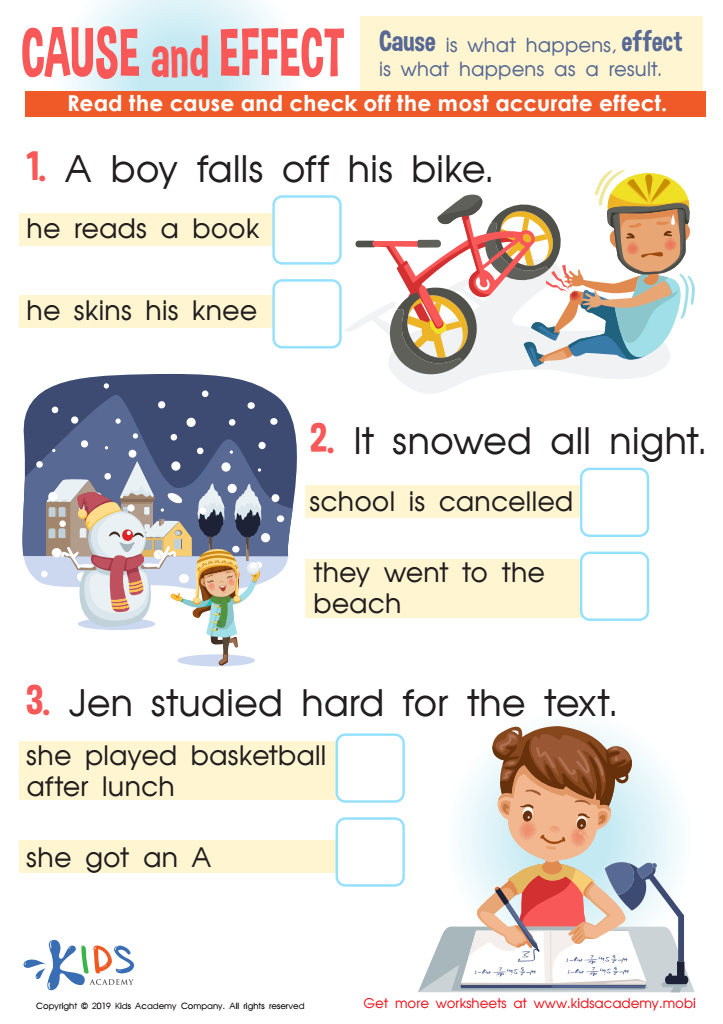
Cause And Effect Worksheet
 Assign to My Students
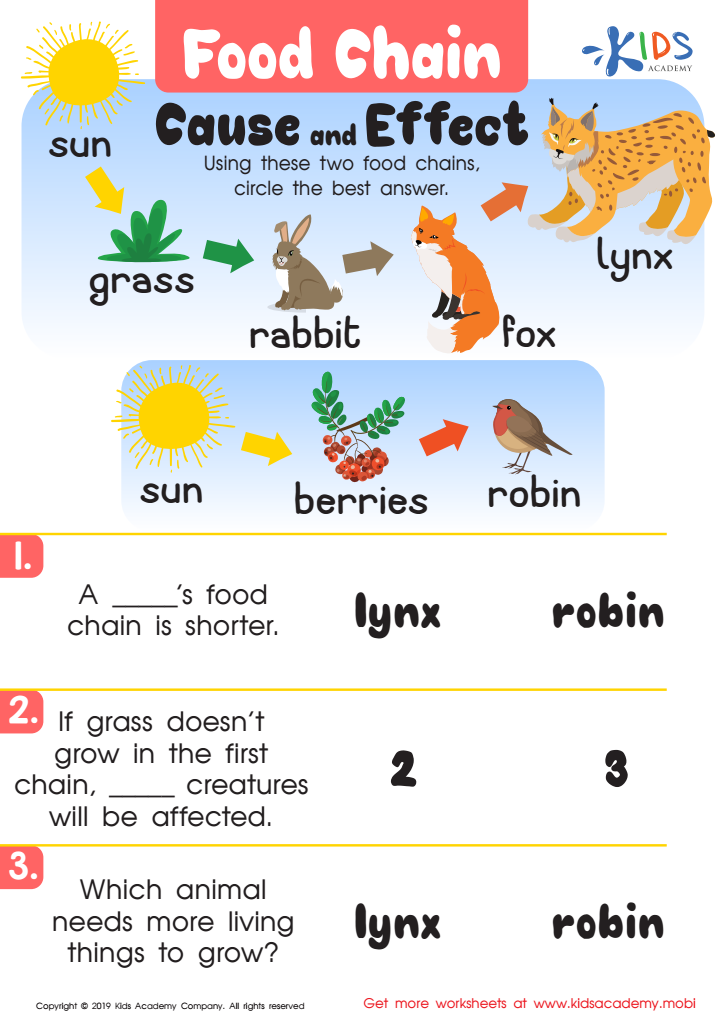
Food Chain Cause Worksheet
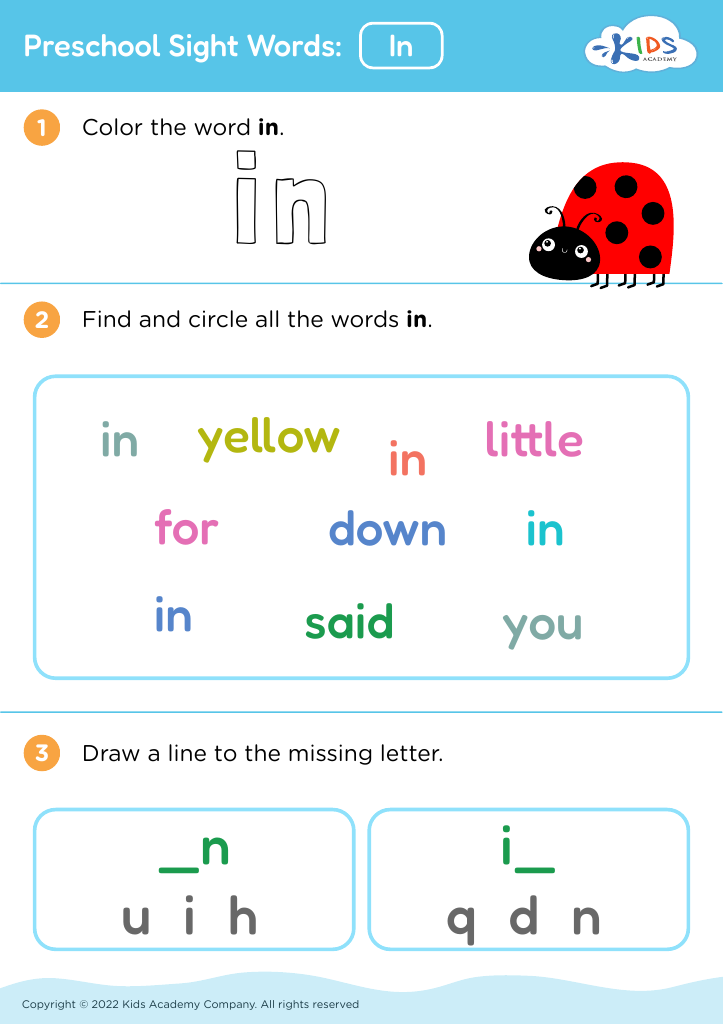








Enhancing critical thinking through reading for children aged 3-8 is crucial for their cognitive, social, and emotional development. At this early age, children are naturally curious and eager to explore the world around them. By fostering critical thinking skills through reading, parents and teachers can help nurture this curiosity, enabling children to analyze situations, make connections, and solve problems.
Reading not only enriches vocabulary but also exposes children to diverse perspectives and cultures. Engaging with various narratives encourages empathy, as children learn to understand the emotions and experiences of others. Furthermore, when adults encourage open-ended questions about stories, they promote deeper comprehension and imaginative thinking.
Critical thinking skills empower children to become independent learners who can question, evaluate, and draw conclusions on their own. This foundation is essential for lifelong learning, as it cultivates a mindset that is adaptable to change and resilient in overcoming challenges. In an increasingly complex world, the ability to think critically is one of the most valuable skills students will need.
Ultimately, investing in critical thinking through reading not only promotes academic success but also prepares young learners to navigate the world with confidence and creativity.








