Discover our "Enhancing Vocabulary Reading Worksheets" designed for children aged 3 to 8! These engaging and interactive worksheets help young learners expand their vocabulary through fun activities and themes. Each worksheet is carefully crafted to promote essential reading skills, build word recognition, and boost comprehension. With charming illustrations and relatable content, our resources captivate young minds, making learning enjoyable. Whether at home or in the classroom, these worksheets serve as a valuable tool for parents and educators alike. Explore our diverse collection and watch as your child's language skills flourish, laying the foundation for a lifelong love of reading!

Check out this FREE Trial Lesson on Reading for age 3-8!

Poem Text Features

Favorites
With answer key
Interactive
  • 3-8
  • Enhancing vocabulary
  • Reading
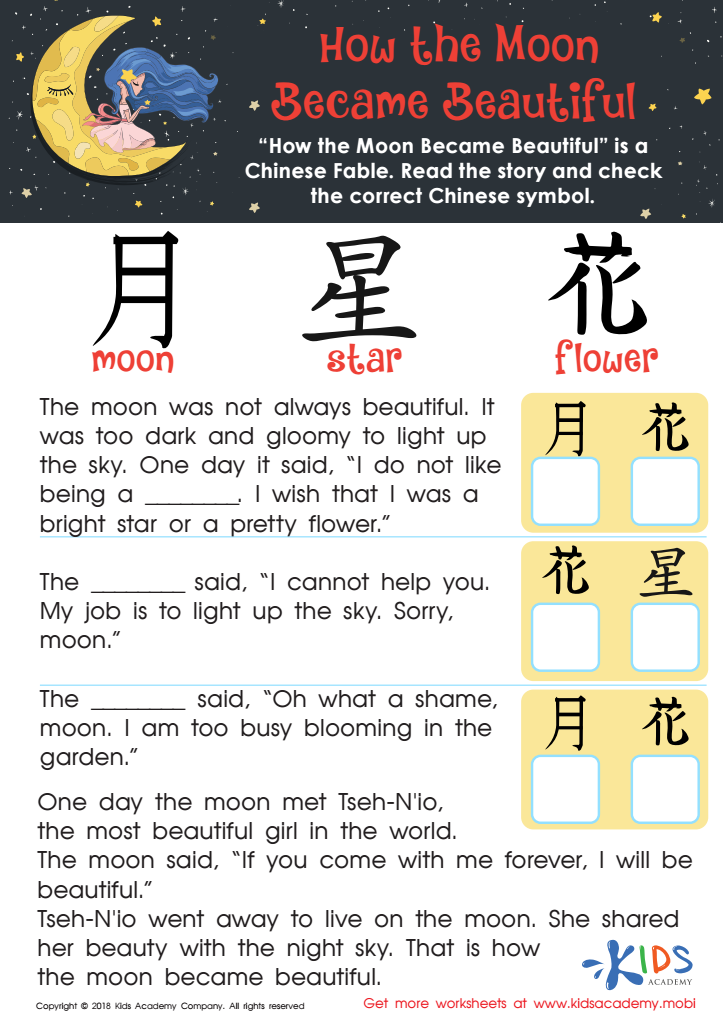
How the Moon Became Beautiful Worksheet

How the Moon Became Beautiful Worksheet

Fables are a great way for kids to learn! This Chinese fable about the moon's beauty is educational and entertaining. The PDF worksheet provides the English translations and symbols associated with the story. Kids can fill in the blanks with the correct symbols and have fun learning a new language!
How the Moon Became Beautiful Worksheet
Worksheet
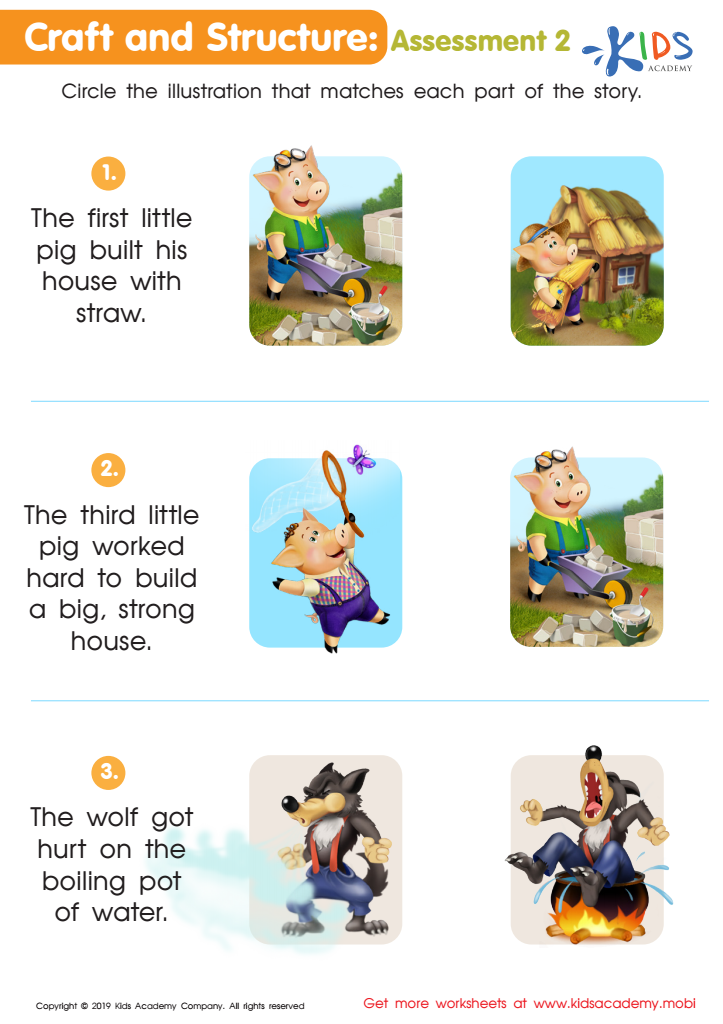
Craft and Structure: Assessment 2 Worksheet 2

Craft and Structure: Assessment 2 Worksheet 2

This fun printout with colorful illustrations will assess how much your kids pay attention to story time. Go through the pictures and help them circle the ones that match each part of the story. Stimulate their brains and have fun in the process!
Craft and Structure: Assessment 2 Worksheet 2
Worksheet
Suffix-ed Worksheet
Suffix-ed Worksheet

Suffix-ed Worksheet

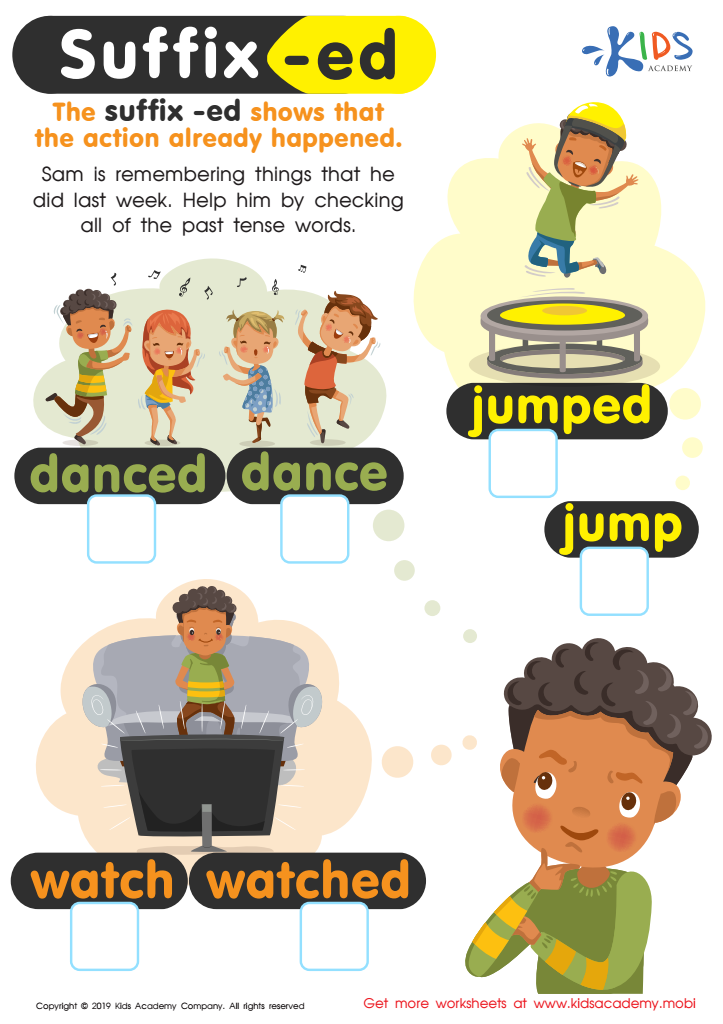
Ask your kids if they know what suffixes are, and explain they are words added to the end of another word which changes the meaning. This worksheet focuses on the suffix -ed which shows something already happened. Help the kid in the picture find the past tense words.
Suffix-ed Worksheet
Worksheet
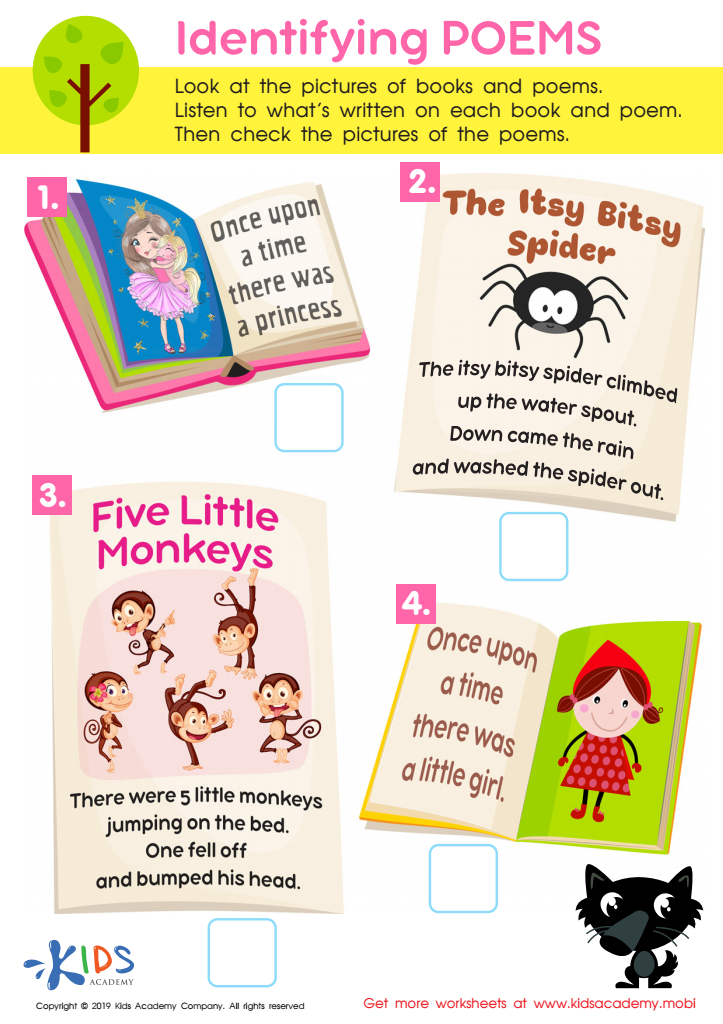
Identifying Poems Worksheet

Identifying Poems Worksheet

Read to your kids often and look at the pictures of books and poems in this worksheet. Guide them by reading aloud each book and poem. Make sure they are paying attention and help them check the pictures. This is a great way for your kids to learn to read properly.
Identifying Poems Worksheet
Worksheet
First and Third Person Point of View Worksheet

First and Third Person Point of View Worksheet

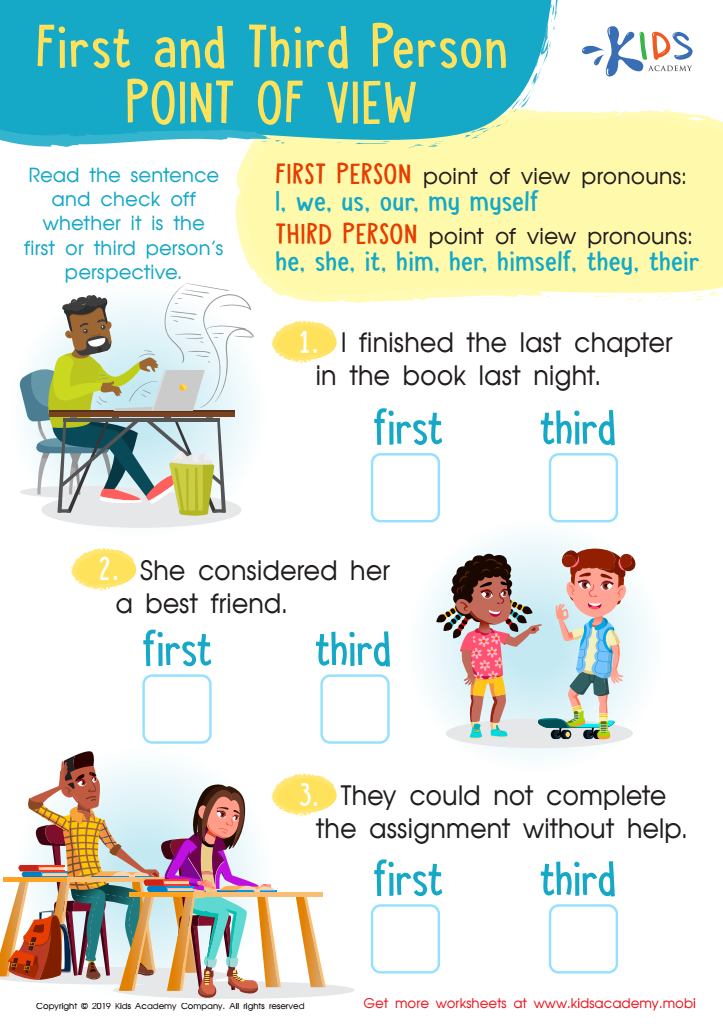
Remind kids what a point of view is in a story. First person is from the character's perspective; third person is from the narrator's. Ask students to check if sentences in the exercise are in first or third person point of view.
First and Third Person Point of View Worksheet
Worksheet
Parts of Flower Worksheet

Parts of Flower Worksheet

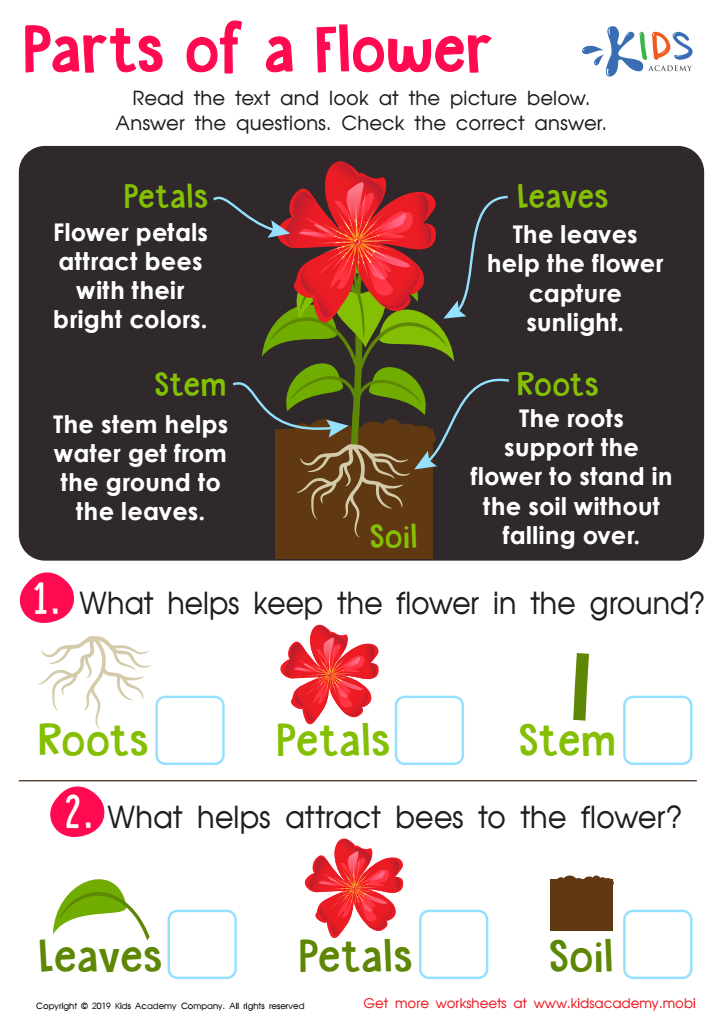
Learning how to dissect info from graphics is essential. This free worksheet on the parts of a flower is a great learning tool for kids. It offers info, picture clues and comprehension questions. Plus, it gives them a visual reference for building on their knowledge of plants.
Parts of Flower Worksheet
Worksheet
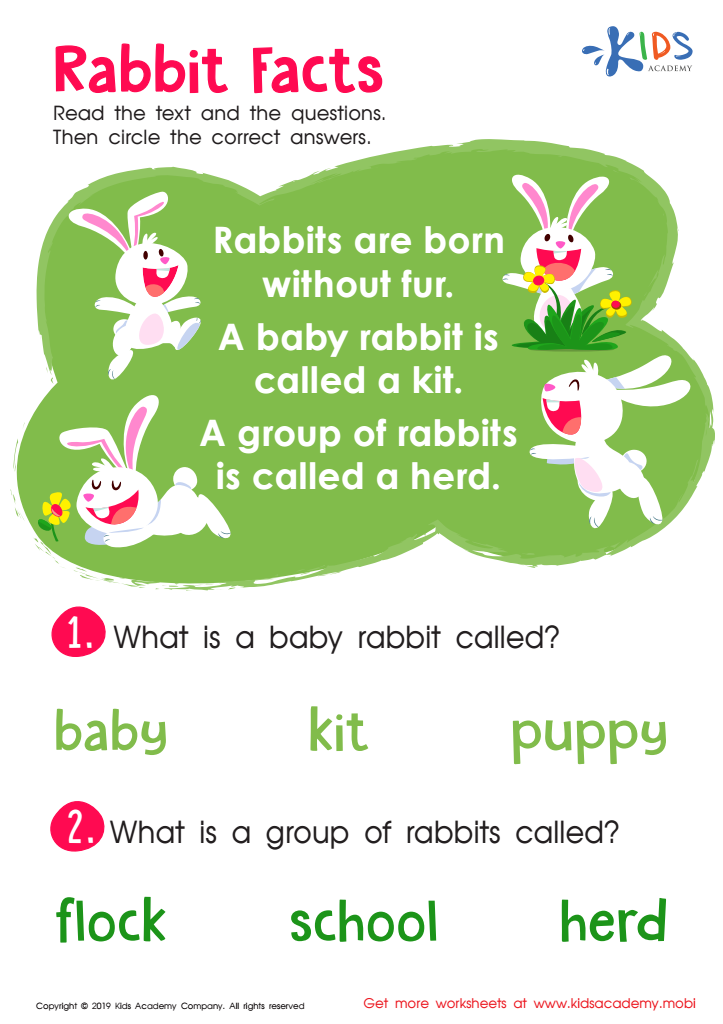
Rabbit Facts Worksheet

Rabbit Facts Worksheet

Reading comprehension skills can be strengthened with this fun PDF about fluffy rabbits. It helps kids recall and retell details from the text while engaging them in the topic. This encourages success in reading comprehension.
Rabbit Facts Worksheet
Worksheet
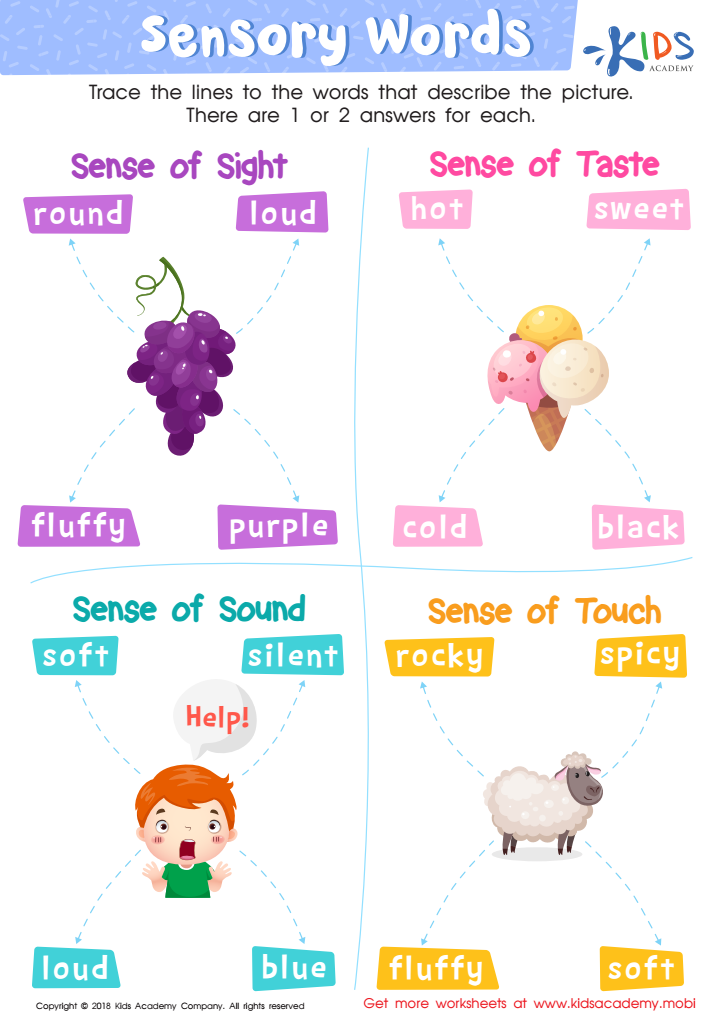
Sensory Words Worksheet
Sensory Words Worksheet
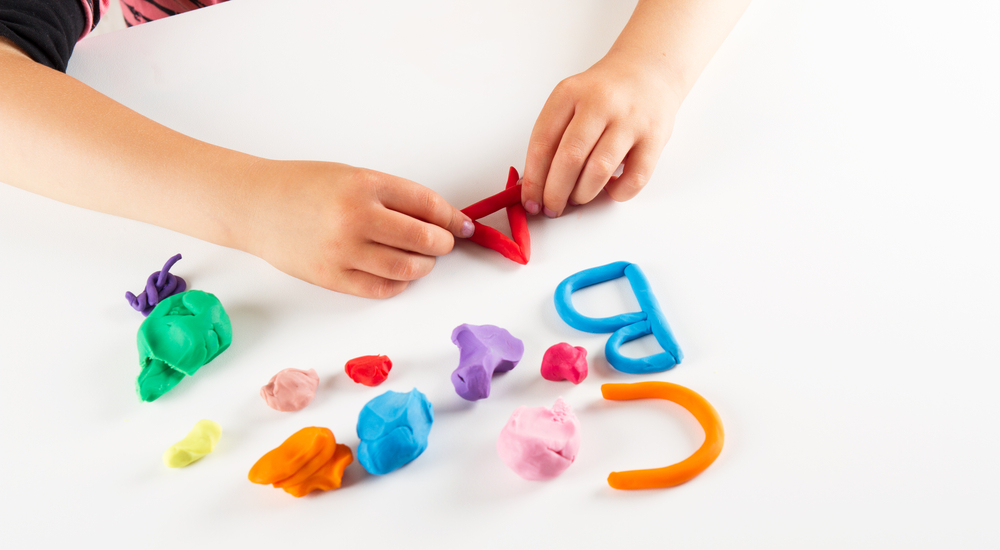
This worksheet helps students explore sensory words by looking at pictures and selecting one or two words to describe how it looks, feels, tastes, smells or sounds. Adding sensory words to texts makes them more interesting and helps students comprehend stories and articles better.
Sensory Words Worksheet
Worksheet


Enhancing vocabulary reading for children ages 3-8 is crucial for their cognitive and language development. During these formative years, children absorb language at an incredible rate, making it the ideal time to introduce and reinforce new words. A strong vocabulary set not only aids in reading comprehension but also fosters effective communication skills.

As parents and teachers engage children with rich and diverse vocabulary, they empower them to express their thoughts, feelings, and ideas more clearly. This foundation in language enables children to grasp more complex concepts as they progress in their education. Additionally, a well-developed vocabulary enhances critical thinking, encouraging children to ask questions and make connections, ultimately preparing them for academic success.

High levels of vocabulary correlate with better performance in standardized tests and overall learning. When children encounter unfamiliar words, they build resilience and problem-solving abilities. By prioritizing vocabulary development, adults help teach persistence and curiosity.

In summary, caring about vocabulary reading equips children with essential tools for communication, comprehension, and self-expression, laying the groundwork for lifelong learning and success. It nurtures a love of language that can inspire a passion for reading and learning throughout their lives.