Fraction comparison Reading Worksheets for Ages 3-8
14 filtered results
-
From - To
Explore our engaging Fraction Comparison Reading Worksheets, specially designed for children aged 3 to 8! These worksheets offer a fun and interactive way for young learners to master the concept of fractions. Through colorful illustrations and age-appropriate activities, kids will develop their reading and mathematical skills by comparing different fractions in a playful manner. Perfect for classroom use or at-home learning, our resources cater to various skill levels, ensuring every child can benefit. Foster creativity and critical thinking while helping your child grasp essential mathematics concepts. Unlock a world of learning that makes fraction comparison enjoyable and effective!
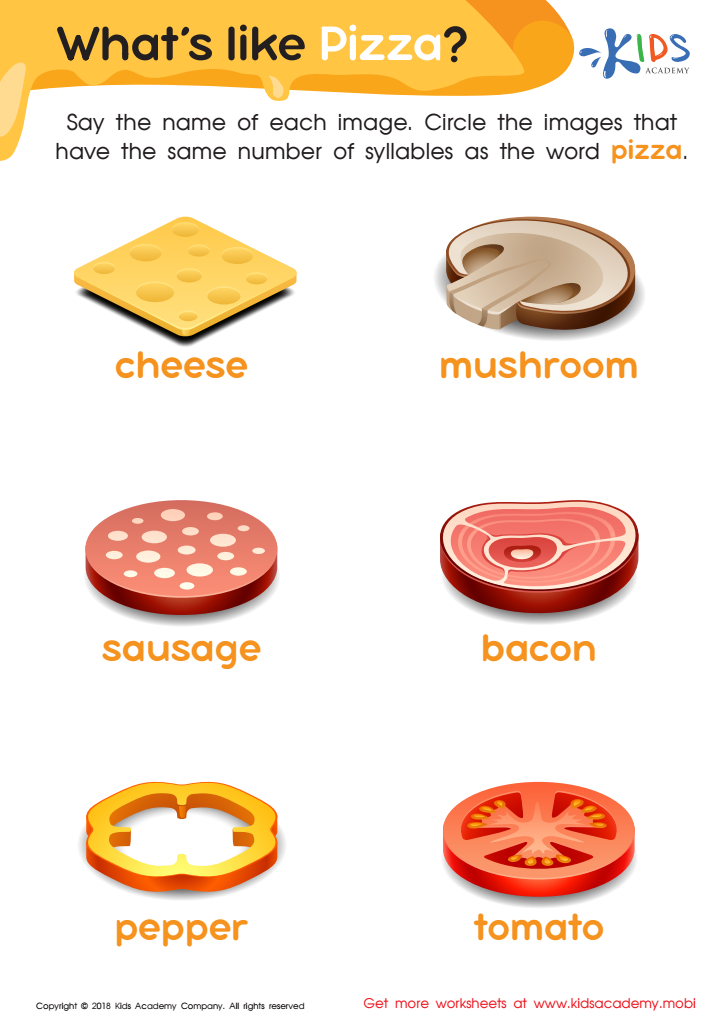
What's Like Pizza? Worksheet
 Assign to My Students
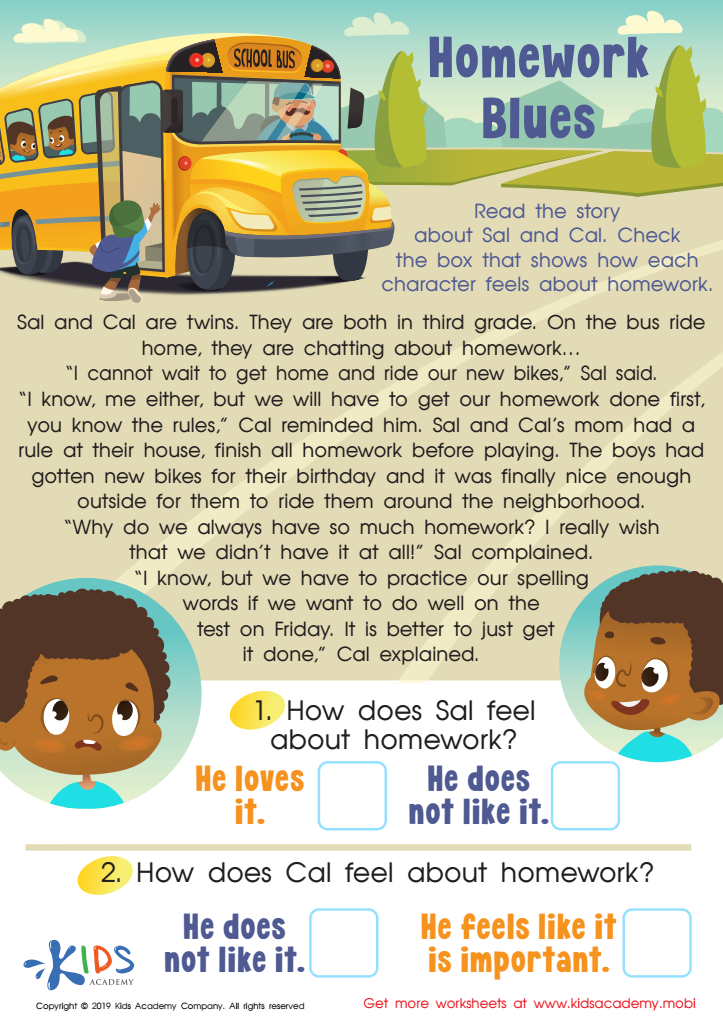
Homework Blues Worksheet
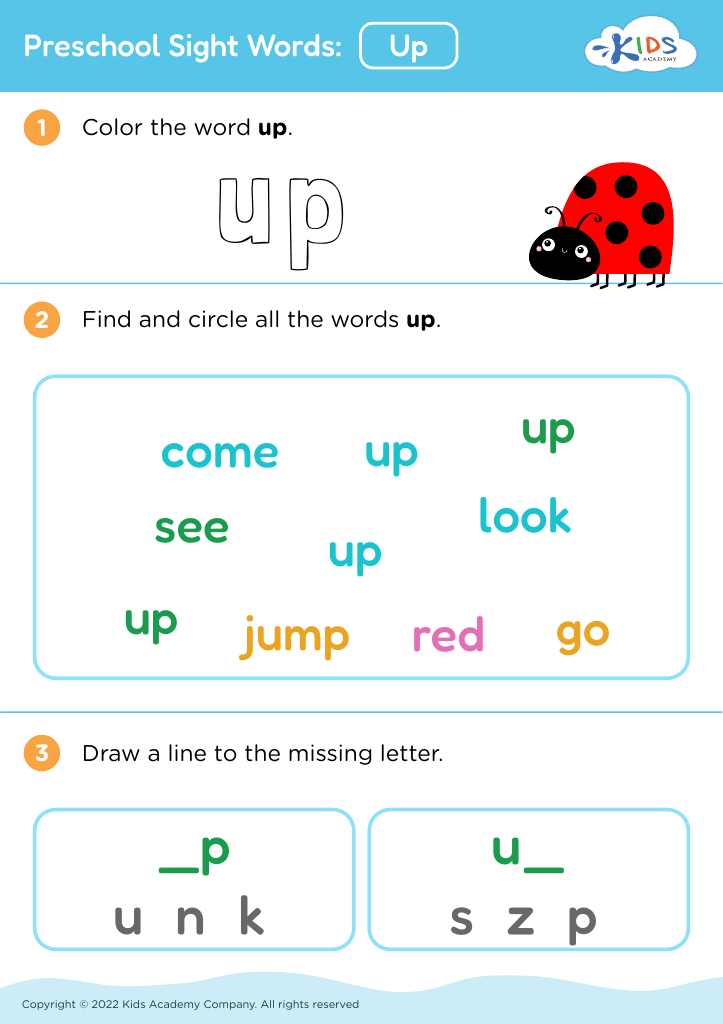
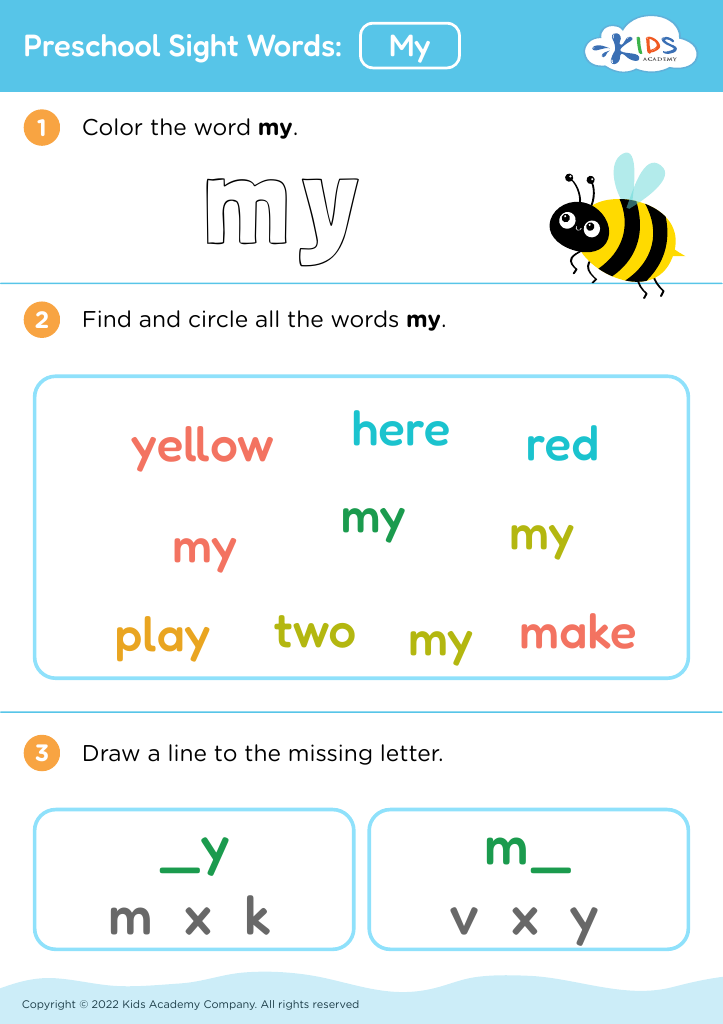




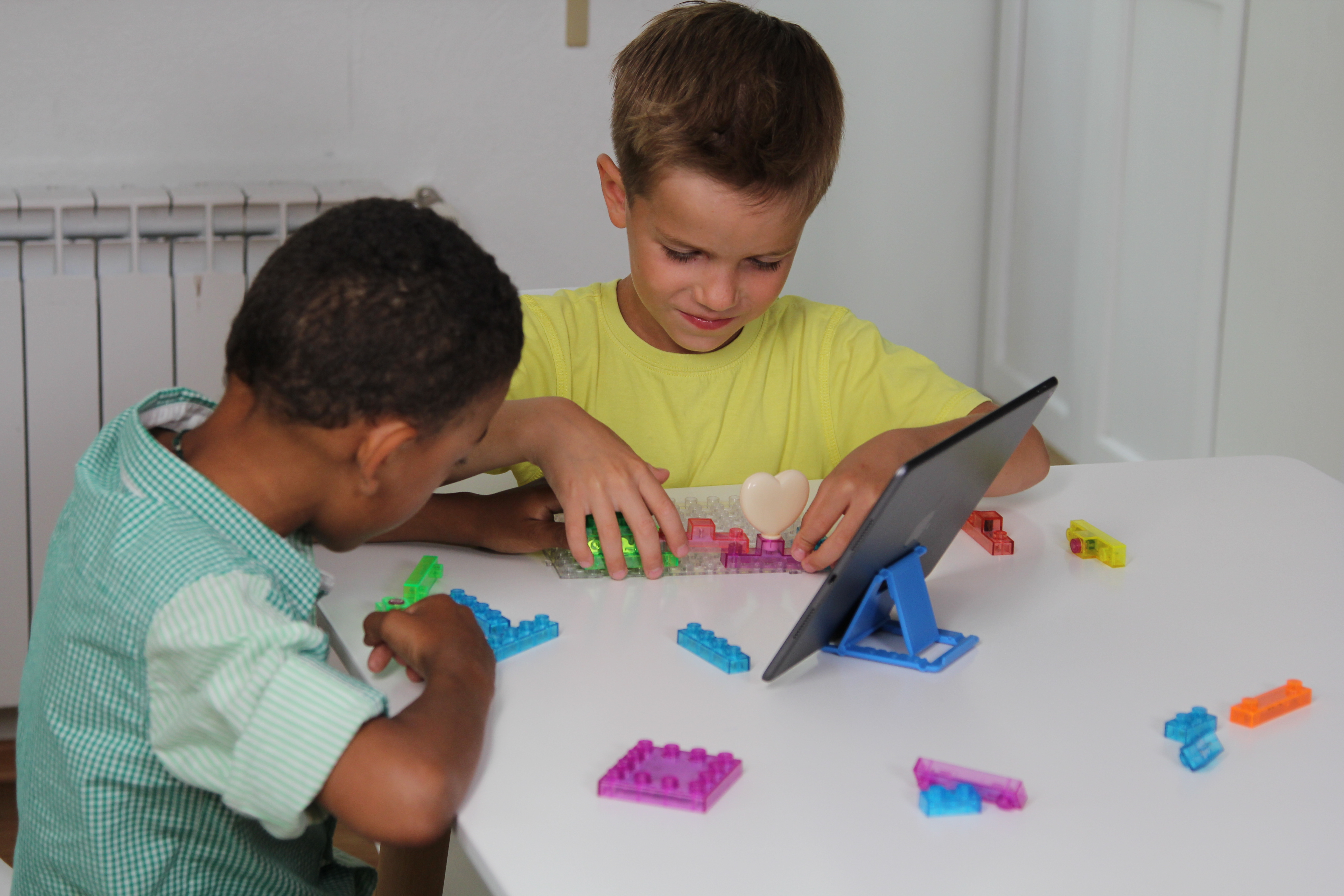
Understanding fraction comparison is crucial for children aged 3-8 as it lays the foundation for essential mathematical skills necessary for later success. At this early stage, children's cognitive abilities are rapidly developing, making it an ideal time to introduce concepts like fractions in a relatable manner. Parents and teachers should care about this because grasping fraction comparison enhances a child's problem-solving abilities, encourages logical thinking, and helps them to develop a strong number sense.
Utilizing engaging stories and visual aids can make learning about fractions fun and interactive. For example, comparing halves of a pizza or different sections of a fruit can provide practical contexts where children can visualize and understand the relationships between fractions. By integrating fraction comparison into everyday activities, such as sharing snacks or playing games, educators and caregivers can foster a more profound comprehension.
Moreover, a solid grounding in fractions is integral not just in math, but in applications such as cooking, budgeting, and understanding measurements. When children develop these skills early on, they are more likely to embrace algebra and advanced mathematics in later years, leading to better educational outcomes. Therefore, prioritizing fraction comparison can have lasting benefits for a child's academic journey and overall confidence in mathematics.








