Improving math skills Reading Worksheets for Ages 3-8
5 filtered results
-
From - To
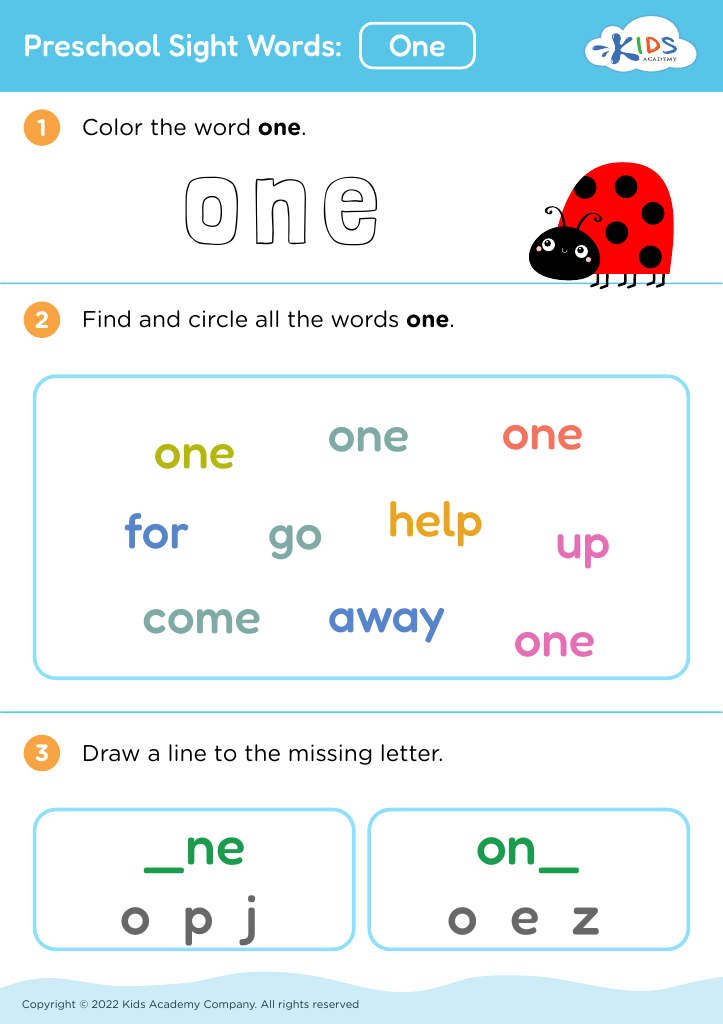
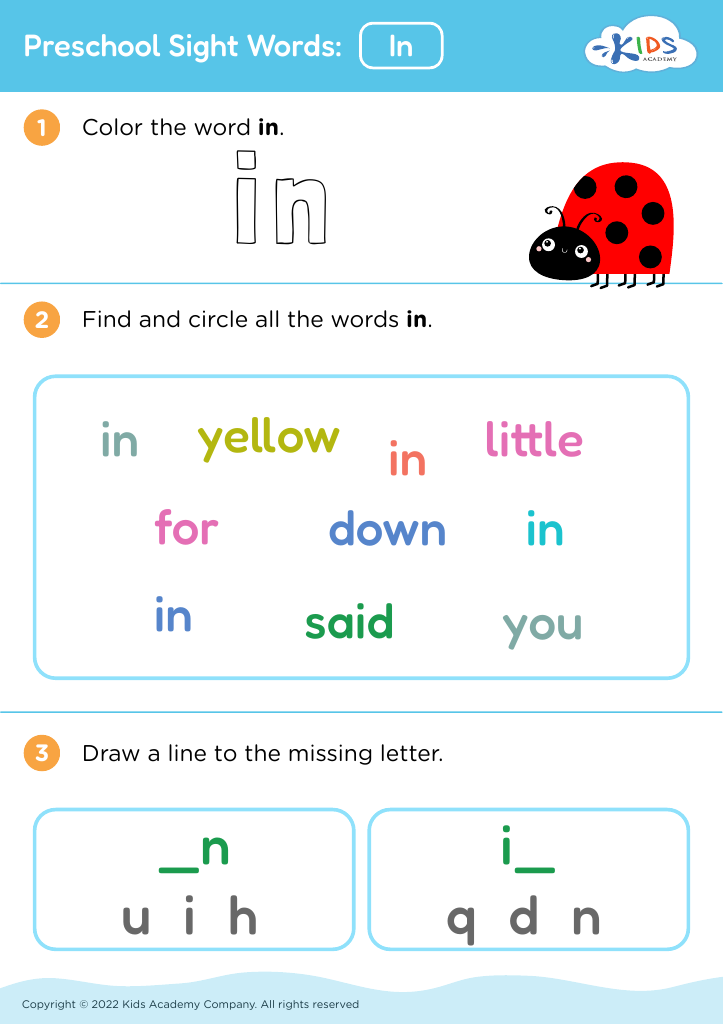
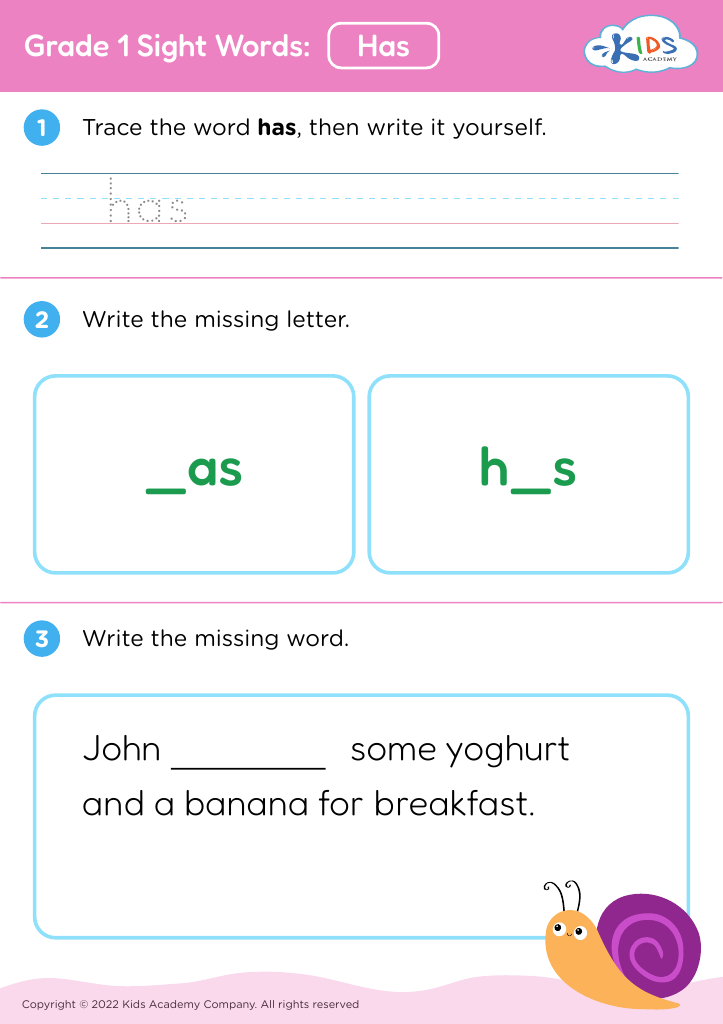
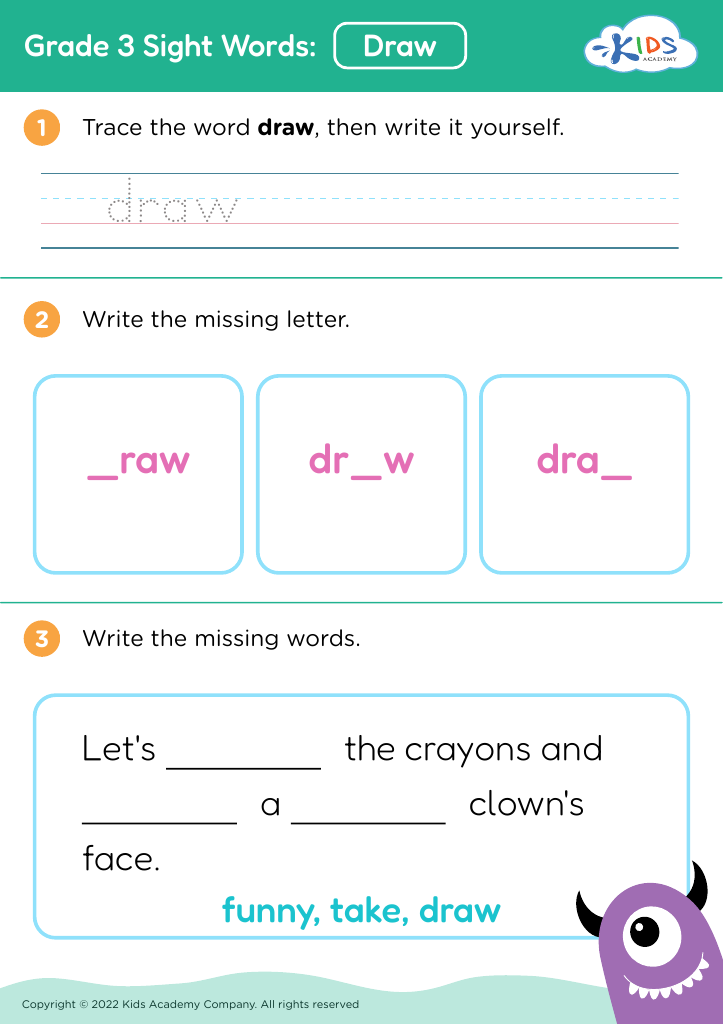
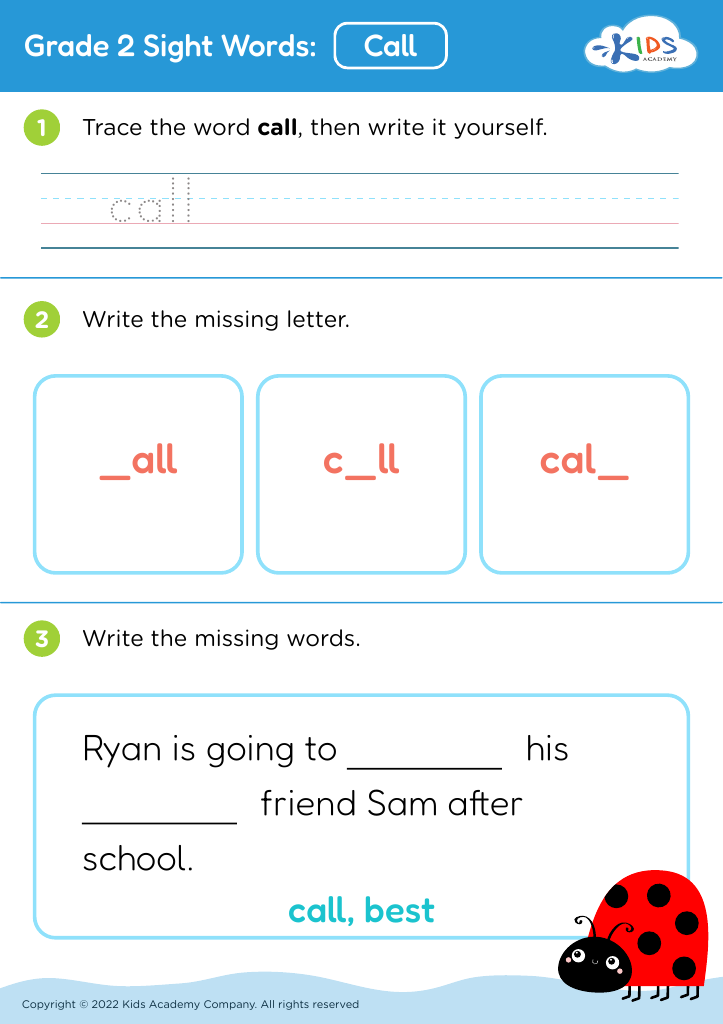
Enhance your child's math skills with our engaging "Improving Math Skills" reading worksheets specifically designed for ages 3-8. These worksheets combine reading comprehension with essential math concepts, making learning fun and interactive. Each activity is tailored to nurture critical thinking, problem-solving, and numeracy foundational skills while fostering a love for reading. Parents and educators can easily access a variety of printable resources that cater to different learning styles and abilities. Encourage your child to explore numbers, shapes, and patterns through colorful illustrations and relatable themes. Start boosting your little one's math confidence today with these creative and educational worksheets!





.jpg)


Improving math skills in young children aged 3-8 is vital for several reasons. Firstly, early math skills form the foundation for future academic success. Concepts such as counting, measurement, and spatial awareness are not only essential for math but also intersect with reading and problem-solving skills. Engaging young learners in math-related activities enhances their cognitive development, promoting critical thinking and reasoning abilities.
Secondly, strong math skills correlate with better performance in not just Mathematics but reading and overall academic achievement later in life. As children start making connections between numbers and their real-life applications, they become more motivated to learn and explore.
Moreover, fostering a positive attitude towards math early on can combat common fears and anxieties about the subject later in school. Parents and teachers play a crucial role in motivating children by incorporating math into fun activities like games, stories, and everyday tasks.
By prioritizing the improvement of math skills, parents and teachers invest in building a confident and well-rounded learner, equipped to tackle future academic challenges and thrive in a rapidly changing world.








