Simplifying Fractions Reading Worksheets for Ages 3-8
7 filtered results
-
From - To
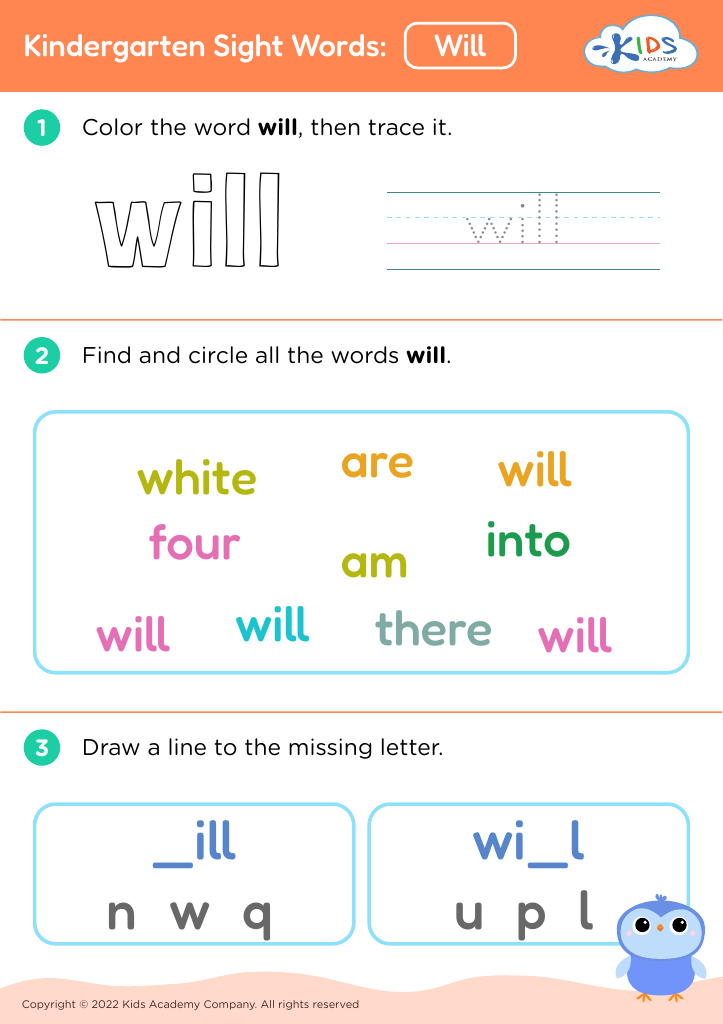
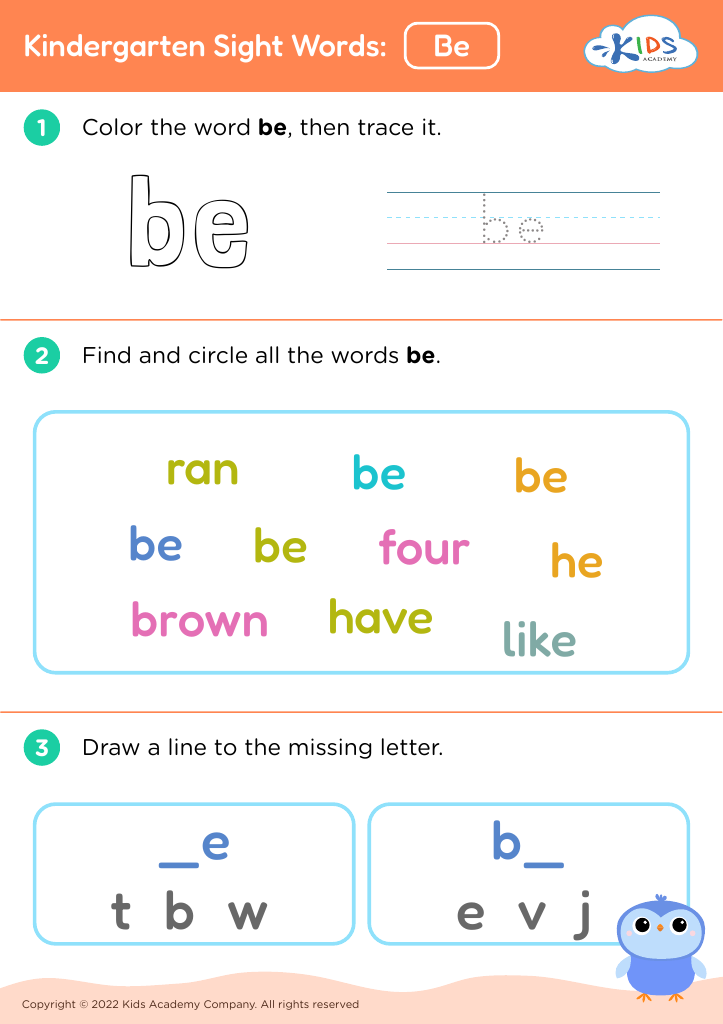
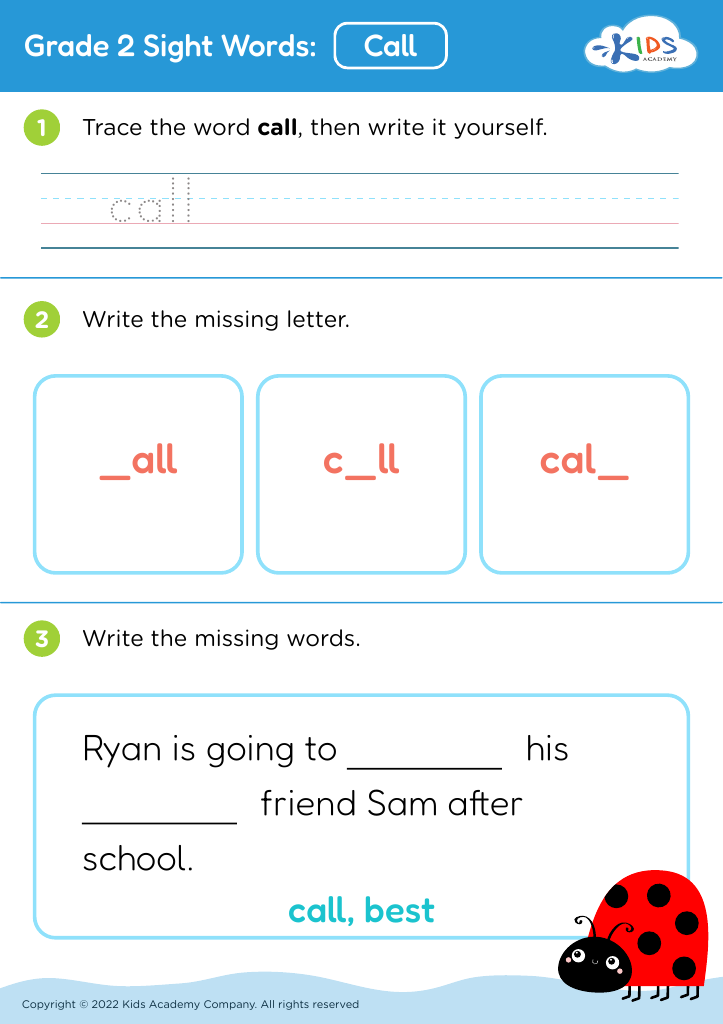
Introducing our engaging "Simplifying Fractions Reading Worksheets" tailored for children aged 3-8! These worksheets are designed to make learning fractions fun and accessible. With a variety of activities that combine reading comprehension and math skills, young learners will explore the world of fractions through colorful visuals and interactive exercises. Each worksheet encourages critical thinking and helps children grasp the concept of simplifying fractions in a playful manner. Perfect for both classroom and at-home learning, these resources foster a solid foundation in math while enhancing reading skills. Get ready to support your child's educational journey with our delightful worksheets!








Simplifying fractions may seem like a complex concept for young learners aged 3-8, but it lays a crucial foundation for their mathematical journey. At this age, children are in the critical stage of developing number sense and an understanding of relationships between quantities. Introducing the idea of fractions in a simplified manner fosters their cognitive skills and allows them to grasp the fundamental concepts of part-whole relationships.
For parents and teachers, caring about simplifying fractions means nurturing children's ability to solve real-world problems. It encourages logical thinking and promotes confidence in their mathematical abilities. Engaging young learners in fraction-related activities through visual aids, games, and interactive practices can demystify the concept, making it relatable and fun.
Additionally, early understanding of fractions supports later success in more advanced math concepts, such as ratios and proportions. By making fractions approachable and enjoyable, parents and teachers instill a positive attitude towards mathematics, reducing anxiety around the subject. Ultimately, investment in early fraction knowledge sets children up for lifelong success, empowering them with skills that apply far beyond the classroom. Thus, whether at home or in school, recognizing the importance of simplifying fractions is essential for a child’s educational growth.








