
Understanding multiplication Reading Worksheets for Ages 3-8
5 filtered results
Difficulty Level
Grade
Age
-
From - To
Subject
Activity
Standards
Discover "Understanding Multiplication" Reading Worksheets designed for kids aged 3-8 at Kids Academy. Our interactive and engaging worksheets make learning multiplication fun and accessible. Through a variety of exercises, young learners will grasp fundamental concepts of multiplying numbers, enhancing their math skills. Each worksheet integrates vibrant illustrations and clear explanations, aiding children in understanding and retaining multiplication basics. These resources are perfect for both classroom and at-home learning to support early math development. Help your child build confidence and foundational knowledge with our expertly crafted multiplication worksheets. Visit Kids Academy for enriching educational content today!
Favorites
With answer key
Interactive
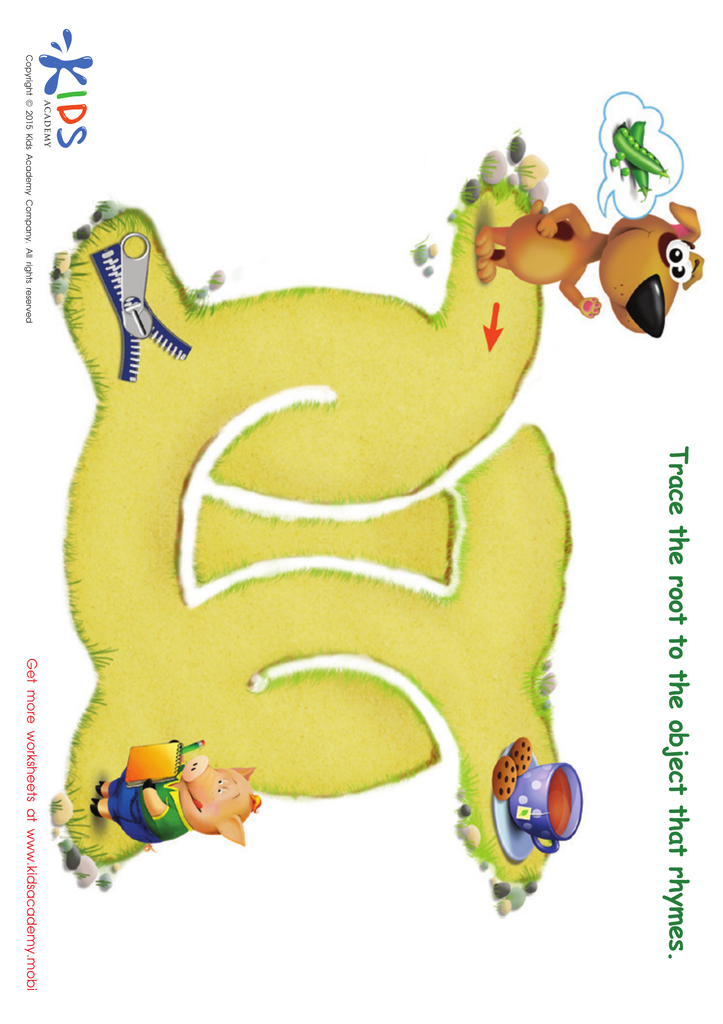
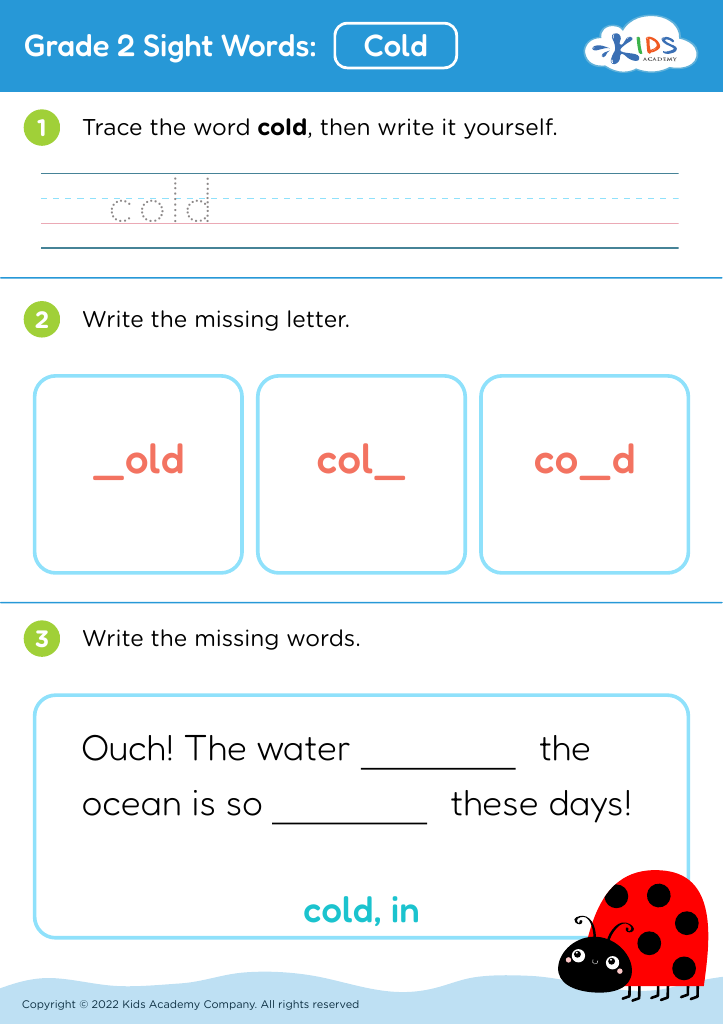
Pea Rhyming Words Worksheet
Check out our free printable worksheet that helps kids learn new words through rhyming. Your child needs to trace the root between the rhyming words and remember them better. Enjoy learning!
Pea Rhyming Words Worksheet
Worksheet
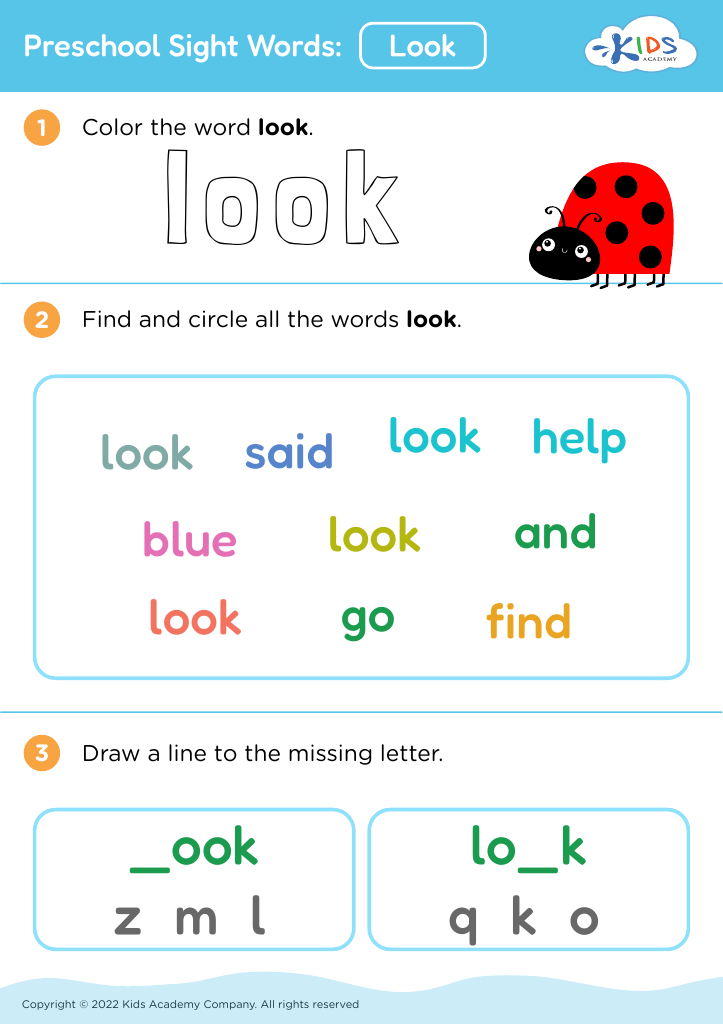
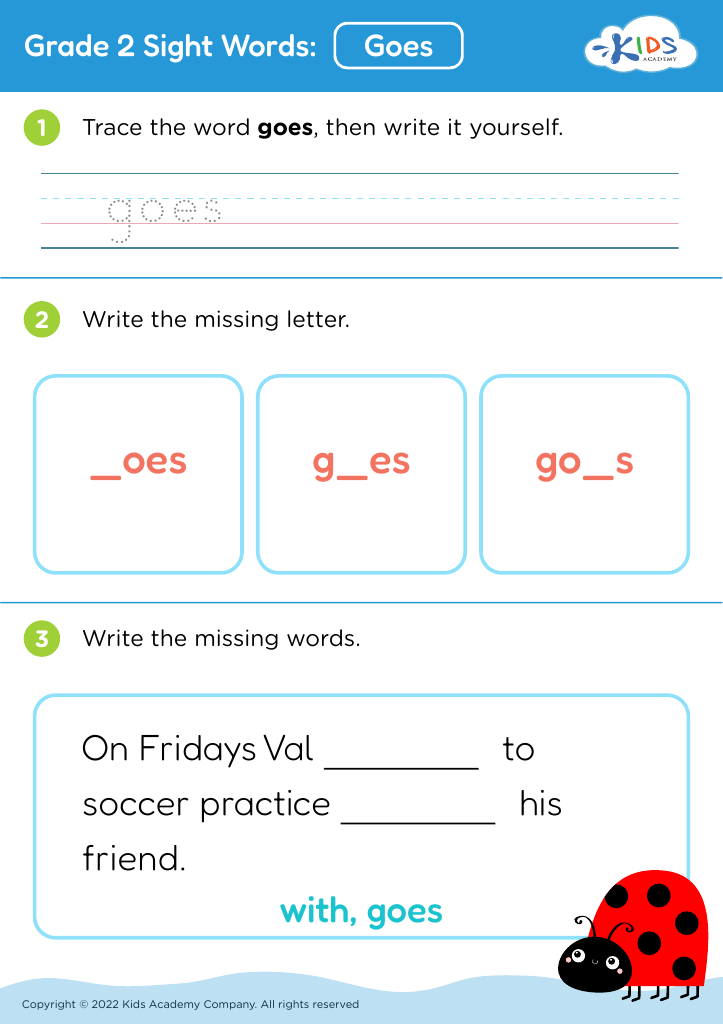
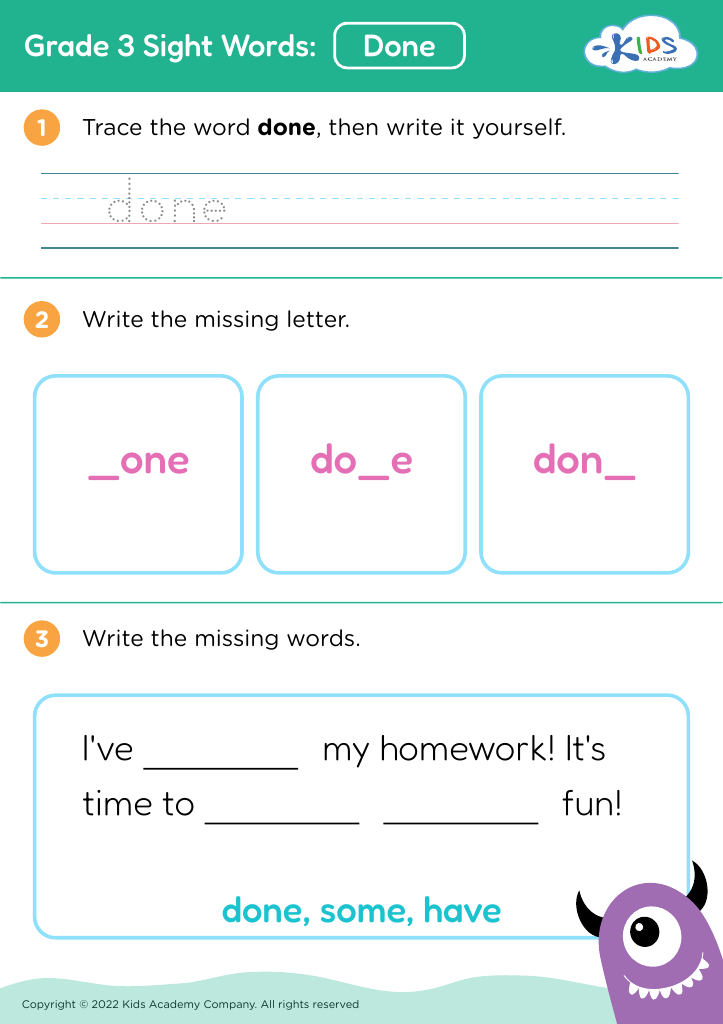
Join Kids Academy for Free
Who is primarily going to use this learning content?


.jpg)



Understanding multiplication at an early age is crucial for several reasons, and both parents and teachers should prioritize it for children aged 3-8. First, early introduction to multiplication lays a foundational mathematical understanding. Multiplication is not just arithmetic; it's a gateway to advanced math topics like division, fractions, and algebra. By grasping multiplication, children build confidence and competence in dealing with more complex math problems later on.
Second, multiplication skills are closely tied to logical thinking and problem-solving abilities. As children learn to multiply, they start recognizing patterns, developing strategies for untying complex problems, and enhancing their analytical skills. These skills are transferable to various subjects and real-life situations.
Moreover, teaching multiplication to young learners engages them in hands-on and visual activities, such as grouping objects or using arrays, making math fun and relatable. This early positive experience with math can foster a lifelong love for the subject, countering math anxiety in later years.
Lastly, integrating multiplication into regular learning aligns with educational standards and prepares children for standardized tests and school expectations. Parents and teachers play a vital role in creating an encouraging environment where children feel supported while exploring and mastering multiplication concepts, thus ensuring a robust start for their academic journey.








