Vocabulary Building Reading Worksheets for Ages 3-8
30 filtered results
-
From - To
Enhance your child's language development with our engaging Vocabulary Building Reading Worksheets for Ages 3-8. Designed to boost early literacy skills, these worksheets are perfect for young learners, fostering a love for reading while expanding their vocabulary. Each activity blends fun and education, featuring colorful illustrations and interactive tasks to captivate young minds. With progressive difficulty levels, our resources support your child's growth, whether they're just starting to identify simple words or advancing to more complex phrases. Unlock the joy of learning and watch your child’s vocabulary flourish with our expertly crafted worksheets.
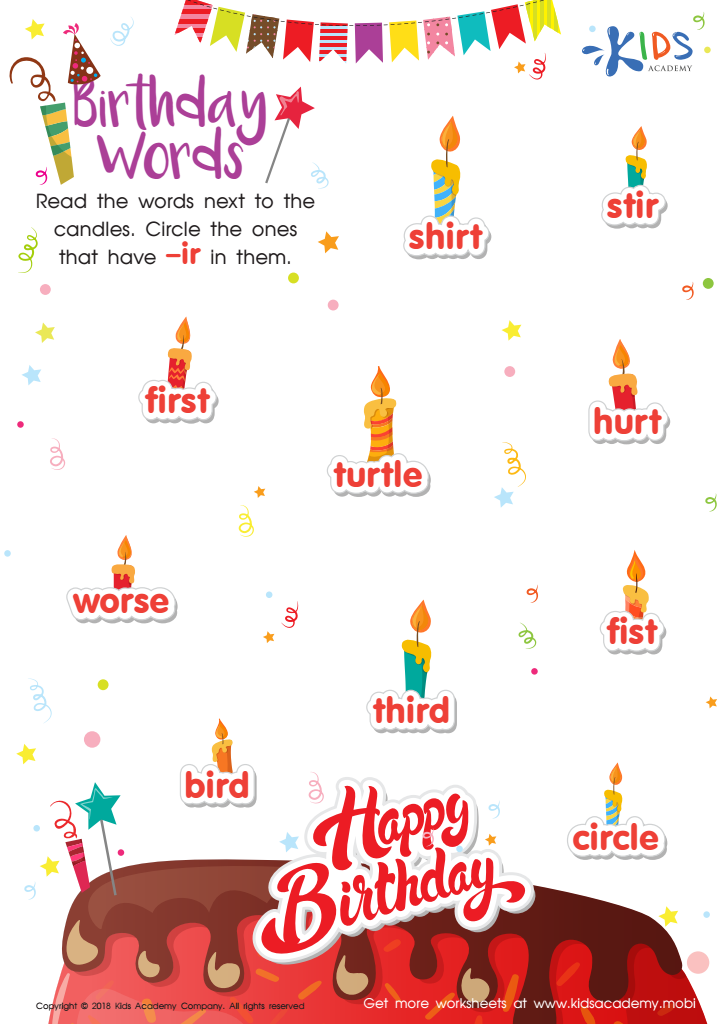
Birthday Words Worksheet
 Assign to My Students
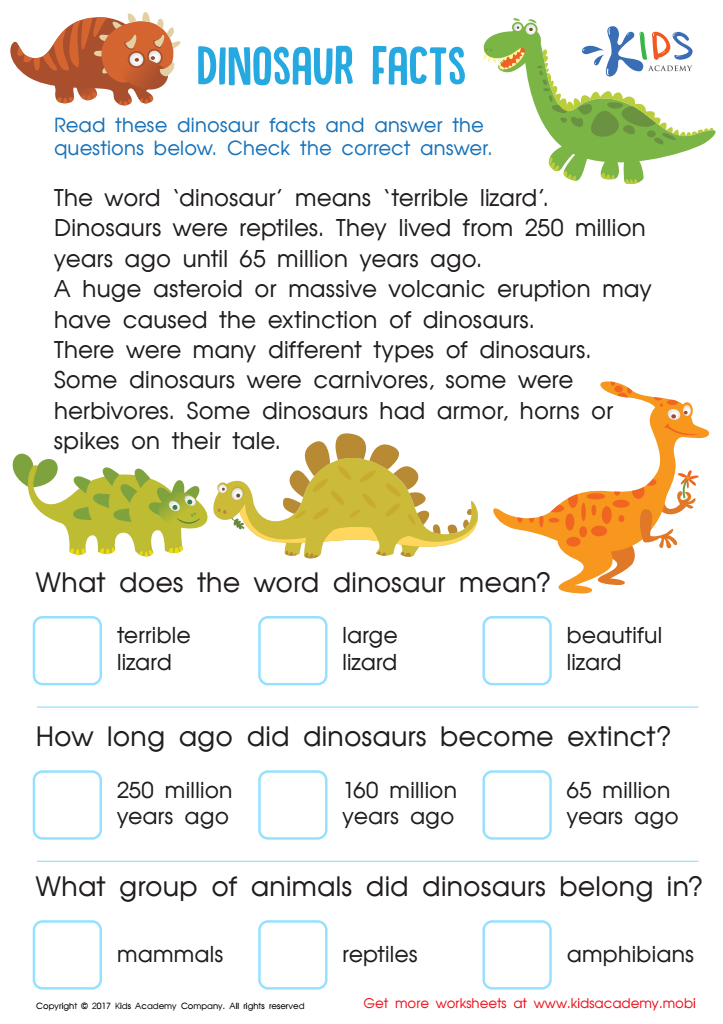
Dinosaur Facts Worksheet
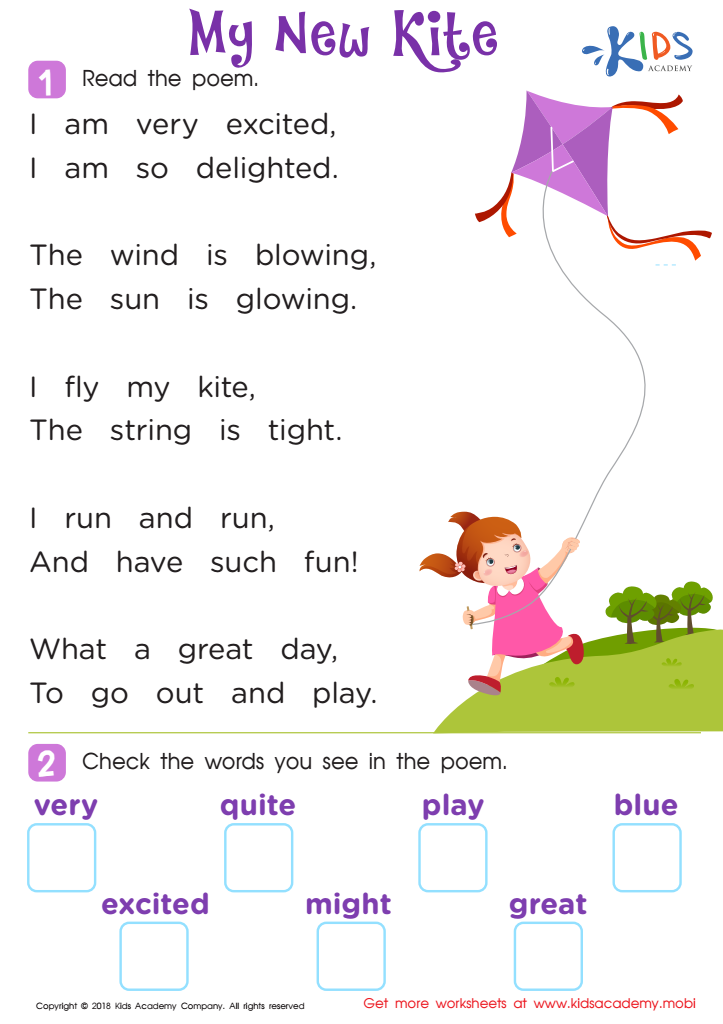
Poem: My New Kite Worksheet
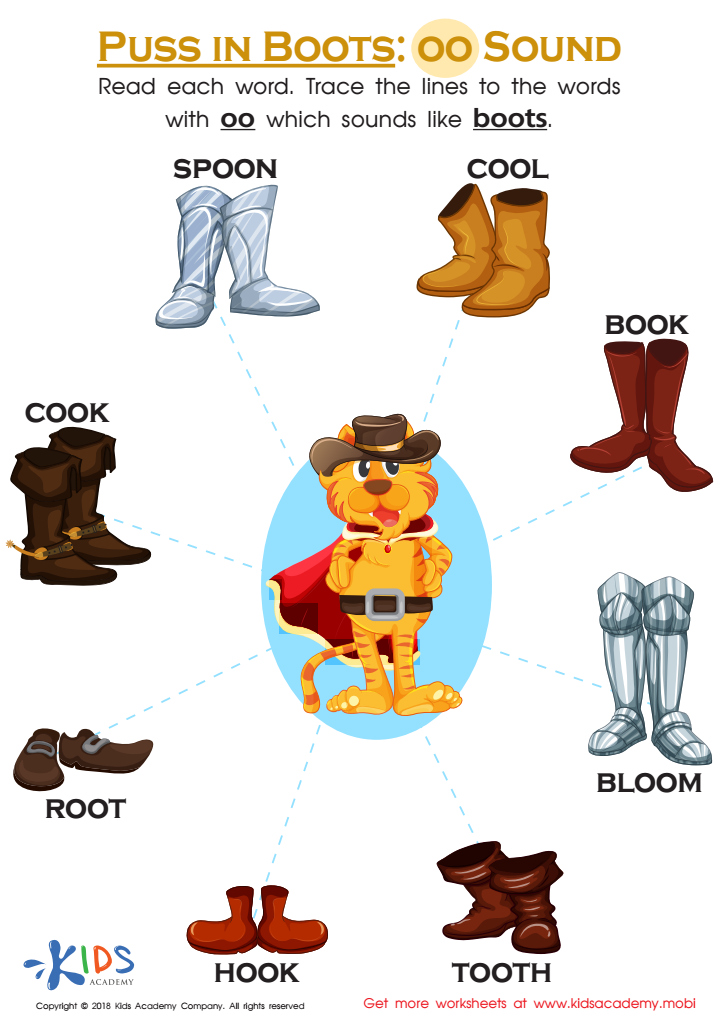
Puss in Boots: OO Sound Worksheet
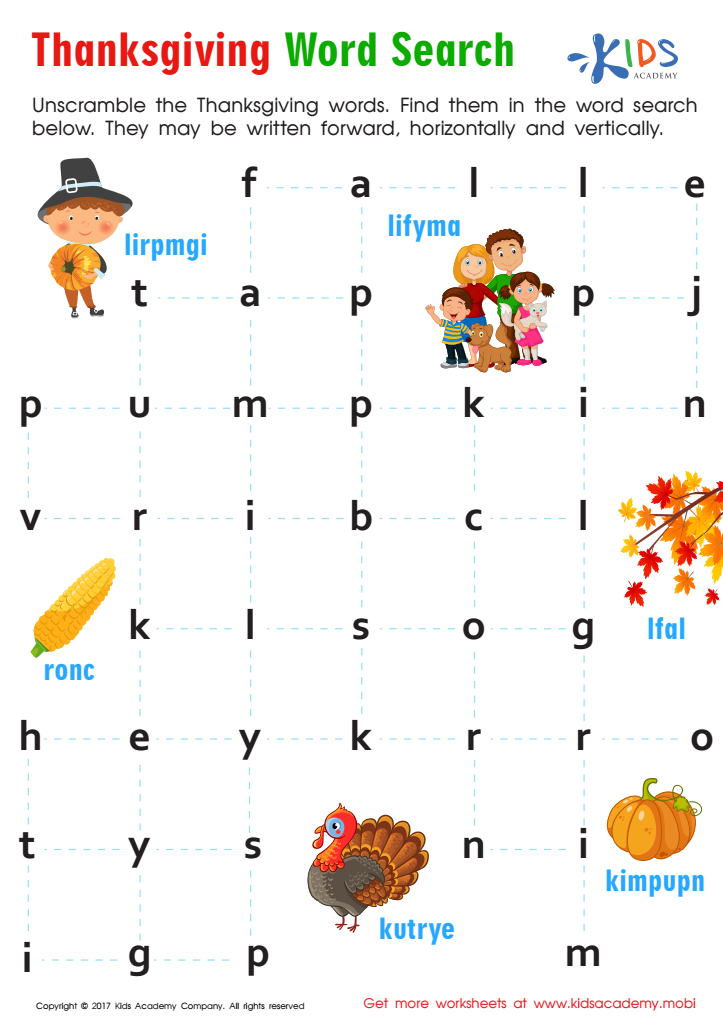
Thanksgiving Word Search Sight Words Worksheet
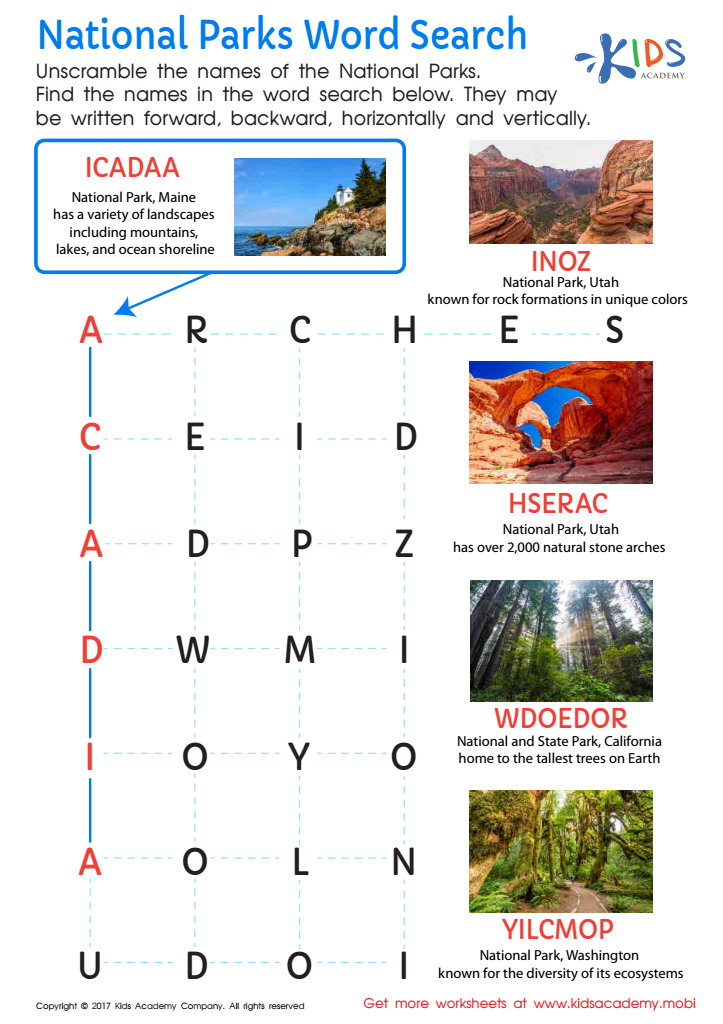
National Parks Word Search Worksheet
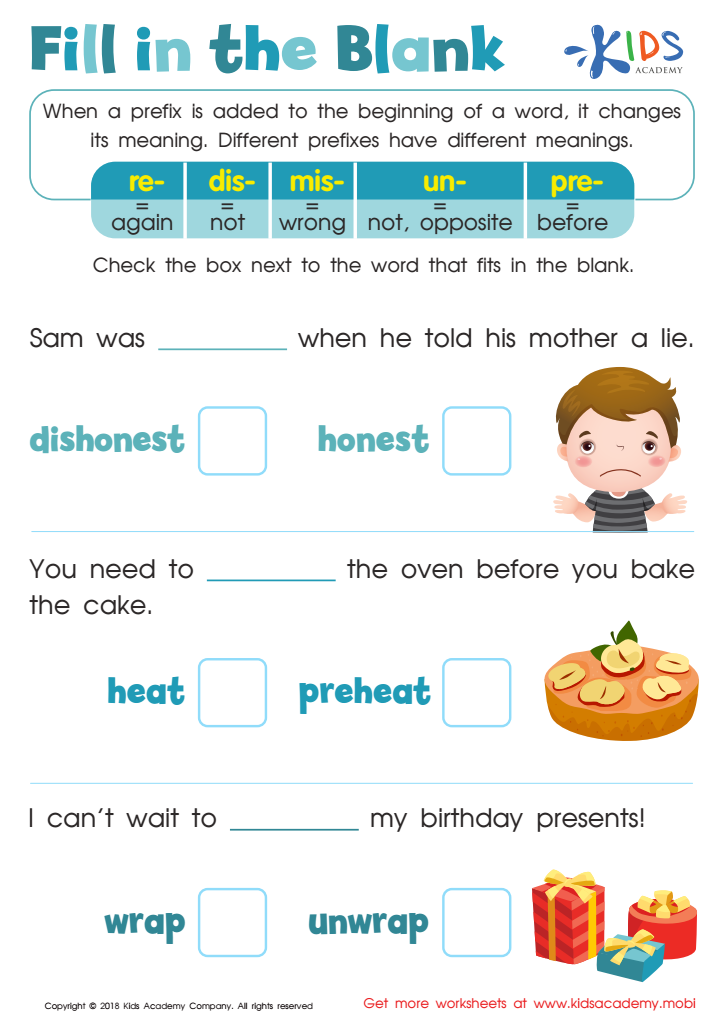
Reading: Fill in the Blank Worksheet
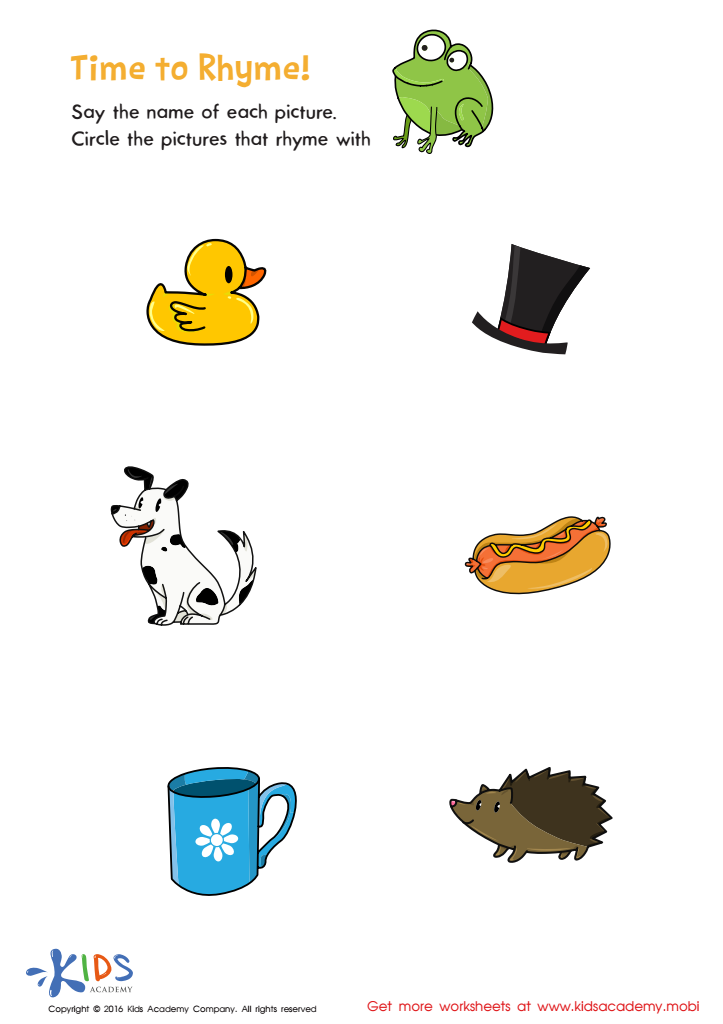
Rhyming Worksheet: Time to Rhyme Rhyming Worksheet
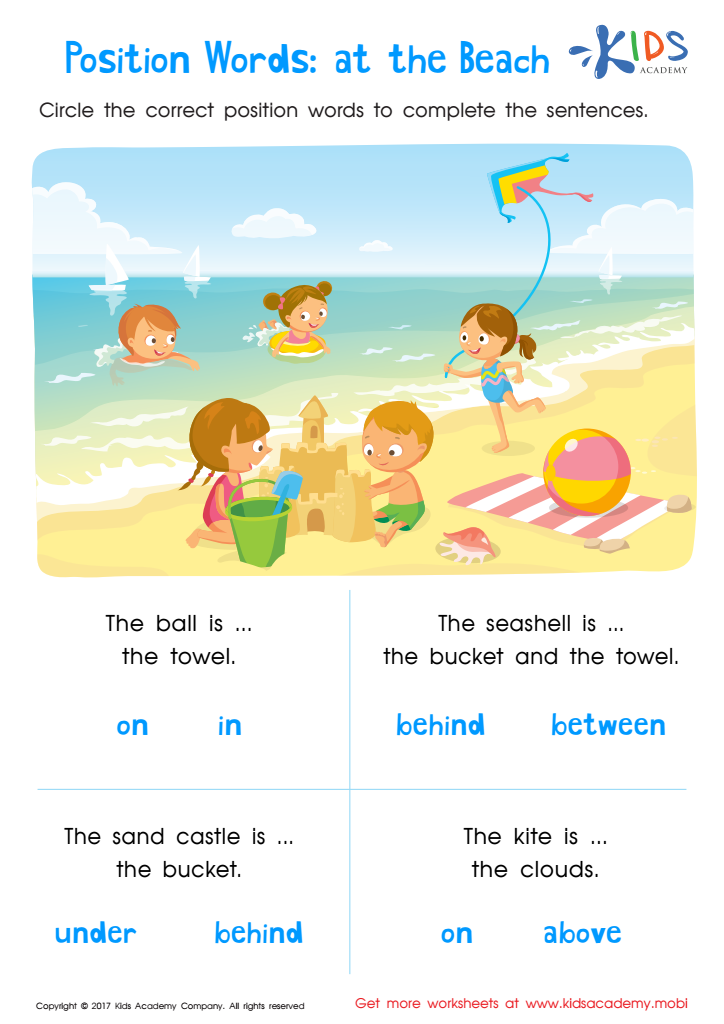
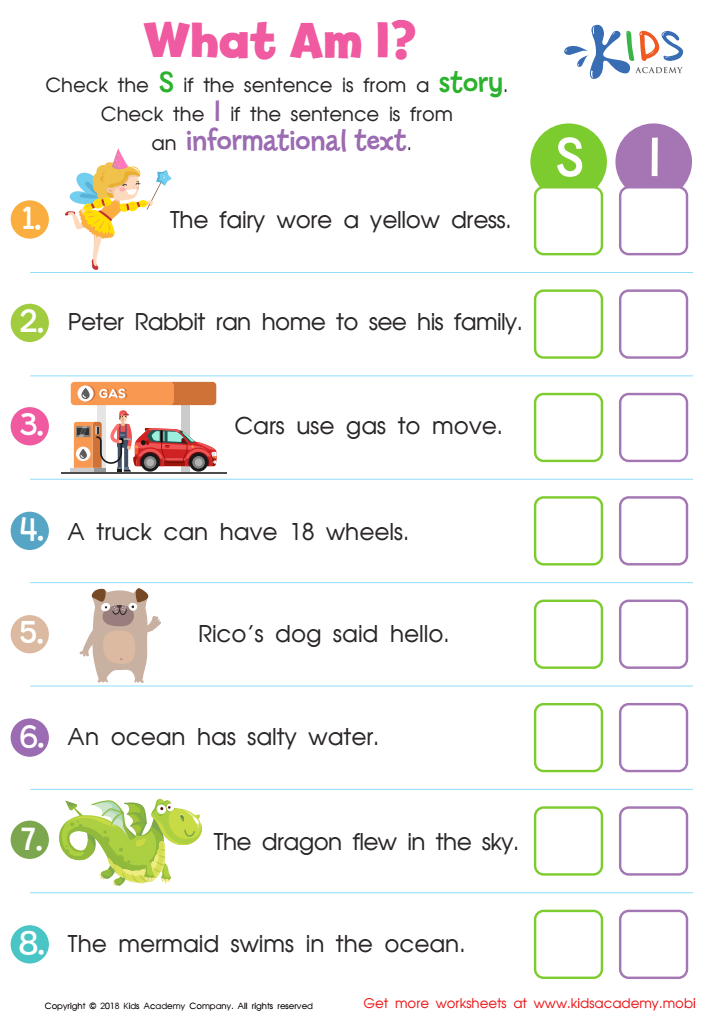
What Am I? Worksheet
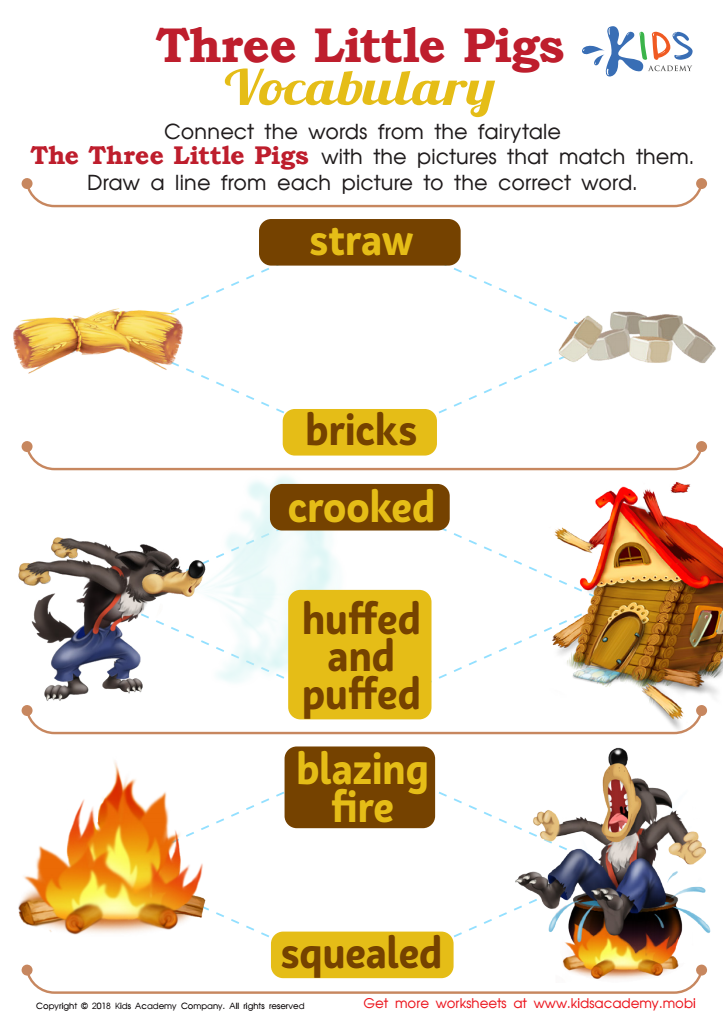
Three Little Pigs Vocabulary Worksheet
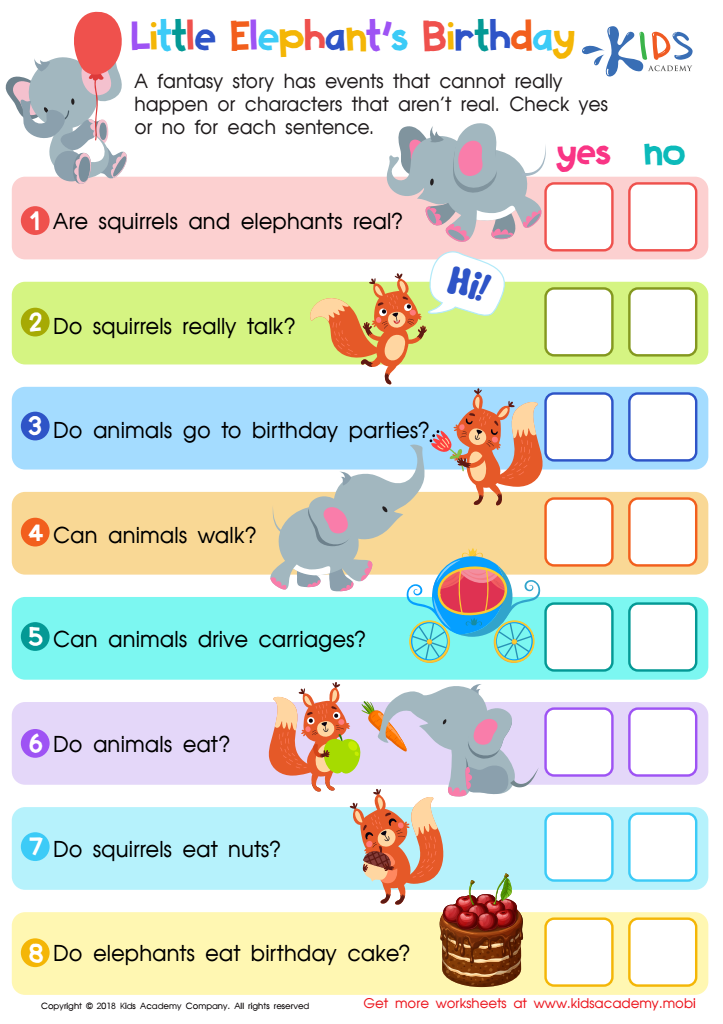
Little Elephant's Birthday Worksheet
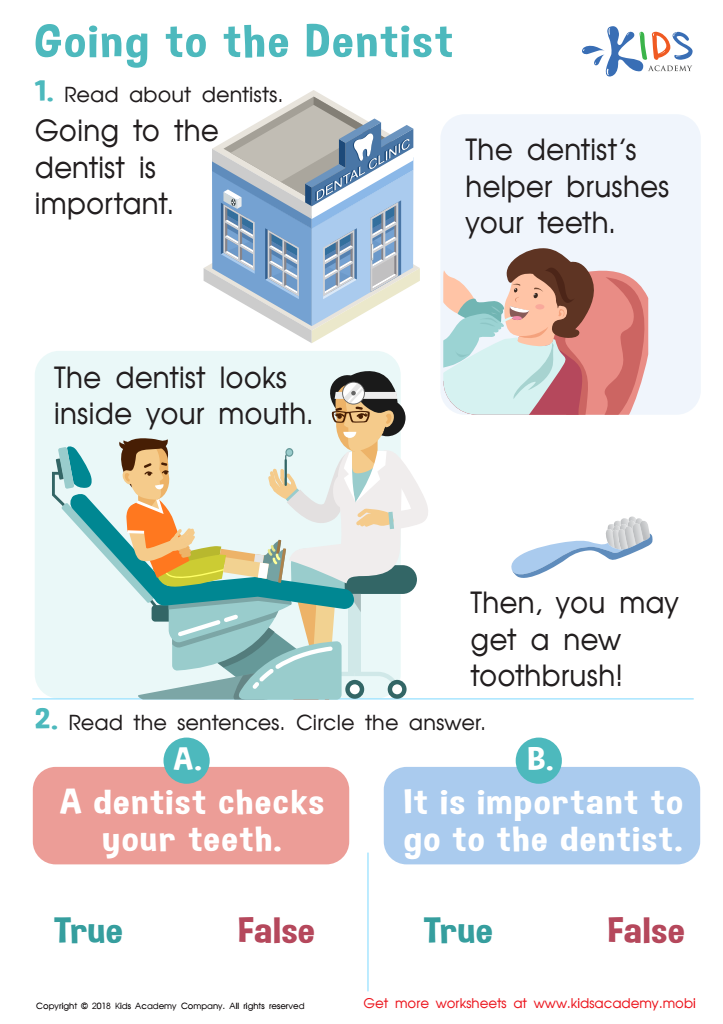
Going to the Dentist Part 2 Worksheet
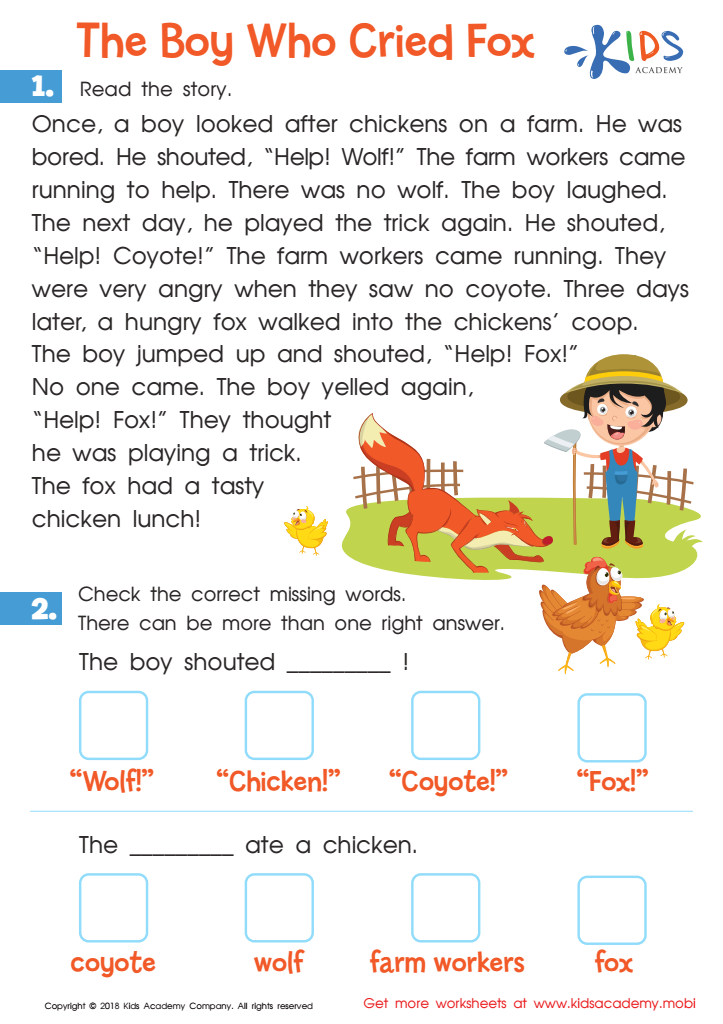
The Boy Who Cried Fox Worksheet
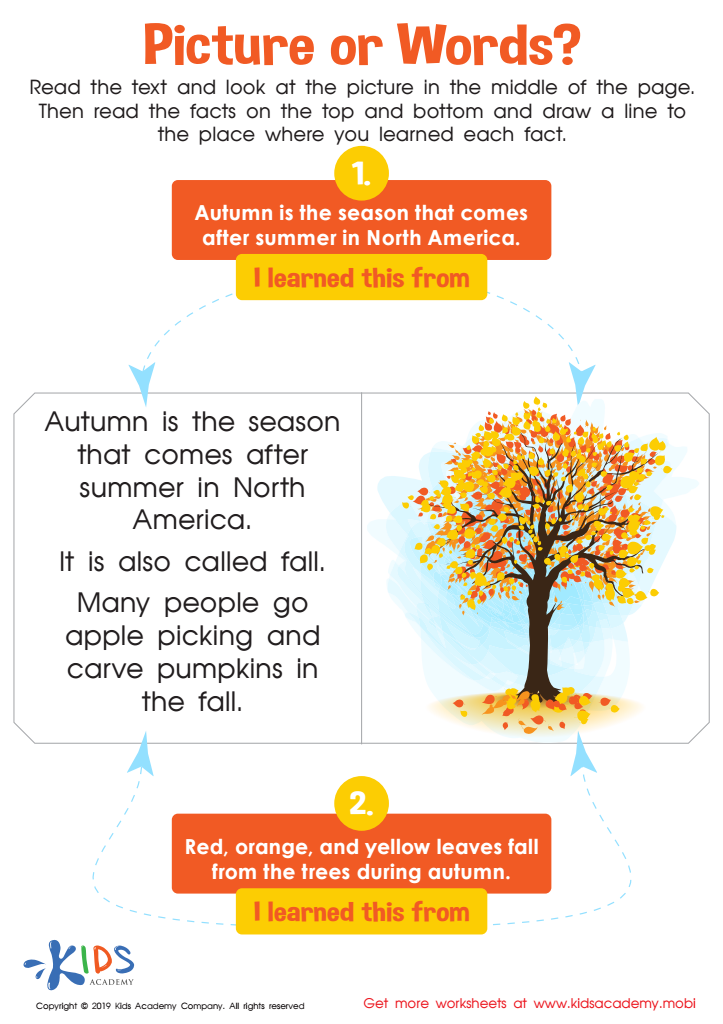
Picture Words Worksheet
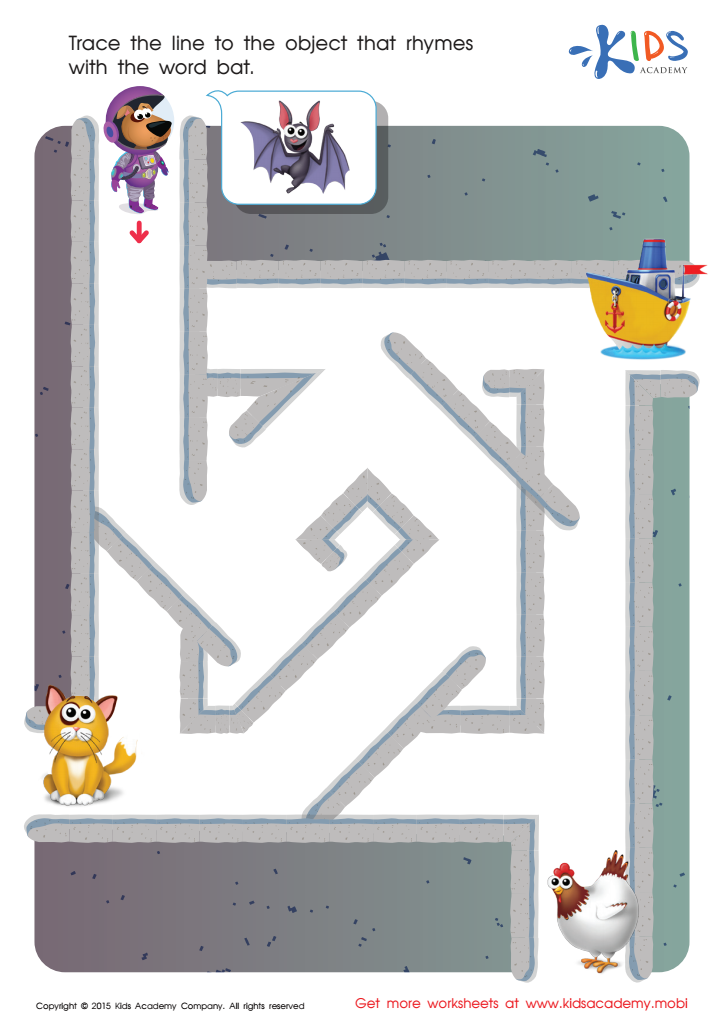
Bat Rhyming Words Worksheet
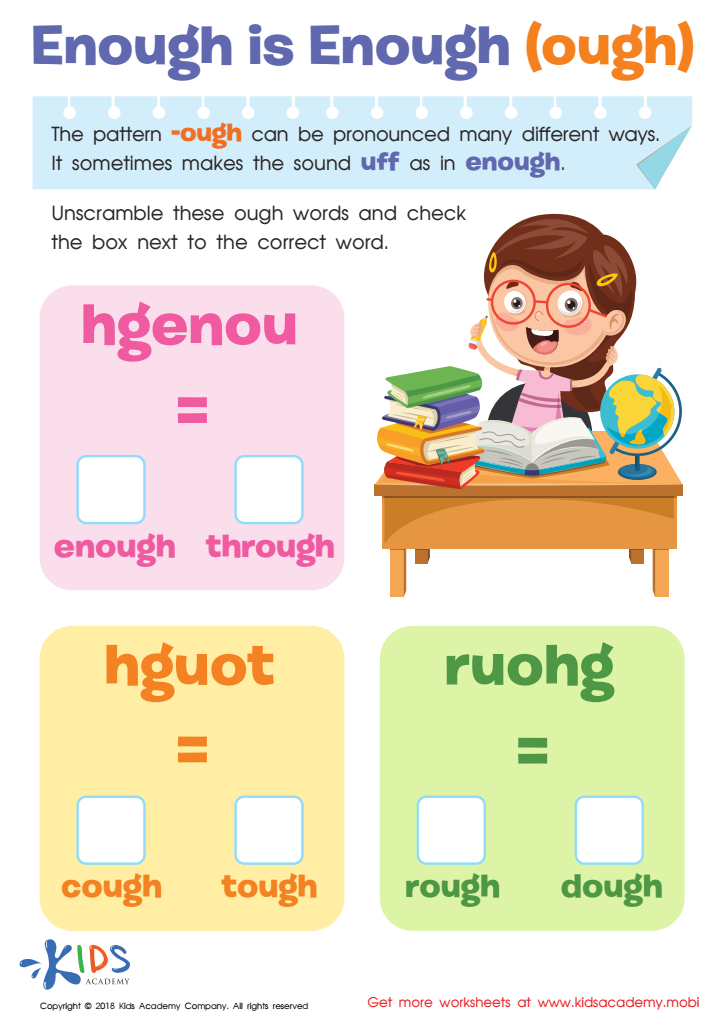
Enough Is Enough (ough) Worksheet
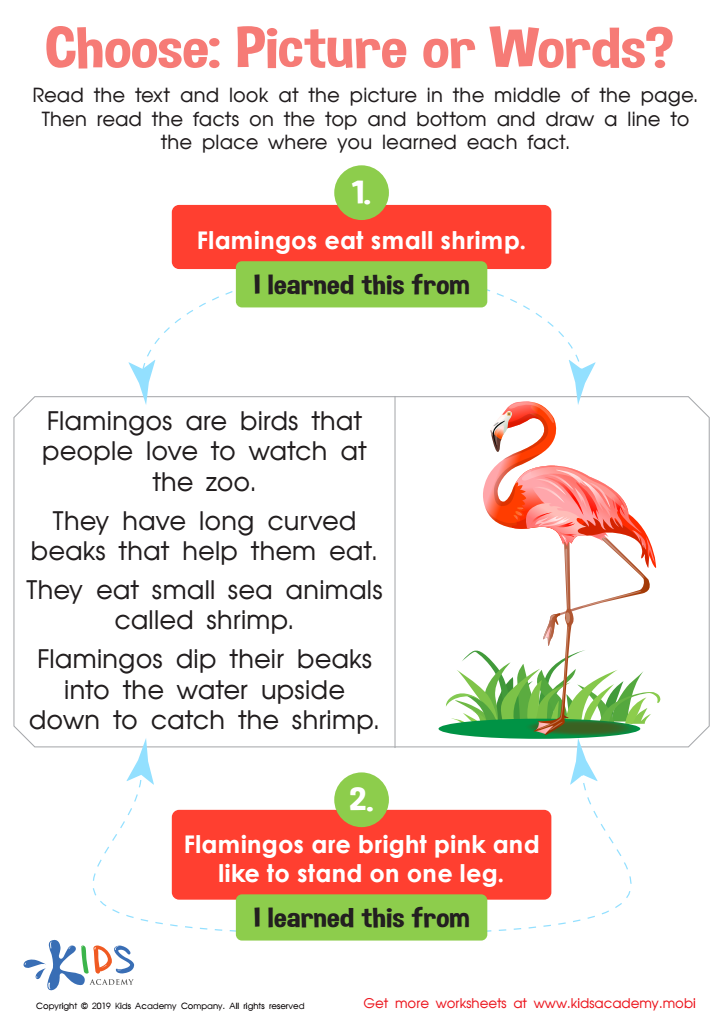
Choose Picture Words Worksheet
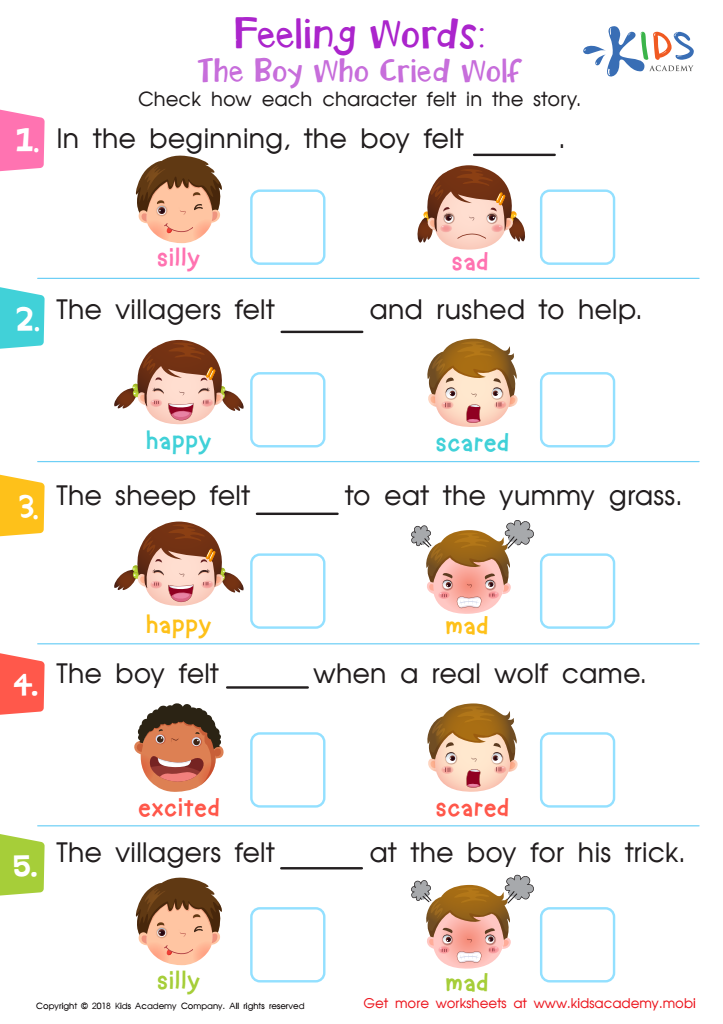
Feeling Words: The Boy Who Cried Wolf Worksheet
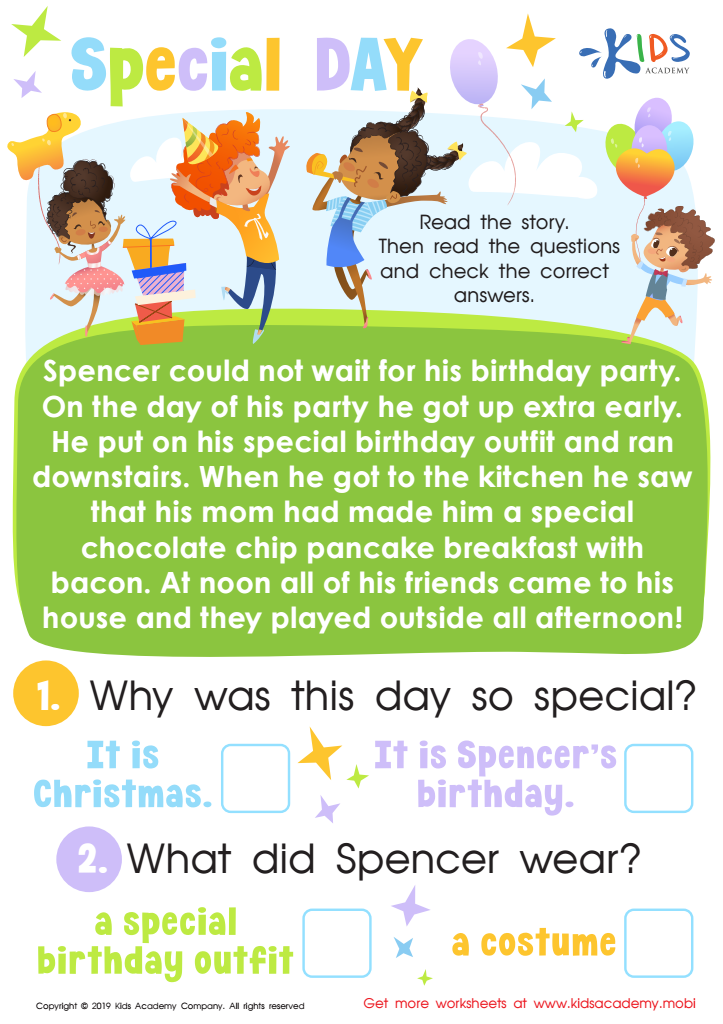
Special Day Worksheet

Golden Eagles Worksheet
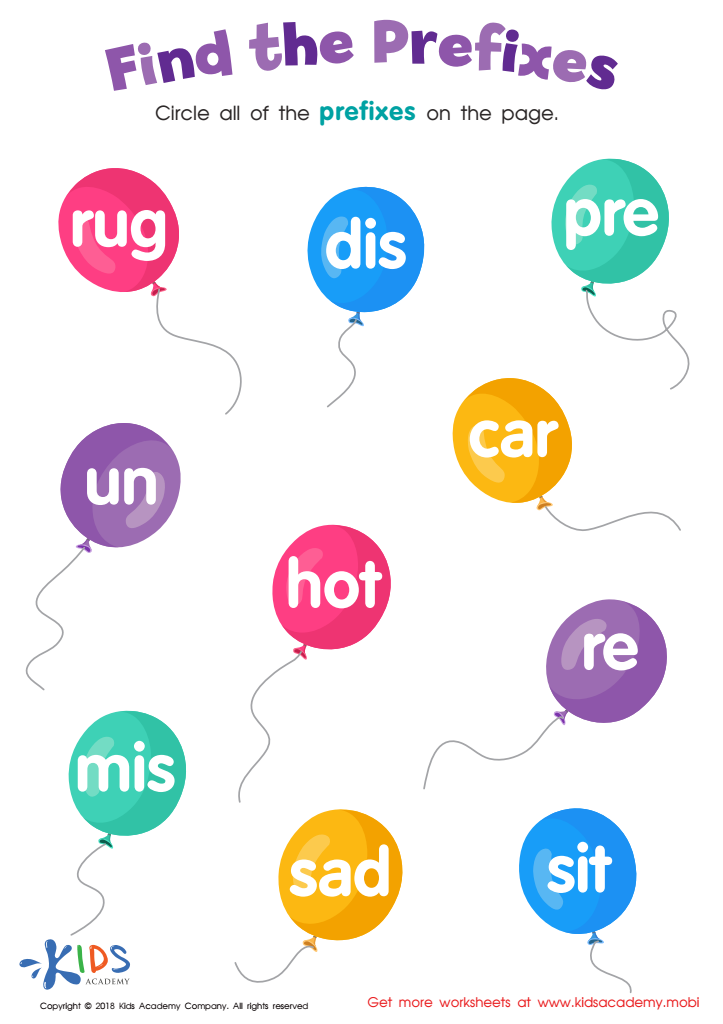
Reading: Find the Prefixes Worksheet
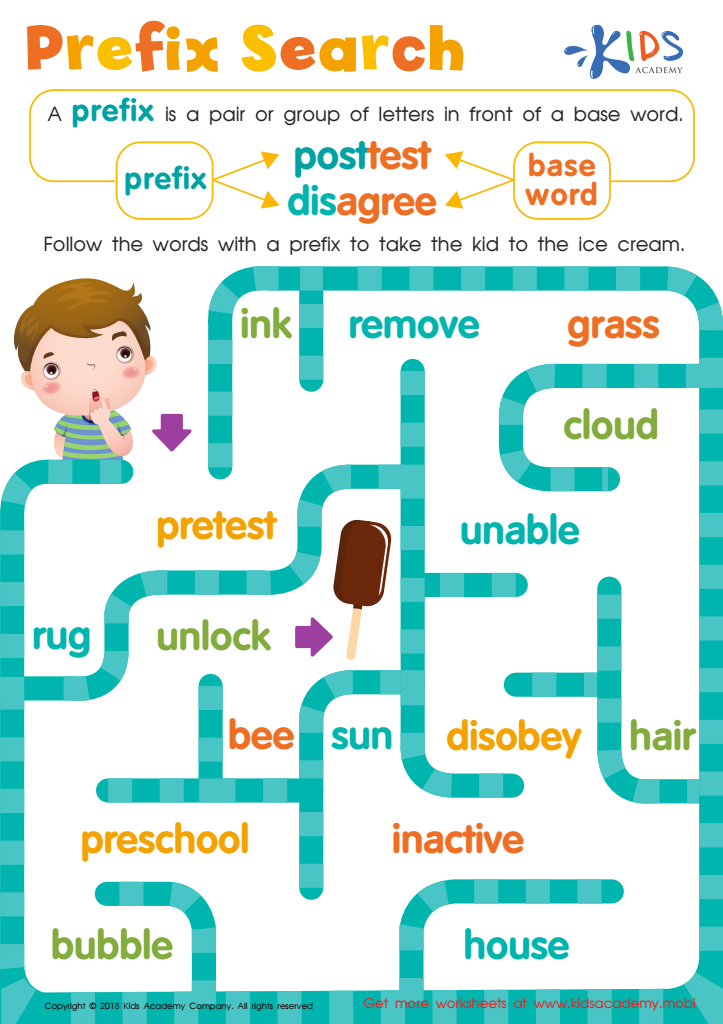
Reading: Prefix Search Worksheet
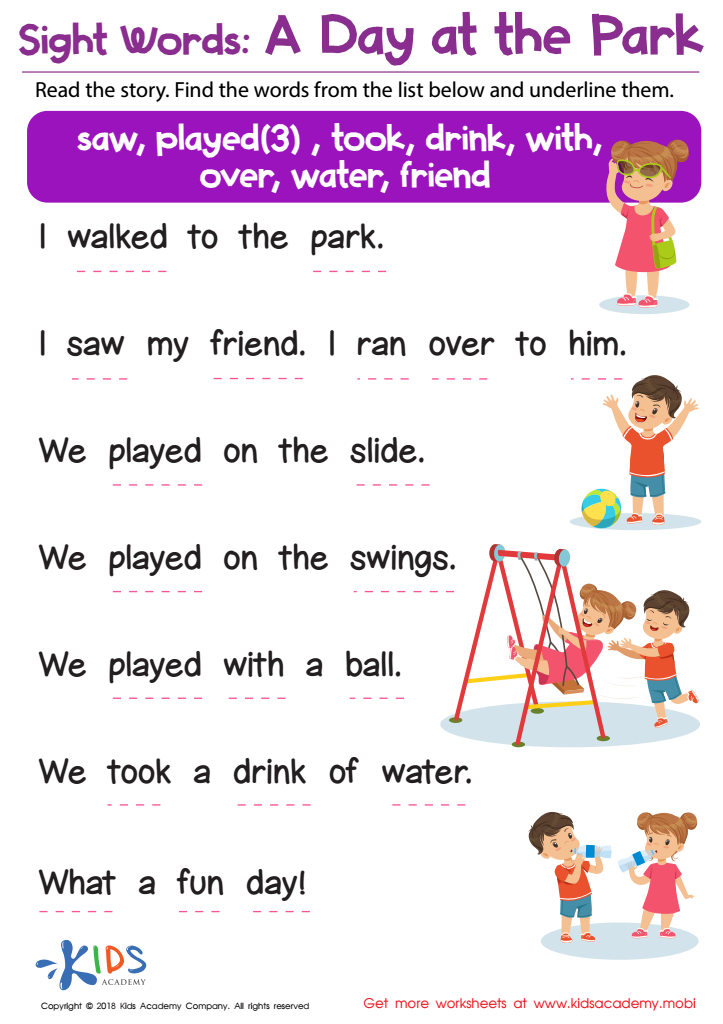
Sight Words: A Day at the Park Worksheet








Vocabulary building reading is crucial for children ages 3-8 because it lays the foundation for all future learning and communication. During these early years, children’s brains are exceptionally receptive to new information. Acquiring a broad vocabulary at this stage enhances their ability to express thoughts, feelings, and ideas clearly, enriching their emotional and social interactions. A well-developed vocabulary also empowers children to understand more complex concepts, instructions, and stories, making learning in and outside the classroom more enjoyable and effective.
When parents and teachers prioritize vocabulary building, they are essentially equipping children with the tools needed for critical thinking and problem-solving. A rich vocabulary facilitates better comprehension and increases engagement with reading materials, which in turn fosters a lifelong love of reading. This enthusiasm for reading is pivotal, as it directly affects academic performance across subjects, including math and science, by improving children's ability to grasp and retain new concepts.
Additionally, strong vocabulary skills can boost a child's confidence and self-esteem as they communicate more effectively. Interactive reading sessions provide opportunities for meaningful conversations, further solidifying family and educator-child bonds. Therefore, actively supporting vocabulary development from an early age is essential for nurturing well-rounded, competent, and confident learners.








