Vocabulary development Reading Worksheets for Ages 3-8
26 filtered results
-
From - To
Enhance your child's vocabulary with our engaging Vocabulary Development Reading Worksheets designed for ages 3-8! Our comprehensive collection of whimsical and educational activities fosters language skills through interactive exercises, including matching words with images, filling in blanks, and word sorting. Each worksheet is tailored to different age groups and skill levels, ensuring a fun learning experience that aligns with developmental milestones. By building a rich vocabulary, your child will improve reading comprehension and communication abilities. Explore our printable resources to nurture a love of learning and set a strong foundation for your child's educational journey!
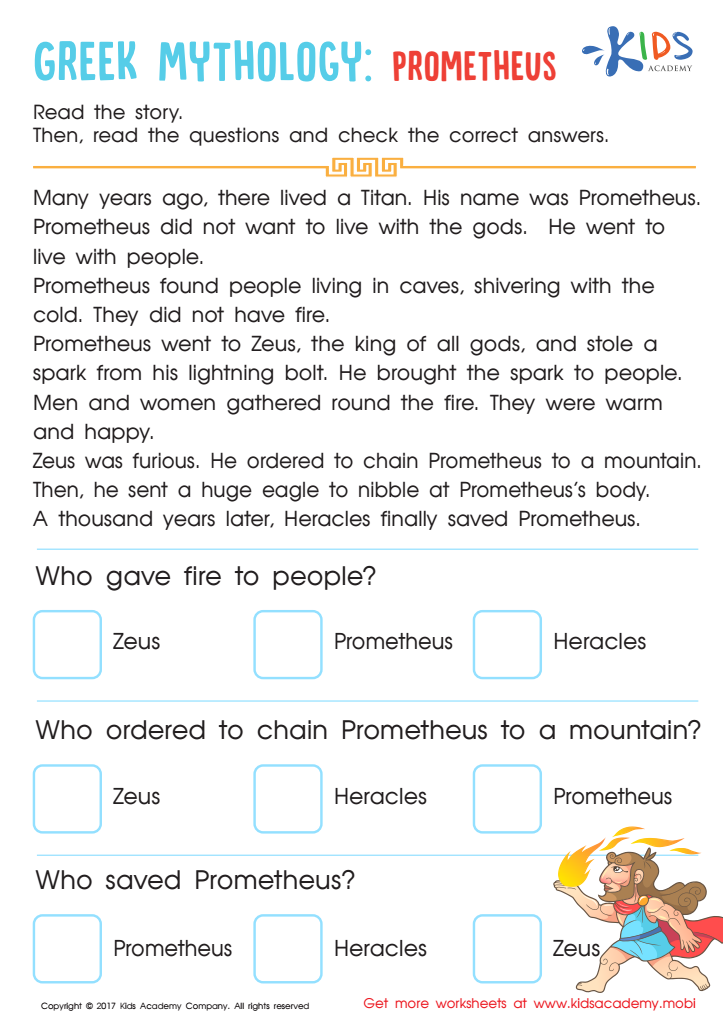
Prometheus Story Worksheet
 Assign to My Students
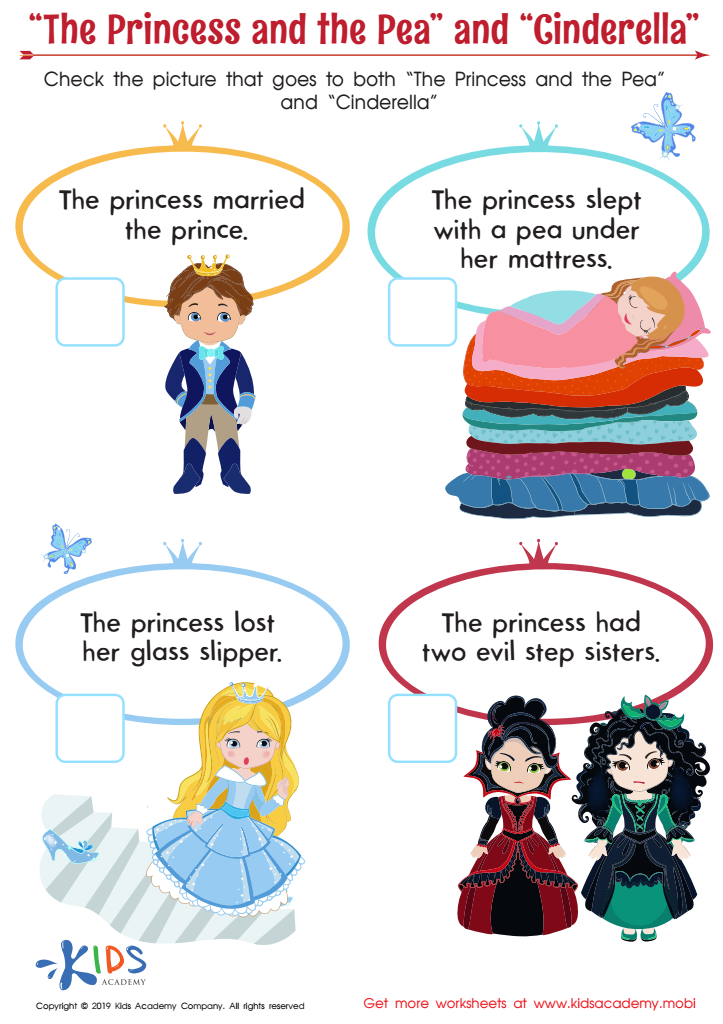
“The Princess and the Pea” and “Cinderella” Worksheet
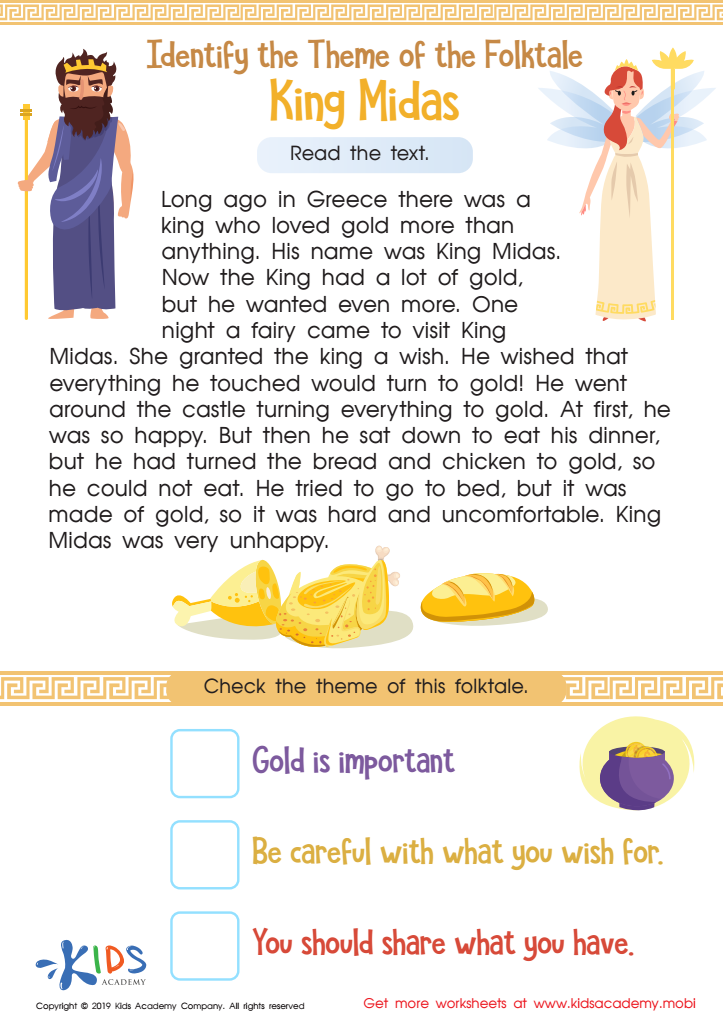
King Midas Worksheet
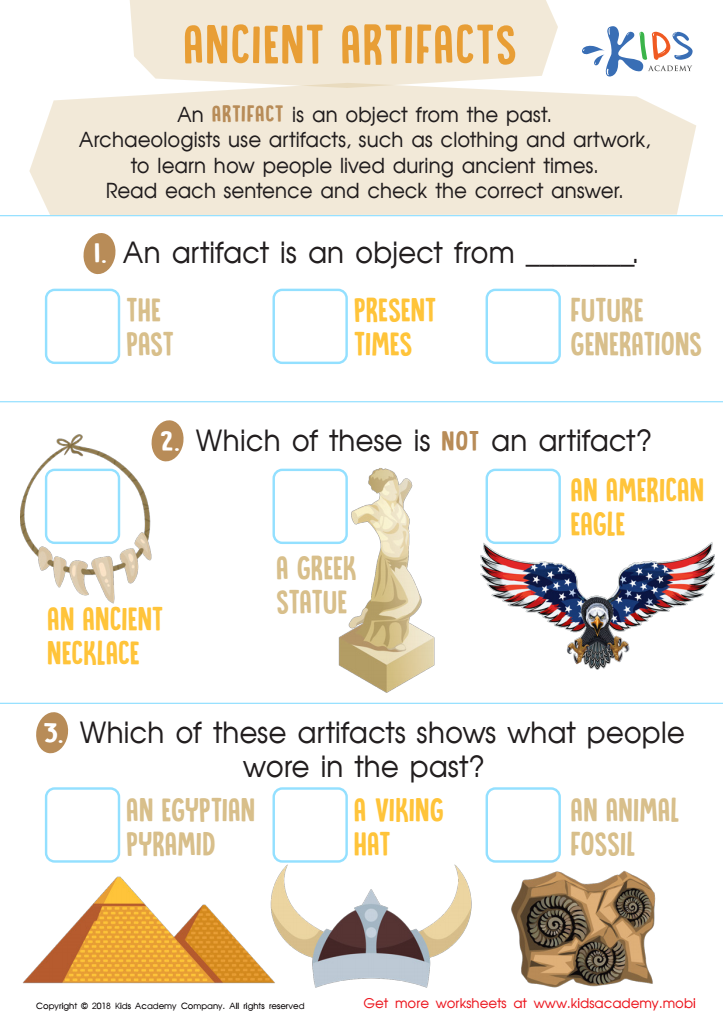
Ancient Artifacts Worksheet
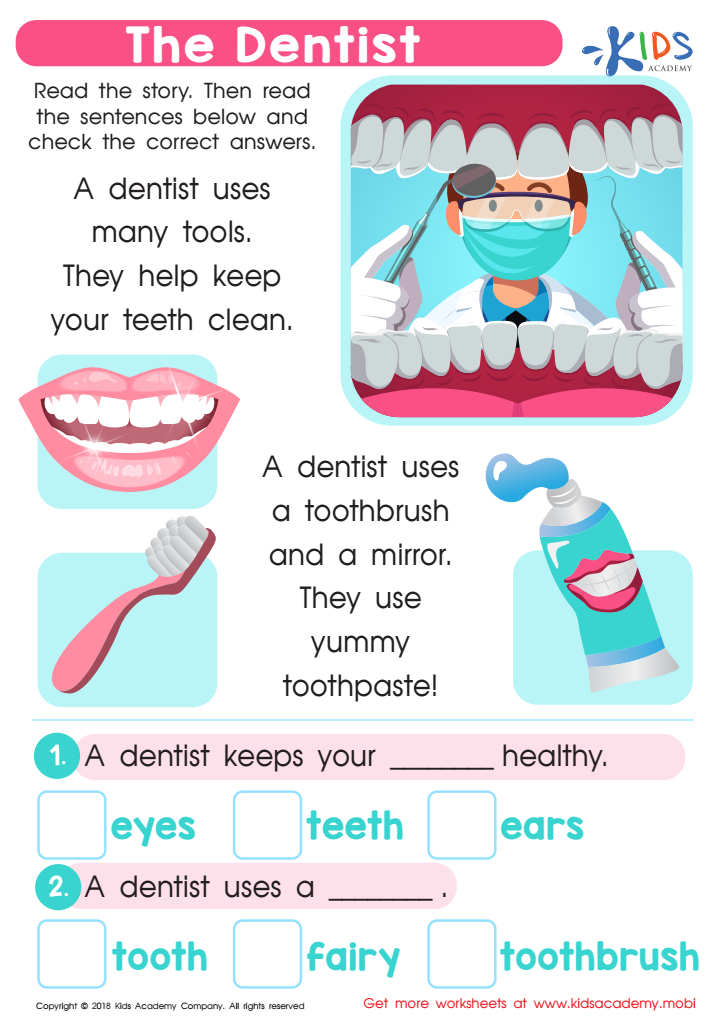
The Dentist Worksheet
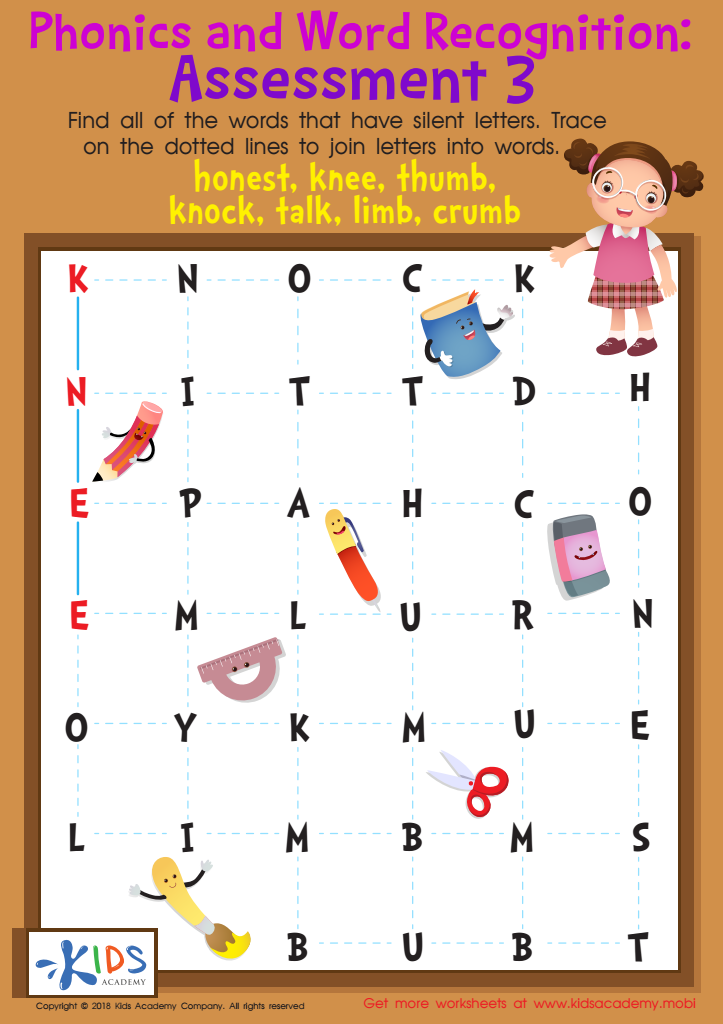
Phonics and Word Recognition: Assessment 3 Worksheet
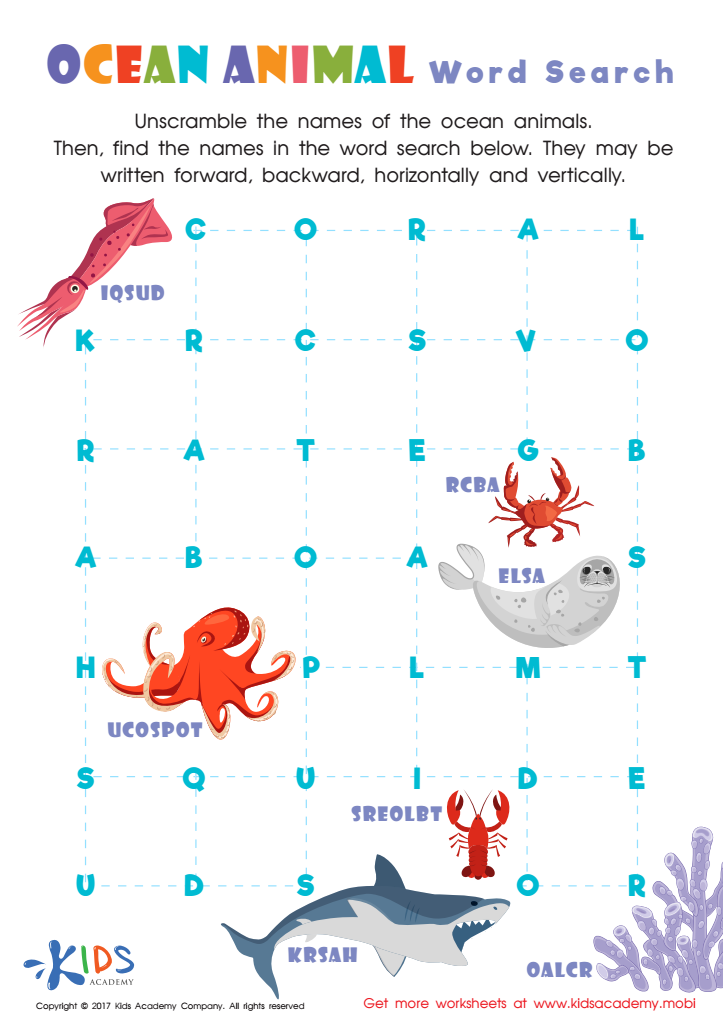
Ocean Animals Word Search Printable
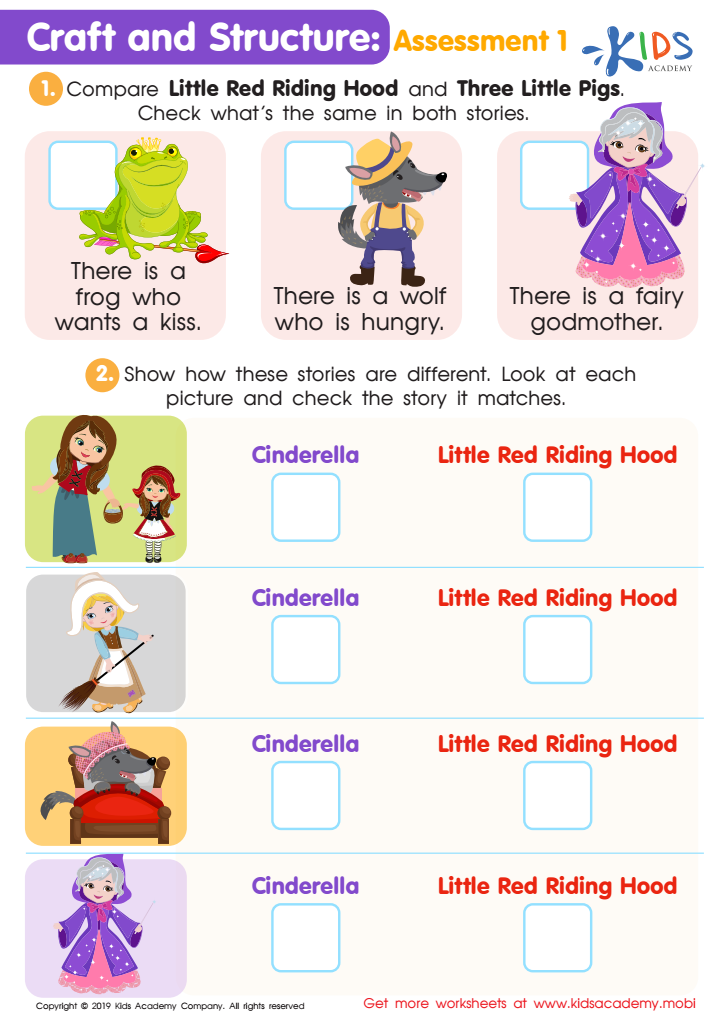
Craft and Structure: Assessment 1 Worksheet
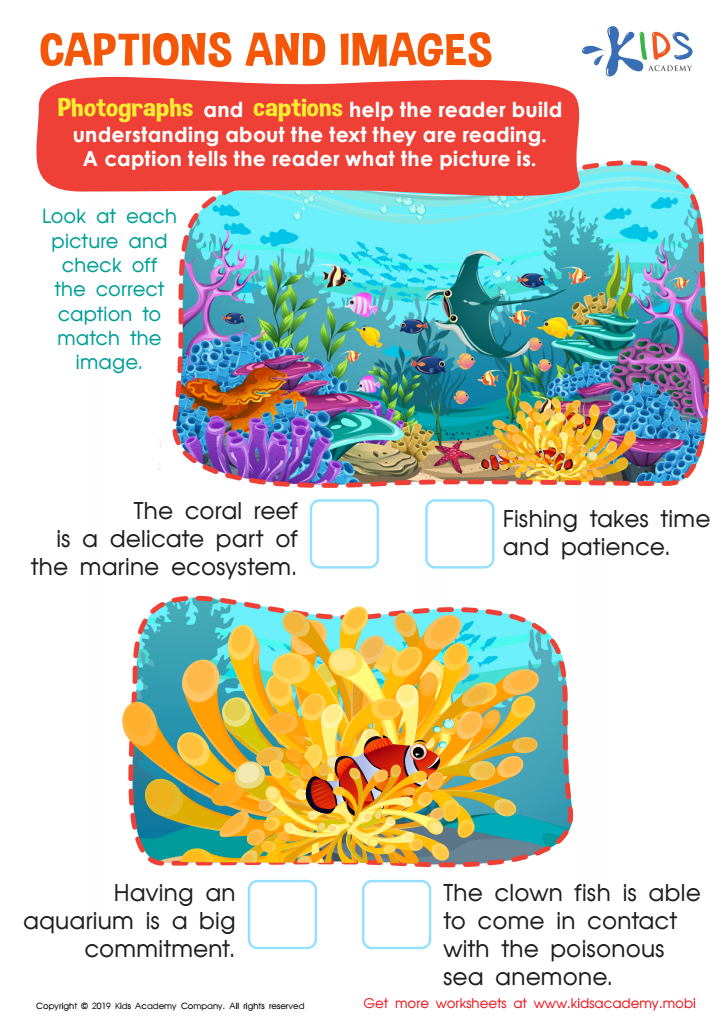
Captions and Images Worksheet
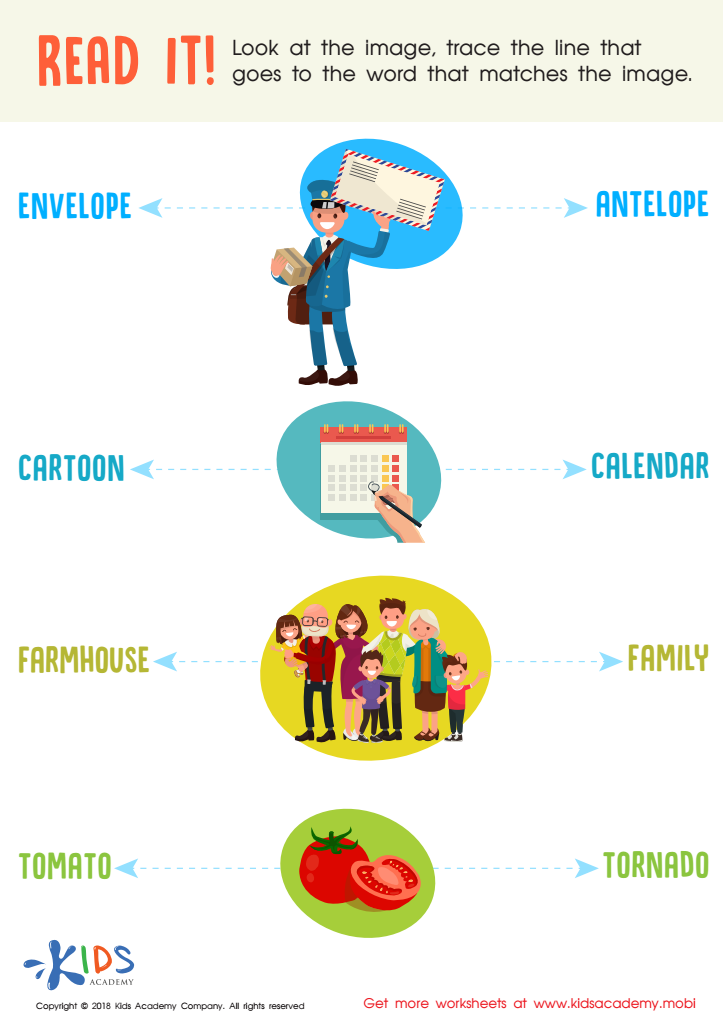
Read It! Worksheet
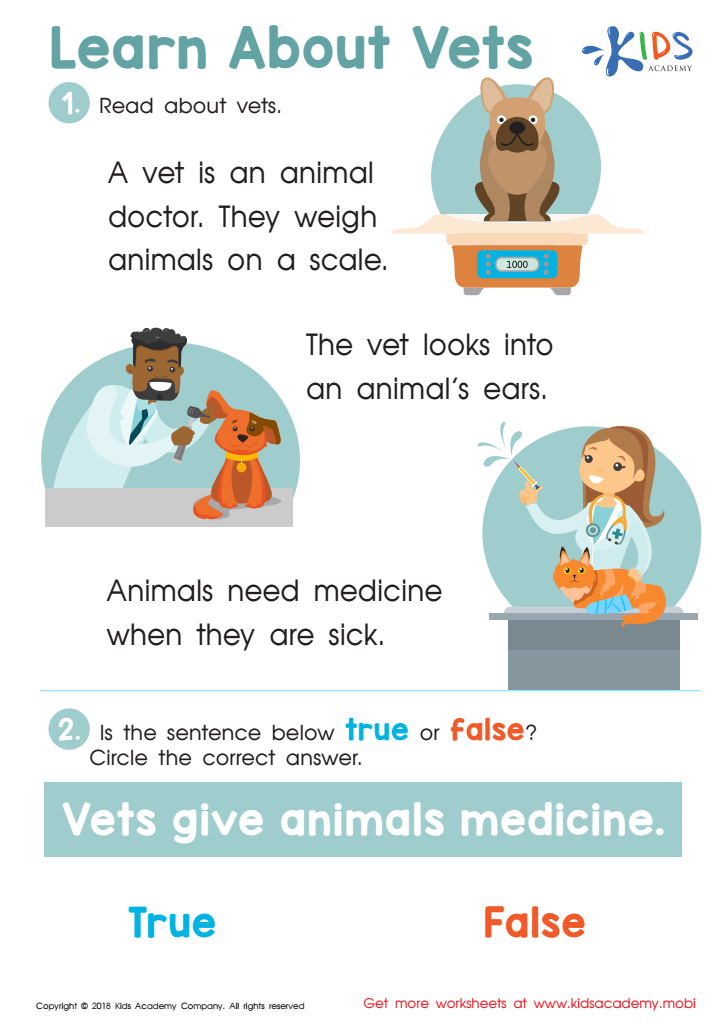
Learn About Vets Worksheet
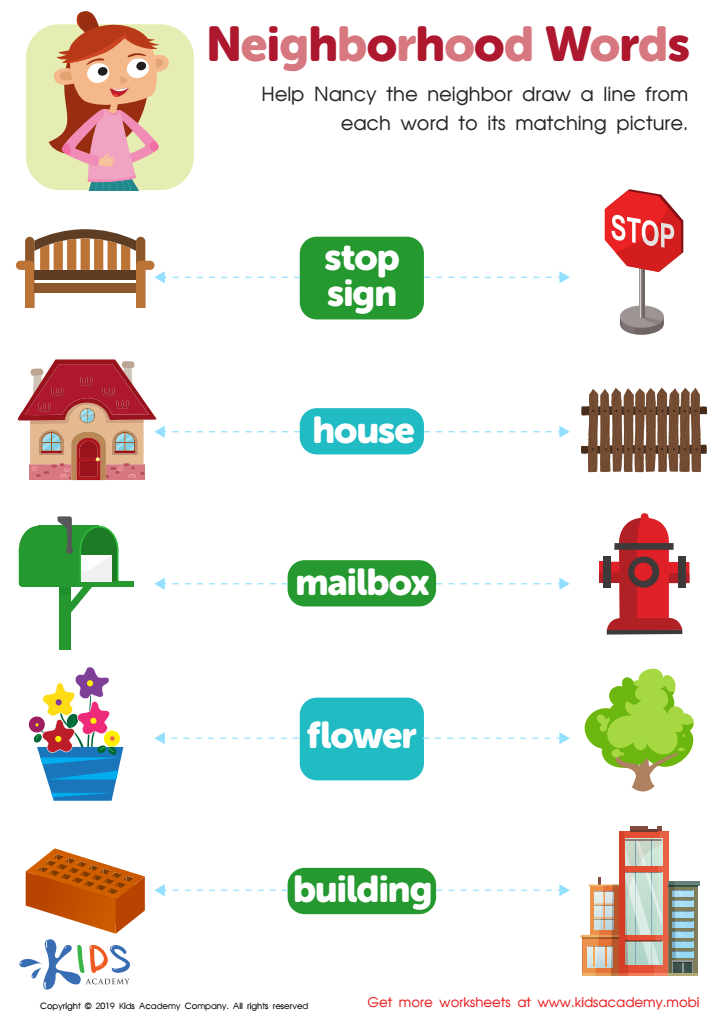
Neighborhood Words Worksheet
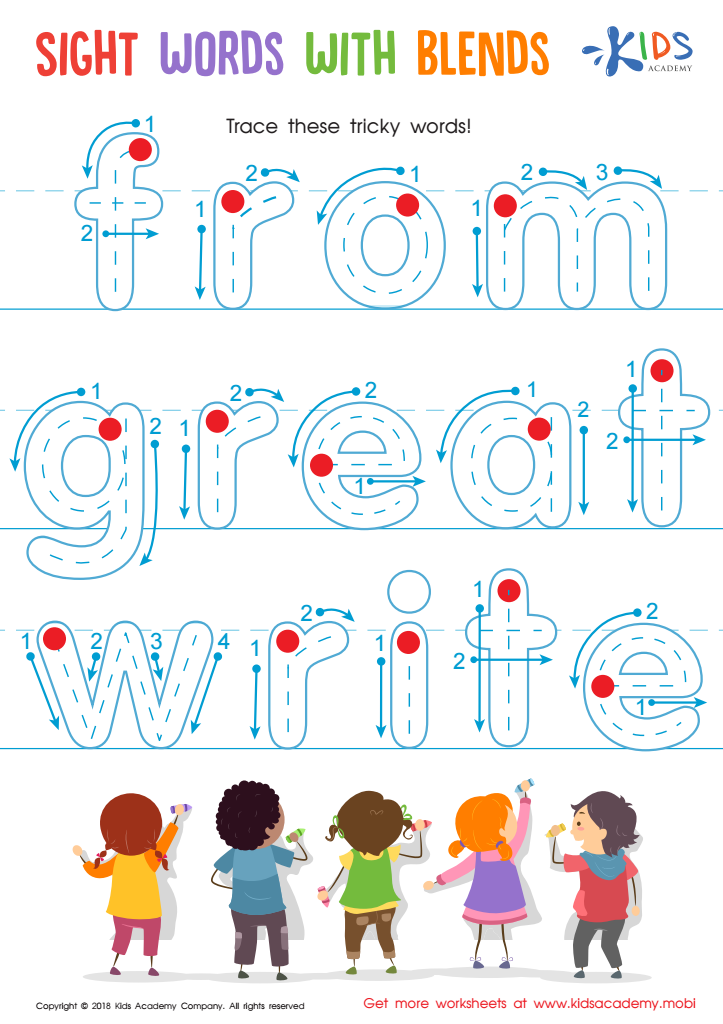
Sight Words with Blends Worksheet
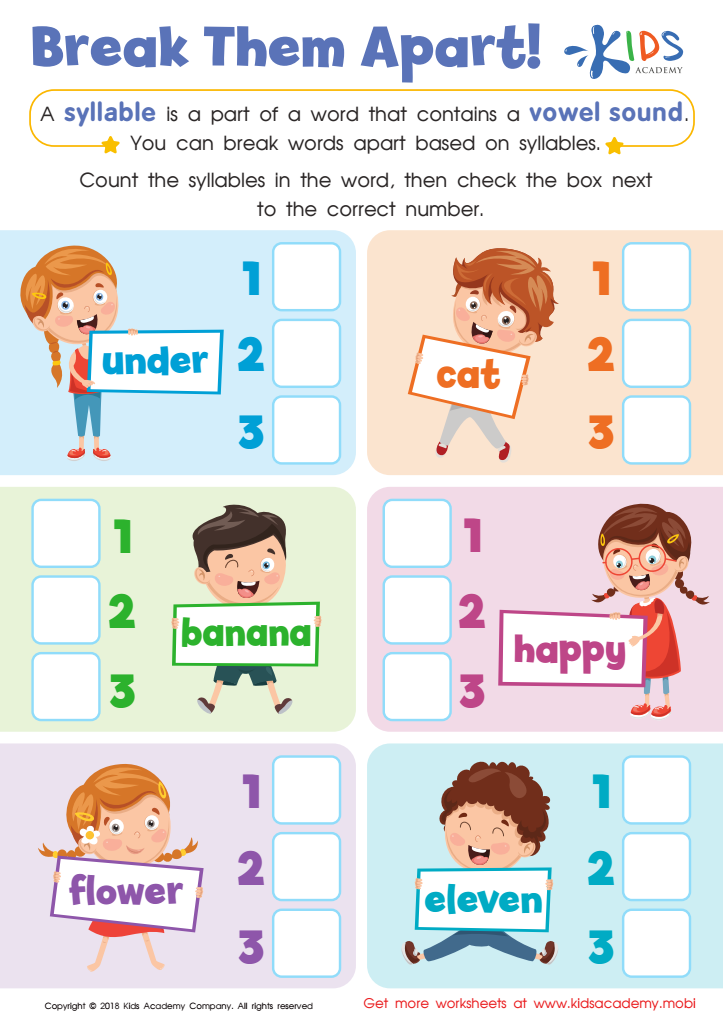
Reading: Break Them Apart Worksheet
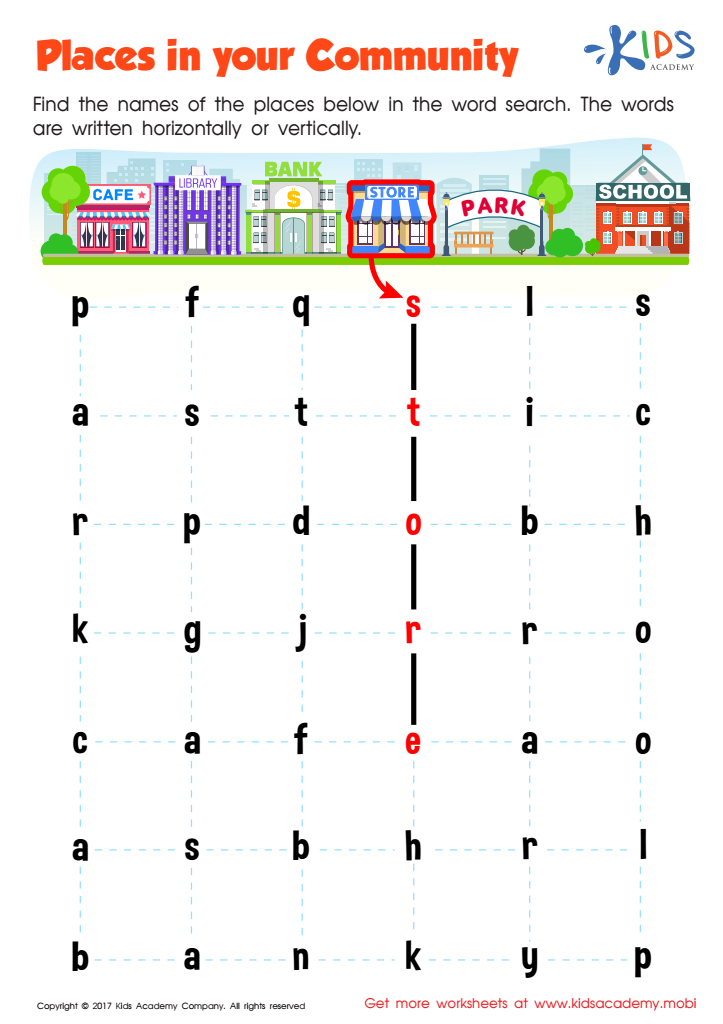
Places in Your Community Worksheet
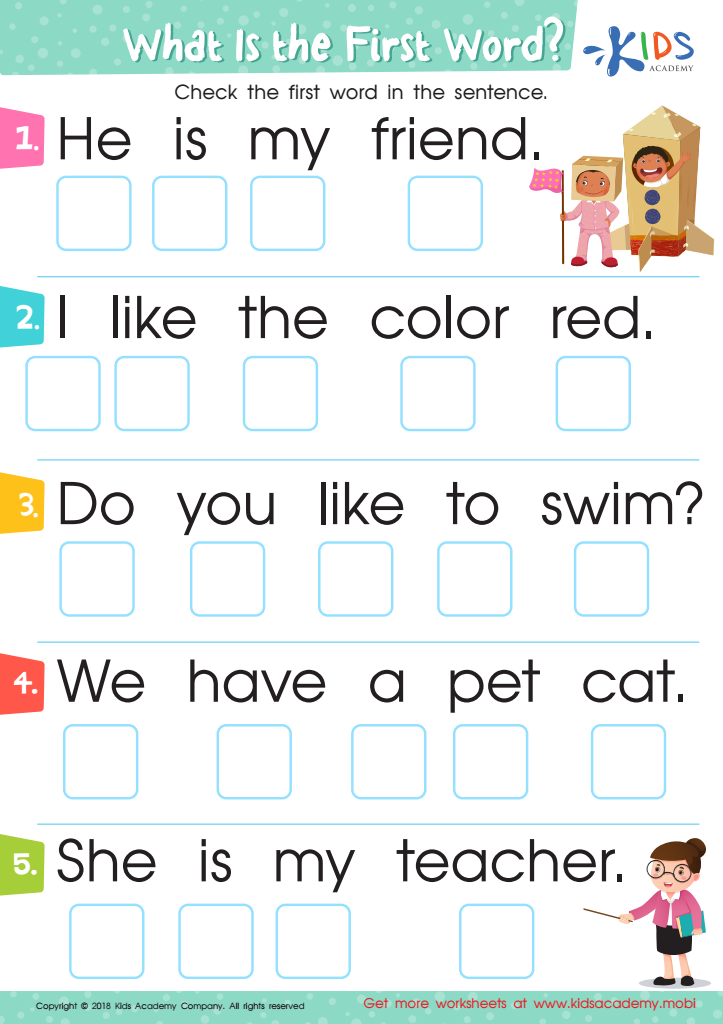
What is the First Word? Worksheet
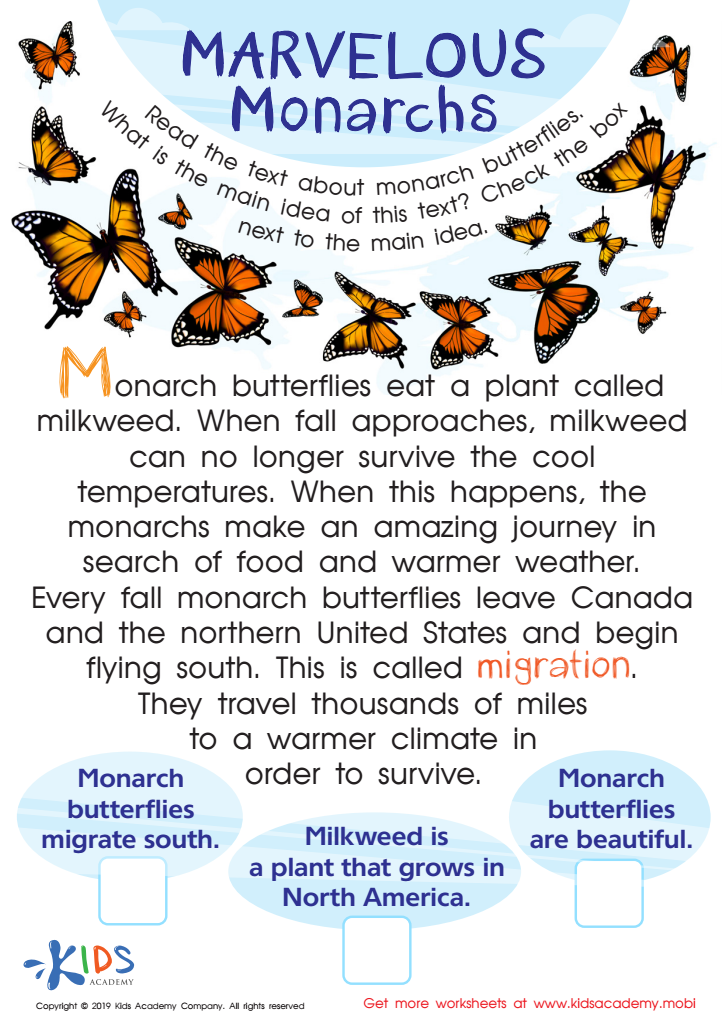
Marvelous Monarchs Worksheet
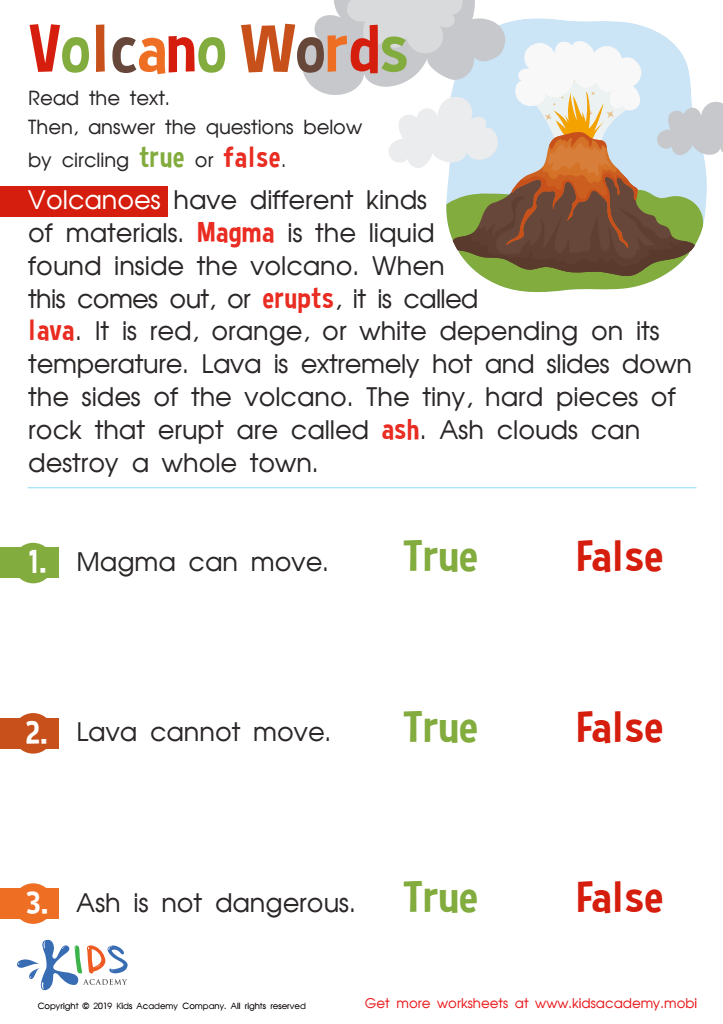
Volcano Words Worksheet
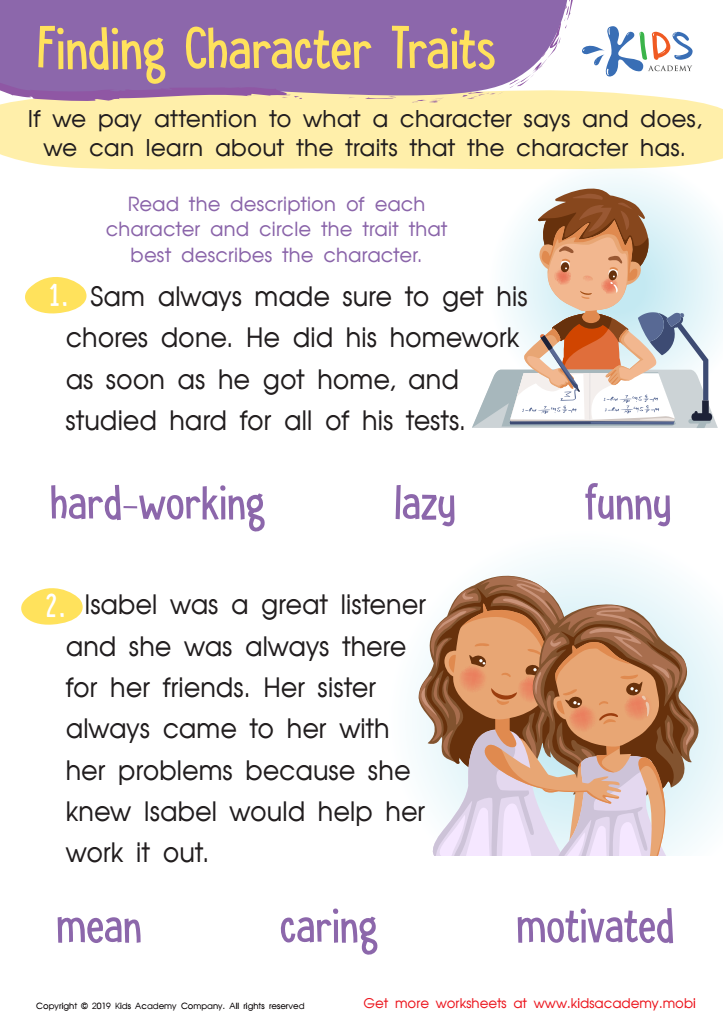
Finding Character Traits Worksheet
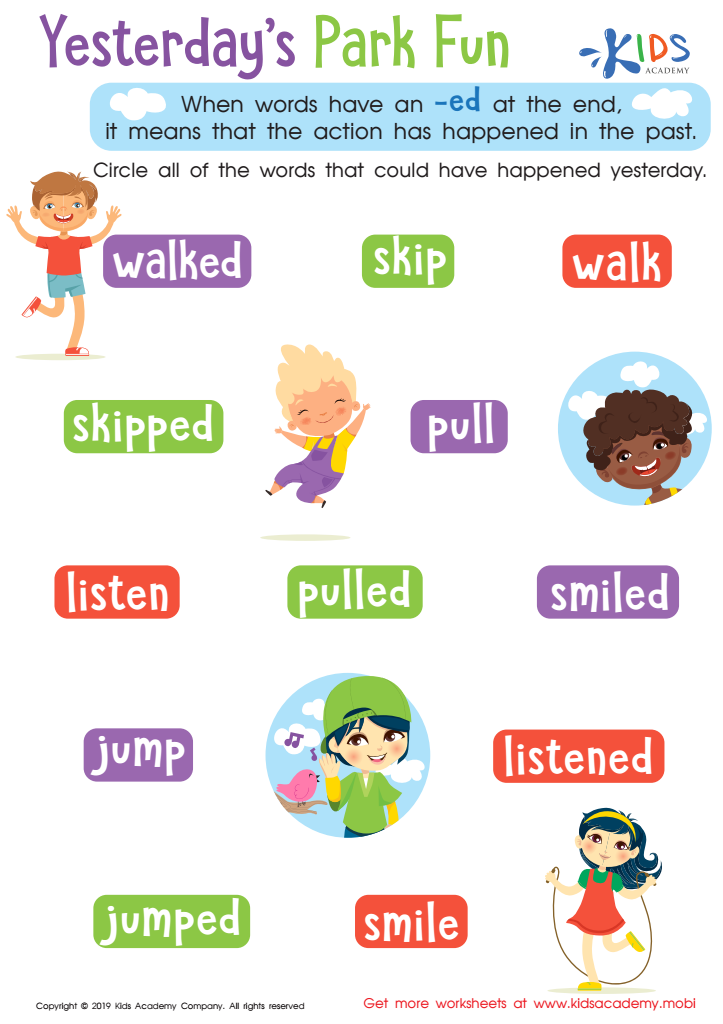
Yesterday's Park Fun Worksheet
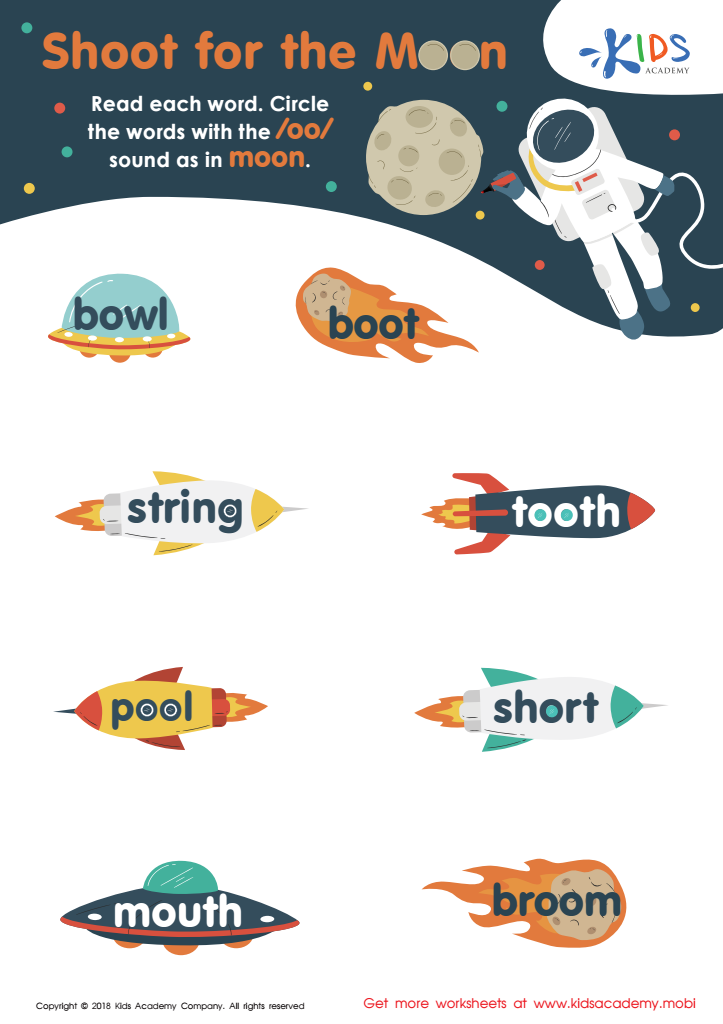
Reading: Shoot for the Moon Worksheet
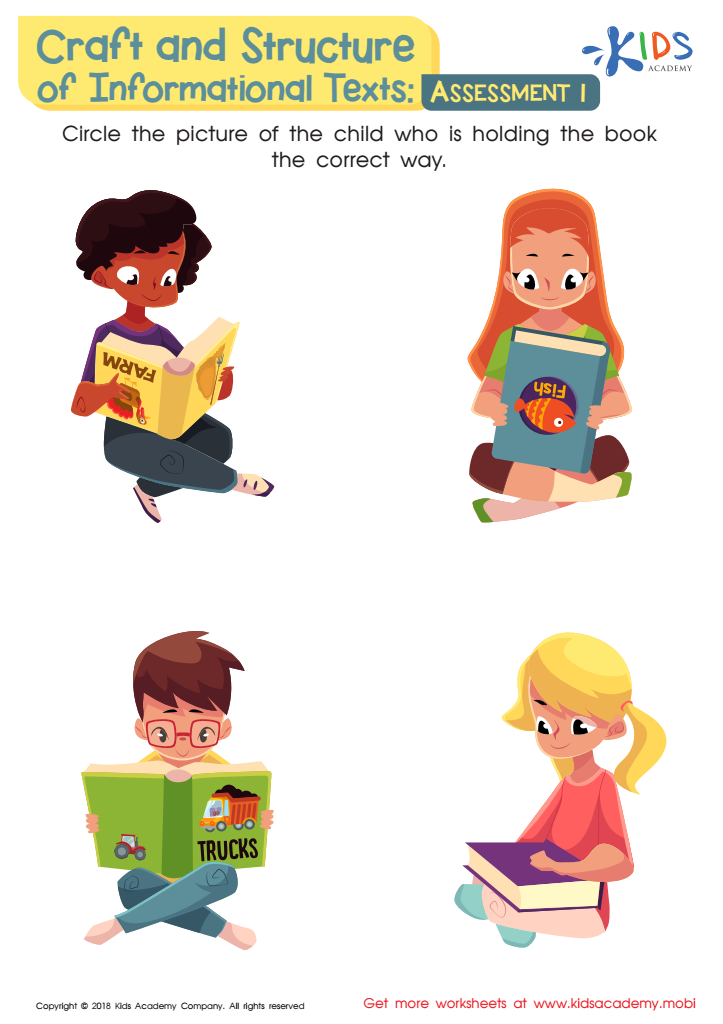
Craft and Structure of Informational Texts: Assessment 1 Worksheet
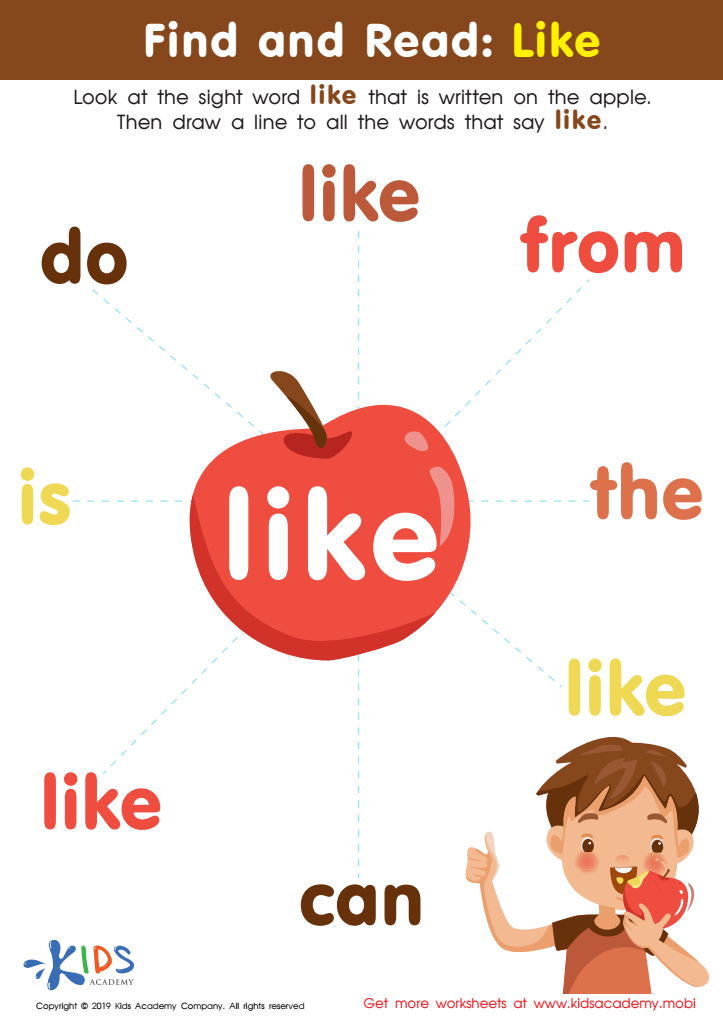
Find and Read: Like Worksheet
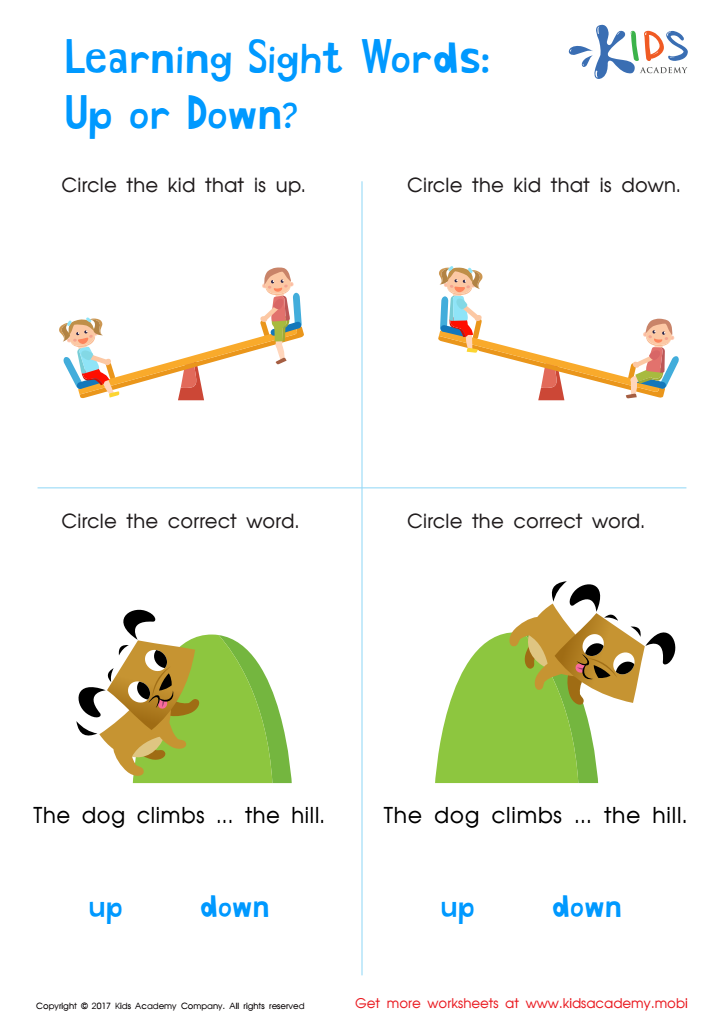
Up or Down Printable Sight Words Worksheet








Vocabulary development is crucial for children aged 3 to 8 as it lays the foundation for language skills, cognitive growth, and academic success. During these formative years, children are rapidly acquiring language and are particularly receptive to new words. A rich vocabulary enhances their ability to express thoughts and feelings, facilitating better communication. It also strengthens reading comprehension, allowing them to understand stories, instructions, and ideas more deeply.
Moreover, vocabulary plays a significant role in social interactions. Children who can articulate themselves clearly tend to build stronger relationships with peers and adults, fostering collaboration and empathy. Their emotional intelligence is also advanced through language, helping them navigate their feelings and those of others.
Parents and teachers play a pivotal role in this development by engaging children in conversations, reading diverse books, and introducing new words in playful contexts. Interactive activities, such as storytelling and word games, create memorable learning experiences. Investing time in vocabulary development not only boosts literacy skills but also cultivates a lifelong love for reading and learning, setting children up for future academic and personal achievements. By prioritizing vocabulary enrichment, caregivers empower children to communicate effectively, think critically, and foster their curiosity about the world around them.








