Letter recognition Reading Comprehension Worksheets for Ages 3-8
3 filtered results
-
From - To
Nurture your child's reading journey with our Letter Recognition Reading Comprehension Worksheets designed for ages 3-8. These engaging, age-appropriate printables focus on foundational skills, helping young learners recognize and differentiate letters while improving their reading comprehension. Our worksheets make learning fun, incorporate vibrant visuals, and provide varied activities to keep children captivated. With targeted exercises for each age group, from preschool to early elementary, your child will build confidence in reading and enhance their language skills step-by-step. Dive into our vast collection at Kids Academy and give your child the essential tools to become a proficient reader.
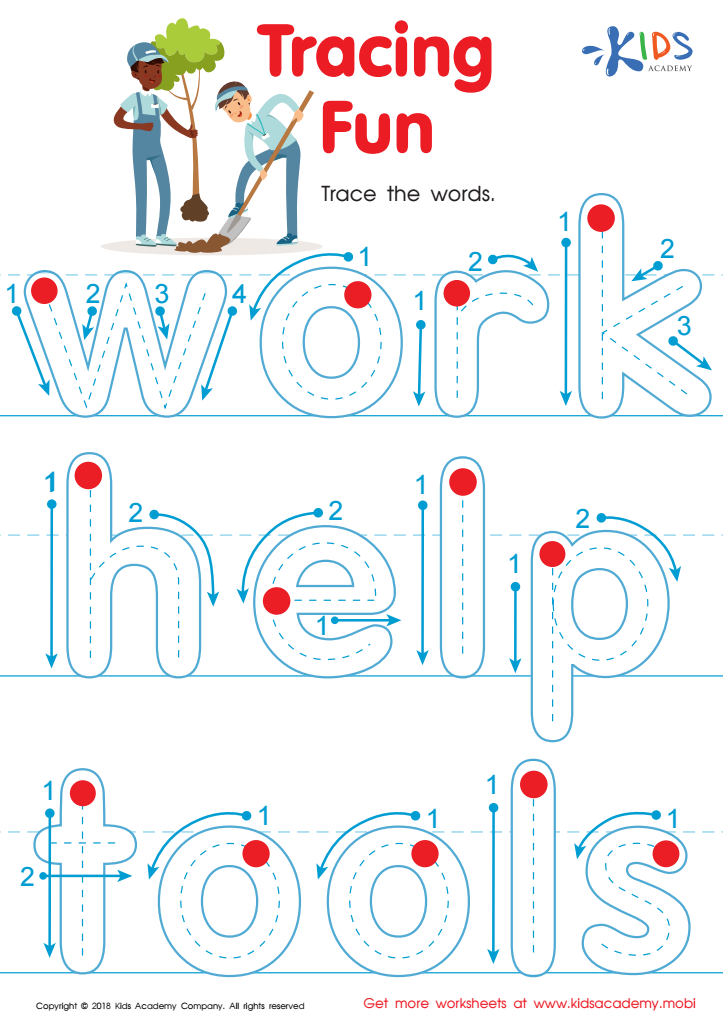
Tracing Fun Worksheet
 Assign to My Students
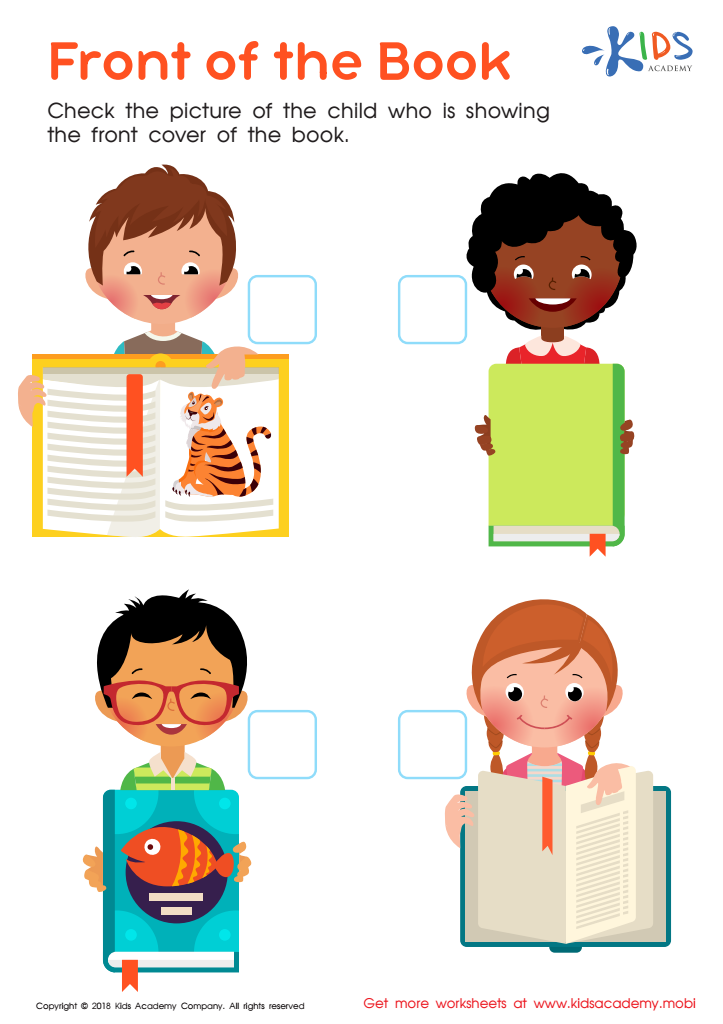
Front of the Book Worksheet
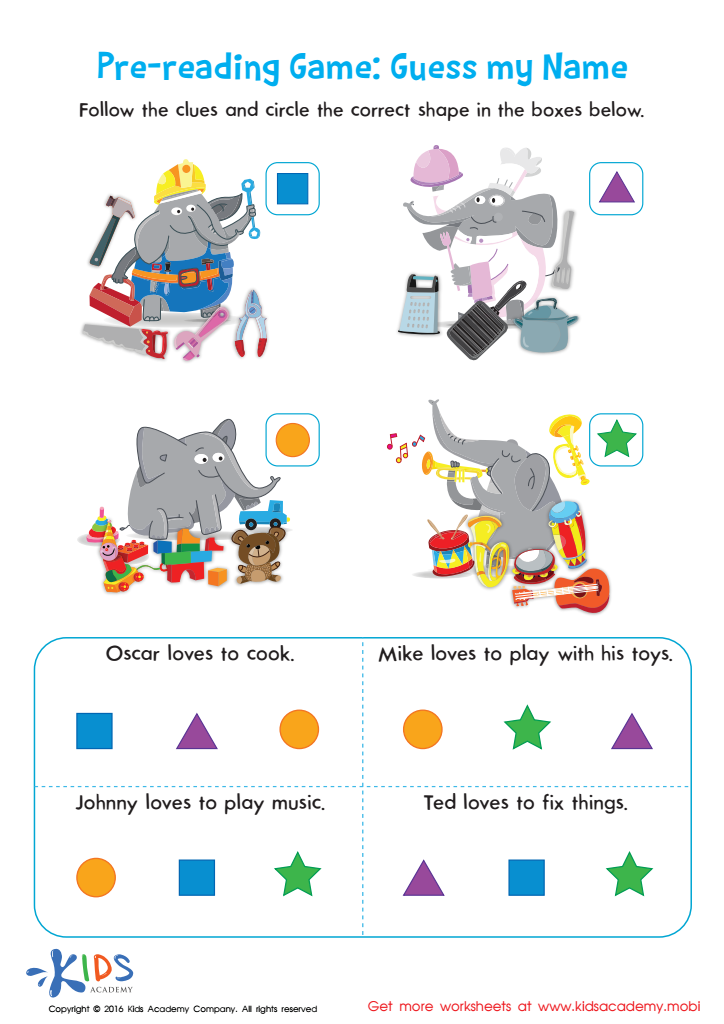
Pre Reading Worksheet Guess My Name








Letter recognition and reading comprehension are fundamental building blocks for early literacy, crucial for children aged 3-8. Parents and teachers should prioritize these skills for several key reasons. First, letter recognition is the foundation of reading; understanding the alphabet and the sounds each letter makes enables children to decode words. This familiarity helps in developing phonemic awareness, essential for spelling and word construction.
Reading comprehension, on the other hand, ensures that children are not just passively reading words but actively understanding and engaging with the text. It is vital for academic success, particularly as children progress through different grade levels where reading becomes a significant part of learning.
Moreover, early literacy skills foster cognitive development, enhancing critical thinking, and problem-solving abilities. These skills are linked to improved performance in other academic areas, such as math and science. Socially, children with strong literacy skills exhibit better communication abilities, contributing positively to their self-esteem and social interactions.
Early intervention in letter recognition and reading comprehension creates a solid educational foundation, establishing lifelong learning and literacy skills. Therefore, parents and teachers should actively engage in practices that promote and support these essential components, like reading aloud, interactive games, and phonics play, to encourage a love for reading and learning.








