Color recognition Reading Fiction Worksheets for Ages 3-8
6 filtered results
-
From - To
Discover engaging Color Recognition Reading Fiction Worksheets designed for children ages 3-8 at Kids Academy. These interactive worksheets combine vibrant illustrations and captivating stories to make learning colors an enjoyable adventure. Each activity is meticulously crafted to enhance your child's color recognition skills while boosting their reading comprehension and imagination. Perfect for early learners, these worksheets blend fun with education, aiding your child's cognitive development. Visit Kids Academy for free printable worksheets that make reading and learning colors a delightful experience for your little ones. Start your educational journey today!
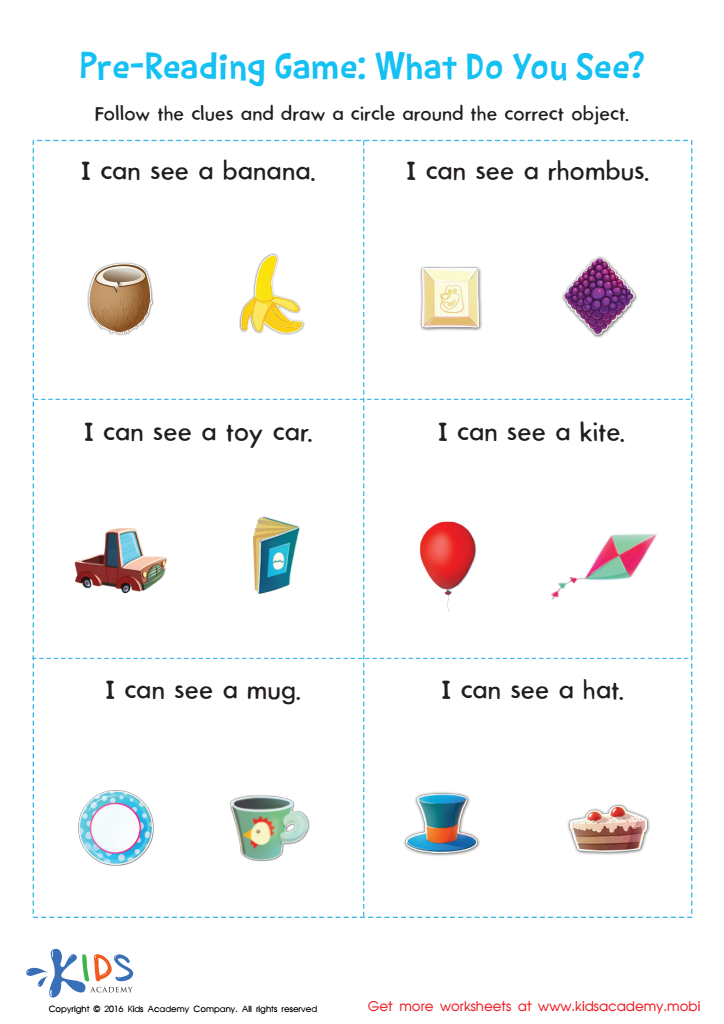
Pre–reading Worksheet: What Do You See?
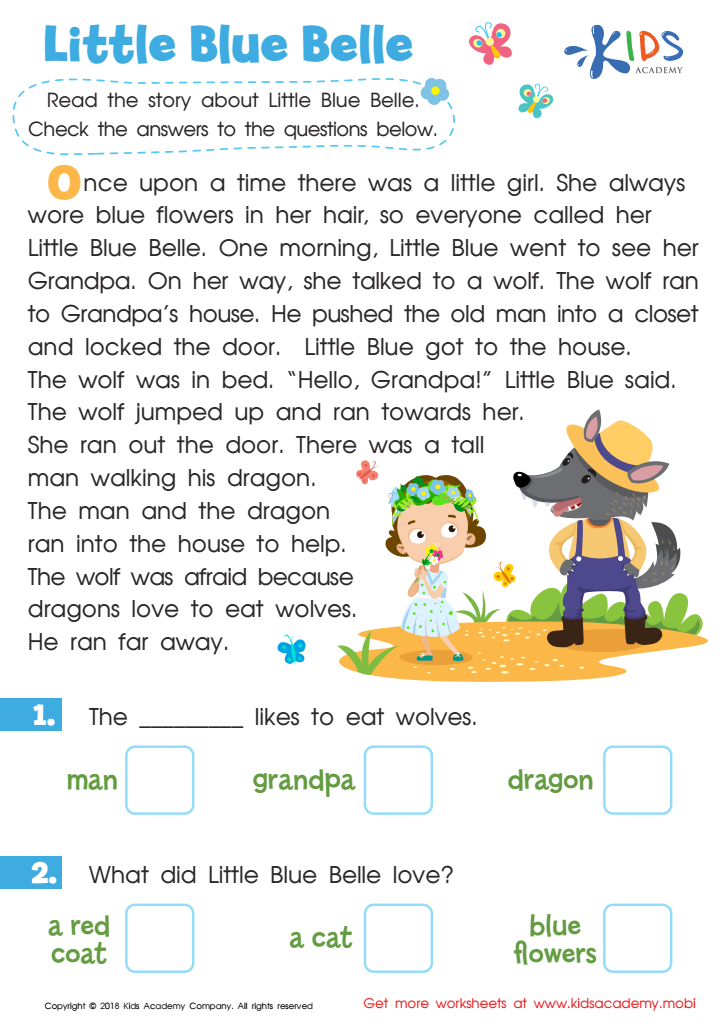
Little Blue Belle Worksheet
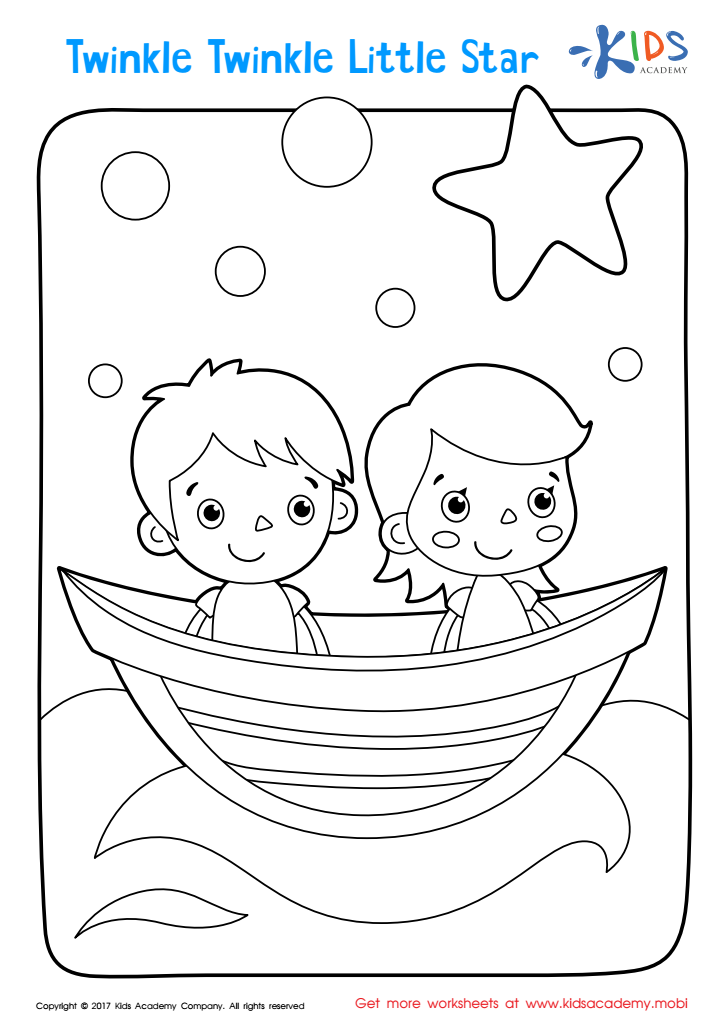
Twinkle Twinkle Little Star Coloring Page
 Assign to My Students
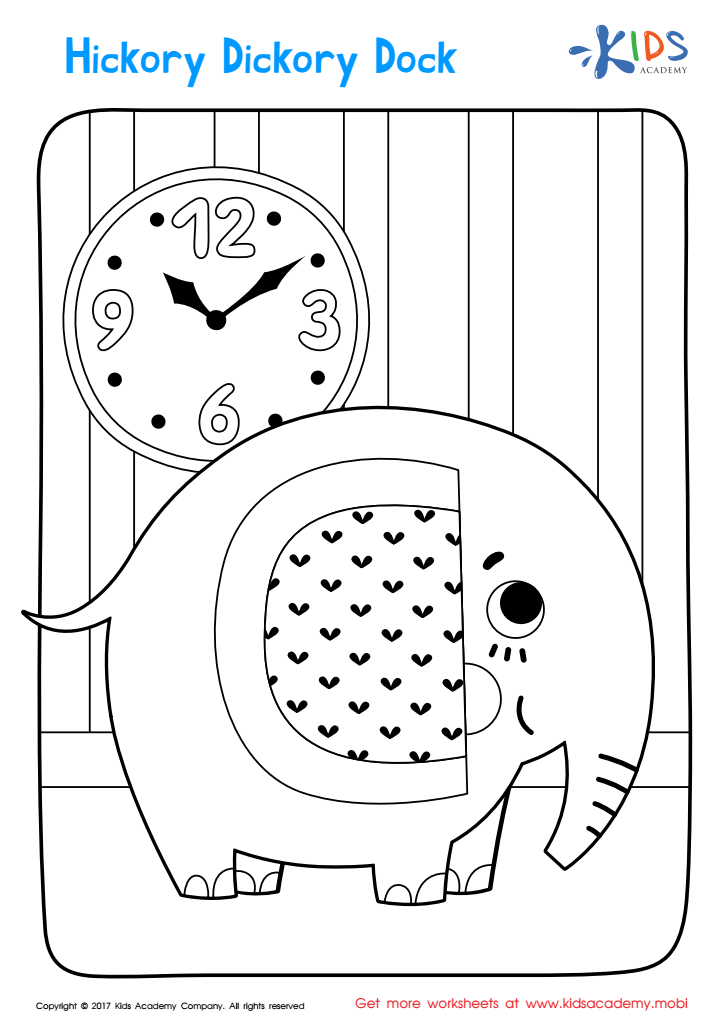
Hickory Dickory Dock Coloring Page
Assign to My Students
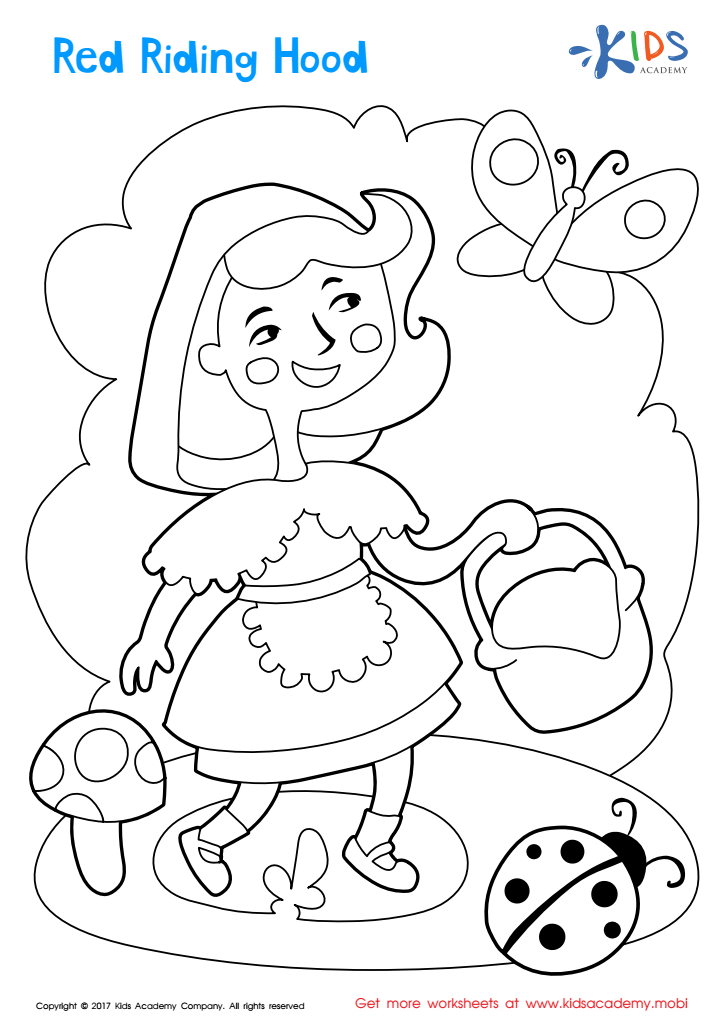
Red Riding Hood Coloring Page
Assign to My Students
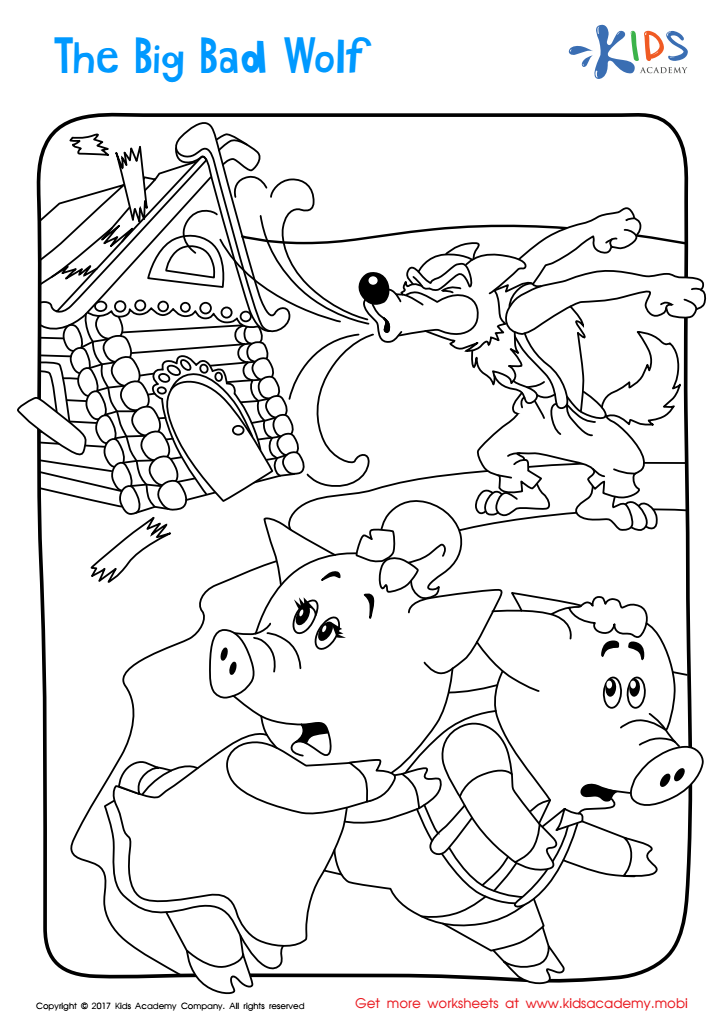
Big Bad Wolf Printable Coloring Page
Assign to My Students


.jpg)





Parents and teachers should care about color recognition and reading fiction for children aged 3-8 because these activities are foundational for their cognitive and emotional development. Color recognition is a basic skill that enhances visual perception and sensory development. Knowing colors helps children categorize and organize information, which is essential for learning across various subjects, such as math and science. It also supports their language development as they learn to name and describe the world around them.
Reading fiction, on the other hand, nurtures imagination, creativity, and empathy. Stories introduce children to diverse characters, situations, and moral lessons, helping them understand complex emotions and social behaviors. This can improve their ability to connect with others and navigate social scenarios. Fiction also boosts vocabulary, comprehension, and critical thinking skills, laying a strong foundation for future reading and academic success.
Integrating color recognition into storytime makes learning more engaging and interactive. For instance, identifying colors in pictures within books can reinforce color knowledge while making the reading experience fun. Both of these skills combined equip children with the tools they need to explore, understand, and affect the world around them, making them better learners and more empathetic individuals. The early years are crucial for development, and prioritizing these activities sets the stage for lifelong learning and social competence.








