Understanding ecosystems Animals Worksheets for Ages 3-8
3 filtered results
-
From - To
Discover our "Understanding Ecosystems Animals Worksheets for Ages 3-8" designed to engage young learners in the fascinating world of nature! These worksheets introduce essential concepts about ecosystems, habitats, and the roles animals play within their environments. Colorful illustrations and interactive activities encourage children to explore topics such as food chains, environment connections, and animal adaptations. Perfect for classrooms or home learning, these resources foster curiosity while enhancing critical thinking and observational skills. Help your child develop a foundational understanding of ecology with our fun and educational worksheets that make learning about ecosystems enjoyable and interactive!
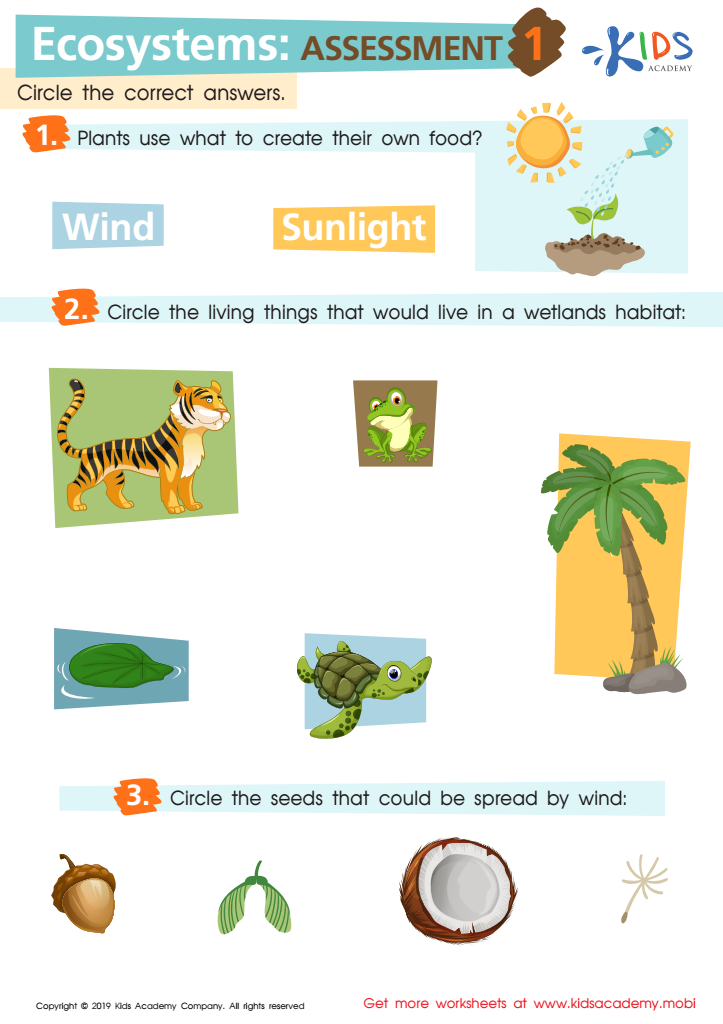
Ecosystems: Assessment 1 Worksheet
 Assign to My Students
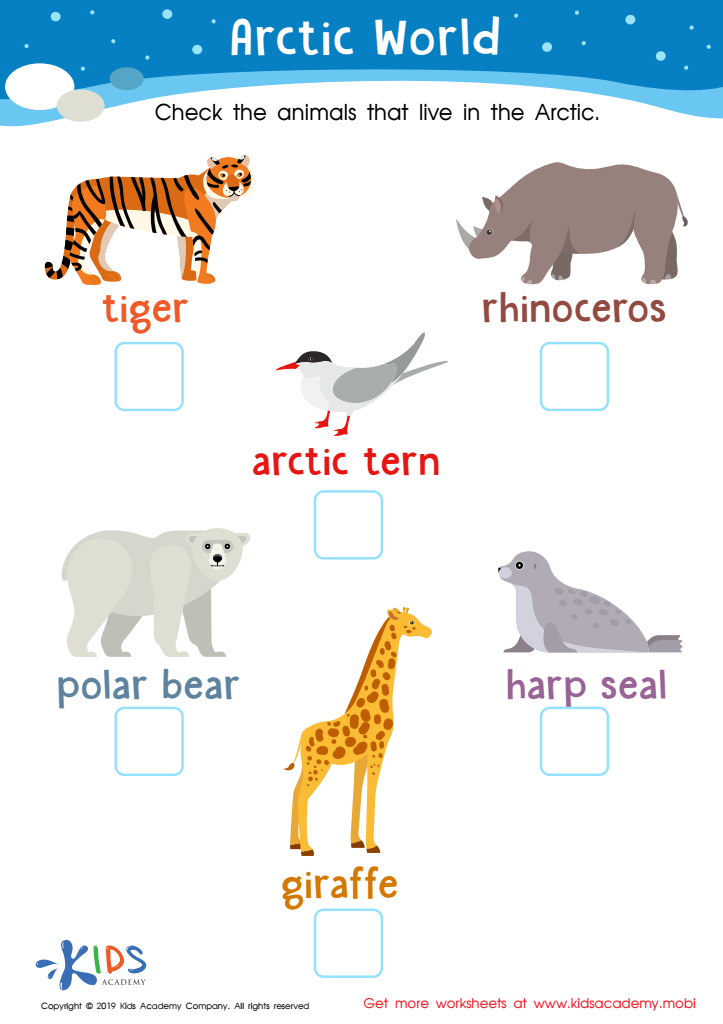
Arctic World Worksheet
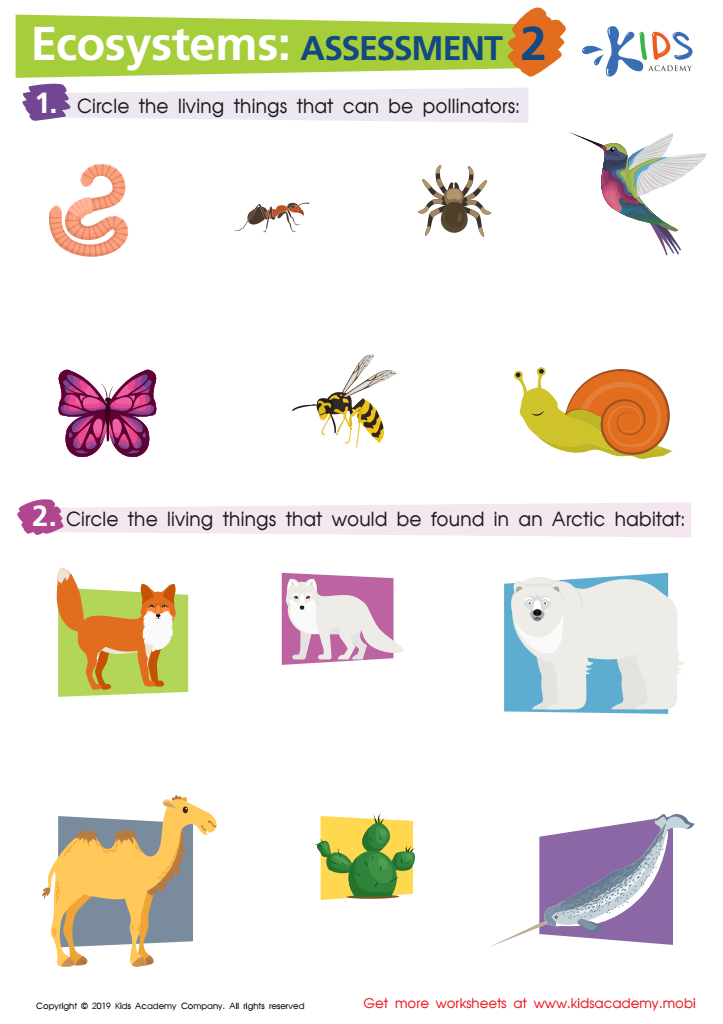
Ecosystems: Assessment 2 Worksheet






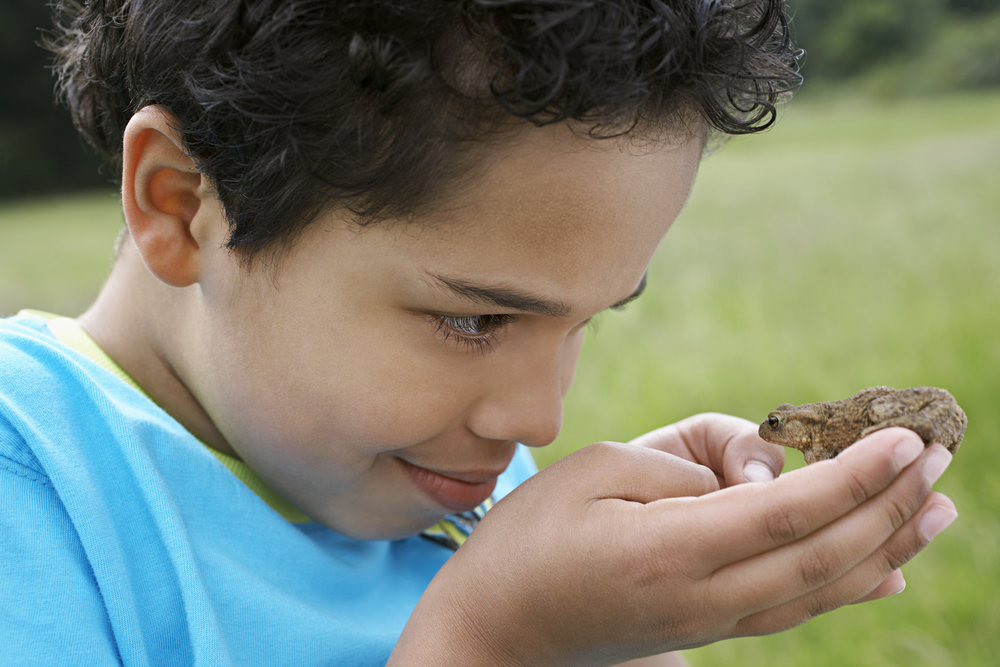

Understanding ecosystems and animals is vital for children aged 3-8 as it lays the foundation for their curiosity about the natural world. At this stage, children are developing critical thinking and observational skills, making it an ideal time to introduce them to the relationships between living organisms and their environments. When parents and teachers engage children in learning about ecosystems, they foster a sense of wonder and appreciation for biodiversity, which can instill a lifelong passion for nature and science.
Additionally, early exposure to concepts like habitats, food chains, and the importance of conservation can help children understand their role in the environment. It teaches them empathy, responsibility, and the impact of human actions on wildlife and ecosystems. Learning about animals and their habitats also supports social skills as children collaborate in group activities, discussions, or nature-focused projects.
Moreover, understanding ecosystems can enhance literacy and numeracy through related storytelling, creative activities, and counting exercises involving animals. Overall, integrating knowledge of ecosystems and animals into early education prepares children not only for academic success but also for becoming environmentally conscious citizens, capable of contributing positively to our planet's future.








