Critical Thinking Life Science Worksheets for Ages 3-8
4 filtered results
-
From - To
Unlock your child's potential with our engaging Critical Thinking Life Science Worksheets, designed for children ages 3-8. These carefully crafted resources foster critical reasoning and analytical skills through exciting activities focused on the wonders of life science. Young learners will explore topics like ecosystems, plants, and animals while developing essential cognitive abilities needed for future learning. Each worksheet encourages creativity and independent thought, making complex scientific concepts accessible and fun. Perfect for home or classroom use, our worksheets support early childhood education by promoting inquiry-based learning and problem-solving skills. Dive into the world of life science today and inspire young minds!
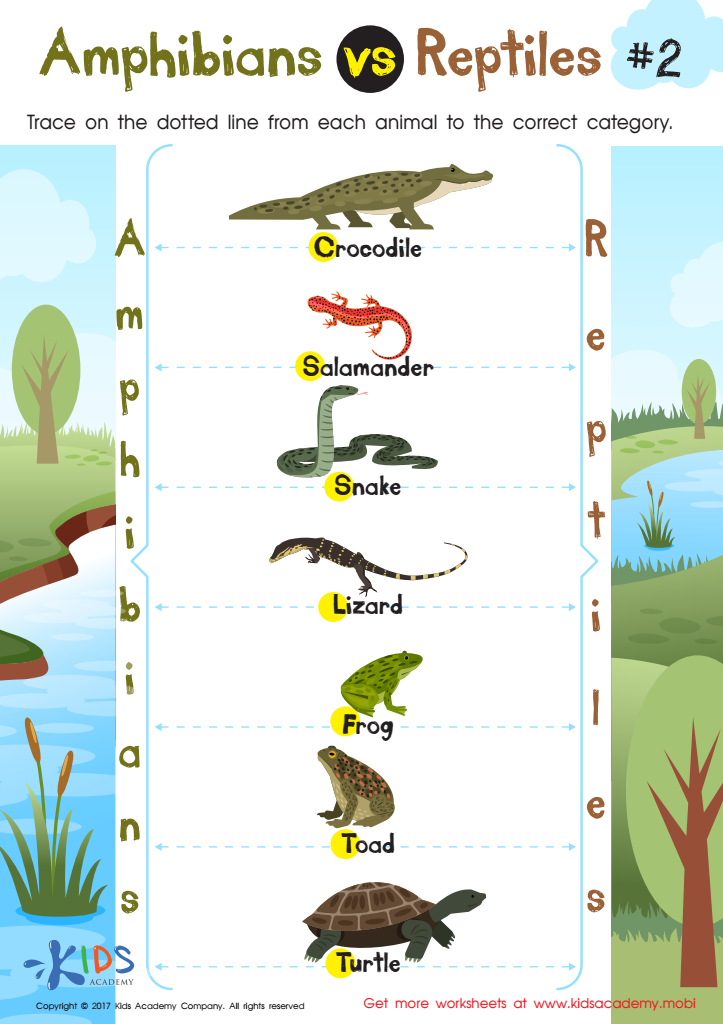
Amphibians vs Reptiles Worksheet for 3rd Grade
 Assign to My Students
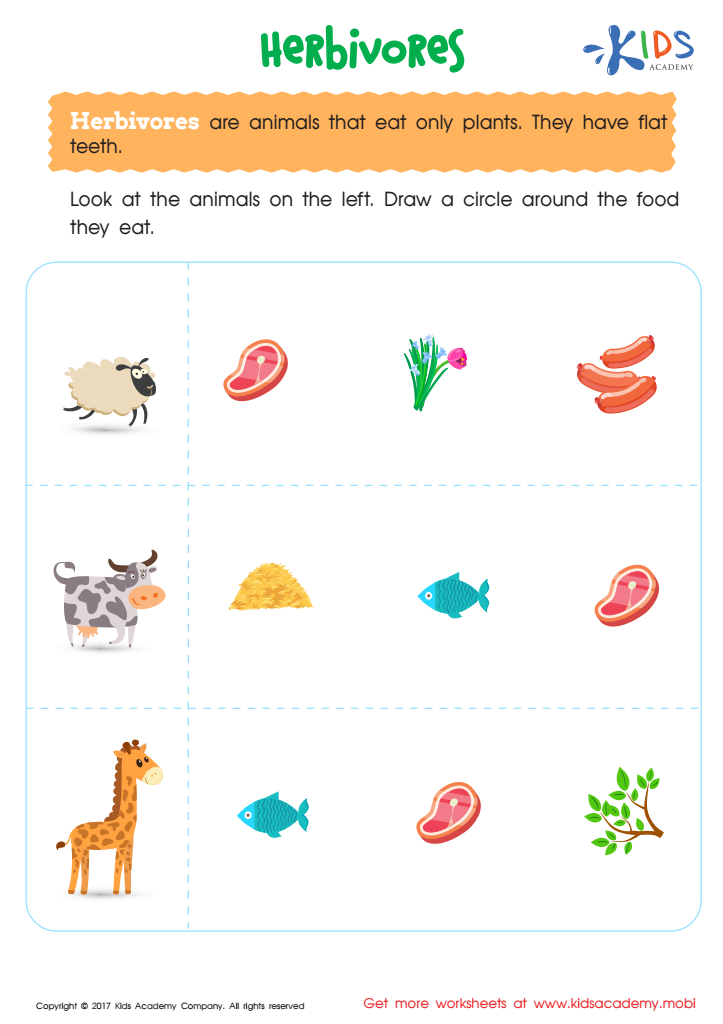
Herbivores Printable
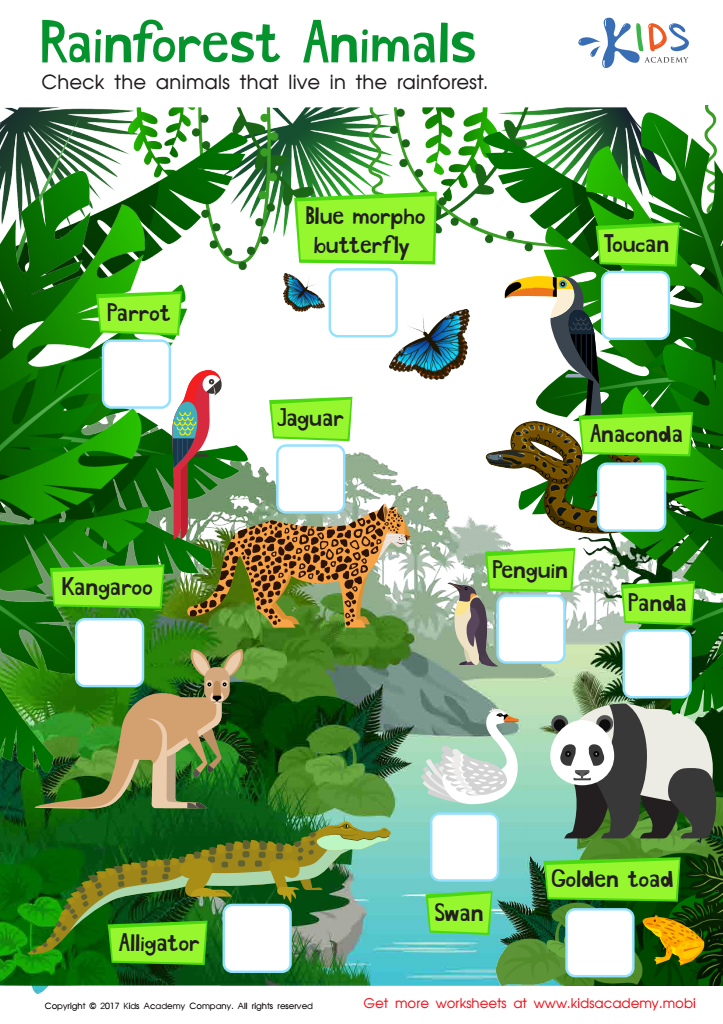
Rainforest Animals Worksheet
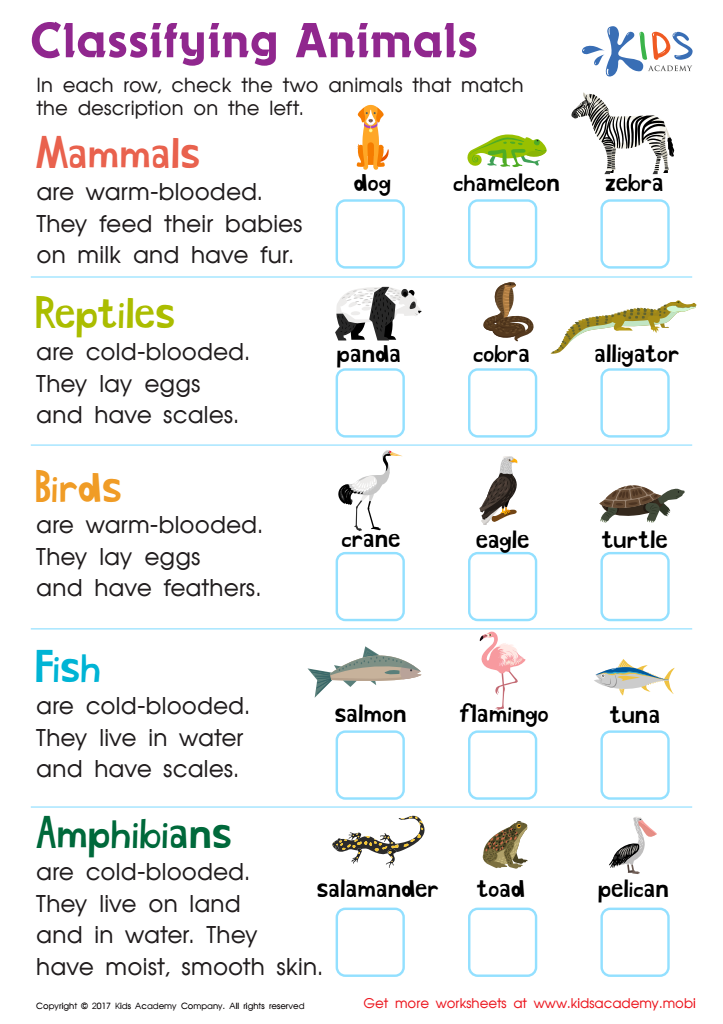
Classifying Animals Worksheet




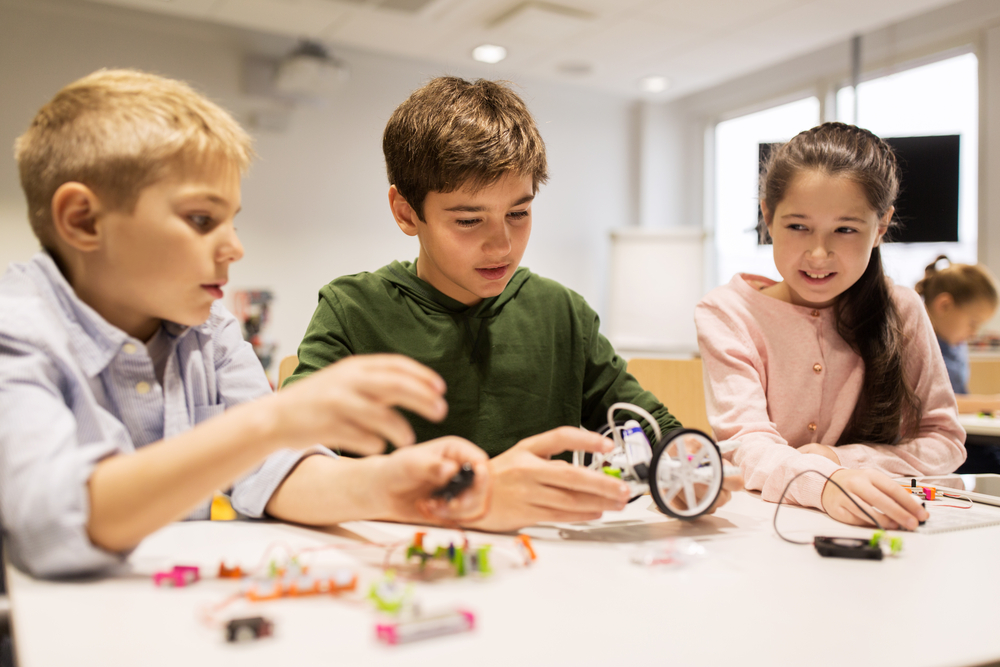



Critical thinking is essential for young learners, especially in life sciences, as it fosters curiosity and promotes deep understanding of the world around them. For ages 3 to 8, children's cognitive and social skills are rapidly developing, making it a prime time to nurture critical thinking abilities. Engaging with life sciences—like ecosystems, plants, animals, and human bodies—encourages children to ask questions, make observations, and draw conclusions based on evidence.
Parents and teachers should care about critical thinking in this context because it equips children with vital problem-solving skills that are necessary in everyday life and future academic endeavors. When children learn to think critically, they become more adept at analyzing information, understanding cause-and-effect relationships, and making informed decisions.
Moreover, teaching critical thinking within life sciences integrates various subjects, combining scientific knowledge with art, language, and mathematics, catering to diverse learning styles. This holistic approach emphasizes creativity, collaboration, and communication, which are crucial in developing well-rounded individuals. Ultimately, fostering critical thinking in early life science education lays a strong foundation for lifelong learning, nurturing inquisitive minds that will seek to innovate and contribute positively to society.








