Analyzing data Our Planet and Environment Worksheets for Ages 3-8
5 filtered results
-
From - To
Welcome to our "Analyzing Data: Our Planet and Environment Worksheets" tailored for ages 3-8! These engaging worksheets provide young learners with the opportunity to explore essential concepts related to their surroundings. With fun and interactive activities, children will develop crucial skills in data analysis, observation, and critical thinking by collecting, interpreting, and organizing information about the environment. From recognizing different habitats to understanding weather patterns, each worksheet is designed to spark curiosity and promote eco-awareness. Perfect for teachers and parents alike, these resources will help nurture a sense of responsibility and connection to our planet in your child’s formative years.
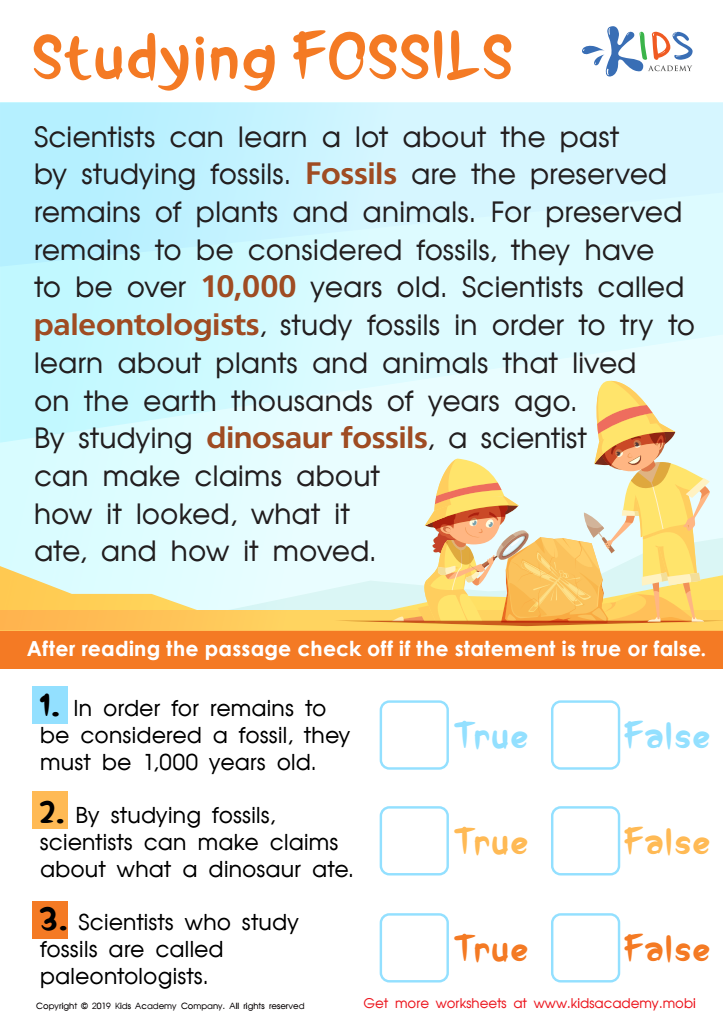
Studying Fossils Worksheet
 Assign to My Students
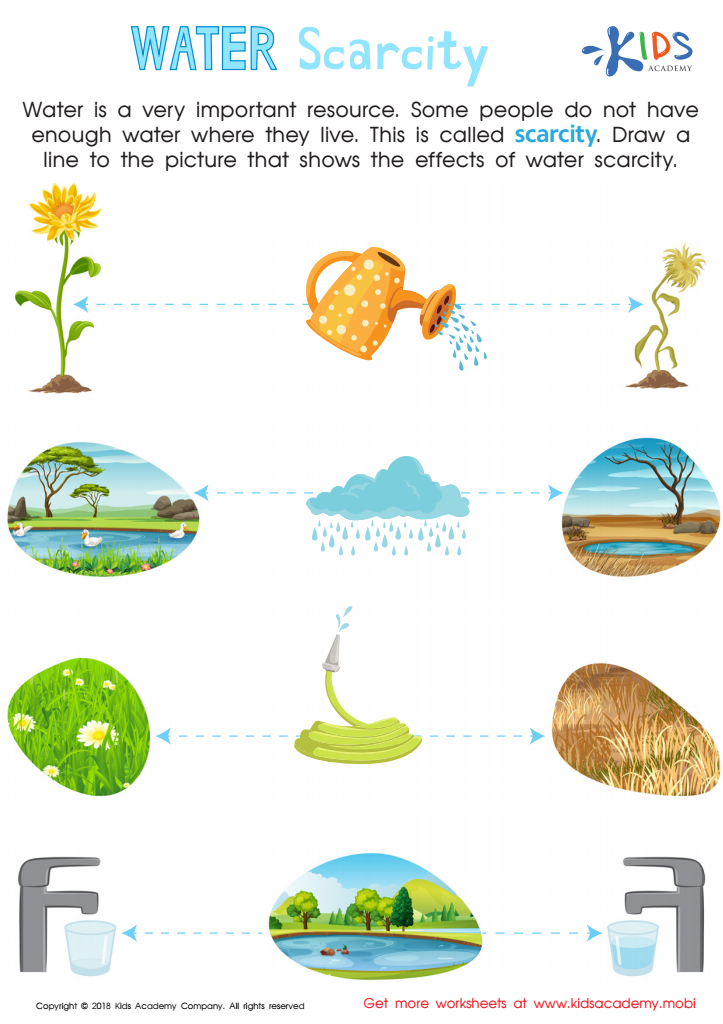
Water Scarcity Worksheet
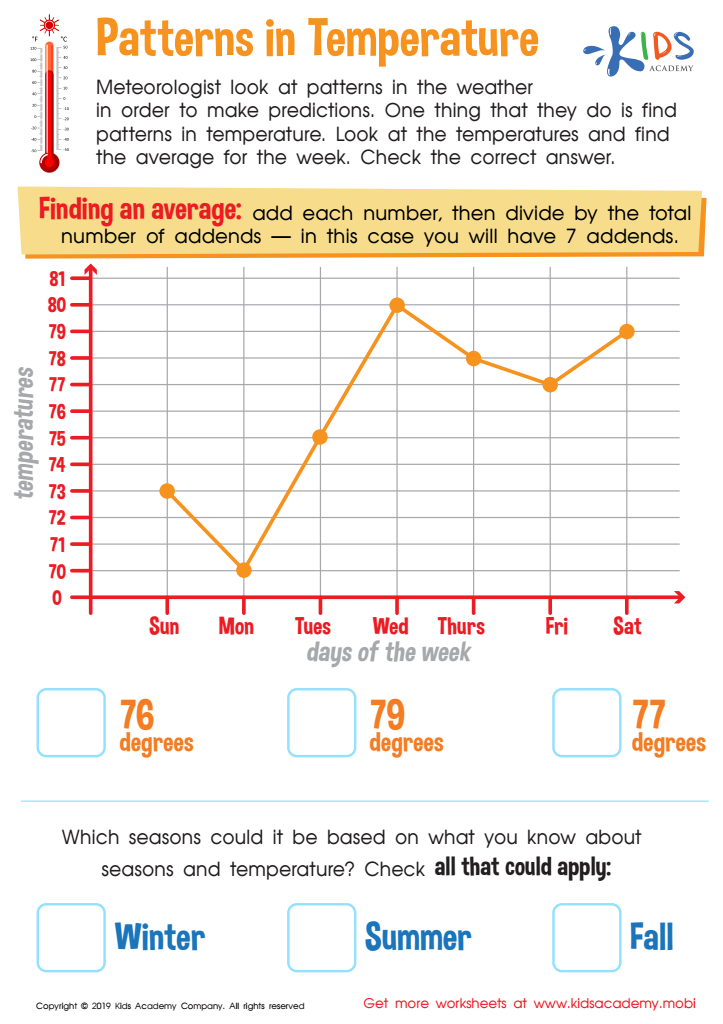
Patterns in Temperature Worksheet
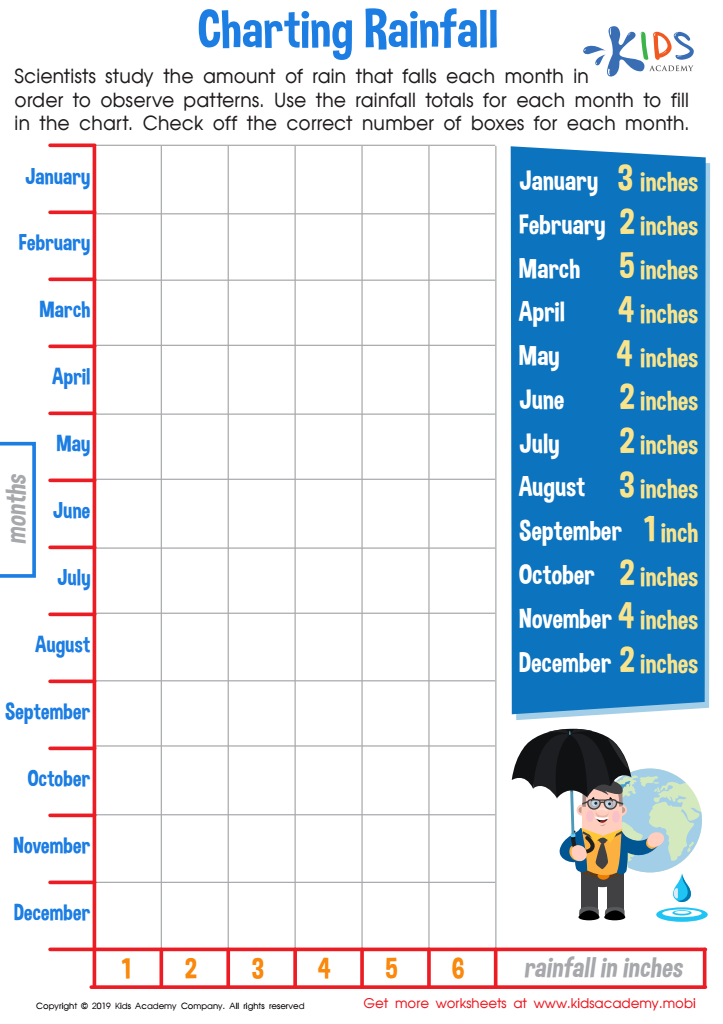
Charting Rainfall Worksheet
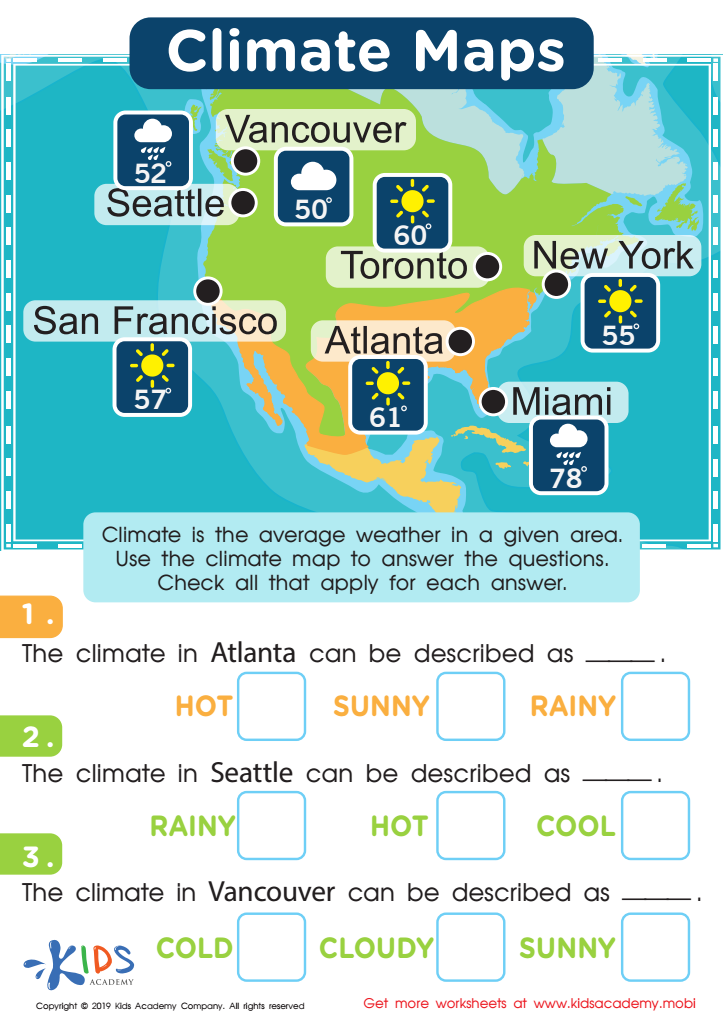
Climate Maps Worksheet







Analyzing data about our planet and environment is crucial for parents and teachers of children ages 3-8 for several reasons. Firstly, this age group is at a developmental stage where curiosity about the world around them is heightened. Introducing them to environmental data promotes critical thinking and fosters a sense of responsibility towards nature. Understanding concepts like pollution, recycling, and climate change can empower young learners to make informed decisions, fostering a generation that values sustainability.
Secondly, teaching children to analyze data, even at a basic level, cultivates essential skills such as observation, reasoning, and problem-solving. These skills have a far-reaching impact, aiding in their overall academic performance and personal development. Moreover, engaging with environmental data helps children form connections with their community and the global ecosystem, emphasizing collaboration and shared responsibility.
Finally, parents and teachers play a pivotal role in instilling values related to environmental stewardship. By integrating data analysis into early education, they encourage an awareness of ecological issues, nurturing empathetic and proactive citizens. As they grow, these children will carry forward the principles of conservation and sustainability, ensuring a healthier planet for future generations.







