Vocabulary enhancement Physical Science Worksheets for Ages 3-8
7 filtered results
-
From - To
Our Vocabulary Enhancement Physical Science Worksheets for Ages 3-8 make learning science fun and engaging for young minds! Designed to expand essential vocabulary, these worksheets introduce foundational physical science concepts in a kid-friendly manner. Each colorful, interactive page presents new terms through captivating activities and illustrations, helping children to grasp and remember key ideas effortlessly. From learning about simple machines to exploring the phases of matter, our worksheets ensure a solid vocabulary foundation in science for early learners. Perfect for classroom use or at-home learning, these resources foster curiosity and build confidence in young scientists.
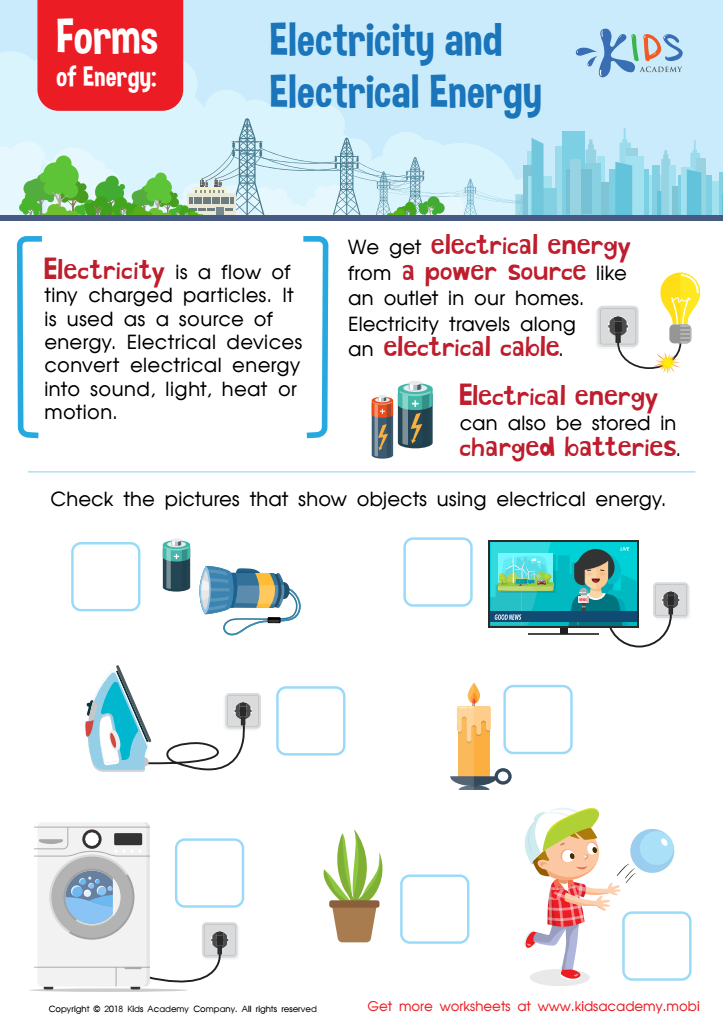
Forms of Energy Worksheet
 Assign to My Students
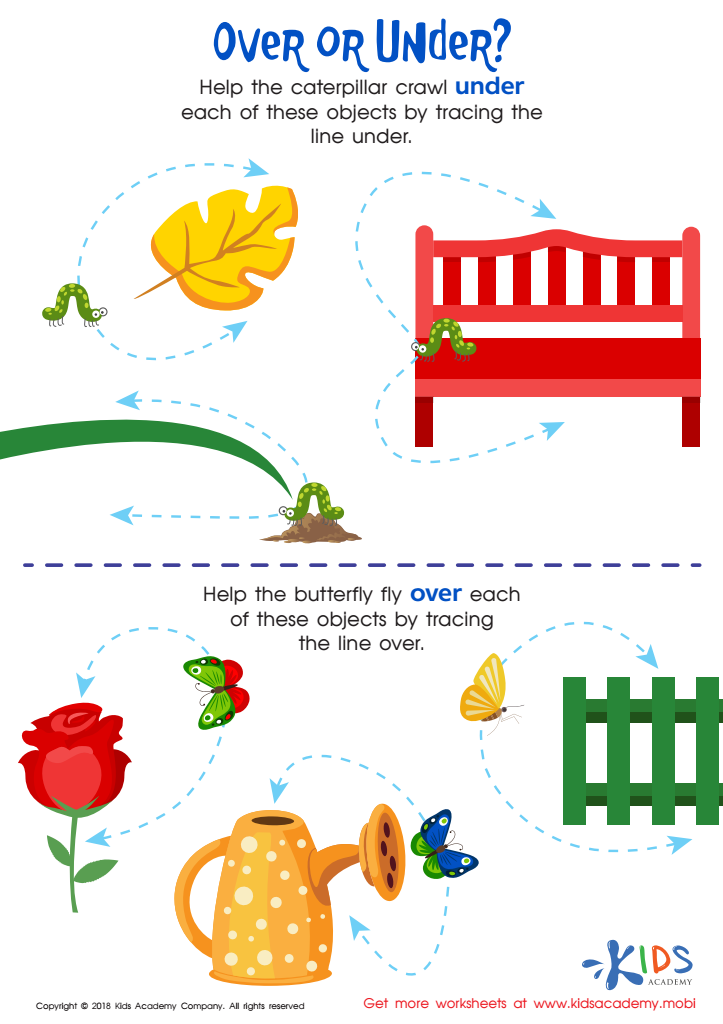
Over or Under? Worksheet
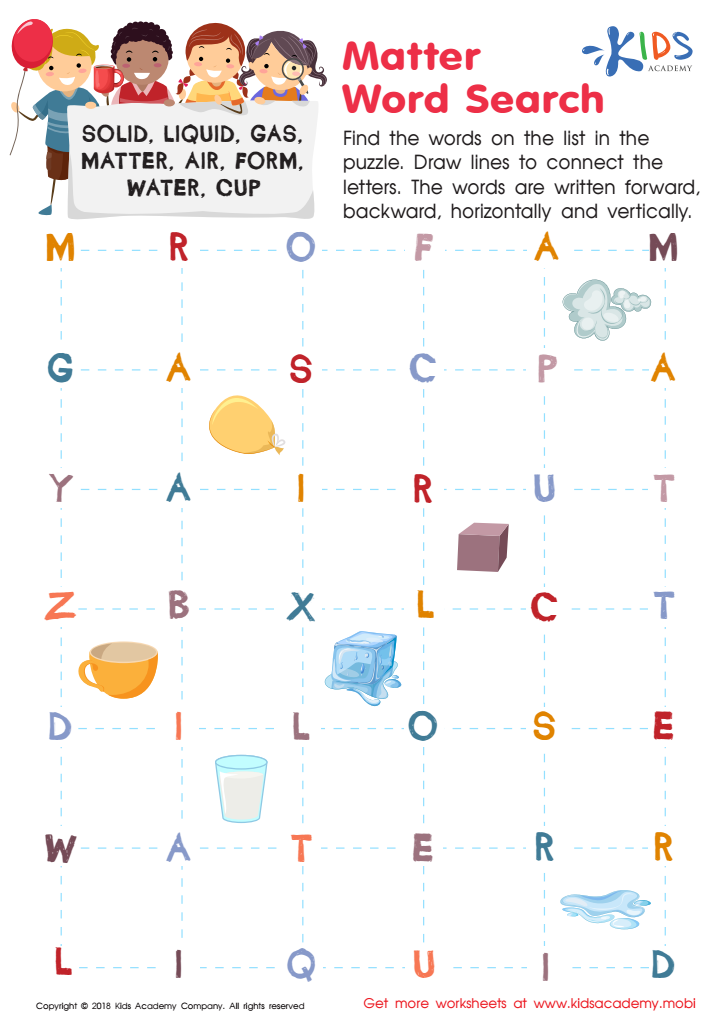
Matter Word Search Worksheet
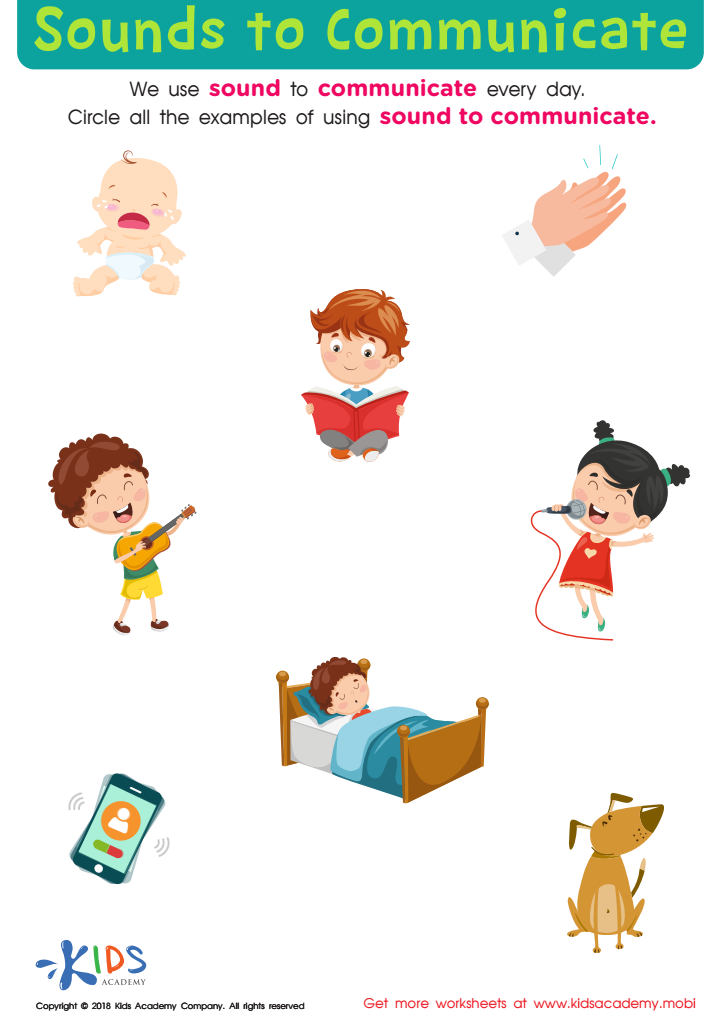
Sounds to Communicate Worksheet
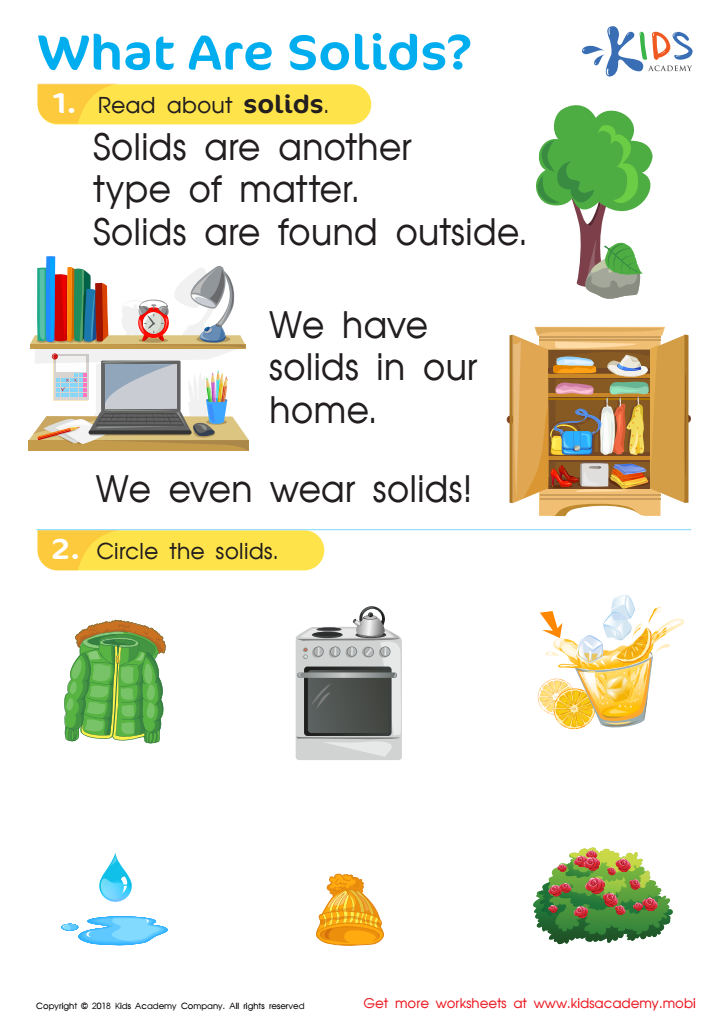
What Are Solids? Worksheet
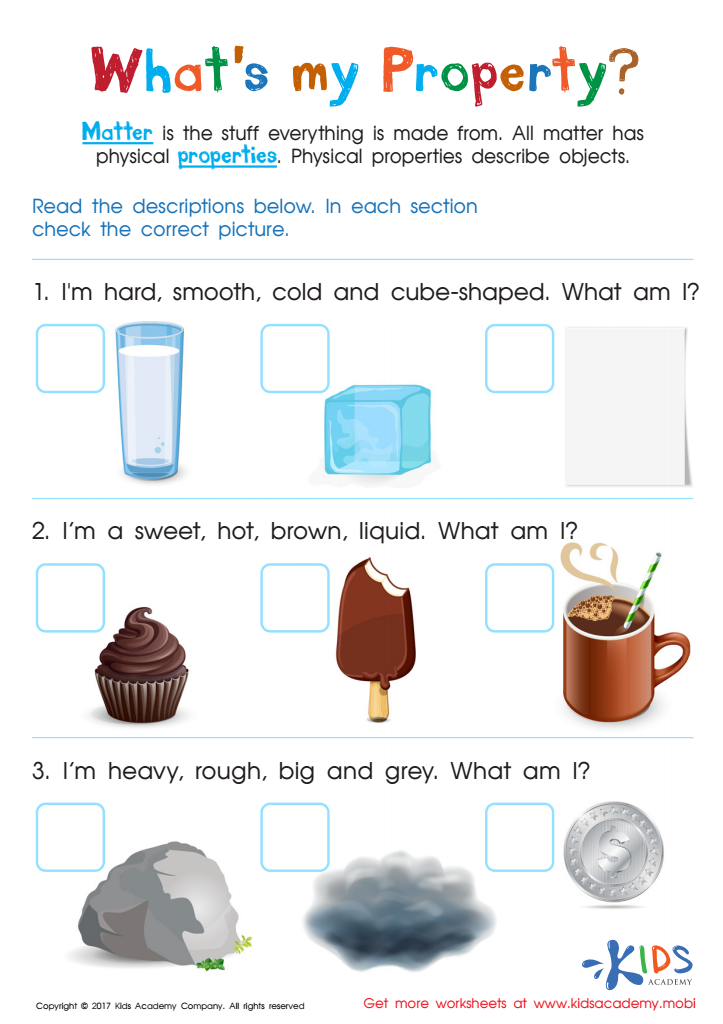
Physical Properties Of Matter Worksheet
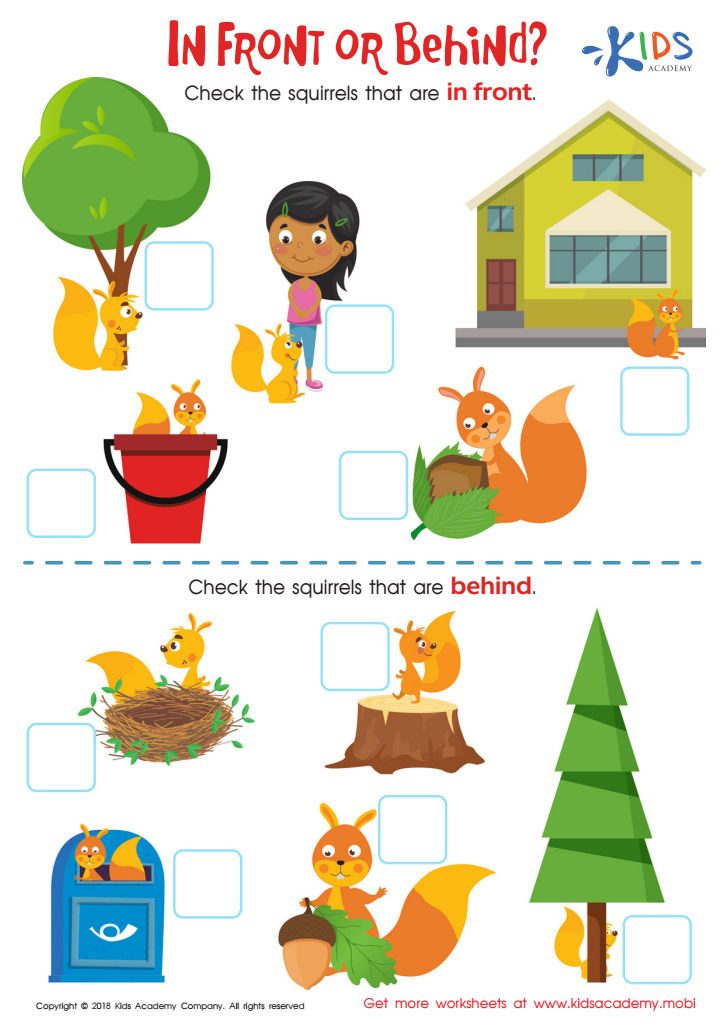
In Front or Behind: Part 2 Worksheet








Vocabulary enhancement in physical science for children ages 3-8 lays a critical foundation for future academic success and cognitive development. At this tender age, children are highly receptive and can easily absorb new concepts, making it an ideal time to introduce scientific terminology. When vocabulary is expanded early, children are better equipped to understand complex ideas, follow instructions, ask insightful questions, and communicate effectively.
Exposing young minds to physical science vocabulary nurtures curiosity and critical thinking skills. Words like "gravity," "magnet," and "balance" become tools through which children can explore and make sense of the world around them. Understanding these terms helps demystify everyday phenomena, turning mundane experiences into rich learning opportunities.
Furthermore, early vocabulary enhancement has social advantages. Children who are familiar with scientific terms can engage in more meaningful and focused conversations with both adults and peers. This fosters confidence and a sense of accomplishment, promoting a positive attitude towards learning.
Educationally, a strong vocabulary is closely linked to reading comprehension and overall academic performance. When children encounter these terms in texts as they progress through school, they are more likely to understand and retain the information.
In essence, prioritizing vocabulary enhancement in physical science sets the stage for lifelong learning and curiosity. Parents and teachers play a crucial role in this enriching process, giving children the keys to unlock future knowledge and potential.







