Critical thinking skills Plants and Animals Worksheets for Ages 3-8
6 filtered results
-
From - To
Enhance young minds with our "Critical Thinking Skills Plants and Animals Worksheets for Ages 3-8"! Our curated collection nurtures curiosity and boosts analytical abilities by engaging children with captivating activities centered on the natural world. With playful, age-appropriate challenges, these worksheets encourage observation, comparison, and reasoning about plants and animals. Perfect for educators and parents, these printables inspire kids to ask questions, make connections, and explore nature critically. Designed to align with early learning standards, our resources offer a fun, interactive way for children to develop essential critical thinking skills while discovering the wonders of biology.
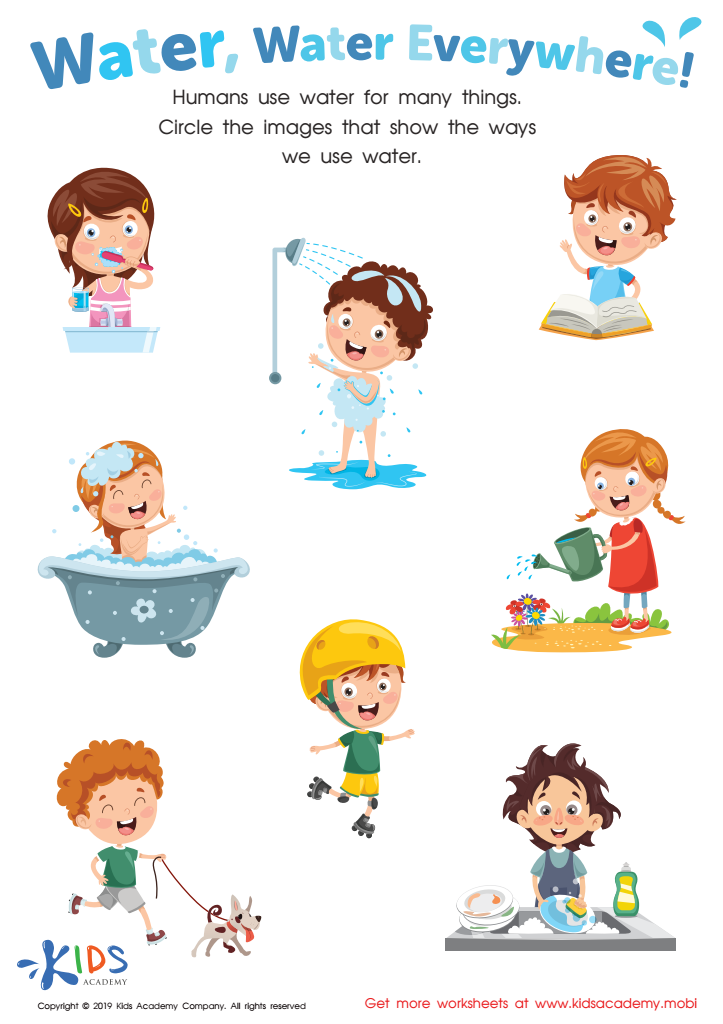
Water, Water Everywhere! Worksheet
 Assign to My Students
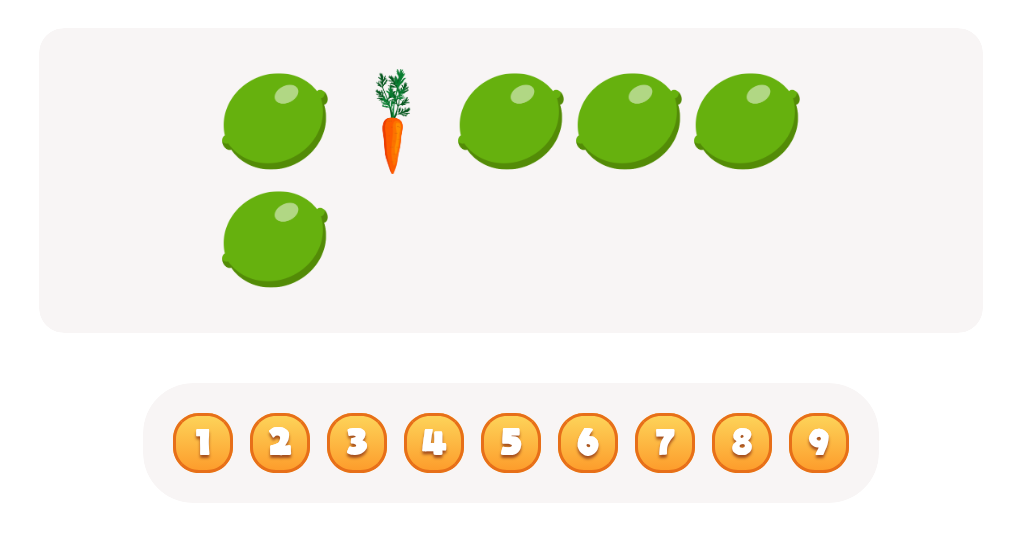

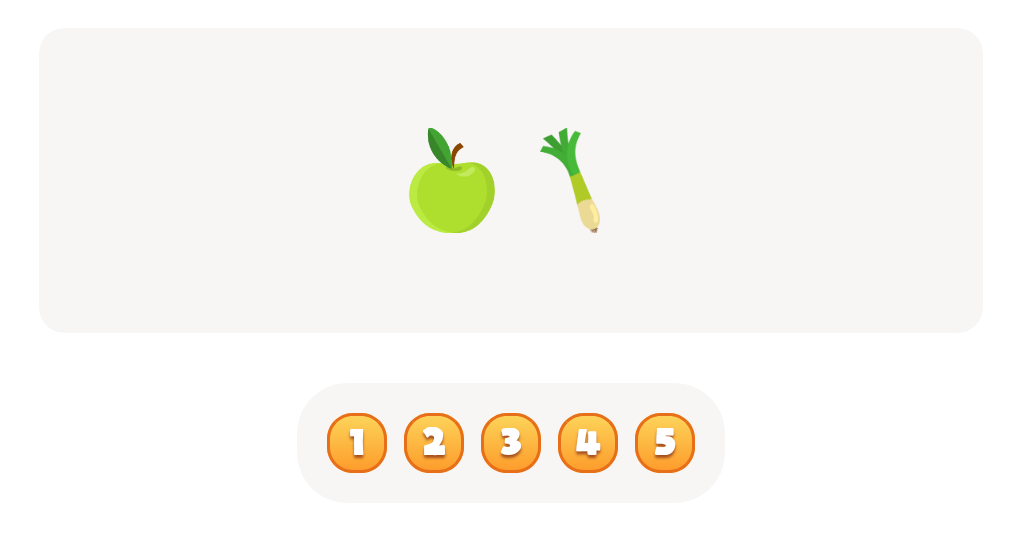
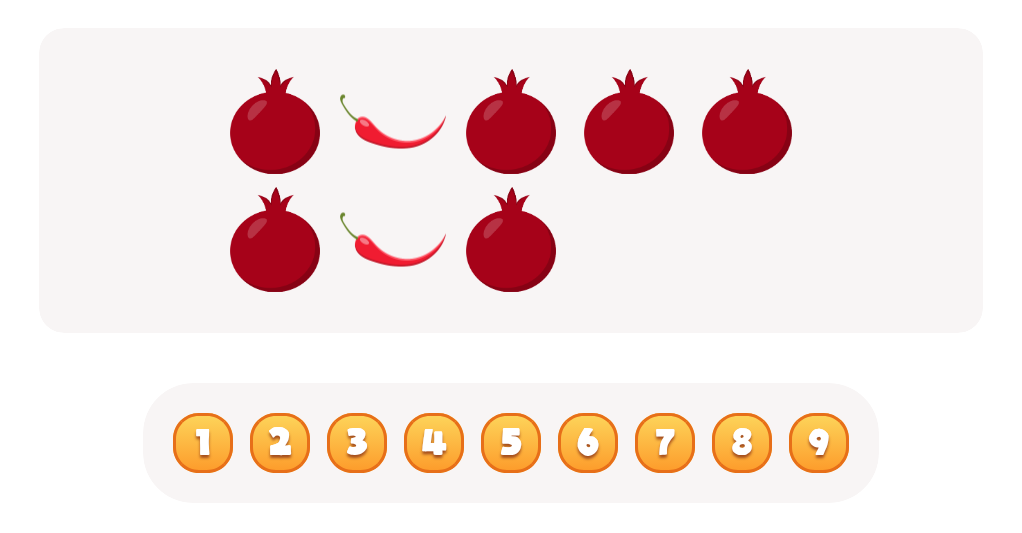
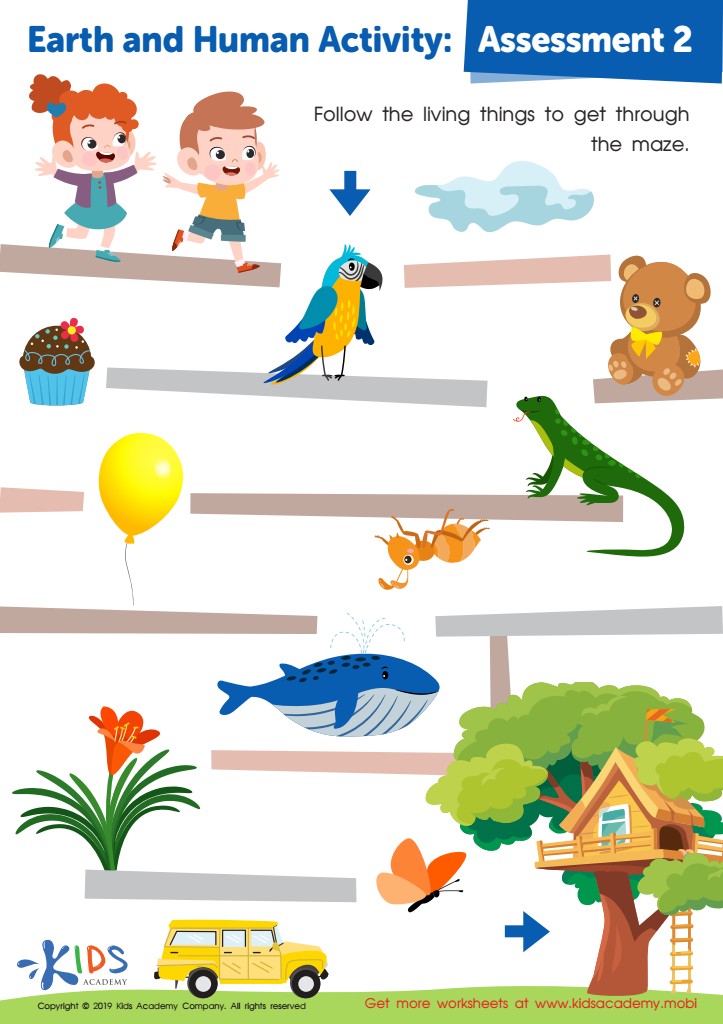
Earth and Human Activity: Assessment 2 Worksheet
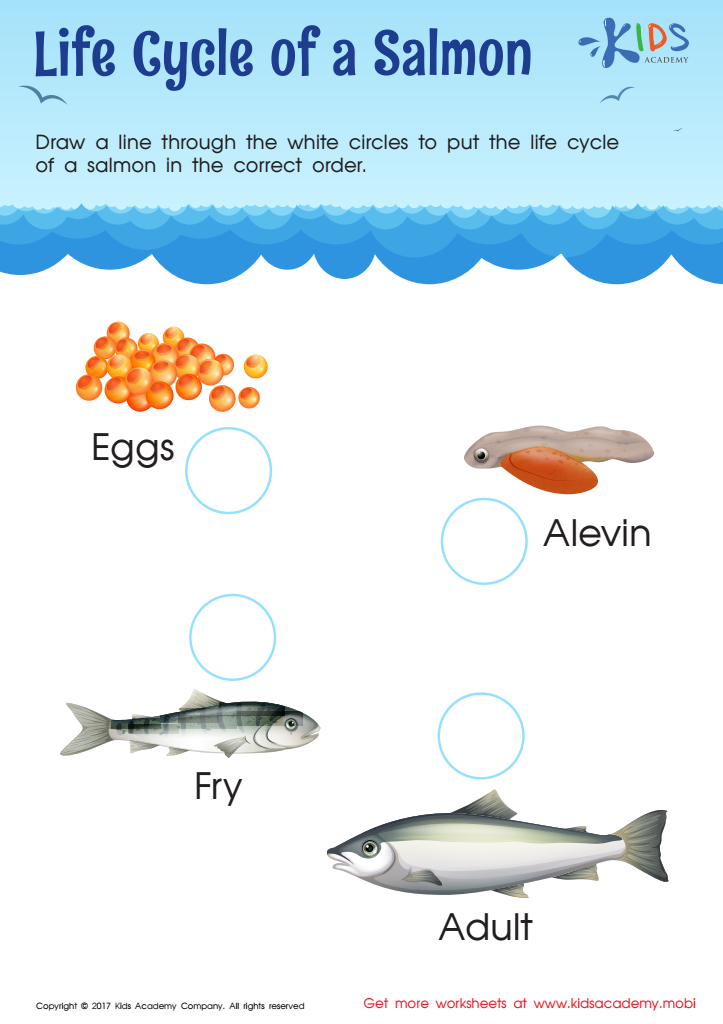
Cycle Of Salmon Worksheet
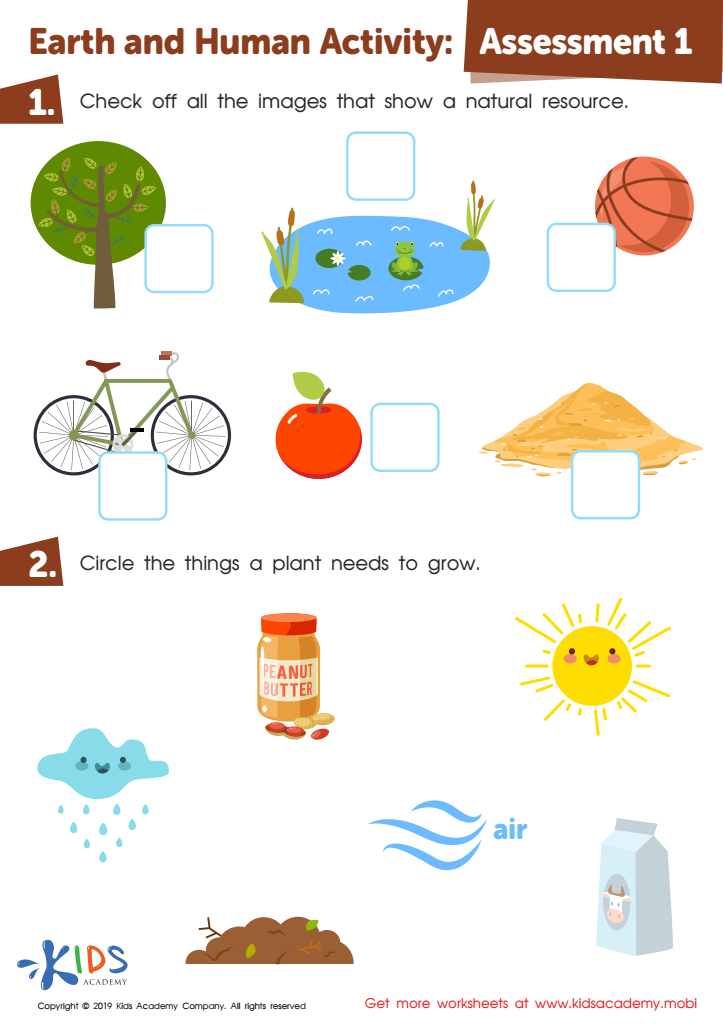
Earth and Human Activity: Assessment 1 Worksheet
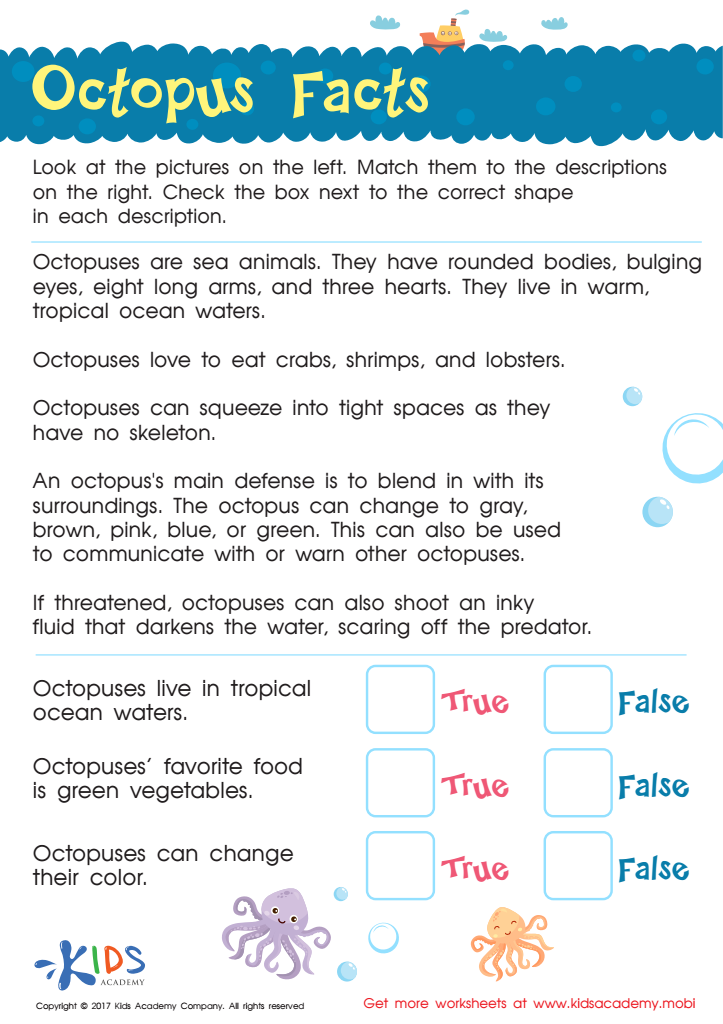
Octopus Facts Worksheet For Kids
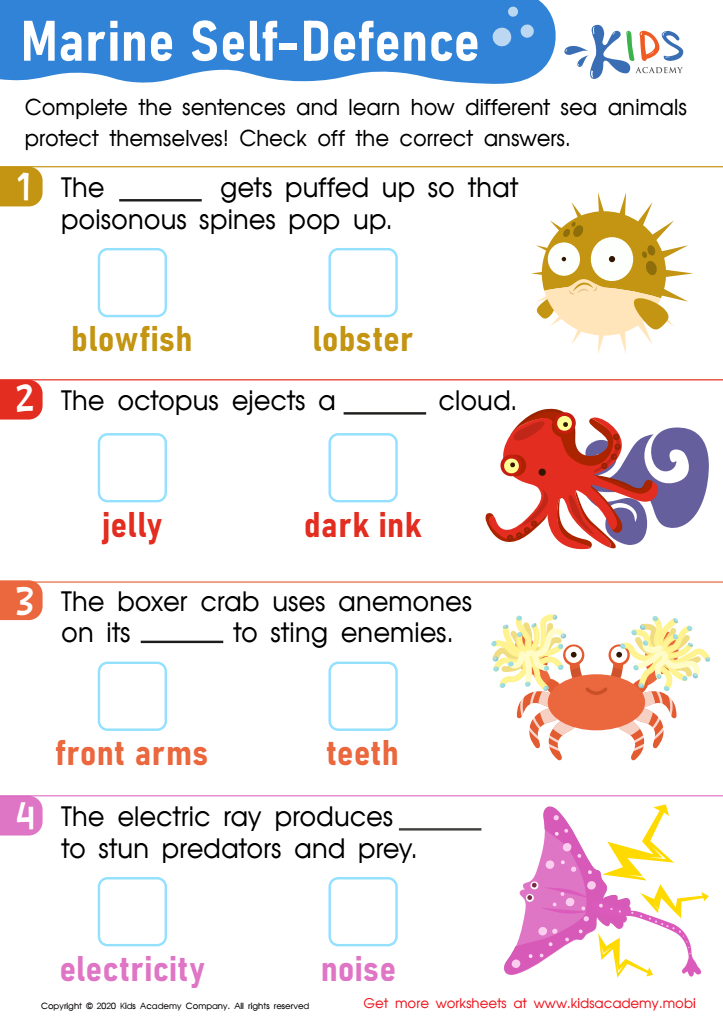
Marine Self-Defence Worksheet








Developing critical thinking skills in young children, ages 3-8, is crucial for their cognitive development, and employing engaging topics like plants and animals can be particularly effective. At this early age, children are naturally curious and eager to explore the world around them. Focusing on plants and animals allows youngsters to ask questions, make observations, and draw connections, nurturing their inquisitive minds.
When children learn about plants and animals, they begin to understand fundamental life processes, ecosystems, and the interdependence of living things. This not only enhances their knowledge of the natural world but also hones their ability to analyze, compare, and synthesize information. For instance, observing differences between various plant species or animal behaviors encourages children to think deeply, hypothesize, and problem-solve.
Furthermore, fostering critical thinking through these topics helps develop skills such as observation, classification, and sequencing. It also inspires a sense of responsibility and care for the environment. Teachers and parents can support this by creating hands-on learning experiences, asking open-ended questions, and encouraging exploration through experiments and outdoor activities.
In sum, nurturing critical thinking skills through the study of plants and animals equips young children with essential tools for lifelong learning and instills in them a deeper appreciation for the natural world.








